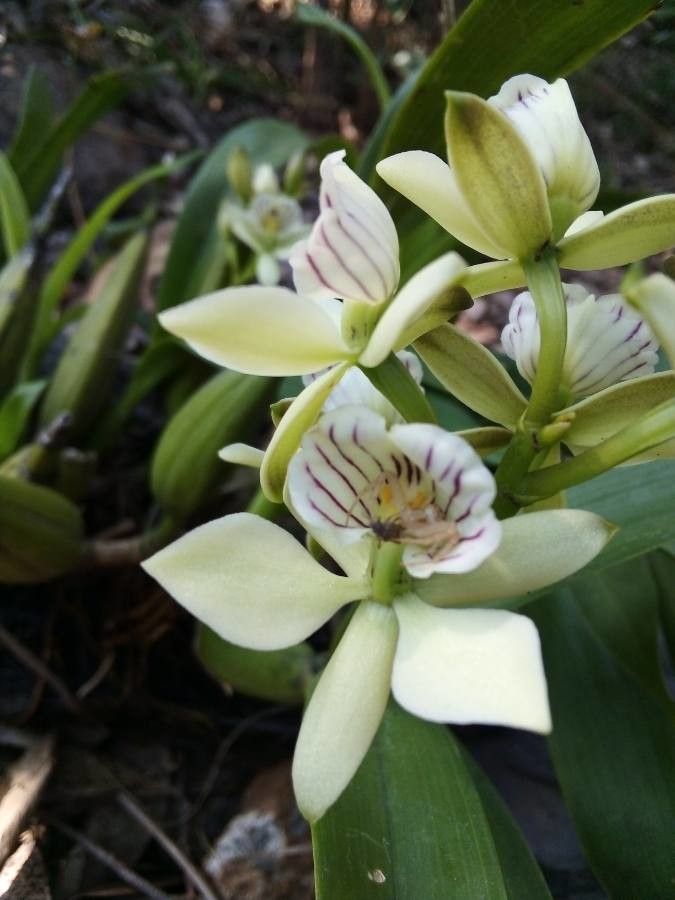
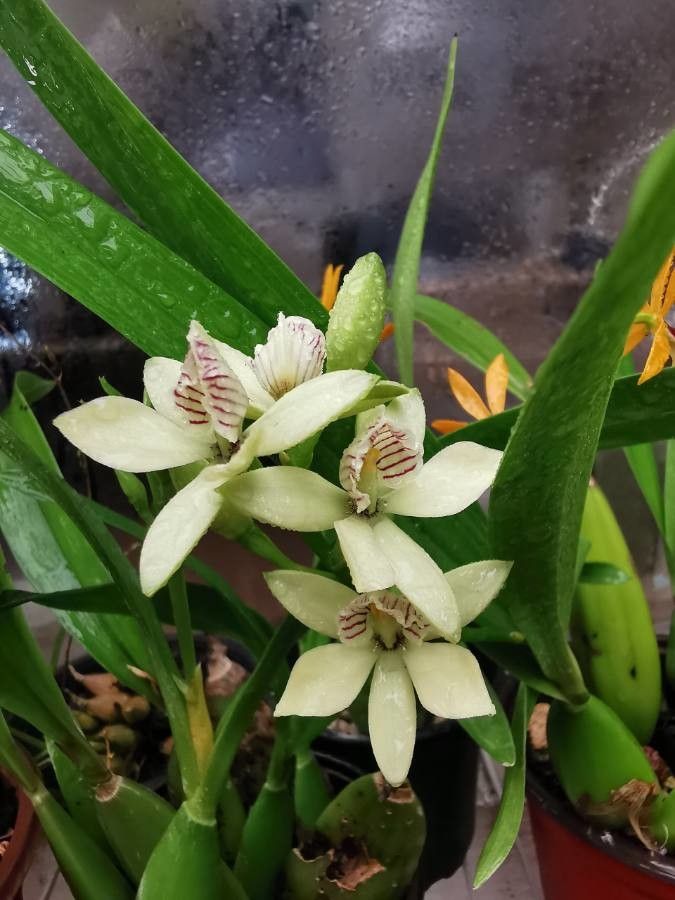
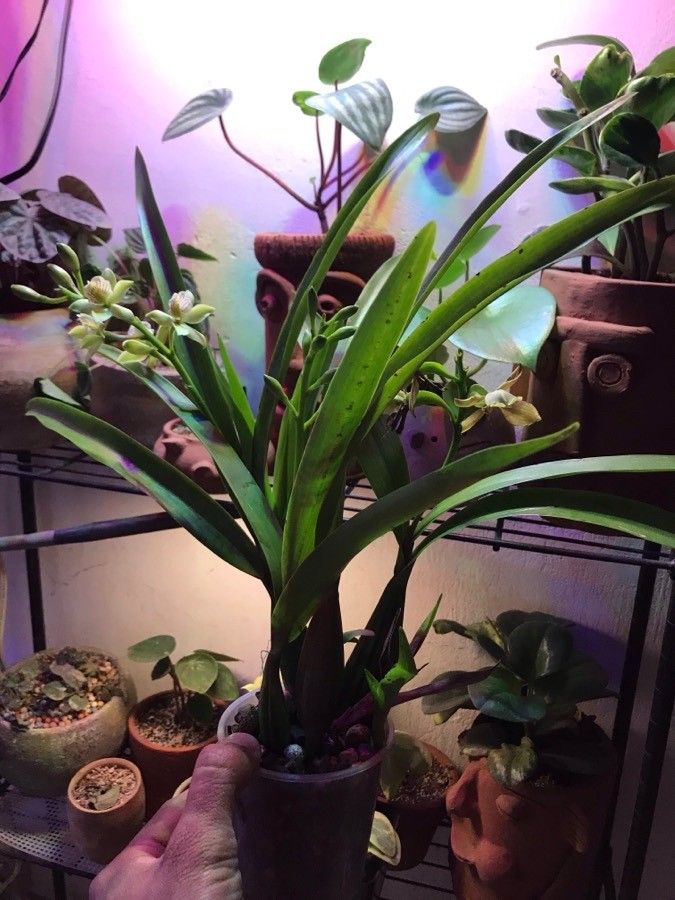
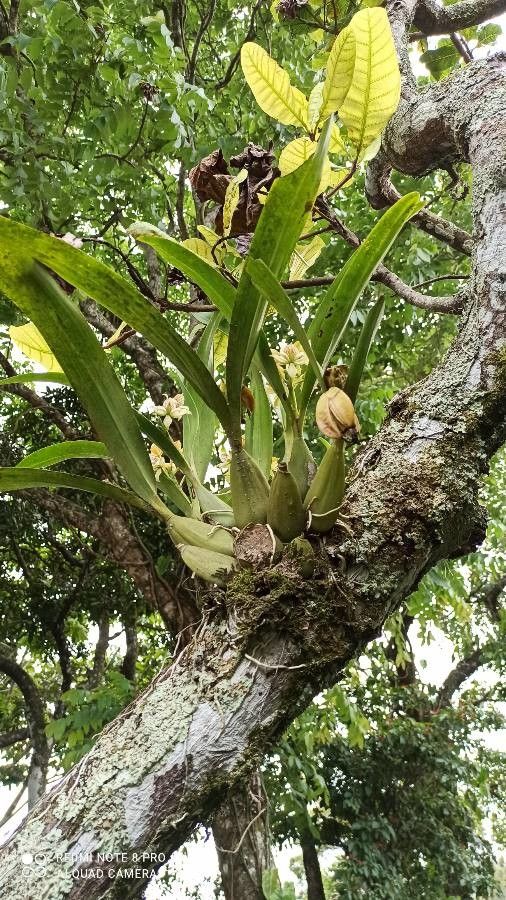
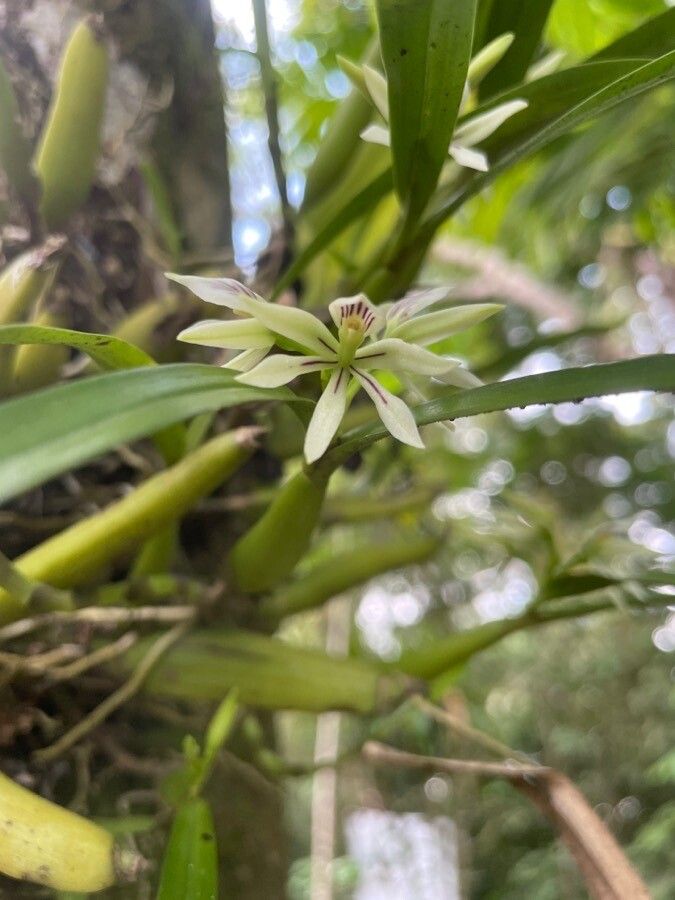
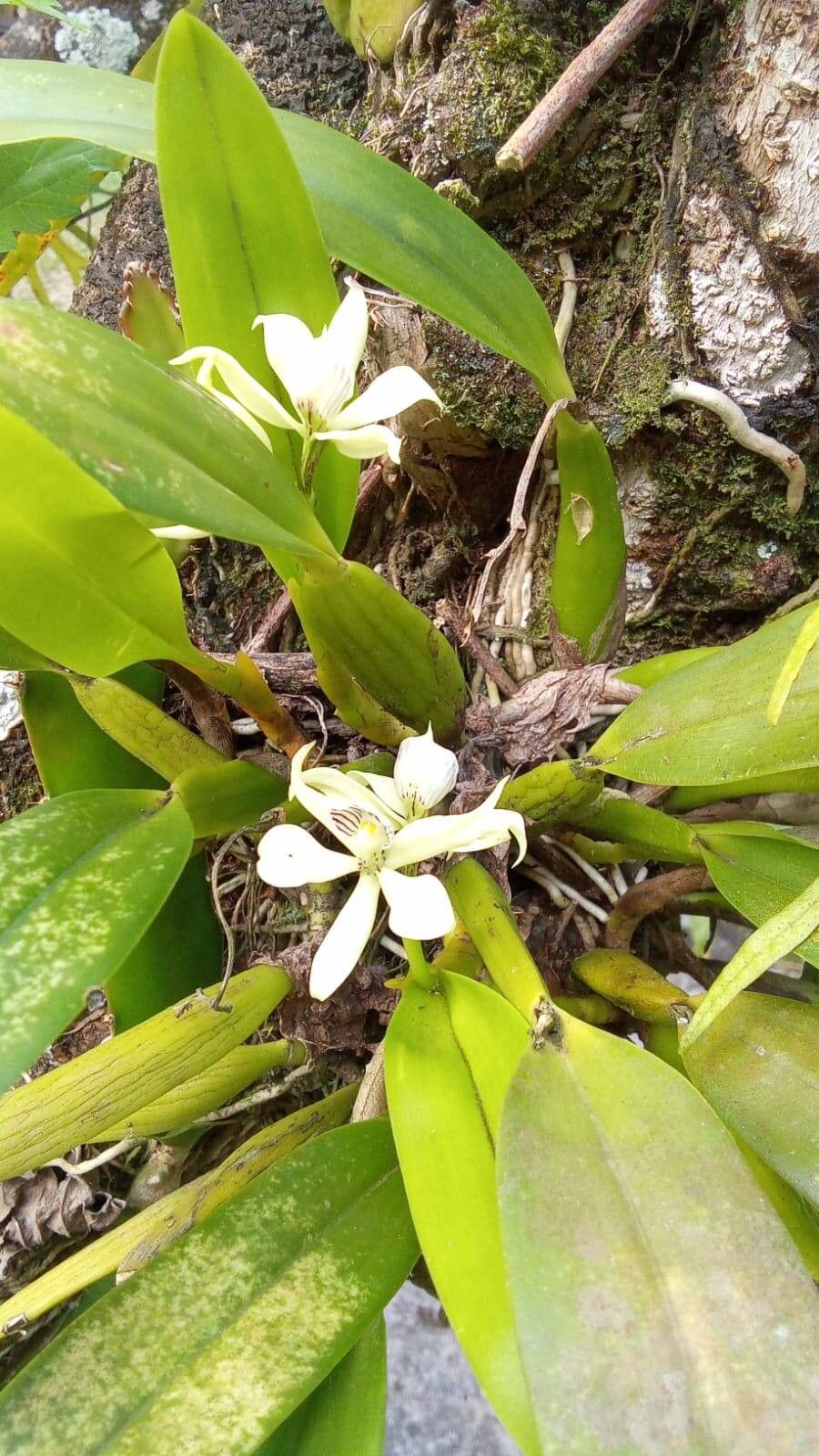
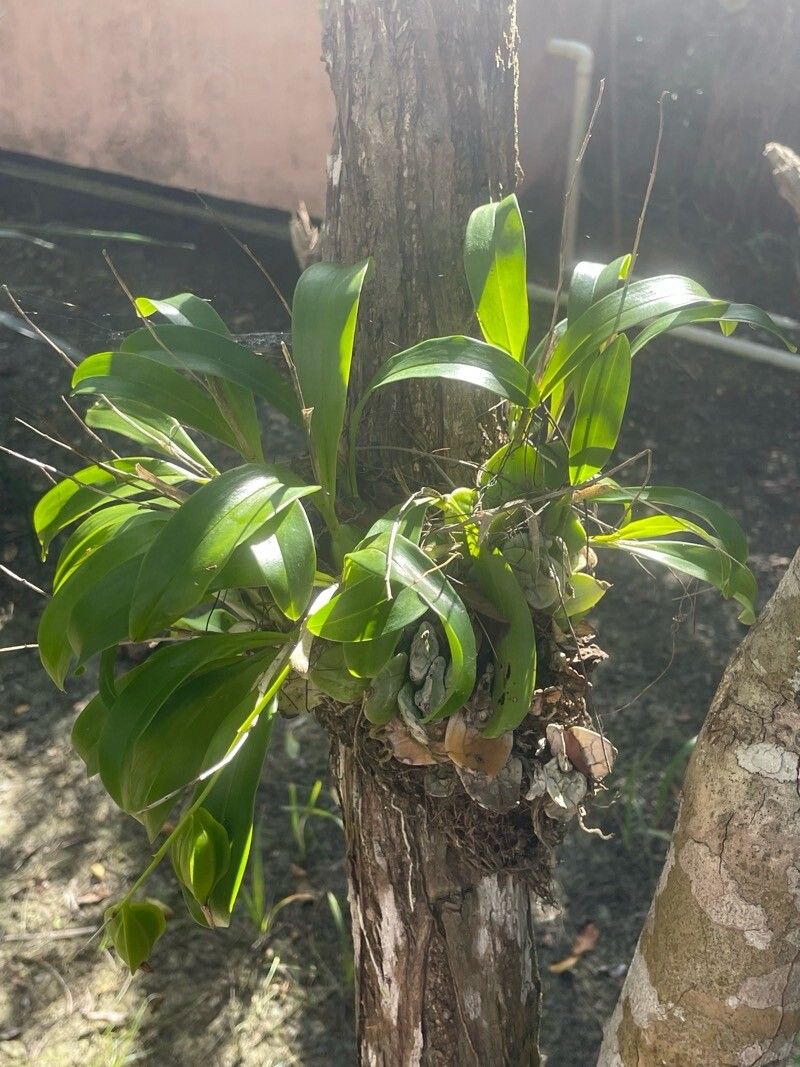
Lined Petal Orchid typically shows good disease resistance and is affected by relatively few insect pests. Its care is regarded as difficult because it needs a high-humidity yet well-ventilated environment with few harmful pathogens. Overwatering can cause root rot. Anyone can grow Lined Petal Orchid, but keeping it healthy and getting it to bloom again requires more cultivation experience.
How to keep Prosthechea Radiata.
Light
Lined Petal Orchid is native to habitats like forest understories and rocky areas, where it grows in natural shade. It prefers partial sun but can adapt to full sun or full shade, showing that it is versatile and hardy.
Water
Prosthechea radiata thrives in humid, tropical environments and needs consistent moisture, though it can tolerate some drought. Water the plant every 1 to 2 weeks, and keep the humidity high by placing the pot on a tray of wet pebbles. Be sure to avoid stagnant water for the plant's best health.
Temperature
The Lined Petal Orchid prefers warm conditions. It grows best in temperatures that are moderately warm but not excessively hot or humid. Sunlight helps to heat the plant and encourages flowering. However, long periods of direct sun in summer can cause sunburn, so it's important to limit the amount of sunlight it receives during that season. The plant generally does not tolerate cold well, so it needs adequate protection and warmer temperatures in winter to avoid freezing.
Fertilizer
Proper fertilization is essential for the health and appearance of the Lined Petal Orchid. Fertilize the Lined Petal Orchid in summer, repeating the application monthly throughout the season. Nutrients drive growth and preserve the plant’s parts. Fertilization improves the Lined Petal Orchid’s flower display, ensuring the best blooms.
Pruning
Prosthechea radiata is famous for its vibrant flowers. To keep the plant healthy and enhance its blooms, it's best to prune in early spring before new growth begins. Remove any dead stems during this time to help shape the plant. This not only improves air circulation but also reduces the risk of disease and encourages strong regrowth, ensuring the plant remains healthy and visually appealing.
Pot & Repot
When repotting a Lined Petal Orchid, select a slightly larger pot with good drainage, preferably a clear orchid pot. Use a well-draining, orchid-specific potting mix that contains bark or moss. Gently clean the roots and trim any that are dead or rotting. Repot after flowering, usually in spring or fall; water thoroughly and place in bright, indirect light. Avoid disturbing the roots once it has been repotted.
Botanical profile.
- Plant Type
- Herb
- Life Cycle
- Perennial
- Genus
- Prosthechea
- Family
- Orchidaceae
- Hardiness Zone
- 10-12
- Mature Height
- 30 cm to 61 cm
- Mature Spread
- 20 cm to 30 cm
- Leaf Color
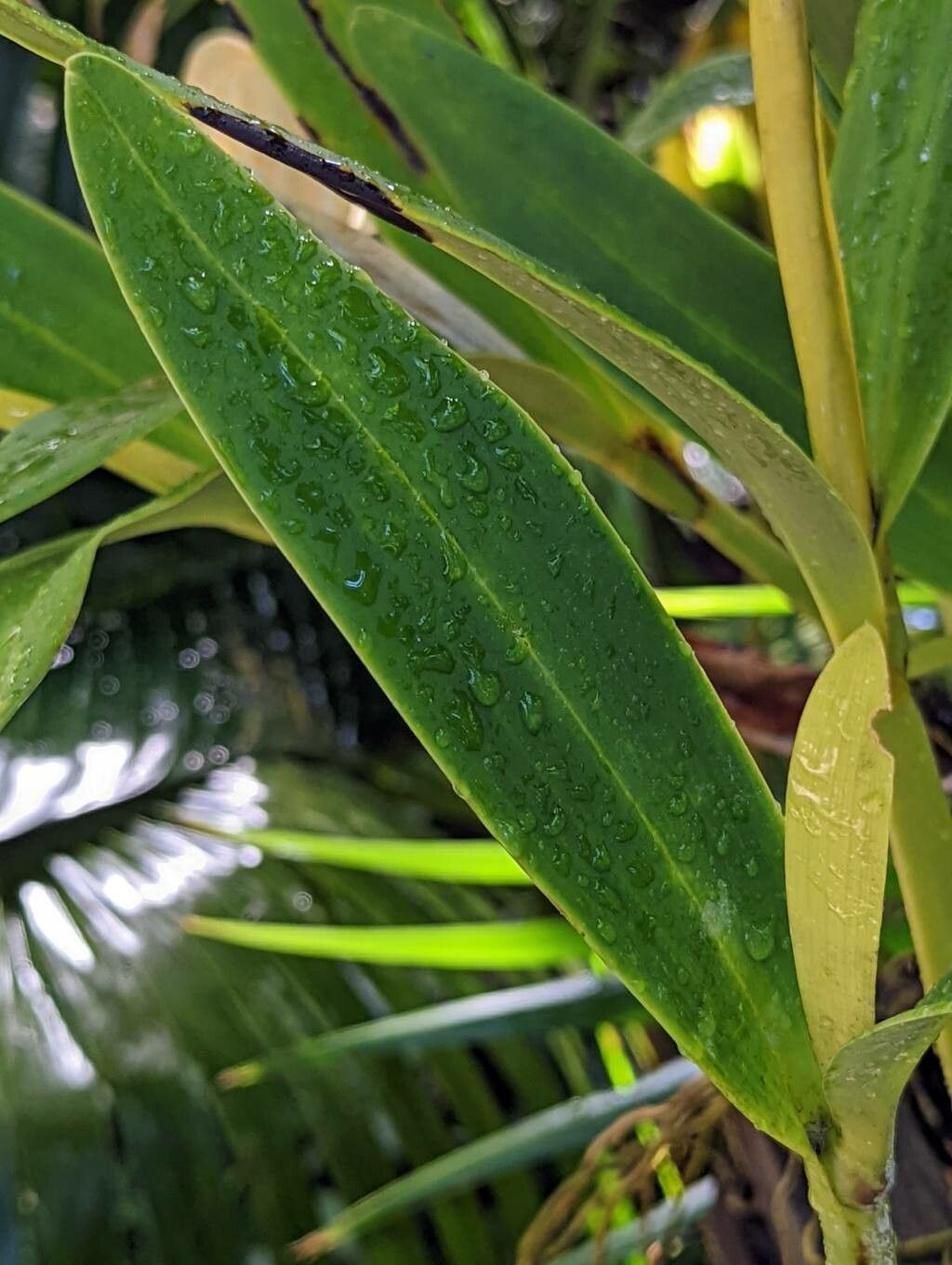
- Green
- Leaf Type
- Evergreen
- Flower Color
- White, Yellow
- Flower Size
- 5.08 cm to 6.35 cm
- Bloom Time
- Mid winter, Late winter, Early spring
- Planting Time
- Spring
- Harvest Time
- Spring
- Native Area
- Belize, Honduras, Mexico, Guatemala, El Salvador, Nicaragua
Other names.