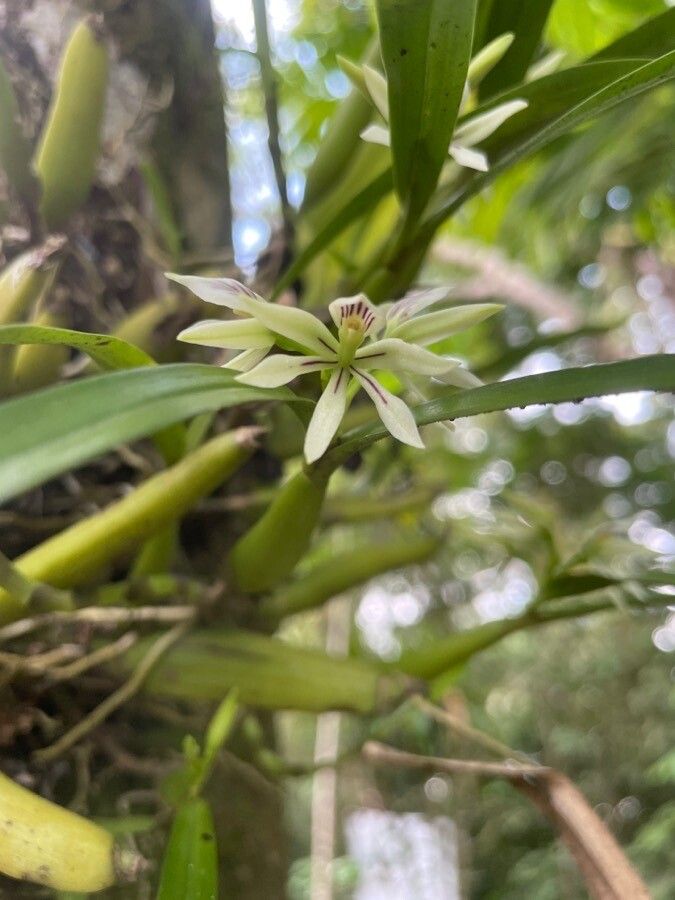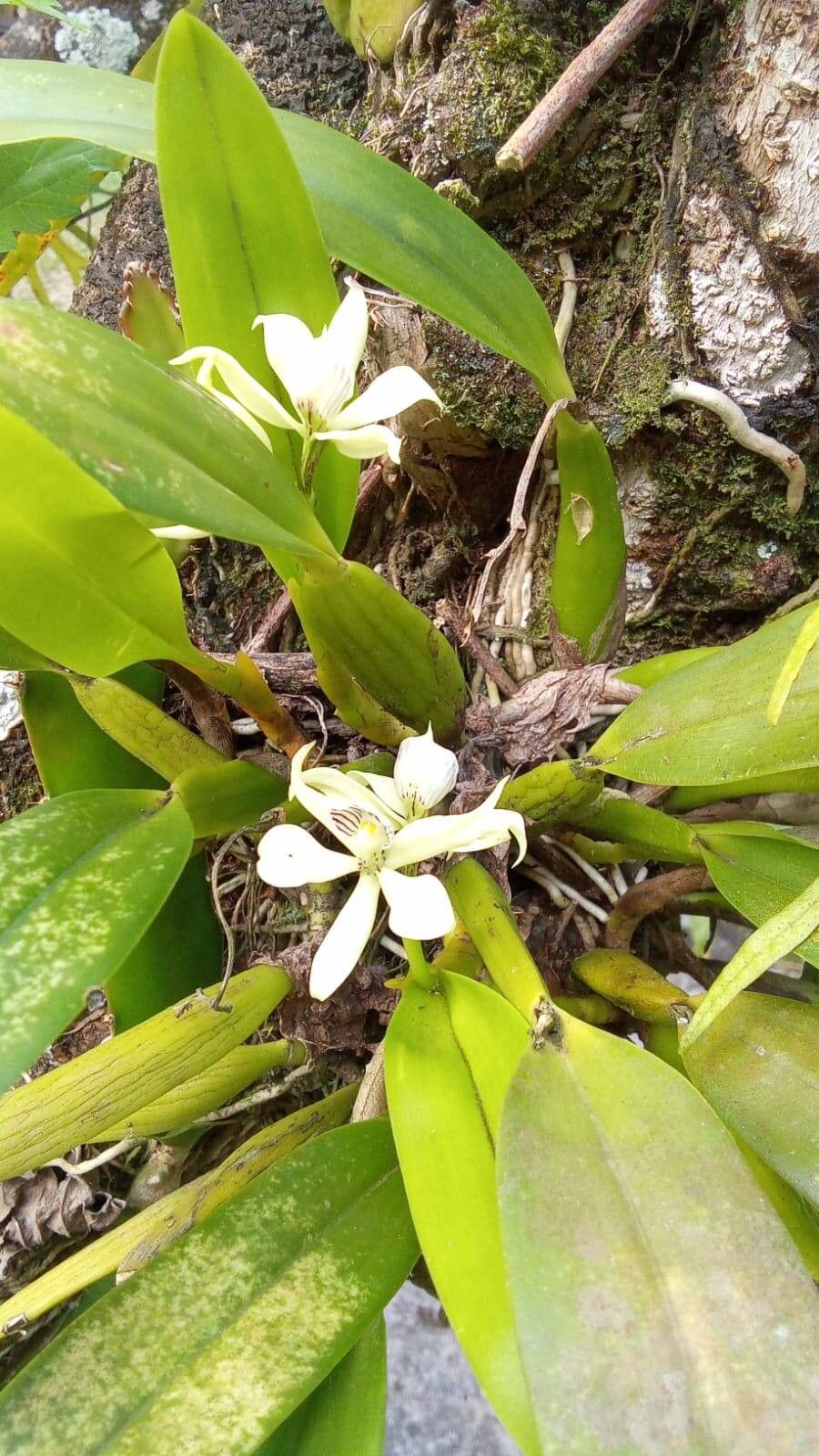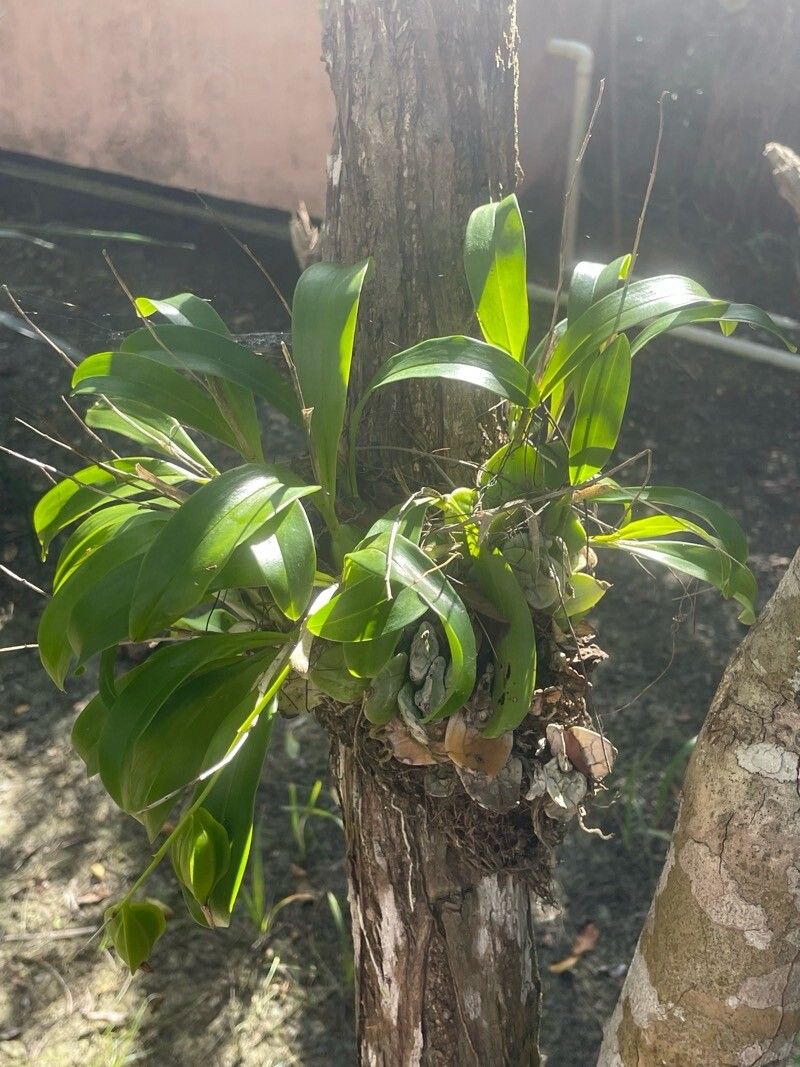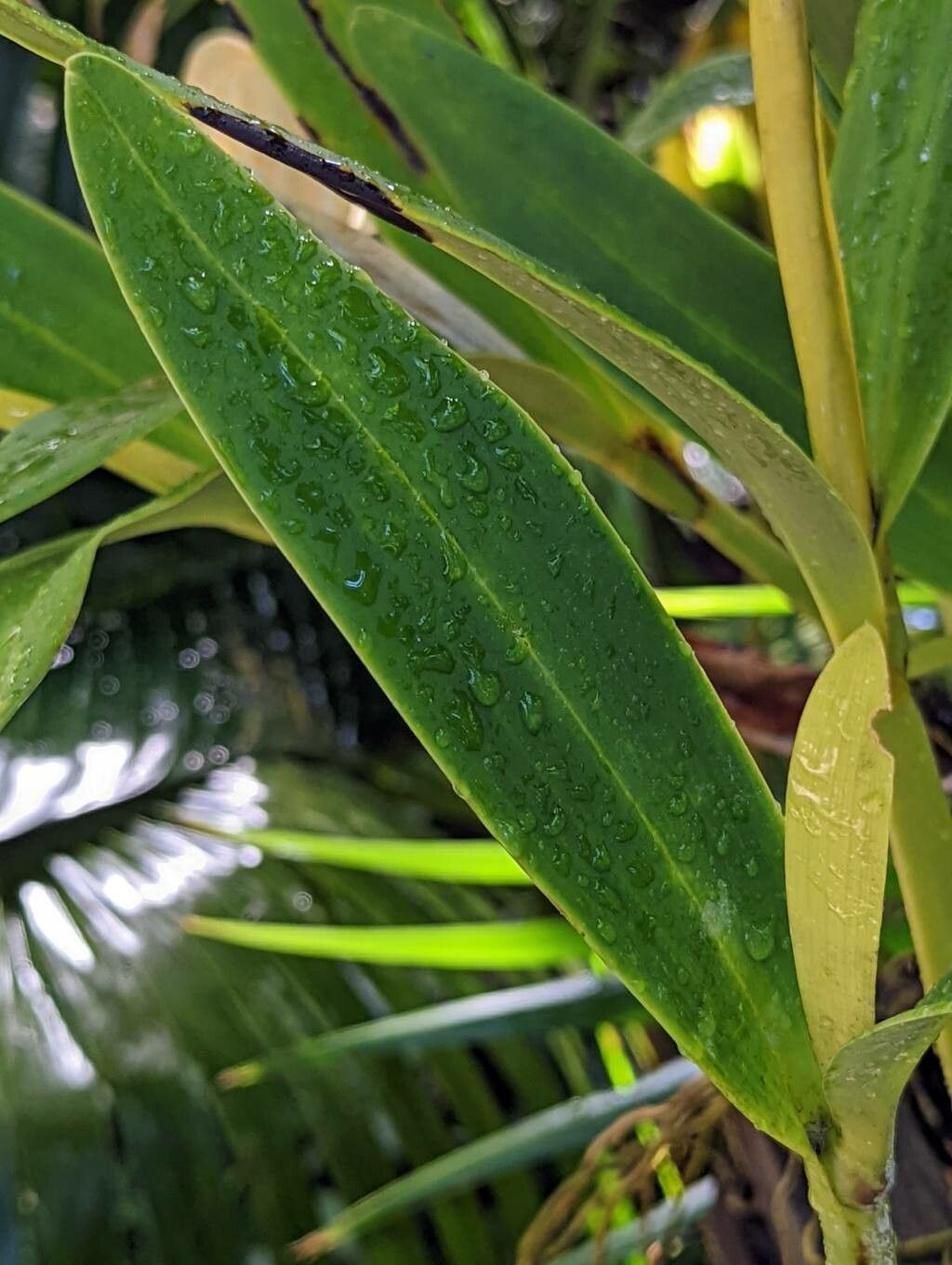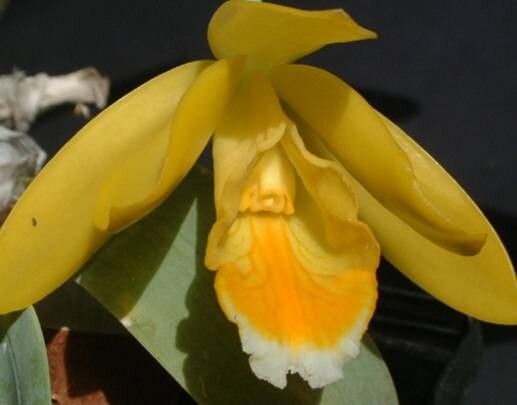
Prosthechea citrina, synonym Encyclia citrina, is a species of orchid native to southwest Mexico. It is known as tulip orchid and has a strong lemon fragrance. Its petals are golden yellow with varying degrees of white crenulations in the lip. The plant may be upright or pendant, but the flowers are always pendant. It is also known as the tulip orchid due to its flowers' rounded cup-like shape. It has been referred to for generations as costicoatzontecoxòchitl, meaning "flower in the form of yellow serpent head", by the Nahuas.
Prosthechea citrina typically resists disease well and is bothered by relatively few insect pests. Its care is rated difficult because it needs high humidity combined with good air circulation and a low presence of harmful pathogens. Too much watering can cause root rot. Although anyone can grow Prosthechea citrina, keeping it healthy and getting it to rebloom requires more growing experience.
How to keep Prosthechea Citrina.
Light
The Prosthechea citrina plant originates from habitats like forest undergrowth or stony terrains, where it naturally finds some degree of shadow. Its optimal sunlight exposure is semi-sun, yet it shows an ability to modify and thrive under full sun or complete shade, displaying its adaptability and resilience.
Water
Prosthechea citrina, a plant native to tropical regions, effectively absorbs moisture and can tolerate moderate drought conditions. It thrives best with a balanced level of moisture, needing to be watered every 1 to 2 weeks. As an epiphytic orchid, it benefits from higher humidity levels during its active growth phase, which helps simulate its natural environment.
Temperature
Prosthechea citrina does well in warm conditions. It prefers moderately high temperatures but not extreme heat and humidity. Sunlight warms the plant and encourages flowering. Nevertheless, long periods of direct sun in summer can cause sunburn, so the amount of light it receives should be controlled during that season. The plant is generally sensitive to cold and needs adequate protection and warmer conditions in winter to avoid freezing.
Fertilizer
Appropriate fertilization is vital for the health and aesthetics of Prosthechea citrina. During the summer season, apply fertilizer to Prosthechea citrina monthly. This supply of nutrients aids in growth and sustains the parts of the plant. By fertilizing, Prosthechea citrina's floral display is amplified, guaranteeing premier blossoms.
Pruning
Prosthechea citrina produces stunning yellow flowers when it blooms. To keep the plant healthy, prune it in early spring to remove dead leaves and encourage new growth. Light pruning helps maintain the plant's shape, supports its health, and prevents disease. Be careful not to prune too heavily, as Prosthechea citrina is sensitive to drastic cuts. Proper care will ensure a robust flowering season.
Pot & Repot
When you are ready to repot Prosthechea citrina, opt for a slightly bigger pot that has excellent drainage, ideally a transparent orchid pot. Select a well-draining mix specifically designed for orchids that includes bark or moss. Carefully cleanse the roots and cut off any that are deceased or decomposing. Usually, the repotting should occur after the flowering period, typically in the spring or autumn, followed by ample watering, and placing in a location with bright but indirect light. Once repotted, try not to disrupt the roots.
Botanical profile.
- Plant Type
- Herb
- Life Cycle
- Perennial
- Genus
- Prosthechea
- Family
- Orchidaceae
- Hardiness Zone
- 10-12
- Mature Height
- 20 cm to 30 cm
- Mature Spread
- 15 cm to 25 cm
- Leaf Color
- Light Green
- Leaf Type
- Evergreen
- Flower Color
- Yellow
- Flower Size
- 5.08 cm to 6.35 cm
- Bloom Time
- Mid spring, Late spring, Early summer
- Planting Time
- Summer, Autumn
- Harvest Time
- Mid summer, Late summer, Early fall
- Native Area
- Mexico