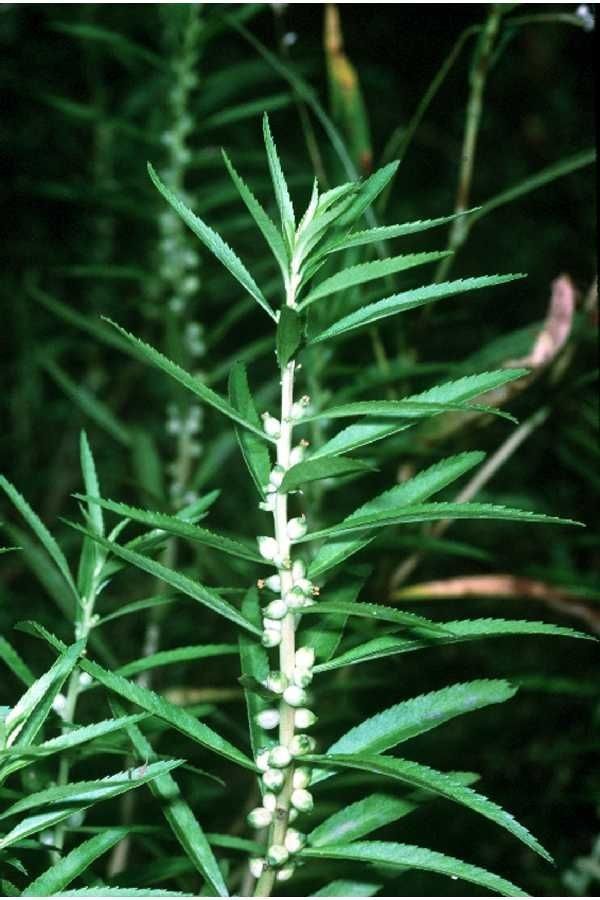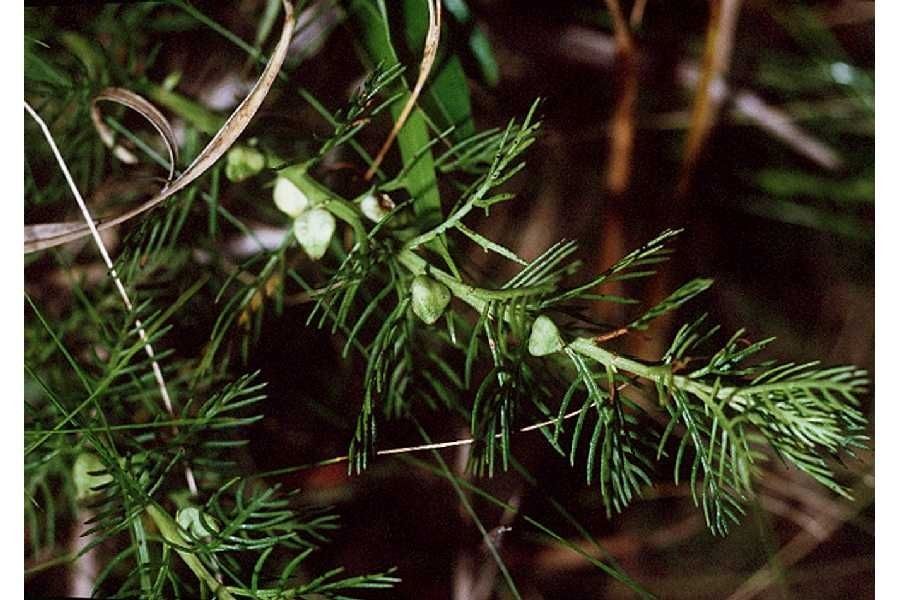
Combleaf mermaidweed has strong disease resistance and is generally unlikely to develop illnesses. Still, it can be affected by pests and diseases present in its environment; such problems are usually mild. For care, this plant is moderately demanding. It should be pruned regularly to keep a neat appearance and encourage healthy growth. Fertilizing can also aid in promoting blooms. Combleaf mermaidweed is suitable for anyone with outdoor areas like a garden or patio and does not require much experience in plant care. It may need more attention when cultivated indoors.
How to keep Proserpinaca Pectinata.
Water
Combleaf mermaidweed thrives in wetland habitats and prefers consistent moisture, so it benefits from weekly watering for optimal health. While it can tolerate short periods of dryness, it is well-suited for outdoor cultivation, where it benefits from natural rainfall. Its growth is closely linked to water availability, making it an indicator of wetland ecosystem health.
Fertilizer
One fertilizer application in spring is generally adequate for Combleaf mermaidweed, though multiple feedings can maximize growth. Feed about once a month to once every six weeks. Fertilization improves leaf appearance and function, supporting consistent color and a healthy texture. It also encourages root development and nutrient uptake for long-term plant health.
Pruning
To enhance aeration and encourage healthy leaf growth, prune combleaf mermaidweed from early to late spring. Remove any dead or damaged stems to prevent disease. Moderately pruning the plant not only stimulates vigorous growth but also helps maintain an attractive shape, as highlighted by reputable horticultural guides.
Botanical profile.
- Plant Type
- Herb
- Life Cycle
- Perennial
- Genus
- Proserpinaca
- Family
- Haloragaceae
- Leaf Type
- Deciduous
- Native Area
- Mexico, Cuba