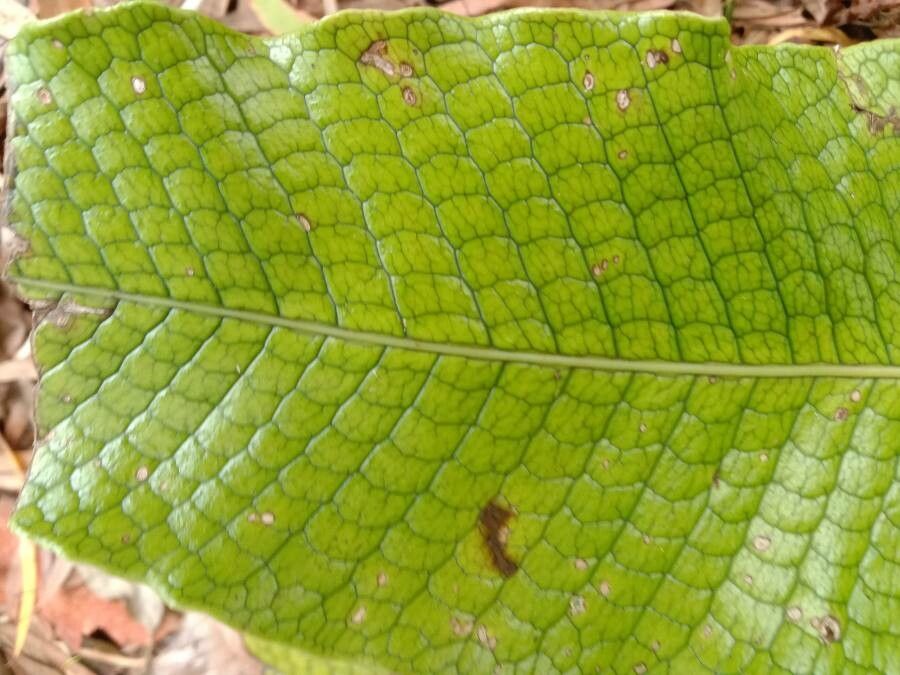
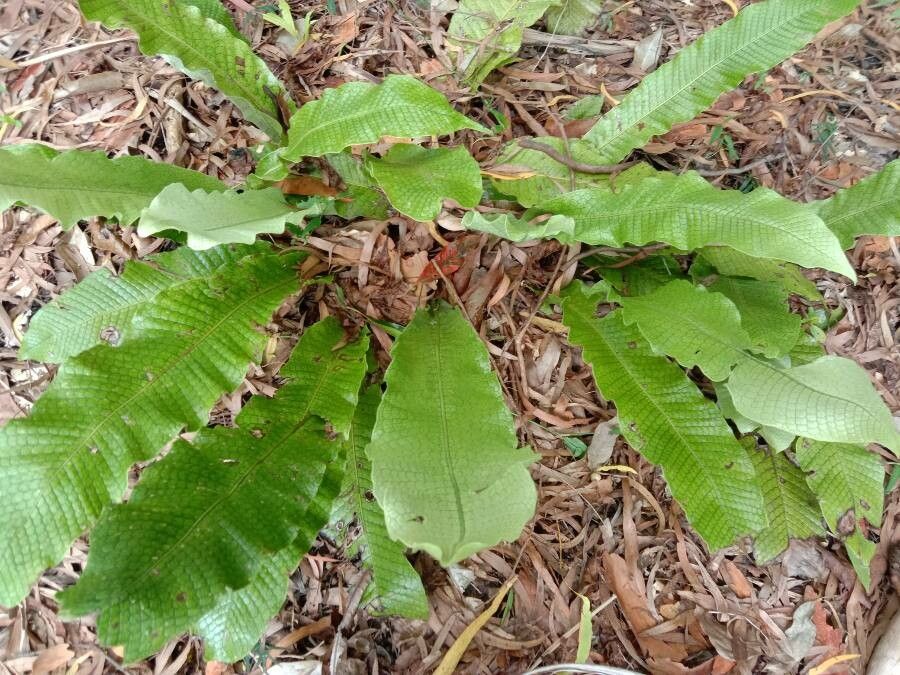
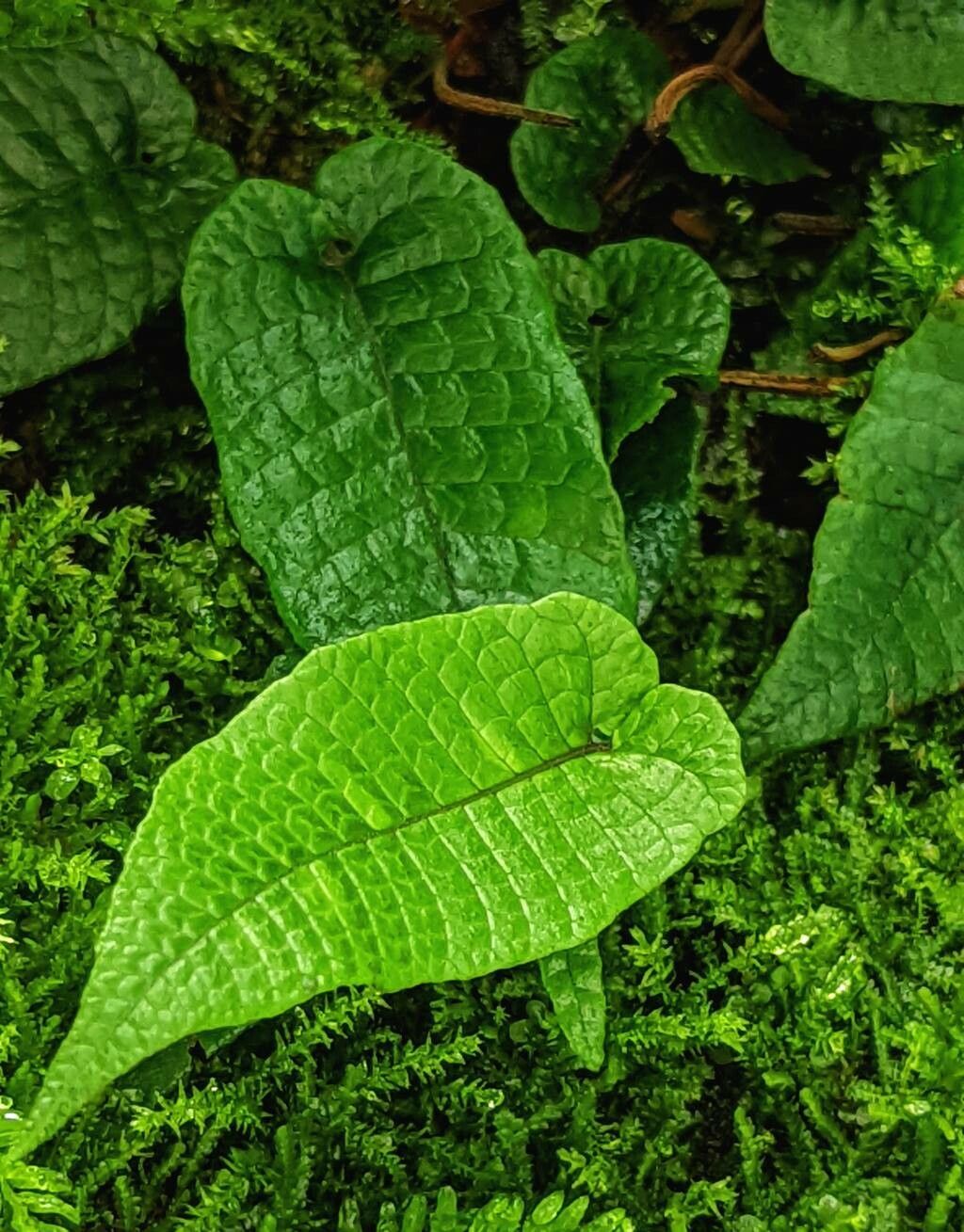
Pronephrium gymnopteridifrons typically shows strong resistance to disease and is affected by relatively few insect pests. Its care is considered challenging because it demands a moist environment and frequent watering. However, the roots are susceptible to rot if overwatered or if the surroundings are poorly ventilated. Pronephrium gymnopteridifrons is better suited to someone with some cultivation experience, as most people can keep it alive for a period of time. Still, it may struggle to prosper and its leaves can dry out and lose vigor over time.
How to keep Pronephrium Gymnopteridifrons.
Light
Pronephrium gymnopteridifrons is native to habitats such as forest understories or rocky sites that provide natural shade. It prefers Full Shade but can tolerate Partial Sun.
Water
Pronephrium gymnopteridifrons thrives in humid environments similar to its tropical habitat and prefers soil that is kept consistently moist. It should be watered twice a week, and once it has become established, it demonstrates moderate drought tolerance. Regular misting helps to maintain the health of its foliage and enhances its ornamental appeal, making it an excellent choice for an indoor plant.
Temperature
Pronephrium gymnopteridifrons is indigenous to temperate regions and prospers where temperatures lie between 50 and 77 °F (10 to 25 °C). For vigorous growth, preserve these temperatures throughout all seasons, adjusting them as necessary to maintain ideal conditions.
Pruning
Pronephrium gymnopteridifrons is a shade-loving fern known for its vibrant fronds. To promote growth and improve air circulation, prune early in the spring by removing any damaged fronds. Regular light trimming helps prevent overcrowding, reducing stress on the plant and resulting in a healthier and more visually appealing appearance.
Botanical profile.
- Plant Type
- Fern
- Life Cycle
- Perennial
- Genus
- Pronephrium
- Family
- Thelypteridaceae
- Hardiness Zone
- 6
- Mature Height
- 0.76 m to 1.22 m
- Mature Spread
- 40 cm to 76 cm
- Leaf Color
- Green, Dark Green
- Leaf Type
- Evergreen
- Planting Time
- Summer, Autumn
Reader questions.
What are the sunlight requirements for plants?
Plants have various sunlight requirements ranging from partial sun, where they need about 3-6 hours of sunlight, to full shade, where they receive less than 3 hours of sunlight a day. Observing your garden's sunlight throughout the day can help in choosing the ideal spots for your plants, ensuring they receive the optimal balance of light and shade to thrive.
What is the native climate of Pronephrium gymnopteridifrons?
Pronephrium gymnopteridifrons is native to temperate climates and thrives in environments with a temperature range of 50 to 77 °F (10 to 25 °C). For the plant's healthy growth, it is essential to maintain these temperature conditions across all seasons, making necessary adjustments to achieve optimal conditions.
How does Pronephrium gymnopteridifrons adapt to sunlight?
Pronephrium gymnopteridifrons, originating from environments like forest understories or rocky areas, naturally prefers full shade but can tolerate partial sun. When natural sunlight is insufficient, especially indoors or during less sunny seasons, artificial lighting such as LED lights can be used to provide the necessary wavelengths of light for optimal growth. For full sun plants, 30-50W/sq ft of artificial light is needed, 20-30W/sq ft for partial sun plants, and 10-20W/sq ft for full shade plants.
Does Pronephrium gymnopteridifrons require frost protection measures?
Despite its high cold tolerance, Pronephrium gymnopteridifrons does not require additional frost protection measures during winter. However, it is recommended to water the plant generously before the first freeze in autumn to ensure the soil remains moist and enters a frozen state. This helps prevent drought and water scarcity for the plant during winter and early spring.
What are the symptoms of inadequate light for Pronephrium gymnopteridifrons?
When Pronephrium gymnopteridifrons does not receive enough light, several symptoms may appear, including smaller new leaves, leggy or sparse growth, faster leaf drop, slower or no new growth, lighter-colored new leaves, chlorosis, sunscald, leaf curling, wilting, and leaf scorching. These symptoms indicate a range of issues from insufficient light exposure to excessive sunlight, each affecting the plant's health and growth differently.
How does Pronephrium gymnopteridifrons react to low temperatures?
Pronephrium gymnopteridifrons is extremely cold-tolerant, capable of withstanding temperatures down to -25°C. While there may not be any noticeable changes during winter, temperatures dropping below this threshold may lead to a decrease in sprouting or absence of sprouting during spring. In such cases, removing any parts that fail to sprout in the spring is recommended.
How to provide adequate light to your Pronephrium gymnopteridifrons?
To ensure your Pronephrium gymnopteridifrons receives adequate light, gradually move it to increasingly sunnier spots, aiming for 3-6 hours of sunlight daily. For indoor plants or those not easily movable, supplement with artificial light, keeping a lamp on for at least 8 hours a day or investing in professional plant grow lights. For outdoor plants, it's crucial to avoid sudden changes in light intensity to prevent sunburn. If necessary, reduce obstructions like tree branches to let more sunlight through, or transplant smaller plants to sunnier locations during their dormant period to provide better light exposure.
What should be done if Pronephrium gymnopteridifrons is exposed to high temperatures?
When exposed to temperatures exceeding 25°C, the growth of Pronephrium gymnopteridifrons halts and it becomes more susceptible to rot. To mitigate this, trim away the sunburned and dried-up parts. Move the plant to a location that provides shade during the midday and afternoon, or use a shade cloth. Ensure the soil remains moist by watering the plant in the morning and evening.