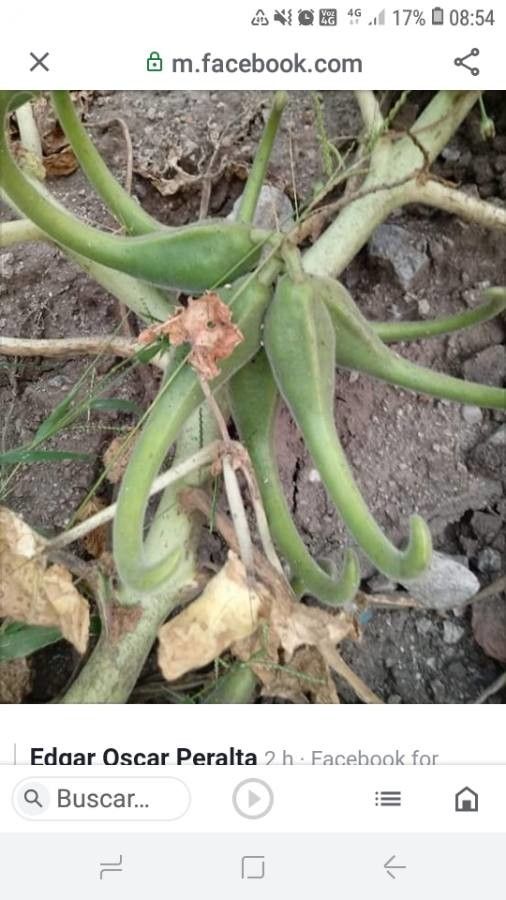
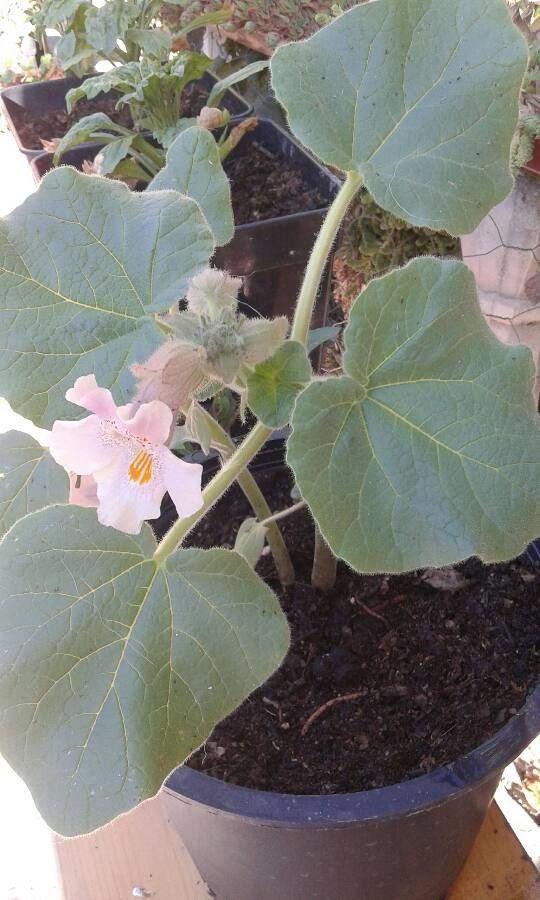
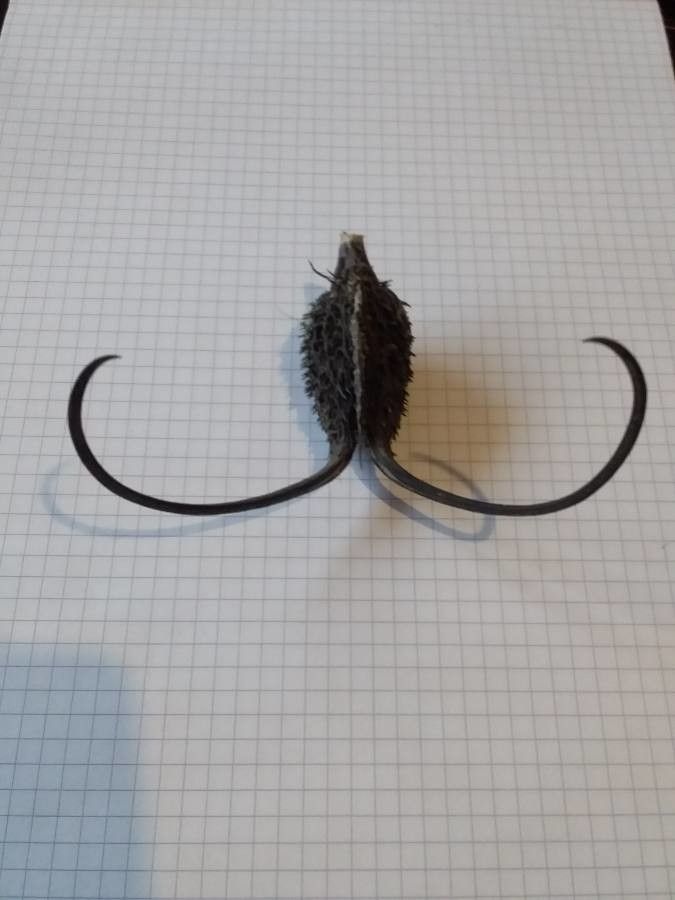
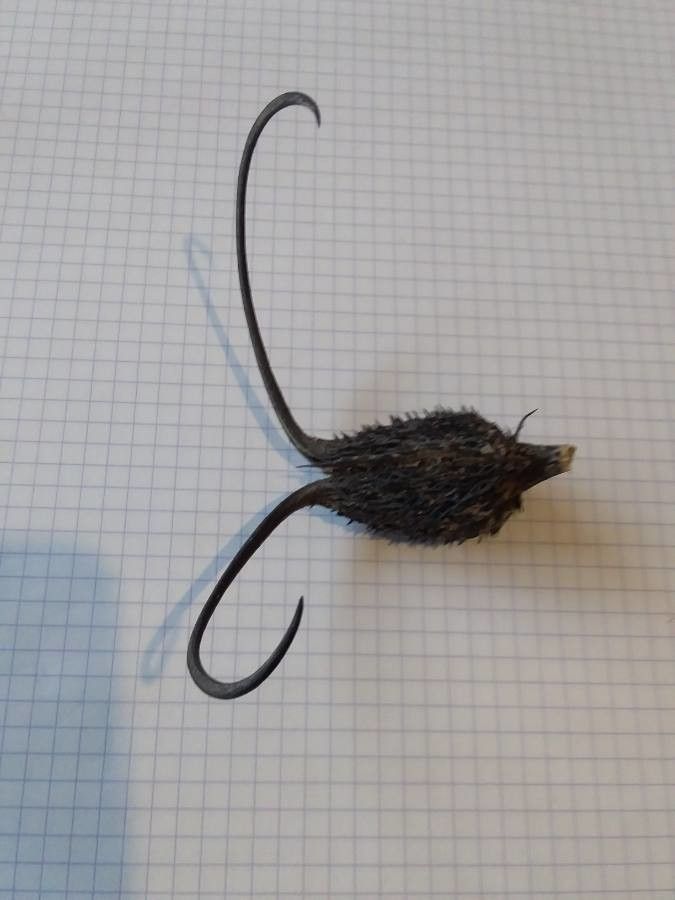
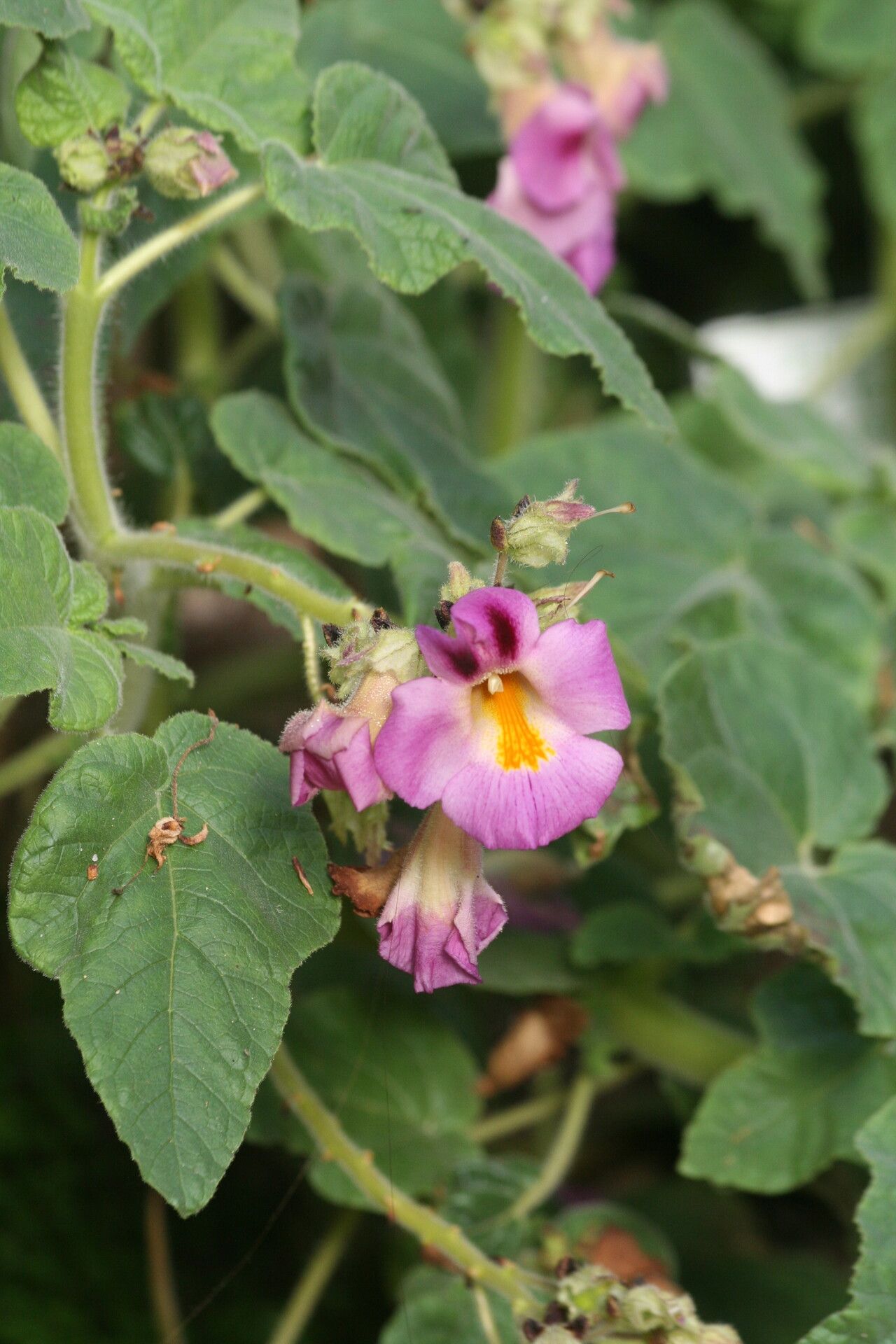
Proboscidea louisianica, commonly known as the Louisiana Devil's Claw or Ram's Horn, is a herbaceous plant belonging to the Martyniaceae family. Native to North America, it can be found in various regions, including Texas, Louisiana, and Oklahoma. The plant can grow up to 1 meter tall and is notable for its unique seed pods, which are long and curved, resembling a ram's horn or devil's claw.
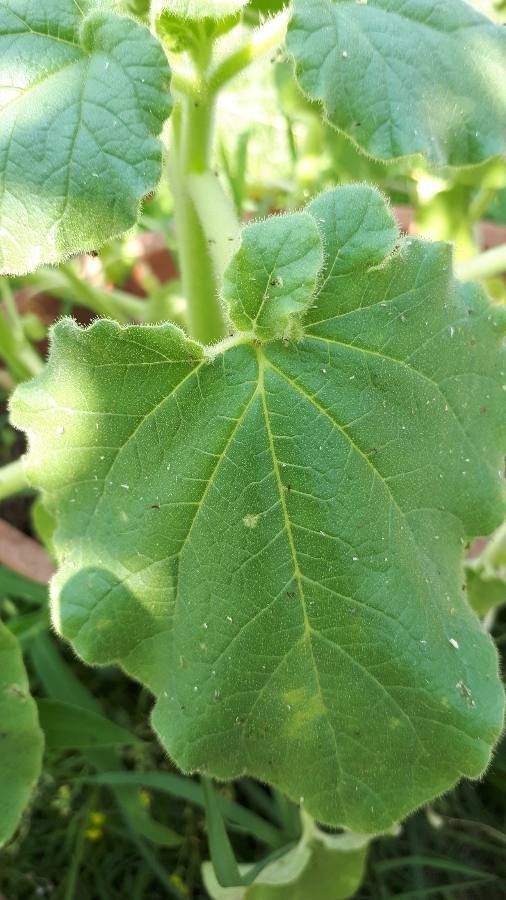
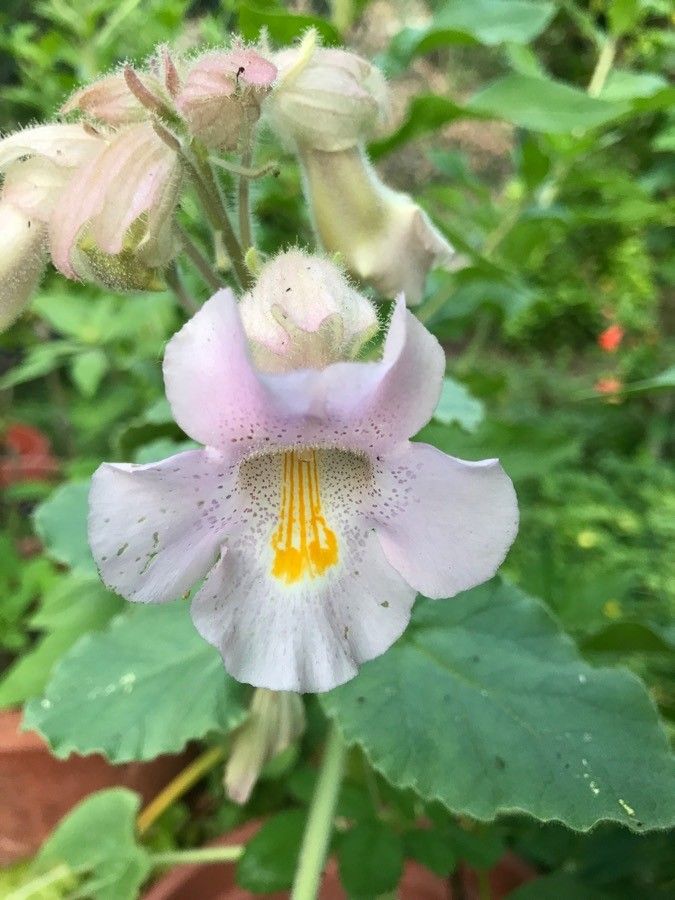
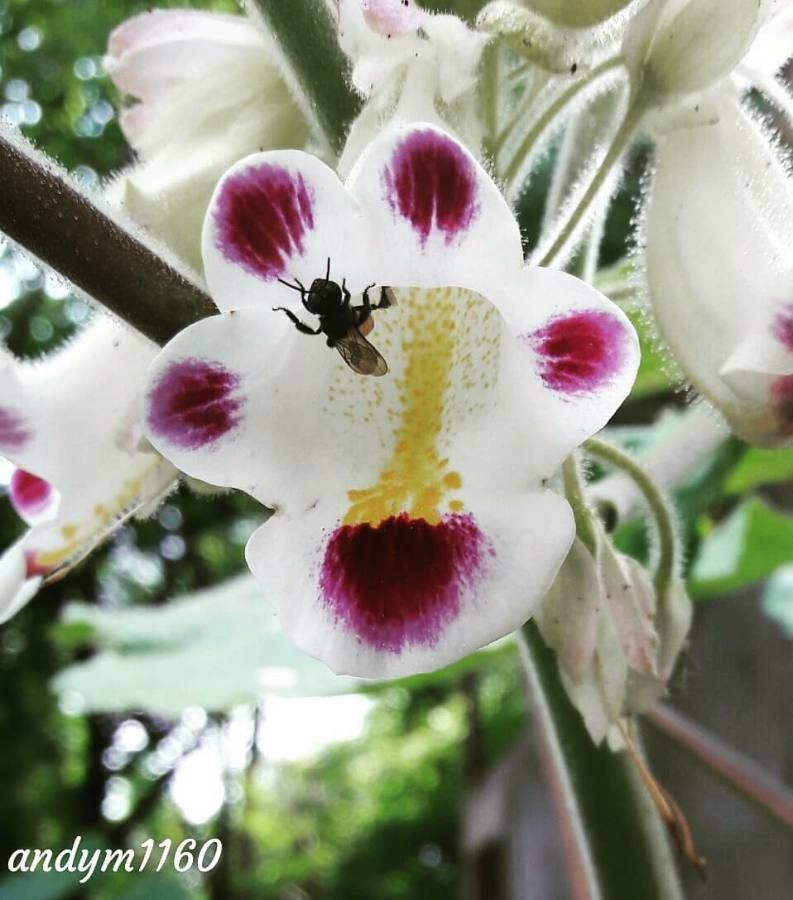
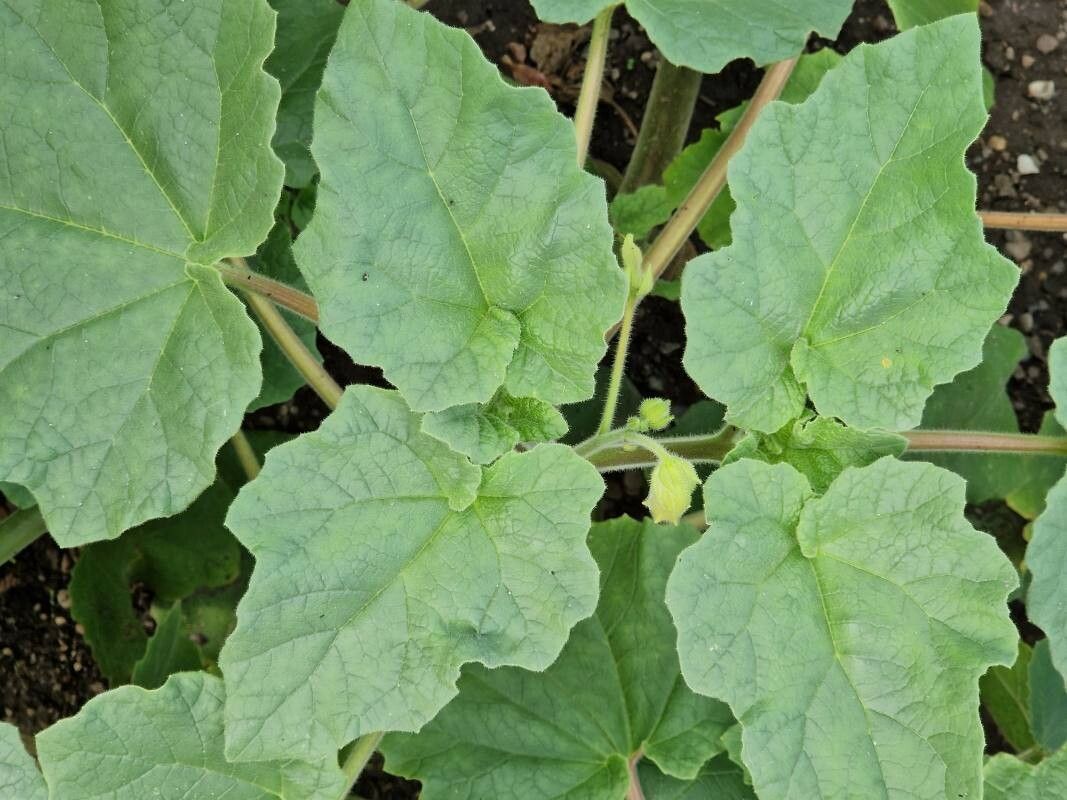
The leaves of Proboscidea louisianica are simple and alternate, with toothed margins. Its trumpet-shaped flowers, which have five lobes, range in color from white to pale yellow and bloom from June through September.
Native Americans have used this plant for medicinal purposes for centuries, believing it to have anti-inflammatory properties and using it as a remedy for arthritis pain relief.
Proboscidea louisianica is also an essential food source for wildlife, including deer, rabbits, quail, and other small mammals, who feed on its leaves or seeds.
In addition to its medicinal properties and ecological significance, Proboscidea louisianica has ornamental value due to its unique appearance, making it an attractive addition to gardens or landscapes, especially those designed around native North American plants.
Ram's Horn has good resistance to disease and generally does not tend to get sick. However, it can be vulnerable to pests and diseases that occur in its environment. These problems are usually mild. In terms of care, the plant requires moderate maintenance. It should be pruned regularly to keep a tidy appearance and support healthy growth. Fertilizing can also help encourage flowering. Ram's Horn is appropriate for anyone with outdoor space, such as a garden or patio, and does not need extensive care experience. It may demand more attention when grown indoors.
How to keep Proboscidea Louisianica.
Light
Ram's Horn does best with ample sunlight, which supports vigorous growth. In its native habitat it occurs in areas that receive plenty of sun year-round. While it can endure low light, that can hinder its development. Excessive sun may scorch the leaves, and too little light can produce leggy plants and reduced flowering.
Water
Ram's Horn thrives in moderate climates with regular rainfall and can withstand brief droughts, indicating that it has medium water requirements. To maintain its health, weekly watering is essential. It is commonly grown outdoors, where adequate moisture is crucial for developing its distinctive horn-shaped seed pods.
Temperature
Ram's Horn naturally occurs in habitats where temperatures range from 68 to 100℉ (20 to 38 ℃). It prefers warm conditions and may require seasonal adjustments to prevent being exposed to extreme cold or heat.
Fertilizer
When most of Ram's Horn's blooms have opened to full size, resume fertilizing. At the peak of bloom, fertilize every three to four weeks, weather permitting. Then, once Ram's Horn begins producing fewer new blooms, stop fertilizing; there is no need to fertilize when the plant can no longer produce additional blooms.
Botanical profile.
- Plant Type
- Herb
- Life Cycle
- Annual
- Genus
- Proboscidea
- Family
- Martyniaceae
- Hardiness Zone
- 9-11
- Mature Height
- 30 cm to 61 cm
- Mature Spread
- 1.22 m to 1.83 m
- Leaf Color
- Green, Blue
- Leaf Type
- Deciduous
- Flower Color
- Pink, Purple
- Flower Size
- 3.81 cm
- Bloom Time
- Summer, Early fall
- Planting Time
- Spring, Summer, Autumn
- Harvest Time
- Late summer, Fall
Other names.
Reader questions.
How should I water my Ram's Horn plant?
Ram's Horn can be watered using various tools such as a garden hose with a spray nozzle or a watering can. It is not fussy about the type of water it receives, as rainwater, tap water, or filtered water all work fine. It is best to avoid watering this plant from above to prevent damage to the leaves, flowers, and potential disease. Drip irrigation systems are recommended for watering Ram's Horn because they evenly and directly deliver water to the soil. When watering a container-grown Ram's Horn, simply use a cup, watering can, or tap water to water the soil directly.
What are the sunlight requirements for Ram's Horn?
Ram's Horn requires full sun, which means it needs above 6 hours of sunlight daily to thrive. It's essential to watch how sunlight moves through your garden and choose spots that provide a perfect balance of light and shade. This careful selection ensures the plant's happiness and promotes its robust growth. In its original habitat, Ram's Horn grows in regions with abundant sunlight year-round. Although it can survive with less sunlight, this may impede its growth, leading to potential issues such as scorched leaves with excessive exposure or leggy growth and decreased flowering with insufficient light.
What temperature is best for Ram's Horn?
To help your tropical plants thrive, it's best to maintain a temperature range of 75℉ to 90℉ (25-32℃). While different species can tolerate temperatures outside this range, sticking within a few degrees of these limits will ensure optimal growth. However, there are extreme temperature limits to be aware of. Anything below 50℉ (10℃) or above 95℉ (35℃) can hinder growth and cause issues with the leaves and stems. Low temperatures are particularly damaging, as even a light frost can lead to the death of your tropical plants. In fact, cellular death can occur rapidly, with some species dying within 12 to 24 hours.
What should I do if I give my Ram's Horn plant too much or too little water?
If you notice that your Ram's Horn plant is lacking water, the solution is simple: water it more regularly. However, overwatering can be much more problematic if not caught early. Overwatering can cause diseases that can lead to the decline and death of your Ram's Horn. To prevent this, choose a growing location that receives plenty of sunlight to dry the soil and has good drainage to prevent water from collecting. If your Ram's Horn is in a pot and you have overwatered it, consider changing it to a new pot with better drainage. Use loose soil and a pot that drains well when repotting your overwatered Ram's Horn.
How can artificial lighting support Ram's Horn indoors?
When natural sunlight is insufficient, especially in winter or in areas that receive less sunlight, artificial lighting can be a vital solution for indoor Ram's Horn plants. Indoor plants generally require adequate lighting for optimal growth. Options like LED lights are popular because they can be customized to provide specific wavelengths needed by the plants. Full sun plants need 30-50W/sq ft, partial sun plants need 20-30W/sq ft, and full shade plants need 10-20W/sq ft of artificial light. The appropriate distance to place the light source above the plant is 12-36 inches, and most plants benefit from 8-12 hours of light per day to mimic natural sunlight conditions.
Does the temperature needed for the different stages of growth in Ram's Horn vary?
Ram's Horn doesn't need temperature changes to enter different growing phases, but it's important to maintain consistency. Fluctuating temperatures can slow down its growth, so it's best to keep it in a controlled environment. The optimal temperature range is between 75℉ and 90℉ (25-32℃), and it's crucial to stay above the lower limit. While temperatures above 90℉ (32℃) aren't ideal, this tropical plant can tolerate it. On the other hand, temperatures below 50℉ (10℃), especially below 40℉ (5℃), will start to damage the heat-loving Ram's Horn plant.
How frequently should I give water to my Ram's Horn?
Ram's Horn requires regular watering throughout the growing season. In spring, water once a week and as the season progresses and temperatures rise, increase the watering to two to three times a week. However, exceeding this rate can harm the plant. Regardless of watering frequency, ensure that the soil is moist but not wet. Watering Ram's Horn in a pot is different. Due to soil heating and quicker drying, water container-grown plants a few times per week, compared to once a week for in-ground plants.
What are some common symptoms of inadequate sunlight in Ram's Horn?
Common symptoms indicating a Ram's Horn plant is receiving inadequate sunlight include small new leaves, leggy or sparse growth, faster leaf drop, slower or no new growth, lighter-colored new leaves, chlorosis, sunscald, leaf curling, wilting, and leaf scorching. These symptoms can result from either too much or too little sunlight. For example, chlorosis and sunscald are consequences of excessive sunlight, while smaller leaves and leggy growth often indicate insufficient light. Identifying these symptoms early can help in taking corrective actions to improve the plant's health.
Does Ram's Horn require different temperatures depending on the time of year?
Ram's Horn doesn't require different temperatures for different growing seasons. The most crucial part of seasonal care is maintaining the environment at an optimal temperature. Keeping this plant indoors is the recommended approach, as it enables temperature control regardless of the external climate. Light is also crucial for tropical species, including Ram's Horn. These plants prefer partial side-level sun exposure, meaning they should receive dappled or filtered light. Bright, indirect light is the ideal option when growing these plants indoors, as excessive direct sunlight can harm the leaves and impede growth.
How much water does my Ram's Horn require?
Determining how much water to give to your Ram's Horn can be done in a few different ways. Some gardeners prefer to assess the moisture of the soil by feeling it, and they suggest watering until the first six inches are moist. Others opt for a specific measurement, typically around two gallons per week, taking into account factors like heat and soil dryness. However, it's important to be flexible and avoid overwatering if your plant requires less water. When growing Ram's Horn in a container, a different approach is needed. You should moisten all the layers of dry soil and can check by feeling the soil or observing a slight trickle of excess water through drainage holes.
How can I address sunlight-related issues in Ram's Horn?
To address sunlight-related issues in Ram's Horn, it's crucial to ensure the plant receives at least 6 hours of direct sunlight daily. For indoor plants, gradually moving them to sunnier locations or using artificial light, like desk or ceiling lamps for at least 8 hours daily, can help. For outdoor plants, moving them gradually to sunnier spots can prevent sunburn. Additionally, reducing obstructions that block sunlight, such as pruning trees or transplanting the plant to a sunnier location, can greatly improve sunlight reception. Note that parts of the plant already affected may not recover, but new growth should be healthy with increased light exposure.
What temperature is best for keeping your Ram's Horn healthy?
Here are three tips to help you take care of your plants: 1. Keep your plants away from windows during colder months: Cold air can leak into your home through cracks in the windows, and any plants placed near them will be affected. Move tropical plants to an area with bright but indirect light, while avoiding potential drafts. 2. Watch out for dry patches, which may indicate too much sunlight or heat: If you notice white or scorched leaves, your plant may be getting too much heat or sunlight. This can lead to dehydration and hinder growth. Dry spots can spread and eventually cause your plants to die if left unaddressed. 3. Be cautious of frost: Colder temperatures and frost can damage plants by disrupting their water circulation. This can lead to a lack of moisture in the stems and leaves. Look out for signs of hydrosis (a water-soaked appearance) and if the issue persists, the plant may shrivel and turn dark brown or black, eventually leading to death.