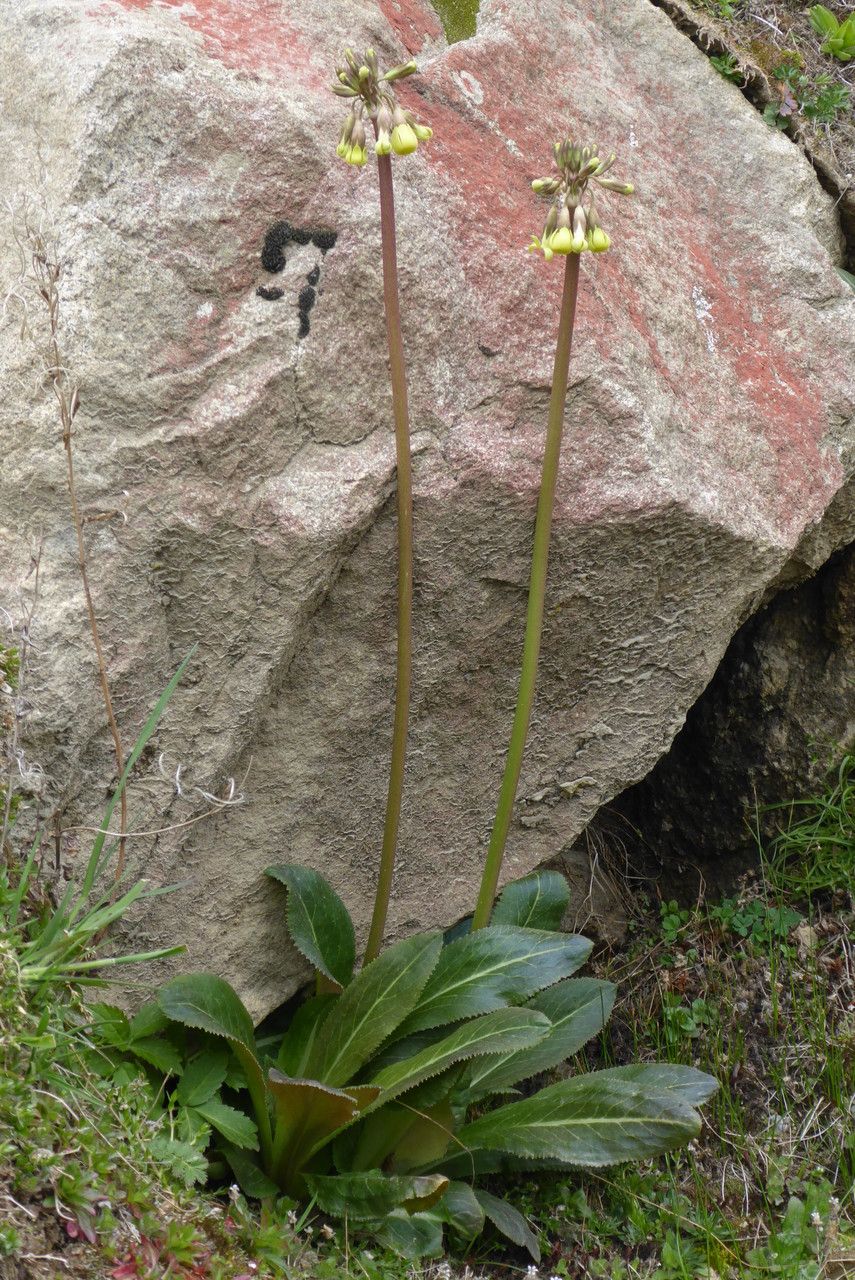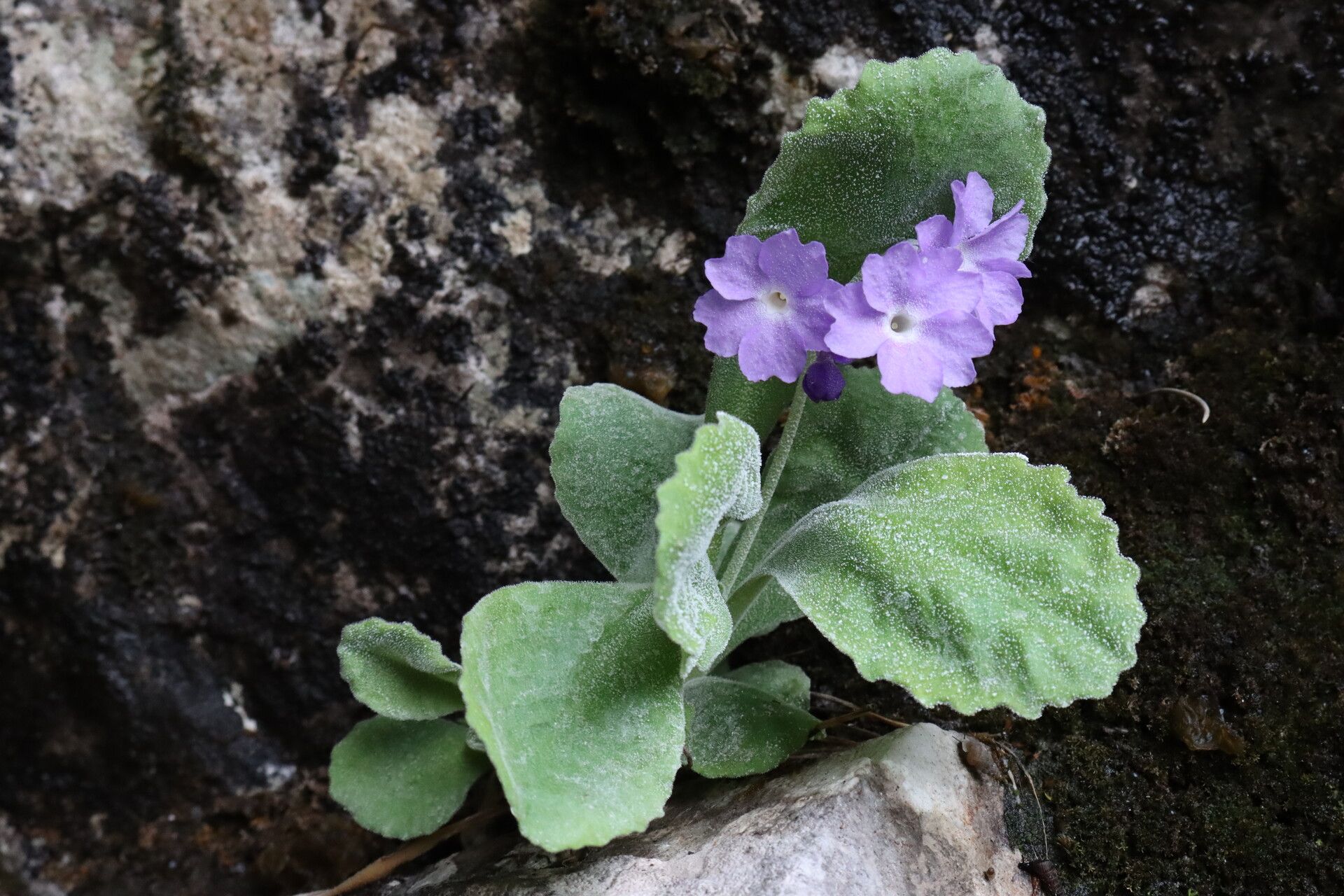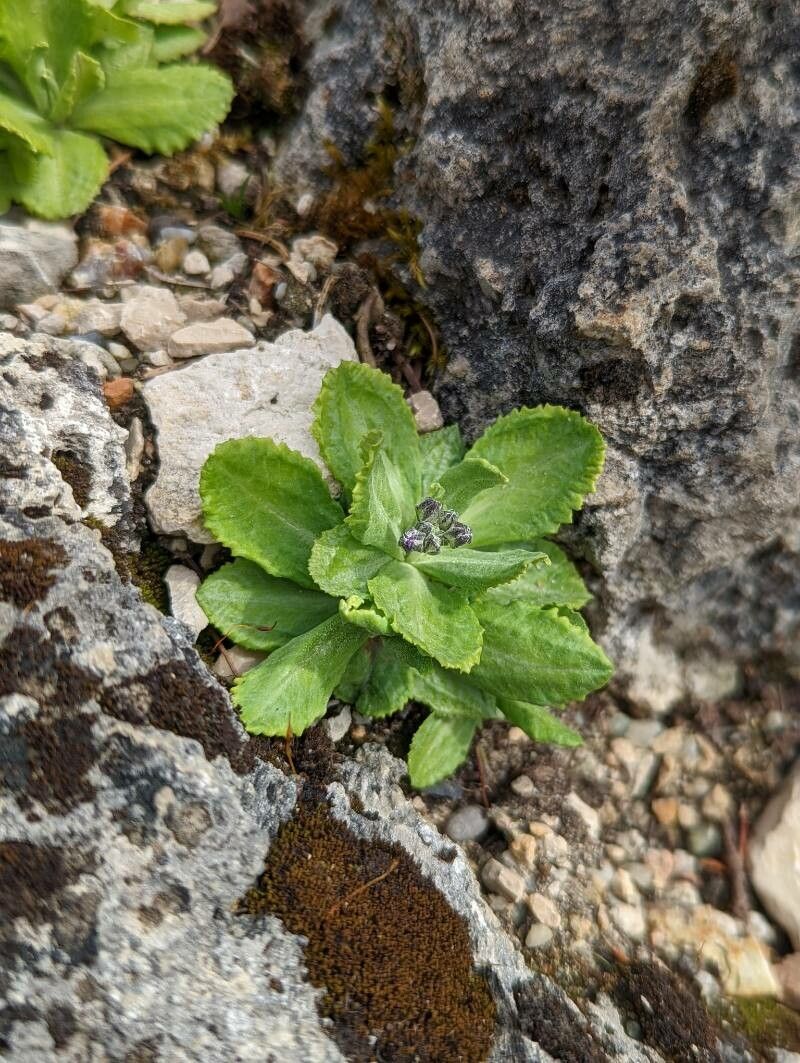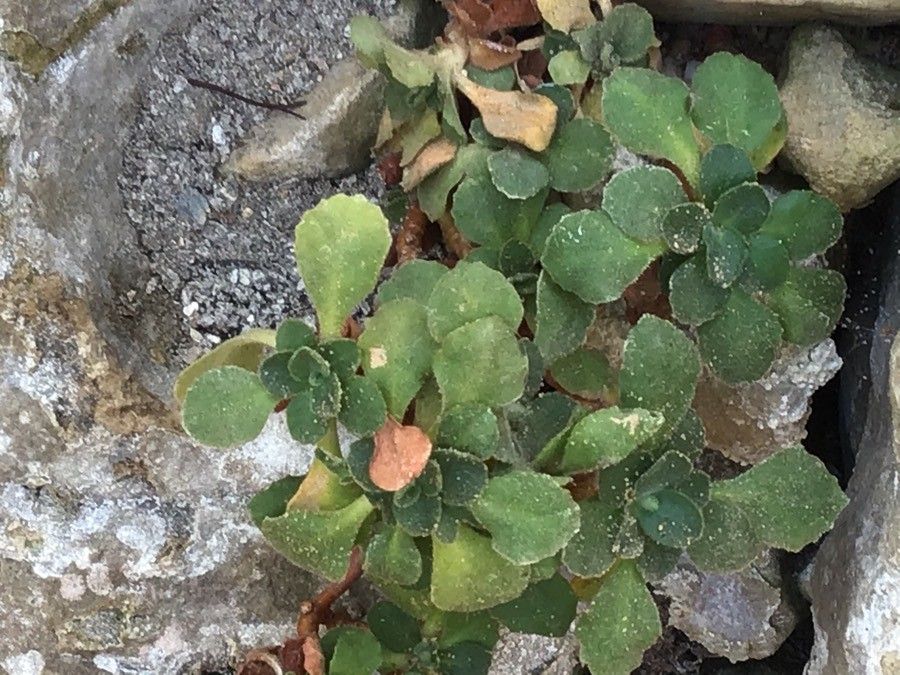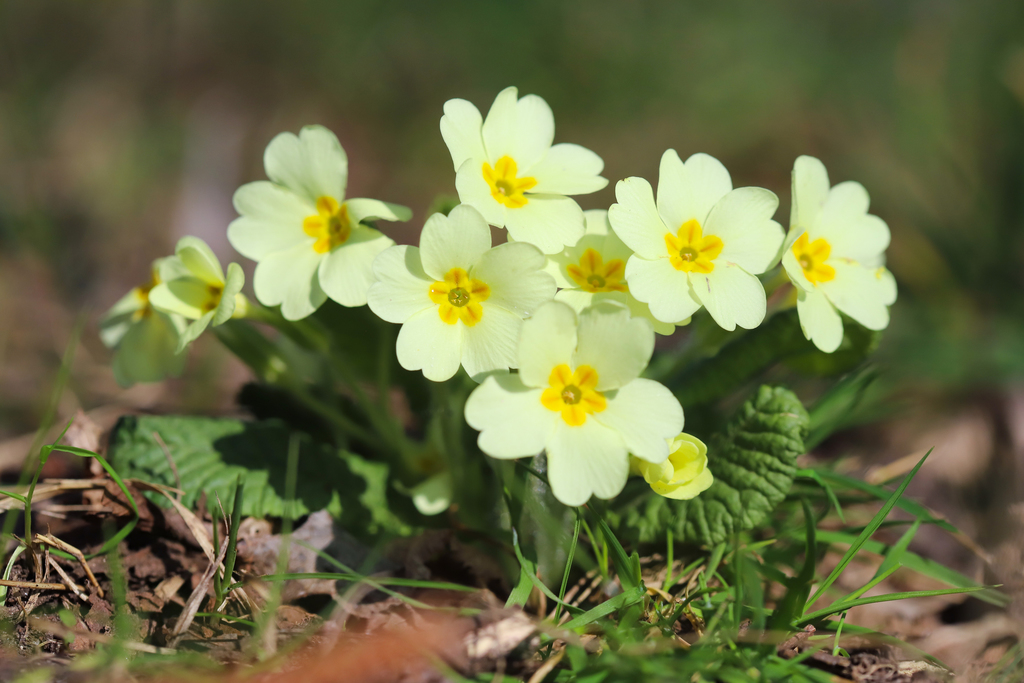
Primula vulgaris, commonly known as the common primrose, is a perennial flowering plant in the Primulaceae family. Native to Europe and western Asia, it is widely cultivated as an ornamental plant in gardens and parks.
The common primrose typically reaches up to 20 cm in height and features a rosette of basal leaves that are oval-shaped with toothed margins. The flowers, which grow on long stalks above the leaves, have five petals that range in color from pale yellow to deep orange-red.
This plant prefers moist, well-drained soil and can thrive in partial shade or full sun. It blooms from late winter through early spring, serving as an early herald of the spring season.
Beyond its ornamental appeal, Primula vulgaris has been used for medicinal purposes for centuries. The roots were traditionally employed as a diuretic and expectorant, while the flowers were valued for their antispasmodic properties.
In summary, Primula vulgaris is a beautiful and culturally significant flowering plant with both aesthetic and medicinal benefits.
The common primrose has strong resistance to disease and is generally not likely to suffer from illnesses. Still, it can be vulnerable to pests and diseases present in its environment. Such infections are typically not serious. Carewise, the plant needs a moderate level of maintenance. It should be pruned regularly to preserve a neat appearance and healthy growth. Providing fertilizer can also encourage flowering. The common primrose is appropriate for anyone with outdoor space, like a garden or patio, and does not require extensive care experience. It may demand more attention if cultivated indoors.
How to keep Primula Vulgaris.
Light
The common primrose requires a moderate amount of light, which is vital for healthy growth. Native to habitats with partially shaded sunlight, it can adapt to places with limited sun exposure. Both too much and too little light can impede its development and well-being.
Water
Hybrid primroses are rather thirsty plants and need constant watering. A decent layer of mulch can assist in preserving soil moisture, but they do not want to be perpetually damp. Some species types are slightly more tolerant of moist soils.
Humidity
This plant will thrive in moderate humidity, which is probably the level in your home. However, misting it a few times a week can be very beneficial. Make sure the room has good ventilation.
Temperature
Common primrose originates from temperate areas and is adapted to temperatures of 41 to 95°F (5 to 35°C). It prefers cooler conditions but can acclimate when required. In hotter periods, providing shade and plenty of water helps maintain its temperature.
Fertilizer
The best time to fertilize a Common primrose is in early spring, as it comes out of dormancy and begins active growth. Fertilizing supplies essential nutrients needed for healthy development. Although the Common primrose has relatively low fertilizer requirements, feeding it annually can improve its survival and encourage better, longer-lasting flowers.
Pruning
Keep primrose plants at their best with frequent trimming of dead foliage and wasted flowers. If you wish to gather the seeds of your primroses, wait until late summer or early autumn before collecting them. Store them in a cool, dry area until the next planting season or seed them in a cold frame.
Botanical profile.
- Plant Type
- Herb
- Life Cycle
- Perennial
- Genus
- Primula
- Family
- Primulaceae
- Hardiness Zone
- 4-9
- Mature Height
- 15 cm to 30 cm
- Mature Spread
- 1.22 m to 2.44 m
- Leaf Color
- Green, Bronze
- Leaf Type
- Evergreen
- Flower Color
- Yellow, White
- Flower Size
- 2.03 cm to 4.06 cm
- Bloom Time
- Spring
- Planting Time
- Spring
- Harvest Time
- Late spring, Early summer, Mid summer