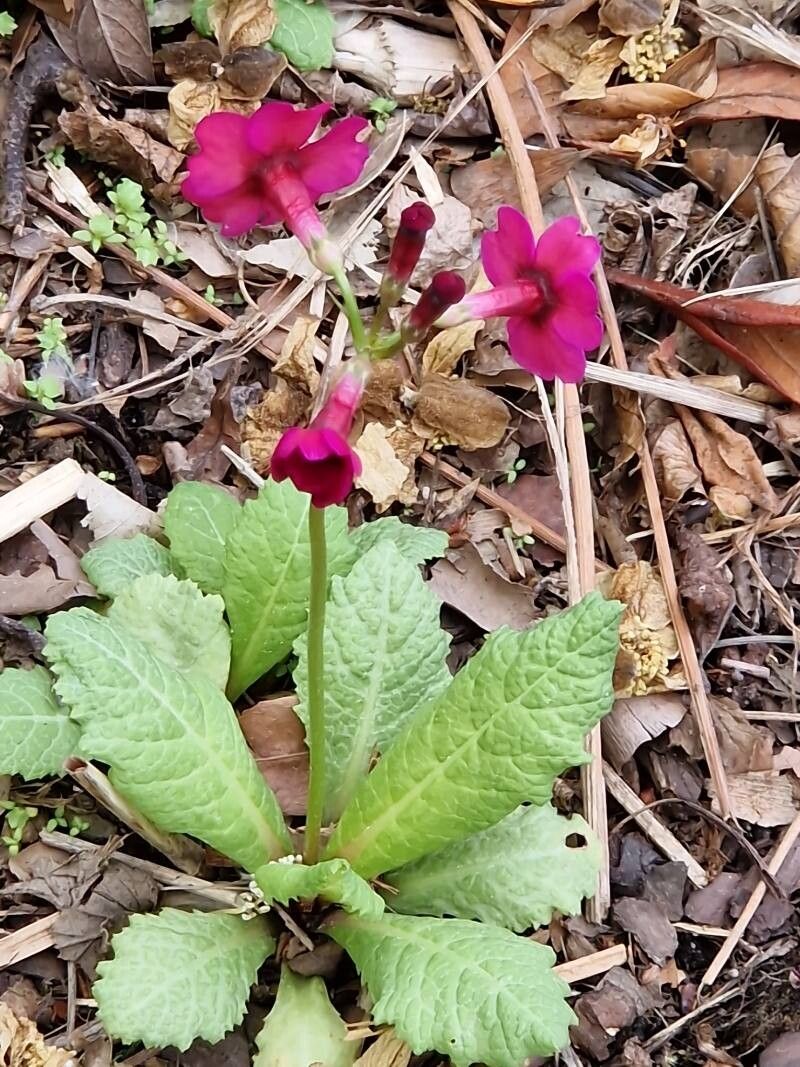
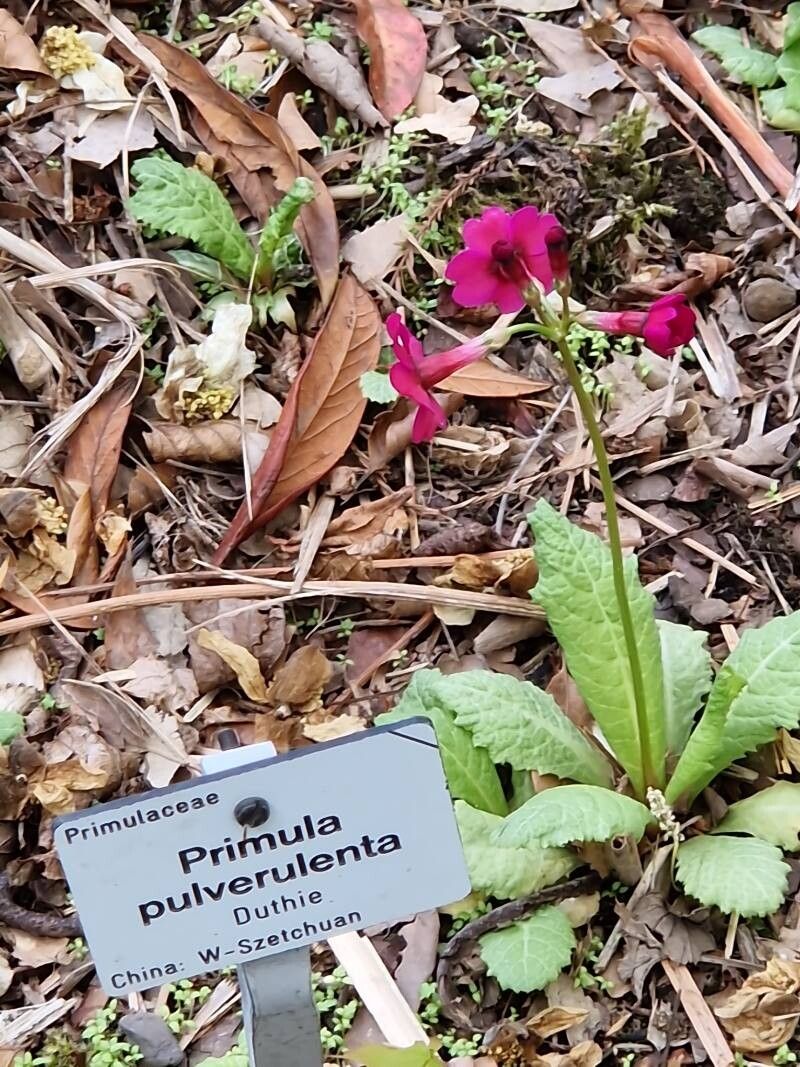
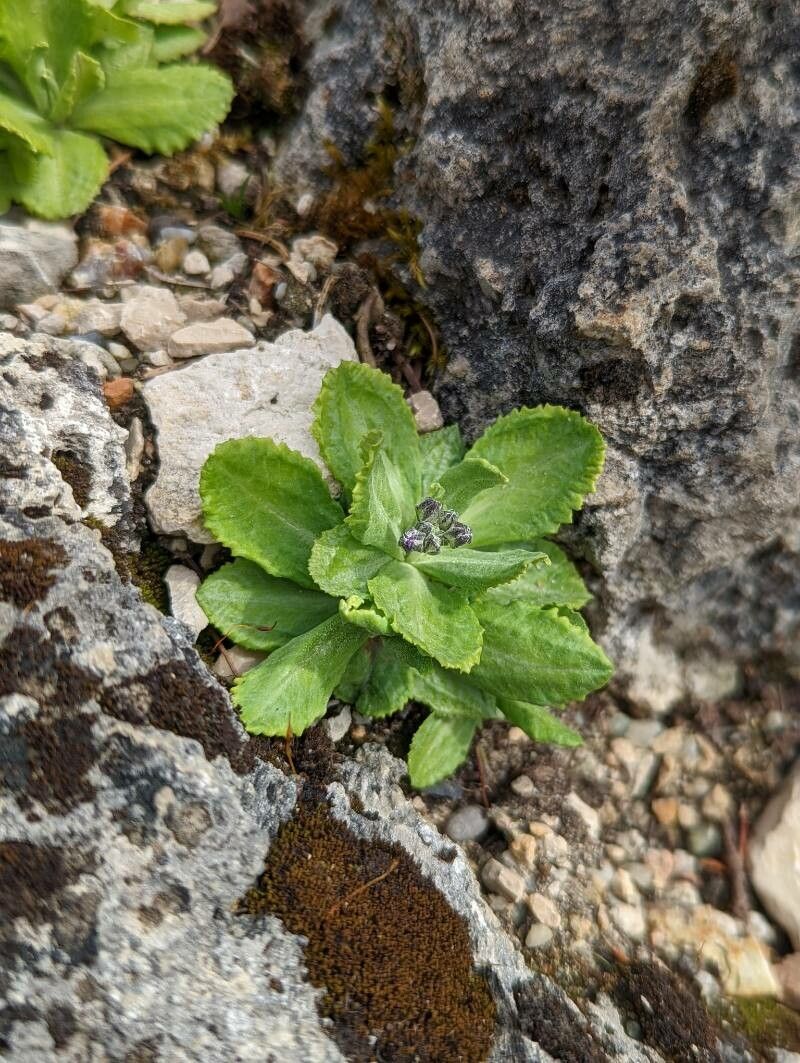
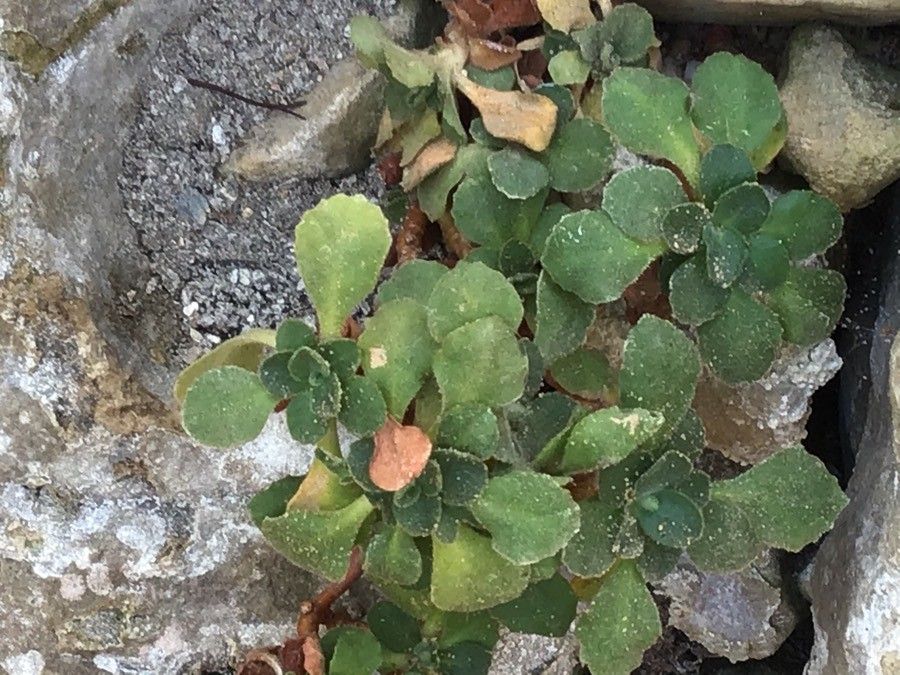
Primula pulverulenta, the mealy primrose or mealy cowslip, is a species of flowering plant in the family Primulaceae. It is native to damp habitats in China. It is a herbaceous perennial growing to 100 cm (39 in) tall by 60 cm (24 in) broad, with strong stems of deep pink flowers arising from basal rosettes of leaves in early summer. The flowers are grouped at intervals along the stem in a tiered formation, hence the common name "candelabra primula" which is often applied to this and other species with a similar arrangement.
Mealy primrose has strong disease resistance and is generally unlikely to suffer from illnesses. Nevertheless, it can be vulnerable to pests and diseases found in its environment. Such infections are typically mild. Regarding care, this plant needs a moderate amount of attention. Regular pruning is necessary to preserve an attractive appearance and healthy growth. Applying fertilizer can also encourage blooming. Mealy primrose is appropriate for anyone who has outdoor space, like a garden or patio, and does not demand extensive gardening experience. It may need extra care if kept indoors.
How to keep Primula Pulverulenta.
Light
Mealy primrose achieves its healthiest growth in spots with intermittent sun exposure, though it can also do well in full sun or in shade. Coming from habitats with variable light, too much sun can scorch its leaves, while too little light can inhibit its growth.
Water
Mealy primrose thrives in moist environments, requiring consistent watering, about once a week, to flourish. It does best outdoors, where natural rainfall can provide the necessary hydration to maximize its flowering potential.
Temperature
Mealy primrose originates from temperate regions where temperatures commonly range from 41 to 95 °F (5 to 35 ℃). They favor cooler conditions, so in warmer periods it may be necessary to provide shade or move them to a cooler spot.
Fertilizer
The best time to fertilize a Mealy primrose is in early spring, when it is coming out of dormancy and starting active growth. Fertilization supplies essential nutrients for healthy development. Although Mealy primrose has relatively low fertilizer requirements, feeding it once a year can improve its survival and encourage better, longer-lasting blooms.
Pruning
To keep mealy primrose healthy and vigorous, it’s best to prune it in early to late spring. Remove dead flowers and damaged leaves during this time. Pruning not only maintains the plant's shape but also encourages blooming. Make sure to use clean, sharp tools to prevent infection and promote the plant's success.
Pot & Repot
Repot your mealy primrose every 2 to 3 years in early spring. Choose a larger container that has good drainage. Keep the soil moist and place the plant in a spot that avoids direct sunlight to minimize stress. Mealy primrose thrives in humid, semi-shaded conditions, so catering to these preferences will promote optimal growth.
Botanical profile.
- Plant Type
- Herb
- Life Cycle
- Perennial
- Genus
- Primula
- Family
- Primulaceae
- Hardiness Zone
- 5-9
- Mature Height
- 91 cm
- Mature Spread
- 61 cm
- Leaf Color
- Green
- Leaf Type
- Deciduous
- Flower Color
- Pink
- Flower Size
- 1.02 cm to 2.03 cm
- Bloom Time
- Mid spring, Late spring, Early summer
- Planting Time
- Spring, Summer
- Harvest Time
- Summer
- Native Area
- China
Other names.