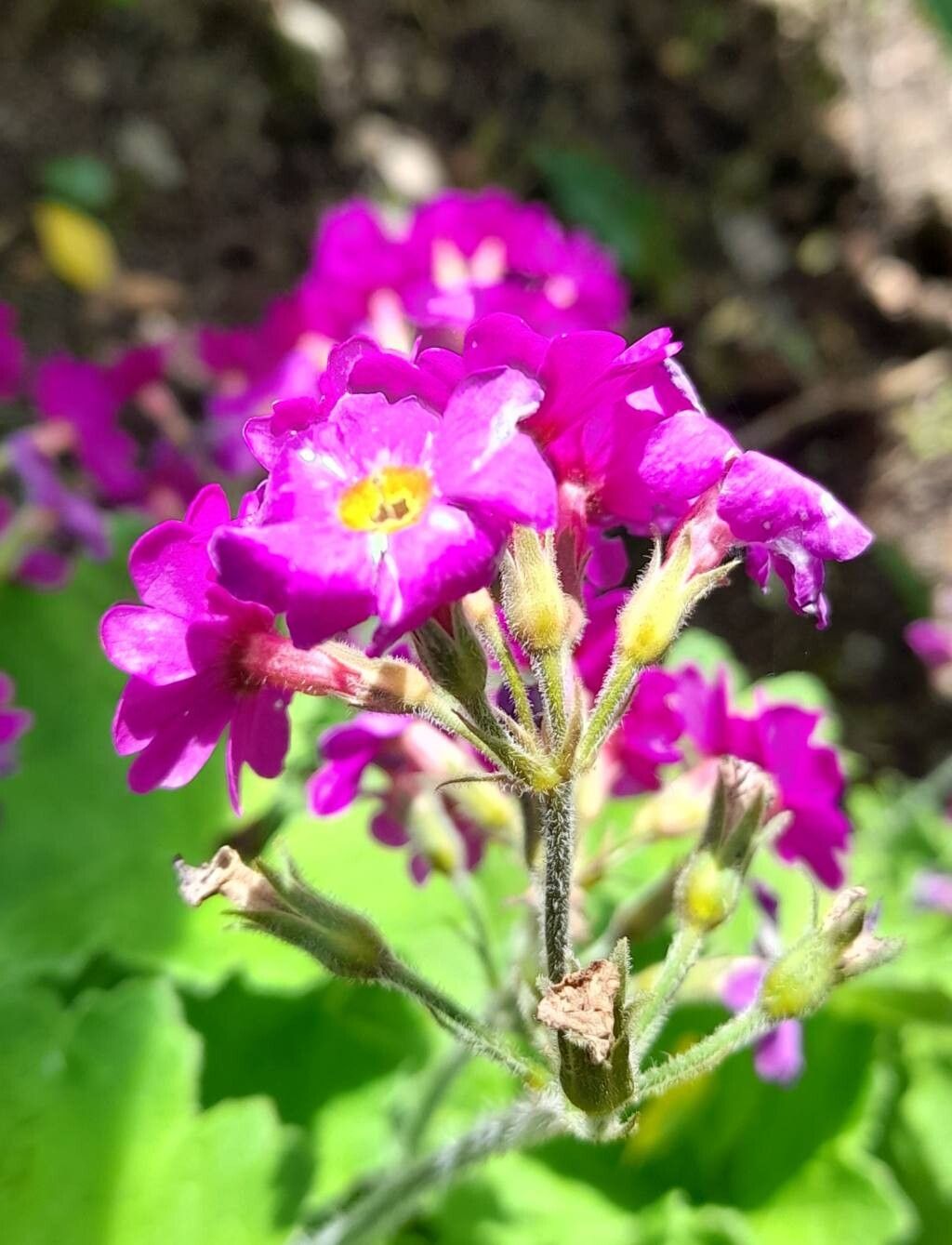
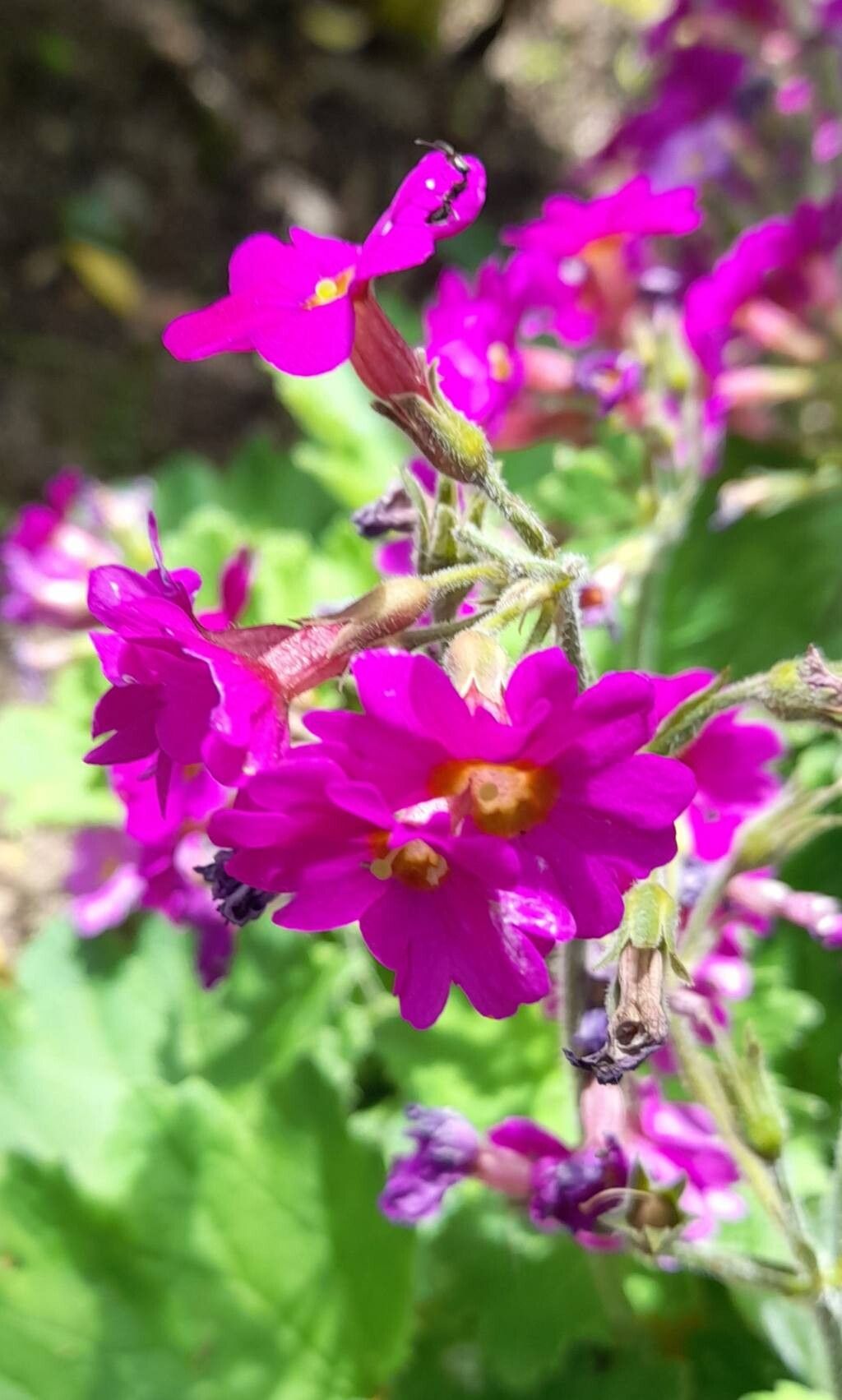
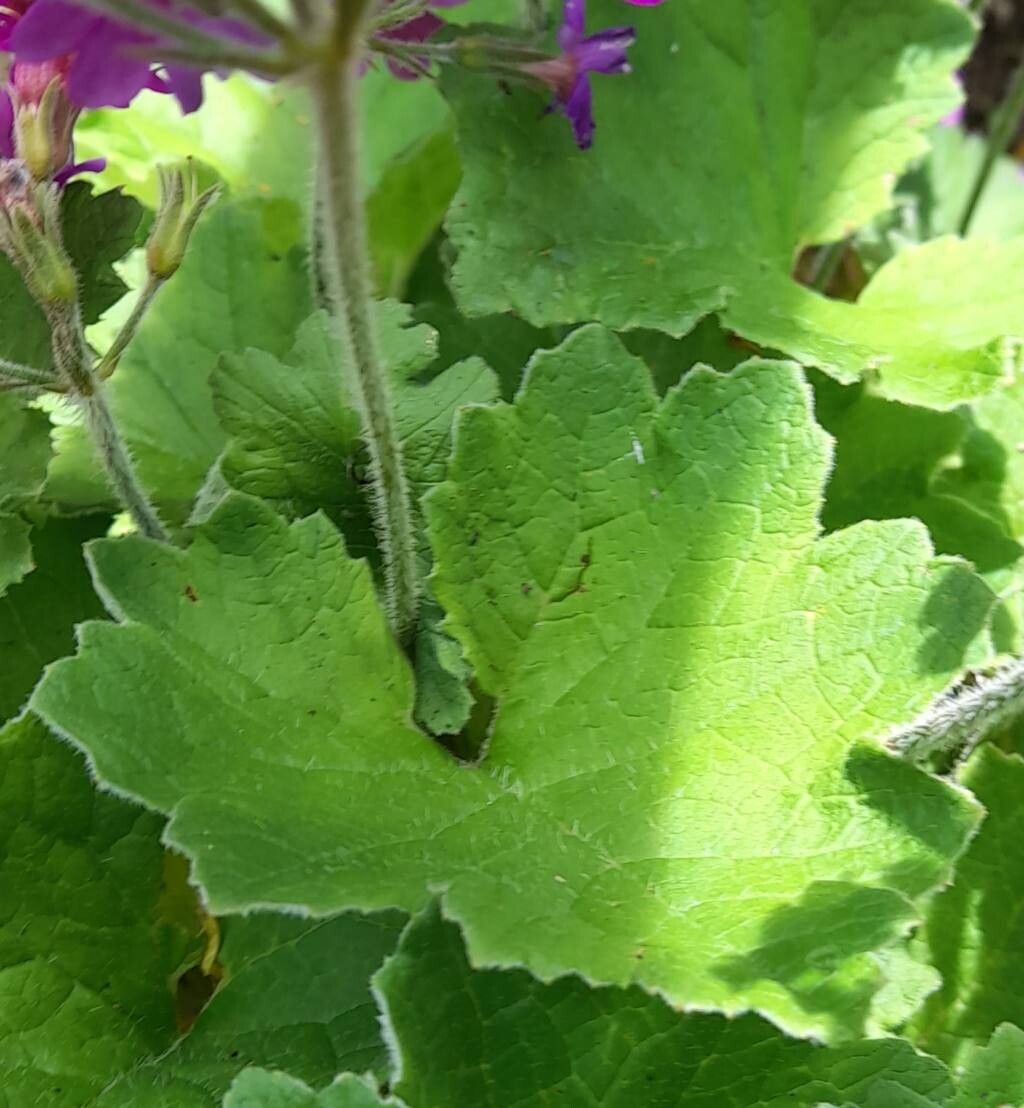
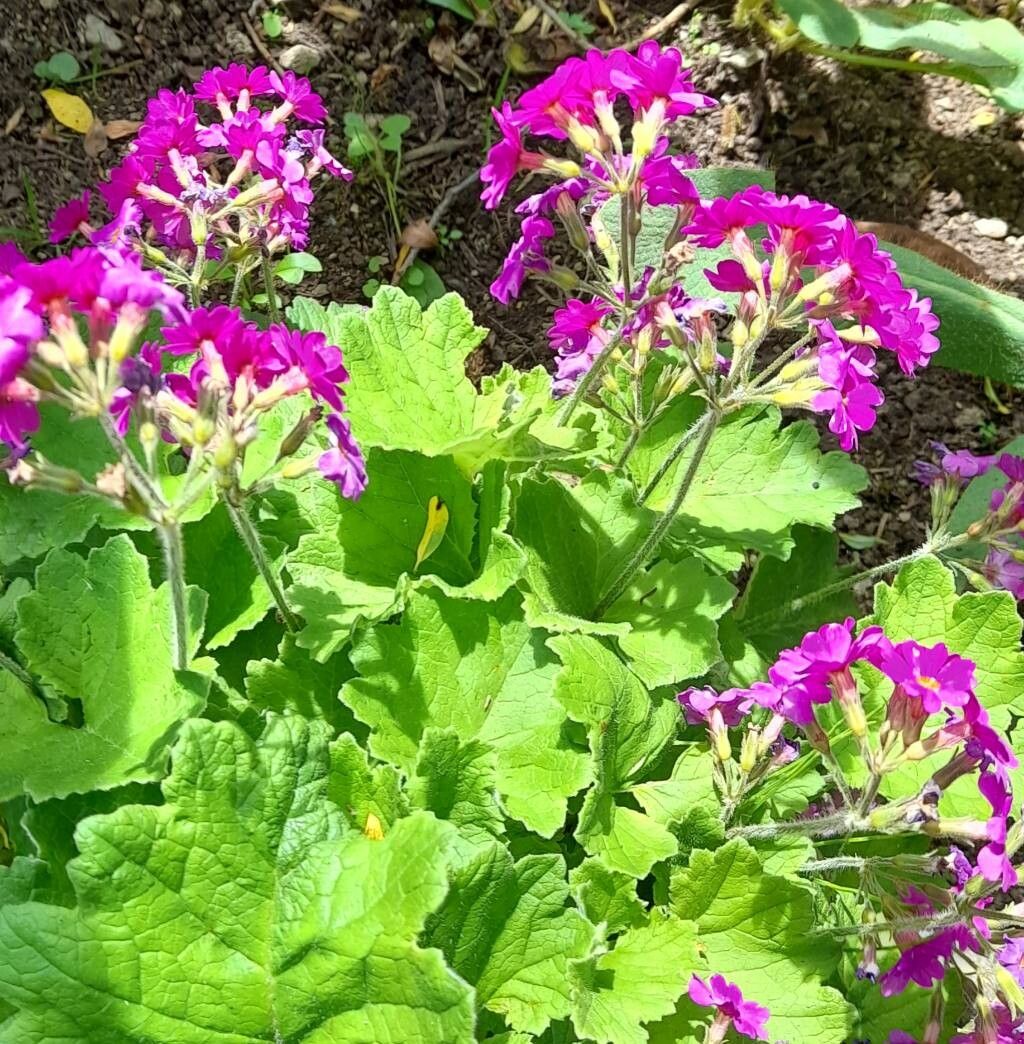
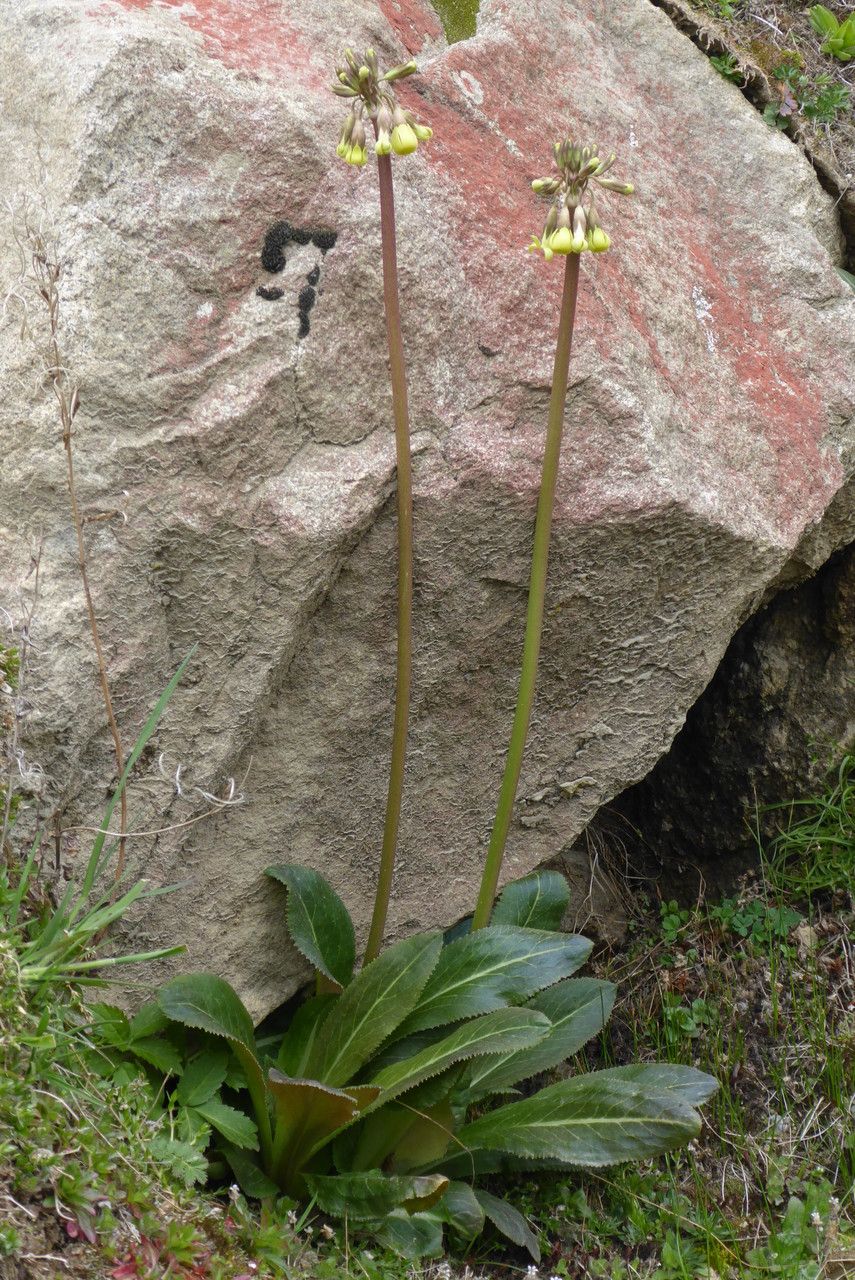
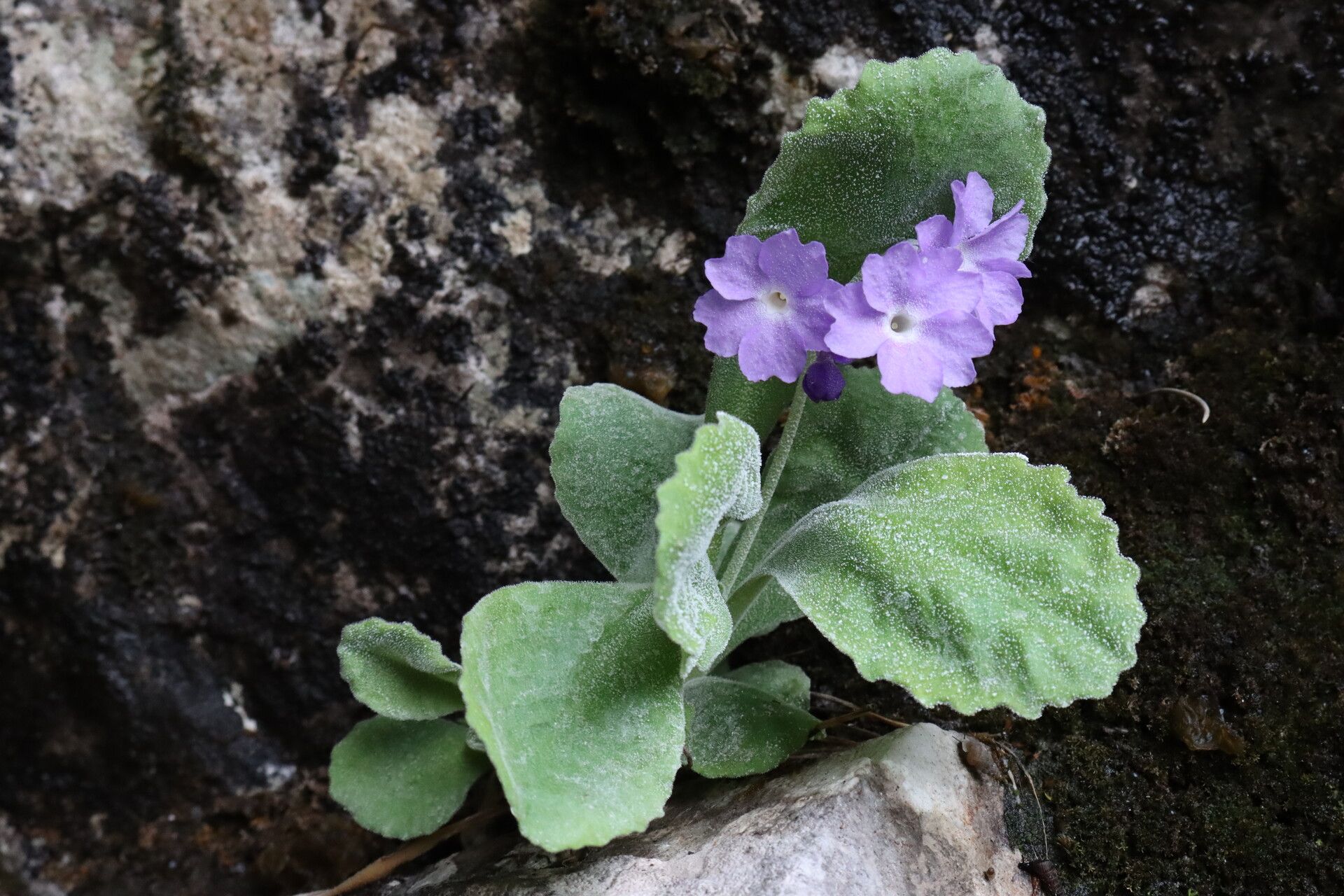
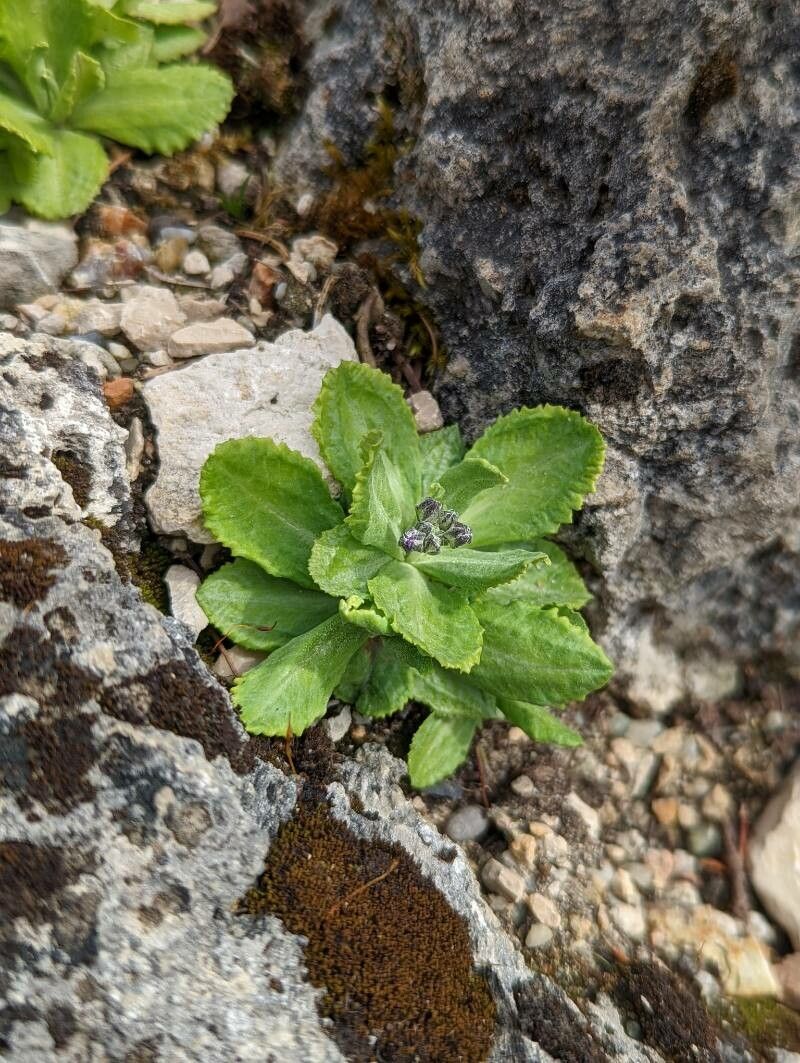
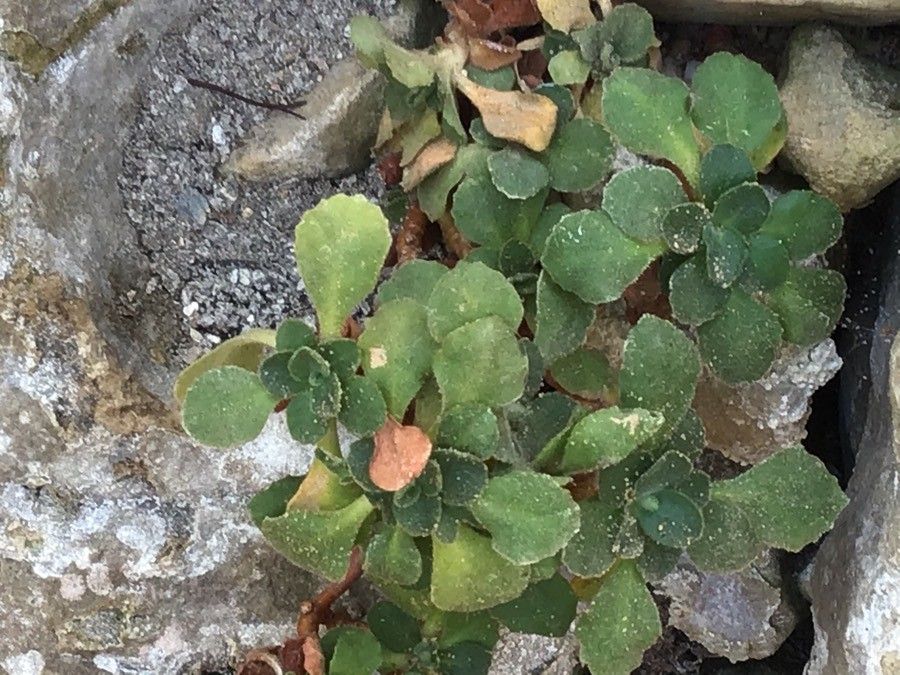
Pink himalayan primrose has good resistance to disease and is generally not prone to illnesses. However, it can be susceptible to pests and diseases present in its surroundings. These infections are usually not severe. In terms of care, this plant requires moderate maintenance. It needs regular pruning to keep a good appearance and healthy growth. Fertilizing can also help encourage flowering. Pink himalayan primrose is suitable for anyone with outdoor space, such as a garden or patio, and does not require much gardening experience. It may need more attention when grown indoors.
How to keep Primula Polyneura.
Light
Pink Himalayan primrose demands plenty of sunlight but can endure extended periods of direct sun. It comes from environments with varying light levels and significantly flourishes in mixed sunlight settings. Yet, too much or too little sunlight could hinder its healthy evolution, leading to wilting or restricted growth. Sun exposure needs to be kept track of during different stages of growth.
Temperature
Despite its ability to withstand diverse temperature ranges, Pink Himalayan primrose's spread might be constrained by various combinations of water and heat conditions. It tends to flourish in warm summer climates with sufficient rainfall or irrigation. Its survival risk increases with extended spells of cloudy and wet weather, as well as prolonged periods of intense heat. Conversely, during the winter, providing appropriate protection from the cold enhances the plant's chances of survival.
Fertilizer
The optimal period to fertilize a Pink Himalayan primrose is during the early spring when it is transitioning from dormancy to a phase of active growth. Fertilization offers essential nutrients needed for robust growth. Even though the Pink Himalayan primrose requires minimal fertilization, applying it yearly can improve its life span and encourage more vibrant, durable blossoms.
Botanical profile.
- Plant Type
- Herb
- Life Cycle
- Perennial
- Hardiness Zone
- 4-8
- Mature Height
- 46 cm
- Mature Spread
- 46 cm
- Leaf Color
- Green
- Leaf Type
- Evergreen, Deciduous
- Flower Color
- Pink, Purple, Lavender
- Flower Size
- 2.03 cm to 3.05 cm
- Bloom Time
- Early spring, Mid spring
- Planting Time
- Spring
- Harvest Time
- Late spring, Early summer
- Native Area
- Myanmar, China