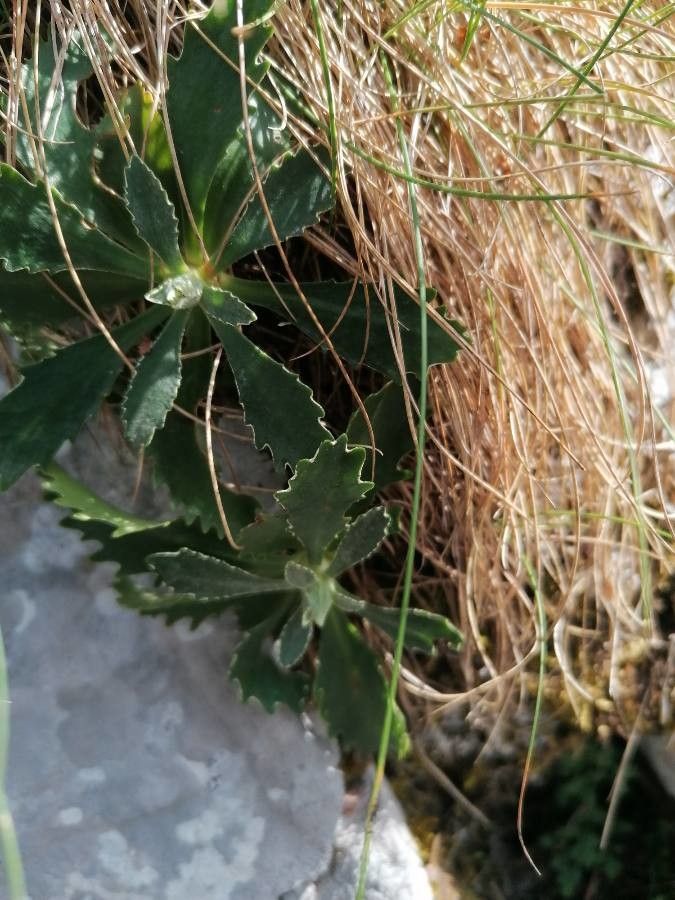
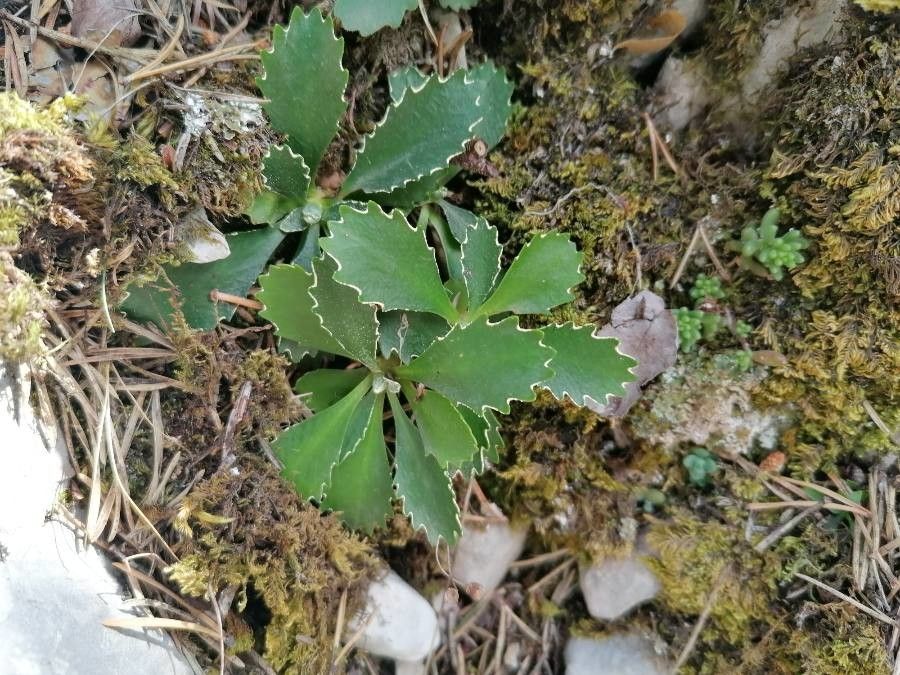
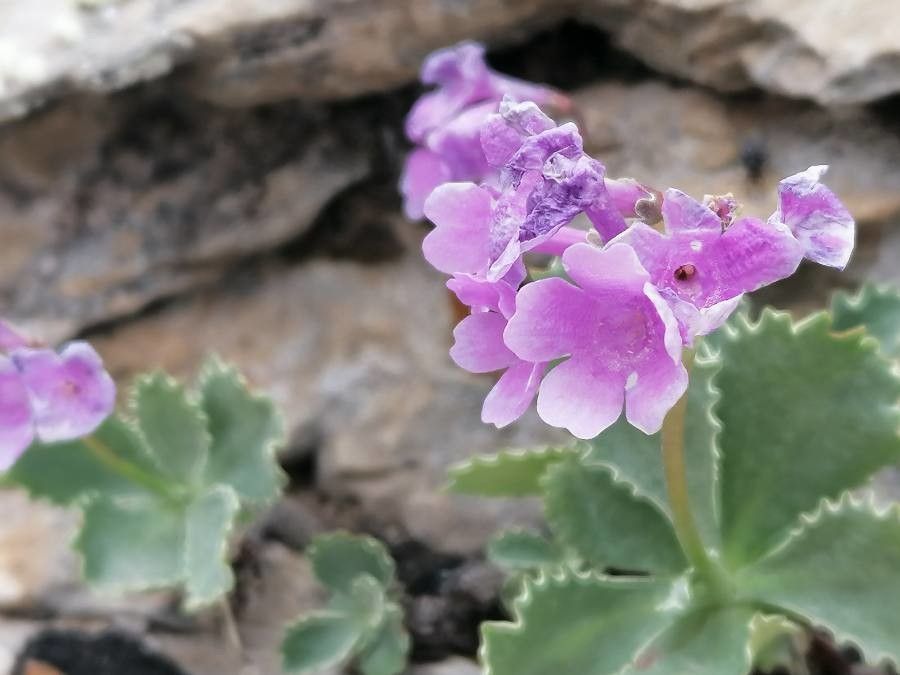
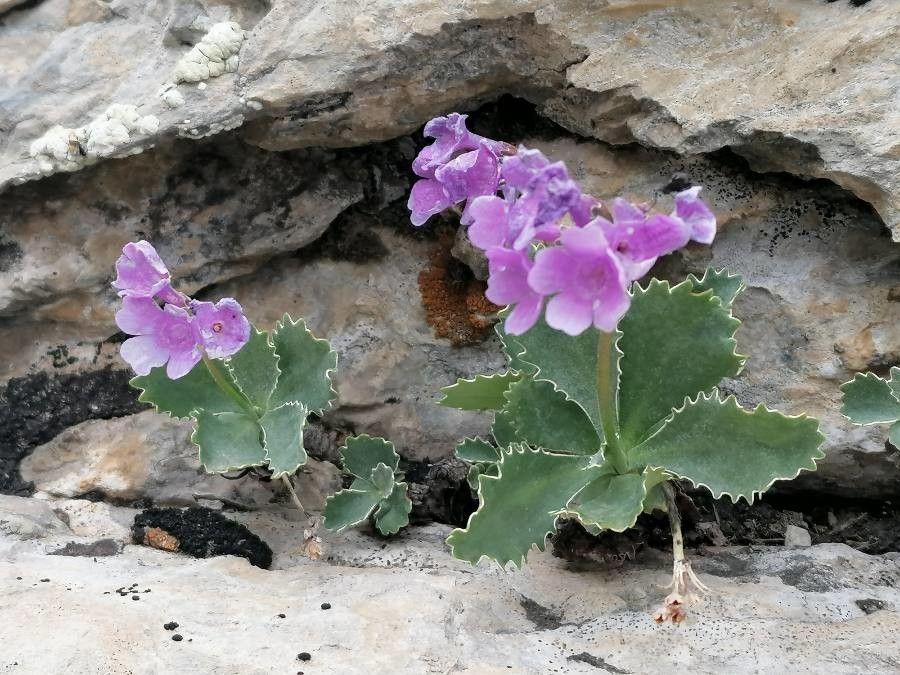
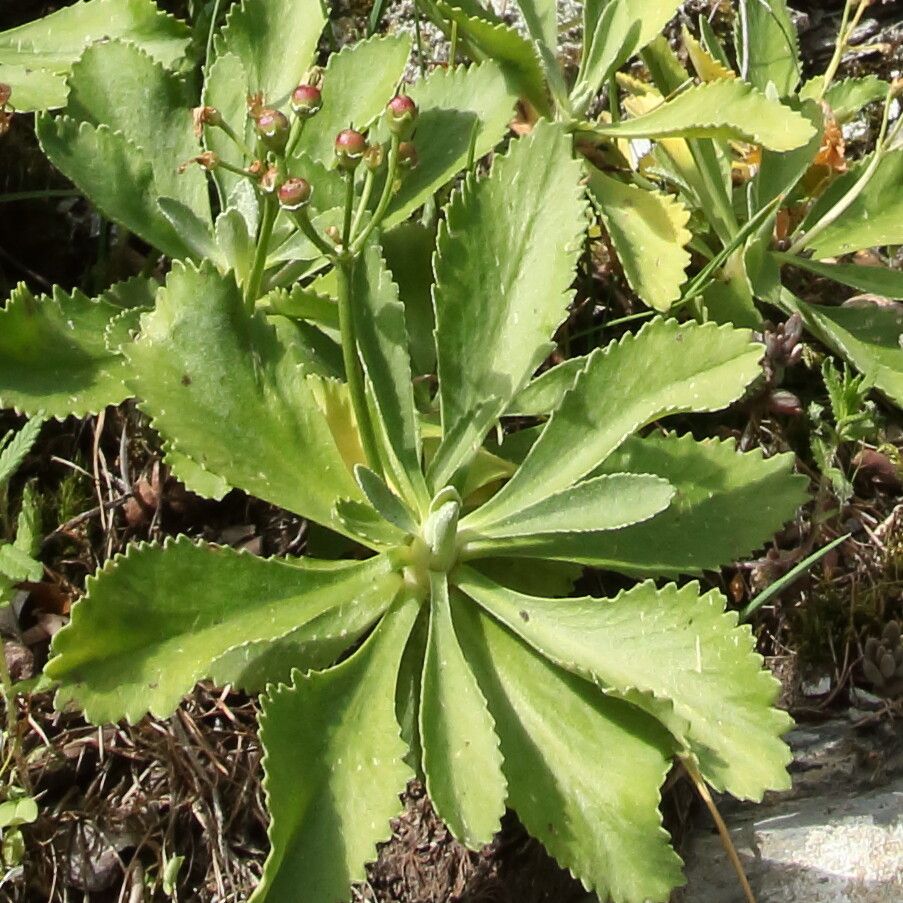
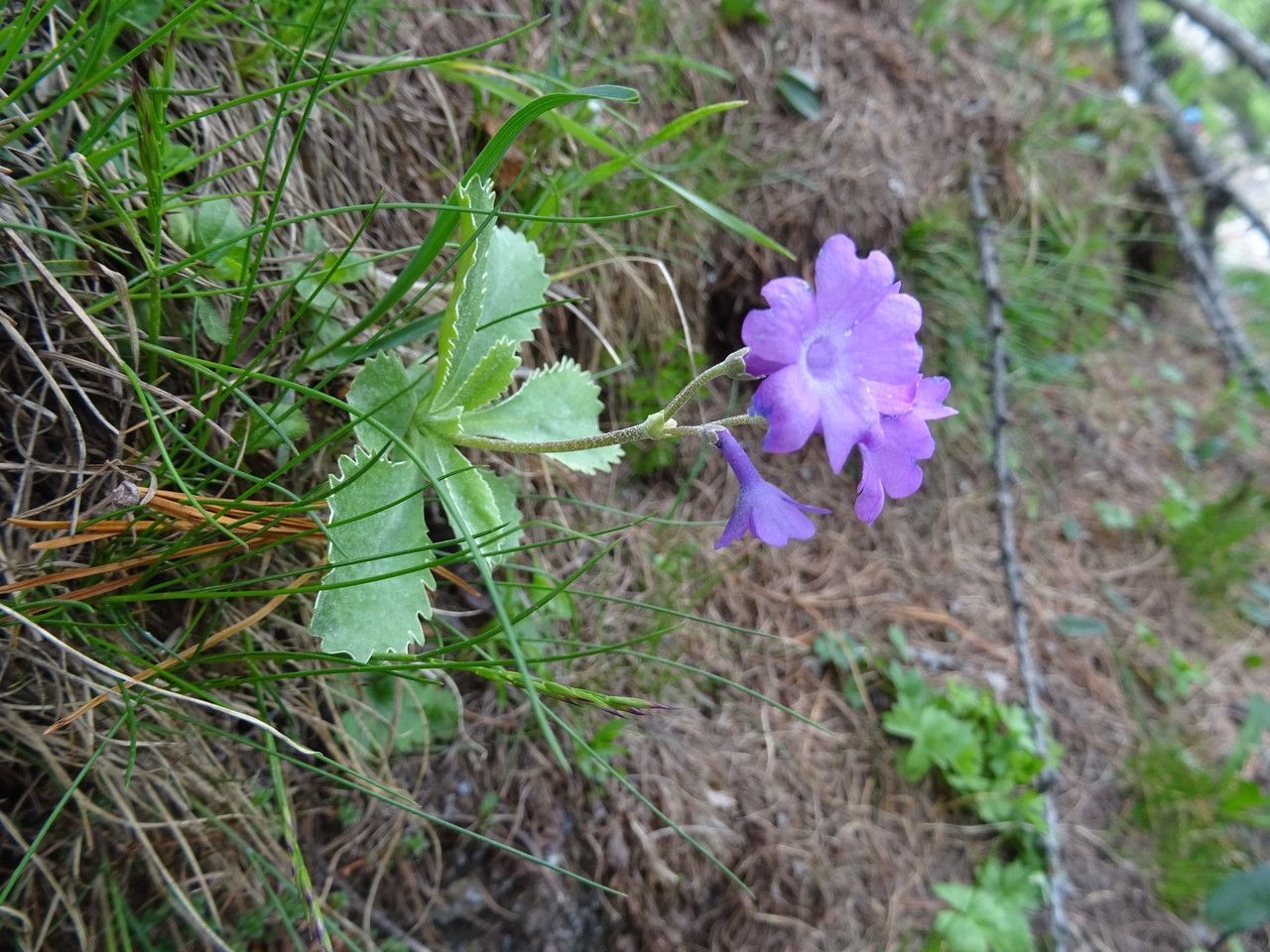
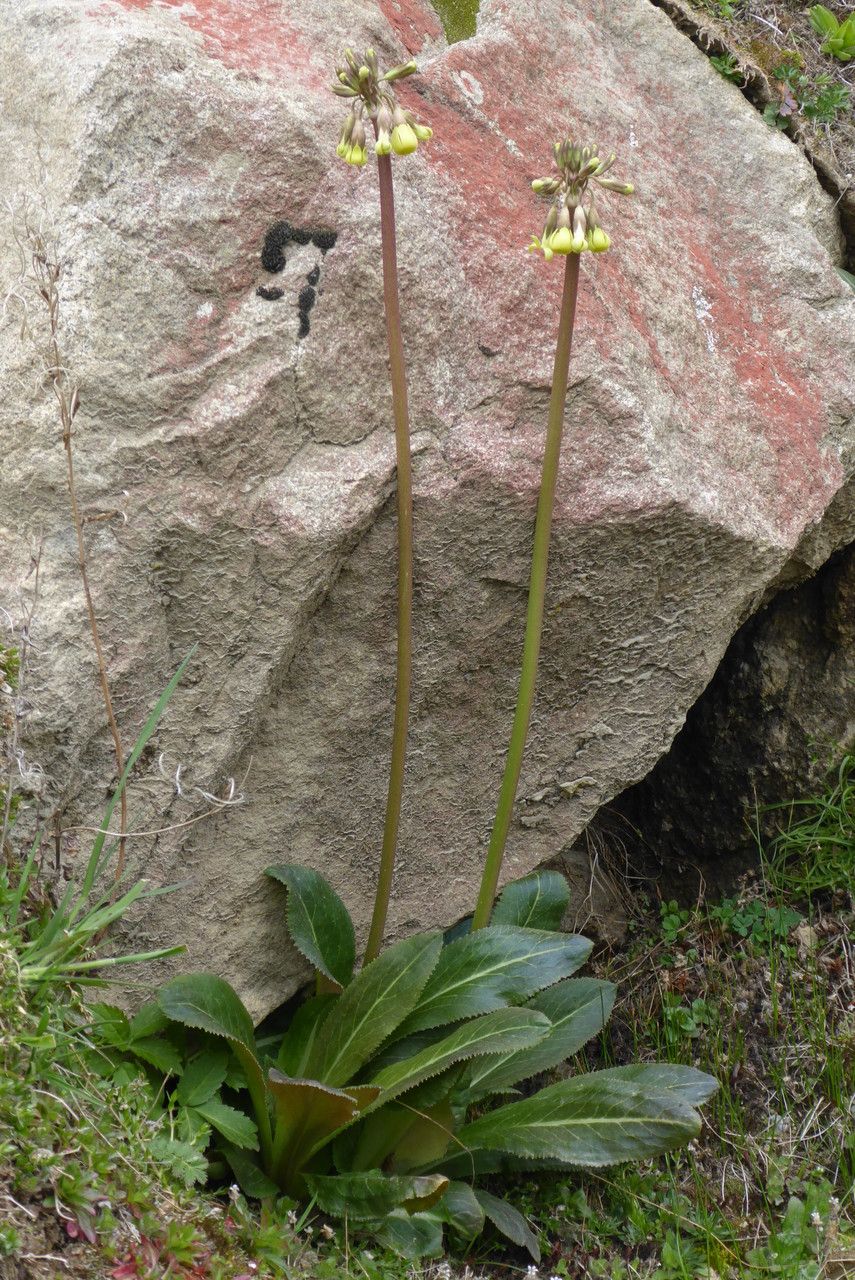
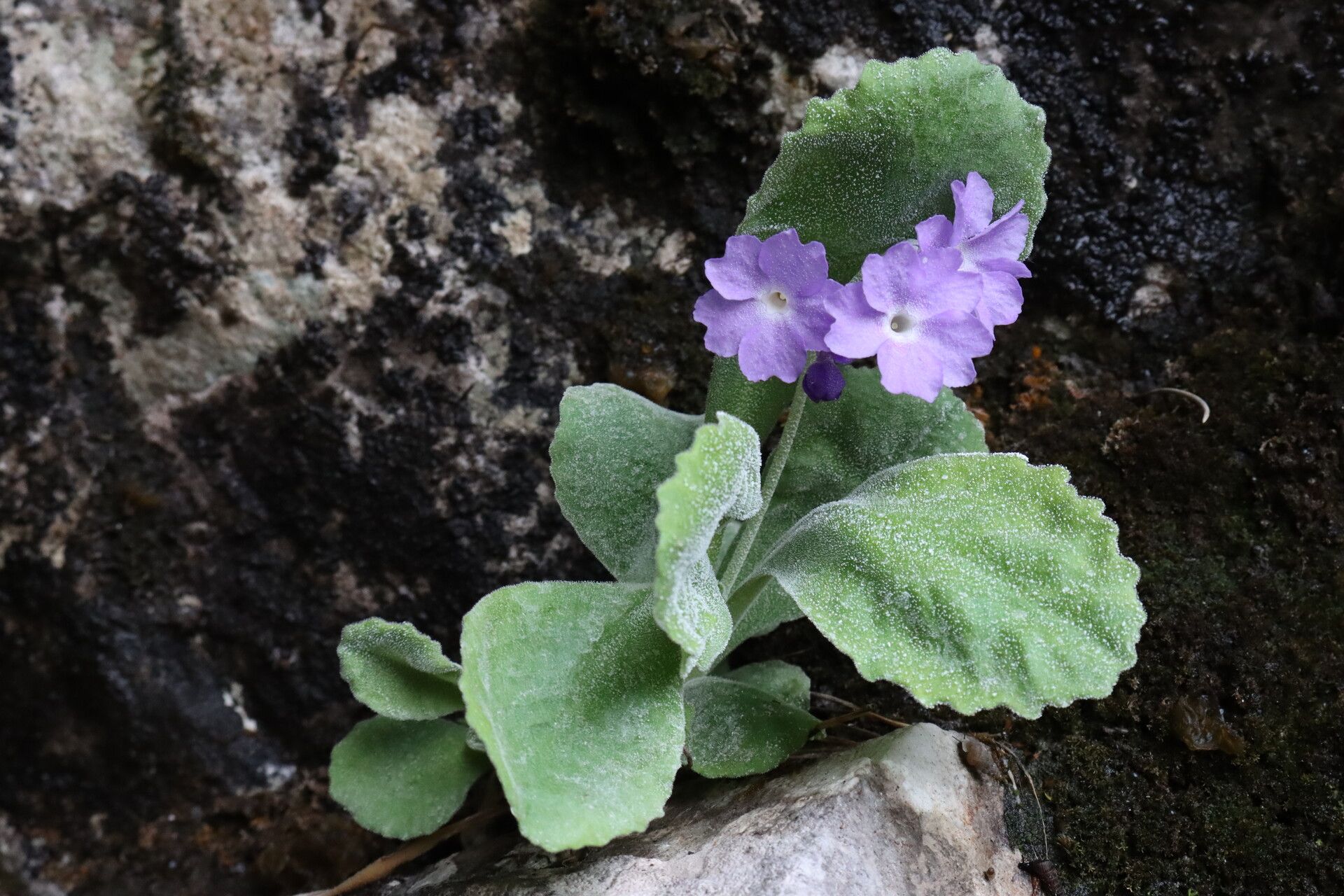
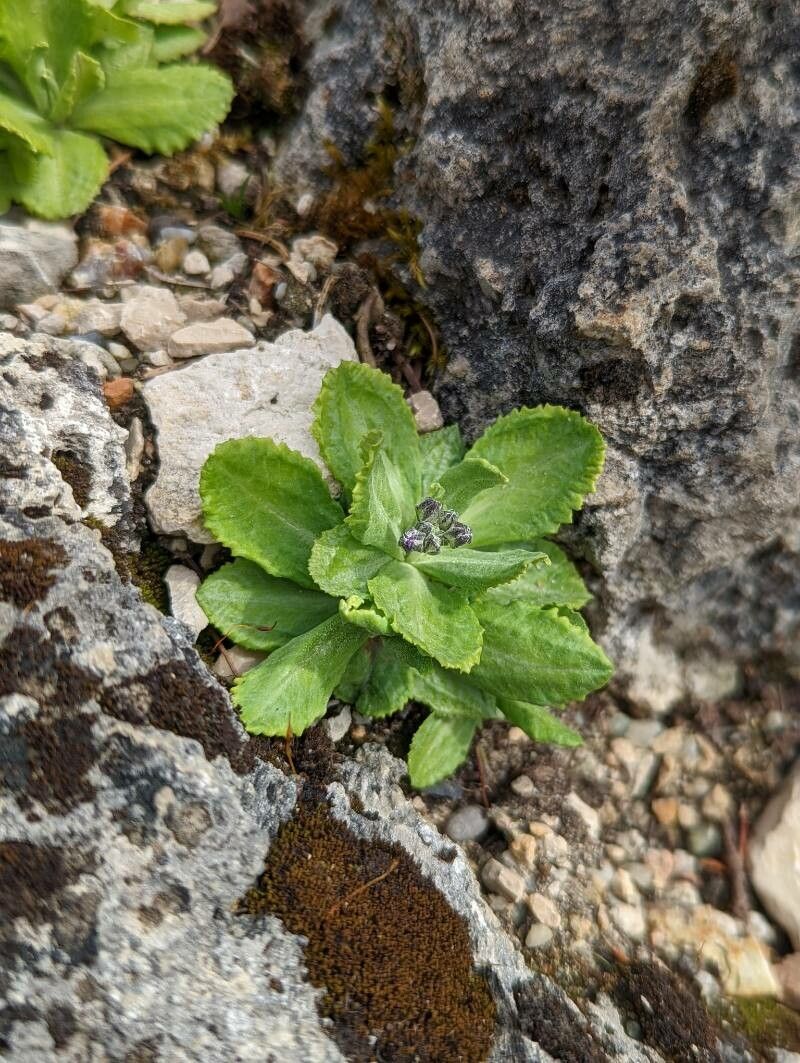
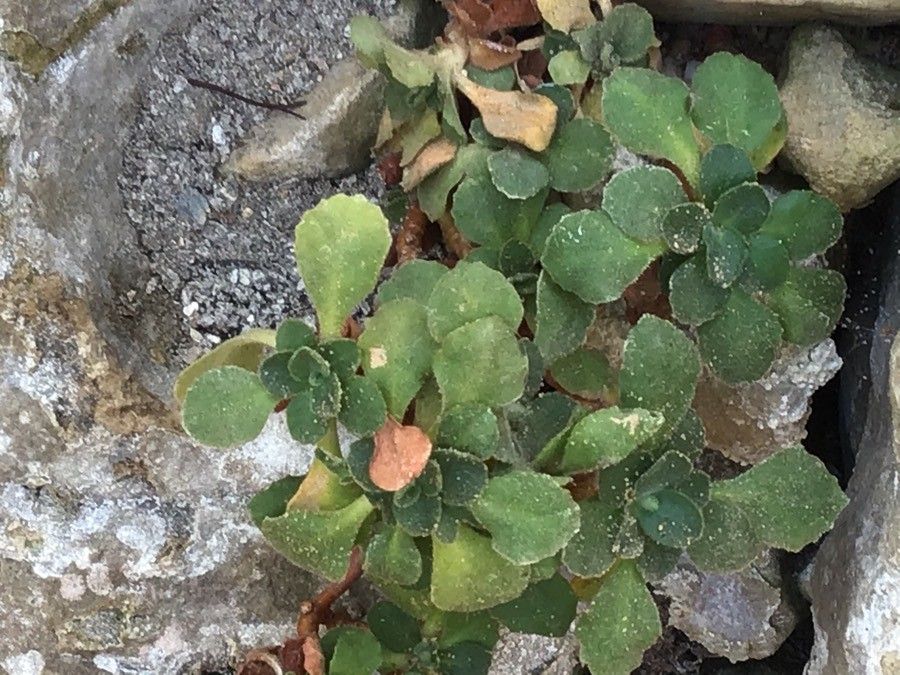
Primula marginata, the silver-edged primrose, is a species of flowering plant in the family Primulaceae, native to the south western Alps of France and Italy.
Silver-edged primrose has strong resistance to disease and is typically not vulnerable to illnesses. Nevertheless, it can be affected by pests and diseases present in its environment. Such infections are generally mild. Regarding upkeep, this plant needs a moderate amount of care. It should be pruned on a regular basis to preserve an attractive appearance and healthy growth. Applying fertilizer can also encourage blooming. Silver-edged primrose is appropriate for anyone who has outdoor areas like a garden or patio and does not demand extensive gardening experience. It might need increased attention if cultivated indoors.
How to keep Primula Marginata.
Light
Silver-edged primrose is native to habitats such as forest understories and rocky areas, where it grows in natural shade. It prefers partial sun but can tolerate full sun or full shade, demonstrating its versatile and hardy nature.
Water
The silver-edged primrose thrives in cool, moist alpine environments, requiring consistent moisture to grow. Although it becomes moderately drought-tolerant once established, it benefits from weekly watering, making sure to avoid waterlogging. As an evergreen, it needs careful watering during the growing season to maintain its vibrant foliage and blooms.
Temperature
Silver-edged primrose is native to regions where average temperatures fall between 32 and 90 °F (0 to 32 ℃). It does best within that range and adapts to seasonal temperature changes. To thrive, keep temperatures within those limits.
Fertilizer
The best time to fertilize a Silver-edged primrose is in early spring, as it comes out of dormancy and starts active growth. Fertilization supplies essential nutrients for healthy development. Although the Silver-edged primrose has fairly low fertilizer requirements, applying fertilizer annually can improve its survival and encourage better, longer-lasting flowers.
Pruning
The silver-edged primrose is known for its beautiful leaves with silvery edges and its lovely blooms. To help it thrive, you should lightly prune it in early to late spring. Trim away any dead or damaged foliage and selectively cut stems just above the leaf nodes to maintain a compact shape. Removing spent flowers, a process known as deadheading, encourages the plant to bloom for a longer period, keeping it vigorous and attractive.
Pot & Repot
To ensure optimal growth, repot the silver-edged primrose every 2 to 3 years in early spring. Choose a pot that is just one size larger than the current one to help maintain its shape. Use well-draining soil and place the plant in partial shade. It's important to keep the soil consistently moist without causing waterlogging. Silver-edged primroses prefer snug root spaces for healthy development.
Botanical profile.
- Plant Type
- Herb
- Life Cycle
- Perennial
- Genus
- Primula
- Family
- Primulaceae
- Hardiness Zone
- 3-8
- Mature Height
- 49 cm
- Mature Spread
- 49 cm
- Leaf Color
- Green, Gray, Silver
- Leaf Type
- Semi-evergreen
- Flower Color
- Lavender, Pink
- Flower Size
- 1.02 cm to 2.03 cm
- Bloom Time
- Early spring, Mid spring
- Planting Time
- Spring, Summer
- Harvest Time
- Late spring, Early summer
- Native Area
- Italy, France
Other names.
Reader questions.
What are the sunlight requirements for Silver-edged Primrose (Primula marginata)?
Silver-edged Primrose (Primula marginata) requires partial sun, meaning it should receive about 3-6 hours of sunlight daily. If you're aiming for full sun conditions, these plants need to be exposed to above 6 hours of sunlight. It's important to observe the way sunlight moves through your garden to find an area that offers an ideal mix of light and shade. This careful placement ensures the plants stay healthy and happy.
What is the botanical name of Silver-edged primrose?
The botanical name of Silver-edged primrose is Primula marginata. This plant is known for its distinctive silver edges, contributing to its common name and recognition.
What are the ideal temperature conditions for growing Silver-edged primrose?
Silver-edged primrose thrives in environments where the average temperatures range between 32 to 90 °F (0 to 32 °C). It is well-suited to adjust to seasonal temperature shifts within this range. To ensure the best growth and flowering, maintaining these temperature conditions is crucial.