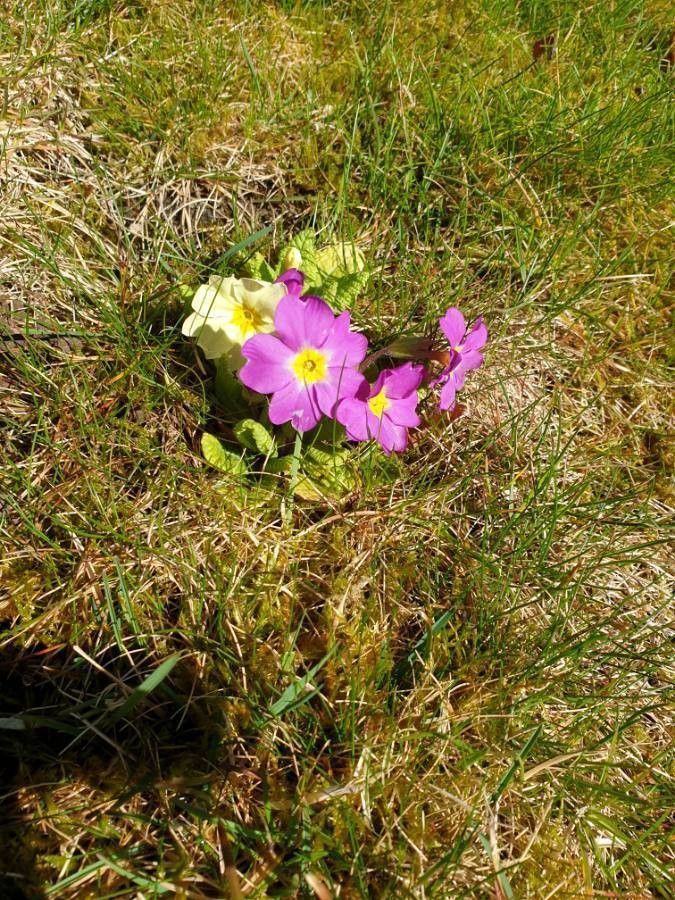
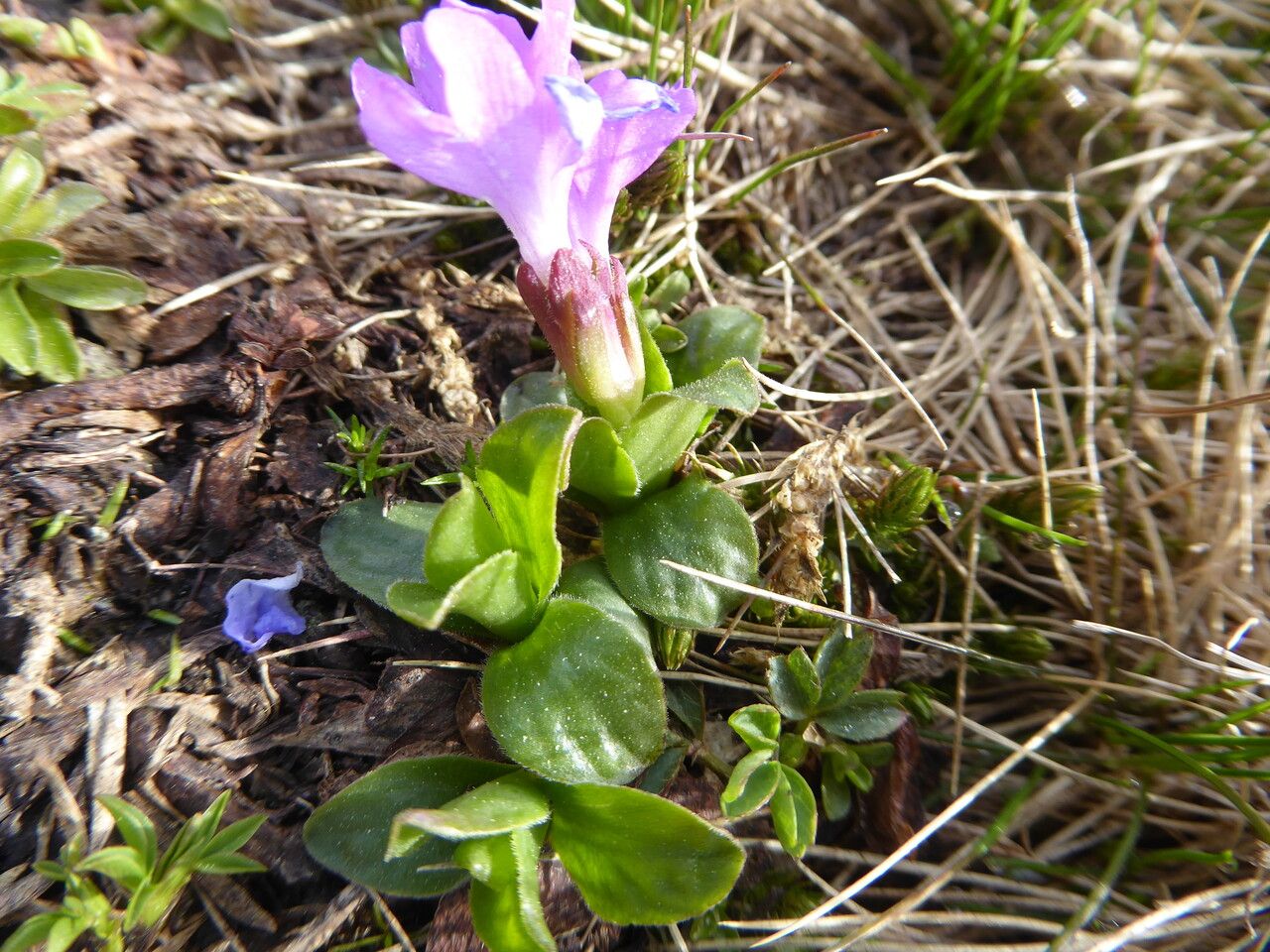
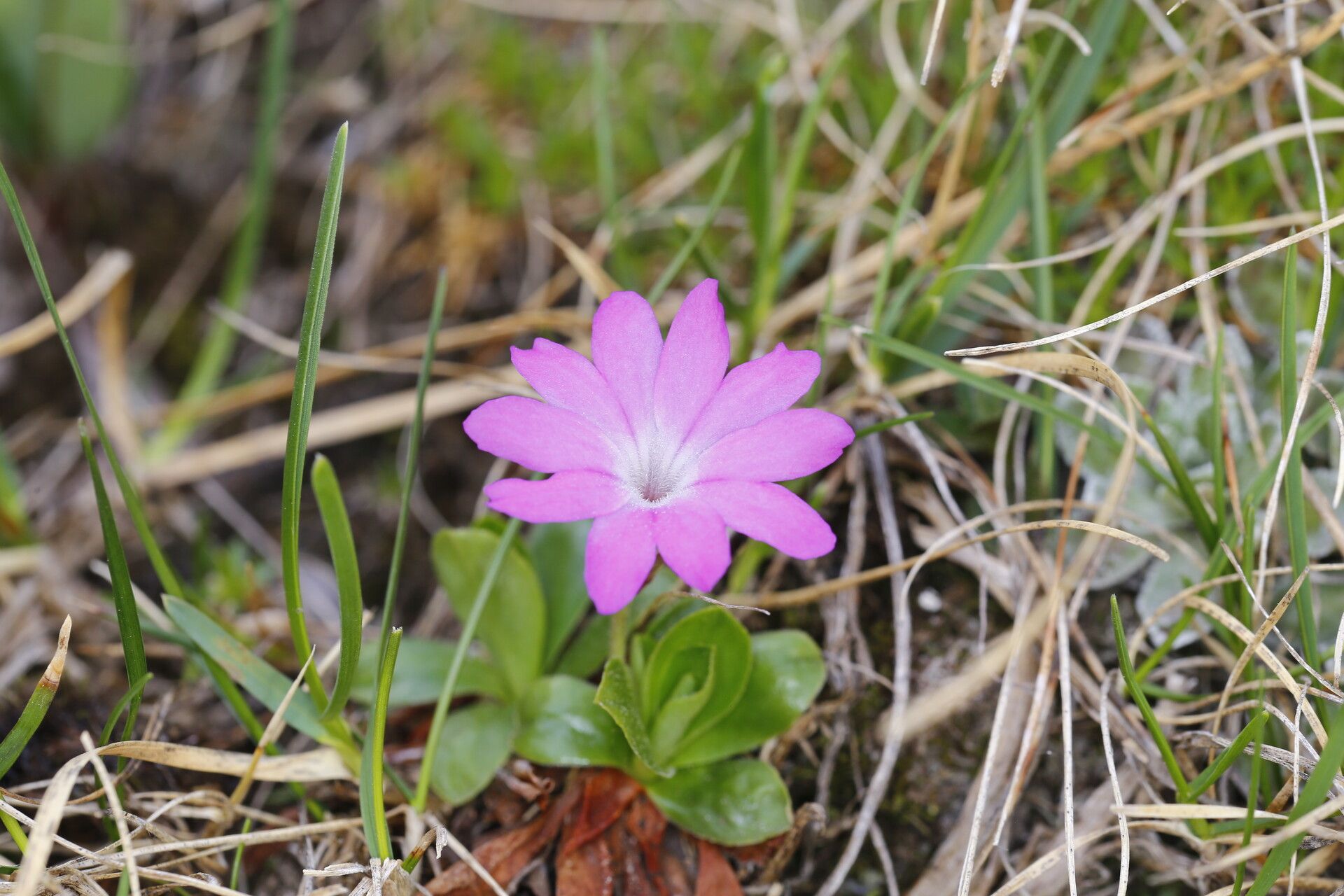
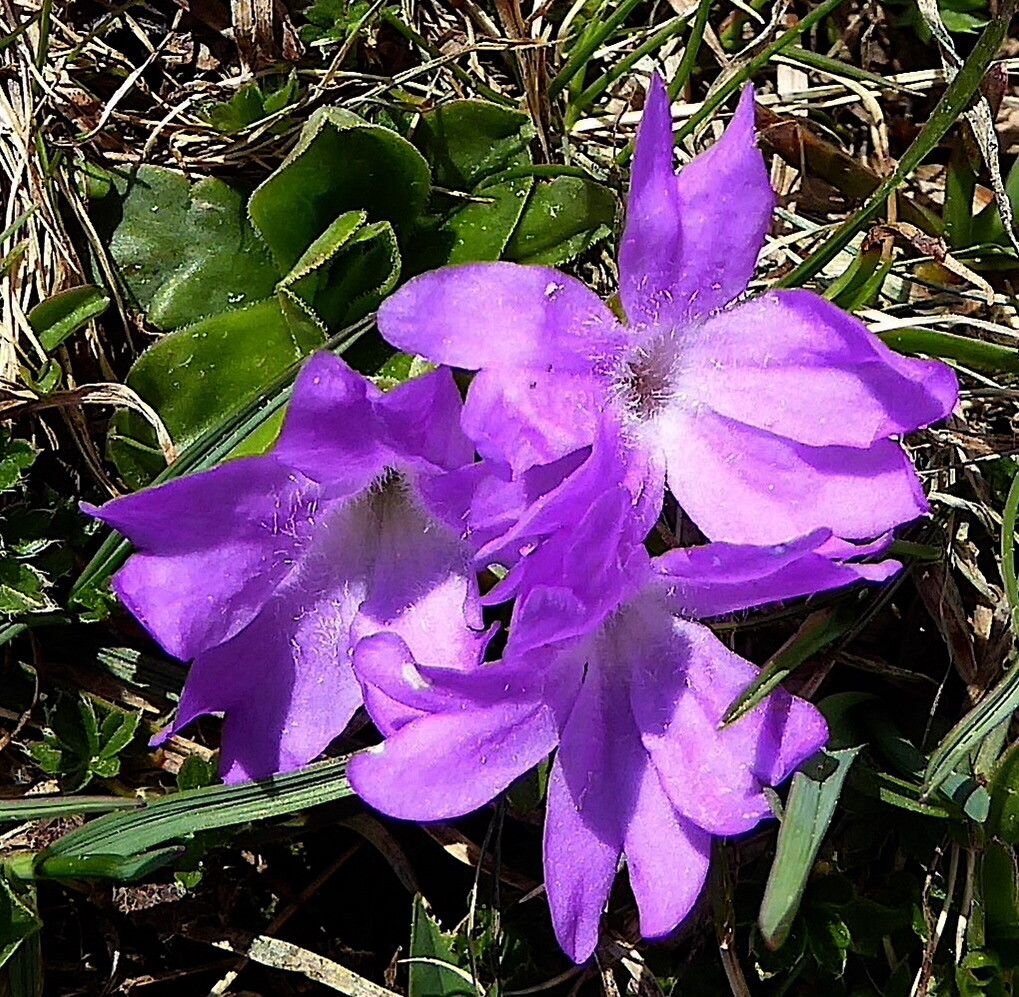
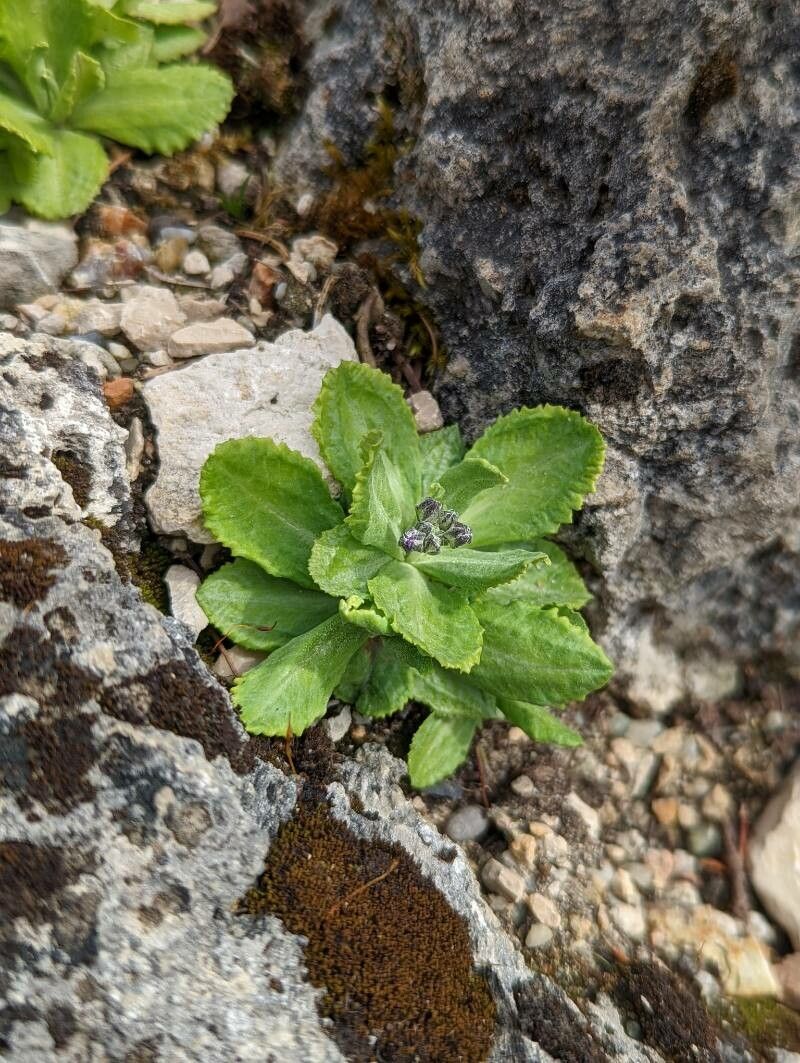
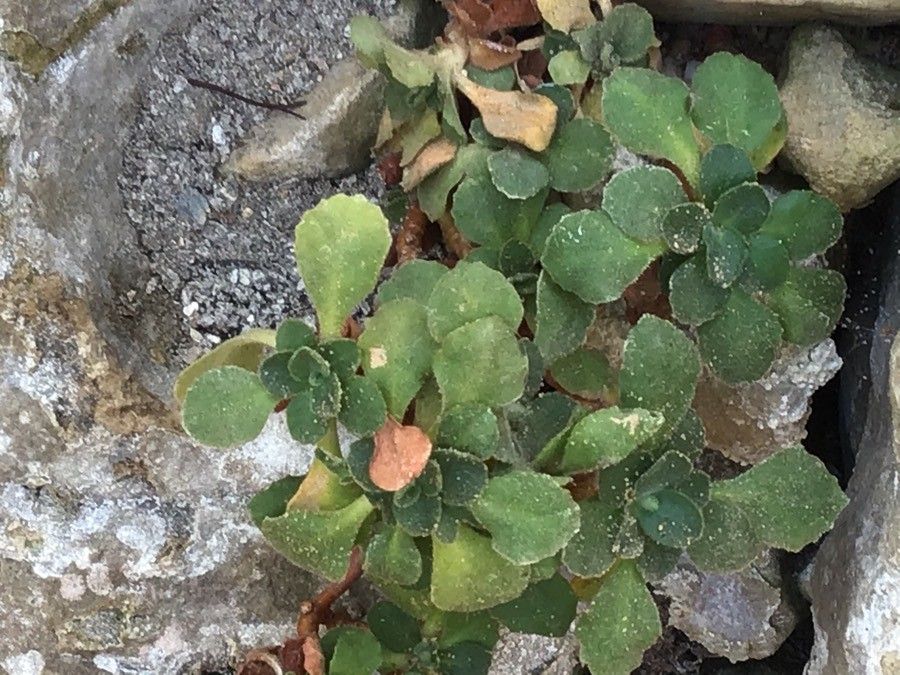
Primrose blossoms (Primula polyantha) sprout in late winter, offering versatility with their assortment of structures, sizes, and hues. They are best used in garden beds, borders, and containers. Given the appropriate growing conditions, these plants will grow by inches every year, adding striking colors to any garden. Flowering regularly lasts throughout summer and, in certain areas, will keep on blooming through the fall season. Most primrose blossoms found in gardens are Polyanthus half and halves, which range in shading from white, cream, and yellow to orange, red, and pink. There are additionally purple and blue primrose blossoms. These enduring plants lean toward moist, forest-like conditions. Primroses are a bright indication of spring. They are one of the main forest blossoms and a significant nectar hotspot for butterflies.
The entire-leaved primrose is fairly disease-resistant and typically not prone to serious illnesses. However, it can be vulnerable to pests and diseases present in its surroundings. These infections are usually minor. For care, this plant requires a moderate amount of maintenance. It should be pruned regularly to preserve a neat appearance and support healthy growth. Fertilizing can also help encourage flowering. The entire-leaved primrose is suitable for anyone with outdoor space, such as a garden or patio, and does not demand extensive care experience. It may need more attention when grown indoors.
How to keep Primula Integrifolia.
Light
Entire-leaved primrose is native to habitats like forest understories or rocky areas, where it grows under natural shade. It prefers partial sun but can adapt to full sun or full shade, showing its versatile and hardy nature.
Water
The entire-leaved primrose comes from moist alpine regions and thrives in soil that stays consistently moist with minimal dry spells. To ensure proper hydration, it's important to water the plant regularly, especially during its active growing season. It is usually cultivated outdoors to take advantage of natural rainfall.
Temperature
Crossover primroses are hardy in zones 5 to 7; however, are frequently developed as bedding annuals in hotter and colder zones. A few annual varieties are hardy far north as zone 2. They require a short chill period to make blossom.
Fertilizer
For Entire-leaved primrose, the best time to apply fertilizer is in early spring when the flowers are developing. The proper fertilizer promotes better blooms and helps Entire-leaved primrose produce attractive flowers. Fertilizing in early spring guarantees excellent flowers during the season and supplies energy for dormant growth phases.
Pruning
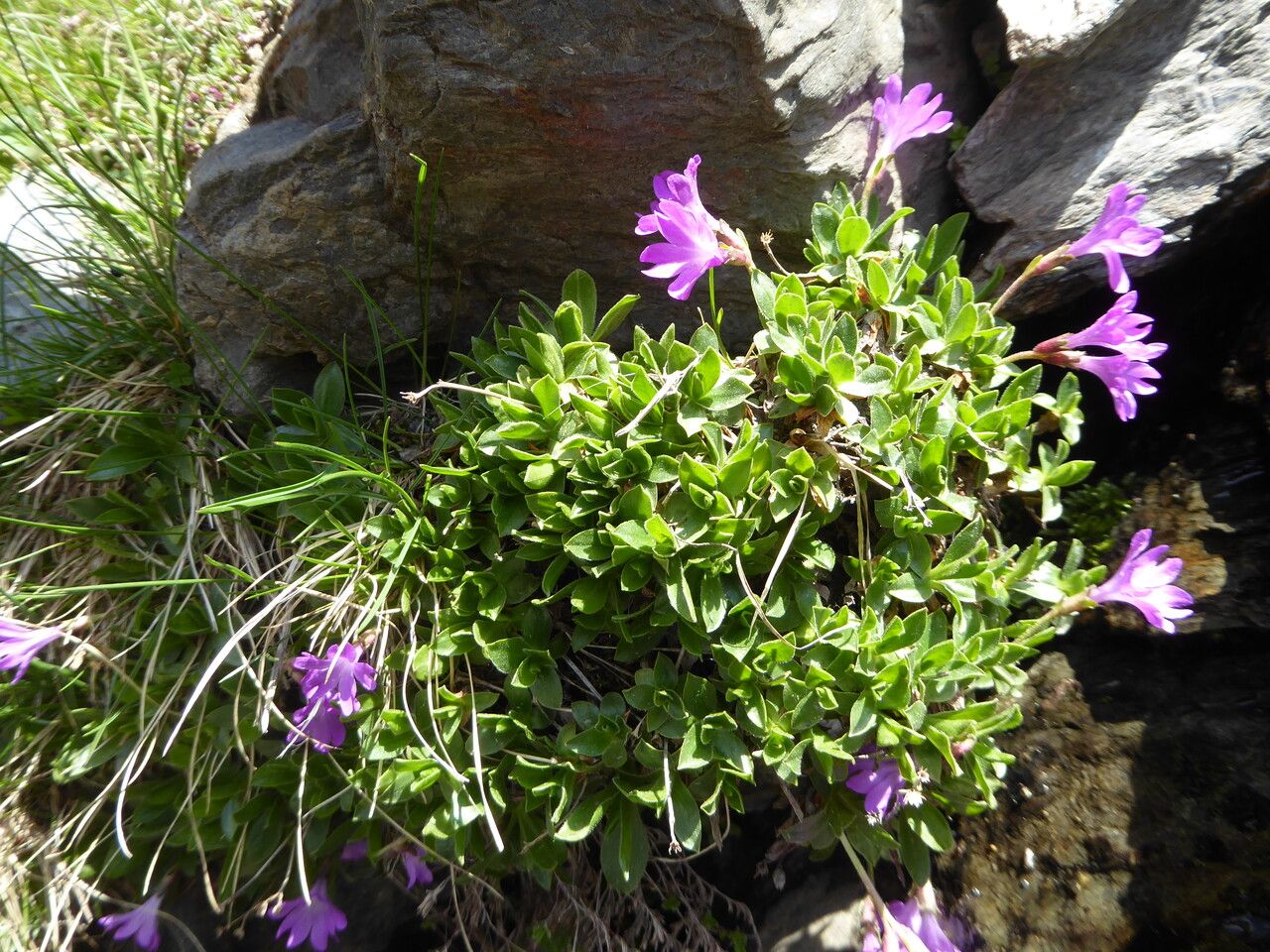
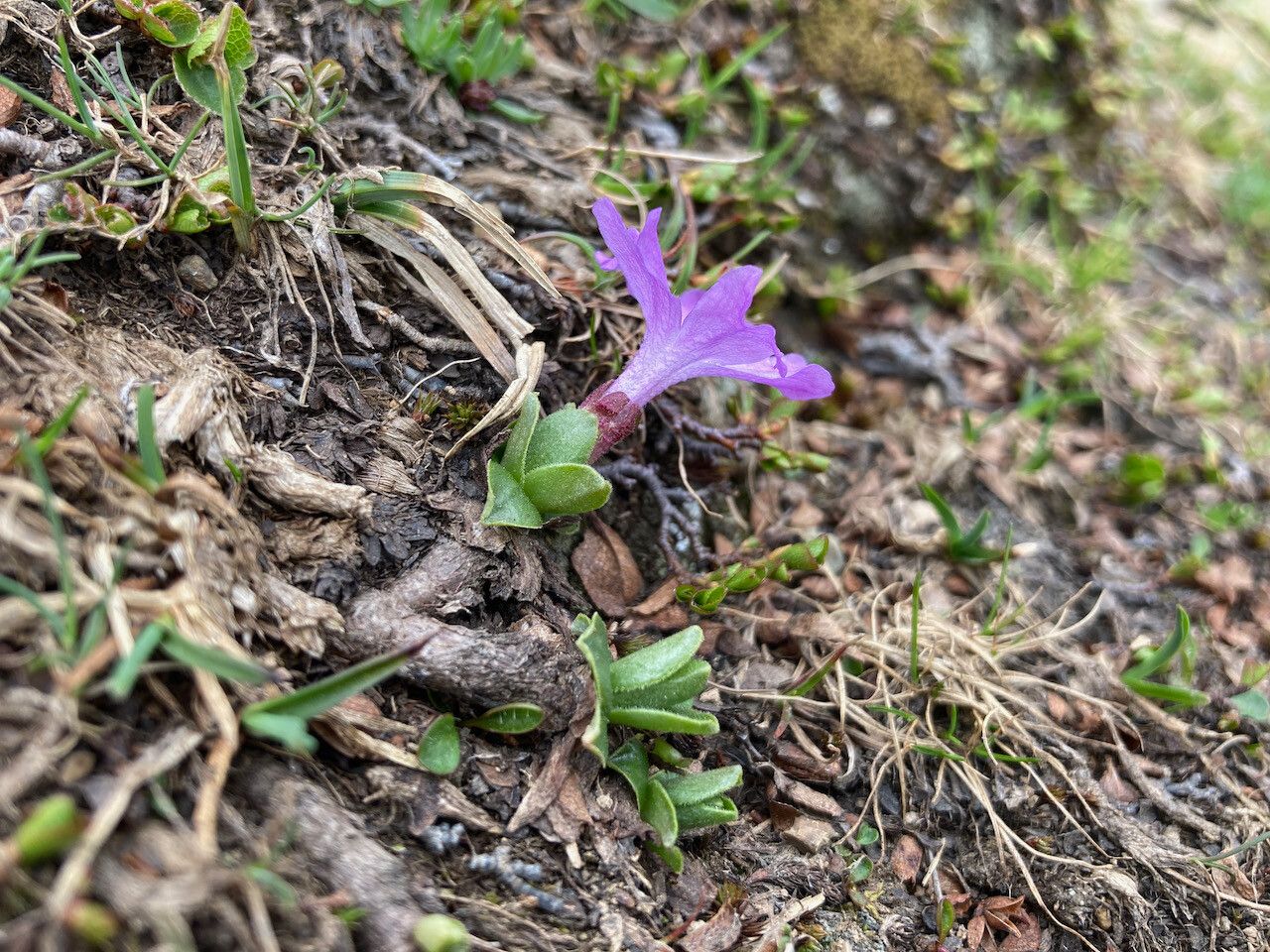
The entire-leaved primrose is a low-growing alpine plant known for its dark green leaves and vibrant purple flowers. To promote healthy growth and ensure abundant blooms, prune the plant in early to late spring. This will help remove dead leaves and stems and improve air circulation. For additional care tips specific to your region, consult local horticultural guides.
Toxicity
The primrose plant is poisonous to pets, including dogs, cats, and horses. When ingested, the toxins in the plant can induce toxicity symptoms, such as diarrhea, vomiting, abdominal pain, and other gastrointestinal symptoms.
Further reading →
The toxicity and danger assessments provided are for reference only. We do not assure their accuracy, so it's crucial not to depend on them. Seek professional advice when necessary for accurate guidance.
Botanical profile.
- Plant Type
- Herb
- Life Cycle
- Perennial
- Genus
- Primula
- Family
- Primulaceae
- Hardiness Zone
- 3-7
- Mature Height
- 2 cm to 10 cm
- Mature Spread
- 10 cm
- Leaf Color
- Green, Dark Green
- Leaf Type
- Evergreen
- Flower Color
- Pink
- Flower Size
- 2.03 cm to 3.05 cm
- Bloom Time
- Mid spring, Late spring
- Planting Time
- Spring
- Harvest Time
- Early summer, Mid summer
- Native Area
- Austria, Italy, Spain, Switzerland, France
Other names.
Reader questions.
What are the sunlight requirements for the Entire-leaved primrose (Primula integrifolia)?
The Entire-leaved primrose, known botanically as Primula integrifolia, flourishes under specific sunlight conditions. It thrives in full sun, which means it requires more than 6 hours of sunlight daily. However, it can also grow well in partial sun, requiring about 3-6 hours of sunlight. It's important to observe the movement of sunlight through your garden to find the ideal spots that provide a delicate balance between light and shade, ensuring the well-being of your plants.
What is the common name of Primula integrifolia?
The common name of Primula integrifolia is Entire-leaved primrose.
What are the essential characteristics of the Entire-leaved primrose?
Currently, there are no detailed essential characteristics provided for Entire-leaved primrose.
What are the symptoms of issues associated with Entire-leaved primrose?
There are no specific symptoms listed for issues associated with Entire-leaved primrose.