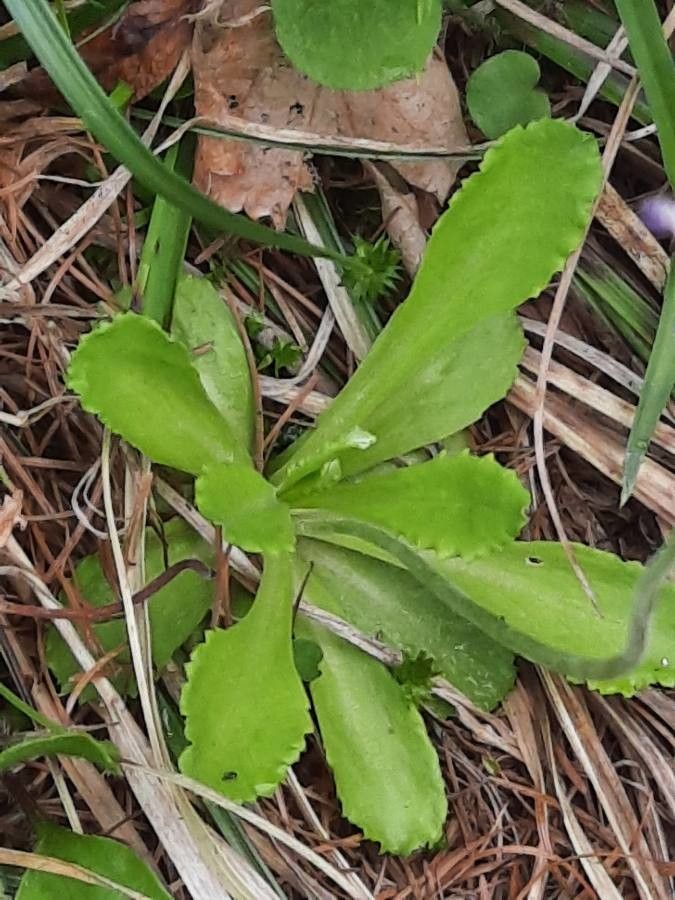
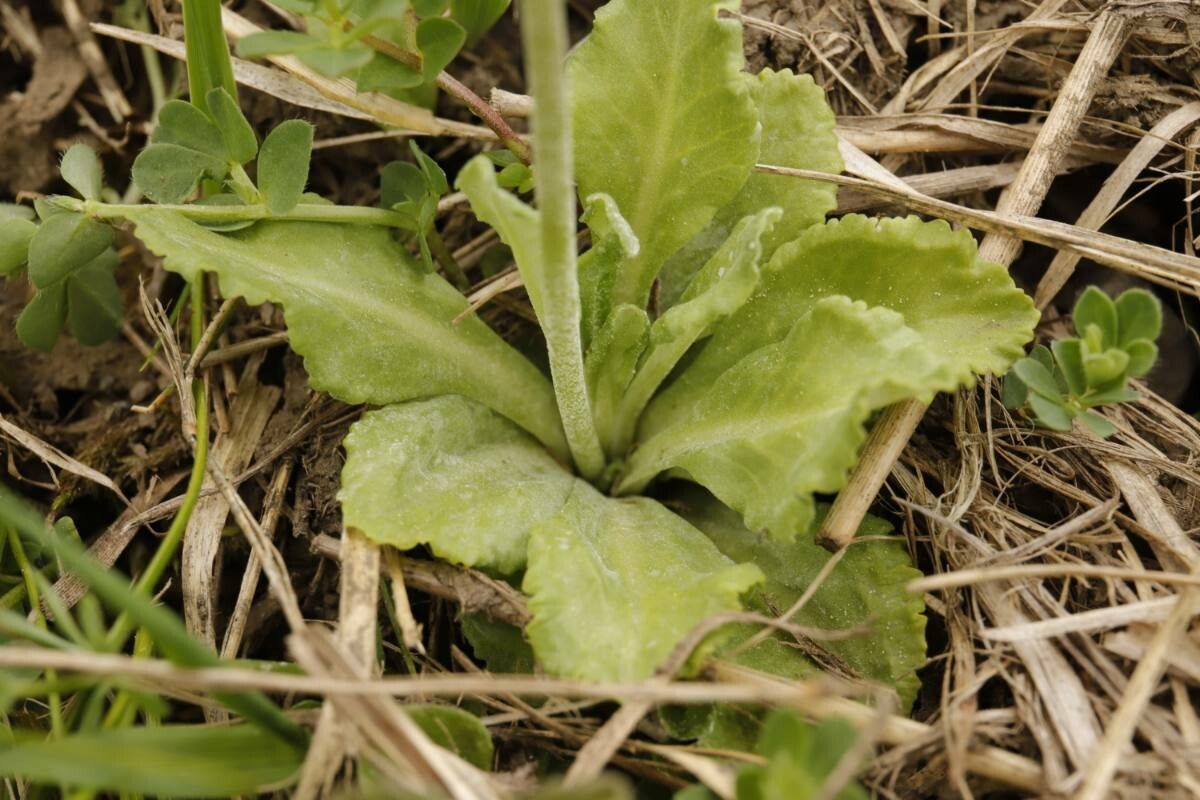
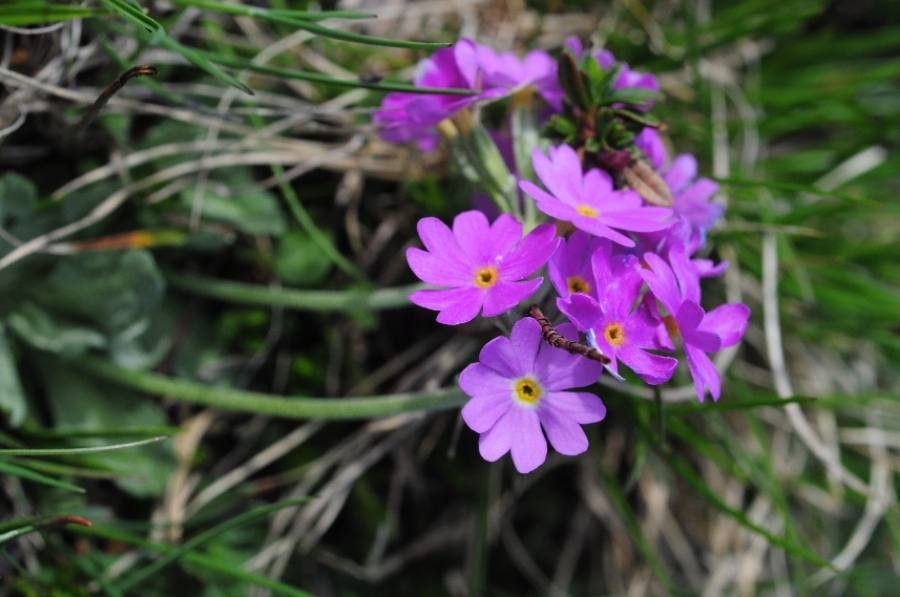
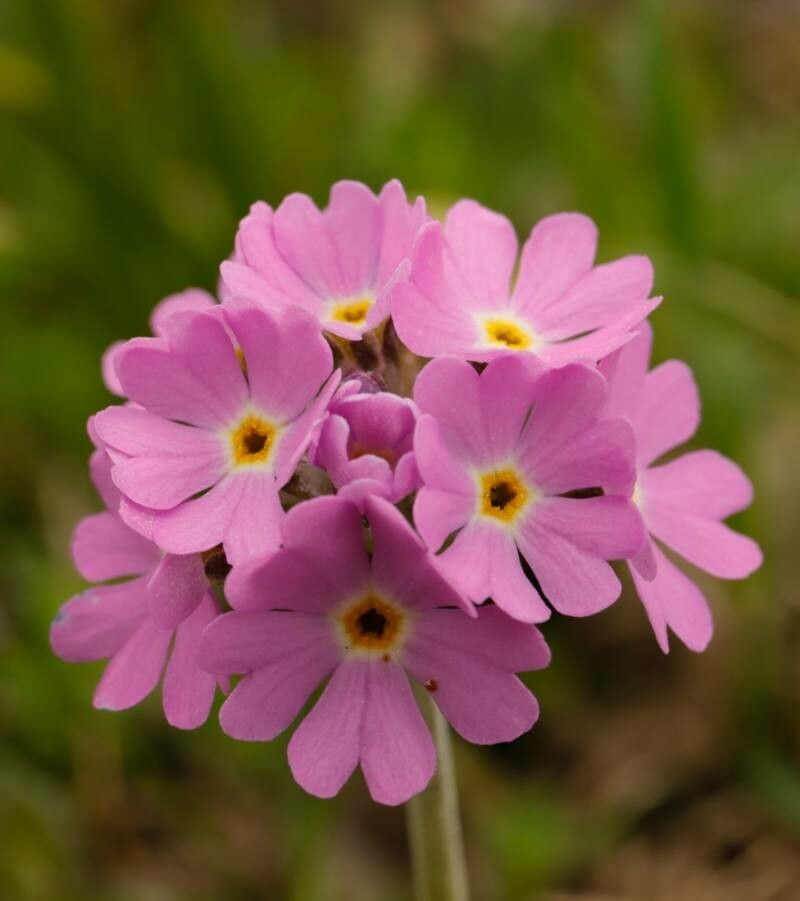
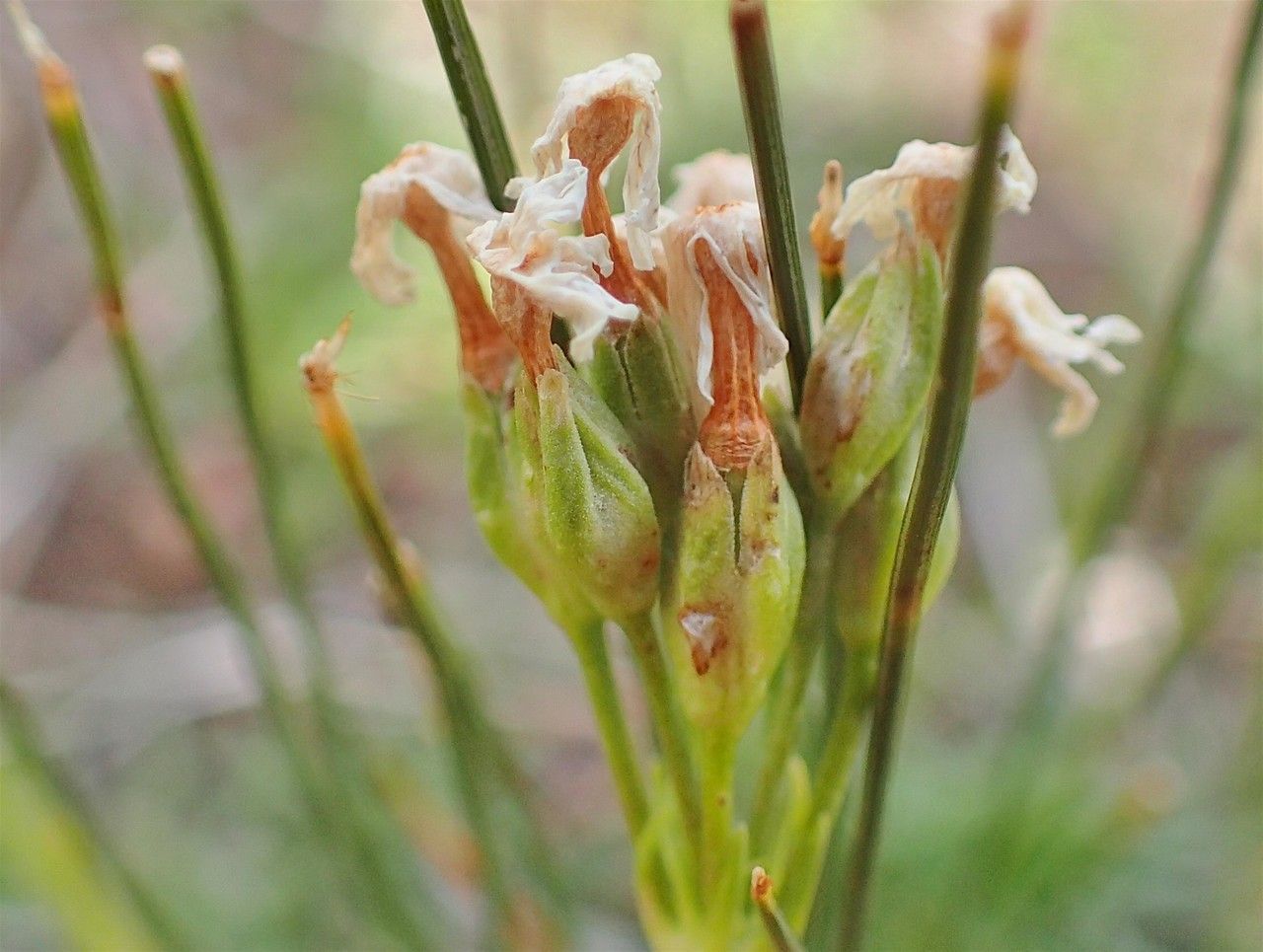
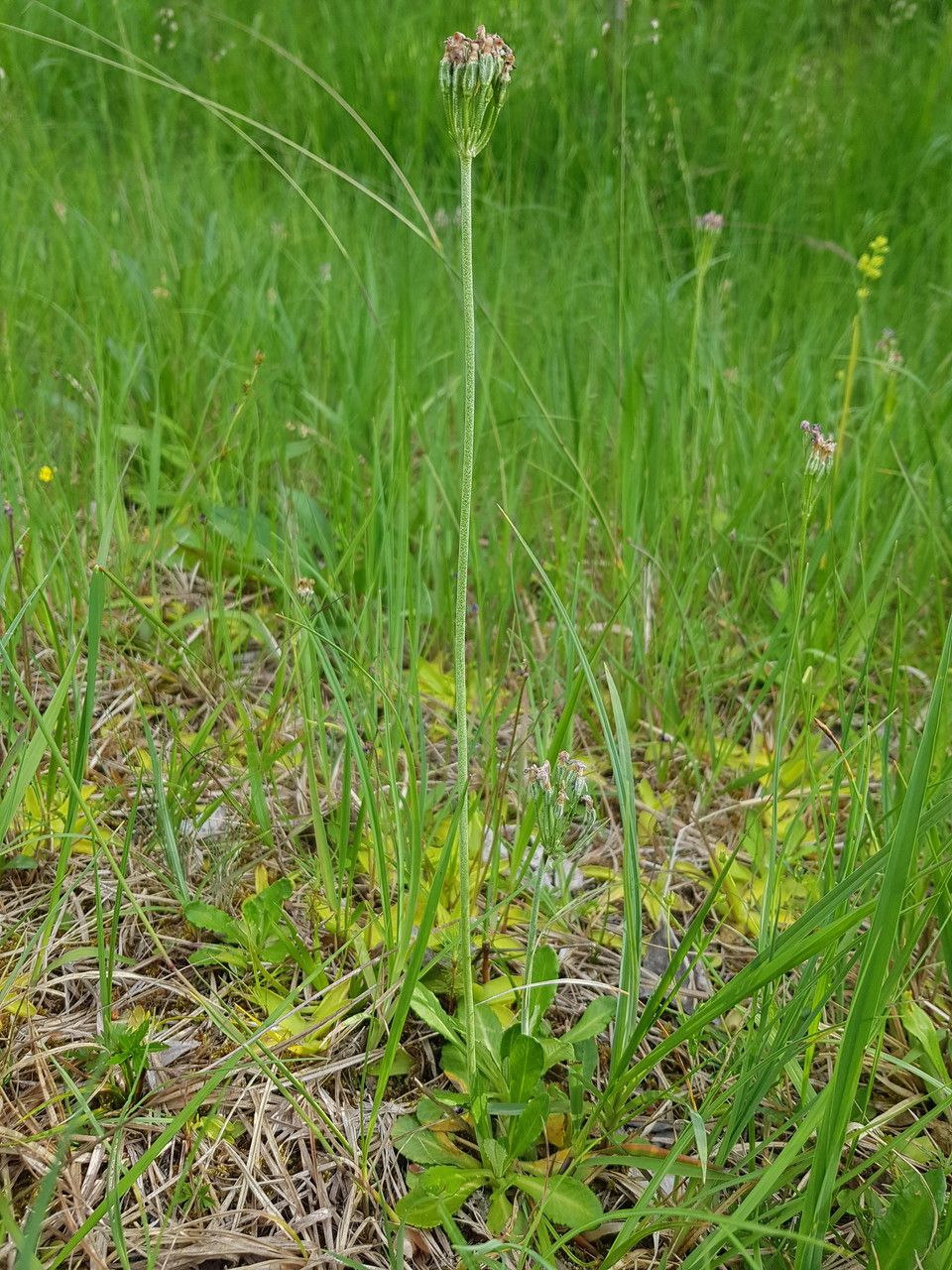
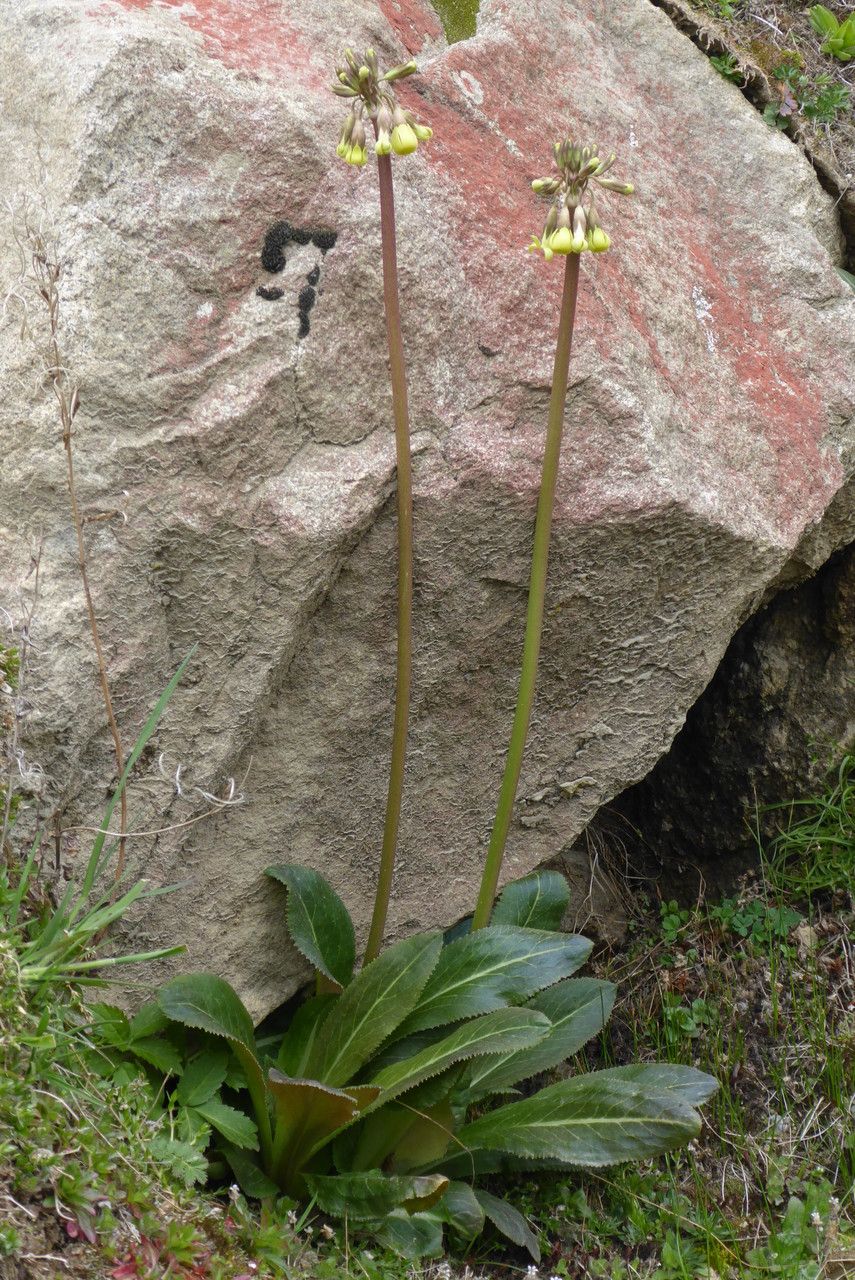
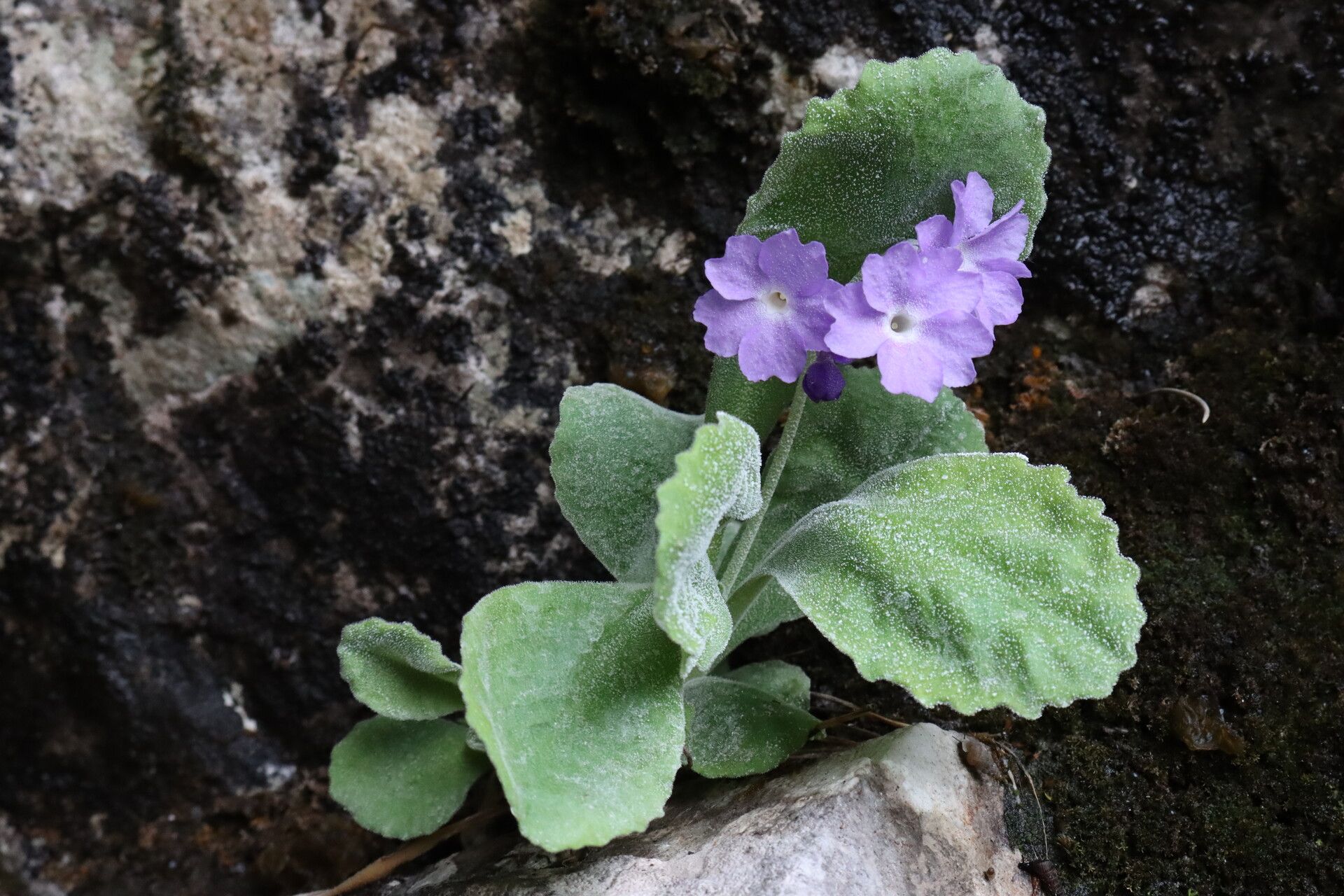
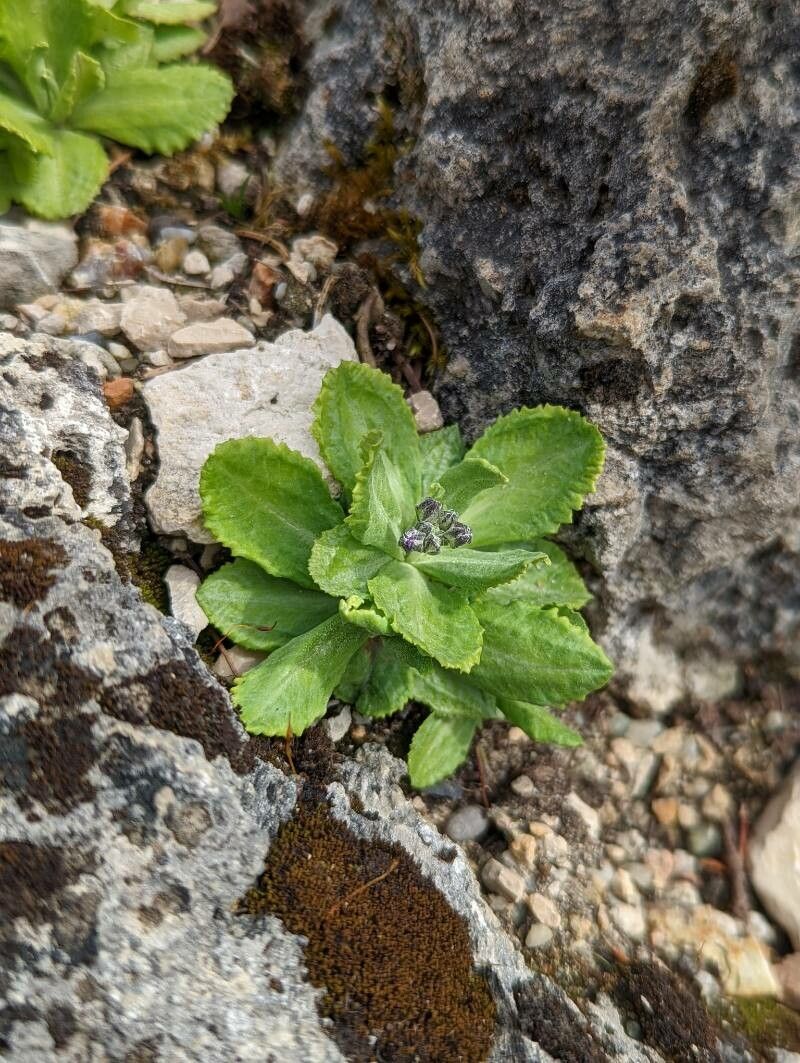
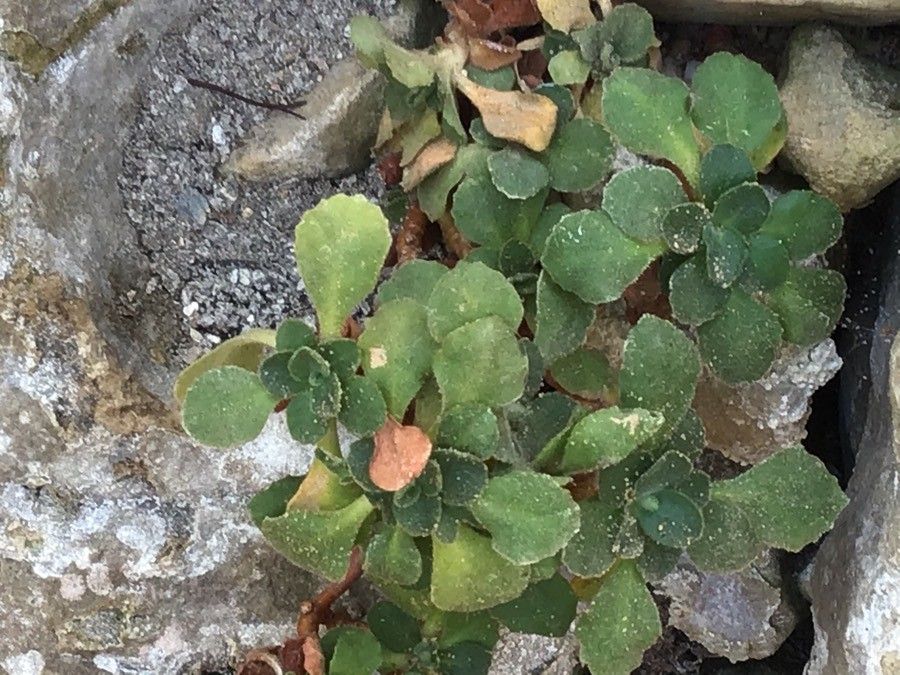
Primula farinosa, the bird's-eye primrose, is a small perennial plant in the family Primulaceae, native to Northern Europe and northern Asia, and (rarely) farther south at high altitudes in the mountains of southern Europe. This primrose thrives on grazed meadows rich in lime and moisture.
Bird's eye primrose has strong disease resistance and is generally not susceptible to illnesses. However, it can still be affected by pests and diseases present in its surroundings. Such infections are typically mild. In terms of care, this plant needs moderate maintenance. Regular pruning is required to maintain an attractive appearance and healthy growth. Fertilizing can also help encourage flowering. Bird's eye primrose is suitable for people with outdoor spaces, such as a garden or patio, and does not demand extensive care experience. It may need more attention when grown indoors.
How to keep Primula Farinosa.
Light
Bird's eye primrose grows best with plenty of sun but can tolerate less sunny conditions. Coming from areas that are largely sunny, bird's eye primrose requires a fairly substantial amount of sunlight for optimal growth. Too much sun can cause slight damage, while too little sunlight impedes its healthy development.
Water
Bird's eye primrose flourishes in cool, moist alpine settings and requires evenly moist soil. It is important to water it weekly, as the plant can handle short periods of wetness but not extended drought. Since it prefers being outdoors, take into account the climate zones and local precipitation when growing bird's eye primrose.
Temperature
Bird's eye primrose originates from temperate regions and grows best at temperatures between 32 and 90 °F (0 to 32 °C). It favors cooler conditions and may require extra shade and watering during hotter months to maintain optimal growth and survival.
Fertilizer
Early spring, when the Bird's eye primrose is coming out of dormancy and starting active growth, is the ideal time to fertilize it. Fertilization supplies the essential nutrients required for healthy growth. Although Bird's eye primrose has relatively low fertilization needs, fertilizing once a year can enhance its survival and promote better, longer-lasting flowers.
Pruning
Bird's eye primrose is a compact perennial with vibrant pink to lilac flowers. To promote growth, improve airflow, and reduce the risk of disease, prune dead foliage and spent blooms from early to late spring. Regular maintenance will keep the plant healthy and visually appealing. For additional care tips, consult horticultural guides.
Pot & Repot
The bird's-eye primrose is a low-growing herb that should be repotted every 2-3 years in early spring. To ensure the best results, use shallow, wide containers filled with a well-draining soil mix. After repotting, keep the soil consistently moist and avoid exposing the plant to direct sunlight to help it recover successfully.
Toxicity
The primrose plant is poisonous to pets, including dogs, cats, and horses. When ingested, the toxins in the plant can induce toxicity symptoms, such as diarrhea, vomiting, abdominal pain, and other gastrointestinal symptoms.
Further reading →
The toxicity and danger assessments provided are for reference only. We do not assure their accuracy, so it's crucial not to depend on them. Seek professional advice when necessary for accurate guidance.
Botanical profile.
- Plant Type
- Herb
- Life Cycle
- Perennial
- Genus
- Primula
- Family
- Primulaceae
- Hardiness Zone
- 3-7
- Mature Height
- 30 cm
- Mature Spread
- 30 cm
- Leaf Color
- Green
- Leaf Type
- Deciduous
- Flower Color
- Pink
- Flower Size
- 1.02 cm to 1.52 cm
- Bloom Time
- Spring
- Planting Time
- Spring, Autumn, Winter
- Harvest Time
- Summer
Other names.
Reader questions.
How should I water my Bird's eye primrose?
To properly water the Bird's eye primrose, it is recommended to use filtered water at room temperature. Tap water may contain harmful particles, making filtered water a safer option. The water should be at room temperature or slightly warmer to avoid shocking the plant, as it is native to warm environments. Overhead watering should be avoided as it can cause issues with the foliage. Instead, gently apply the filtered room temperature water to the soil until it is completely soaked. This benefits the plant by moistening the roots and aiding in their spread through the soil to gather nutrients.
Why is it important to fertilize my Bird's eye primrose?
Fertilization is important for the Bird's eye primrose because it provides essential nutrients for the plant's growth. While the overall fertilization needs of this plant are low, annual fertilization can greatly benefit it. Even though the Bird's eye primrose can survive without fertilization, regular fertilization can help the plant thrive, resulting in better and longer-lasting flowers. Therefore, those who want their Bird's eye primrose to look its best should prioritize annual fertilization.
What are the sunlight requirements for Bird's eye primrose?
Bird's eye primrose requires full sun, which is above 6 hours of sunlight, but it can also grow in partial sun, receiving about 3-6 hours of sunlight. It's important to observe how sunlight moves through your garden to find spots that offer the right balance for your plants. Bird's eye primrose originates from environments with abundant sunshine, so significant exposure to sunlight is crucial for its optimal growth. Although it can tolerate some overexposure, insufficient sunlight can impair its development.
What is the native climate of Bird's eye primrose?
Bird's eye primrose is native to temperate regions and thrives best in cooler climates with temperatures ranging from 32 to 90 °F (0 to 32 °C). It is highly cold-tolerant and can withstand cold temperatures without needing special frost protection measures. However, in hotter months, it may require additional care such as shade and watering to ensure optimal growth and survival.
What do I do if I give my Bird's eye primrose too much or too little water?
Overwatering is a more common problem than underwatering for Bird's eye primrose. When this plant gets too much water, its stems and leaves may wilt and turn yellow. Overwatering can also cause diseases like root rot, mold, and mildew, which can be fatal for the plant. Although Bird's eye primrose is drought tolerant, underwatering can still occur. When this happens, the leaves become brittle and brown. It's important to recognize signs of overwatering early and make adjustments to the watering schedule. If the soil doesn't drain well, it should be replaced with a loose, well-draining potting mix. If signs of underwatering are present, simply water more regularly until the plant recovers.
When should I fertilize my Bird's eye primrose?
To ensure healthy growth, the best time to fertilize a Bird's eye primrose is in late winter to early spring, when it is transitioning from dormancy to active growth. Fertilizing during this period promotes a strong start to the season. While early spring is generally preferred for fertilization, it is also acceptable to fertilize in the fall. However, it is not recommended to fertilize during summer and winter.
How can artificial lighting support Bird's eye primrose growth indoors?
When natural sunlight is insufficient for Bird's eye primrose, especially in winters or less sunny spaces, artificial lighting can be a beneficial supplement. LED lights are recommended because they can be adjusted to provide specific wavelengths needed by plants. Full sun plants require 30-50W/sq ft, partial sun plants need 20-30W/sq ft, and full shade plants demand 10-20W/sq ft of artificial light. The light source should be placed 12-36 inches above the plant to mimic natural sunlight, and most plants will benefit from 8-12 hours of artificial light per day.
What special care does Bird's eye primrose require in winter?
Before the first freeze in autumn, Bird's eye primrose should be watered generously to ensure the soil remains moist and enters a frozen state. This precaution helps prevent drought and water scarcity for the plant during the winter and early spring months. Despite its high tolerance to cold, maintaining above -35°C winter temperatures is crucial for its sprouting in spring.
How often should I give water to my Bird's eye primrose?
If your Bird's eye primrose is in a pot, the most precise way to determine if it needs water is by checking the moisture level of the soil. Simply stick your finger into the soil and if the top two to three inches feel dry, it's time to water it. For Bird's eye primroses grown outdoors in the ground, you can use the same method to test the soil. Once the top few inches are dry, it's time to give it some water. In spring and early fall, you'll likely need to water this plant about once a week. However, during extremely hot weather, you may need to water it twice or more per week. It's worth mentioning that mature, well-established Bird's eye primroses are quite resilient and can endure periods of drought.
When is the best time to not put fertilizer on my Bird's eye primrose?
To ensure optimal growth of your Bird's eye primrose, it is important to only fertilize during the late winter and early spring. This plant has low fertilization needs, so one feeding per year is sufficient. Overfertilization can be easily avoided by refraining from fertilizing during spring, summer, and fall, unless you missed fertilizing in spring, in which case fall fertilization is allowed. It is also unnecessary to fertilize during winter when the plant is in a dormant growth phase and not producing new growth.
What are the symptoms of inadequate sunlight for Bird's eye primrose?
Symptoms of inadequate sunlight for Bird's eye primrose include smaller new leaves, leggy or sparse growth, faster leaf drop, slower or no new growth, lighter-colored new leaves, and symptoms of excessive sunlight like chlorosis, sunscald, leaf curling, wilting, and leaf scorching. These symptoms indicate either too little or too much exposure to sunlight, affecting the plant's ability to thrive properly.
How does Bird's eye primrose react to low temperatures?
Bird's eye primrose is extremely tolerant of cold environments and can generally withstand winter temperatures above -35°C. If temperatures fall below this threshold, the plant may not show immediate changes but could experience decreased sprouting or fail to sprout at all come spring. It is advisable to remove any parts of the plant that have failed to sprout in spring as part of its care routine.