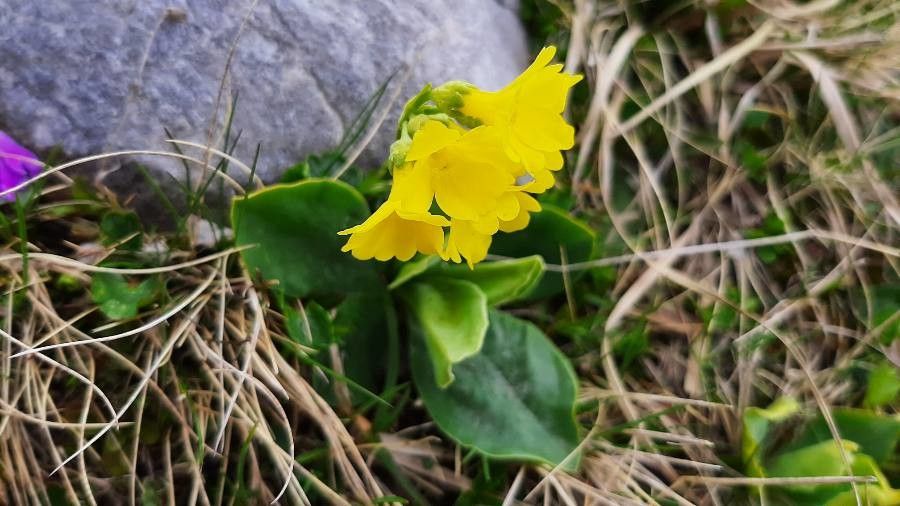
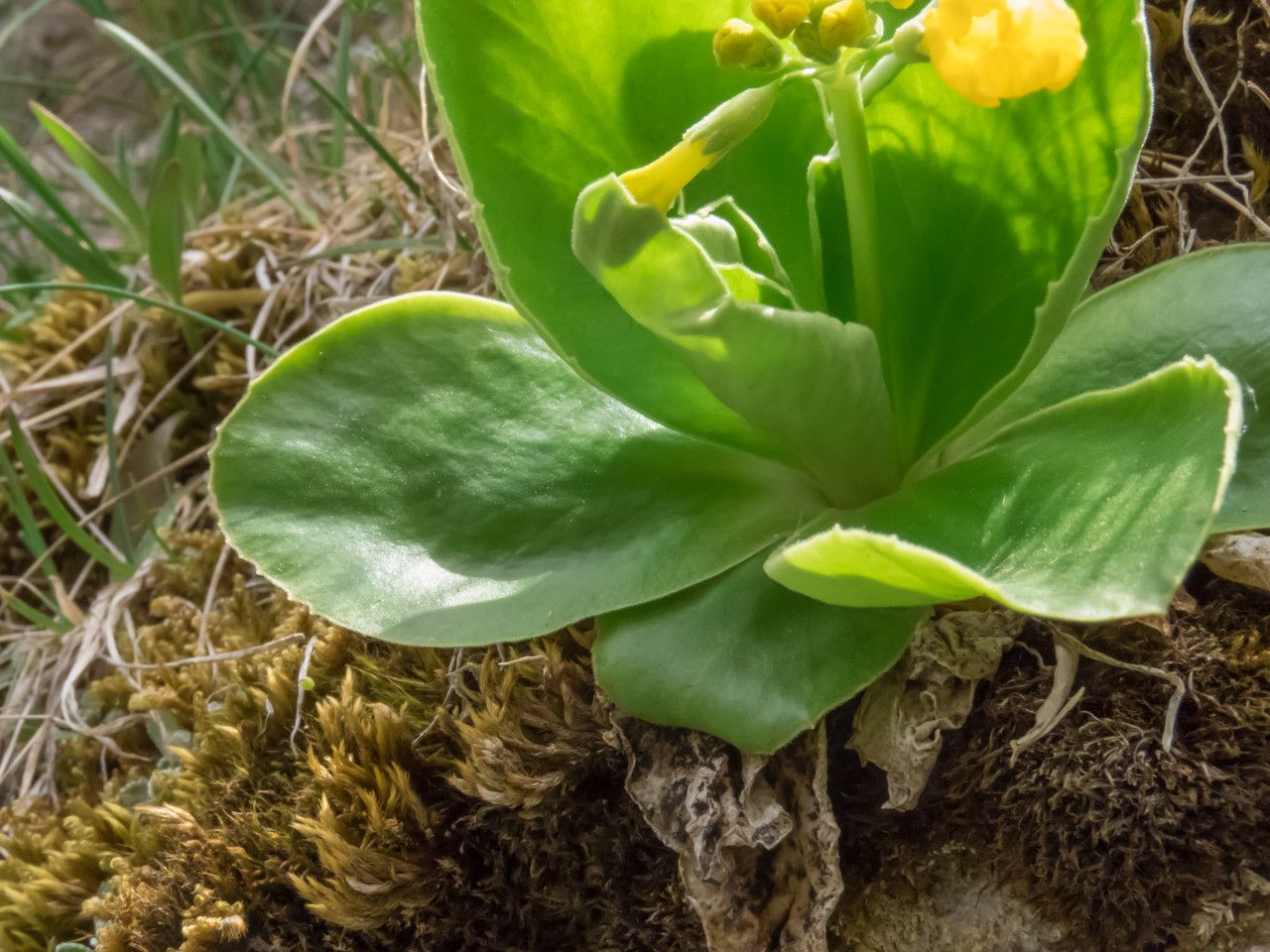
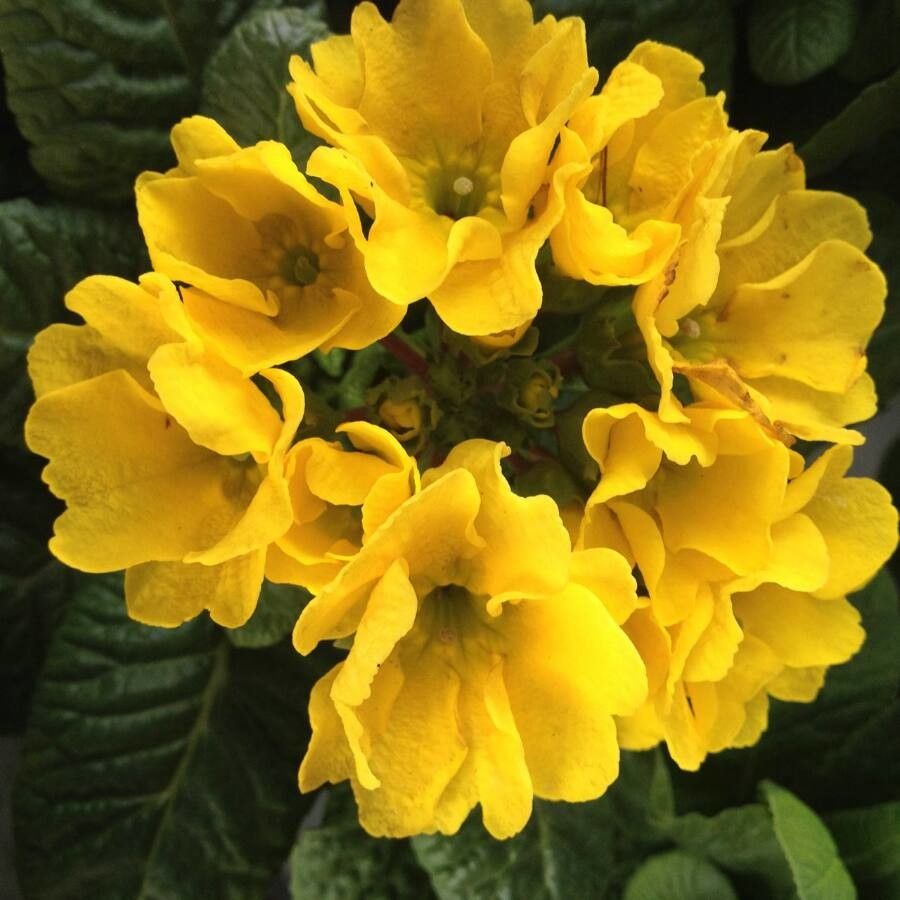
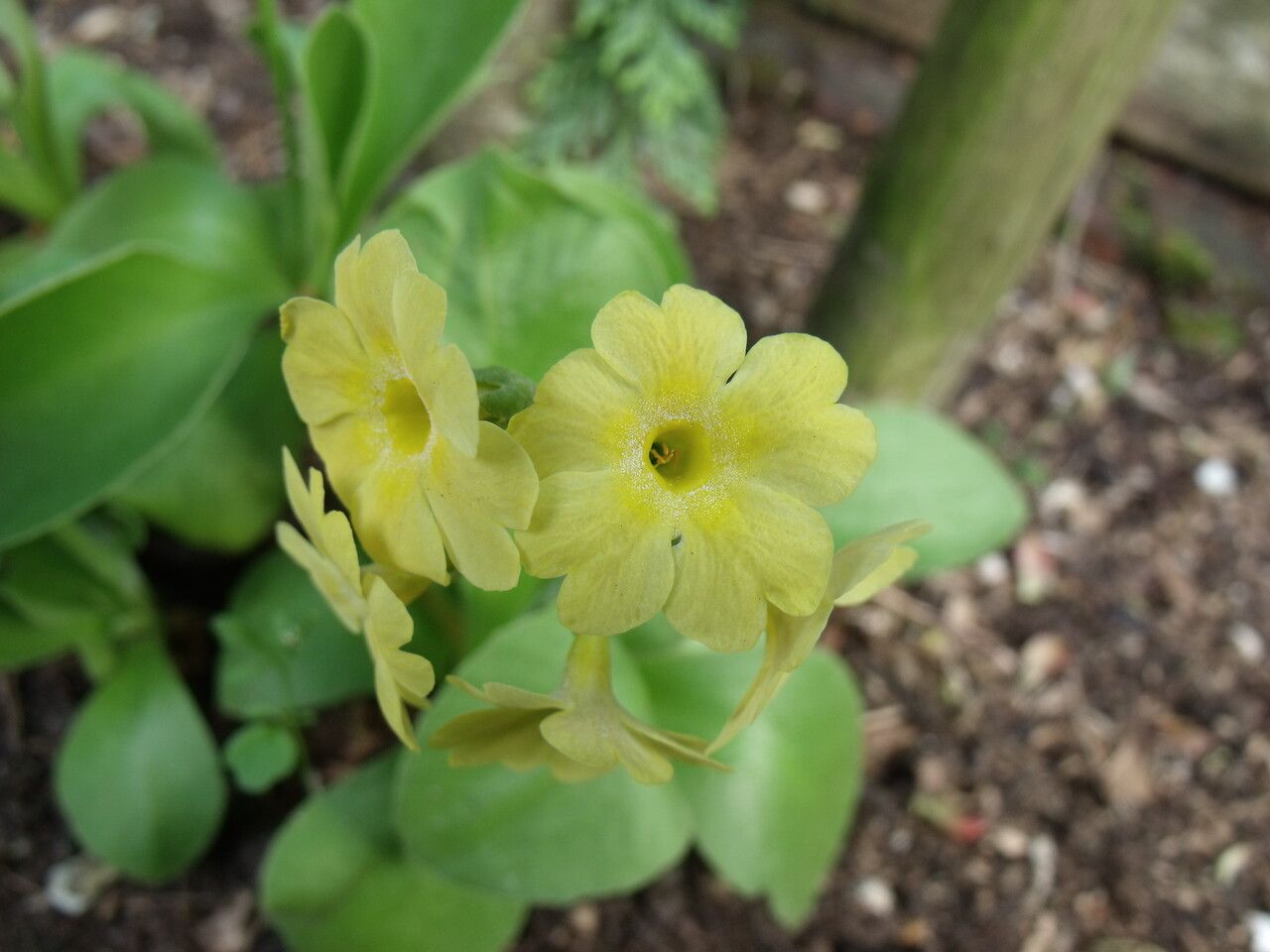
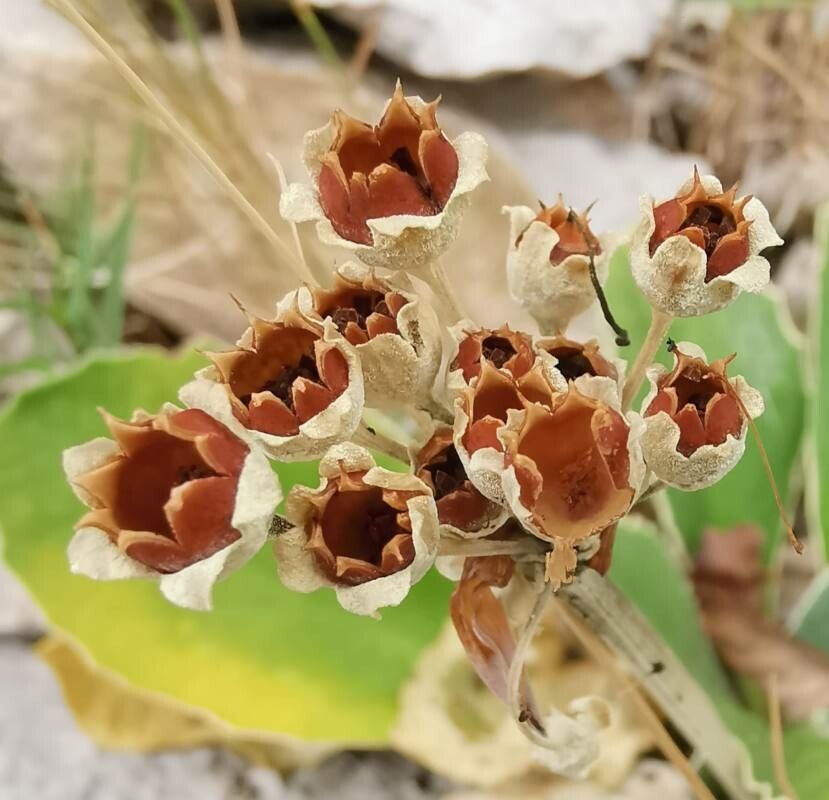
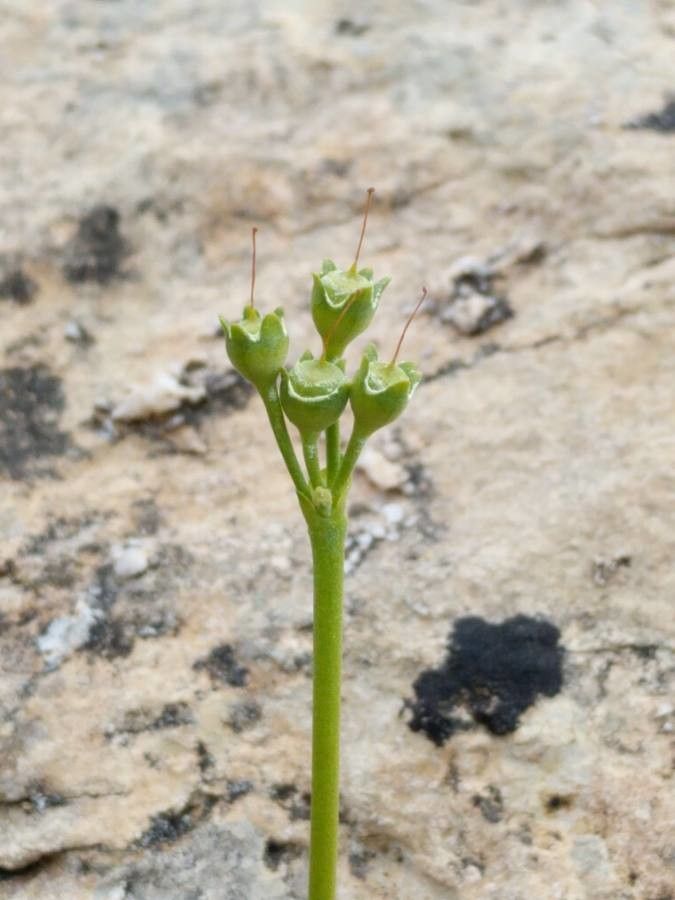
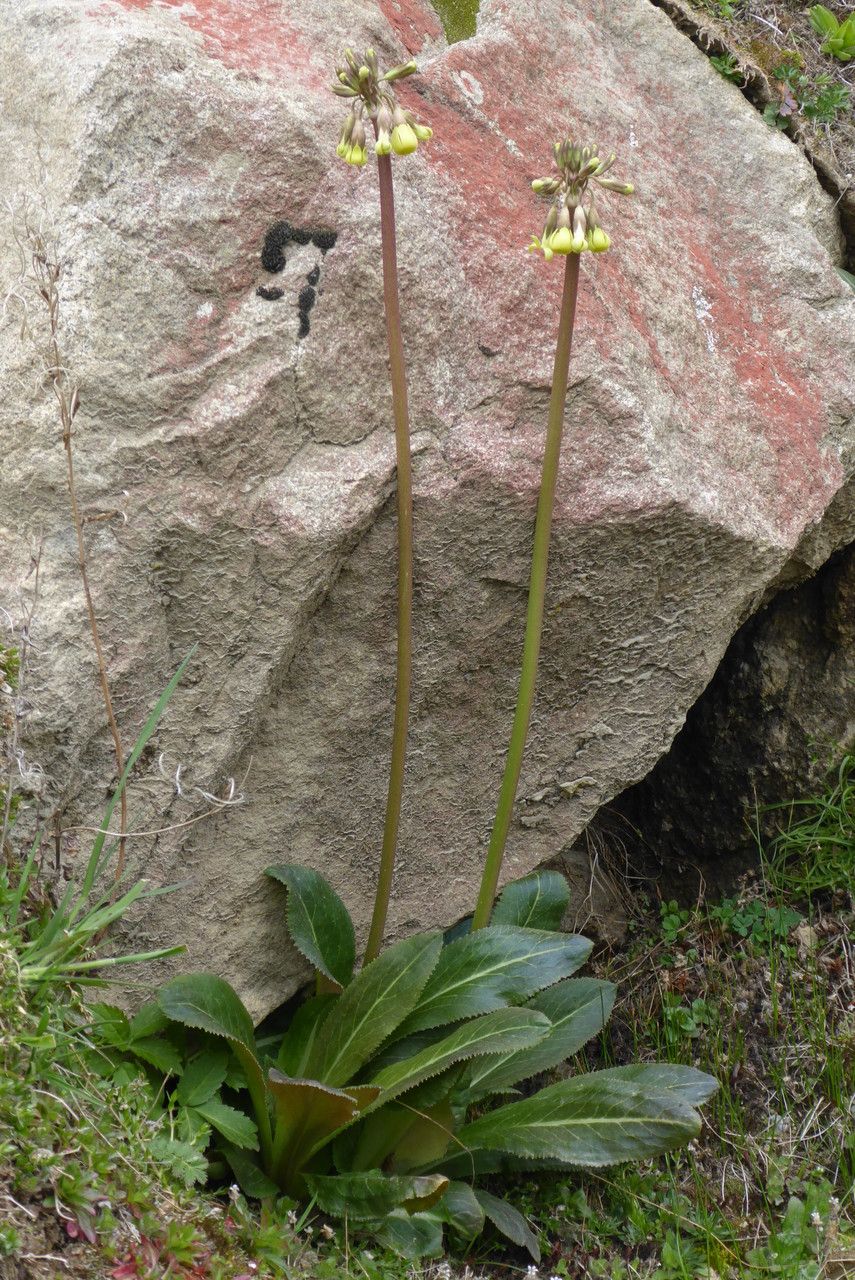
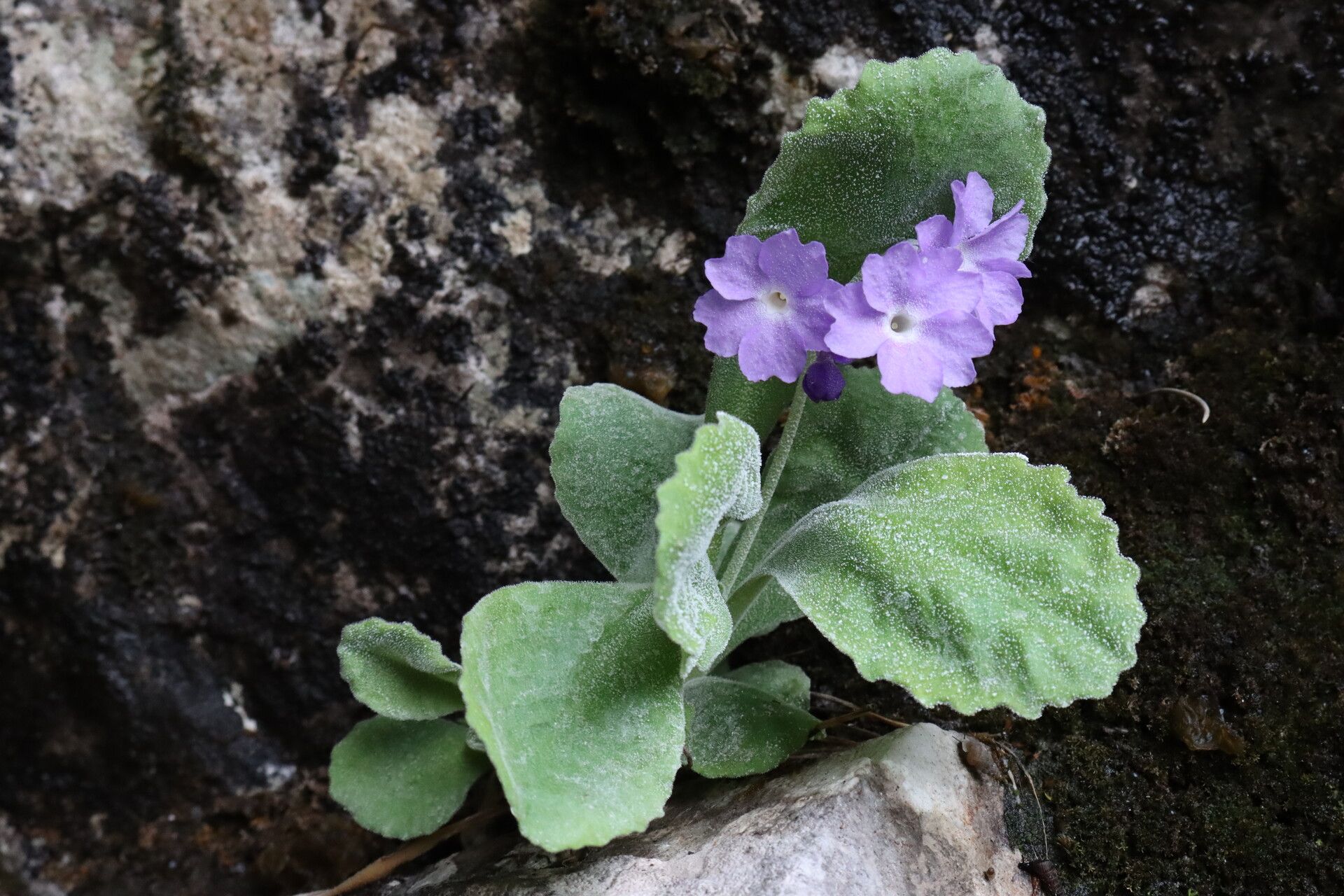
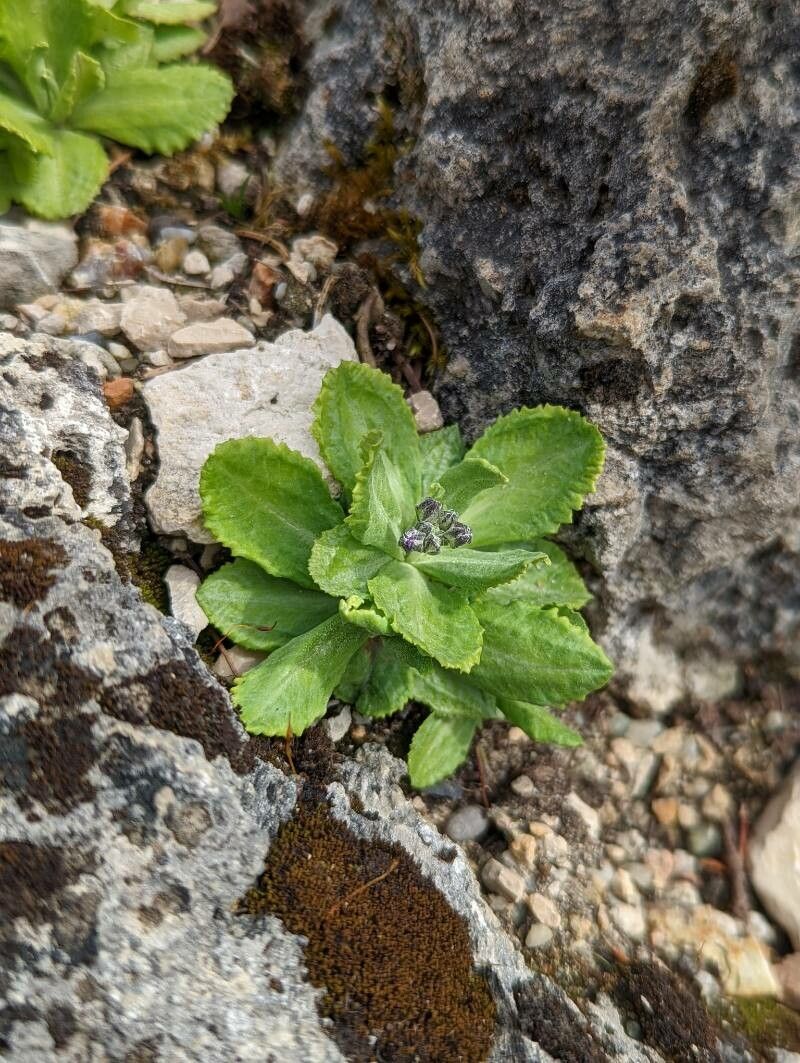
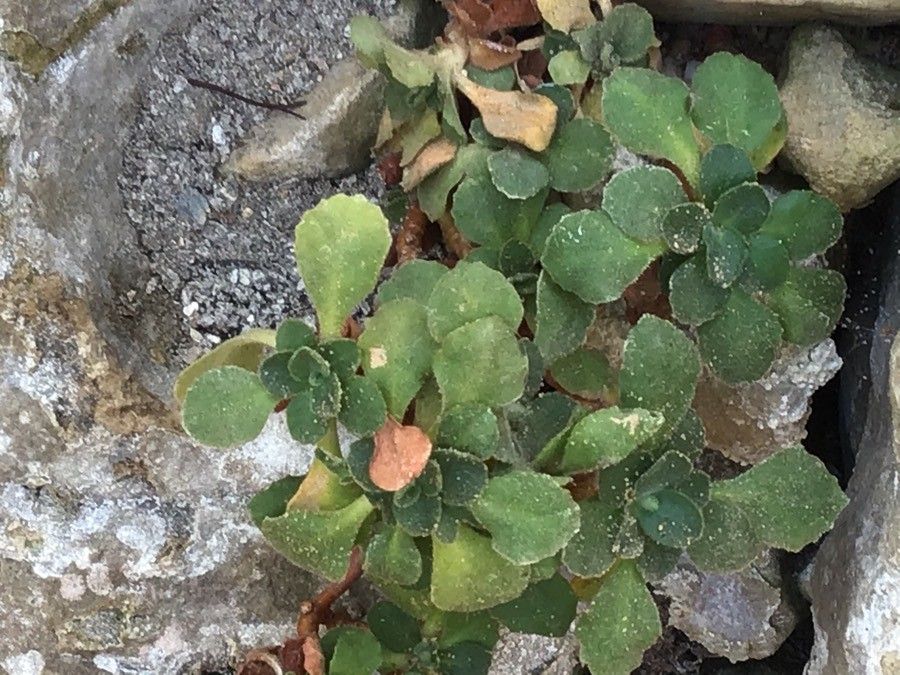
Primula auricula, commonly known as the auricula or bear's ear, is a species of flowering plant in the Primulaceae family, native to the mountainous regions of central and southern Europe. The plant typically grows to a height of 10-20 cm and produces clusters of showy flowers in shades ranging from yellow to purple. Its evergreen leaves form a rosette at the base of the stem.
Primula auricula has been cultivated for centuries for its ornamental value, especially in alpine gardens and rockeries. Numerous cultivars are available, offering a variety of flower colors, patterns, and sizes.
The plant prefers well-drained soil rich in organic matter with moderate moisture levels. It thrives best in partial shade or full sun but requires protection from strong winds.
In addition to its ornamental value, Primula auricula has traditionally been used for medicinal purposes, such as treating respiratory ailments like coughs and bronchitis, due to its expectorant properties.
Overall, Primula auricula is an attractive perennial that adds color and interest to any garden setting while also offering potential medicinal benefits.
Auricula has strong resistance to disease and is generally not prone to illnesses. However, it can be affected by pests and diseases present in its environment. Such infections are generally mild. Regarding care, this plant needs moderate maintenance. Regular pruning is necessary to preserve a good appearance and support healthy growth. Fertilizing can also encourage blooming. Auricula is suitable for anyone with an outdoor area, such as a garden or patio, and does not require much gardening experience. It may need more attention when grown indoors.
How to keep Primula Auricula.
Light
Auricula does well with moderate sunlight but can also tolerate prolonged exposure. Its health and development are strongly influenced by the light conditions of its native habitats, which usually include a mix of shade and sun. Too much or too little light can negatively affect its vigor, preventing it from growing robustly.
Water
Originating from alpine regions, auricula thrives in moderate humidity and requires consistent moisture without being waterlogged. It benefits from weekly watering, mimicking the effect of melting snow during its growing season, which highlights its specific hydration needs.
Humidity
This plant will thrive in moderate humidity, which is probably the level in your home. However, misting it a few times a week can be very beneficial. Make sure the room has good ventilation.
Temperature
Auricula is native to regions where temperatures range from 68 to 95 °F (20 to 35 ℃). This temperate species prefers those warm conditions. For optimal growth, keep temperatures within that range and adjust them as the seasons change.
Fertilizer
The best time to fertilize an Auricula is in early spring, as it comes out of dormancy and begins active growth. Fertilizing supplies essential nutrients for healthy development. Although an Auricula has relatively low fertilizer needs, giving it fertilizer once a year can improve its survival and encourage better, longer-lasting flowers.
Pruning
Auricula plants thrive when pruned correctly, a task best performed in early spring or late winter. By removing dead leaves and spent flowers, you can encourage healthy growth and extend the blooming period. Regular pruning also improves air circulation, reduces pest problems, and helps the plant maintain its shape, ensuring it remains robust and well-formed.
Pot & Repot
Auriculas should be repotted every 2-3 years during the spring. Use a small pot with good drainage to prevent root rot. After repotting, place the auricula in bright, indirect light and keep the soil slightly moist to ensure optimal recovery and growth.
Toxicity
The primrose plant is poisonous to pets, including dogs, cats, and horses. When ingested, the toxins in the plant can induce toxicity symptoms, such as diarrhea, vomiting, abdominal pain, and other gastrointestinal symptoms.
Further reading →
The toxicity and danger assessments provided are for reference only. We do not assure their accuracy, so it's crucial not to depend on them. Seek professional advice when necessary for accurate guidance.
Botanical profile.
- Plant Type
- Herb
- Life Cycle
- Perennial, Annual
- Genus
- Primula
- Family
- Primulaceae
- Hardiness Zone
- 3-7
- Mature Height
- 20 cm
- Mature Spread
- 25 cm
- Leaf Color
- Green
- Leaf Type
- Evergreen
- Flower Color
- Yellow, Purple, Pink
- Flower Size
- 5.08 cm to 7.62 cm
- Bloom Time
- Early spring, Mid spring
- Planting Time
- Spring, Summer, Autumn
- Harvest Time
- Late spring, Early summer
Other names.
Reader questions.
How should I water my Auricula plant?
To properly water the Auricula, it is advised to use filtered water at room temperature. Tap water may contain harmful particles, so filtered water is preferred. The water should be at room temperature or slightly warmer to prevent any shock to the plant, considering its natural warm environment. It's best to avoid overhead watering as it can lead to issues with the foliage. Instead, apply filtered room temperature water directly to the soil until it is completely soaked. This method is beneficial as it helps moisten the roots, allowing them to spread and absorb the necessary nutrients from the soil.
Why is it important to add fertilizer to my Auricula?
Fertilization is important for the Auricula and other plants because it provides essential nutrients for their growth above and below ground. The fertilization needs of the Auricula are generally low, and they can sometimes survive without it. However, annual fertilization can greatly benefit the Auricula by keeping it alive and promoting the production of longer-lasting and more beautiful flowers. Therefore, those who want their Auricula to thrive and look its best should make sure to fertilize it annually.
What are the sunlight requirements for Auricula?
Auricula requires moderate amounts of sunlight to thrive, typically needing about 3-6 hours of sunlight daily for partial sun and over 6 hours for full sun exposure. However, it's crucial to observe the movement of sunlight in your garden and select spots that ensure a balance of light and shade. These conditions mimic the plant's native environments, which feature a mix of shadow and sunlight, supporting its growth and health. Auricula can also adapt to varying degrees of light, but excessive or insufficient exposure may negatively affect its vitality and growth.
What is the ideal temperature range for Auricula growth?
Auricula, also known by its botanical name Primula auricula, thrives in warm environments within temperature ranges of 68 to 95 °F (20 to 35 °C). To ensure optimal growth, it is important to maintain these temperatures throughout the changing seasons, making adjustments as necessary. Although Auricula is highly tolerant to cold, specific measures should be taken during winter to support its health.
What should I do if I give too much or too little water to my Auricula plant?
Overwatering is a more common problem for the health of your Auricula plant compared to underwatering. When the plant receives excessive water, its stems and leaves may wilt and turn yellow. Prolonged overwatering can also lead to diseases like root rot, mold, and mildew, which can be fatal for your plant. While underwatering is less likely, it can still happen, resulting in brittle and brown leaves. It is important to detect signs of overwatering early and adjust your watering schedule accordingly. If you notice symptoms of overwatering, reduce watering immediately and consider improving the soil drainage by using a loose, well-draining potting mix. Conversely, if your Auricula shows signs of insufficient water, increase watering until the symptoms improve.
When should I fertilize my Auricula?
The best time to fertilize an Auricula is in the late winter to early spring as it is coming out of dormancy and beginning active growth. Fertilizing during this time promotes healthy growth and sets the plant up for a productive season. While it is generally best to fertilize in the early spring, it is also acceptable to fertilize in the fall. However, it is not recommended to feed an Auricula in summer or winter.
How can artificial lighting support plant growth indoors?
Indoor Auricula plants may require artificial lighting to supplement natural sunlight, especially in less sunny spaces or during winter. Adequate lighting is essential for optimal growth, with different plants needing varying intensities: full sun plants require 30-50W/sq ft, partial sun plants need 20-30W/sq ft, and full shade plants 10-20W/sq ft of artificial light. LED lights are recommended due to their customizable wavelengths. The light source should be placed 12-36 inches above the plant to mimic natural sunlight and kept on for 8-12 hours per day to simulate the length of natural daylight hours, promoting healthier growth.
How do I protect my Auricula during winter?
Despite its high tolerance to cold, there are essential steps to protect Auricula during the winter months. Before the first freeze of autumn, water the plant generously to keep the soil moist. This step is crucial as it helps ensure the soil enters a frozen state well-hydrated, preventing drought and water scarcity for the plant during the cold months. No additional frost protection measures are typically required due to Auricula's cold-tolerant nature.
How many times should I water my Auricula?
If your Auricula plant is in a pot, the most precise way to determine if it needs watering is by checking the soil moisture. Simply plunge your finger into the soil, and if the top two to three inches feel dry, it's time to water. If you have your Auricula plant growing outdoors in the ground, you can use a similar method to test the soil moisture. When the top few inches of soil are dry, it indicates that watering is needed. Usually, in the spring and early fall, watering once a week should be sufficient using this method. However, during extremely hot weather, watering may need to be increased to twice a week or even more. That being said, mature and well-established Auricula plants can tolerate periods of drought quite well.
When is the best time to not fertilize my Auricula plant?
To avoid overfertilizing your Auricula plant, it is best to only fertilize it once a year during late winter or early spring. Additional fertilizing during spring, summer, and fall can lead to complications due to excessive fertilization. The only exception is if you missed fertilizing in the spring, in which case it is permissible to fertilize in the fall. It is not necessary to fertilize the plant during most of the winter, as it will be in a dormant phase and not experiencing new growth.
What are the signs of insufficient lighting in Auricula when grown indoors?
When Auricula is grown indoors with insufficient light, it may exhibit several symptoms indicating light deficiency. These include smaller new leaves, leggy or sparse growth, faster leaf drop, slower or halted growth, lighter-colored new leaves, chlorosis (where leaves turn yellow due to a breakdown of chlorophyll), sunscald on leaves or stems, leaf curling as a defense mechanism against extreme sunlight, wilting due to increased water loss from overexposure to sunlight, and leaf scorching characterized by brown, dry, and crispy leaf edges. These symptoms highlight the plant's struggle to adapt to inadequate light conditions.
What should I do if the temperature falls below Auricula's cold tolerance level?
Auricula can tolerate very cold temperatures, but it is important to ensure that the winter temperature remains above -35°C. If temperatures fall below this threshold, the plant may experience decreased sprouting or fail to sprout in spring, without showing obvious changes during winter. If this happens, the recommended solution is to remove any parts of the plant that have failed to sprout in spring.