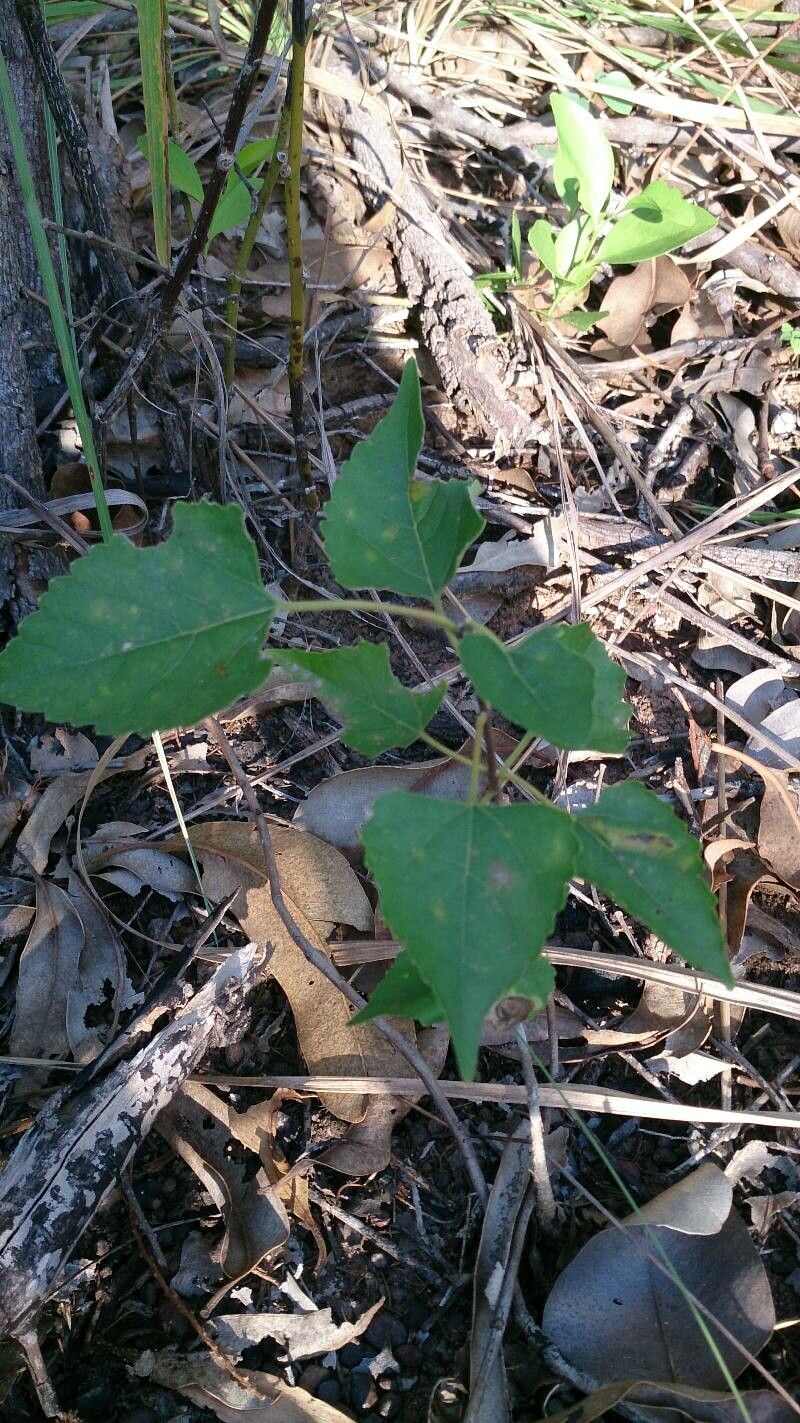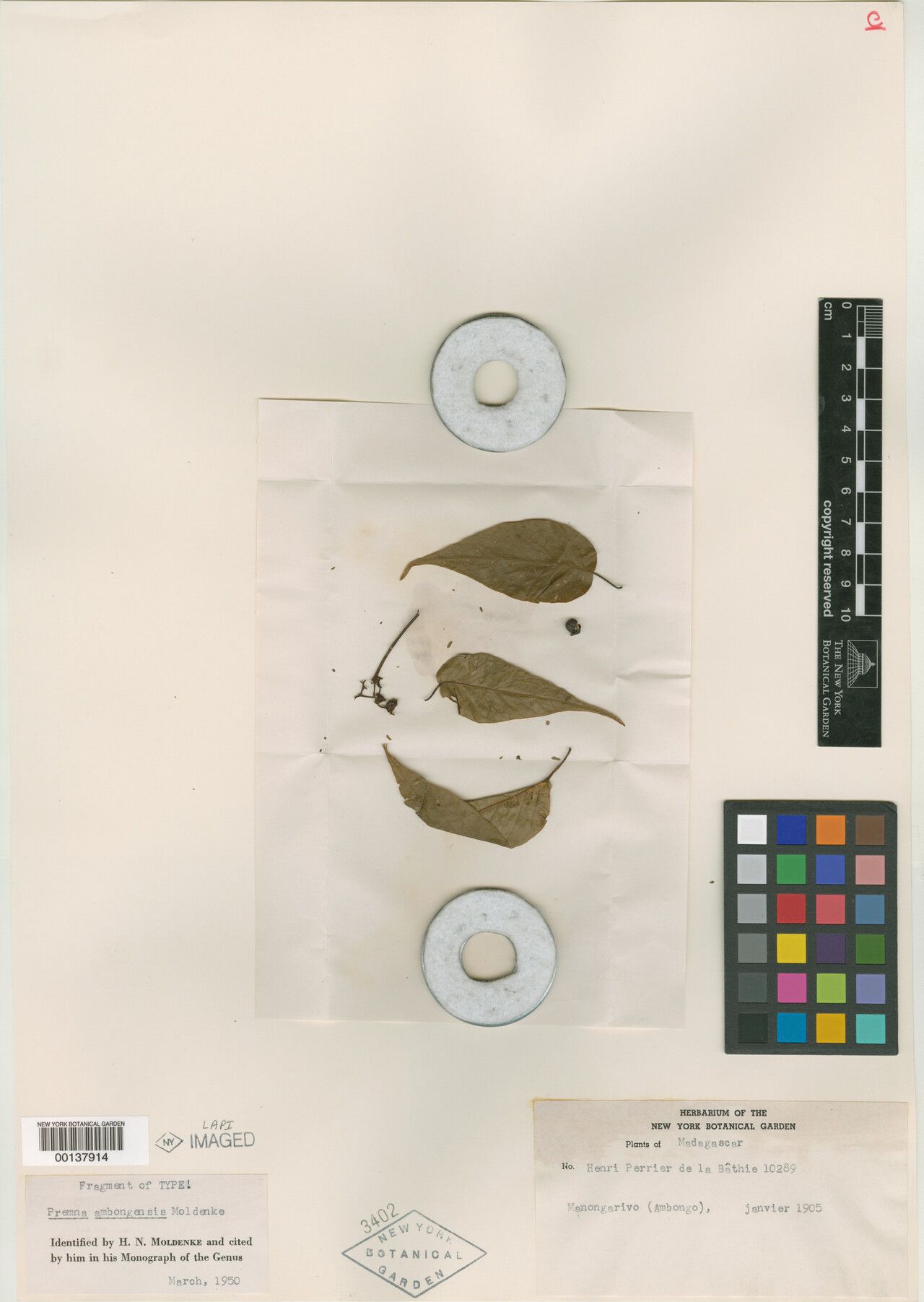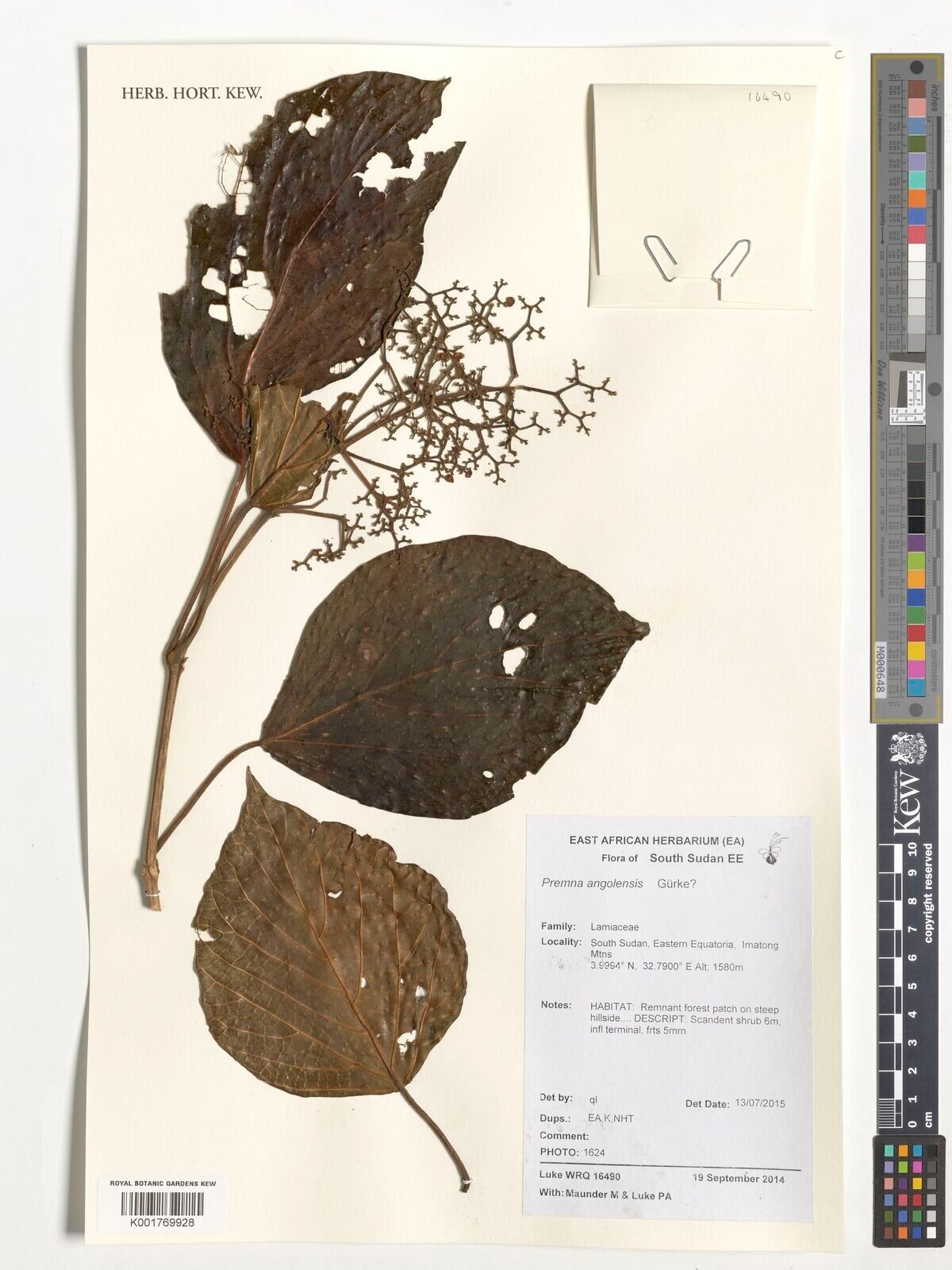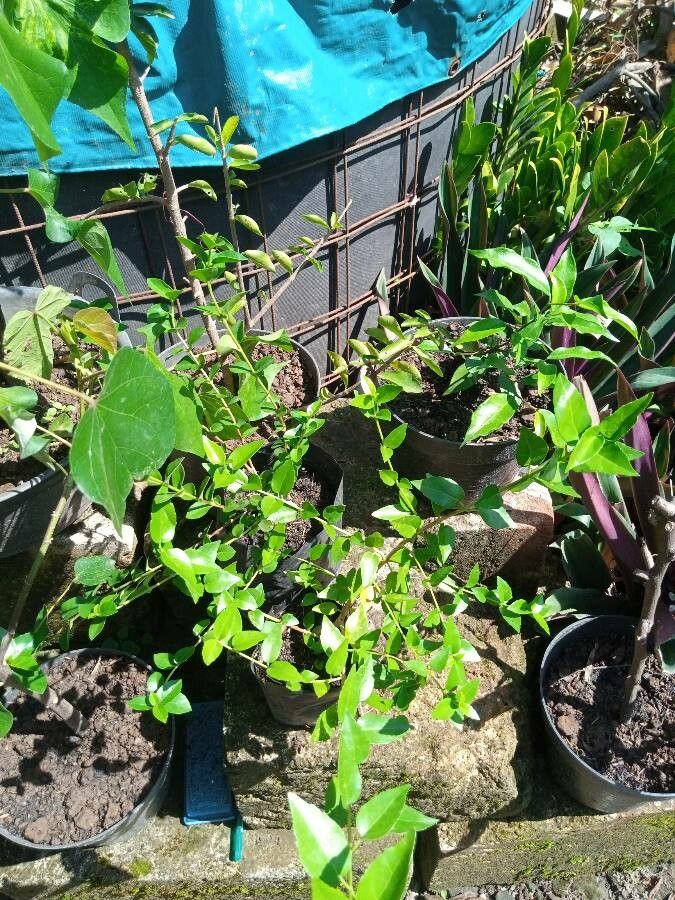
Premna microphylla is a tree in the mint family (Lamiaceae).
Stinky maple is highly disease-resistant and typically does not suffer from illnesses. Regarding care, this plant is fairly low-maintenance. When grown outdoors it needs little watering, and larger specimens usually do not require pruning. Smaller plants, however, should be pruned after they finish blooming. Stinky maplet is appropriate for anyone with an outdoor area, such as a garden or deck, and does not demand much gardening experience.
How to keep Premna Microphylla.
Light
The stinky maple does best with full, unobstructed sun, which encourages healthy growth. Its native habitat provides abundant sunlight, from which it takes energy for photosynthesis. Too little or too much light can be harmful, leading to stunted growth or leaf scorch.
Water
Stinky maple, an evergreen plant native to humid environments, requires consistent moisture to thrive. It can tolerate moderate drought, but to keep it healthy, especially indoors, it's important to water it weekly and mist it regularly. This helps to mimic the humidity of its natural habitat.
Temperature
Stinky maple originates from temperate regions and prefers moderately cool conditions, tolerating temperatures of 59 to 95 °F (15 to 35 ℃). When seasonal temperatures swing widely, offering partial shade and altering watering can help it adapt.
Fertilizer
Fertilize your Stinky maple in early spring to encourage healthy growth. Consistent fertilization improves the tree’s overall health, leading to vigorous growth, greater tolerance of harsh conditions, and better resistance to diseases and pests. Follow a specific fertilization schedule for your Stinky maple to maintain foliage that is vibrant, deeply colored, and lush.
Pruning
The Stinky Maple is known for its fragrant leaves and dense growth. To maintain its health and appearance, prune it in early spring. This will help remove any dead branches and shape the plant, improving airflow and light penetration. Regular pruning helps control its height and encourages vigorous growth and flowering. For the best results, always use clean tools.
Pot & Repot
When repotting Stinky maple, pick a pot 1-2 inches (2.5–5.1 cm) larger with good drainage. Use a well-draining potting mix. Repot in spring or fall, making sure the root ball is slightly lower than the rim of the flower pot. Water thoroughly after repotting and place in a warm spot with indirect sunlight.
Botanical profile.
- Plant Type
- Shrub
- Life Cycle
- Perennial
- Genus
- Premna
- Family
- Lamiaceae
- Hardiness Zone
- 8-10
- Mature Height
- 1.52 m to 3.05 m
- Mature Spread
- 1.52 m to 3.05 m
- Leaf Color
- Forest Green, Dark Green
- Leaf Type
- Deciduous
- Flower Color
- White
- Flower Size
- 0.25 cm to 0.51 cm
- Bloom Time
- Early summer, Mid summer
- Planting Time
- Spring, Summer, Autumn
- Harvest Time
- Late summer, Early fall
- Native Area
- Japan, China
Reader questions.
What are the sunlight requirements for Stinky Maple?
Stinky Maple (Premna microphylla) requires full sun, which translates to more than 6 hours of sunlight daily to thrive optimally. Sufficient sunlight is imperative for its health and growth, as it originates from a homeland abundant in sunlight. This sunlight aids in the plant's process of photosynthesis, allowing it to grow healthily. It's important to observe the movement of sunlight through your garden to find spots that offer a good balance of light and shade, ensuring your Stinky Maple's happiness and well-being.
What is the native climate for Stinky Maple?
Stinky Maple, or Premna microphylla, thrives in temperate climates, preferring temperatures ranging from 59 to 95°F (15 to 35°C). It is adaptable to different seasonal temperatures; providing it with moderate shade and adjusting watering can help it cope with drastic temperature fluctuations. While the Stinky Maple has some cold tolerance and generally does not require special care for temperatures above -5°C, protective measures are needed when the temperature drops below -5°C.
Can Stinky Maple grow with artificial lighting?
Yes, Stinky Maple can grow under artificial lighting, especially when natural sunlight is not sufficient. Artificial light serves as an essential substitute, promoting faster and healthier growth. For optimal growth under artificial lights, it is recommended to use LED lights tailored to provide specific wavelengths needed by the plant. Full sun plants need 30-50W/sq ft, partial sun plants need 20-30W/sq ft, and full shade plants need 10-20W/sq ft. The artificial light source should be placed 12-36 inches above the plant, mimicking natural sunlight, for 8-12 hours per day depending on the plant species.
How should Stinky Maple be cared for in low temperatures?
In low temperatures, Stinky Maple displays moderate tolerance and fares best when the temperature remains above 15°C. During winter, it is crucial to keep it above -5°C. If temperatures fall below -10°C, the leaves may droop, and in severe cases, wilt and fall off. To recover from mild frost damage, trim off affected parts. To prevent cold damage, wrap the plant in non-woven fabric or cloth, and erect a wind barrier to shield it from cold winds before low temperatures hit again.
What symptoms indicate insufficient or excessive sunlight for Stinky Maple?
Insufficient sunlight may cause symptoms such as smaller new leaves, leggy or sparse growth, premature leaf drop, slowed or halted growth, paler new leaves, and chlorosis (leaves turning yellow). Excessive sunlight can lead to sunscald (damaged areas on leaves or stems), leaf curling (a defense mechanism to minimize surface area exposed to the sun), wilting (drooping of leaves and stems from excessive water loss), and leaf scorching (brown, dry, crispy leaf edges). Observing these symptoms can help in adjusting the plant's exposure to sunlight.
What measures should be taken for Stinky Maple in high temperatures?
During high summer temperatures, it is important to keep Stinky Maple below 35°C, as temperatures above 41°C can cause leaf discoloration, tips to dry and wither, curling of leaves, and increased susceptibility to sunburn. To mitigate damage, remove sunburned or dried parts, move the plant to a shaded area during the midday and afternoon sun, or use a shade cloth. Ensure the soil remains moist by watering the plant in the morning and evening.
What are the solutions for Stinky Maple experiencing insufficient or excessive sunlight?
For plants with insufficient sunlight, gradually move them to sunnier locations until they receive at least 6 hours of direct sunlight daily. Use south-facing windows and consider artificial lighting, such as desk or professional grow lights, for at least 8 hours daily. For outdoor plants, ensure a gradual adaptation to sunlight to avoid sunburn. If sunlight is obstructed, prune obstructive branches or consider transplanting smaller plants to sunnier locations during their dormant period for better growth. Note that parts of the plant affected by insufficient sunlight may not recover, but new growth should be healthy once lighting is improved.