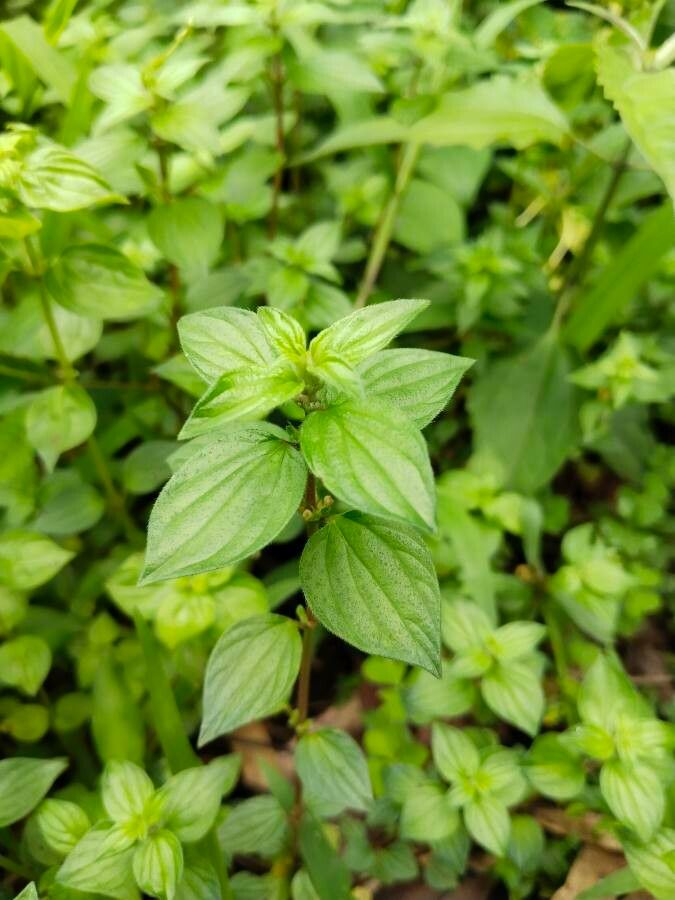
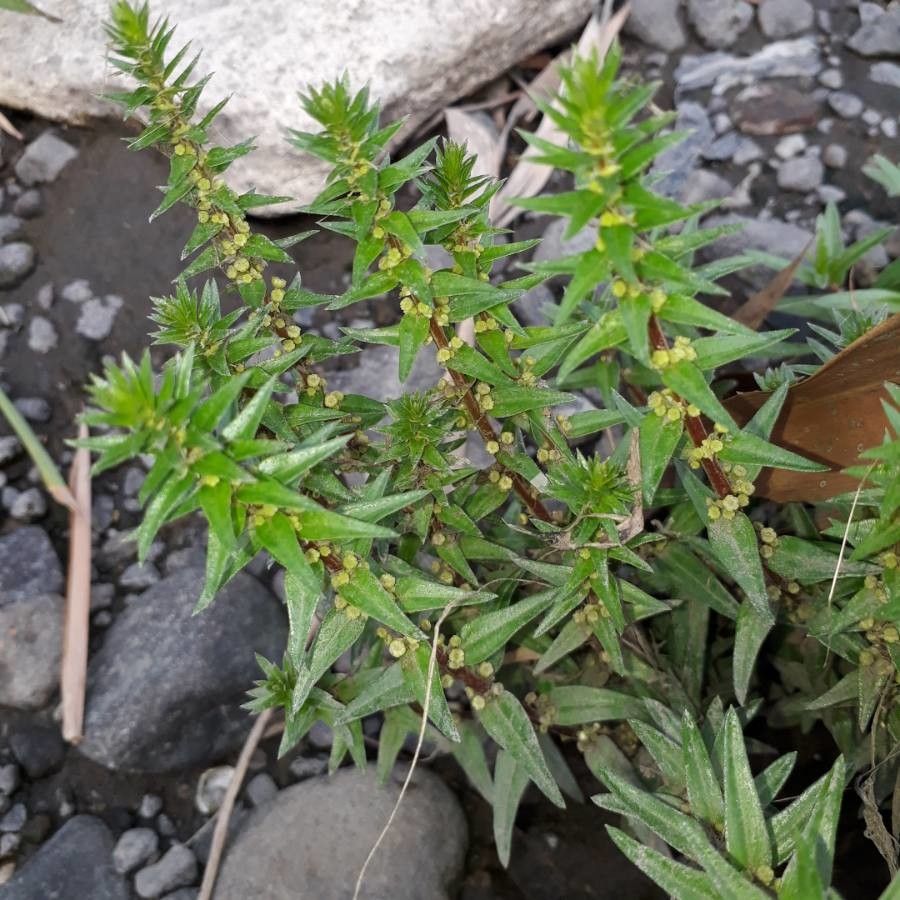
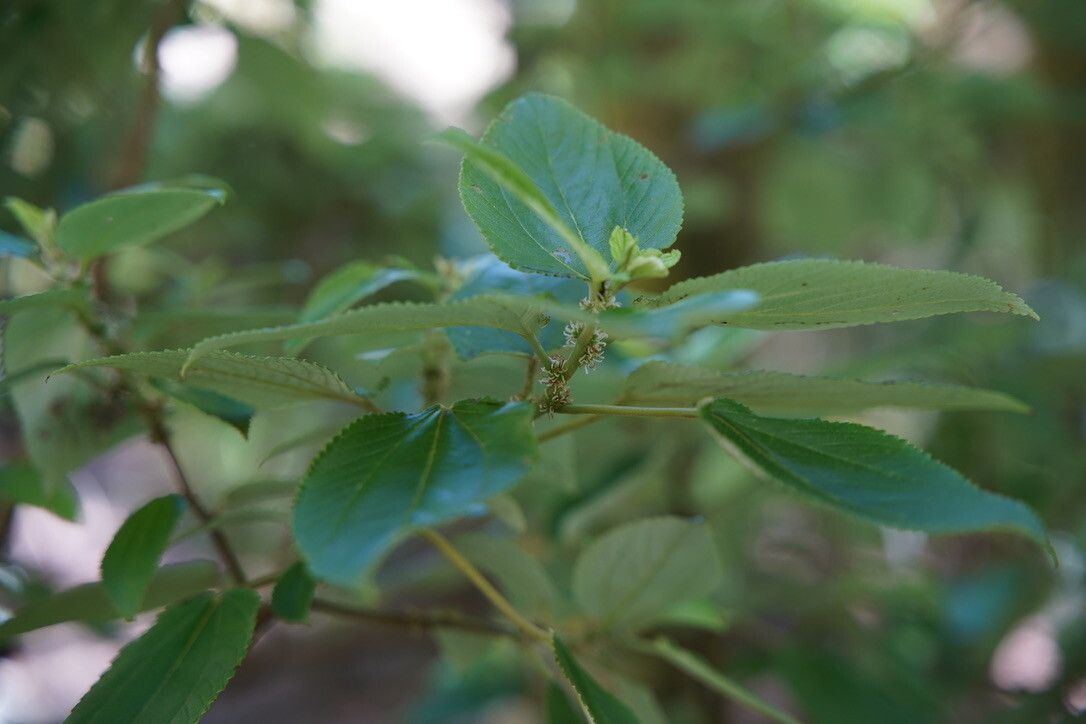
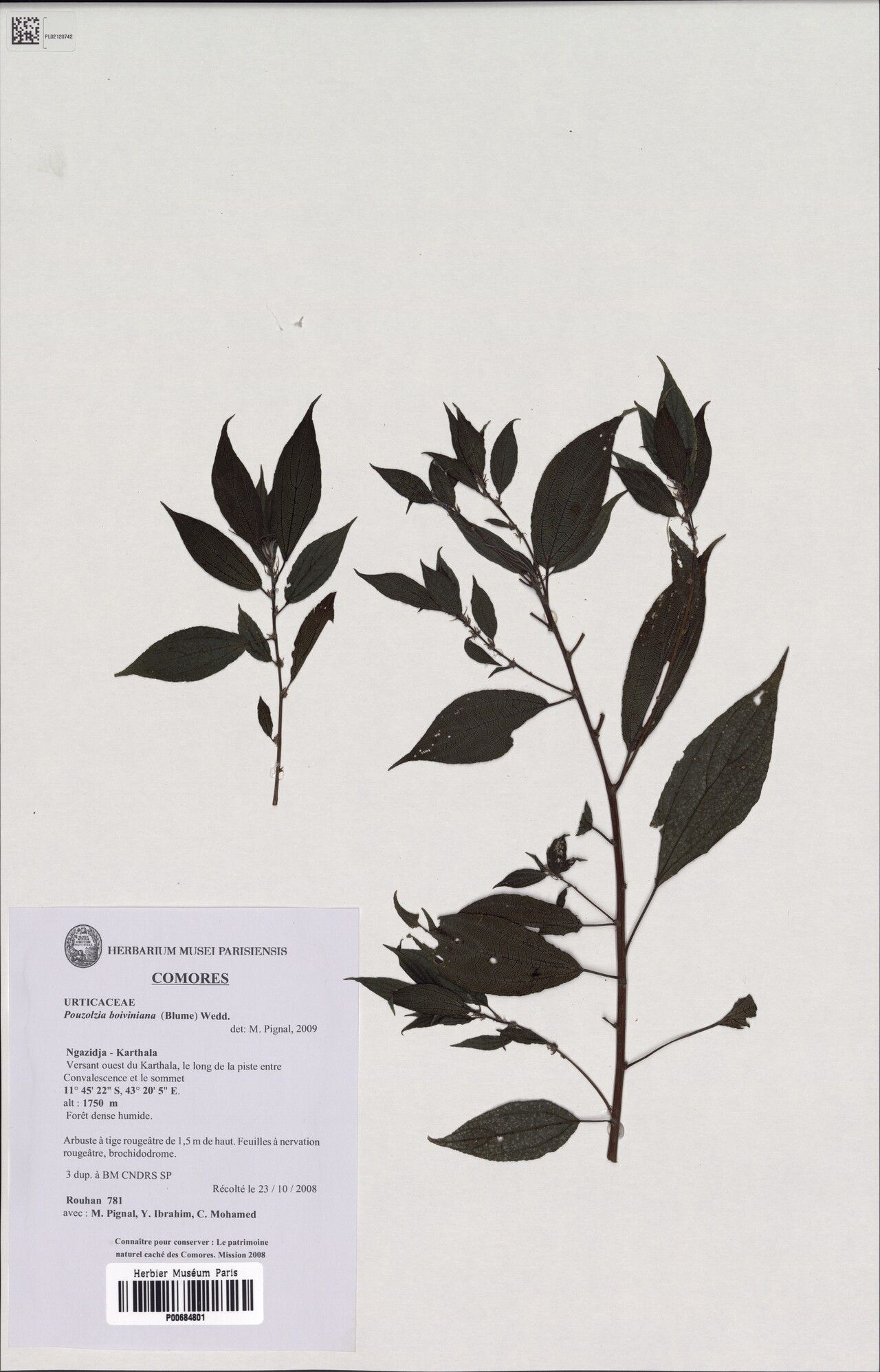
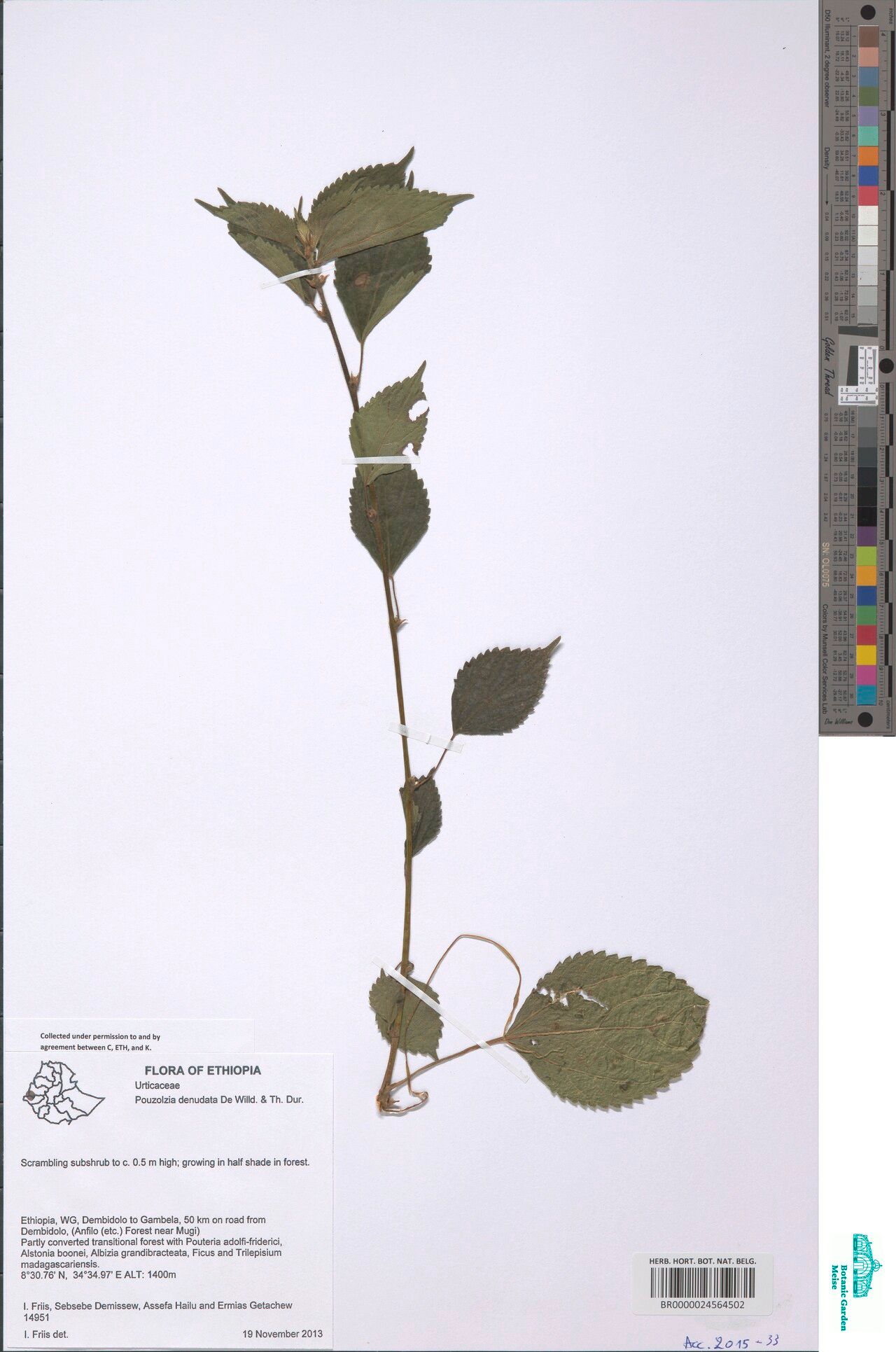
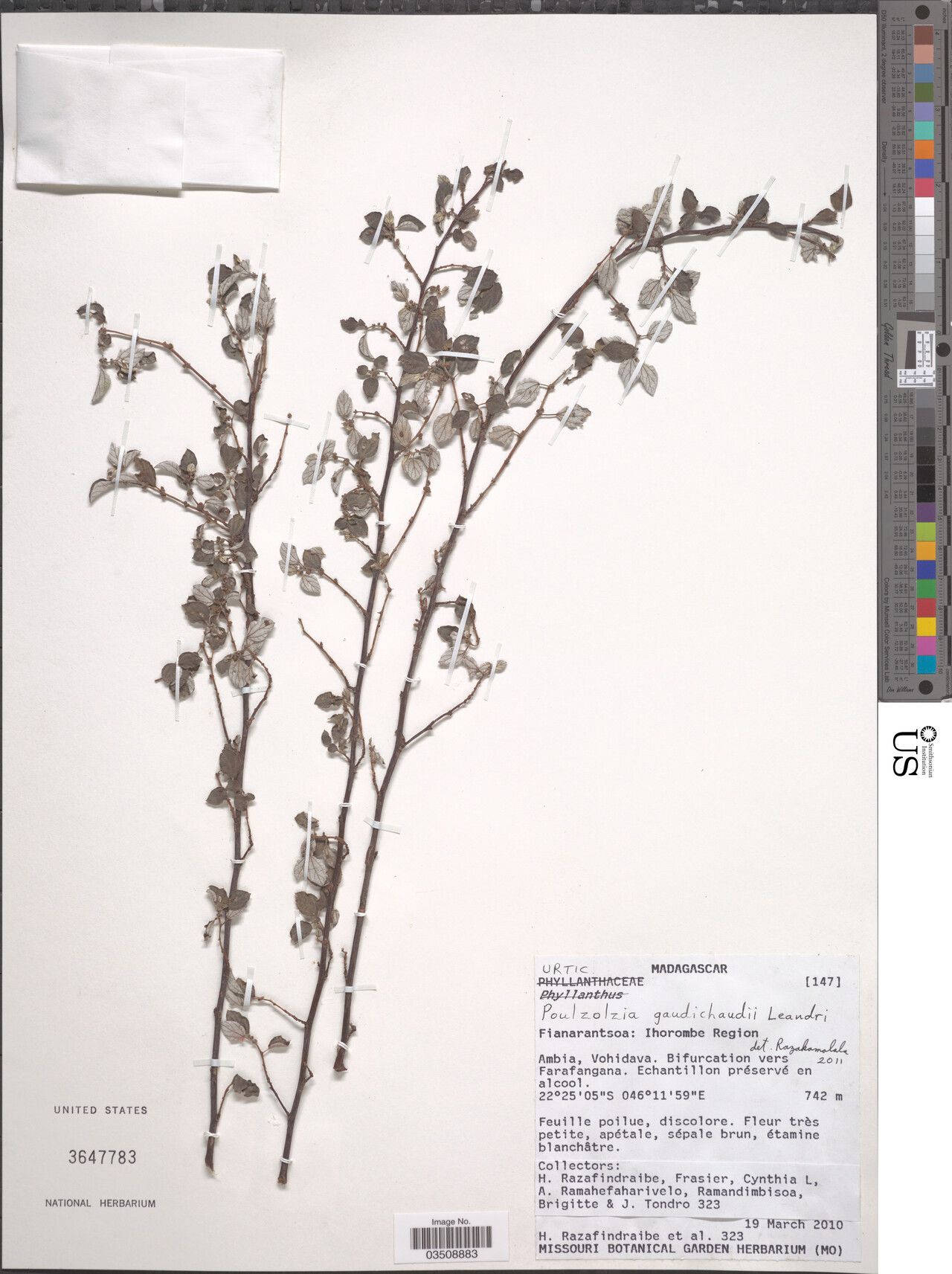
Pouzolzia zeylanica, commonly known as graceful Pouzolz's bush or Ceylon pouzolzia, is a perennial herb native to Tropical and Subtropical Asia and Northern Australia. This species, which grows primarily in seasonally dry tropical biomes, reaches a height of 12–40 cm and is characterized by its pale green flowers arranged in loose, hairy clusters in the leaf axils. The plant features lance-shaped to rhomboid-ovate leaves that can be opposite or rarely alternate, and its rootstock is often tuberous. The species has also been introduced to other regions, including Florida and El Salvador.
Graceful pouzolzsbush is fairly disease-resistant and generally does not often suffer from illnesses. However, it can be vulnerable to pests and diseases present in its surroundings. These infections are usually mild. In terms of care, the plant needs moderate maintenance. It should be pruned regularly to maintain a pleasing appearance and healthy growth. Fertilizing can also help encourage flowering. Graceful pouzolzsbush is suitable for anyone with an outdoor area, such as a garden or patio, and does not require extensive care experience. It may need more attention when grown indoors.
How to keep Pouzolzia Zeylanica.
Light
Graceful pouzolzsbush occurs naturally in habitats like forest understories or rocky areas, where it grows in natural shade. It prefers partial sun but can tolerate full sun or full shade, showing its versatile, hardy nature.
Water
Originally from moist environments, the graceful pouzolzsbush thrives with moderate watering once a week, ensuring the soil doesn't become soggy. Although typically grown outdoors, this plant adapts well to different levels of rainfall, making it suitable for diverse climate zones. It's an excellent choice for gardeners seeking resilient plant options.
Temperature
Graceful pouzolzsbush comes from tropical areas where the climate is generally warm and humid. As a result, it is well suited to high temperatures and humidity. It does not tolerate sudden temperature changes and prefers a stable thermal environment, so avoiding temperature fluctuations indoors is important. It usually cannot withstand cold temperatures and needs higher temperatures to grow. If the surrounding temperature falls too low, the plant may stop growing or even die.
Fertilizer
Graceful pouzolzsbush needs the most fertilizer during its active growth period, which occurs mainly in spring, summer, and early fall. Fertilizing is required to supply essential nutrients the soil may lack, supporting healthy root and stem development and producing the attractive foliage that is a notable characteristic of this plant.
Pruning
The graceful pouzolzsbush thrives with regular pruning, which helps maintain its bushy shape and encourages growth. To keep the plant healthy, prune it from early to late spring. Focus on thinning out dense areas, removing damaged branches, and lightly trimming the plant. This practice improves air circulation, prevents disease, and stimulates the growth of new foliage, resulting in a healthier plant.
Botanical profile.
- Plant Type
- Herb
- Life Cycle
- Perennial
- Genus
- Pouzolzia
- Family
- Urticaceae
- Hardiness Zone
- 8-12
- Mature Height
- 40 cm
- Mature Spread
- 20 cm to 40 cm
- Leaf Color
- Green, Dark Green
- Leaf Type
- Semi-evergreen
- Flower Color
- Yellow, Green, Brown
- Flower Size
- 0.10 cm to 0.25 cm
- Bloom Time
- Late spring, Early summer, Mid summer
- Planting Time
- Spring, Summer, Autumn
- Harvest Time
- Mid summer, Late summer
- Native Area
- Nepal, Sri Lanka, India, Malaysia, Philippines, Bangladesh, Pakistan, Laos, China, Indonesia, Cambodia, Vietnam, Myanmar, Japan, Bhutan, Thailand
Other names.
Reader questions.
What are the sunlight requirements for Graceful pouzolzsbush?
Graceful pouzolzsbush thrives in partial sun, requiring about 3-6 hours of sunlight daily. It's vital to observe the movement of sunlight through your garden to find the ideal locations that offer a balance of light and shade, ensuring the plant's well-being. Though native to environments with natural shade, such as forest understories or rocky areas, this perennial herbaceous plant can also tolerate full shade, making it adaptable to various growing conditions.
Can Graceful pouzolzsbush be grown with artificial lighting, and how?
Yes, Graceful pouzolzsbush can be grown with artificial lighting, especially when natural sunlight is insufficient. Adequate lighting is crucial for optimal growth, and artificial lights can be a vital solution. LED lights are recommended for their ability to provide specific wavelengths needed by plants. The required intensity of artificial light varies: full sun plants need 30-50W/sq ft, partial sun plants 20-30W/sq ft, and full shade plants 10-20W/sq ft. The light source should be placed 12-36 inches above the plant, mimicking natural sunlight, and the duration should replicate the natural daylight hours, typically 8-12 hours daily.
What are the symptoms of light deficiency in Graceful pouzolzsbush?
When Graceful pouzolzsbush is grown indoors under insufficient light, it may exhibit symptoms such as smaller new leaves, leggy or sparse growth, faster leaf drop, slowed or halted growth, and lighter-colored new leaves. These signs indicate a struggle with light conditions, leading to reduced vigor and potential health issues such as chlorosis, sunscald, leaf curling, wilting, and leaf scorching, each manifesting due to the plant's inability to access adequate sunlight or reacting to excessive sunlight exposure.
What solutions are available for dealing with Graceful pouzolzsbush's light issues?
To address insufficient sunlight for Graceful pouzolzsbush, gradually acclimate the plant to more sunlight by shifting it to sunnier spots each week until it receives the optimal 3-6 hours of direct light daily. For indoor plants, using artificial light like desk or ceiling lamps for at least 8 hours daily, or investing in professional plant grow lights, can provide needed light. Outdoors, gradually moving plants to better-lit areas can help, but it's crucial to avoid sudden light intensity changes to prevent sunburn. If necessary, reduce light obstructions by pruning or transplanting smaller plants to sunny locations with good drainage. It's important to note that parts of the plant affected by previous light conditions may not recover fully, though new growth should be healthy.