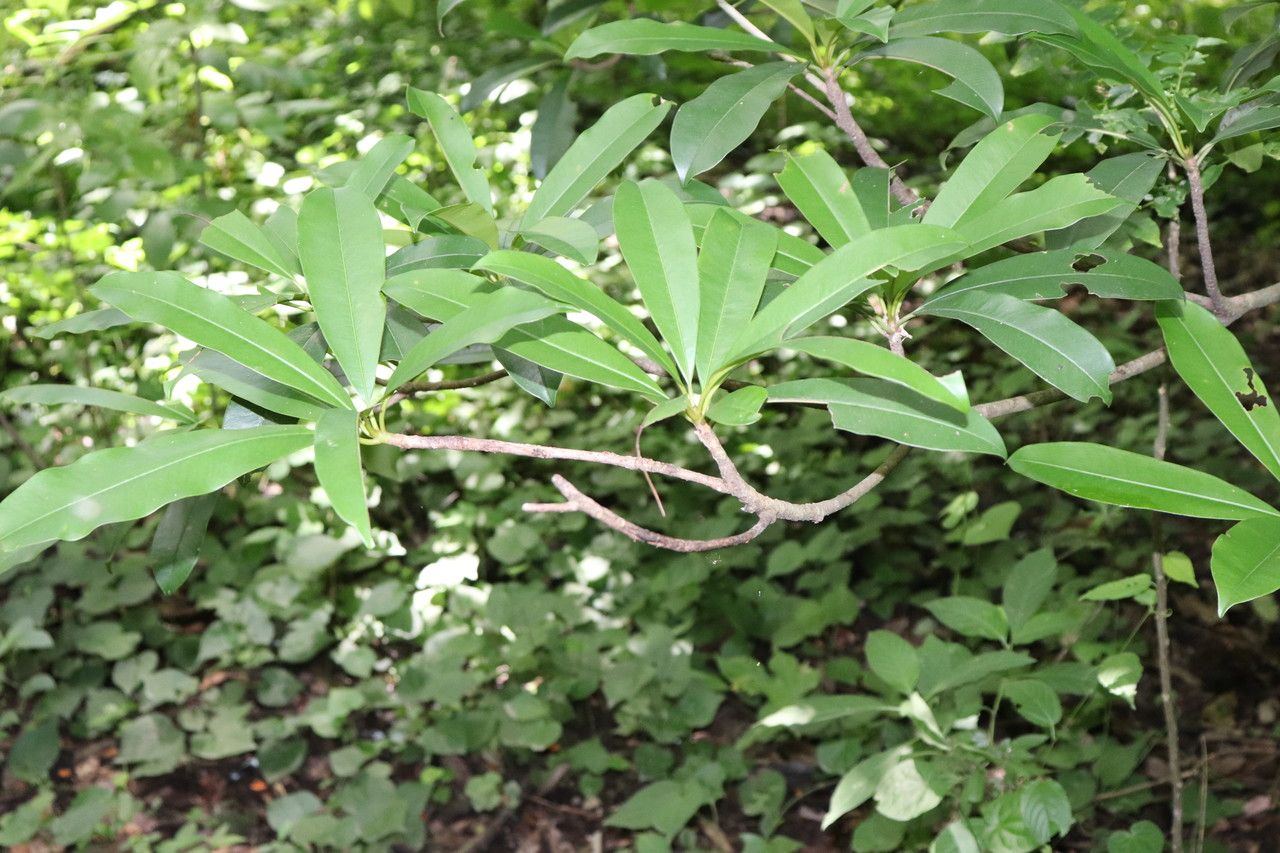
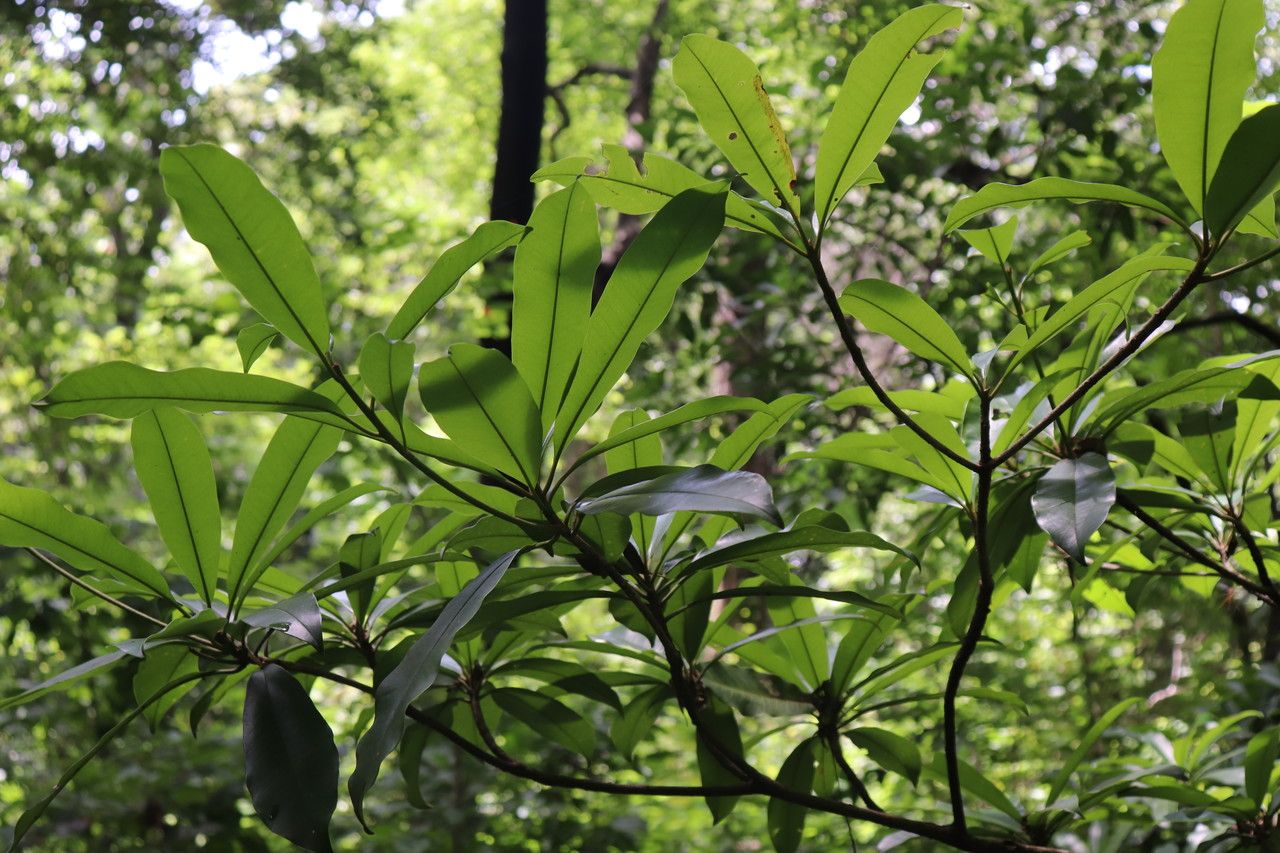
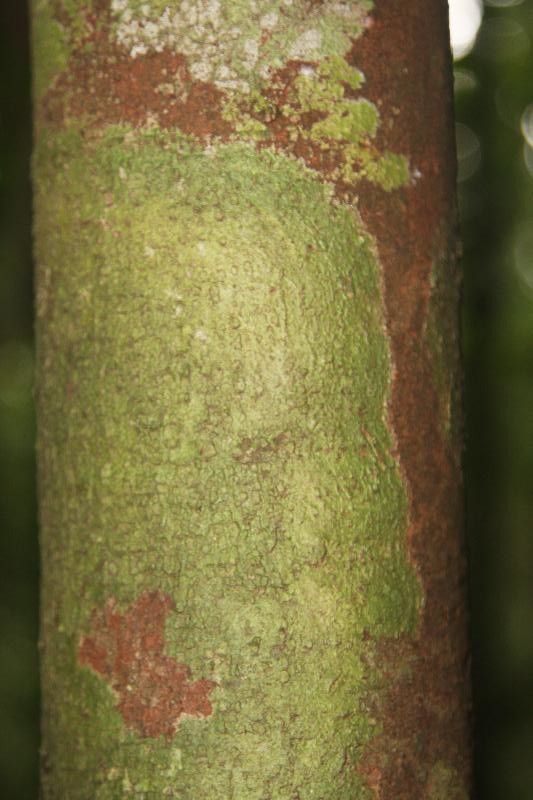
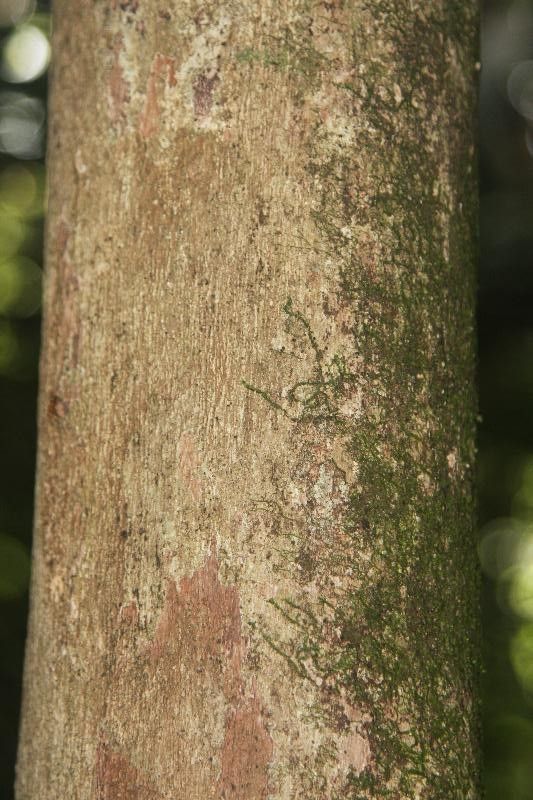
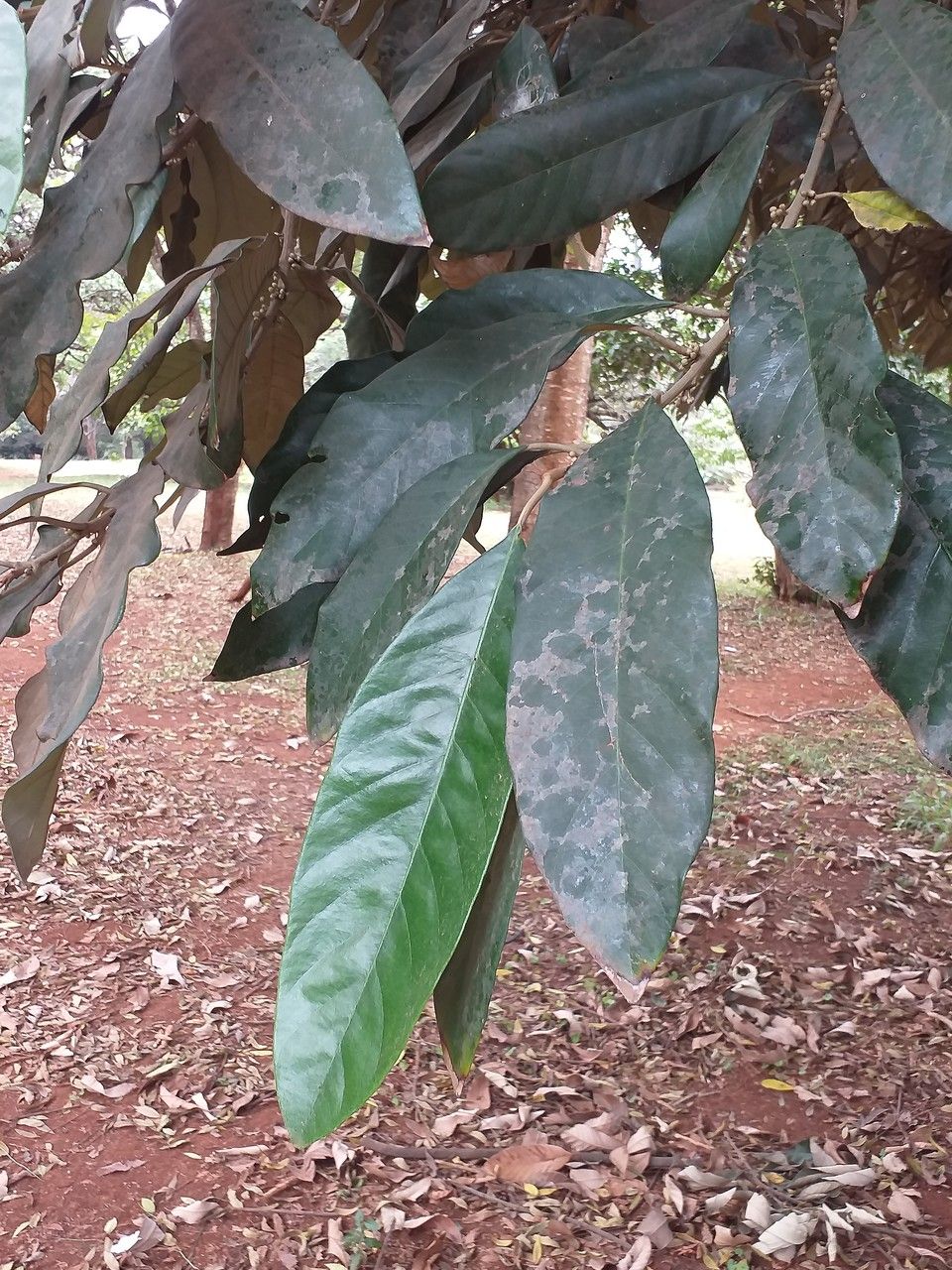
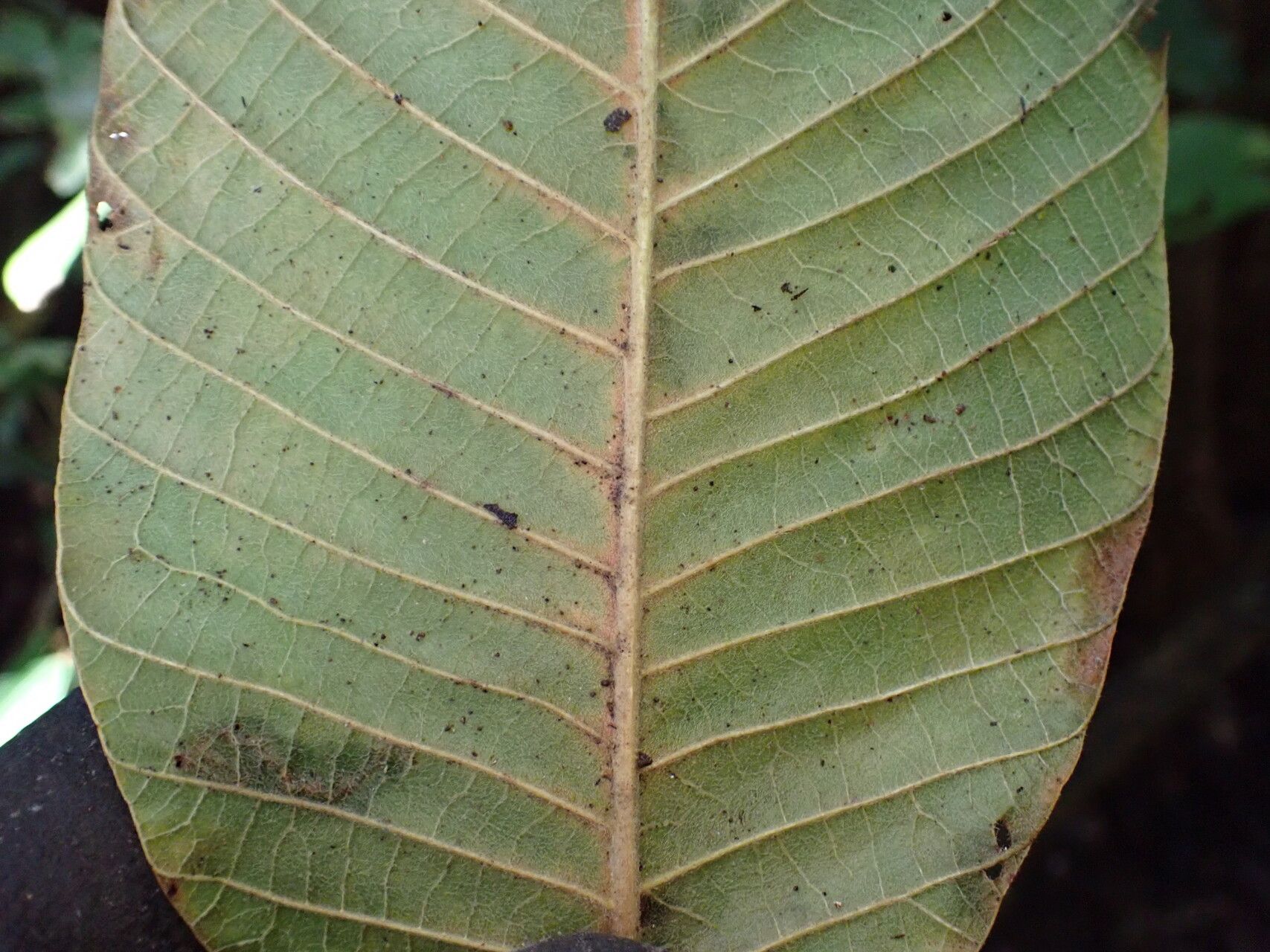
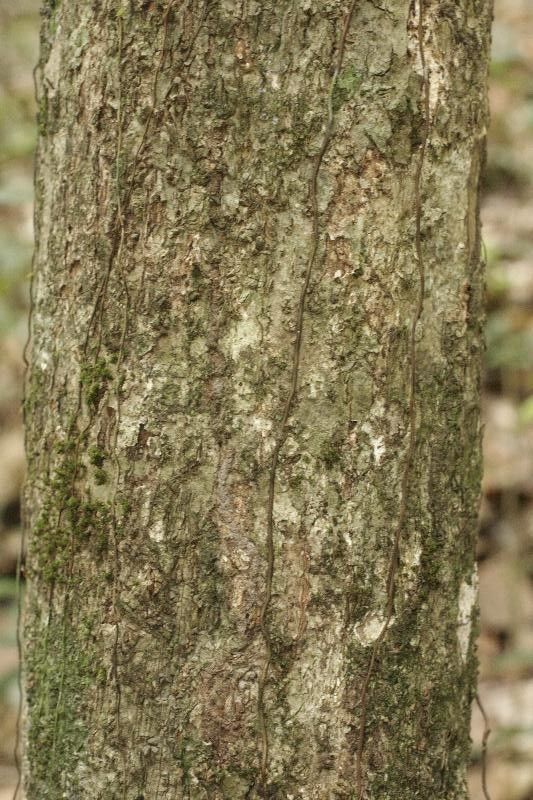
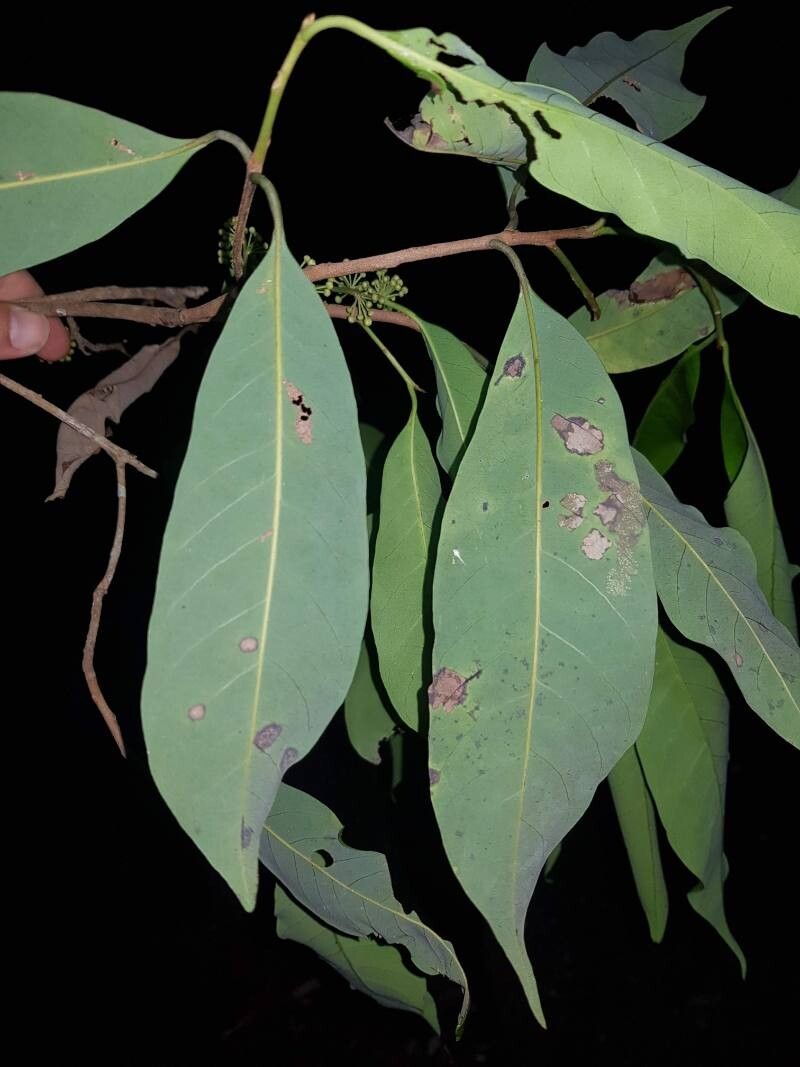
Wild cherry is highly resistant to disease and typically does not suffer from illnesses. Regarding maintenance, this plant is fairly low-maintenance. When grown outdoors it needs only light watering, and mature plants usually do not require pruning. Smaller specimens, however, should be pruned after they finish blooming. Wild cherry is appropriate for anyone who has an outdoor area, like a garden or a deck, and it does not demand extensive gardening experience.
How to keep Pouteria Reticulata.
Light
Wild cherry comes from open habitats, such as sunny meadows and forest edges, which offer plenty of light. It does best in Full Sun but can also tolerate Partial Sun, adapting well to different sunlight levels.
Water
Wild cherry trees are well-suited to areas with varying rainfall and are moderately drought-tolerant. They thrive when watered every 2-3 weeks, allowing the soil to partially dry out between waterings. These trees prefer well-draining soil and grow best in temperate zones. Providing consistent moisture during the growing season is important for healthy foliage and fruit development.
Temperature
Wild cherry comes from tropical areas where the climate is generally warm and humid. Consequently, it is well suited to high temperatures and humidity. It does not tolerate abrupt temperature changes and prefers a steady temperature, so avoiding temperature fluctuations indoors is important. It typically cannot withstand cold and needs relatively high temperatures to grow. If the ambient temperature falls too low, the plant may stop growing or even die.
Fertilizer
Use organic fertilizer (e.g., fish emulsion, compost) rather than chemical fertilizers for wild cherry. Supply higher levels of nitrogen and phosphorus to young plants in spring. Mix compost or fertilizer into the soil before or after planting. For mature plants, add a balanced fertilizer or one aimed at specific nutrient deficiencies in spring. Nutrient deficiency leads to small leaves, short branches, yellow or bronze foliage, acidic fruits, premature fruit drop, and fruit splitting.
Pruning
Wild cherry trees thrive when regularly pruned, especially during their dormant winter season. Important techniques include removing dead branches and thinning crowded areas to improve light penetration. This practice promotes health, improves shape, and can potentially increase fruit yield, making it essential for optimal growth.
Botanical profile.
- Plant Type
- Tree
- Life Cycle
- Perennial
- Genus
- Pouteria
- Family
- Sapotaceae
- Hardiness Zone
- 10-12
- Mature Height
- 20.12 m to 29.87 m
- Mature Spread
- 10.06 m to 14.94 m
- Leaf Color
- Dark Green, Forest Green
- Leaf Type
- Evergreen
- Flower Color
- White
- Flower Size
- 0.25 cm to 0.51 cm
- Bloom Time
- Late spring, Early summer, Mid summer
- Planting Time
- Spring, Autumn
- Harvest Time
- Late summer, Early fall, Mid fall
Reader questions.
What are the sunlight requirements for Wild cherry?
Wild cherry thrives in environments with ample light, such as sunny meadows and forest edges, making it well-suited for Full Sun conditions, which imply over 6 hours of direct sunlight per day. It can also adapt to Partial Sun, meaning about 3-6 hours of sunlight daily. It's important to observe your garden's sunlight patterns to choose spots that ensure the balance of light and shade that Wild cherry needs to grow healthy.
Can artificial lighting be used for Wild cherry, and how?
Yes, artificial lighting can compensate for a lack of natural sunlight, especially in winter or less sunny spaces, promoting faster and healthier growth of Wild cherry. Opt for LED lights, as they can offer tailored wavelengths needed for plant growth. For Full Sun plants including Wild cherry, 30-50W per square foot is recommended, placed 12-36 inches above the plant. Most plants benefit from 8-12 hours of artificial light per day to mimic natural conditions.
What are common symptoms of light deficiency in Wild cherry?
When Wild cherry does not receive enough light, it may exhibit symptoms such as smaller new leaves, leggy or sparse growth, faster leaf drop, slower or no new growth, and paler new leaves. These symptoms indicate that the plant is not getting enough light for optimal photosynthesis and growth, leading to a weakened state where it conserves resources at the expense of growth and vibrancy.
How does excessive sunlight affect Wild cherry?
Excessive sunlight can lead to several negative effects on Wild cherry, such as chlorosis (leaves turning yellow), sunscald, leaf curling, wilting, and leaf scorching. These conditions stem from the plant's inability to manage the intense exposure, leading to water loss, tissue damage, and impaired photosynthesis. Managing sunlight exposure is crucial to avoid these harmful outcomes.
What are the solutions for Wild cherry if it's not getting enough sunlight?
If Wild cherry is not receiving adequate sunlight, gradually move it to a sunnier location over several weeks until it gets at least 6 hours of direct sunlight each day. For indoor plants not easily moved or those requiring additional light, use a desk or ceiling lamp for at least 8 hours daily or invest in professional grow lights. When transplanting outdoors, select spots with ample sunlight and good drainage, and when possible, reduce sunlight obstructions like overhanging branches to ensure sufficient light reaches your plant.