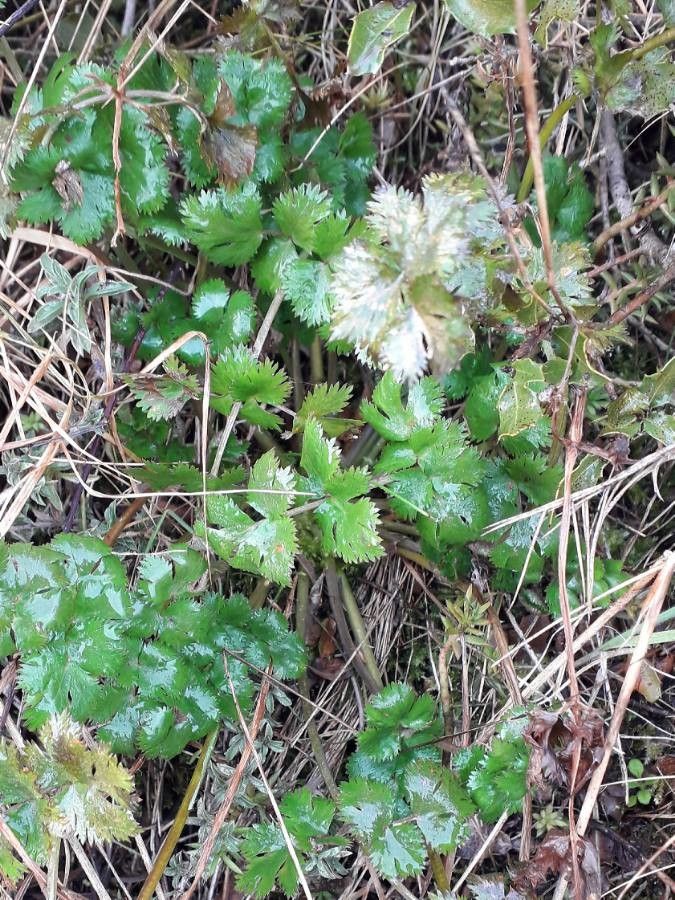
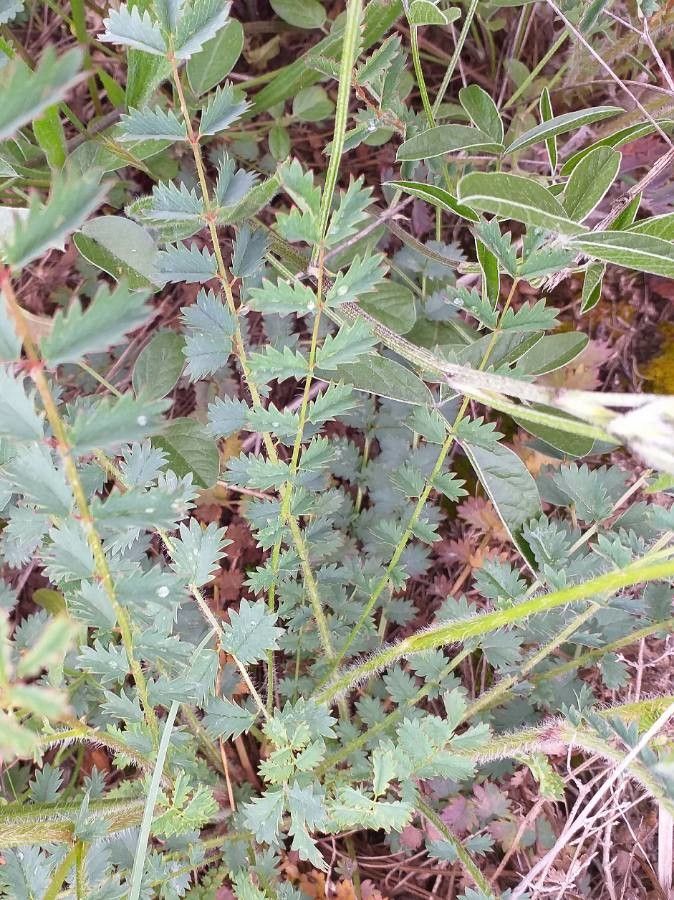
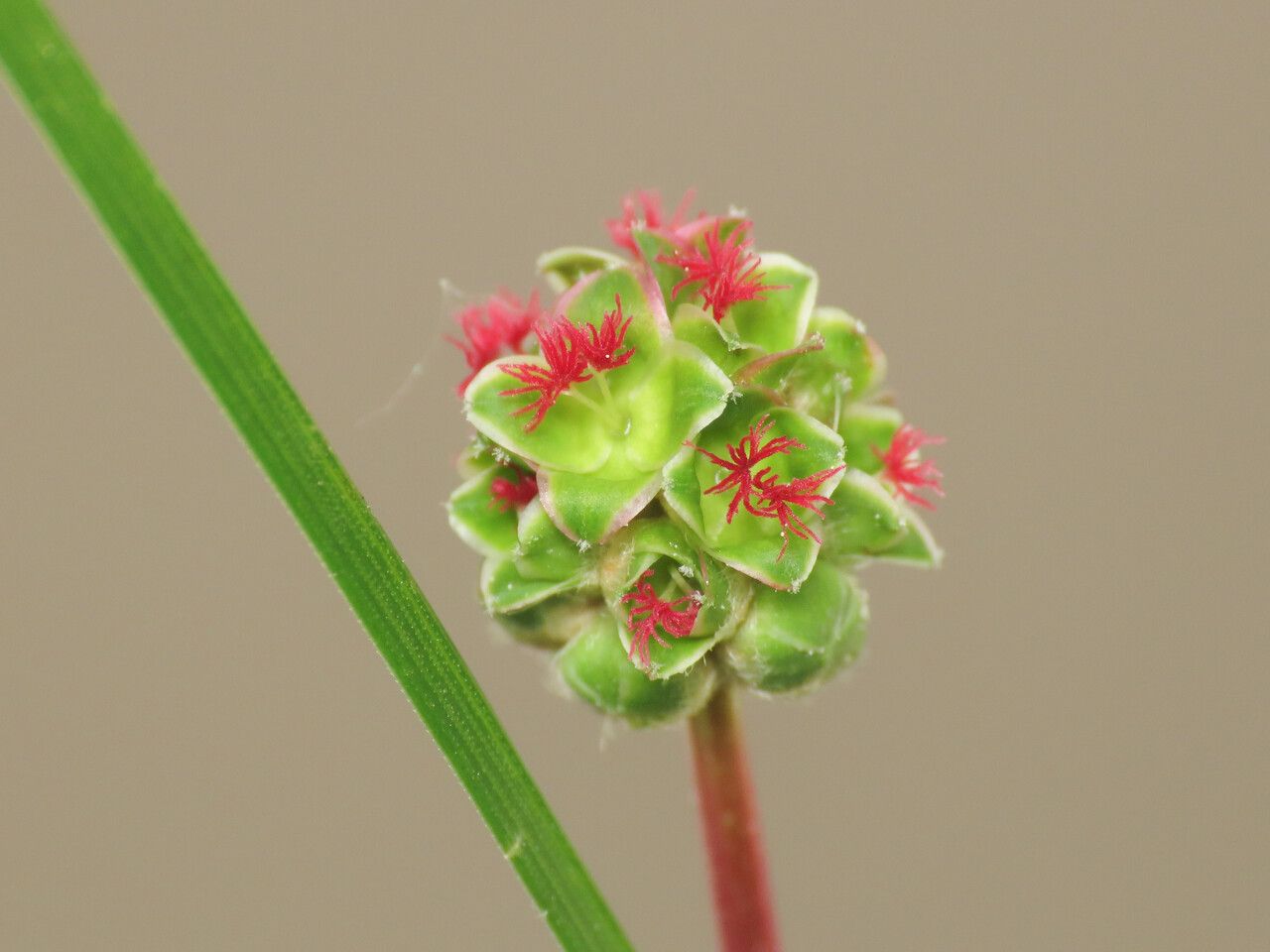
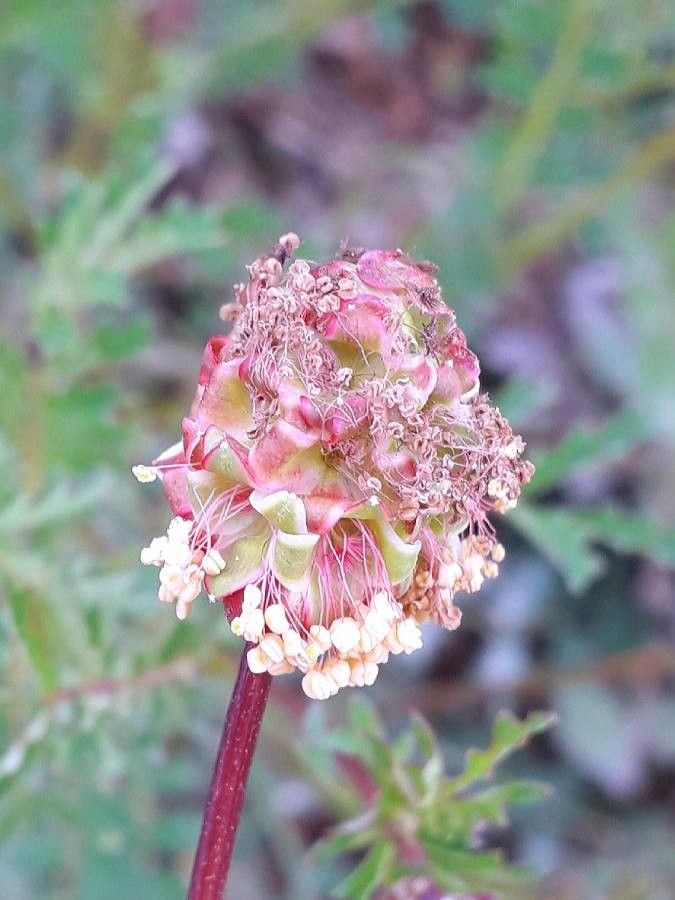
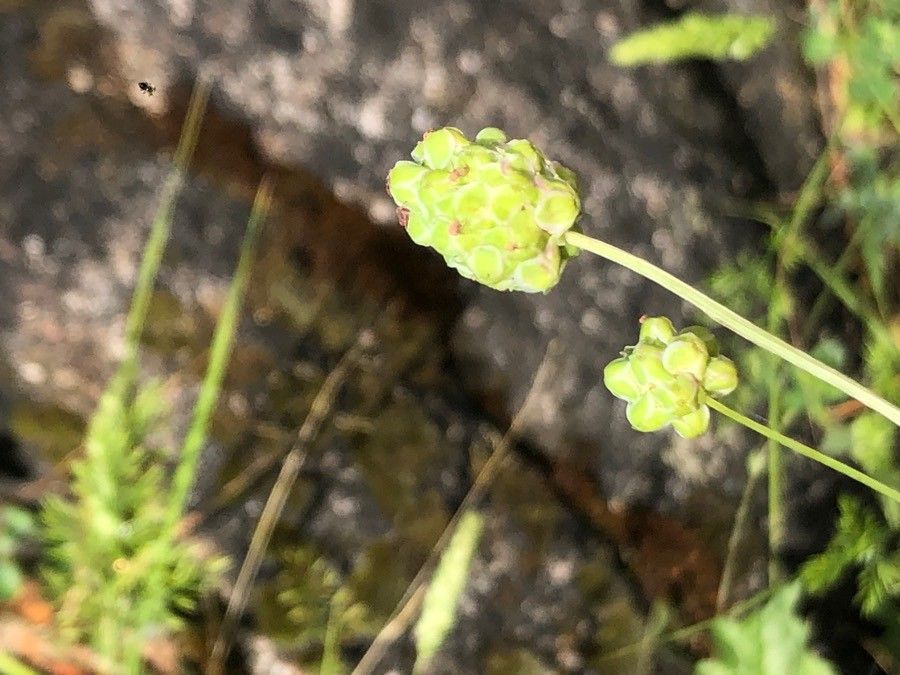
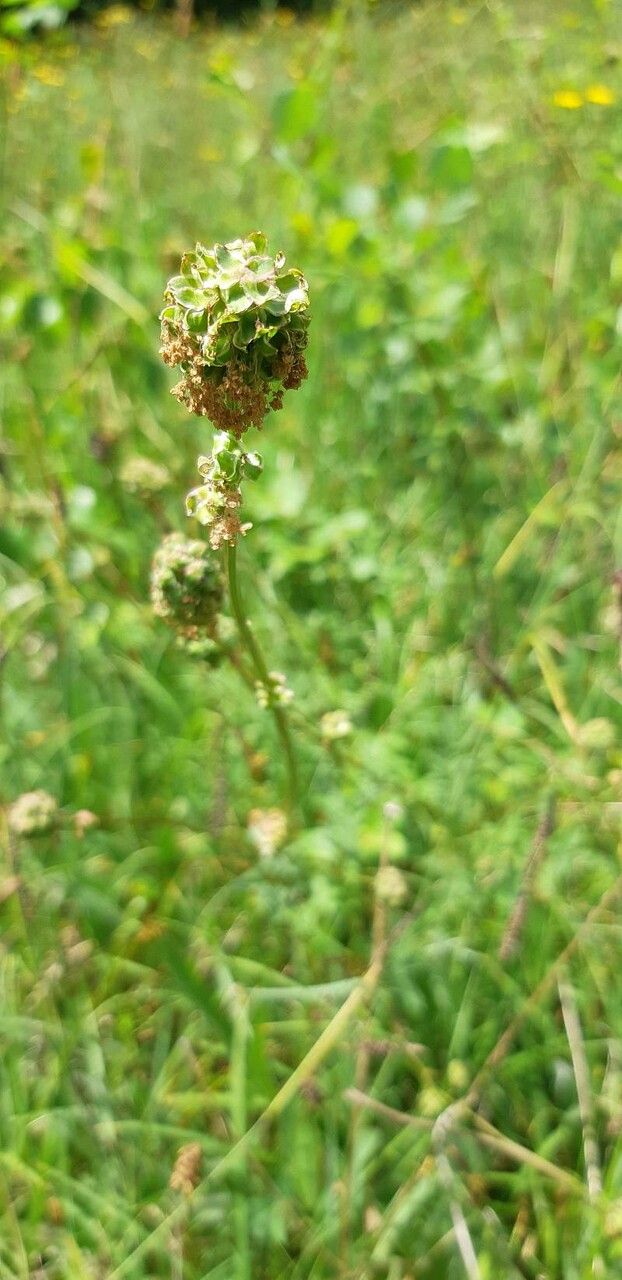
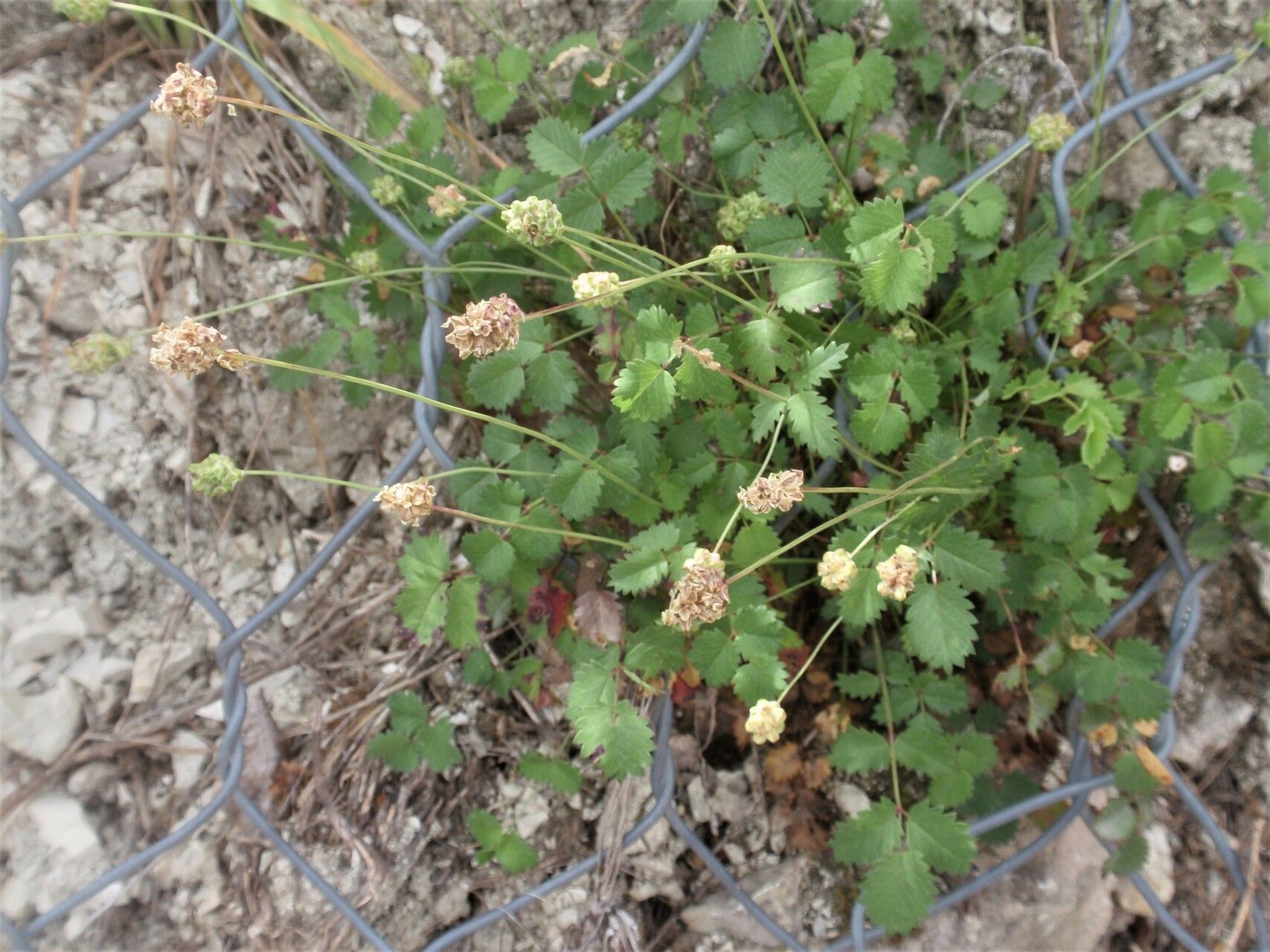
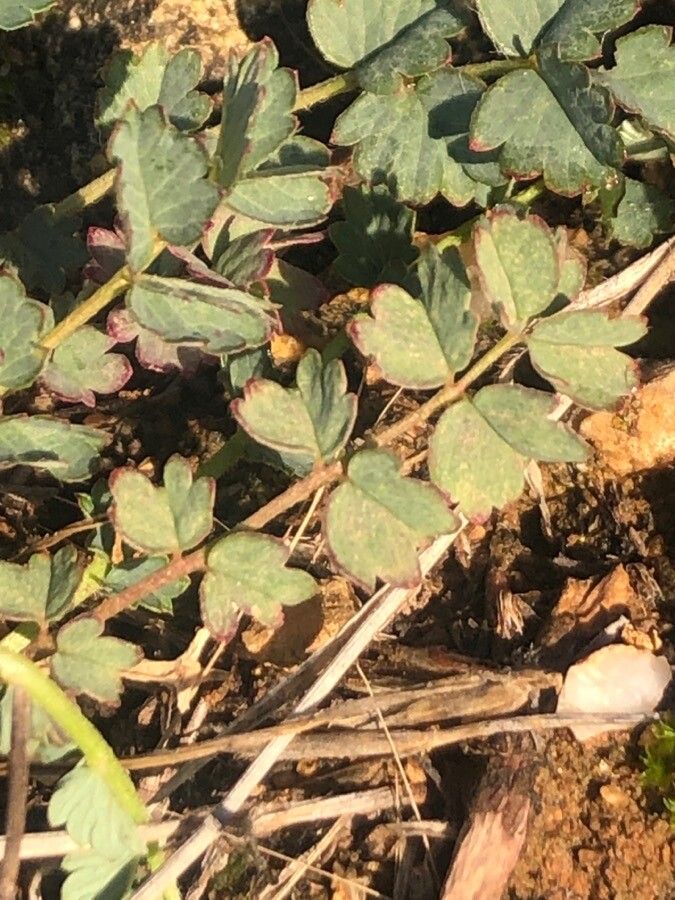
Poterium sanguisorba, commonly known as salad burnet, is a perennial herbaceous plant in the Rosaceae family. Native to Europe and western Asia, it has also been naturalized in North America. The plant can grow up to 60 cm tall and features dark green, toothed, pinnate leaves. Its small flowers, which are either red or greenish-white, bloom from May to August.
Salad burnet is often utilized as a culinary herb thanks to its refreshing, cucumber-like flavor. It can be added fresh or dried to salads, soups, and sauces, or used as a garnish for cocktails. Medicinally, it has been used for its diuretic properties and to treat digestive disorders.
The plant thrives in well-drained soil with full sun exposure but can also tolerate partial shade. It requires moderate watering during the growing season but should be kept dry during the winter months.
Overall, Poterium sanguisorba is an easy-to-grow perennial that not only enhances the flavor and visual appeal of culinary dishes but also offers medicinal benefits when used appropriately under medical supervision.
Salad burnet has moderate resistance to disease but can be prone to ailments such as leaf spot. Its vulnerability to insect pests differs by variety, though the majority are fairly low in pest resistance. Regarding care, Salad burnet requires consistent watering and fertilizing, plus regular removal of yellow leaves. It is essential to manage pests and diseases as they arise and to harvest the plant promptly. Salad burnet is well-suited to people who can dedicate some time and effort to routine maintenance.
How to keep Poterium Sanguisorba.
Light
Salad burnet does best when exposed to plenty of sunlight, reflecting its natural preference for open habitats. During its developmental stages, abundant sun supports healthy growth. However, excessive sun can cause wilting, and insufficient light can limit development, making the plant look spindly.
Water
Salad burnet flourishes with moderate moisture and prefers soil that is consistently hydrated but not waterlogged. Watering it once a week is beneficial, particularly during its active growing season. Usually cultivated outdoors, salad burnet thrives from natural rainfall, which promotes lush foliage and vigorous growth.
Temperature
Salad burnet prefers moderate temperatures, similar to the range most people find comfortable. It does best in conditions that are neither too hot nor too cold. The main problem with high temperatures is the risk of sunburn, so it is advisable to give some shade in summer to avoid excessive heat. When temperatures fall, Salad burnet goes dormant. If you want it to keep growing year-round, it's necessary to maintain warmer temperatures during winter. Frost can damage the plant and should be avoided.
Fertilizer
To maximize Salad burnet's yield and flavor, provide ample nitrogen throughout the growth cycle, including pre-planting and at harvest. Plants that are well-watered and fertilized produce abundant, healthy leaves and reduce bitterness. Before planting, enrich the soil with organic matter such as compost or manure, ideally 2 to 8 weeks beforehand.
Pruning
Salad burnet is known for its fern-like, serrated leaves and reddish, globe-shaped flowers. To care for this plant, begin pruning in early spring to remove any dead growth. Continue with light pruning through late spring to shape the plant and encourage bushier growth. This not only enhances the plant's appearance but also improves its usefulness in cooking. Remember to use clean tools to minimize stress on the plant.
Toxicity
Poterium sanguisorba has no toxic effects reported.
Further reading →
The toxicity and danger assessments provided are for reference only. We do not assure their accuracy, so it's crucial not to depend on them. Seek professional advice when necessary for accurate guidance.
Botanical profile.
- Plant Type
- Herb
- Life Cycle
- Perennial
- Genus
- Poterium
- Family
- Rosaceae
- Hardiness Zone
- 4-8
- Mature Height
- 40 cm to 91 cm
- Mature Spread
- 30 cm to 61 cm
- Leaf Color
- Green
- Leaf Type
- Deciduous
- Flower Color
- Pink, White
- Flower Size
- 0.51 cm to 2.03 cm
- Bloom Time
- Late spring, Early summer, Mid summer
- Planting Time
- Spring, Autumn
- Harvest Time
- Early summer, Mid summer
Other names.
Reader questions.
How should I water my Salad burnet plant?
To properly water the Salad burnet, it is recommended to use filtered water at room temperature or slightly warmer. Tap water may contain harmful particles that can affect the plant's health. Since the Salad burnet is native to warm environments, cold water can be a shock to its system, so it is best to avoid it. Additionally, overhead watering can cause problems with the foliage, so it is advised to instead saturate the soil with the filtered, room temperature water. This method benefits the plant by moisturizing the roots and aiding their spread throughout the soil to obtain necessary nutrients.
Why should I add fertilizer to my Salad burnet?
The main structure of the Salad burnet is made up of its leaves. Fertilization is important for ensuring that the leaves look great and perform their function effectively. Proper fertilization helps maintain consistent color and a healthy texture in the leaves. Additionally, fertilization supports the growth of new roots and the maintenance of existing roots underground. This not only keeps the plant healthy at present, but also improves its ability to absorb nutrients from the soil in the future.
What are the sunlight requirements for Salad burnet?
Salad burnet requires full sun, meaning it should receive above 6 hours of sunlight daily. It's important to observe the movement of sunlight through your garden and select spots that offer a balance of light and shade, ensuring the plants' optimal growth. Under the right conditions, salad burnet will thrive, but excessive sun exposure may lead to wilting, whereas insufficient light can stunt its growth and cause a spindly appearance.
What should I do if I give my Salad burnet too much or too little water?
Overwatering is a more common issue than underwatering when it comes to the health of your Salad burnet. When this plant receives too much water, its stems and leaves may wilt and turn yellow. Extended overwatering can also lead to diseases like root rot, mold, and mildew, which can kill the plant. However, Salad burnet is generally tolerant of drought conditions, so underwatering is less common. But when it does happen, the leaves of the plant may become brittle and brown. It's important to notice signs of overwatering early and take action. Some diseases caused by overwatering, such as root rot, may not be reversible if you wait too long. If you see early signs of overwatering, reduce your watering schedule and check the soil's drainage. If it drains poorly, replace it with a loose, well-draining potting mix. If signs indicate underwatering, simply water more regularly until the signs improve.
When should I fertilize my Salad burnet plant?
When you grow Salad burnet outdoors, it will start sending out new growth in early spring. This is the signal to start fertilizing for the year. Typically, a single application of fertilizer in the spring is sufficient for the plant to thrive. However, if you want to maximize its growth, you can fertilize it multiple times throughout the spring and early summer. In this case, you can feed your Salad burnet every month to a month and a half.
How does artificial lighting benefit plants and how should it be implemented?
Indoor plants, including Salad burnet, require adequate lighting for optimal growth, especially when natural sunlight is insufficient. Artificial lighting, such as LED lights, can be a vital solution, providing the specific wavelengths needed for faster and healthier plant development. For full sun plants, 30-50W/sq ft of artificial light is recommended; partial sun plants need 20-30W/sq ft, and full shade plants require 10-20W/sq ft. The light source should be placed 12-36 inches above the plant to mimic natural sunlight, and most plants benefit from 8-12 hours of light per day to mimic natural daylight hours.
How often do I need to water my Salad burnet?
If your Salad burnet plant is in a pot, the most precise way to determine when it needs water is to check the soil by sticking your finger in it. If the top two to three inches of soil feel dry, it's time to water it. If you have planted your Salad burnet outdoors in the ground, you can use the same method to test the soil. When the top few inches of soil have dried out, it's time to water. Typically, during the spring and early fall, this method will prompt you to water the plant about once a week. However, in extremely hot weather, you may need to water it twice or more per week. Nevertheless, mature and well-established Salad burnet plants have an impressive ability to withstand drought.
When is the best time not to fertilize my Salad burnet?
During the late fall and winter, your Salad burnet goes into a dormant phase and stops growing. During this time, it is best to avoid fertilizing it. In the spring and summer, if you choose to fertilize, start reducing the amount as summer approaches because the growth rate of your Salad burnet will slow down. In general, it is not recommended to fertilize your Salad burnet during extremely hot weather or when the soil is excessively dry. Fertilizing during these conditions can cause stress to your Salad burnet and lead to premature death.
What are the symptoms of inadequate lighting for Salad burnet?
Symptoms of light deficiency in Salad burnet include smaller new leaves, leggy or sparse growth, faster leaf drop, slower or no new growth, and lighter-colored or chlorotic leaves. Excessive sunlight can cause chlorosis, sunscald, leaf curling, wilting, and leaf scorching. These indicate issues with photosynthesis and the plant's ability to maintain its health under adverse lighting conditions.
How much water does my Salad burnet plant need?
To properly water your Salad burnet, make sure to give it plenty of water. Wait until the top two to three inches of soil are dry, then give it a good, thorough watering. Make sure to fully soak the soil, allowing the water to flow through the drainage holes at the bottom of your pot. If you don't see excess water draining from the pot, you may not have given it enough water. However, be careful not to let water accumulate inside the soil, as this can harm the plant. If there is no water draining through the pot, it may be a sign of poorly draining soil, which is not good for the plant's health. If the plant is outside, 1 inch of rain per week should be enough.
What kind of fertilizer does my Salad burnet plant require?
Choosing the best fertilizer for a Salad burnet is simple. Use a general-purpose garden fertilizer with equal amounts of nitrogen, phosphorus, and potassium, ideally in a 10-10-10 ratio. Avoid fertilizers with high nitrogen levels. Granular slow-release fertilizers are best, making application easy. It's also beneficial to feed the Salad burnet with organic soil amendments like compost.
What solutions can address Salad burnet's lighting issues indoors?
For indoor Salad burnet plants facing lighting issues, gradually moving them to sunnier locations to receive at least 6 hours of direct sunlight daily is beneficial. Using south-facing windows maximizes sunlight exposure. If the plant is large or not easily movable, supplementing with artificial light such as keeping a desk or ceiling lamp on for at least 8 hours daily or investing in professional grow lights can provide the needed light. Not all parts of a plant affected by insufficient sunlight may recover, but increasing light exposure can promote healthy new growth.