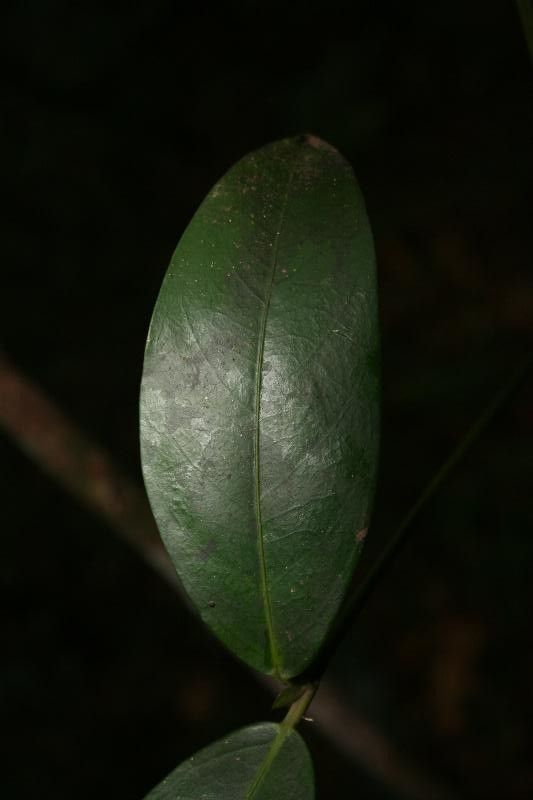
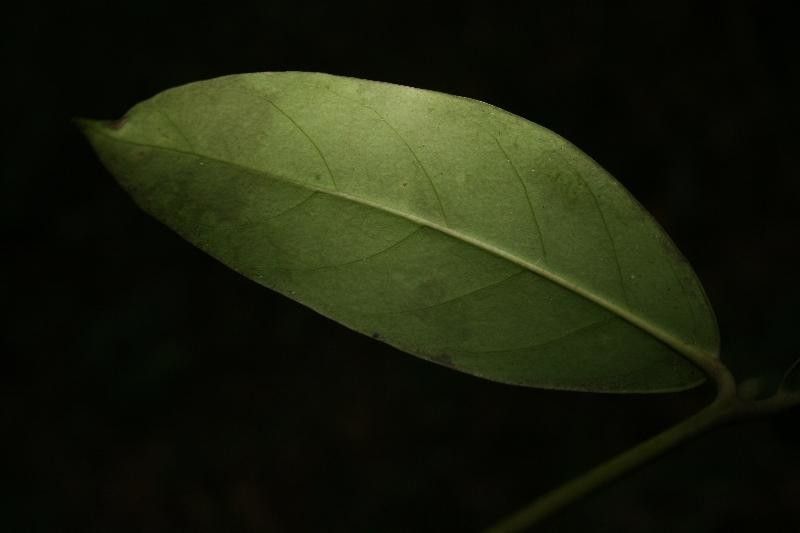
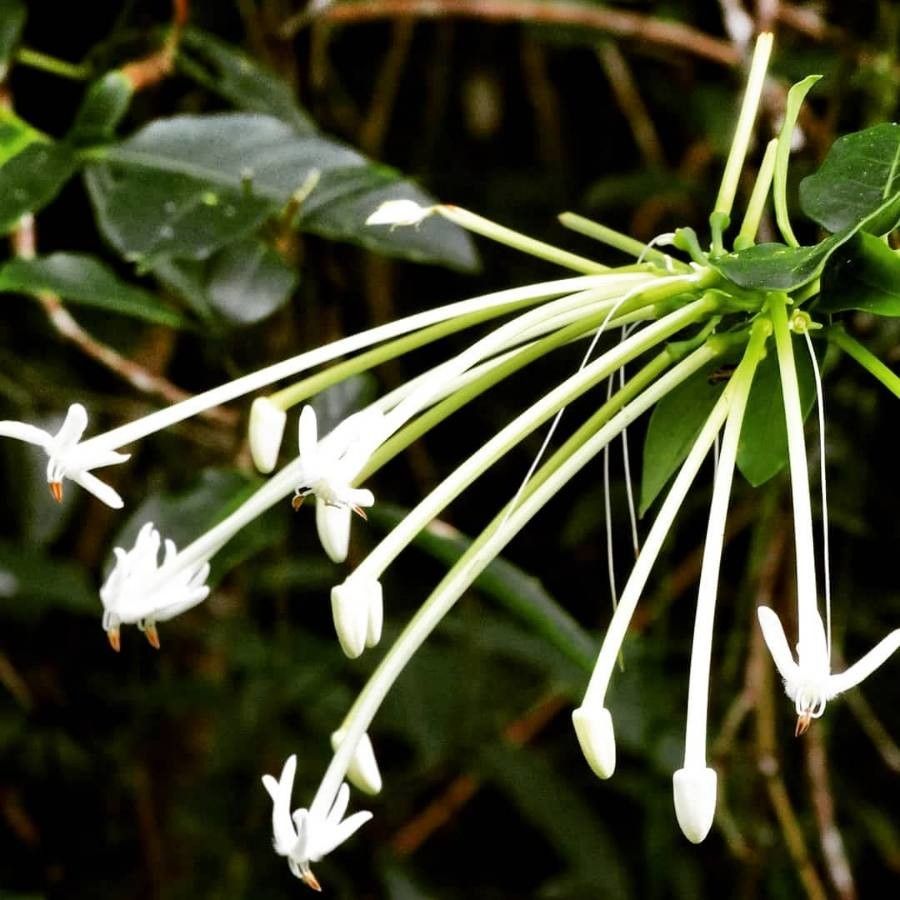
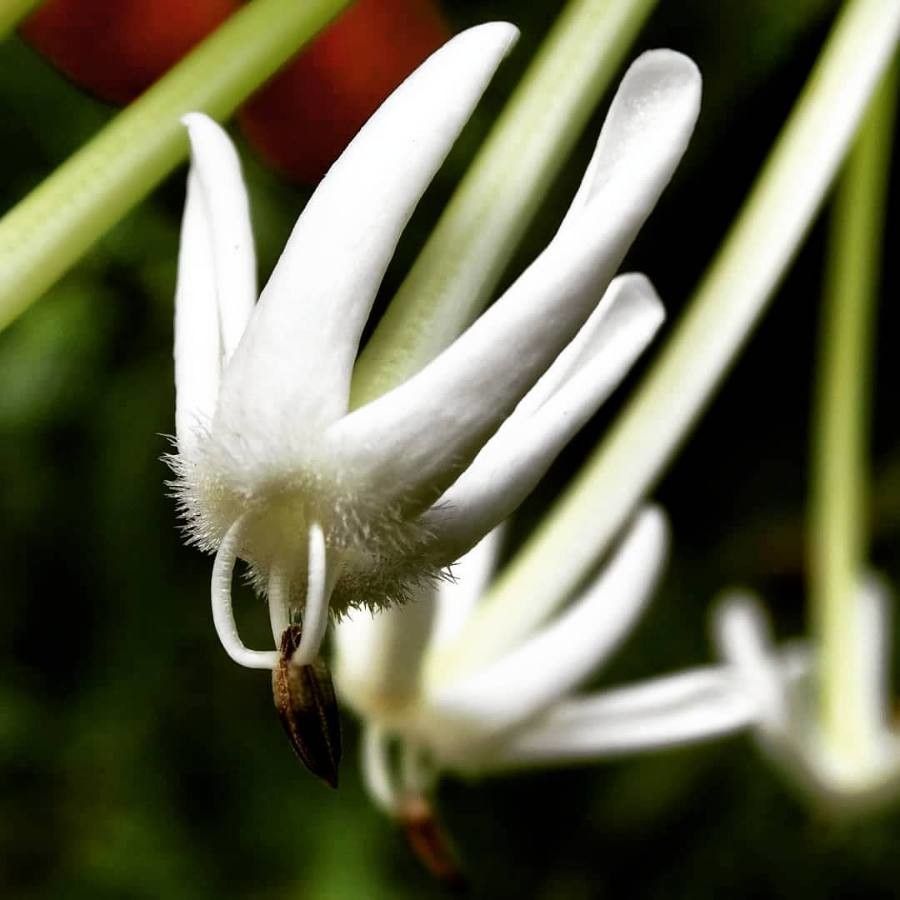
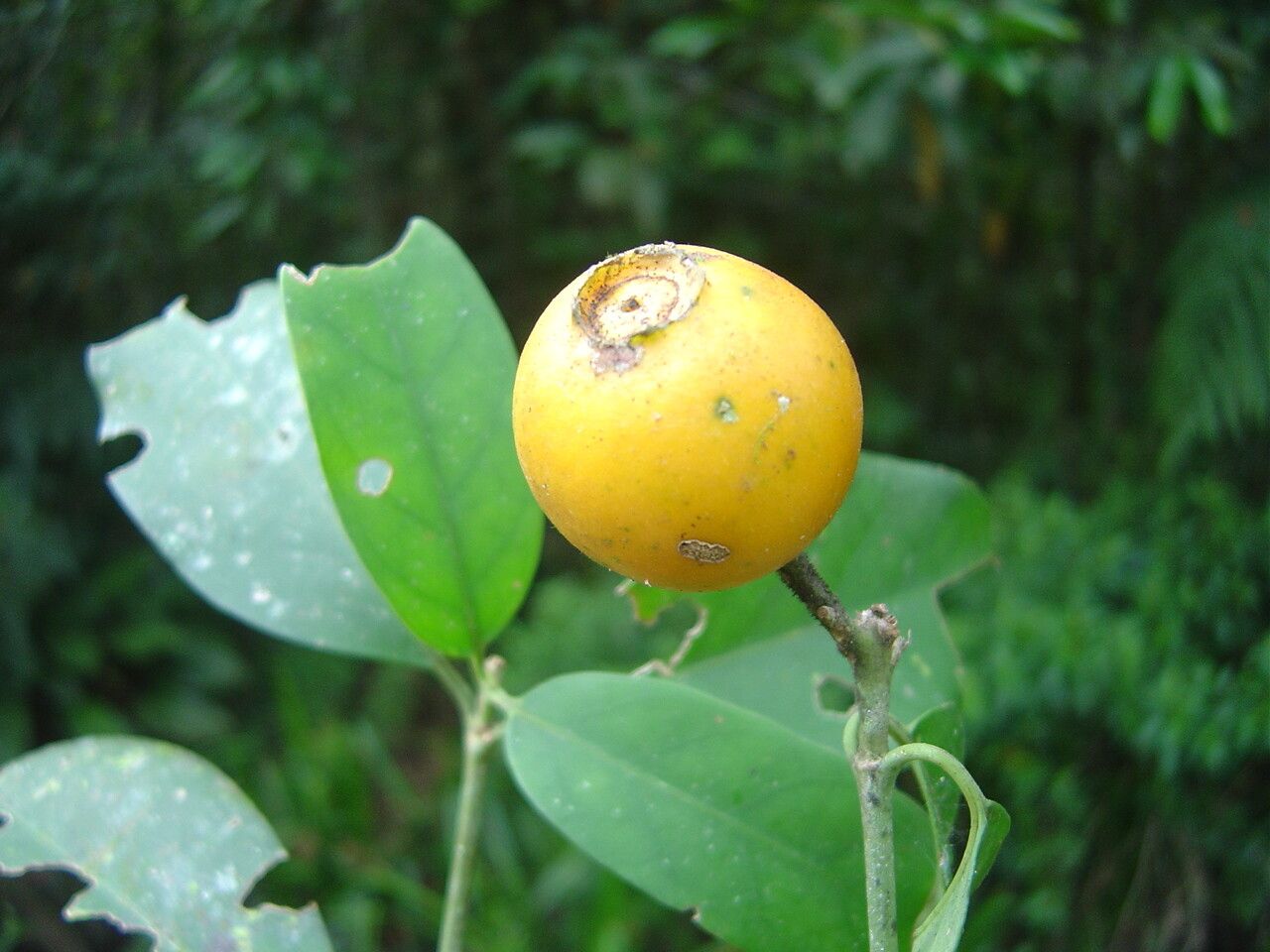
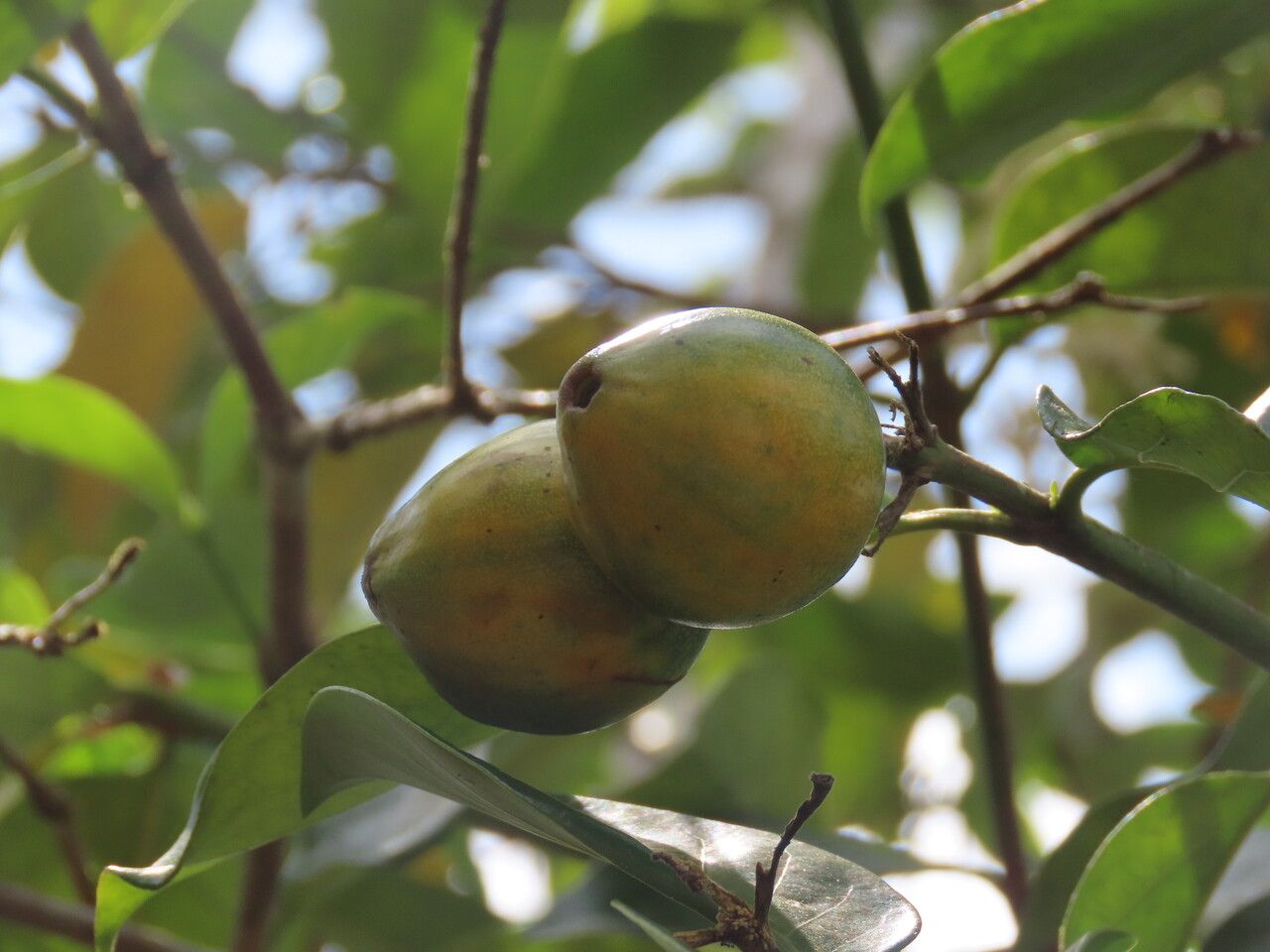
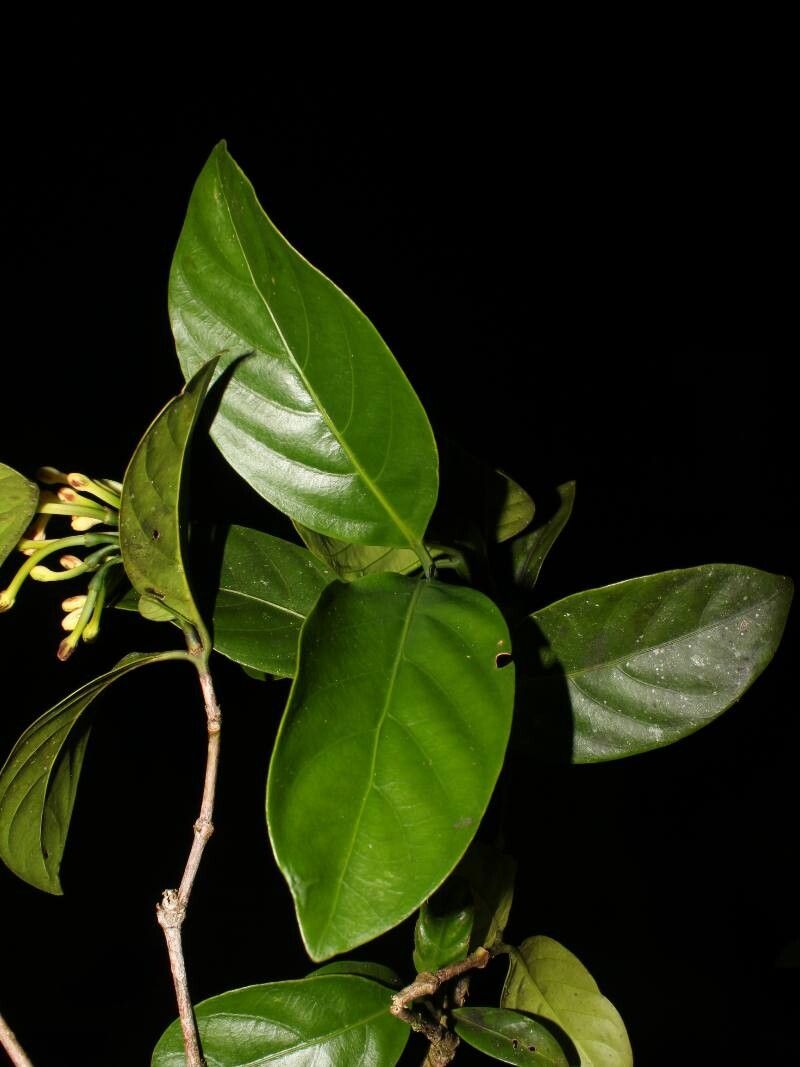
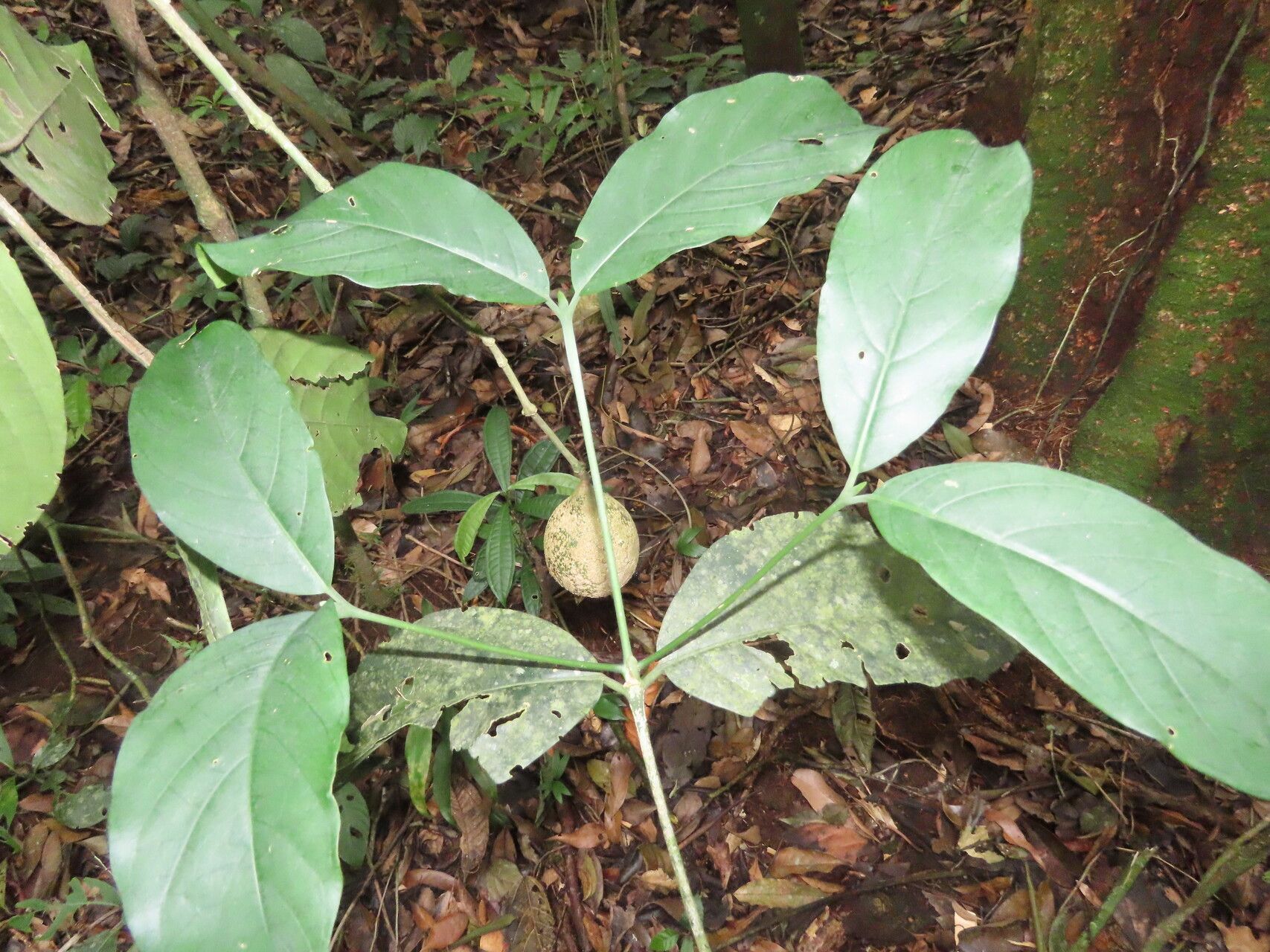
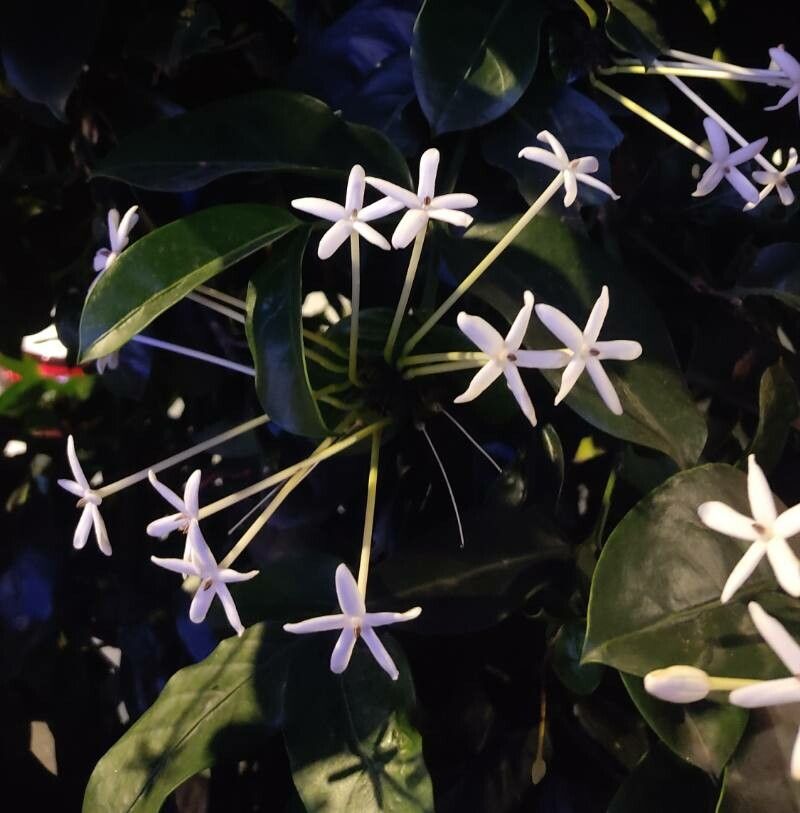
This rare and beautiful small tropical tree boasts highly fragrant, exotic flowers that create a fireworks-like display at the tips of its branches. Its blossoms are especially aromatic at night, earning it the names "wild jasmine" or "perfume tree." The tree produces sweet, fleshy, yellow-green fruit that resembles large coffee beans. It's a stunning accent for smaller gardens but is frost-tender and evergreen.
Needle flower displays good resistance to disease and is generally not susceptible to illnesses. Regarding care, this plant is fairly low-maintenance. Planted outdoors it needs little watering, and larger specimens usually do not require pruning. Smaller plants, however, should be trimmed after they finish blooming. Needle flower is suitable for anyone with outdoor space, such as a garden or a deck, and does not demand much care experience.
How to keep Posoqueria Latifolia.
Light
Needle flower thrives with abundant sunlight, though it can cope with shadier locations. Sunlight plays a key role in its health and flowering. Since it comes from a sun-rich habitat, a shortage of light can slow its growth. Excessive sun can stress the plant and cause its leaves to scorch.
Water
The needle flower, native to humid tropical regions, performs best in environments with consistent humidity and moderate drought tolerance. To maintain optimal soil moisture, it should be watered every 1-2 weeks. Additionally, providing higher indoor humidity will encourage lush foliage and healthy growth.
Temperature
Needle flower comes from tropical areas, where the climate is generally warm and humid. As a result, it is well suited to high temperatures and humidity. It is sensitive to sudden temperature changes and prefers a steady temperature, so avoid fluctuations indoors. It typically cannot tolerate cold and needs higher temperatures to grow. If the ambient temperature falls too low, the plant may stop growing or even die.
Fertilizer
The best time to fertilize a Needle flower is in early spring, as it breaks dormancy. This encourages overall growth and flower formation. Fertilizing improves the foliage, stems, and branches, and supports large, vivid, long-lasting blooms. It helps transport nutrients from the roots to the flowers and enhances the plant’s health and resistance to disease.
Pruning
The needle flower plant is known for its glossy leaves and fragrant white flowers. To keep it healthy, it's best to prune the plant during its dormant period, from early to late winter. Start by removing any dead branches. Then, thin out crowded areas to improve light penetration and airflow, making sure to cut just above leaf buds to maintain a natural shape. Use sanitized tools to make clean cuts, which helps prevent the spread of disease.
Botanical profile.
- Plant Type
- Tree
- Life Cycle
- Perennial
- Genus
- Posoqueria
- Family
- Rubiaceae
- Hardiness Zone
- 10-12
- Mature Height
- 3.05 m to 6.1 m
- Mature Spread
- 6.1 m to 8.53 m
- Leaf Color
- Green
- Leaf Type
- Evergreen
- Flower Color
- White
- Flower Size
- 12.70 cm to 15.24 cm
- Bloom Time
- Summer, Early fall
- Planting Time
- Spring, Summer, Autumn
- Harvest Time
- Late summer, Fall
Other names.
Reader questions.
How should I water my Needle flower?
Your Needle flower is not particular about how you water it, so you can use any common watering tool. Whether it's a watering can, hose, or even a cup, it will work just fine. Regardless of the tool, make sure to water the soil directly. It's important to evenly moisten all areas of the soil to provide water to the entire root system. Using filtered water is recommended, as tap water may contain harmful particles. Additionally, it's best to use water that is at or slightly above room temperature, as cold or hot water can be a bit shocking to the Needle flower. However, the Needle flower usually responds well to any kind of water.
Why is it necessary to add fertilizer to my Needle flower?
Fertilizing a Needle flower is important for several reasons. Firstly, it helps the plant produce beautiful blooms. To ensure excellent flowers, it's best to fertilize in early spring. Additionally, fertilizer provides the plant with energy that it can store in the ground during its dormant phases. By giving it extra nutrients during fall planting or late spring, the Needle flower can store more energy to use when it resumes active growth.
What are the sunlight requirements for the Needle flower?
The Needle flower, or Posoqueria latifolia, thrives in substantial solar exposure but can endure more shaded conditions as well. It needs full sun, which is above 6 hours of sunlight daily, or partial sun, about 3-6 hours of sunlight, to maintain its vitality and support blossoming. Originating from an ecosystem abundant in sunlight, insufficiency in light may decelerate its growth rate. Conversely, excessive sunlight exposure may stress the plant, leading to scorched leaves. It's crucial to monitor the sunlight that graces your garden, selecting spots that provide an optimal balance for the happiness of your Needle flower.
What should I do if I give my Needle flower too much or too little water?
Outdoor plants, especially newly planted ones or seedlings, are prone to lack of watering. It's important to water them enough for a few months when they are small or newly planted. Once the roots are established, Needle flowers can rely on rain most of the time. When it comes to potted Needle flowers, overwatering is a common issue. If you accidentally overwater your plant, act quickly to remedy the situation. Stop watering the plant immediately to minimize the effects of overwatering. Take the plant out of its pot to check its roots. If there are no signs of root rot, you can put the plant back in the pot. However, if you find signs of root rot, trim the affected roots and consider using a fungicide. Repot the plant in well-draining soil. In the case of underwatering, simply water the Needle flower more frequently. When a plant is underwatered, its leaves will droop, dry out, and fall off. Once it receives sufficient watering, the leaves will regain their fullness. Adjust your watering frequency as soon as you notice signs of underwatering.
When should I fertilize my Needle flower for best results?
To ensure effective fertilization of Needle flower, timing is crucial. Applying fertilizer too early, when the Needle flower is still dormant, will result in the fertilizer being washed away by rainwater and causing waste and pollution. The best time to start fertilizing is in early spring, and it should be done once a month until early summer.
What artificial lighting requirements do indoor Needle flowers have?
Indoor Needle flowers require adequate lighting to ensure optimal growth, particularly when natural sunlight is insufficient, such as during winter or in less sunny spaces. Artificial lighting serves as a crucial alternative, fostering faster and healthier plant growth. LED lights are recommended for their capability to emit specific wavelengths needed by plants. Full sun plants necessitate 30-50W/sq ft of artificial light, whereas partial sun plants require 20-30W/sq ft, and full shade plants need 10-20W/sq ft. The artificial light source should be placed 12-36 inches above the plant, emulating natural sunlight conditions. Furthermore, mimicking natural daylight hours is essential, with most plants benefiting from 8-12 hours of light per day.
How many times should I water my Needle flower?
If your area gets enough rainfall, most outdoor plants can grow normally without extra watering. However, if your area lacks rain, here are some guidelines for watering. During the spring and fall, water your plants adequately every 2 weeks. In the summer, you will need to water more frequently due to increased water needs. In the winter, when plant growth slows down and water requirements decrease, water sparingly or not at all. If your Needle flower is young or newly planted, water more frequently to help it establish and grow into a more adaptable and drought-tolerant plant. For potted plants, there are two main approaches to determine watering frequency for your Needle flower. The first is to follow a set watering schedule, typically once every week or every other week. However, this may not always be suitable as it doesn't consider the specific conditions of your plant's growing environment. Another option is to base your watering frequency on soil moisture. It's generally best to wait until the top two to four inches of soil (about ⅓ to ½ depth of the pots) have completely dried out before watering again. Keep in mind that during summer, when the plant's water needs are highest, a predetermined watering schedule may not be sufficient.
When is it best to not fertilize my Needle flower?
To promote healthy blooming in Needle flower, it is important to avoid using fertilizers with excessive nitrogen content. These can cause an abundance of leaves but few blossoms. Instead, opt for fertilizers with lower levels of nitrogen compared to other nutrients. Additionally, it is advisable to refrain from fertilizing the plant during the late autumn, as this can result in excessive growth right before winter. Similarly, avoid fertilizing Needle flower during hot and dry periods, as dry soil is less effective at delivering nutrients and fertilizing at this time can stimulate growth that requires more water, which may not be readily available. It is best to apply fertilizer earlier in the season when temperatures are cooler. Lastly, bear in mind that Needle flower can absorb fertilizer applied to nearby plants or lawns, so take care not to inadvertently over-fertilize the plant or surrounding trees and shrubs.
What are the signs of insufficient or excessive sunlight in Needle flowers?
Needle flowers exhibit various symptoms when faced with suboptimal lighting conditions. Insufficient sunlight can result in smaller new leaves, leggy or sparse growth due to elongated spaces between leaves or stems, premature leaf shedding to conserve resources, halted growth, pale or irregularly colored new leaves indicating a lack of chlorophyll and nutrients, and overall weaker plant structures. Excessive sunlight can cause chlorosis, where leaves lose their green color and turn yellow, sunscald marked by damaged areas on the plant tissue, leaf curling as a defense against water loss, wilting due to increased transpiration, and leaf scorching characterized by brown, crispy leaf edges. These symptoms highlight the plant's struggle to adapt to its lighting environment.
How much water does my Needle flower require?
When watering your Needle flower, it's important to note that it doesn't always require a lot of water. Instead, if only a few inches of soil have dried since your last watering, you can give it about five to ten ounces of water. To determine how much water to give, you can check the soil moisture by observing how many inches of soil have dried out between waterings. To ensure the plant gets enough moisture, water the soil layers that have become dry since the last watering. If more than half of the soil has dried out, it's advisable to give more water and continue until you see excess water draining from the pot's holes. If your Needle flower is planted in an area where it receives ample rainfall, it may not need additional watering. However, when the plant is young or establishing itself, it's recommended to provide 1-2 inches of rain per week. As it grows and becomes more established, it can rely on rainwater alone. Only in situations of hot weather and no rainfall for 2-3 weeks should you consider giving it a full watering to prevent stress.
What kind of fertilizer does my Needle flower need?
The ideal fertilizer for a Needle flower should have a balanced mix of plant nutrients, with slightly more phosphorus. Another option is to improve the soil with organic materials like compost, worm castings, and manure. Experienced gardeners may supplement with water-soluble fertilizers containing phosphorus when flower buds appear. This promotes better flower development, larger growth, and longer blooming. Fertilizers for Needle flowers can be in various forms, but liquid or powdered fertilizers tend to work best. Regardless of the form, it's important to dilute the fertilizer and apply it while watering the Needle flower.
How can you improve growth conditions for Needle flowers regarding sunlight?
To optimize growth conditions for Needle flowers, gradual adaptation to sunlight is key. For indoor plants, moving them to sunnier locations weekly until achieving at least 6 hours of direct sunlight daily is essential. Utilizing a south-facing window and keeping curtains open during daylight maximizes natural light exposure. If a plant is large or not easily movable, supplementing with artificial light, such as keeping a lamp on for at least 8 hours a day or investing in professional grow lights, can provide ample light. Outdoors, a gradual relocation to sunnier spots helps plants adapt without the risk of sunburn. Reducing obstructions like pruning tree branches that block sunlight or transplanting smaller plants during their dormant period to brighter areas improves sunlight access. Although damaged parts may not recover, new growth should flourish under improved light conditions.