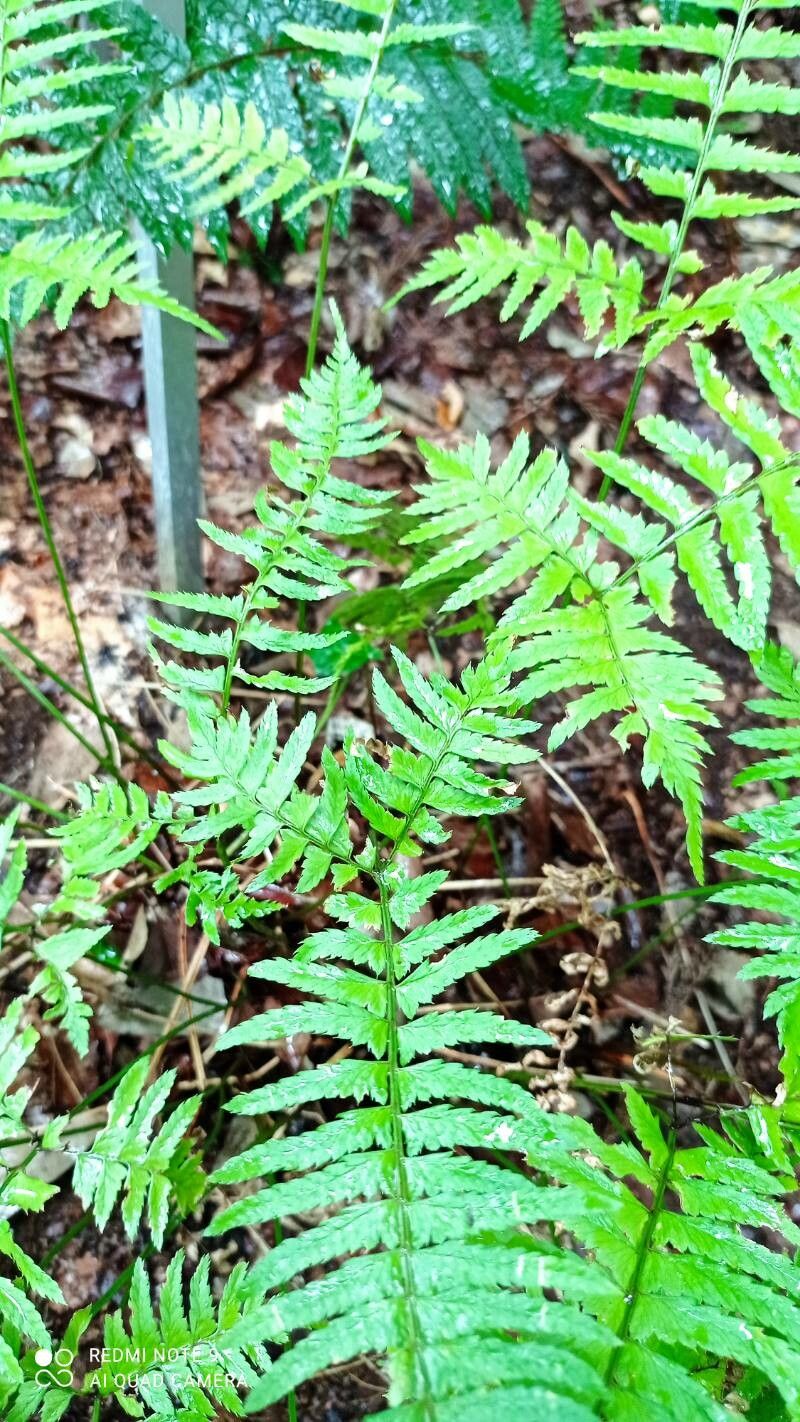
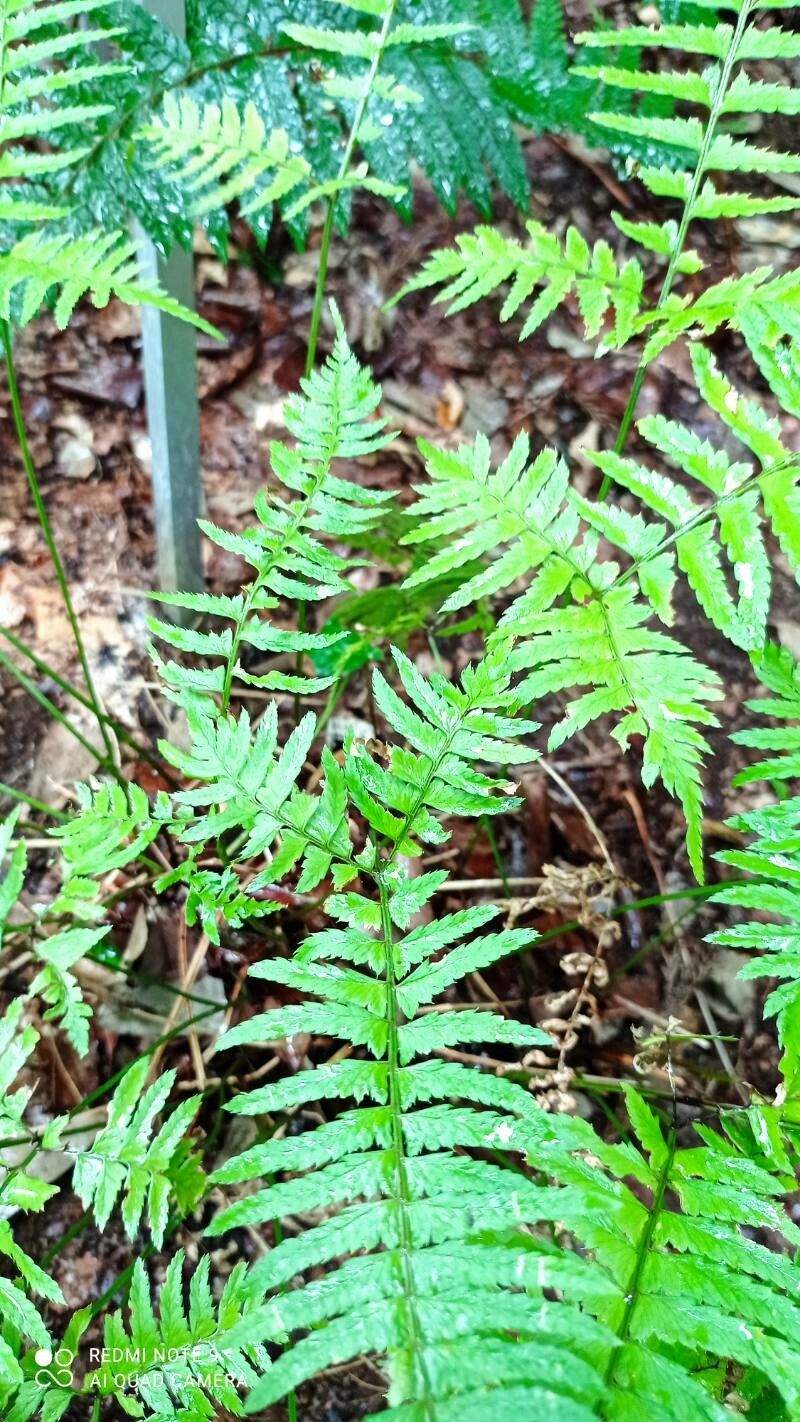
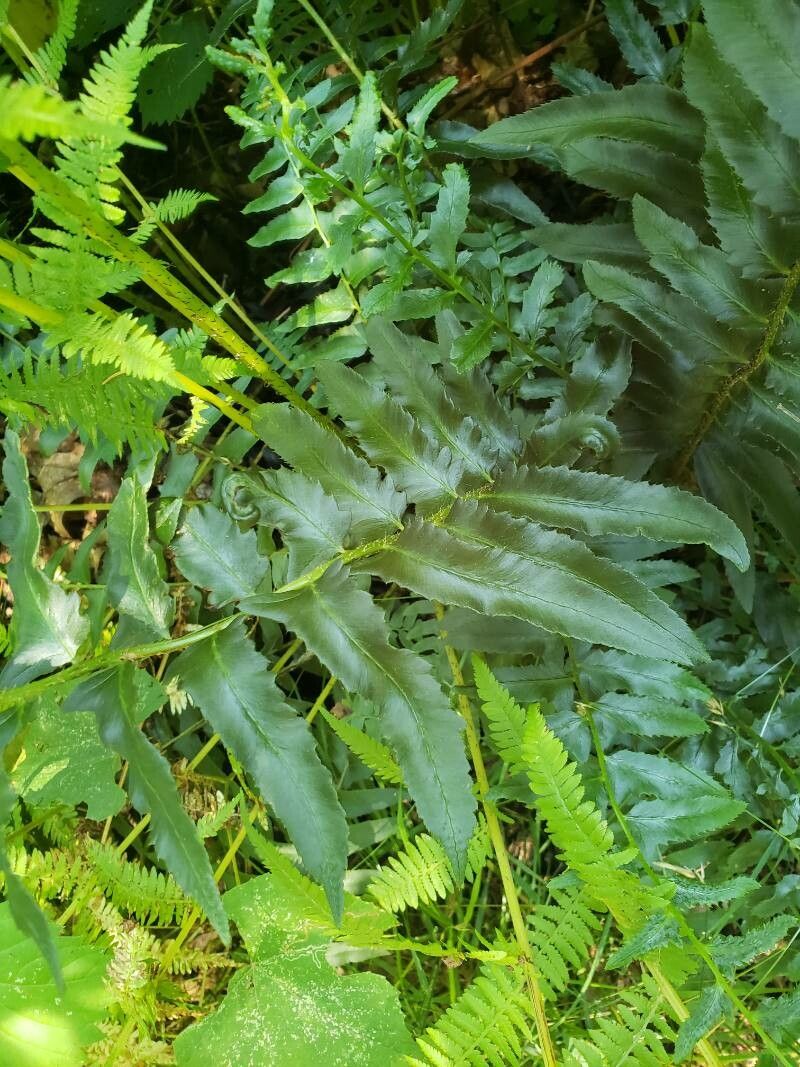
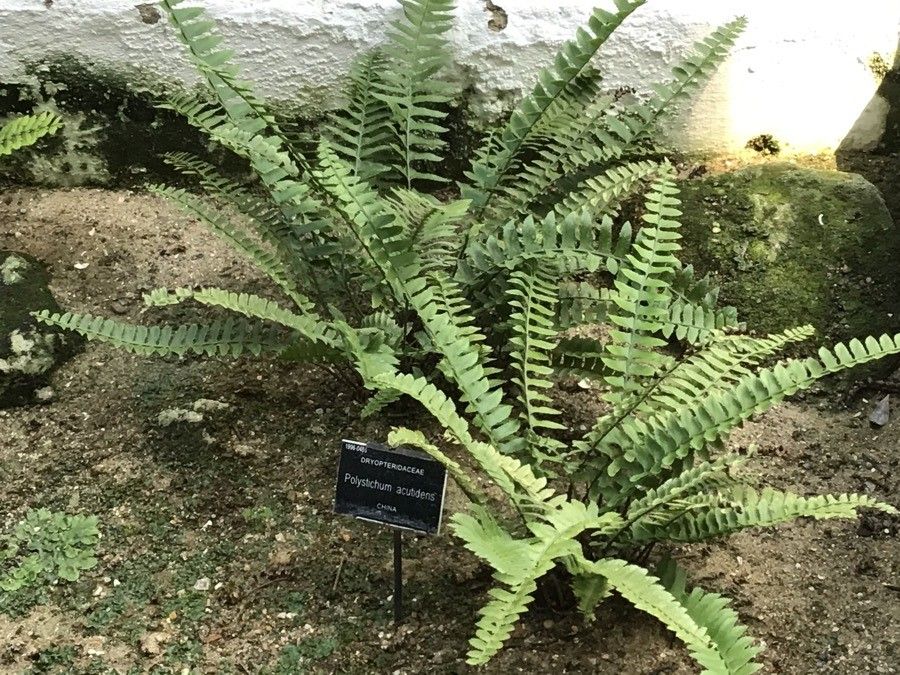
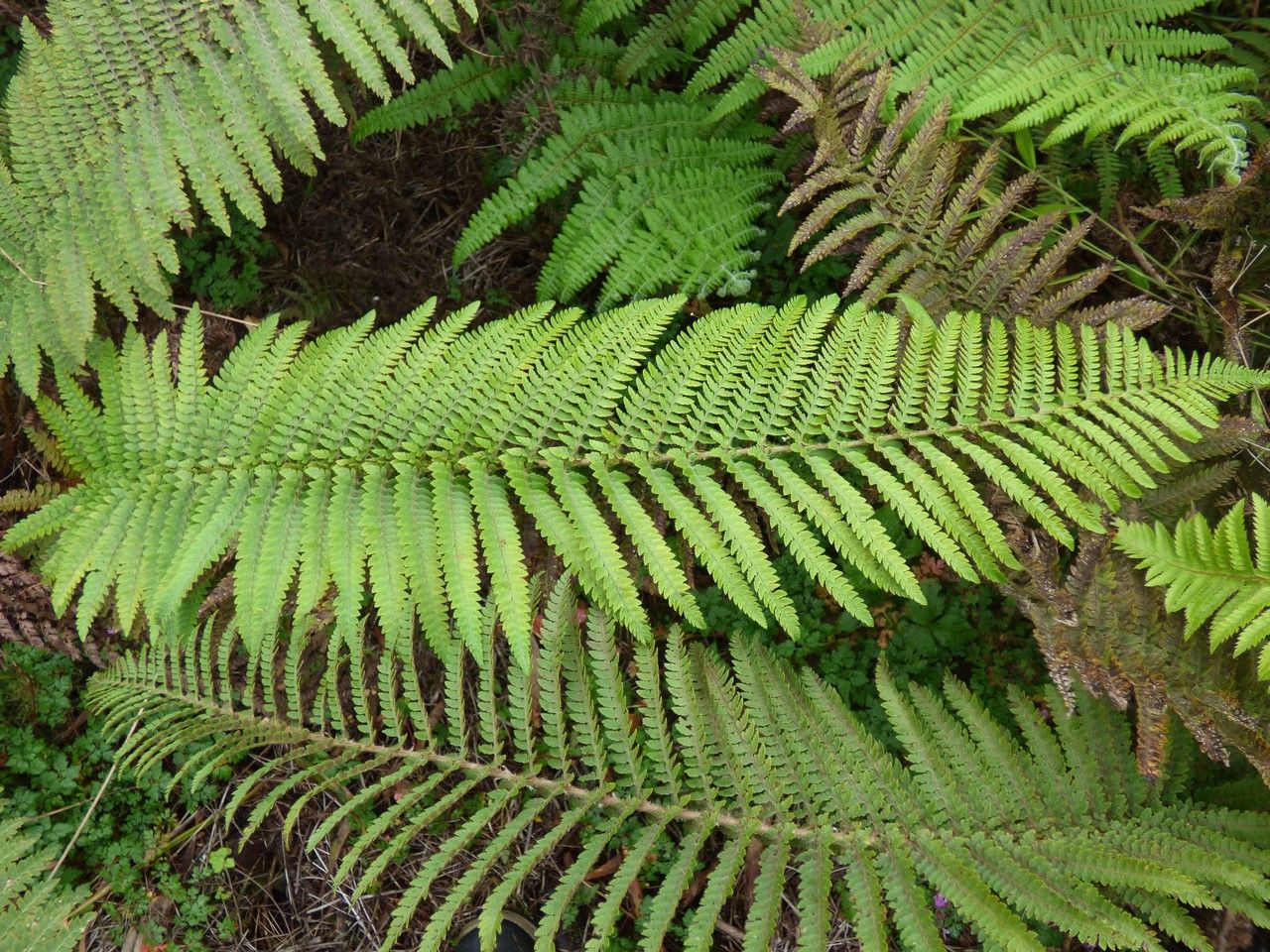
Trifid holly fern generally has good resistance to disease and relatively few insect pests. Its care is considered difficult, as it requires a moist environment and frequent watering. However, its roots are prone to rotting if overwatered and the surroundings are not well ventilated. Trifid holly fern is suitable for people with some growing experience, since most people can keep it alive for a certain amount of time. Nevertheless, it may struggle to thrive and its leaves can dry out and become less healthy over time.
How to keep Polystichum Tripteron.
Light
Trifid holly fern comes from habitats such as forest understories and rocky sites that provide natural shade. It prefers Full Shade but can tolerate Partial Sun.
Water
The Trifid Holly Fern, native to the humid undergrowth of forests, thrives in consistently moist soil. A watering schedule of twice a week ensures it remains well-hydrated. As an evergreen fern, it does well indoors, where humidity levels can be controlled, helping its fronds stay vibrant all year round.
Temperature
The trifid holly fern is native to temperate regions and prefers temperatures between 50 and 95°F (10 to 35℃). To mimic its natural habitat, it favors cooler conditions in winter. However, the trifid holly fern can tolerate warm temperatures as well as mild frosts.
Pruning
The Trifid Holly Fern is a lush plant with three-lobed leaflets. To keep it healthy, prune it in early spring by removing any dead fronds. This will improve air circulation and promote growth while reducing the risk of disease. Be careful not to cut any healthy fronds, as they are important for maintaining the plant's vitality and appearance during the growing season.
Botanical profile.
- Plant Type
- Fern
- Life Cycle
- Perennial
- Genus
- Polystichum
- Family
- Polypodiaceae
- Hardiness Zone
- 6-9
- Mature Height
- 91 cm
- Mature Spread
- 91 cm
- Leaf Color
- Dark Green, Forest Green
- Leaf Type
- Evergreen
- Planting Time
- Summer, Autumn
- Native Area
- Russia, Japan, Koppen, South Korea, China
Other names.