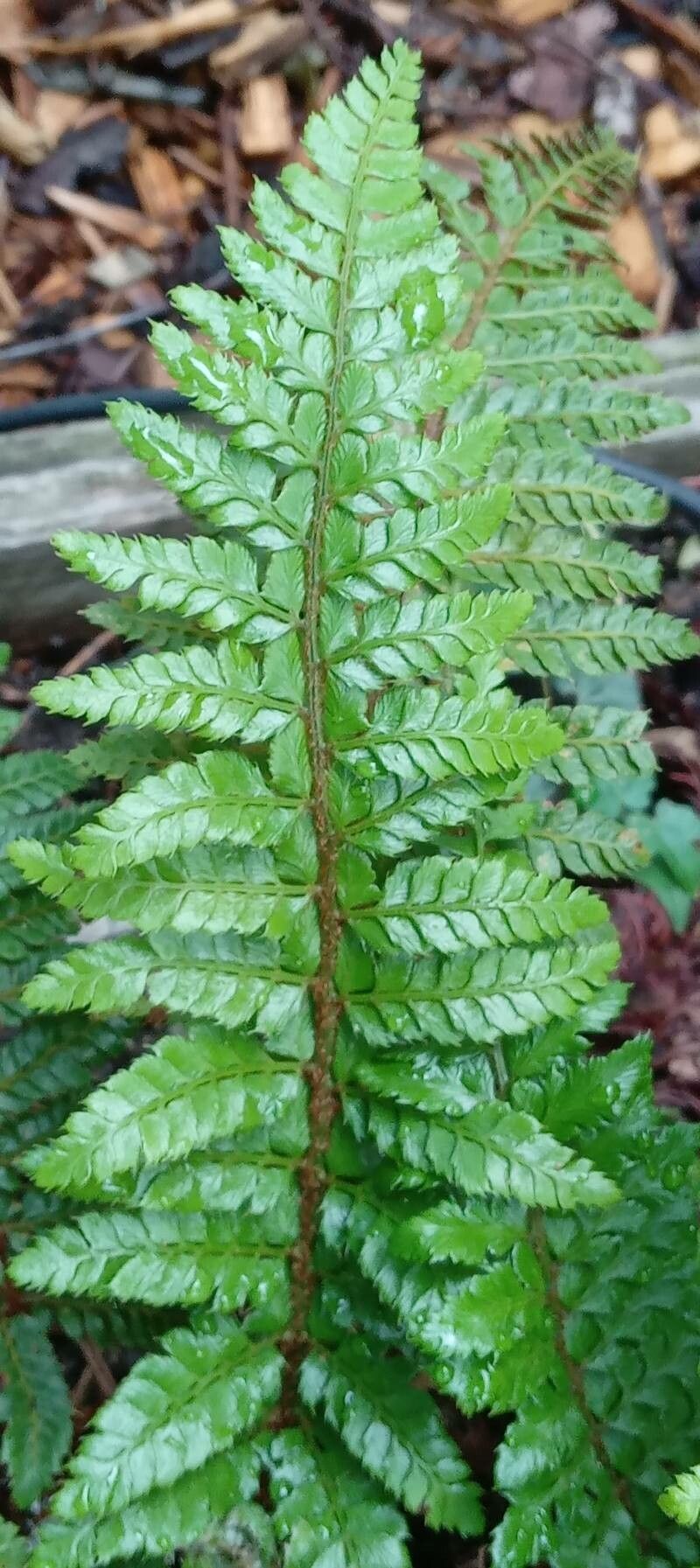
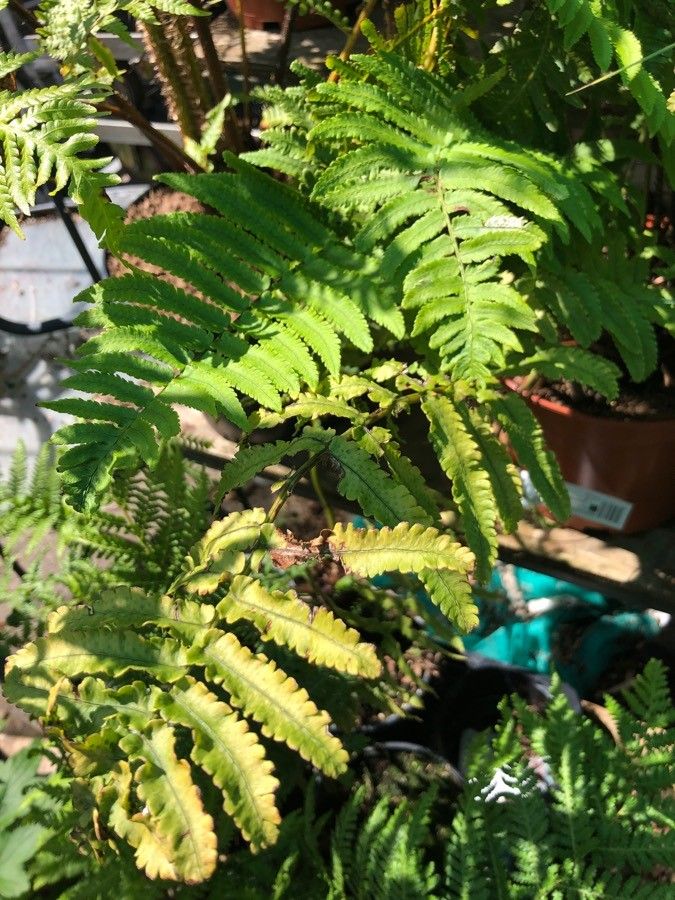
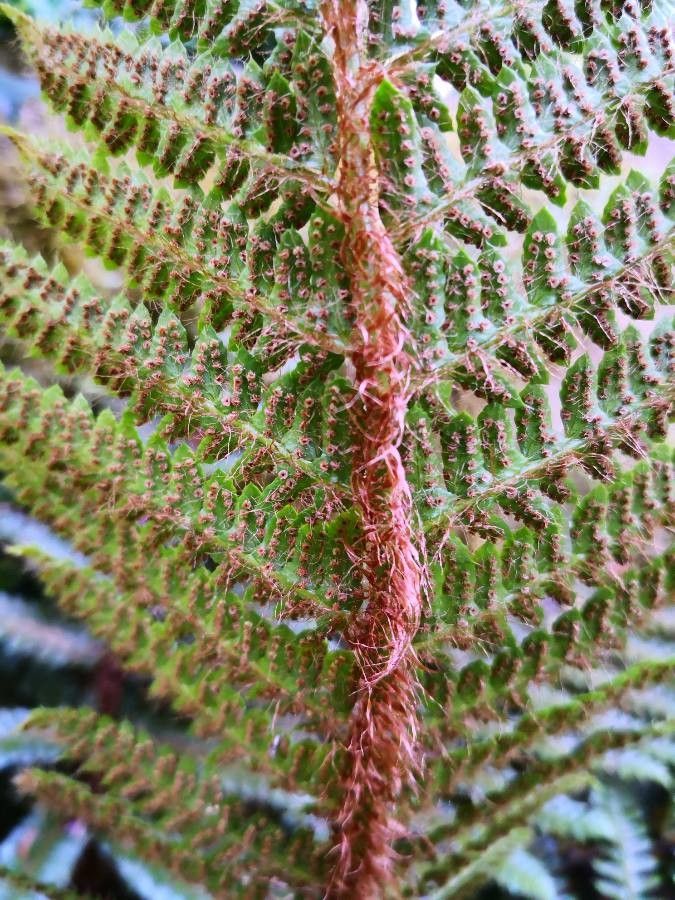
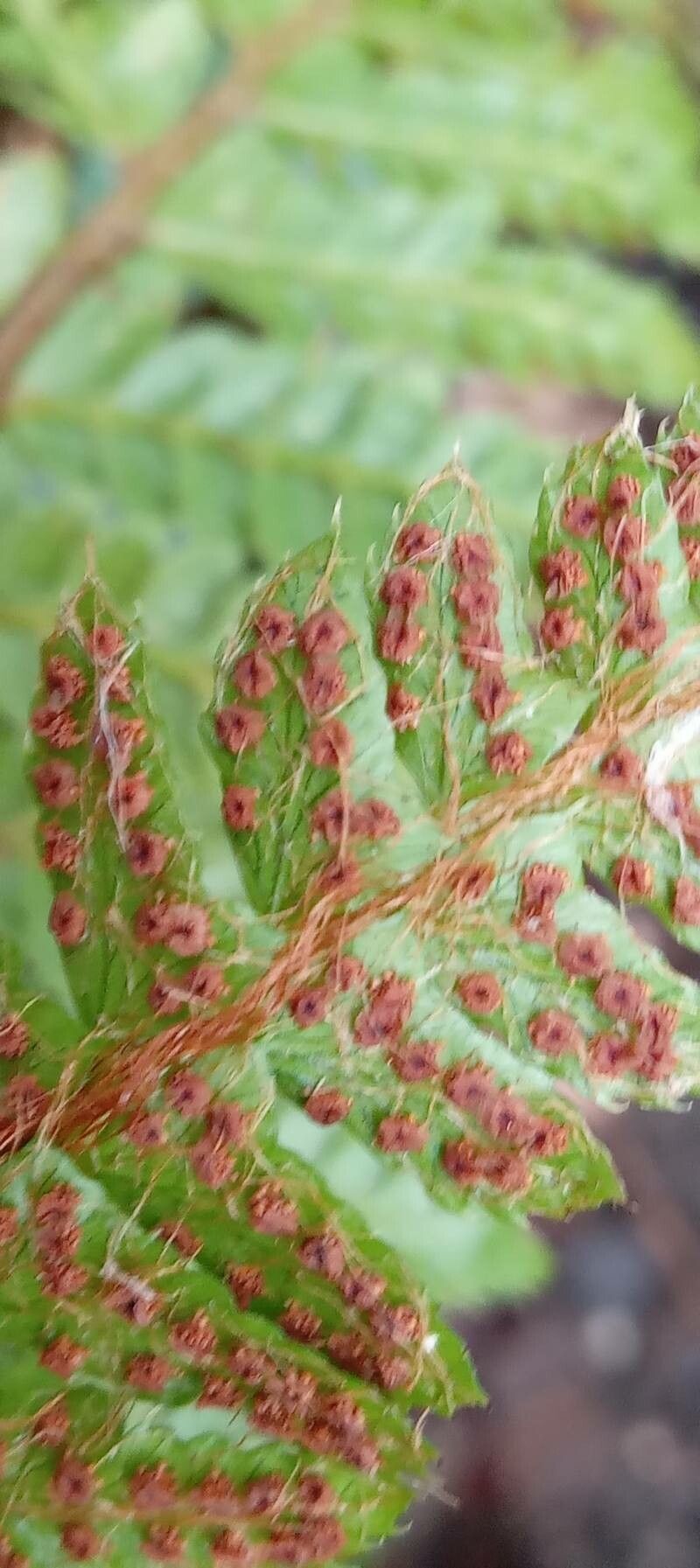
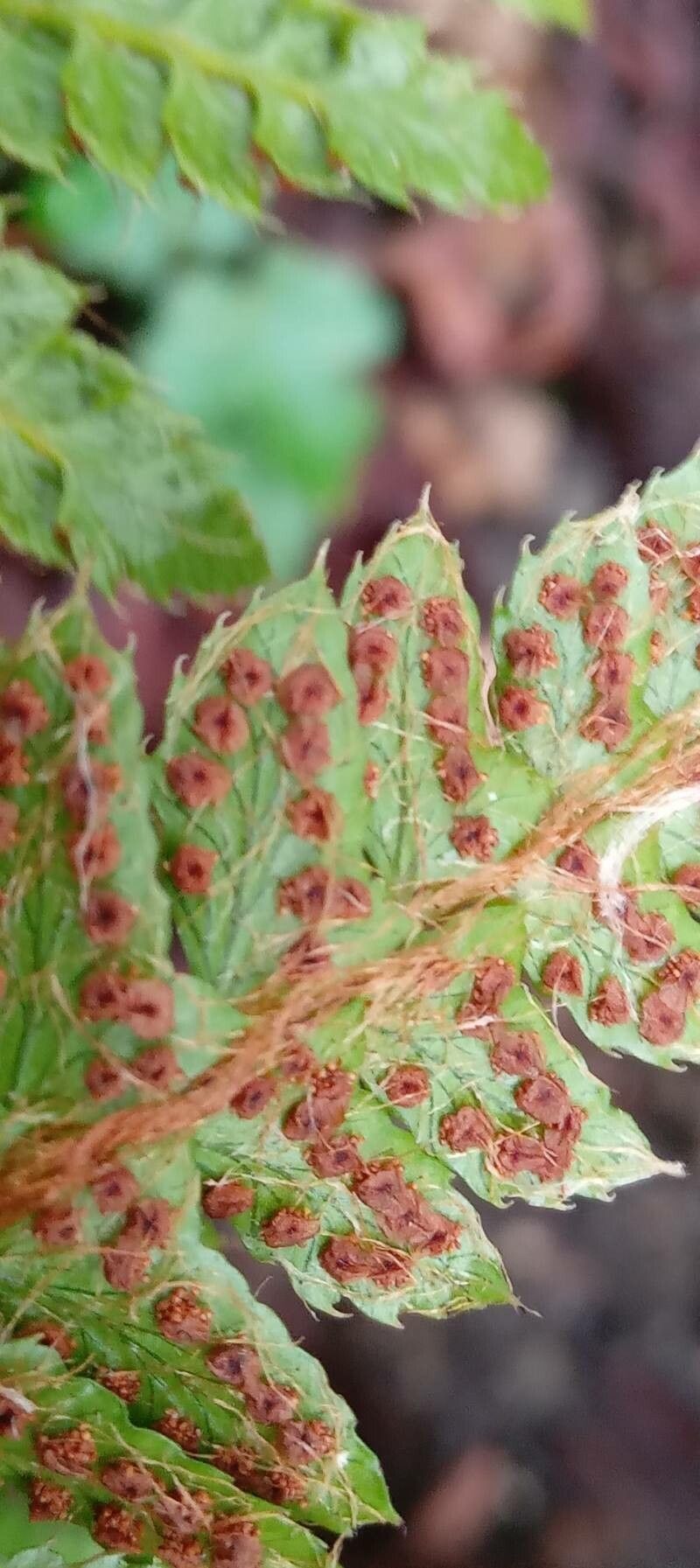
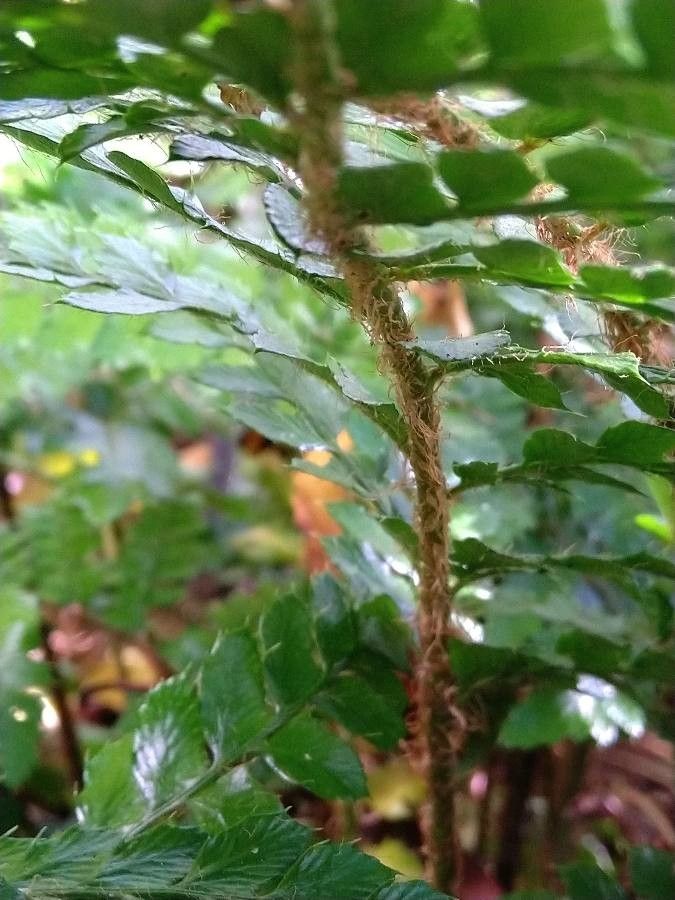
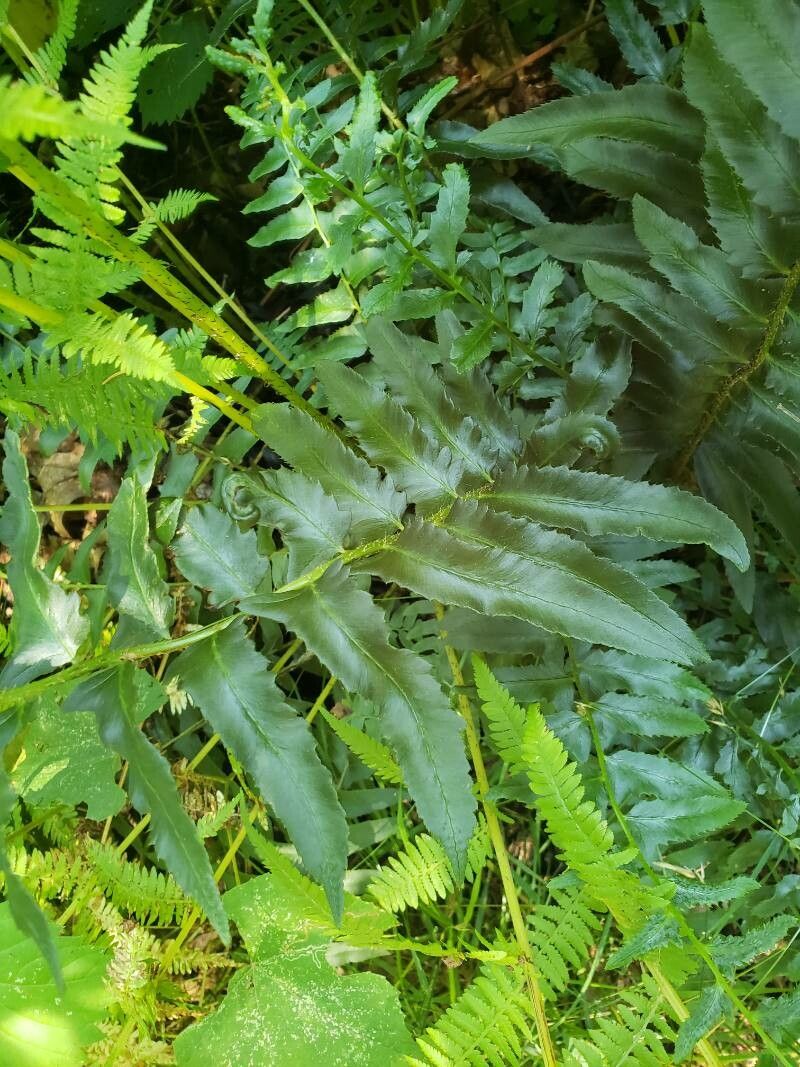
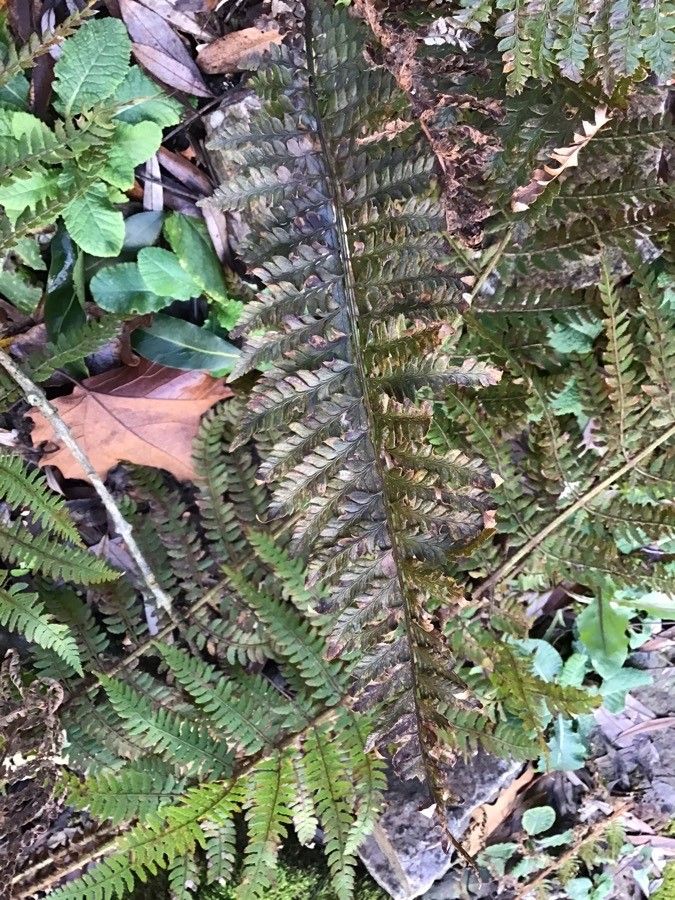
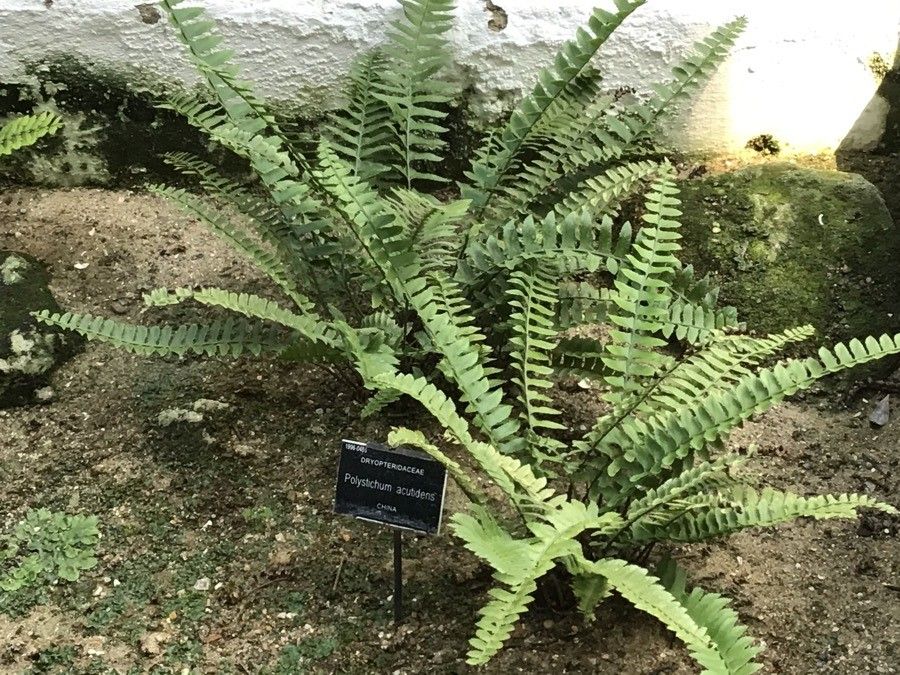
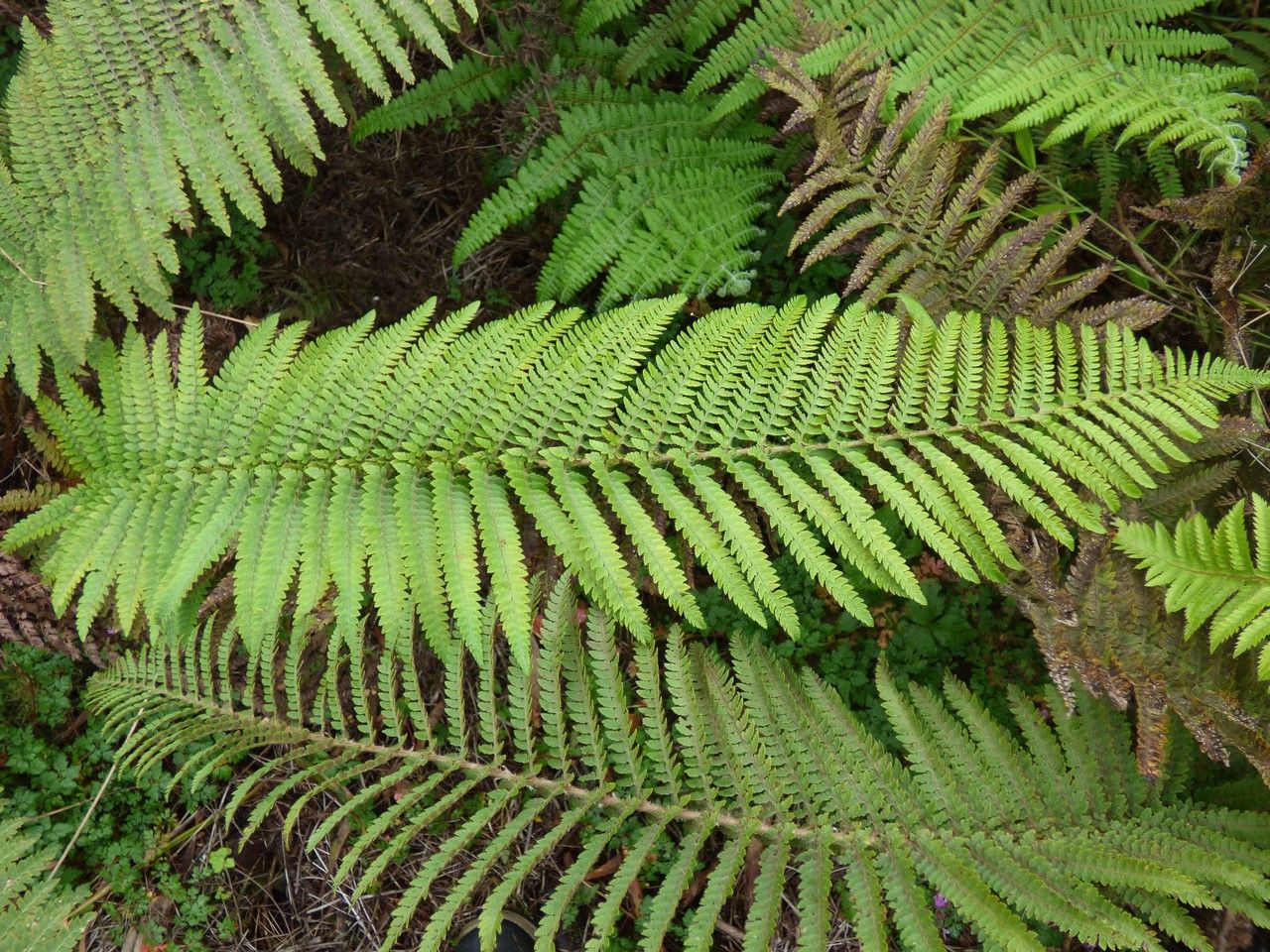
Polystichum polyblepharum, commonly known as the Japanese tassel fern, is a fern species native to Japan and Korea. Renowned for its attractive appearance, this ornamental plant features dark green, glossy fronds that grow in a neat, symmetrical rosette. The finely toothed edges of the fronds lend them a delicate look. Under optimal conditions, the plant can reach up to 2 feet in both height and width.
This fern thrives in partial shade or filtered sunlight and prefers moist, well-drained soil enriched with organic matter. While it can tolerate drought once established, regular watering during dry spells will keep it at its best.
Propagation of Polystichum polyblepharum can be done through division or spores, typically in the spring or fall. It is relatively low-maintenance but may require occasional pruning to remove dead fronds or maintain its shape.
Besides its ornamental appeal, Polystichum polyblepharum has been used in traditional Chinese medicine to treat various ailments, including fever and inflammation. However, further research is needed to validate these medicinal uses.
Overall, Polystichum polyblepharum is an excellent addition to any shaded garden, prized for its attractive foliage and ease of care.
Korean tasselfern typically has good disease resistance and relatively few insect pests. Its care is regarded as difficult because it requires a moist environment and frequent watering. However, the roots are susceptible to rot if the plant is overwatered or the surroundings lack proper ventilation. Korean tasselfern is suitable for people with some growing experience, as most individuals can keep it alive for a period of time. Still, the plant may struggle to thrive and its leaves can dry out and become less healthy over time.
How to keep Polystichum Polyblepharum.
Light
Korean tasselfern prefers spots with soft or shaded light. In its natural setting it grows beneath larger plants and receives filtered sunlight, which promotes healthy growth. Excessive sun exposure can cause leaf burn, while too little light can impede its development. Its different growth stages require roughly the same light levels.
Water
The Korean tasselfern flourishes in the humid and shaded environments typical of East Asian woodlands. While it prefers consistent moisture, it becomes moderately drought-tolerant once established. To maintain healthy foliage, it is recommended to water the plant twice a week. This evergreen species requires attentive watering during its growing season to ensure optimal health.
Temperature
Korean tasselfern originates from cooler native growing environments and typically thrives in temperatures between 50 and 89.6 °F (10 to 32 ℃). Adjustments for seasonal climate variations should be considered to maintain its health.
Fertilizer
In the spring, fertilize the Korean tasselfern with a high-nitrogen fertilizer. Be sure to dilute the fertilizer to prevent root burn. Reduce the amount of fertilizer in the fall and avoid fertilizing altogether during the winter. Make sure the soil is evenly covered with fertilizer and water thoroughly afterward. Wear gloves while handling the fertilizer and keep it away from water bodies to prevent contamination.
Pruning
Pruning the Korean tasselfern in early spring helps it thrive by improving air circulation and reducing the risk of disease. To maintain its appearance and promote healthy growth, remove dead fronds and trim back old growth. This not only controls the plant's size but also enhances its overall look. Be sure to use clean, sharp tools for the best results.
Pot & Repot
Repot your Korean tassel fern every 2-3 years during early spring while it is dormant. Choose a slightly larger container and place the fern in a spot with dappled shade after repotting. Ensure the soil is well-draining and maintain consistent moisture to support the fern’s recovery and growth.
Toxicity
It is unknown whether Korean Tassel Fern is poisonous to humans, animals, or cattle. Your curious cat won't likely suffer any harm if she helps herself to a small portion. Keep your curious children, cats, and dogs away from the area where you are growing your Japanese painted fern for safety reasons.
Further reading →
The toxicity and danger assessments provided are for reference only. We do not assure their accuracy, so it's crucial not to depend on them. Seek professional advice when necessary for accurate guidance.
Botanical profile.
- Plant Type
- Fern
- Life Cycle
- Perennial
- Genus
- Polystichum
- Family
- Dryopteridaceae
- Hardiness Zone
- 6-8
- Mature Height
- 30 cm to 61 cm
- Mature Spread
- 30 cm to 61 cm
- Leaf Color
- Green, Bronze
- Leaf Type
- Evergreen
- Planting Time
- Spring
- Native Area
- South Korea, Japan, China
Other names.
Reader questions.
What should I do if I give my Korean tasselfern too much or too little water?
The Korean tasselfern can be overwatered if it is left sitting in a pool of water or if the planter does not have drainage holes. This can prevent the roots from getting nutrients and moisture and can lead to fungal or bacterial diseases. Signs of overwatering include wilted and yellow leaves, droopy stems, and mushy texture. Make sure to check for other causes of these symptoms, as it can be difficult to give this plant too much water. On the other hand, it is important to keep the Korean tasselfern wet enough, unless you are using a self-watering planter. Many fern owners unintentionally let their plants get too dry. In dry conditions, the plant can quickly change from lush and green to brown and crispy. In extreme cases, the plant may appear completely dried up, but it may still be possible to save it if some of the roots are healthy. To save the plant, cut off the dry and dead stems, water thoroughly, and return it to its usual location. With proper care, the plant can bounce back and start growing new fronds. It may take several months for it to return to its previous size.
Why should I put fertilizer on my Korean tasselfern plant?
Fertilizing Korean tasselfern is essential for its well-being. By providing extra nutrients, you ensure the production of healthy new growth and support the overall health of the plant. Additionally, these nutrients help the plant defend against diseases and pests.
What are the sunlight requirements for Korean tasselfern?
Korean tasselfern thrives in varying light conditions but requires specific attention to sunlight exposure. It prefers areas with gentle light or shady conditions, ideally under larger plants where it receives filtered sunlight. The plant needs about 3-6 hours of sunlight daily for partial sun conditions and less than 3 hours of sunlight for full shade conditions. It's crucial to watch how sunlight moves through your garden to ensure the spots chosen provide a good balance of light and shade, ensuring the plant's happiness. Excessive sun exposure can cause leaf burn, while insufficient light might slow down its growth.
What is the ideal temperature range for Korean tasselfern?
The ideal temperature range for Korean tasselfern, also known scientifically as Polystichum polyblepharum, is between 50 to 89.6 °F (10 to 32 °C). This fern is accustomed to colder native growth environments and has developed a strong cold resistance. Despite this resilience, it is crucial to make seasonal adjustments to ensure the fern's health and well-being.
How do I correctly water my Korean tasselfern plant?
Your Korean tasselfern thrives in consistently moist soil, similar to its natural environment. This means you may need to water it every one or two days. It's crucial to prevent the soil from drying out, so as soon as the top layer feels slightly dry, it's time to water again. When watering, make sure to thoroughly soak the soil until water drains out from the pot's bottom. Afterward, remove any excess water so the pot isn't sitting in a puddle. Following this method will help maintain optimal soil moisture levels.
When should I fertilize my Korean tasselfern plant?
The feeding schedule of Korean tasselfern depends on its location. While it does not require much food, it does need some additional nutrients. Outdoor plants should be fertilized once in the spring, while indoor specimens should be fed monthly from spring to summer.
How can artificial lighting be used for Korean tasselfern?
When natural sunlight is not enough, especially during winter or in less sunny spaces, artificial lighting becomes an effective solution for maintaining optimal growth conditions for Korean tasselfern. Indoor plants can benefit from artificial lighting to promote faster, healthier growth. LEDs are often recommended due to their ability to provide specific wavelengths needed for the plant. The intensity required varies with full sun plants needing 30-50W/sq ft, partial sun plants 20-30W/sq ft, and full shade plants 10-20W/sq ft of artificial light. The light source should be placed 12-36 inches above the plant and kept on for 8-12 hours a day to mimic natural daylight hours.
Does Korean tasselfern require frost protection during winter?
Korean tasselfern typically does not need special frost protection measures during winter due to its strong cold resistance. However, in extremely cold climates where winter temperatures are expected to fall below -25°C, it is advisable to provide cold protection. Covering the plant with materials such as soil or straw can help. Additionally, watering the plant abundantly before the first freeze in autumn, to keep the soil moist and in a frozen state, is recommended to prevent drought and water scarcity during winter and early spring.
What do I need to think about when watering my Korean tasselfern?
The frequency of watering your Korean tasselfern is influenced by the humidity levels in the air. Higher humidity means less frequent watering because evaporation is slower. To prevent the plant from drying out quickly, avoid placing it near heating or cooling vents and choose a location without drafts. These ferns prefer dappled and indirect sunlight with temperatures between 55-80 degrees F (13-27 degrees C). Placing them in a warm and sunny spot on a windowsill can cause them to become dehydrated quickly. Using rainwater or distilled water is ideal, but tap water is usually fine. Tap water may contain minerals and chemicals that can cause brown leaf tips since Korean tasselfern has delicate leaves. It's not recommended to use small pots for these ferns as they dry out faster due to holding a small amount of potting medium. It is best to give this plant more space in the pot compared to other houseplants. Consider using a self-watering planter for Korean tasselferns. This type of pot has a wicking system that ensures the soil remains consistently moist by continuously soaking up water from a central reservoir. Using this pot eliminates the need for frequent watering and provides a constant supply of water to the roots, avoiding fluctuations between dry and wet conditions.
When is it not a good time to fertilize my Korean tasselfern?
To ensure proper growth and avoid potential issues, it is recommended to refrain from fertilizing Korean tasselfern in the late autumn as it may lead to excessive growth before winter. Similarly, it is advised to avoid fertilizing during hot and dry periods as the dry soil does not effectively deliver the nutrients, and stimulating growth at this time may require additional water that may not be readily available. It is advisable to apply fertilizer earlier in the season when temperatures are cooler. Moreover, be mindful that Korean tasselfern can absorb fertilizer from nearby plants or lawns, so exercise caution to avoid inadvertently over-fertilizing the ferns.
What important symptoms indicate light problems in Korean tasselfern?
Symptoms of light deficiency or excess in Korean tasselfern can vary. Insufficient light may lead to smaller new leaves, leggy or sparse growth, faster leaf drop, slower or no new growth, and lighter-colored new leaves. On the other hand, excessive sunlight can cause symptoms such as chlorosis, where leaves lose their green color and turn yellow, sunscald leading to pale or necrotic areas on the plant, leaf curling as a defense mechanism against extreme sunlight, wilting due to increased water loss, and leaf scorching characterized by brown, dry edges on leaves. Monitoring these symptoms can help in adjusting the plant's light exposure to optimize its health.
What should I do if my Korean tasselfern is exposed to temperatures below -25\u00b0C?
If your Korean tasselfern is exposed to temperatures below -25°C, you might not notice immediate changes during winter, but there could be a decrease in sprouting or even failure to sprout in spring. In such cases, it's suggested to remove any parts of the plant that have failed to sprout as the season progresses into spring.