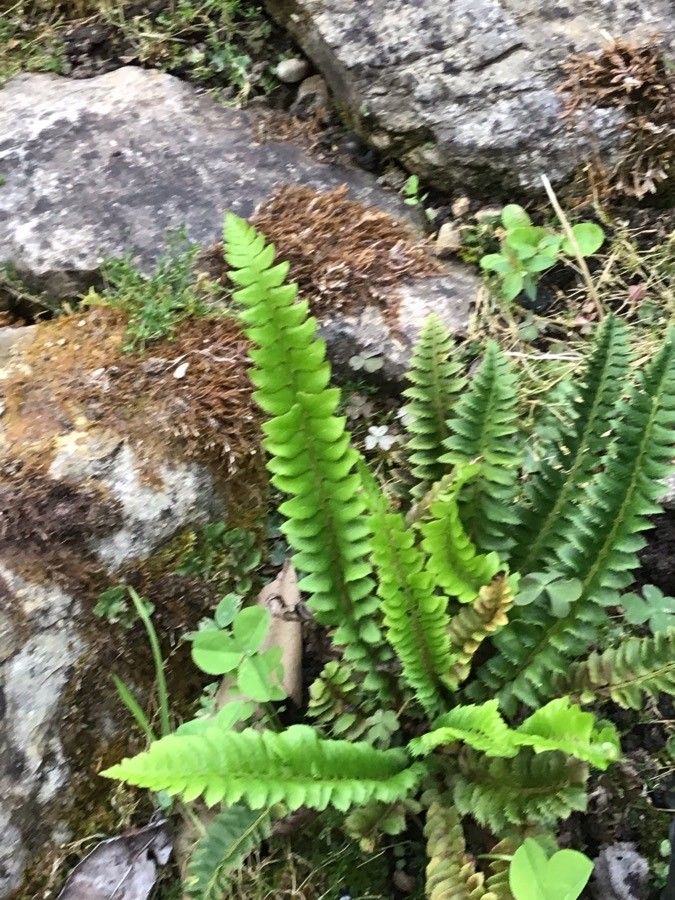
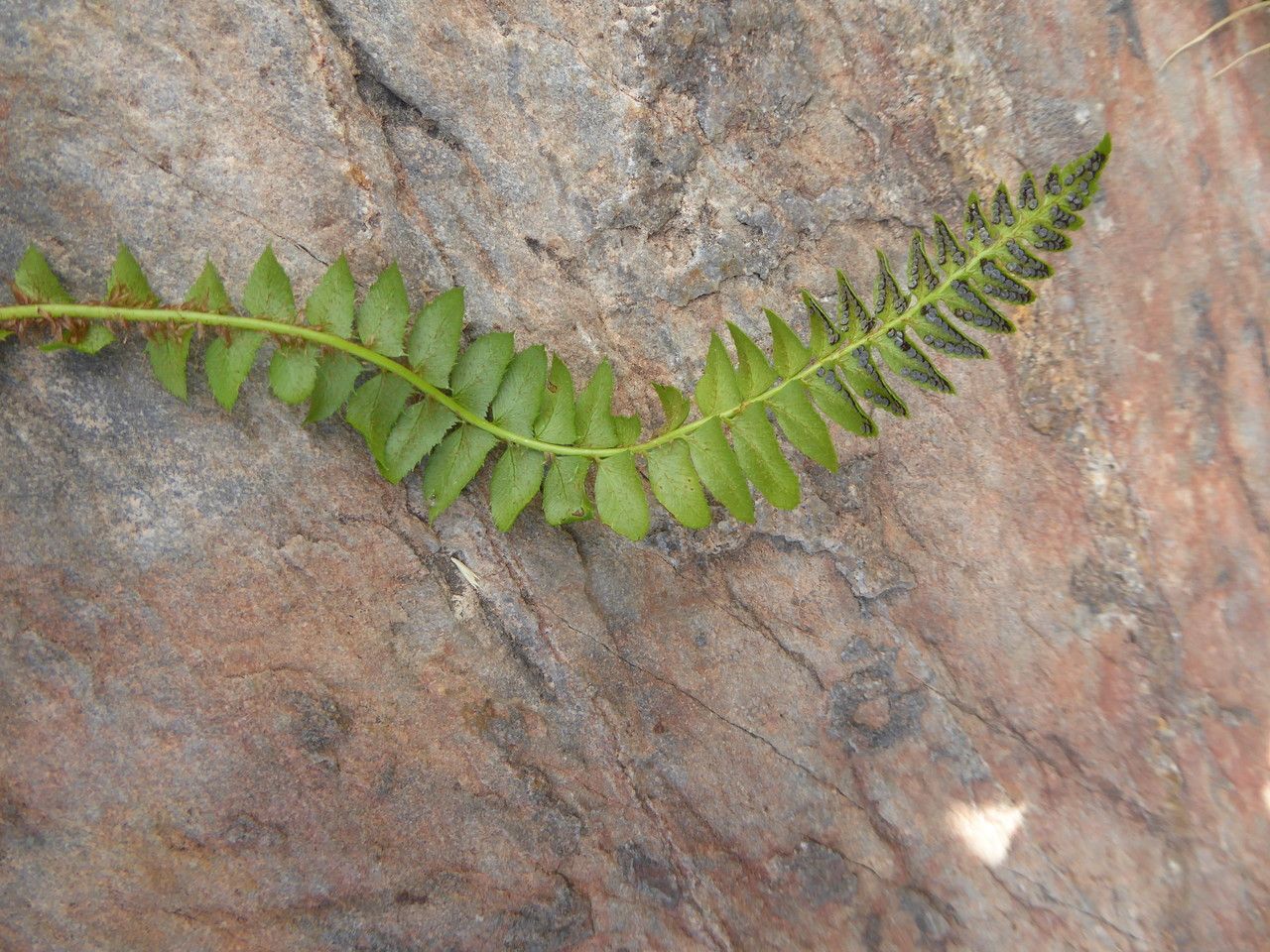
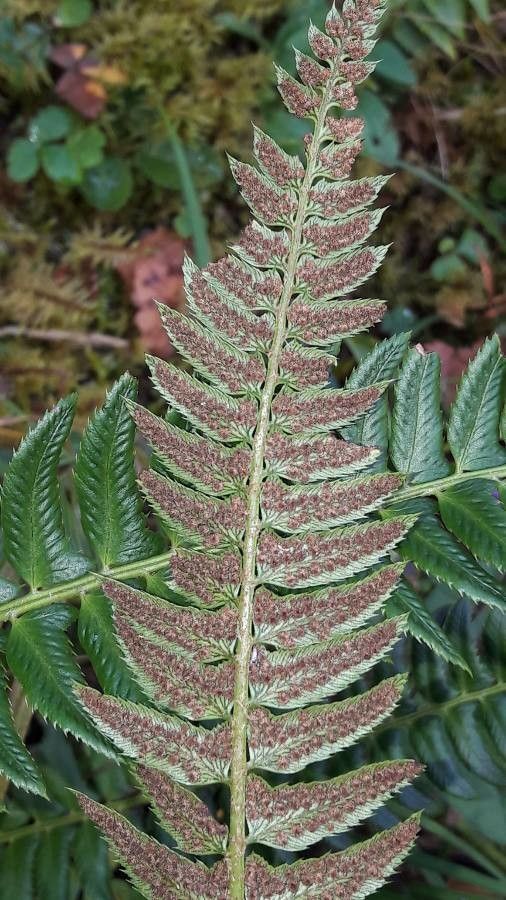
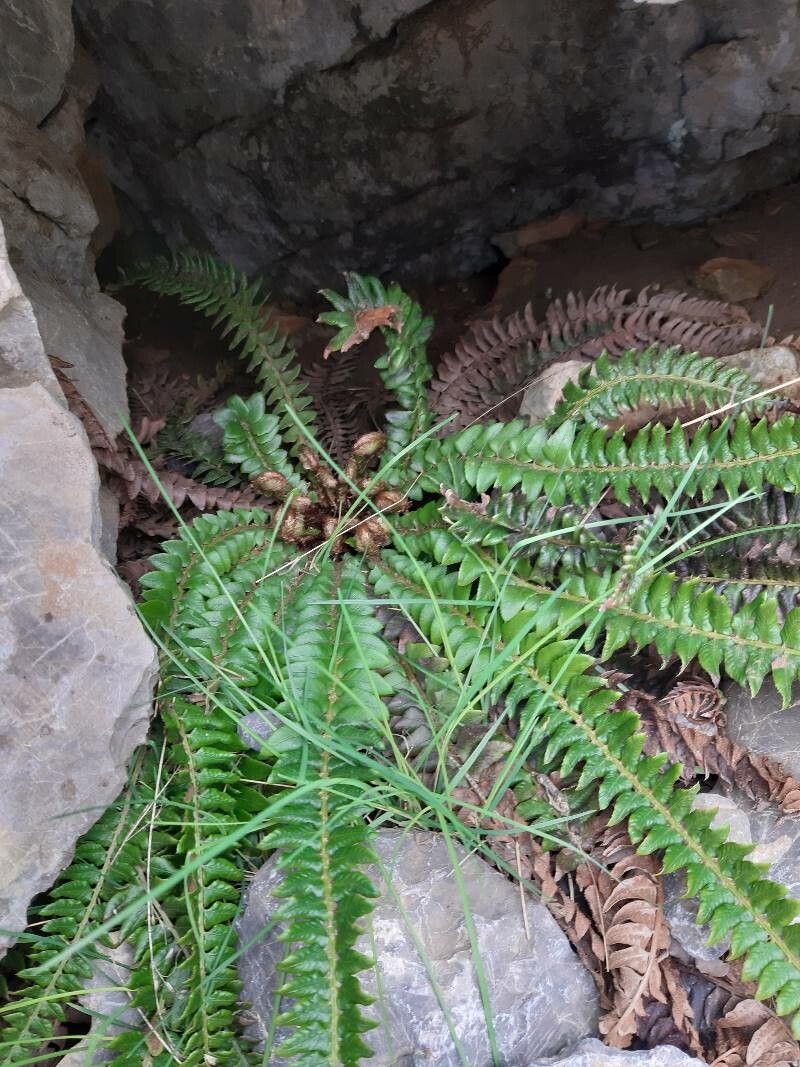
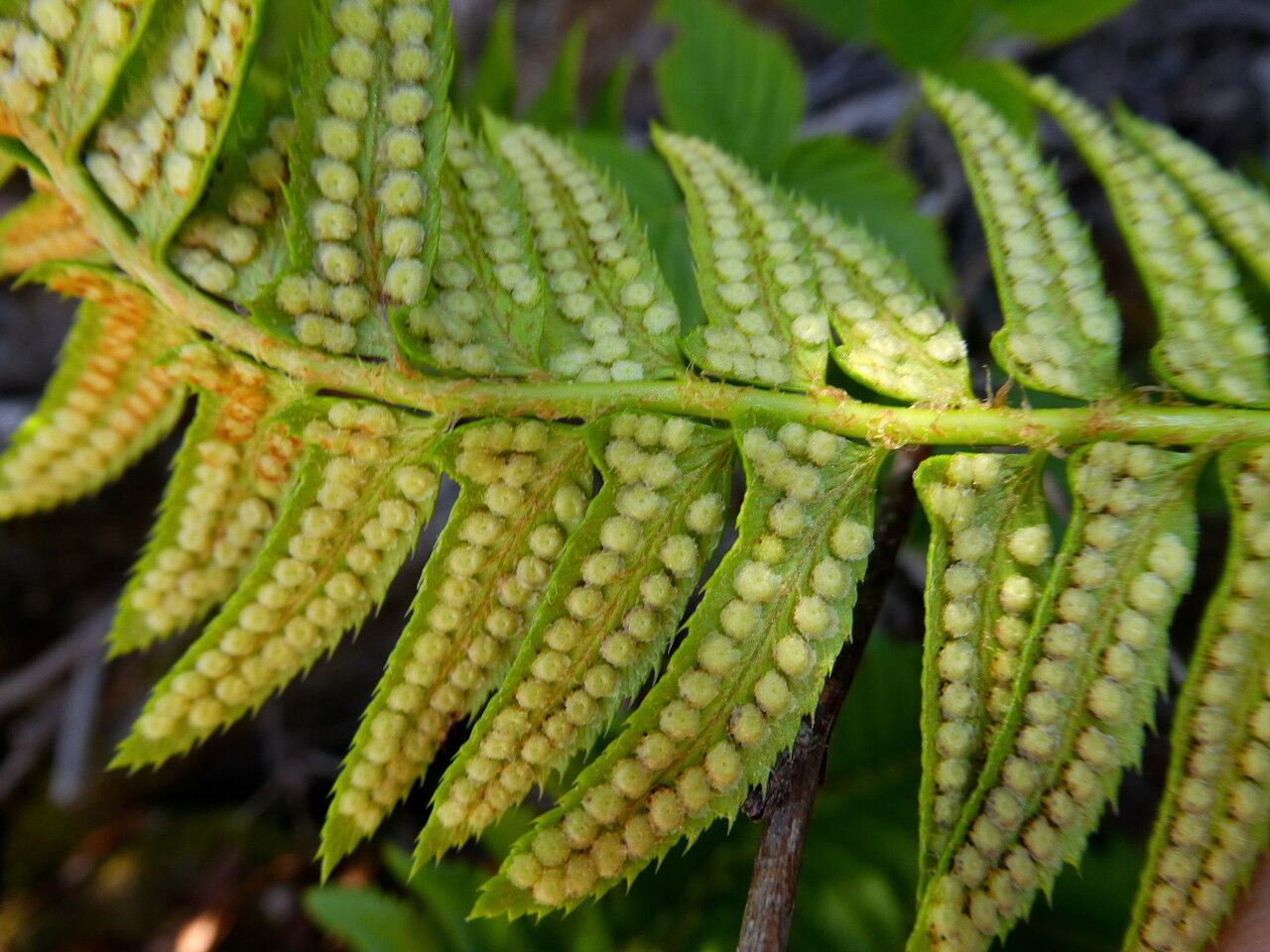
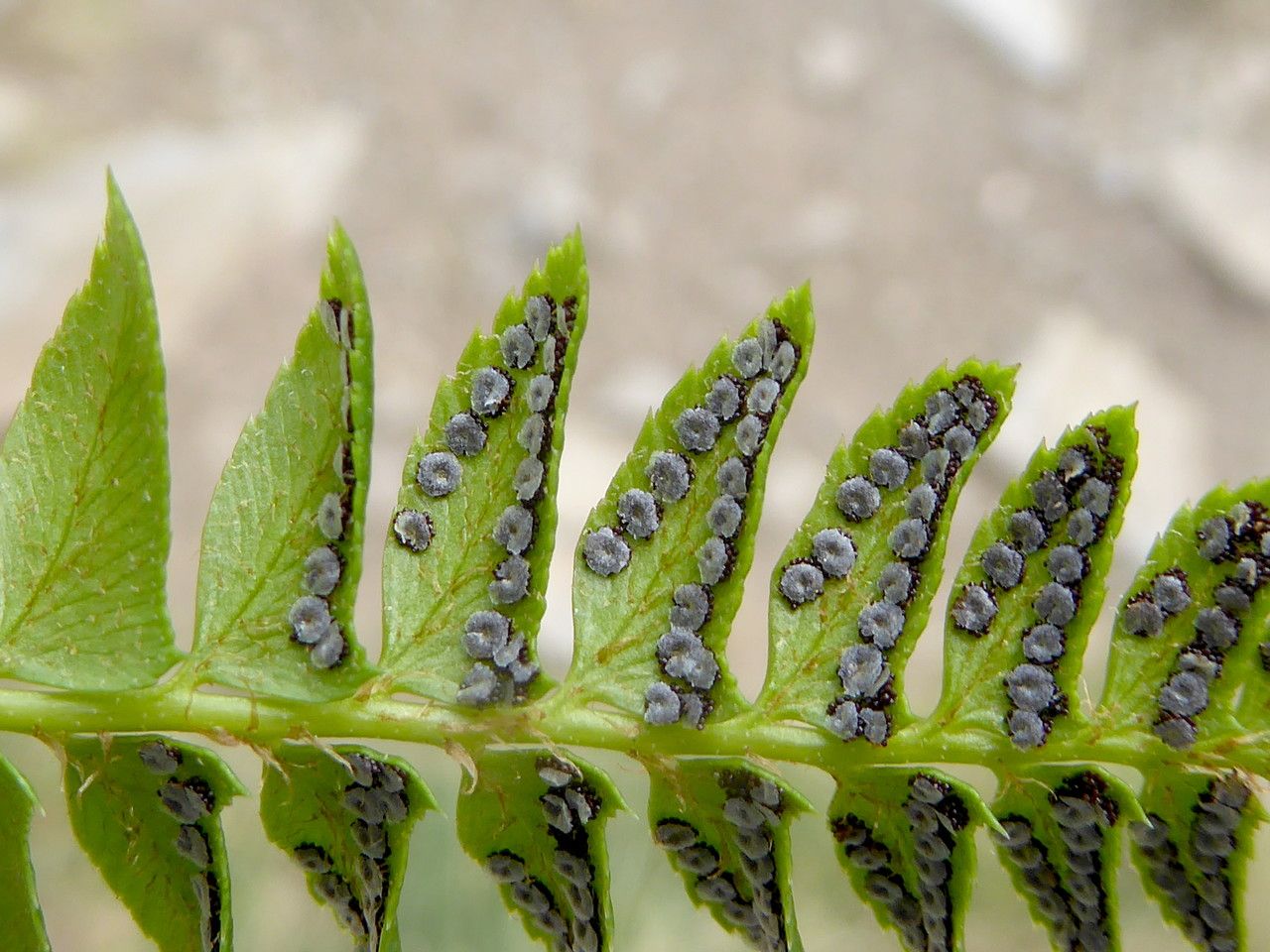
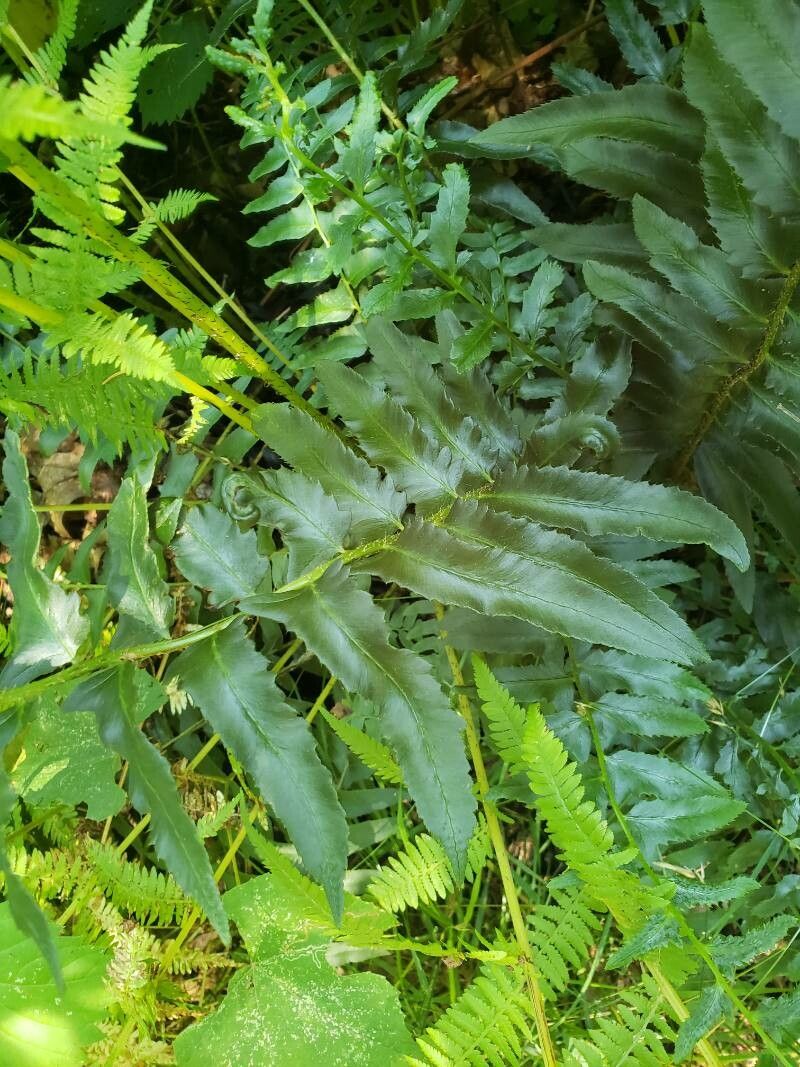
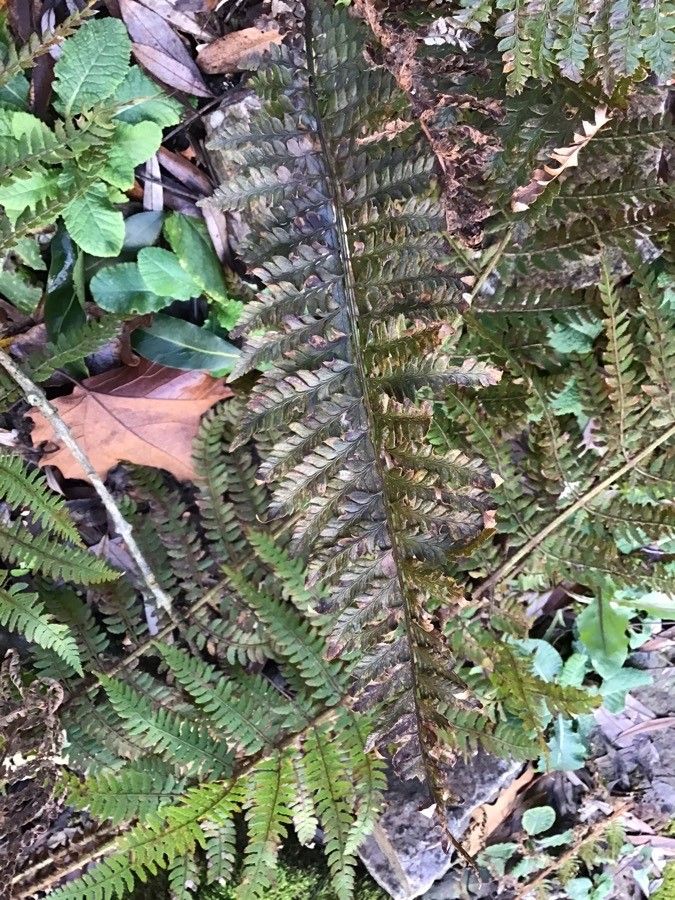
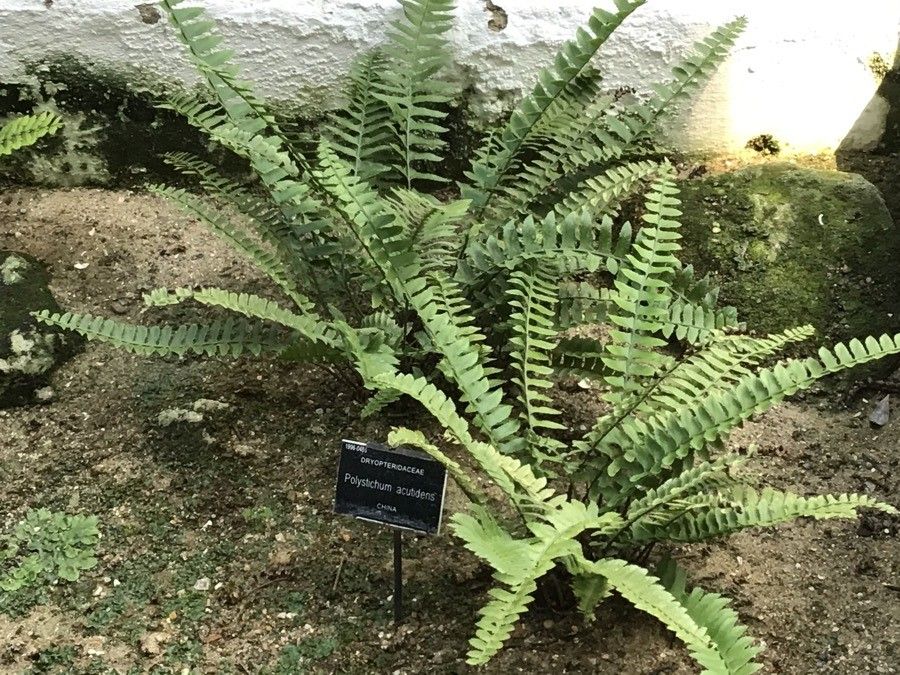
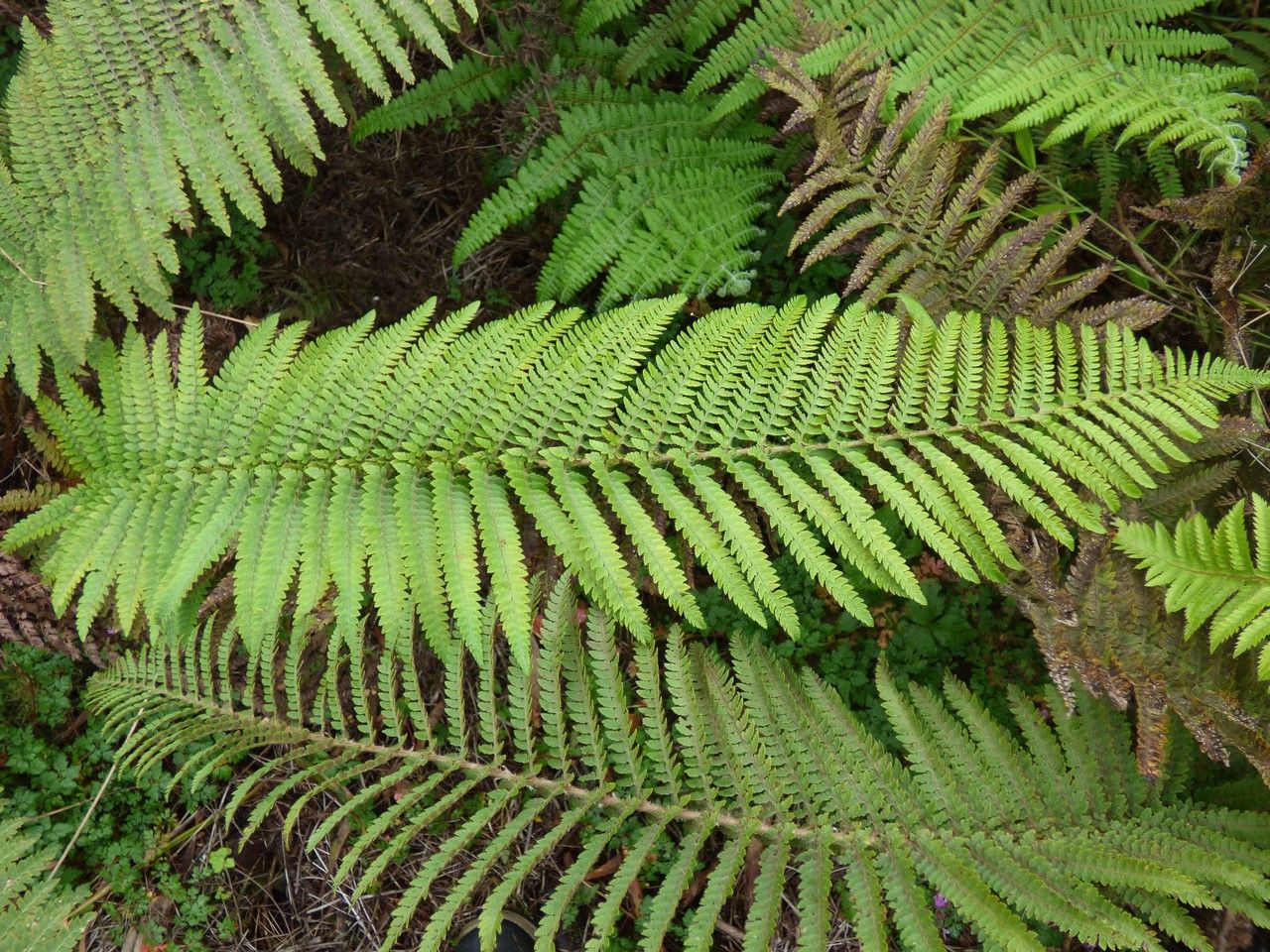
Polystichum lonchitis, commonly known as the Holly Fern, is a species of fern in the family Dryopteridaceae. Native to Europe and Asia, this fern typically thrives in rocky areas, woodlands, and on cliffs. It features distinctive, glossy green fronds that are leathery in texture and serrated along the edges. The fronds can reach up to 60 cm in length and 15 cm in width.
The Holly Fern is an evergreen plant that can withstand cold temperatures, making it well-suited for colder climates. It prefers well-drained soil with moderate moisture levels but can adapt to dry soil conditions once established.
Historically, indigenous peoples have utilized the Holly Fern for its medicinal properties. Its anti-inflammatory characteristics were believed to help treat various ailments like arthritis and rheumatism.
Beyond its medicinal uses, Polystichum lonchitis is also valued as an ornamental plant. Its attractive appearance makes it a popular choice for gardens or indoor spaces such as offices and homes.
In summary, Polystichum lonchitis is a versatile fern species that offers both aesthetic appeal and potential health benefits, making it an excellent addition to any garden or indoor setting.
Botanical profile.
- Plant Type
- Herb
- Life Cycle
- Perennial
- Genus
- Polystichum
- Family
- Polypodiaceae
- Hardiness Zone
- 3-8
- Mature Height
- 15 cm to 30 cm
- Mature Spread
- 30 cm to 61 cm
- Leaf Color
- Dark Green, Forest Green
- Leaf Type
- Evergreen
- Planting Time
- Spring, Summer
- Native Area
- Turkey, Sweden, India, Austria, Slovakia, Montenegro, Pakistan, Slovenia, Morocco, Croatia, Russia, Germany, Iceland, Estonia, Romania, Latvia, Belgium, Netherlands, France, Tajikistan, Czech Republic, Bulgaria, Armenia, Poland, Greece, Ukraine, Serbia, China, Norway, Afghanistan, Kyrgyzstan, Kazakhstan, Italy, Spain, Switzerland, Denmark, Japan, Finland, Iran, Albania, Ireland, United Kingdom, Hungary, Azerbaijan
Other names.