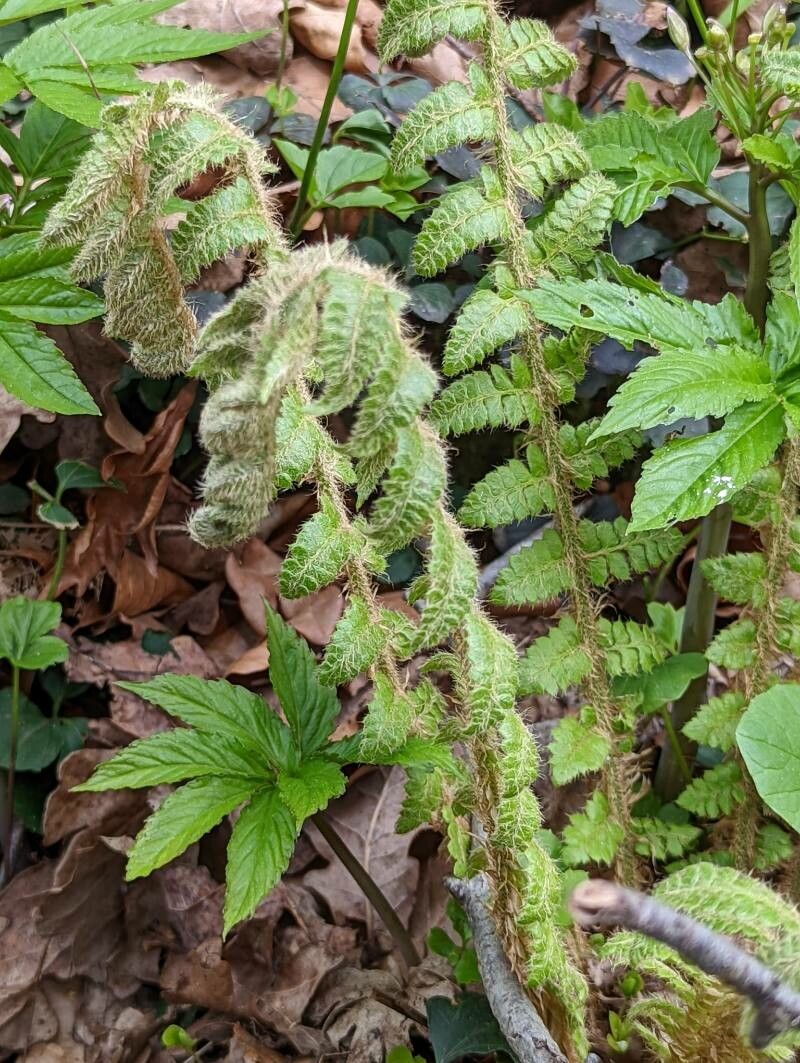
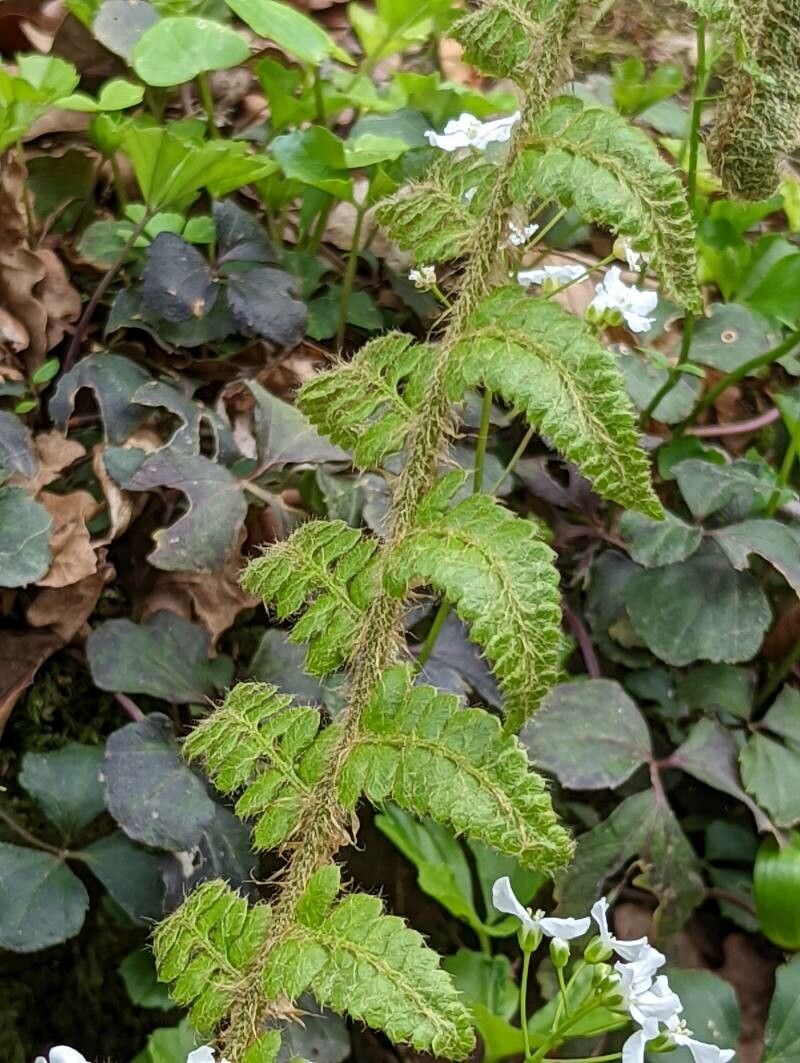
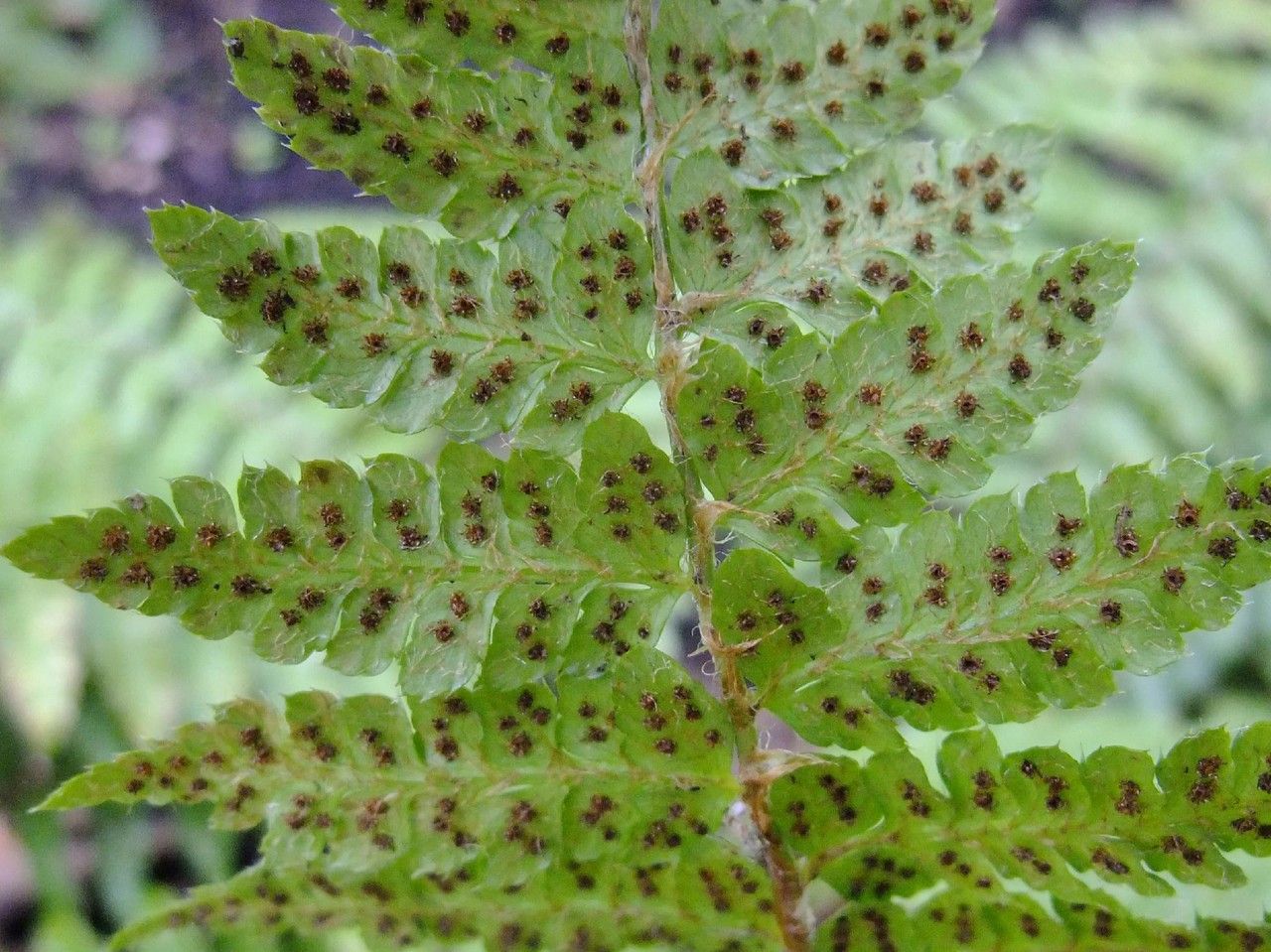
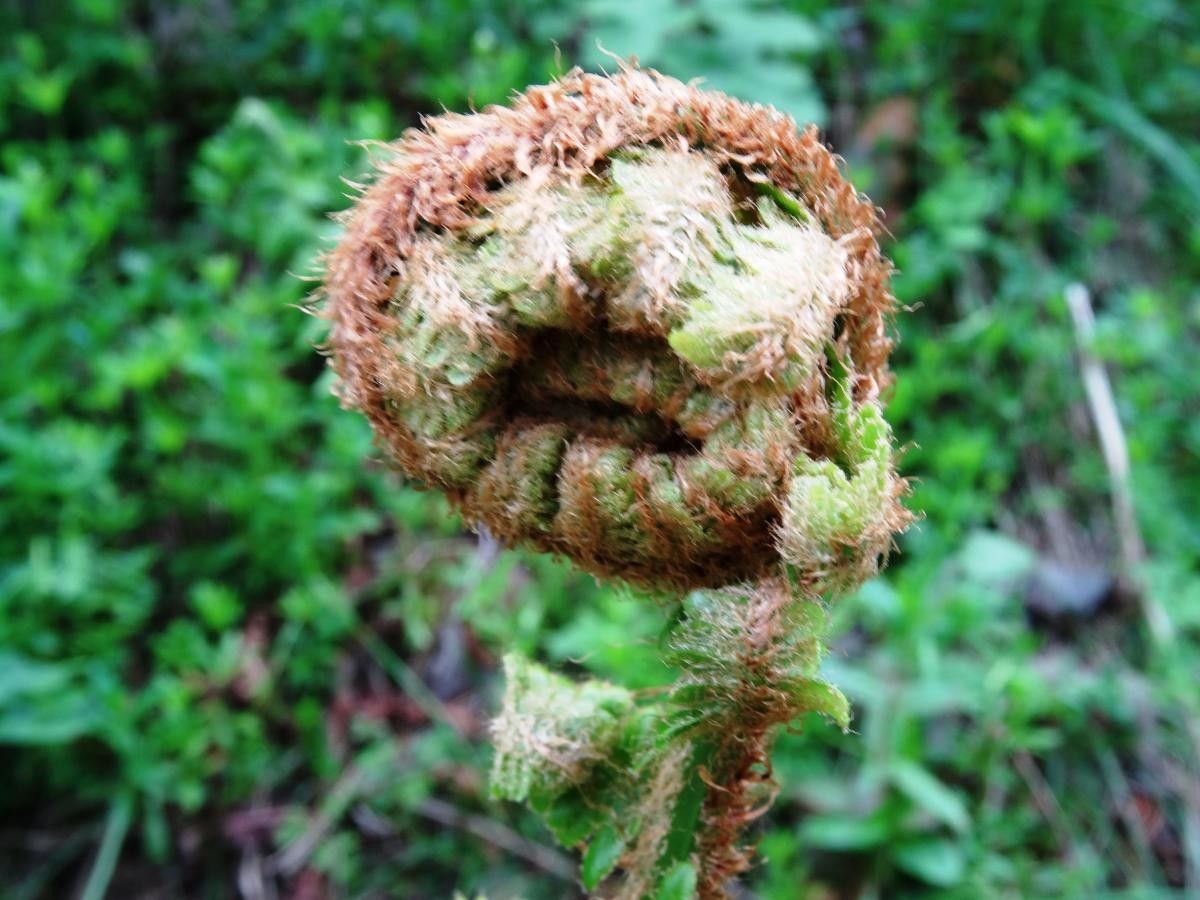
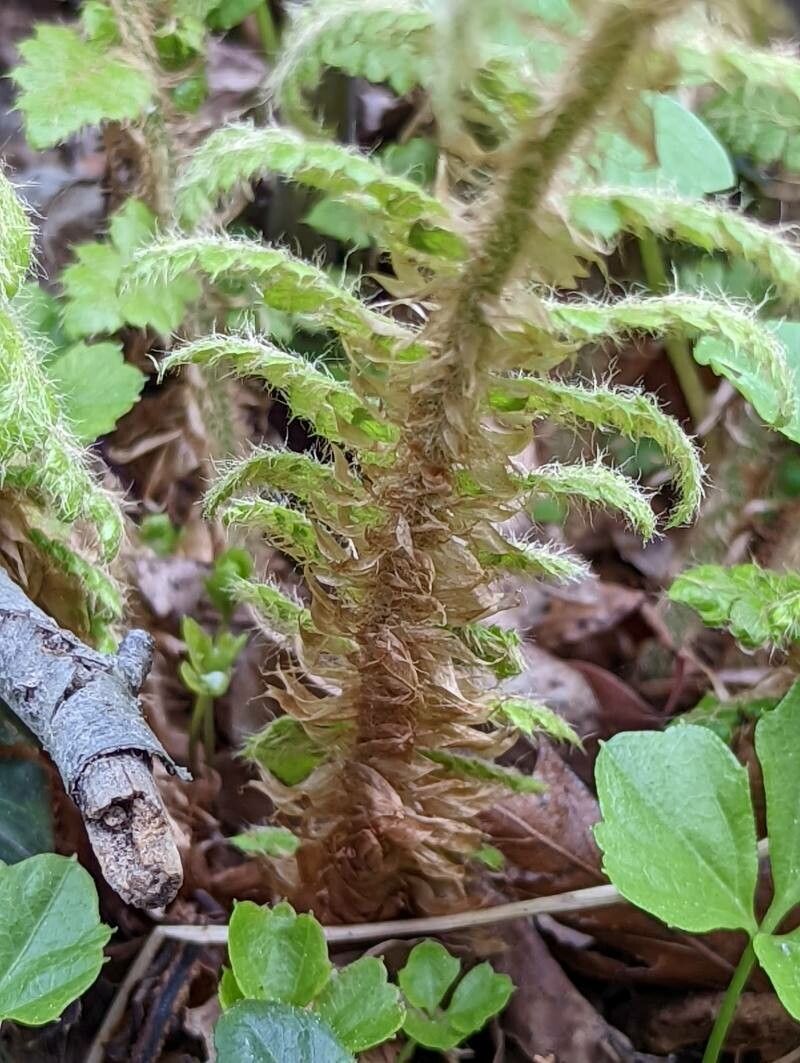
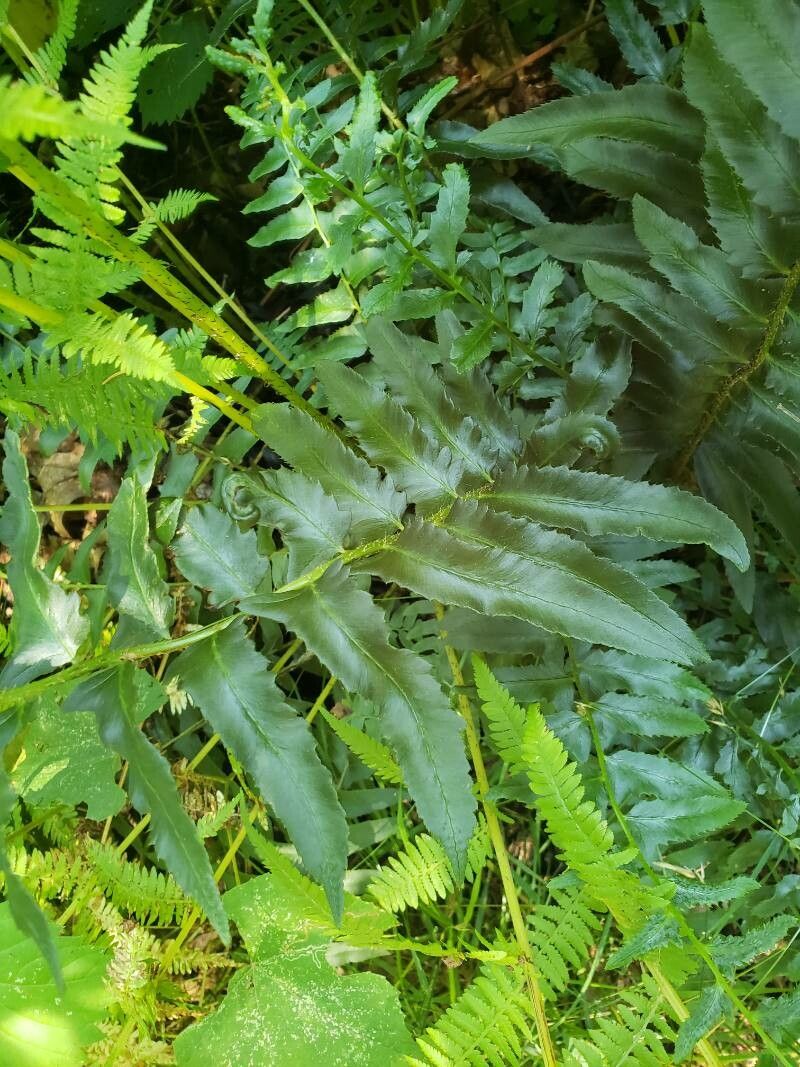
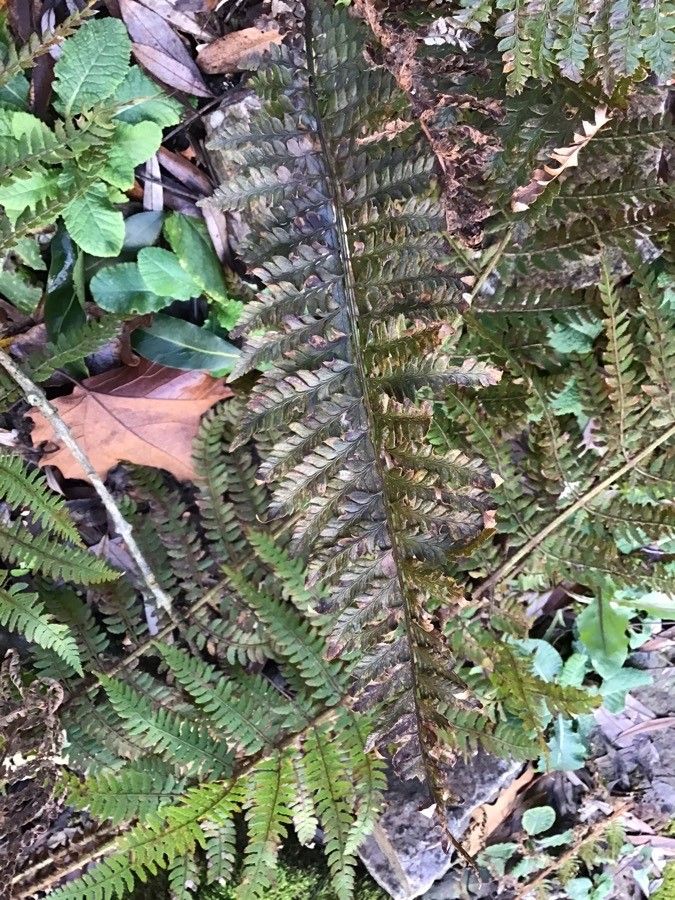
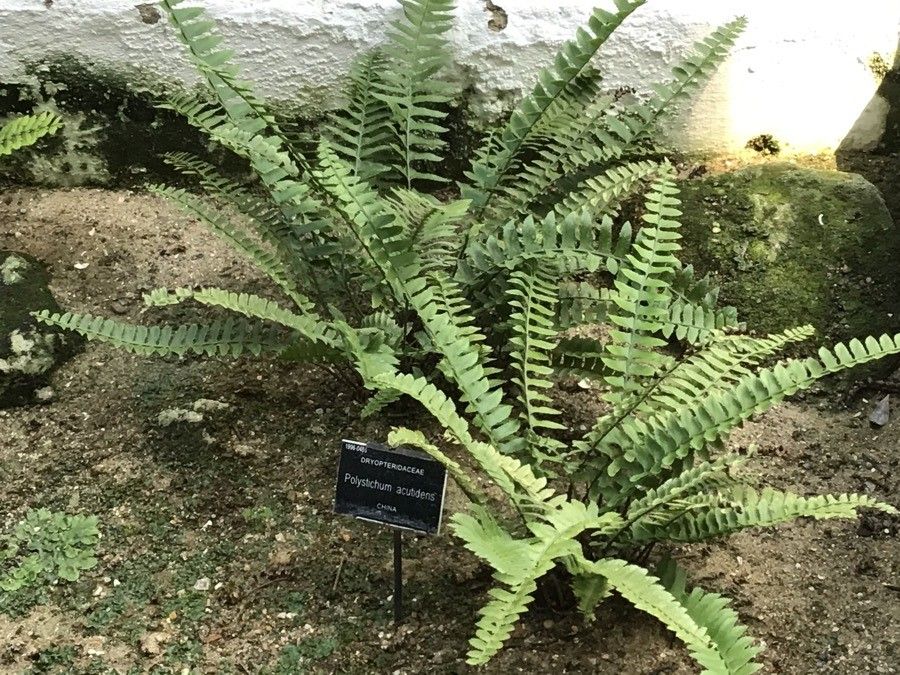
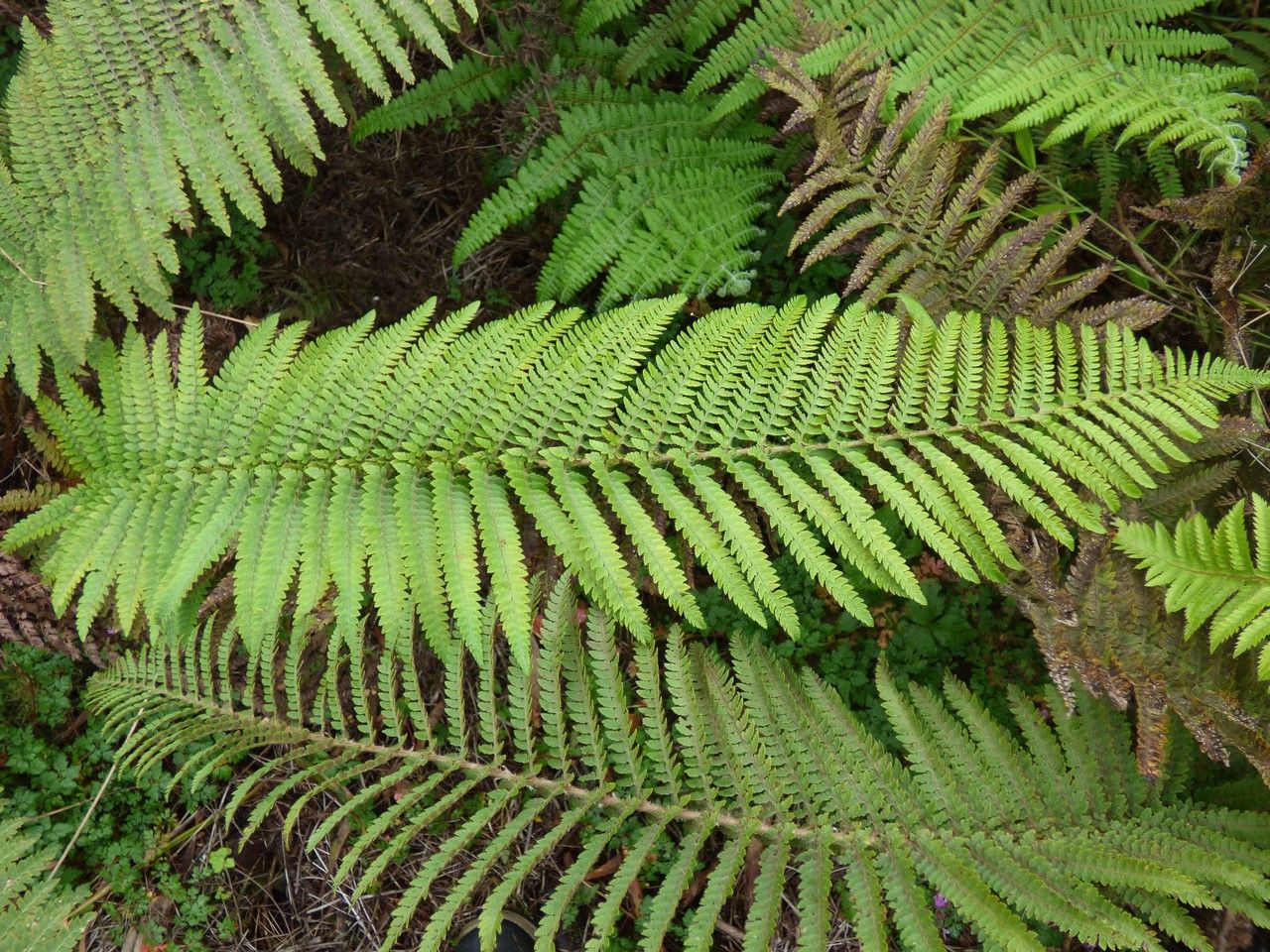
Polystichum braunii, commonly known as Braun's holly fern, is a species of fern native to the western United States. It typically thrives in moist, shaded areas such as forests and canyons. The fronds of this fern are dark green, leathery, and have a glossy texture. They can grow up to 2 feet in length and are divided into numerous leaflets, giving them a feathery appearance.
Braun's holly fern is an evergreen plant that provides year-round interest in the garden. It prefers well-drained soil rich in organic matter and requires regular watering to maintain its lush appearance. This plant is relatively low-maintenance and can be propagated by division or spores.
Beyond its ornamental value, Polystichum braunii has been used for medicinal purposes by Native American tribes for centuries. The roots were traditionally used to treat various ailments, including headaches, fever, and rheumatism.
Overall, Polystichum braunii is an attractive evergreen fern that adds texture and interest to shaded garden areas while also possessing historical medicinal uses.
Braun's Holly Fern has strong resistance to disease and is generally unlikely to suffer from illnesses. Still, it can be affected by pests and diseases present in its environment, though such infections are typically mild. Regarding care, this plant needs moderate maintenance. It should be pruned on a regular basis to preserve an attractive appearance and healthy growth. Applying fertilizer can also encourage flowering. Braun's Holly Fern is appropriate for anyone with outdoor areas, like a garden or patio, and does not demand extensive care experience. It may need more attention when kept indoors.
How to keep Polystichum Braunii.
Light
Braun's holly fern does best where it receives very little daylight. It can tolerate a bit of sun, but continuous full-day sunlight can harm its growth. Native to regions with dense canopy cover, a lack of light can make it prone to poor color and stunted growth.
Water
The Braun's Holly Fern flourishes in moist, well-drained soil and needs to be watered weekly to stay hydrated. This ornamental fern, which is well-suited to environments with higher humidity, is often cultivated indoors. Once established, it can tolerate moderate drought, maintaining its lush foliage all year round.
Temperature
Braun's Holly Fern is native to temperate regions and fares well in temperatures between 32 and 89.6°F (0 to 32 ℃). For best growth, keep conditions within this temperature range. Adjust seasonally when needed, making sure it is never exposed to temperatures below freezing.
Fertilizer
One application of fertilizer in spring is usually enough for Braun's Holly Fern, though multiple feedings can maximize growth. Feed every month to a month and a half. Fertilization improves leaf appearance and function, helping maintain consistent color and a healthy texture. It also promotes root growth and nutrient absorption for long-term plant health.
Pruning
The Braun's Holly Fern is a plant known for its glossy green fronds. To maintain its health and appearance, it is best to prune this fern from early to late spring. Focus on removing any damaged fronds to improve health and increase airflow. Be careful to avoid heavy pruning, as this can stress the plant. Additionally, ensure your tools are sanitized before use to prevent infections and support the fern's vitality and beauty.
Botanical profile.
- Plant Type
- Herb
- Life Cycle
- Perennial
- Genus
- Polystichum
- Family
- Polypodiaceae
- Hardiness Zone
- 3-8
- Mature Height
- 61 cm to 91 cm
- Mature Spread
- 61 cm
- Leaf Color
- Green
- Leaf Type
- Evergreen
- Planting Time
- Spring
- Harvest Time
- Late spring
- Native Area
- Turkey, Sweden, Austria, Slovakia, Montenegro, Slovenia, Croatia, Belarus, Russia, Germany, Koppen, South Korea, Latvia, Romania, France, Czech Republic, Bulgaria, Armenia, Poland, Ukraine, Serbia, China, Norway, Italy, Kazakhstan, Spain, Switzerland, Japan, Iran, Azerbaijan, Hungary
Other names.
Reader questions.
How should I water my Braun's Holly Fern?
To properly water the Braun's Holly Fern, it's best to use filtered water at room temperature. Tap water may contain harmful particles for this plant. Since the fern is accustomed to warm climates, it's important to avoid using cold water, which can be a shock to its system. Additionally, overhead watering should be avoided as it can lead to problems with the foliage. Instead, slowly pour the filtered, room temperature water onto the soil until it is completely soaked. This technique benefits the plant by keeping the roots moist and allowing them to continue spreading and absorbing essential nutrients from the soil.
Why is it necessary to give my Braun's Holly Fern fertilizers?
To ensure that the leaves of your Braun's Holly Fern look great and function properly, proper fertilization is crucial. It not only helps maintain consistent leaf color and texture but also supports the growth of new roots and sustains existing root systems below the soil. This means that fertilization benefits both the current health and future nutrient absorption of your plant.
What are the sunlight requirements for Braun's Holly Fern?
Braun's Holly Fern thrives under specific light conditions to maintain its health and growth. It requires full shade, meaning it should receive less than 3 hours of direct sunlight per day, or partial sun, about 3-6 hours of sunlight. It's essential to observe how sunlight moves through your garden to choose spots that provide a perfect balance of light and shade, ensuring the plant's happiness.
What is the ideal temperature range for Braun's Holly Fern?
Braun's Holly Fern thrives in temperate environments, with an ideal temperature range between 32 to 89.6°F (0 to 32°C). To ensure optimum growth, it's important to maintain this temperature range throughout the year. While the plant has strong cold resistance and usually doesn't require special frost protection in winter, it's essential to protect it if temperatures are expected to drop below -35°C by covering the fern with soil or straw. Additionally, watering the plant abundantly before the first freeze in autumn helps keep the soil moist, which is vital for the plant's survival through winter and early spring.
What should I do if I give my Braun's Holly Fern too much or too little water?
Overwatering and underwatering can both harm your Braun's Holly Fern, but overwatering is more commonly a problem. Too much water can cause wilting and yellowing of the stems and leaves. Prolonged overwatering can also lead to diseases like root rot, mold, and mildew, which can be deadly for your plant. Underwatering is less likely to occur since the Braun's Holly Fern is drought tolerant. However, if it does happen, the leaves will become brittle and brown. It's important to recognize signs of overwatering early to prevent irreversible damage. If you notice these signs, reduce your watering schedule immediately. Check the soil drainage and replace it with a well-draining potting mix if it drains poorly. If your Braun's Holly Fern shows signs of insufficient watering, simply increase your watering frequency until the signs disappear.
When should I fertilize my Braun's Holly Fern?
When you grow your Braun's Holly Fern outside, it will start sending new growth in early spring. This is the cue to start fertilizing for the year. A single application of fertilizer in the spring is usually sufficient for the fern to thrive. However, if you want to promote maximum growth, you can fertilize it multiple times during the spring and early summer. In this case, you can feed the fern once every month to a month and a half.
What essentials should I consider for growing Braun's Holly Fern indoors?
When growing Braun's Holly Fern indoors, it's crucial to replicate its natural habitat to some extent. The fern thrives in minimal daylight and can endure limited sun exposure; however, full day sun can be detrimental. Indoor plants might require artificial lighting to compensate for light deficiencies, especially in areas with less natural sunlight or during winter. LED lights are recommended, providing 10-20W/sq ft for full shade plants like Braun's Holly Fern. The artificial light source should be placed 12-36 inches above the plant for 8-12 hours per day to mimic natural daylight conditions.
How does Braun's Holly Fern react to low temperatures?
Braun's Holly Fern is quite cold-tolerant, performing best when the temperature stays above 0°C. However, during winter, temperatures should ideally remain above -30°C. If temperatures fall below -35°C, the fern may not exhibit noticeable changes immediately, but there can be a decreased sprouting or complete absence of sprouting when spring arrives. The recommended solution to tackle damage from low temperatures is to remove any parts of the plant that have failed to sprout in spring.
How frequently should I water my Braun's Holly Fern?
If you have a potted plant, the best way to determine if your Braun's Holly Fern needs water is by sticking your finger into the soil. If the top two to three inches of soil are dry, it's time to water. The same method can be used for outdoor plants in the ground. Once the top few inches of soil have dried out, it's time to water. Typically, watering once a week is sufficient during spring and early fall. However, during extremely hot weather, you may need to water twice or more per week. It's important to note that mature and well-established Braun's Holly Ferns can withstand drought conditions.
When should I not add fertilizer to my Braun's Holly Fern?
During late fall and winter, your Braun's Holly Fern will go into a dormant phase and stop growing. As a result, it is recommended to avoid fertilizing it during this time. However, if you decide to fertilize it during spring and summer, it is important to gradually reduce the frequency as summer approaches, because the growth rate of the fern will also slow down. It is generally not a good idea to fertilize your Braun's Holly Fern when the weather is extremely hot or the soil is very dry, as this can cause stress and premature death of the fern.
What are symptoms of light deficiency or overexposure in Braun's Holly Fern?
Braun's Holly Fern may show various symptoms when grown under inadequate light conditions or when exposed to too much sunlight. Light deficiency can lead to smaller new leaves, leggy or sparse growth, faster leaf drop, slower or no new growth, and lighter-colored new leaves. Overexposure to sunlight can cause chlorosis, sunscald, leaf curling, wilting, and leaf scorching. These symptoms indicate the plant is struggling with its current light conditions.
What are the symptoms and solutions for Braun's Holly Fern when exposed to high temperatures?
During summer, it's important to keep Braun's Holly Fern's temperature below 32°C. Exceeding 35°C can cause the leaves to lighten in color, become prone to curling, suffer from sunburn, and, in severe cases, the entire plant may wilt and dry out. To address these issues, trim away the sunburned and dried-up parts of the plant. Relocating the plant to a shaded area during the midday and afternoon sun or using a shade cloth can be effective. Ensuring the soil remains moist by watering the plant in the morning and evening is also crucial during hot periods.