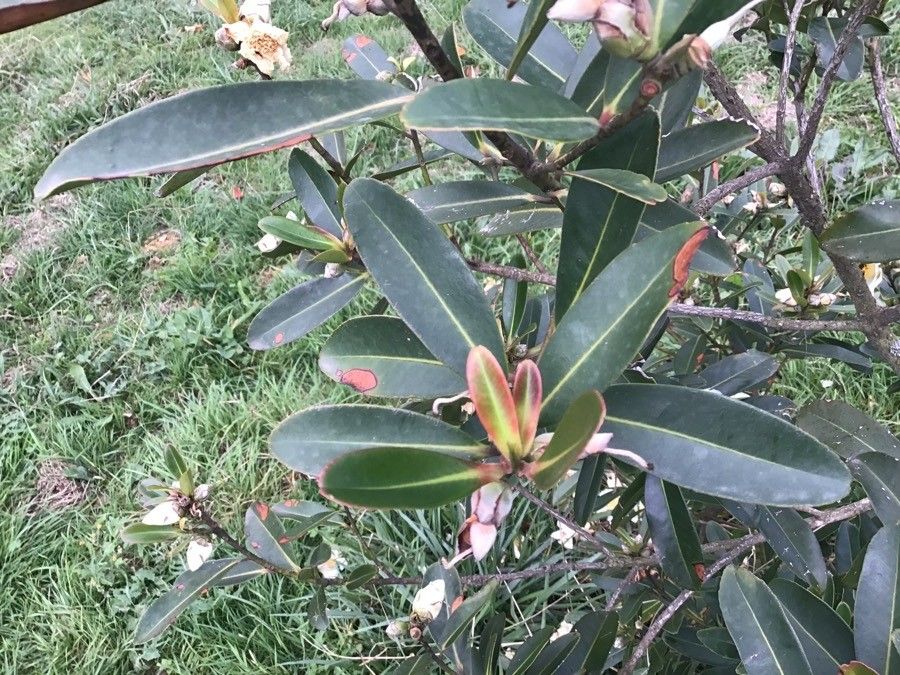
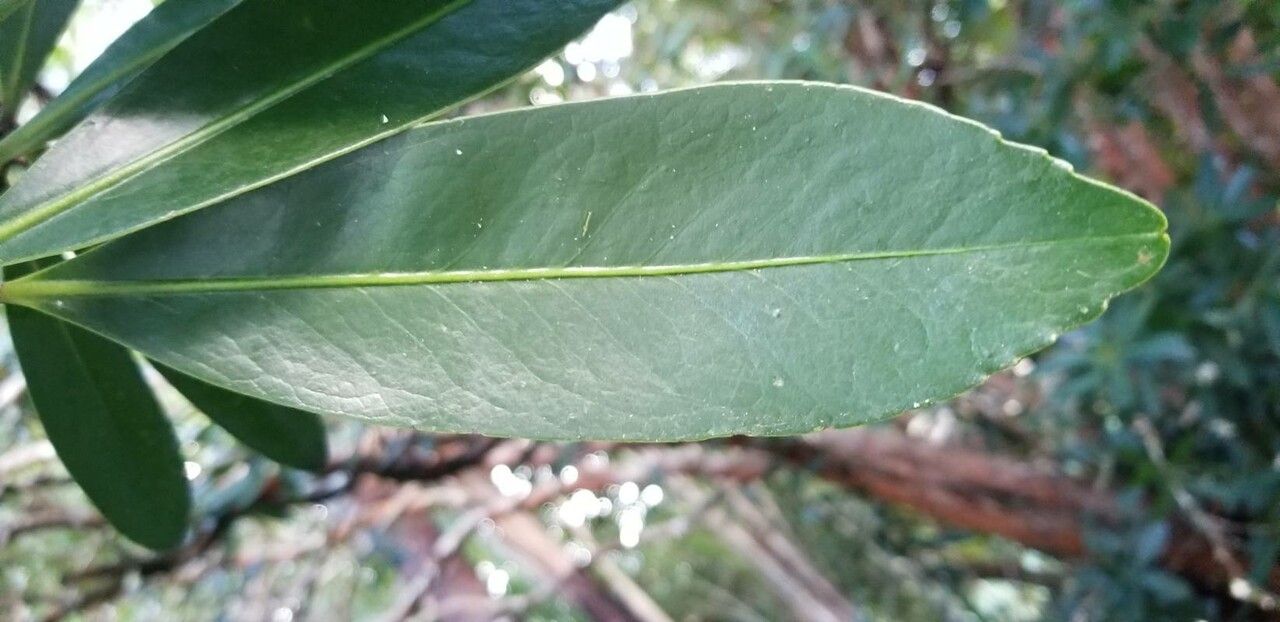
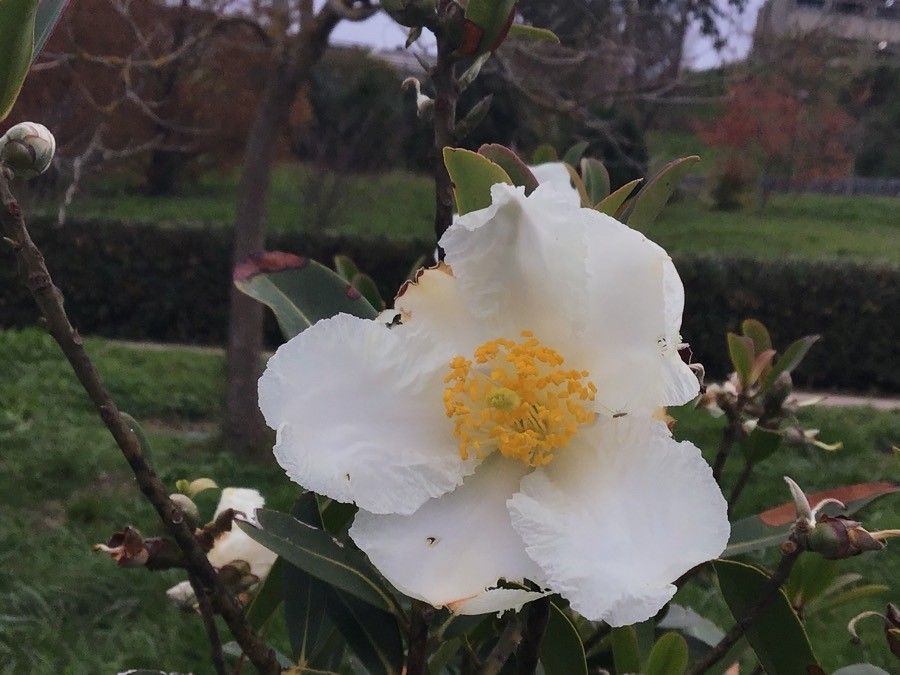
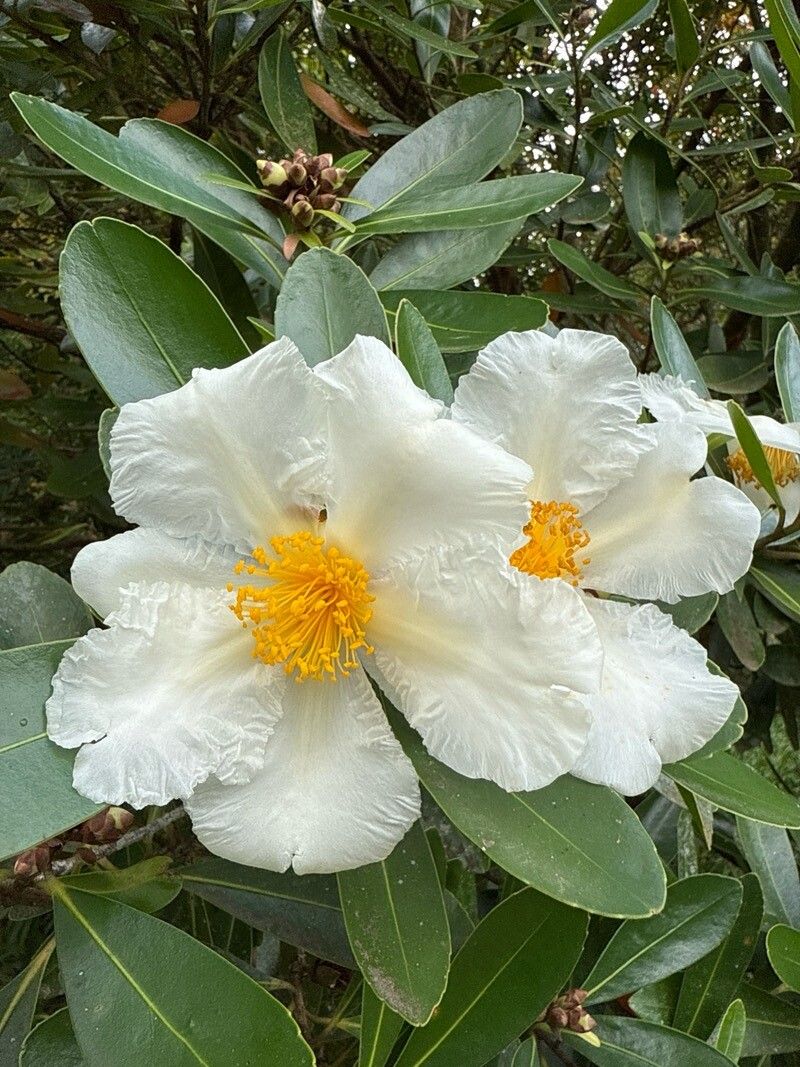
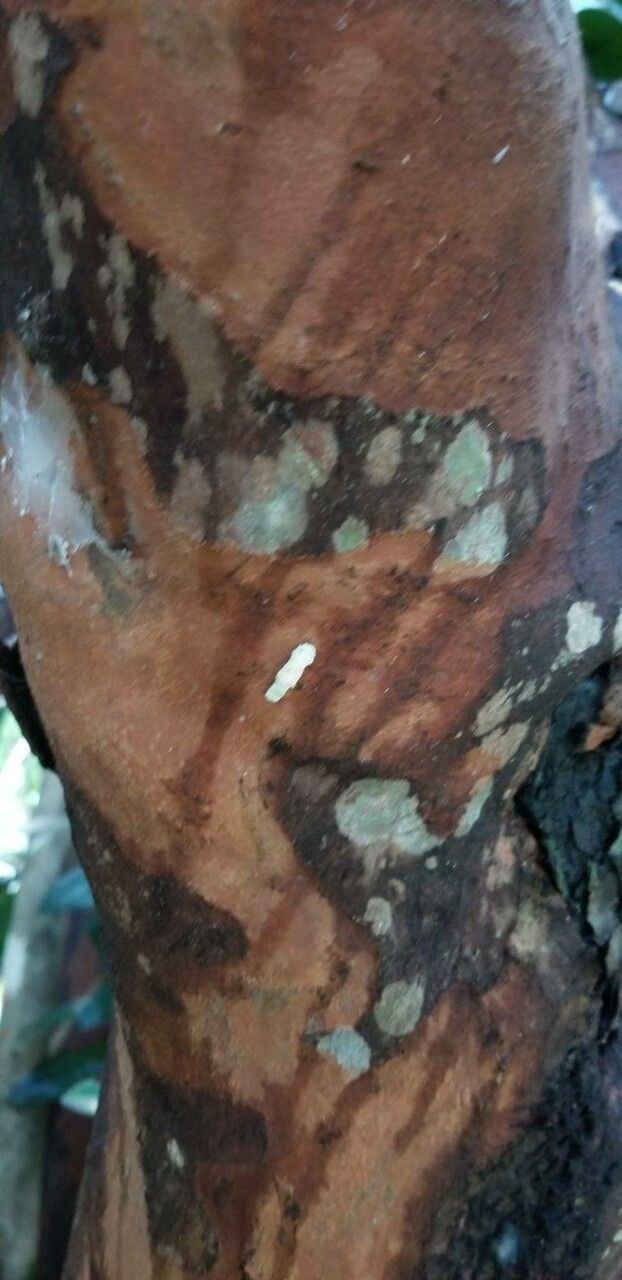
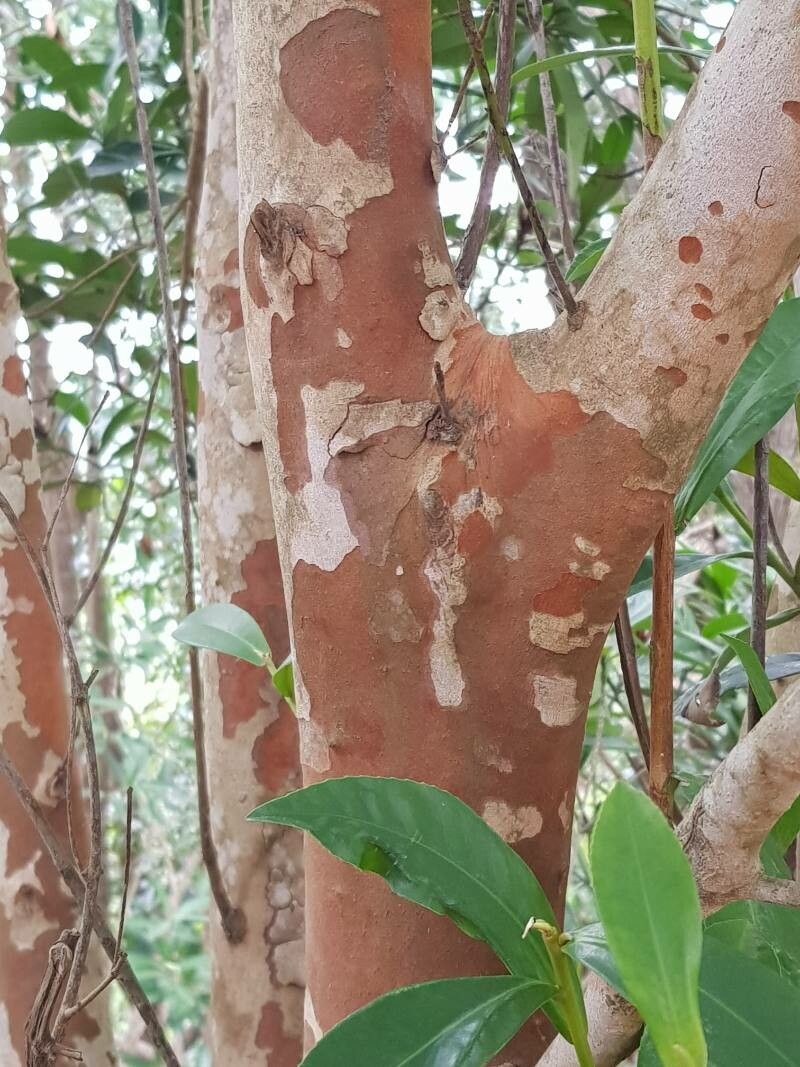
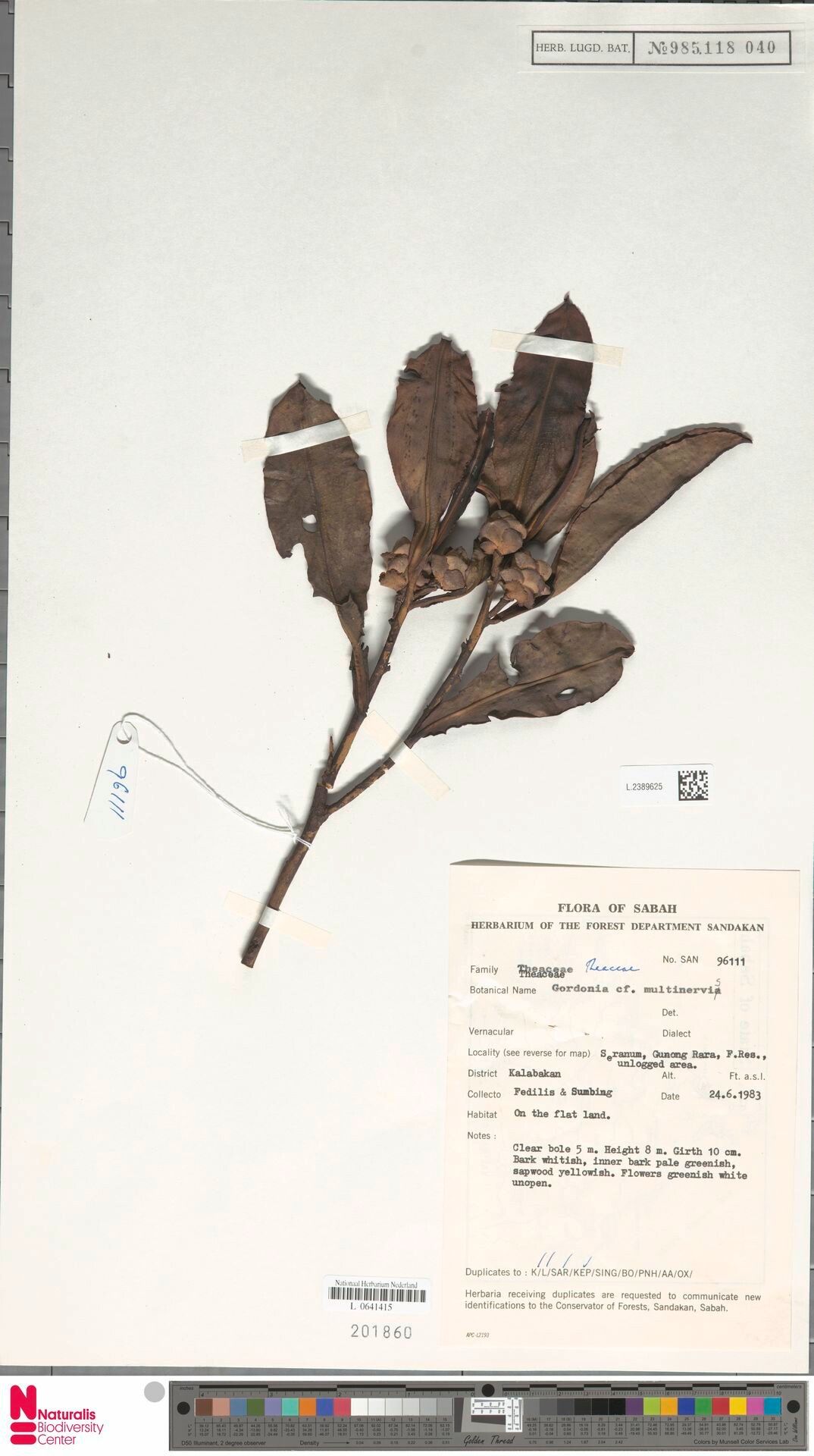
Polyspora axillaris is a species of evergreen tree or shrub that can grow up to 9 m tall. It is commonly known as fried egg plant or fried egg tree for its white and yellow flower. The species is found in southern China, including Hong Kong and Hainan, Taiwan and Vietnam. It is a garden tree all over the world.
The fried egg plant is well resistant to disease and generally not susceptible to illnesses. Regarding care, it is fairly low-maintenance. Planted outdoors, it needs only light watering, and larger specimens typically do not require pruning. Smaller plants should be pruned after they have finished flowering. The fried egg plant is suitable for anyone with an outdoor area, such as a garden or deck, and does not demand extensive gardening experience.
How to keep Polyspora Axillaris.
Light
The fried egg plant does best with abundant sunlight, which is crucial for strong growth. Native to sunny areas, it can tolerate moderate light, but long stretches with too little sun may hinder its development. Both excessive and insufficient light can negatively affect its health.
Water
The fried egg plant is well-suited to areas with infrequent rainfall, requiring watering only once every 2 to 3 weeks. It originates from arid regions and can withstand dry spells effectively. When grown outdoors, it is important to manage moisture carefully to avoid overwatering, especially during its active growing season.
Temperature
The fried egg plant favors temperatures of 59 to 95 °F (15 to 35 ℃), a preference rooted in its native temperate regions. Careful attention to seasonal temperature changes is recommended to maintain its continuous healthy growth.
Fertilizer
The timing is critical for fertilizing the Fried egg plant. Apply fertilizer in early spring and continue monthly until early summer. Fertilizer promotes attractive blooms and supplies energy during both dormant and active growth stages.
Pruning
For the best results, prune your fried egg plant during its dormant period, from early to late winter. Start by removing any dead or diseased branches, and then thin out crowded areas to improve air circulation. Be careful not to over-prune, as this can affect healthy flowering. Proper pruning helps maintain the plant’s shape and health while encouraging robust growth and abundant blossoms for the following season.
Botanical profile.
- Plant Type
- Tree, Shrub
- Life Cycle
- Perennial
- Genus
- Polyspora
- Family
- Theaceae
- Hardiness Zone
- 8-10
- Mature Height
- 2.44 m to 6.1 m
- Mature Spread
- 3.05 m to 3.66 m
- Leaf Color
- Dark Green, Forest Green
- Leaf Type
- Evergreen
- Flower Color
- White
- Flower Size
- 7.62 cm to 15.24 cm
- Bloom Time
- Winter, Early spring, Mid spring
- Planting Time
- Spring, Summer, Autumn
- Harvest Time
- Late spring, Summer
- Native Area
- Vietnam, Myanmar, China
Other names.