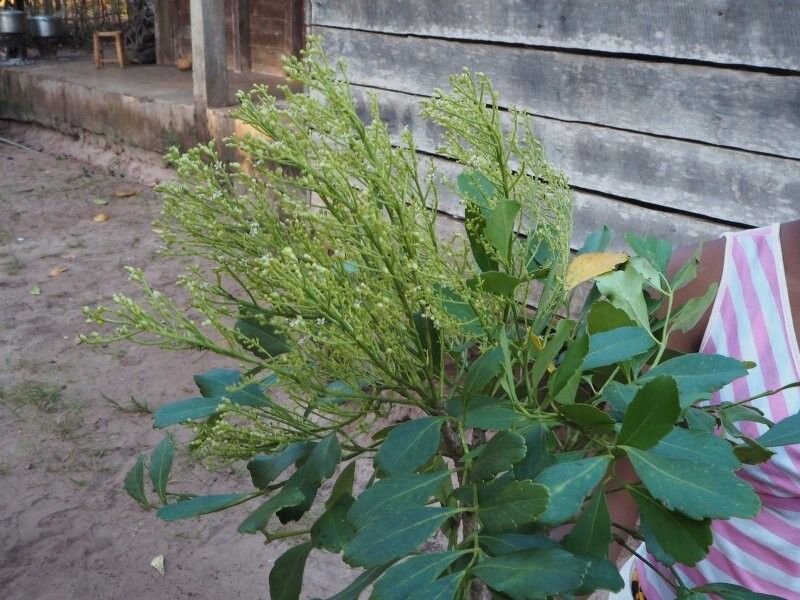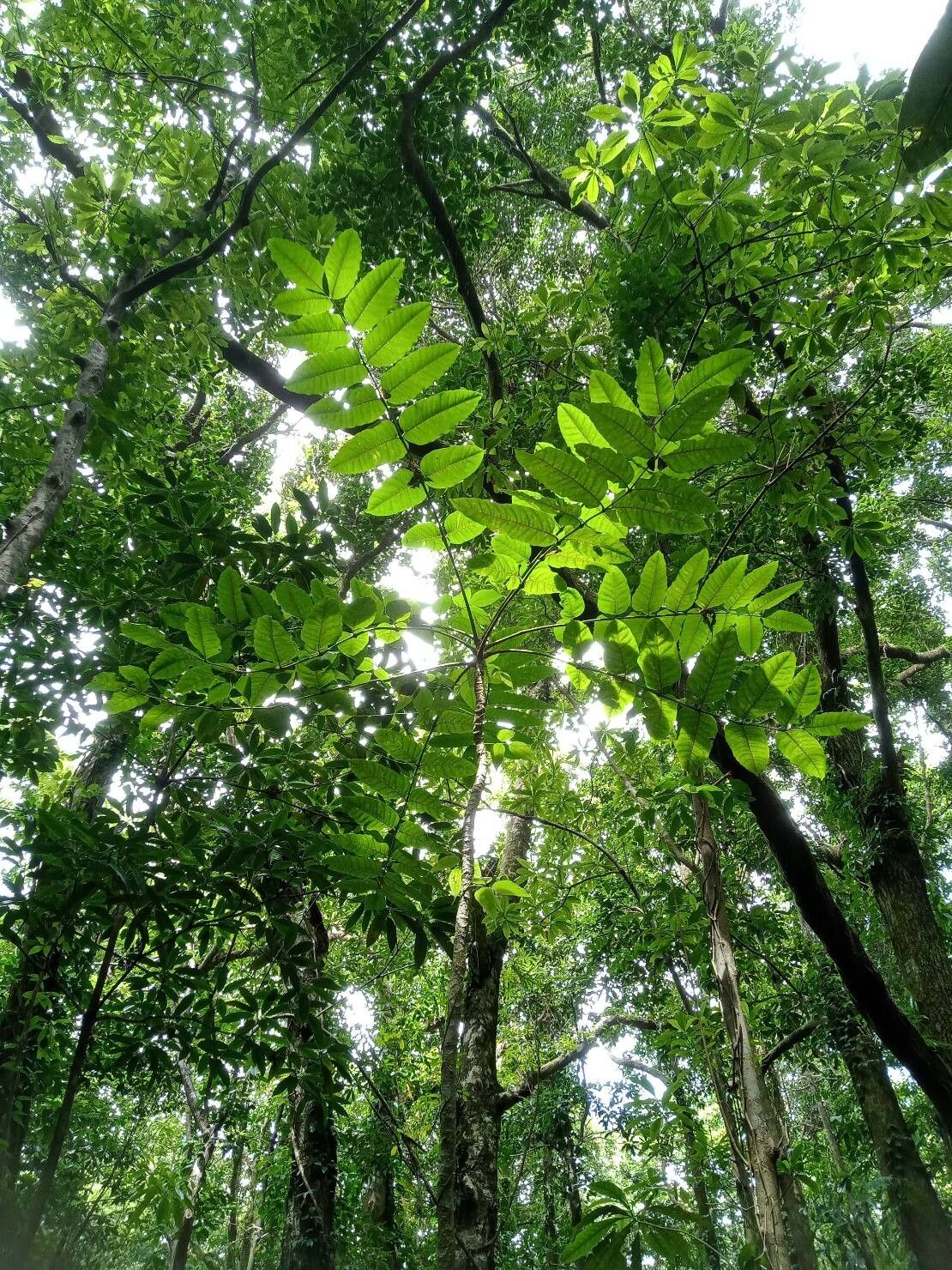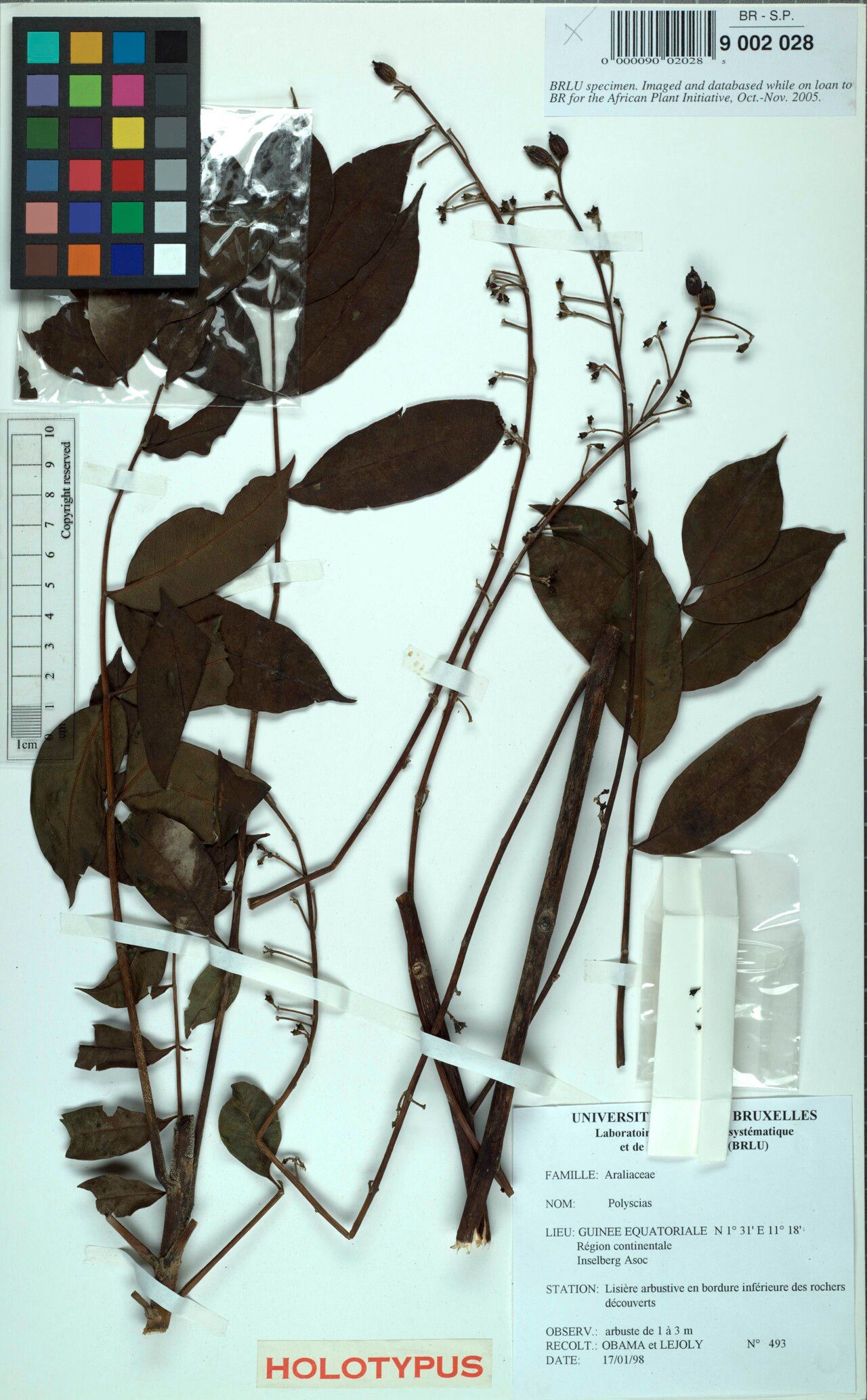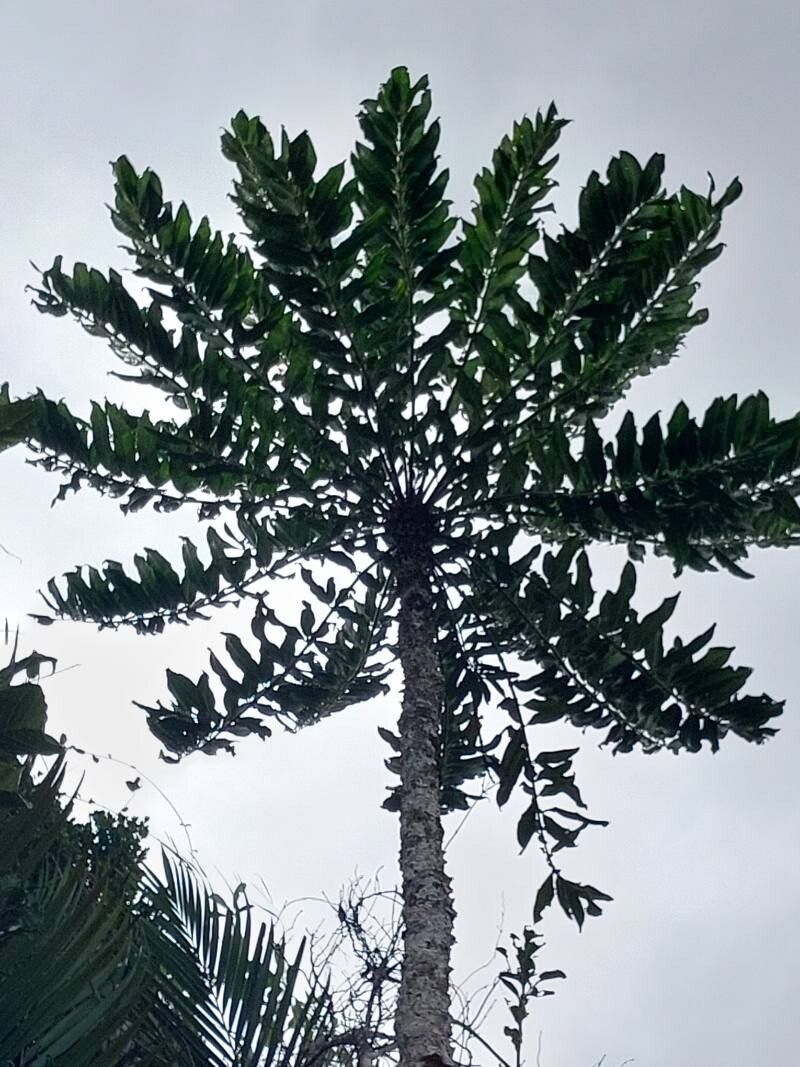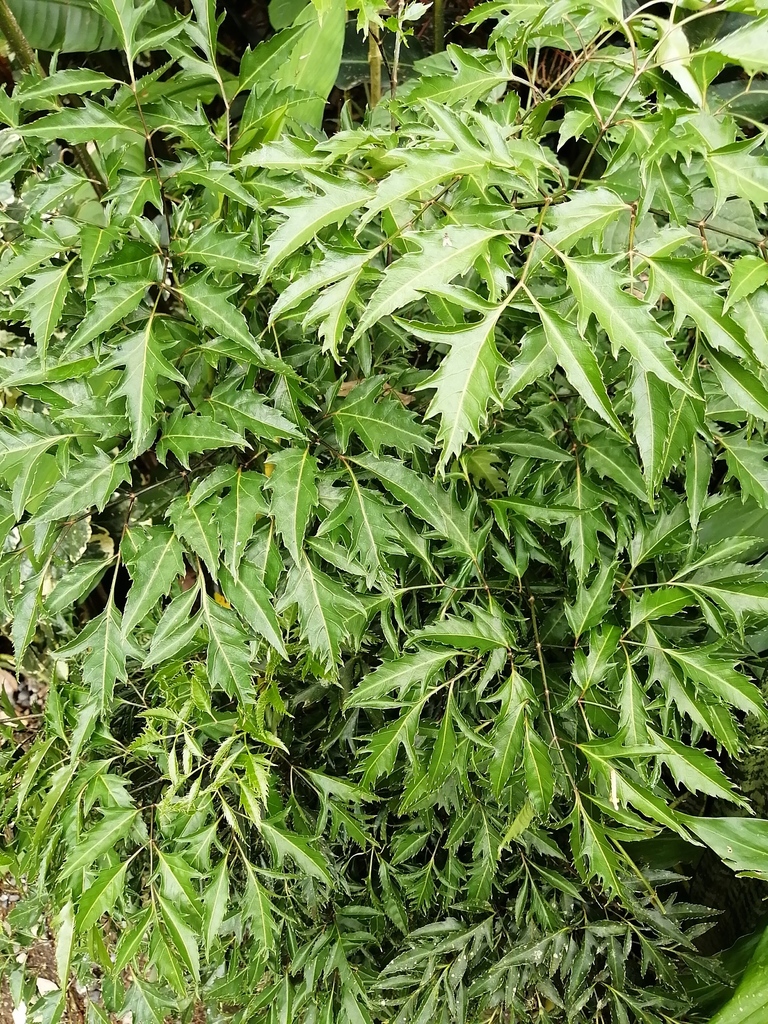
Polyscias fruticosa, commonly known as Ming Aralia or Parsley Aralia, is a popular houseplant that belongs to the Araliaceae family. Native to the Pacific Islands and Southeast Asia, it can grow up to 6 feet tall indoors. This plant features a woody stem adorned with glossy green leaves, which are finely divided into leaflets resembling parsley. The leaves are arranged alternately along the stem, enhancing its attractive appearance.
Polyscias fruticosa thrives in bright, indirect light and requires moderate watering. It prefers well-draining soil with good moisture retention and benefits from regular fertilization during its growing season, which spans from spring through summer.
Known for its air-purifying properties, Polyscias fruticosa can remove harmful toxins from indoor air, including formaldehyde, benzene, xylene, and trichloroethylene.
Ming aralia is a well-known ornamental houseplant and is also popular as a bonsai specimen. While it can reach a height of up to 2.5 meters, it can be trimmed to stay under 30 centimeters when grown as a bonsai. FUN FACT · FROM THE LIBRARY
In traditional medicine, Polyscias fruticosa has been used to treat various ailments. It is valued for its anti-inflammatory properties, which aid in fever reduction, pain relief, and wound healing.
Overall, Polyscias fruticosa is a beautiful houseplant that requires minimal care while providing numerous benefits, both aesthetically and functionally, within your home or office space.
Ming Aralia (Teatree): The Ming Aralia is a popular ornamental tree belonging to the aralia group of exotic plants. The name 'Ming' hints at the tree's Asian origins, as it is native to Southeast Asia and several tropical islands in the Pacific Ocean.
Ming aralia has a relatively high resistance to disease and is generally not susceptible to illnesses. Still, if it is grown in a poor environment, it can become more vulnerable to disease. It also attracts few insect pests. Regarding care, this plant has moderate needs. It requires ample sunlight; if it receives too little light it can become prone to disease and develop spindly growth. Because it is often kept indoors, it may need to be moved periodically to a brighter spot. It does not need to be watered frequently. All in all, Ming aralia is appropriate for most people, though it thrives best with those who can provide good lighting.
How to keep Polyscias Fruticosa.
Light
Ming aralia prefers a moderate amount of sun. While it can tolerate a spectrum of light—from deep shade to full sun—it does best with a blend of sun and shade. Too much or too little light can impede its healthy growth. The plant originally adapted to fluctuating light conditions in its natural habitat.
Water
Ming aralia is native to the Pacific Islands and thrives in humid conditions similar to those in tropical rainforests. To care for this plant, water it every 1-2 weeks, allowing the soil to dry out slightly between waterings. Regular misting helps to maintain humidity, which supports its evergreen foliage and promotes a lush appearance. These characteristics make it an excellent choice for indoor cultivation.
Humidity
This plant needs special care because it loves high humidity levels of 60-80% or more. The best way to achieve this is by placing a humidifier near the plant. Daily misting is also essential! Make sure the room has good ventilation.
Temperature
The ming aralia thrives in temperatures of 68 to 100 ℉ (20 to 38 ℃) in its native habitat. It copes well with normal indoor temperatures, but keep it away from drafts and drastic temperature changes. During summer it prefers partial shade and may need to be watered more often. In winter the temperature should not fall below 50 ℉ (10 ℃) to avoid losing leaves.
Fertilizer
Fertilizing is essential to properly care for Ming aralia. Regular feeding during the growing season maintains the energy needed for its showy foliage and supports overall growth. If fertilization is neglected, leaves can become unhealthy, its ornamental appeal may be reduced, and growth may be stunted or weak and more prone to breakage.
Pruning
Ming aralia is known for its feathery foliage and thrives when pruned regularly during its dormant period from early to late winter. By trimming dead or overgrown branches, you can improve the plant’s density and shape. Be sure to use clean tools to prevent damage and promote a healthy, visually appealing plant.
Pot & Repot
When repotting Ming aralia, select a pot 1-2 inches (2.5–5.1 cm) larger with good drainage. Use a well-draining potting mix. Repot in spring or fall, making sure the root ball sits slightly below the rim of the flower pot. Water thoroughly after repotting and keep it in a warm place with indirect sunlight.
Botanical profile.
- Plant Type
- Shrub
- Life Cycle
- Perennial
- Genus
- Polyscias
- Family
- Araliaceae
- Hardiness Zone
- 10-12
- Mature Height
- 0.91 m to 2.13 m
- Mature Spread
- 61 cm to 91 cm
- Leaf Color
- Green
- Leaf Type
- Evergreen
- Flower Color
- White, Cream
- Flower Size
- 15.24 cm
- Bloom Time
- Early summer, Mid summer
- Planting Time
- Spring, Autumn
- Harvest Time
- Mid summer
- Native Area
- Papua New Guinea, Indonesia
Other names.
Reader questions.
How should I water my Ming aralia plant?
Your Ming aralia is not picky about how you water it. You can use any common watering tool like watering cans, hoses, or even cups. The key is to water it directly on the soil, making sure to moisten all areas evenly so the entire root system gets the water it needs. Using filtered water is helpful as tap water can have harmful particles. It's also best to use water that is at or slightly above room temperature as very cold or hot water can shock the plant. However, the Ming aralia tends to respond well to any kind of water you give it.
Why should I put fertilizer on my Ming aralia plant?
Ming aralia plants require regular fertilization mainly because their showy leaves demand a significant amount of energy for their development and maintenance. It is vital for the plant to allocate sufficient energy not only for the leaves, but also for the growth of its stems, branches, roots, and other essential structures. If you neglect to fertilize, there are two likely outcomes. Firstly, the leaves of your Ming aralia will lose their natural color and texture, making them look unhealthy and detracting from their ornamental appeal. Secondly, the overall growth of the plant will slow down, and there is a possibility of weak growth that could be susceptible to breakage.
What are the sunlight requirements for plants?
Plants require varying amounts of sunlight, with partial sun plants needing about 3-6 hours of sunlight and full sun or full shade plants needing more than 6 hours of sunlight daily. It's important to observe the movement of sunlight through your garden to select the best spots that provide a balance of light and shade, ensuring your plants thrive.
What are the ideal temperature conditions for Ming aralia?
Ming aralia (Polyscias fruticosa) thrives in temperatures ranging from 68 to 100°F (20 to 38°C), which are typical of its native growth environment. It is well adapted to room temperature; however, it is important to protect it from drafts and extreme temperatures to avoid any harm. During the summer, the plant enjoys partial shade and may need more frequent watering. To prevent leaf loss, ensure the temperature does not fall below 50°F (10°C) in winter. The plant is particularly heat-loving, so cold temperatures can be detrimental. Moving outdoor-grown Ming aralia indoors to a location near a bright window during autumn is recommended, but keep it away from heaters. Maintaining temperatures above 68°F (20°C) during the winter supports healthy plant growth, while temperatures nearing 41°F (5°C) can harm the plant.
What should I do if I give too much or too little water to my Ming aralia plant?
If you have outdoor plants, especially newly planted ones or plant seedlings, they can be prone to lack of watering. It's important to keep watering them consistently for a few months when they are small or newly planted. This is because once the roots are established, Ming aralia can rely on rain most of the time. When you have Ming aralia planted in pots, overwatering is often more likely. If you accidentally overwater your Ming aralia, you should take immediate action to fix the situation. First, stop watering the plant right away to minimize the effect of overwatering. Then, carefully remove the Ming aralia from its pot to inspect its roots. If you find that none of the roots have developed root rot, you can return the plant to its container. However, if you discover signs of root rot, trim away any affected roots and consider applying a fungicide to prevent further damage. Finally, repot the Ming aralia in well-draining soil. On the other hand, if your Ming aralia is underwatered, simply water it more frequently. Underwatering is often an easy fix. When a plant is underwatered, its leaves will droop, dry out, and fall off. However, once you provide sufficient watering, the leaves will quickly regain their fullness. Make sure to correct your watering frequency as soon as you notice underwatering occurring.
When should I fertilize my Ming aralia plant?
To ensure the well-being of your Ming aralia, occasional feedings are recommended. Therefore, there is no need to establish a set feeding schedule when initially planting these plants. A simple way to fertilize your Ming aralia is to apply fertilizer when watering the plant on occasion. Additionally, during the growing season, your Ming aralia will require an adequate amount of water. It is advisable to feed the plant every two to three weeks, consistently throughout its period of new growth.
What are the essentials for growing Ming aralia successfully?
Ming aralia, or Polyscias fruticosa, enjoys moderate sun and can adapt to different light conditions, from full shade to full sunlight. However, it thrives best in spots that offer both sun and shade. Both excessive and insufficient light can impede its growth. Originally, this plant evolved to adapt to varied lighting conditions in its natural habitat. Additionally, if natural sunlight is insufficient, especially in winter or less sunny areas, utilizing artificial lights can be beneficial for optimal growth. LED lights are recommended, with varying wattages needed for different types of plants, and the light should be positioned 12-36 inches above the plant for 8-12 hours per day.
What should I do if my Ming aralia is exposed to low temperatures?
If your Ming aralia experiences low temperatures, it's crucial to take immediate action as it prefers warm conditions and thrives at temperatures above 68°F (20°C). In winter, ensure the temperature remains above 41°F (5°C) to prevent damage. Exposure to temperatures below 34°F (1°C) may cause the leaves to lighten and even turn brown or black after frost, with wilting and drooping symptoms. To mitigate frost damage, trim off the affected parts and move the plant indoors to a warm environment, away from direct heat sources like heaters or air conditioning vents, to avoid air dryness. Placing the plant near a south-facing window can also ensure it receives ample sunlight while being protected from the cold.
How many times should I water my Ming aralia plant?
Most plants grown outdoors can rely on rainfall for their water needs. However, if you live in an area with limited rainfall, it's important to provide adequate watering every two weeks during the spring and fall. In the summer, when plants require more water, you should water them more frequently. In contrast, during the winter when growth is slower and plants need less water, you should water them sparingly, and in some cases, not at all. If your Ming aralia is young or newly planted, it's advisable to water it more often to help it establish and eventually become more adaptable and tolerant to drought. For potted plants, there are two main ways to determine how often to water your Ming aralia. The first approach is to follow a predetermined watering schedule. If you choose this method, aim to water the plant about once a week or once every other week. However, this method may not always be effective as it does not consider the specific conditions of your Ming aralia's growing environment. Your watering frequency should also vary depending on the season. During summer, when water needs are highest, a predetermined schedule may not be enough. Instead, you can base your watering on the moisture level of the soil. It's generally recommended to wait until the top two to four inches of soil (around one-third to half the depth of the pots) have completely dried out before watering again.
When is it not a good idea to add fertilizer to my Ming aralia plant?
You can maintain a regular fertilization schedule for your Ming aralia throughout most of the year, specifically during the active growing season of spring, summer, and early fall. However, during the winter when the plant enters a dormant growth phase, it should not be fertilized. During this phase, the plant will either have no new growth or very little new growth. Since the plant is using less energy overall during this time, fertilization is unnecessary.
What are the important symptoms to watch for in Ming aralia regarding light exposure?
Ming aralia may exhibit several symptoms due to improper light exposure. Low light can lead to early leaf drop, slowed or halted growth, leggy growth, or smaller leaves. Excessive sunlight can cause chlorosis, sunscald, leaf curling, wilting, or leaf scorching. These symptoms indicate either a deficiency or an excess of sunlight, affecting the plant's ability to photosynthesize and its overall health.
How should I care for my Ming aralia during high temperatures?
During the summer, it's crucial to keep the Ming aralia's environment below 100°F (38°C) to prevent stress from high temperatures. If the temperature climbs above 109°F (43°C), the plant's leaves may lighten in color and become more susceptible to sunburn. To help your Ming aralia recover from heat stress, trim away sunburned and dried-up parts. Relocate the plant to an area that provides shade during the intense midday and afternoon sun. Watering the plant in the morning and evening will help keep the soil moist and reduce the risk of sunburn, ensuring your Ming aralia stays healthy through the hotter months.