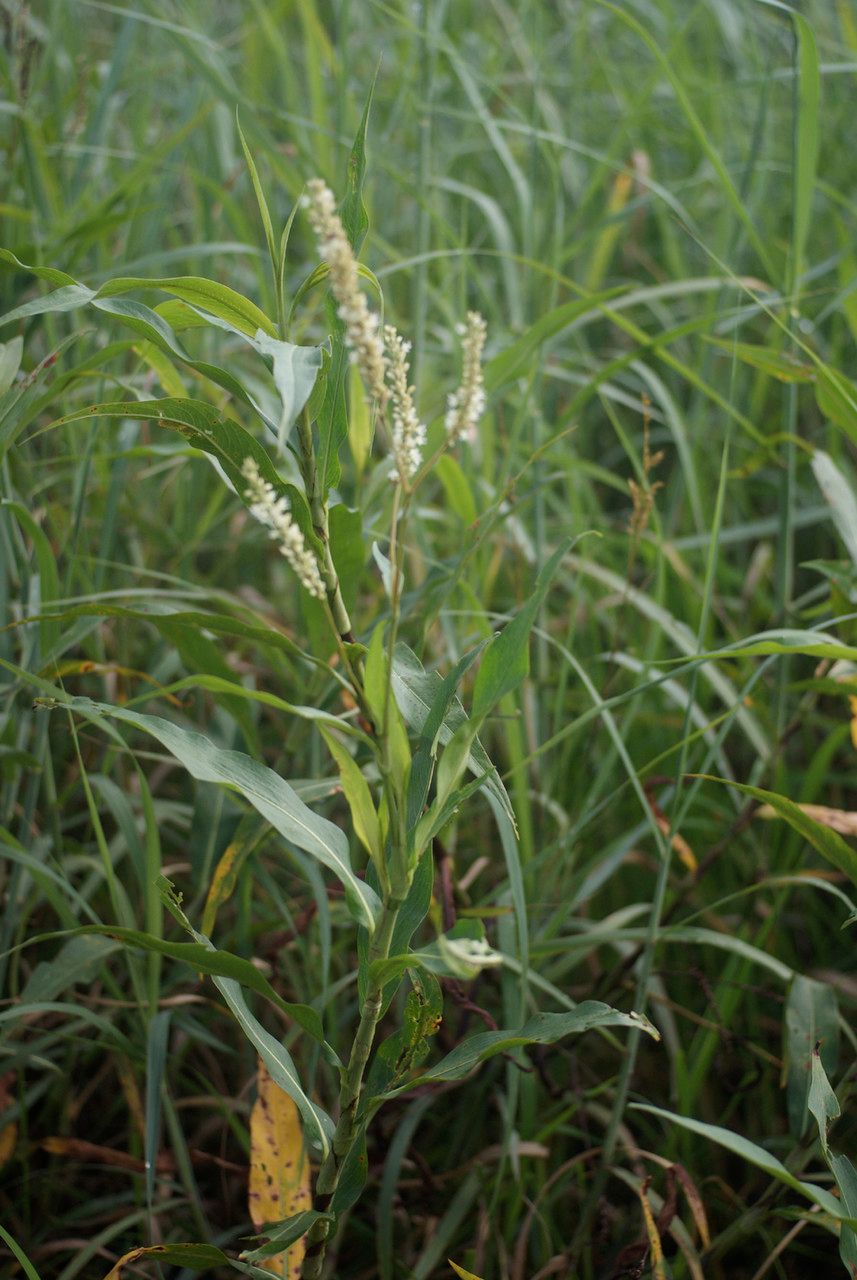
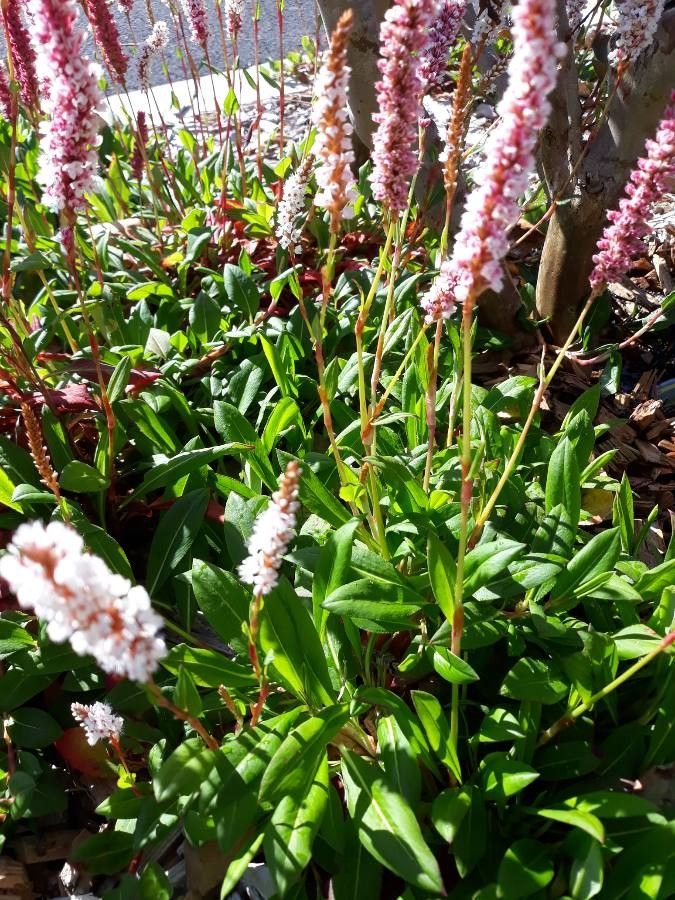
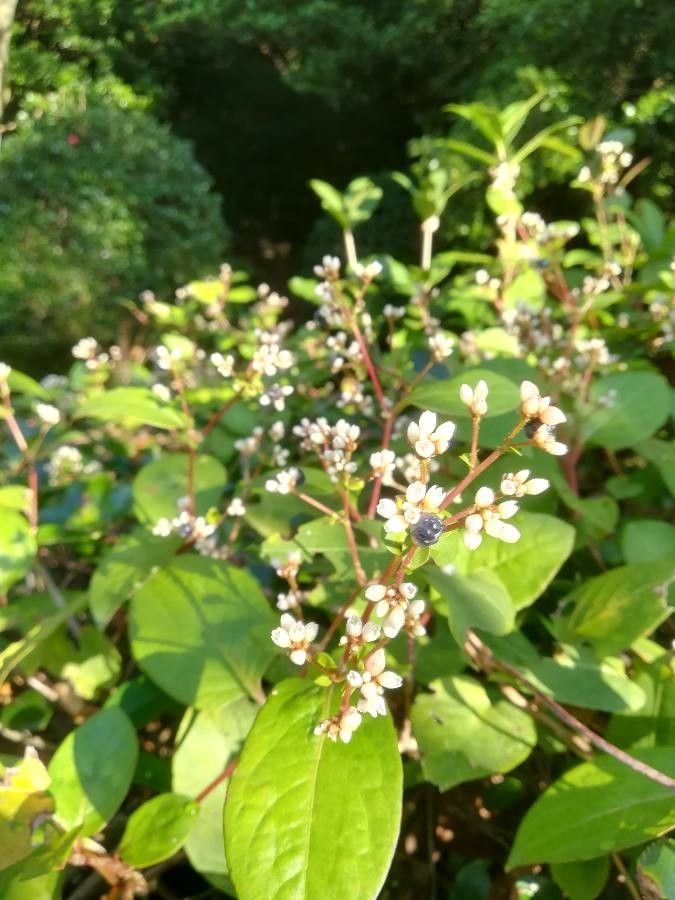
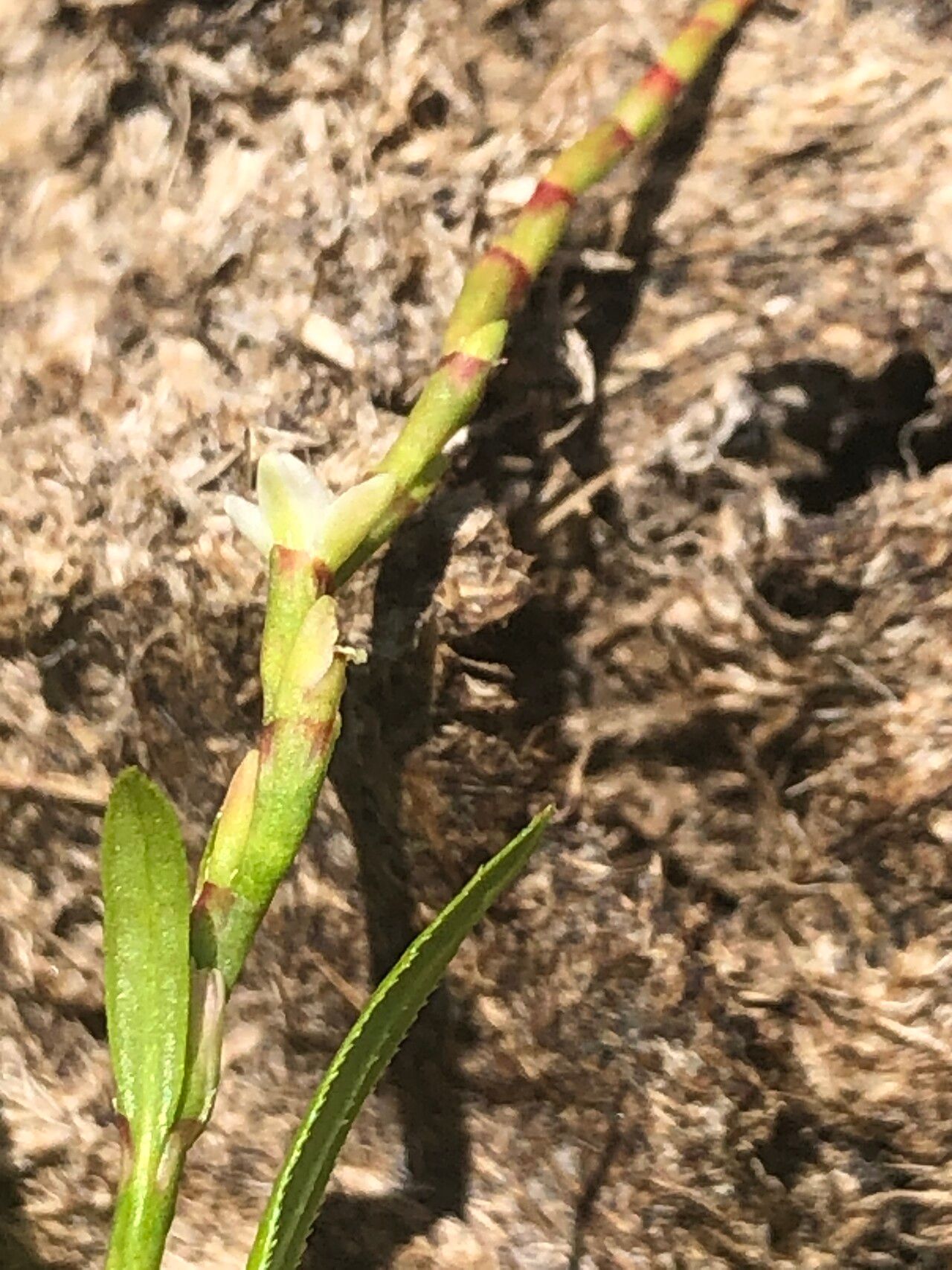
Polygonum tenue, the slender knotweed or pleat-leaf knotweed, is a North American species of plants in the buckwheat family. it is widespread across south-central Canada (Ontario) and the eastern and central United States from Maine to Georgia, west as far as Minnesota, South Dakota, Nebraska, and Texas (though apparently now extirpated from Maine and New Hampshire).Polygonum tenue is a herb up to 50 cm (20 in) tall. Stems are green or brown, not wiry. Leaves are narrow, up to 4 cm (1.6 in) long. Flowers are pink or white.
Pleatleaf knotweed has strong disease resistance and is generally not prone to illnesses. It can, however, be affected by pests and diseases present in its environment. Such infections are typically mild. Regarding care, this plant needs a moderate level of maintenance. It should be pruned regularly to keep a good appearance and healthy growth. Fertilizing can also help encourage flowering. Pleatleaf knotweed is appropriate for anyone with outdoor space, such as a garden or patio, and does not require extensive care experience. It may need more attention if grown indoors.
How to keep Polygonum Tenue.
Light
Pleatleaf knotweed comes from bright, open habitats and does best in full sun. It will tolerate partial shade but prefers direct sunlight for optimal growth. This species, which may be annual or biennial, is noted for its sun-loving habit.
Water
Pleatleaf knotweed thrives in moderate humidity and prefers its soil to dry out slightly between waterings. For optimal health, water it twice a week while taking into account seasonal rainfall. It has a moderate tolerance for drought, allowing for flexible watering schedules during periods of natural precipitation, which enhances its growth cycle when planted outdoors.
Temperature
Pleatleaf knotweed can tolerate a wide range of temperatures, but its range may still be restricted by particular combinations of moisture and heat. It does best in warm summer conditions with sufficient rainfall or irrigation. Extended periods of cloudy, rainy weather or prolonged high temperatures can raise the likelihood of Pleatleaf knotweed dying. In winter, shielding the plant from cold can improve its chances of survival.
Fertilizer
Pleatleaf knotweed benefits from regular, light applications of fertilizer to encourage healthy leaf development. You should fertilize Pleatleaf knotweed about once a month during the summer. Nitrogen is essential for foliage, and providing nitrogen-rich sources helps Pleatleaf knotweed thrive.
Pruning
Pleatleaf knotweed is a resilient perennial characterized by its slender stems and delicate leaves. For the best results, prune it from early to late spring. During this time, remove one-third of the unhealthy stems to enhance the plant's density and shape. Avoid heavy pruning outside of this period, as it can cause stress to the plant. Proper pruning not only stimulates new growth but also improves the plant's overall appearance.
Botanical profile.
- Plant Type
- Herb
- Life Cycle
- Annual
- Genus
- Polygonum
- Family
- Polygonaceae
- Hardiness Zone
- 4-8
- Mature Height
- 10 cm to 52 cm
- Mature Spread
- 5 cm to 15 cm
- Leaf Color
- Green
- Leaf Type
- Deciduous
- Flower Color
- White, Pink
- Flower Size
- 0.20 cm to 0.25 cm
- Bloom Time
- Summer
- Planting Time
- Spring, Summer, Autumn
- Harvest Time
- Late summer, Early fall, Mid fall
- Native Area
- Georgia