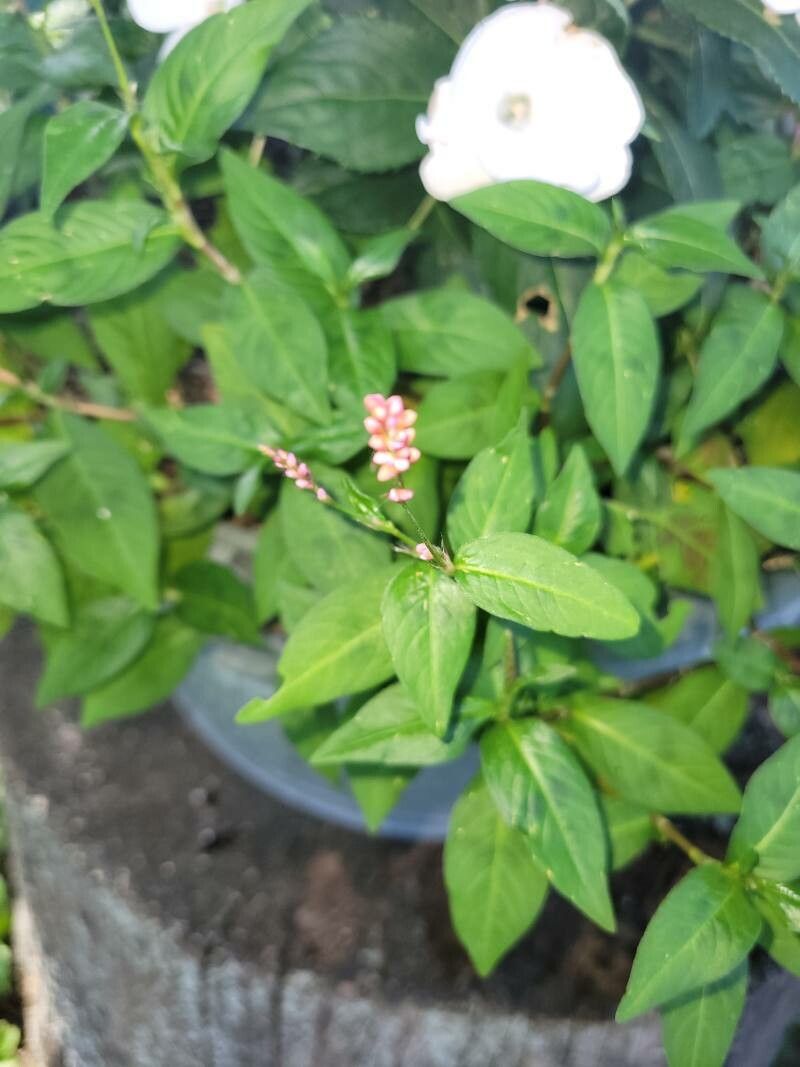
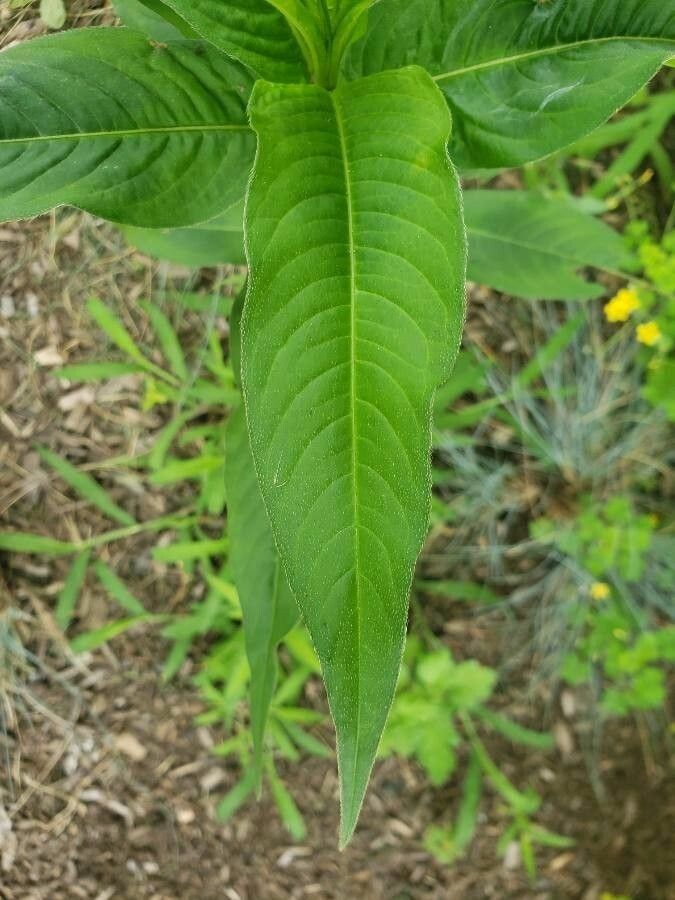
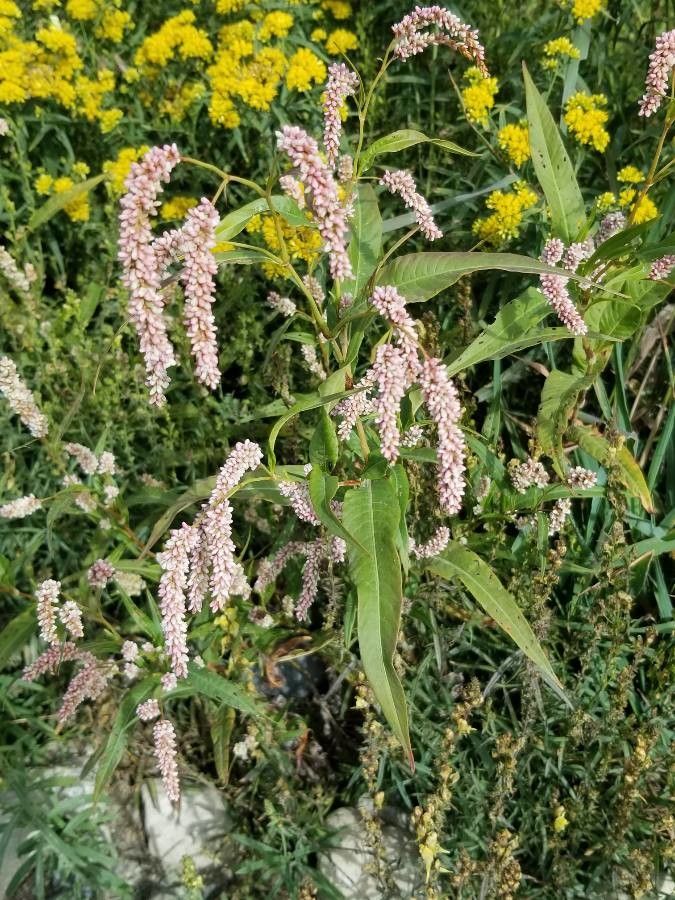
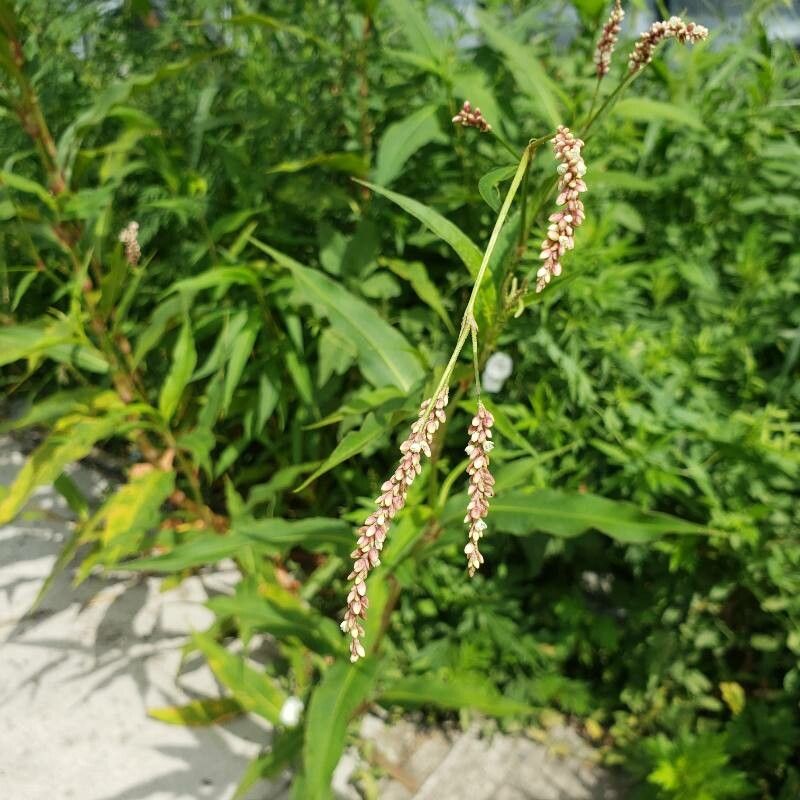
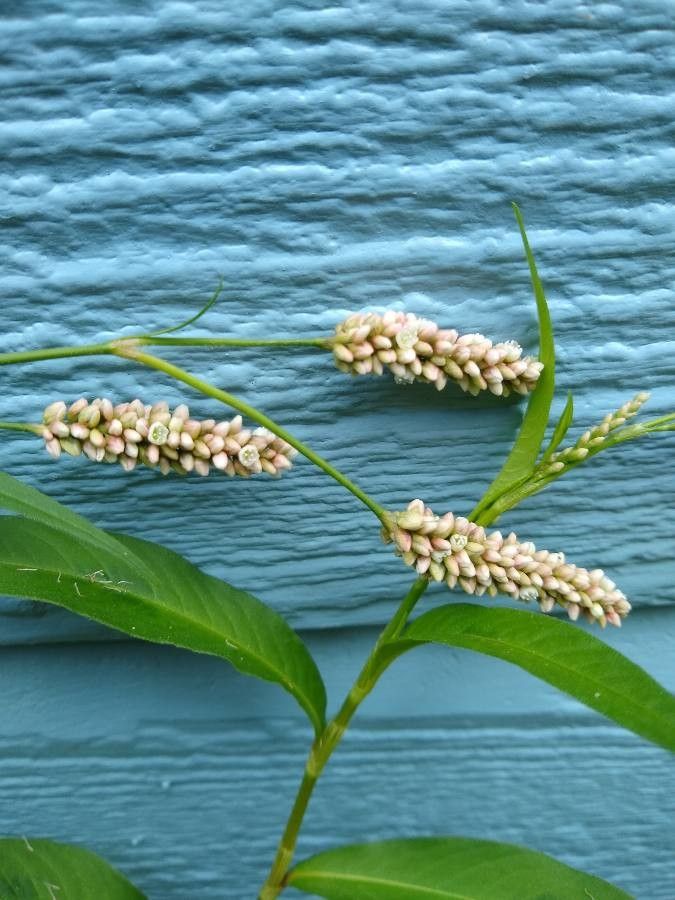
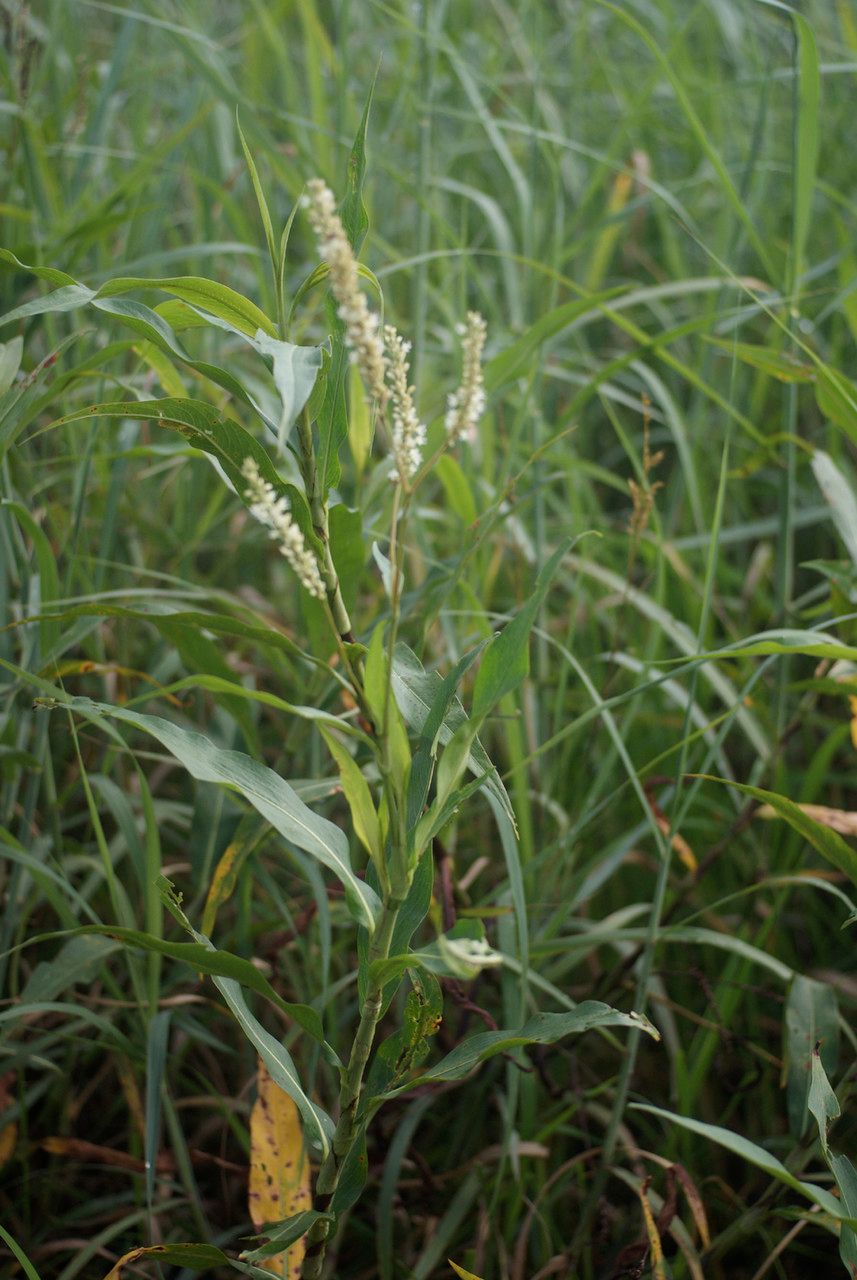
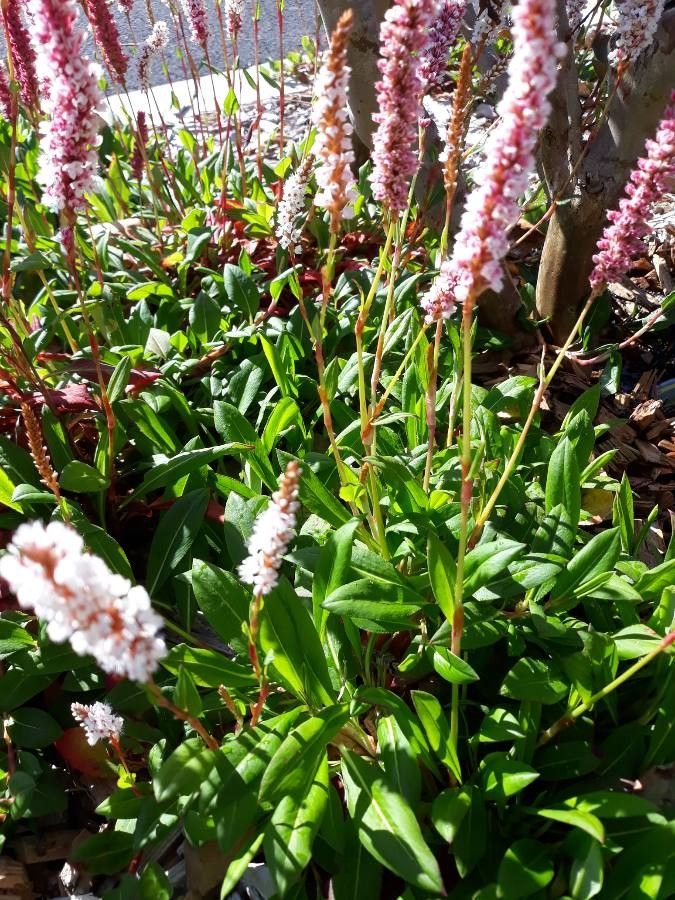
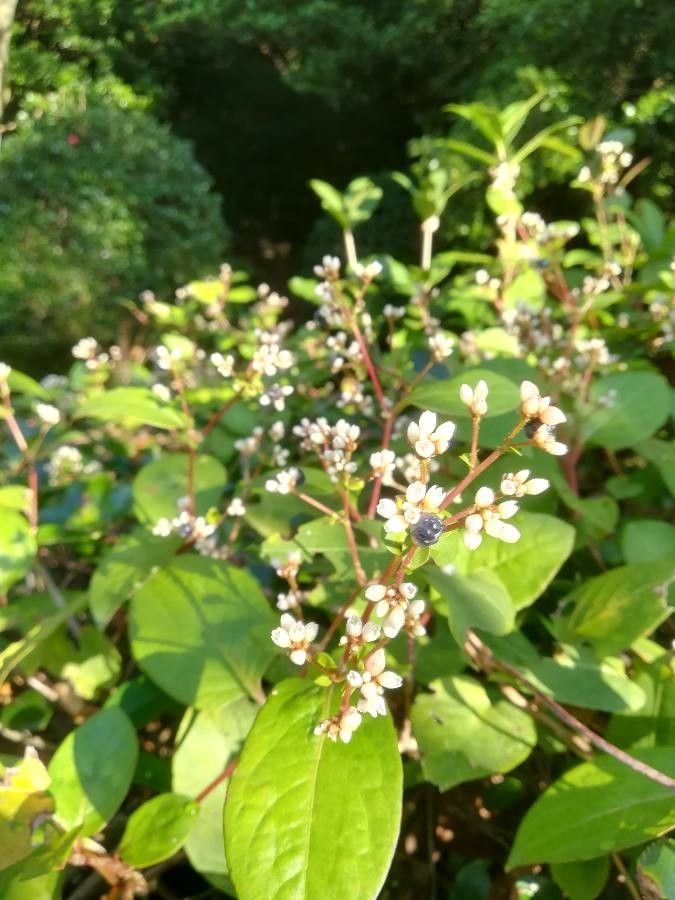
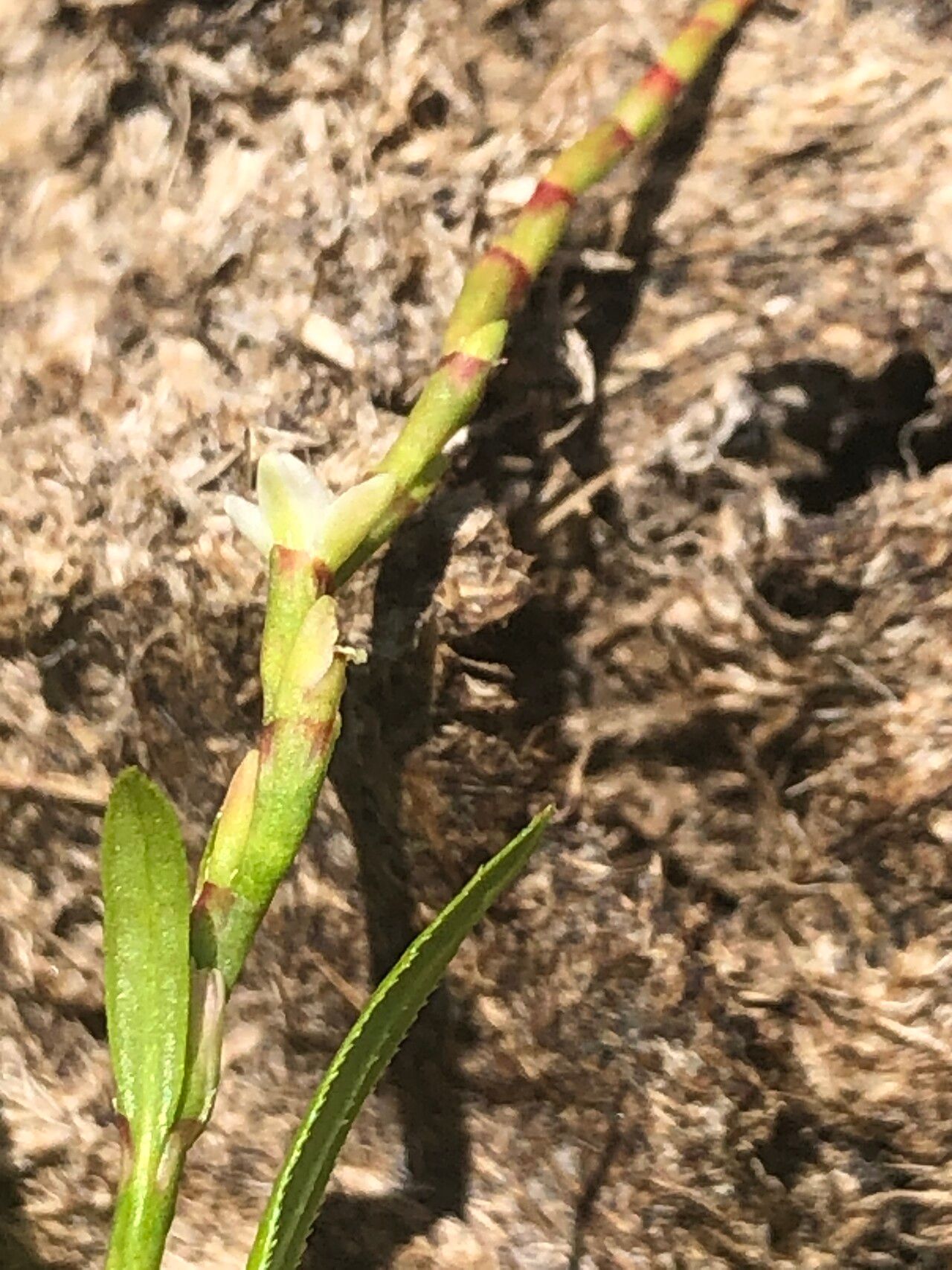
Polygonum lapathifolium, commonly known as pale smartweed, is a herbaceous plant belonging to the family Polygonaceae. Native to North America, it thrives in wetlands, marshes, and along riverbanks. The plant can grow up to 1 meter tall and features a branching stem with lance-shaped leaves that are green on top and pale underneath.
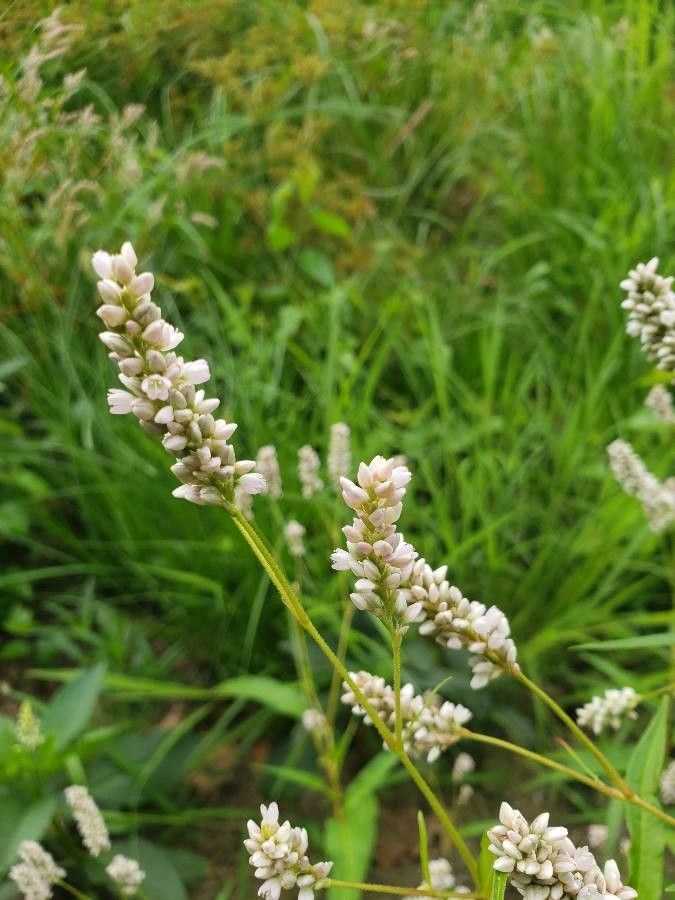
The flowers of Polygonum lapathifolium are small and pinkish-white, blooming in dense clusters at the ends of the stems from July to September. The plant produces small fruits known as achenes, each containing a single seed.
For centuries, Native Americans have used pale smartweed for its medicinal properties, particularly its anti-inflammatory effects. It was commonly applied as a poultice to treat skin irritations such as rashes and insect bites.
In addition to its medicinal uses, pale smartweed is a vital food source for various wildlife, including waterfowl, songbirds, muskrats, and beavers.
Overall, Polygonum lapathifolium plays a significant role in wetland ecosystems. It provides essential food for wildlife and contributes to soil stabilization along riverbanks and marshes where it grows abundantly.
Redshank is fairly disease-resistant and usually does not develop illnesses. However, it can be vulnerable to pests and diseases present in its environment. These problems are generally mild. Regarding care, the plant requires moderate maintenance. It should be pruned regularly to keep a neat appearance and promote healthy growth. Fertilizing can also encourage flowering. Redshank is well suited for anyone with an outdoor area, such as a garden or patio, and does not demand extensive care experience. It may need more attention when grown indoors.
How to keep Polygonum Lapathifolium.
Light
Redshank comes from bright, open habitats and performs best in full sun. It tolerates partial shade but prefers direct sunlight for optimal growth. This plant, which can be annual or biennial, is noted for its sun-loving habit.
Temperature
Redshank can tolerate a wide range of temperature conditions, although its distribution can still be constrained by various combinations of moisture and heat. It grows best in warm summer climates with sufficient rainfall or irrigation. Extended periods of cloudy, rainy weather or prolonged high temperatures can raise the risk of Redshank dying. In winter, adequate protection from the cold can increase the plant's chances of survival.
Fertilizer
Redshank does well with regular, low-strength fertilizer applications to encourage healthy leaf development. Fertilize Redshank about once a month during the summer. Nitrogen is important for foliage, and providing nitrogen-rich sources helps Redshank thrive.
Botanical profile.
- Plant Type
- Herb
- Life Cycle
- Annual, Perennial
- Genus
- Polygonum
- Family
- Polygonaceae
- Hardiness Zone
- 4-10
- Mature Height
- 20 cm to 61 cm
- Mature Spread
- 30 cm to 49 cm
- Leaf Color
- Green
- Leaf Type
- Semi-evergreen
- Flower Color
- Pink
- Flower Size
- 0.25 cm to 0.51 cm
- Bloom Time
- Summer, Fall
- Planting Time
- Spring, Summer, Autumn
- Harvest Time
- Late summer, Fall, Early winter
- Native Area
- Egypt, Turkey, Sweden, India, Austria, Slovakia, Montenegro, Pakistan, Slovenia, Morocco, Croatia, Yemen, Belarus, Uzbekistan, Russia, Iraq, Germany, Iceland, Estonia, Koppen, Romania, Latvia, South Korea, Belgium, Portugal, Netherlands, France, Tajikistan, Czech Republic, Bulgaria, Armenia, Poland, Laos, Greece, Ukraine, Serbia, Lebanon, Lithuania, Norway, China, Afghanistan, Syria, Kyrgyzstan, Kazakhstan, Italy, Spain, Switzerland, Vietnam, Japan, Finland, Denmark, Iran, Albania, Ireland, United Kingdom, Hungary, Algeria, Azerbaijan, Turkmenistan
Other names.