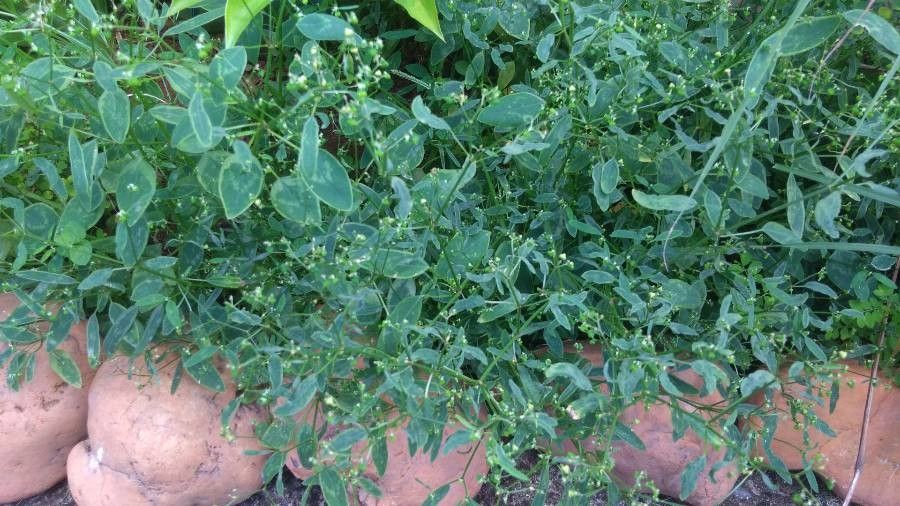
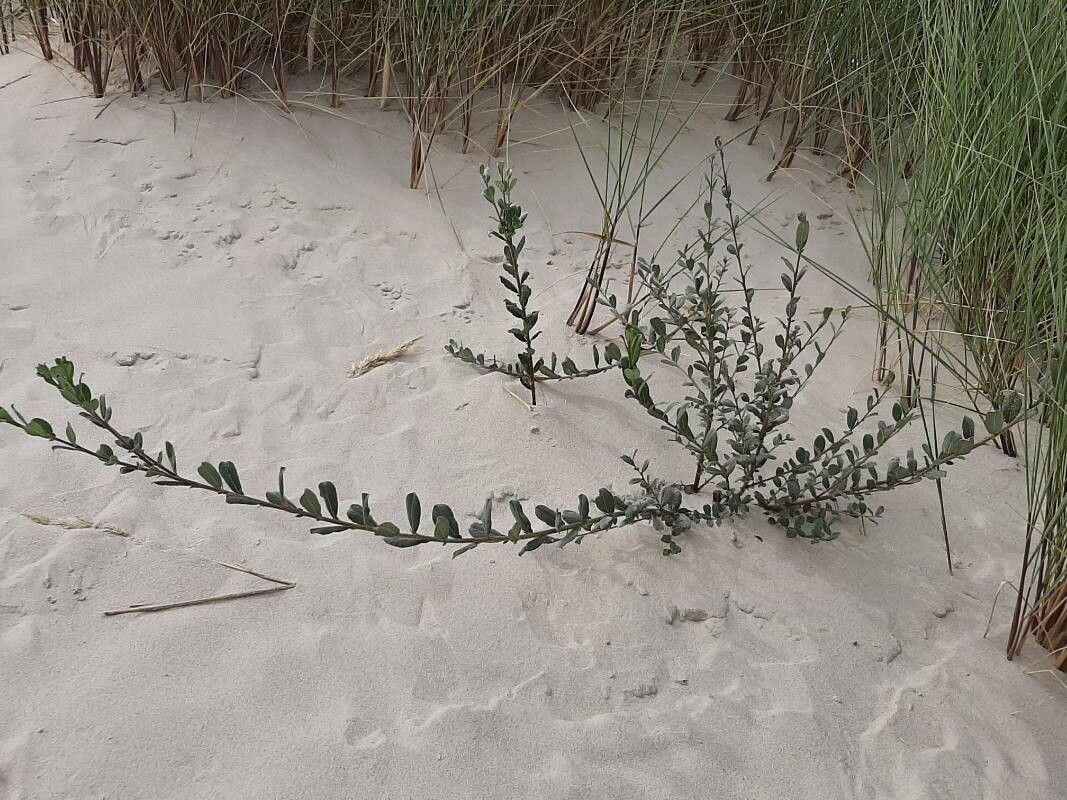
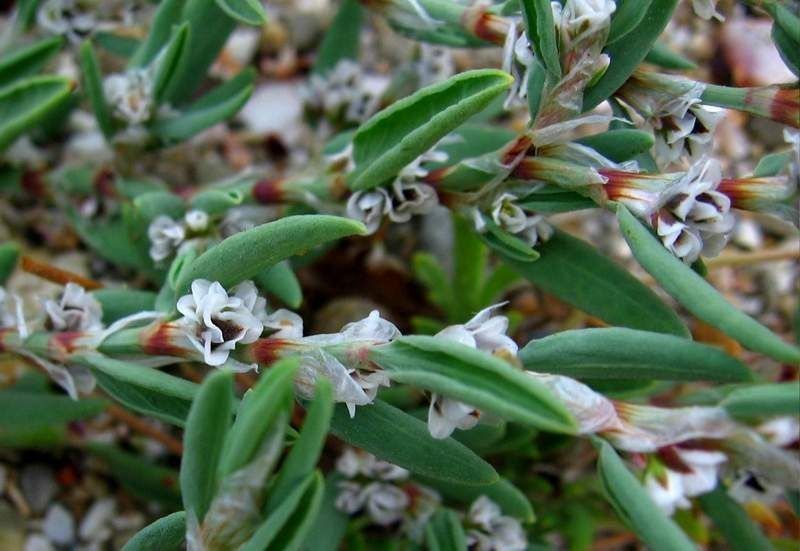
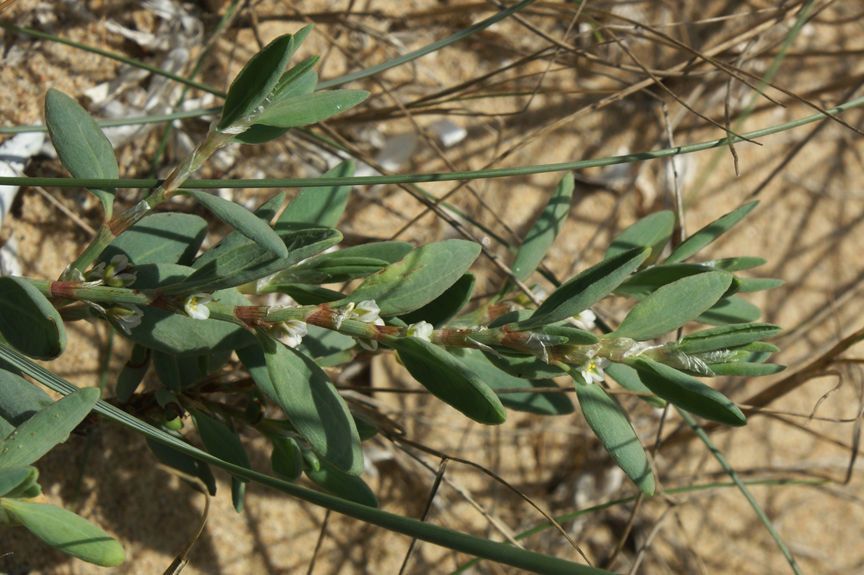
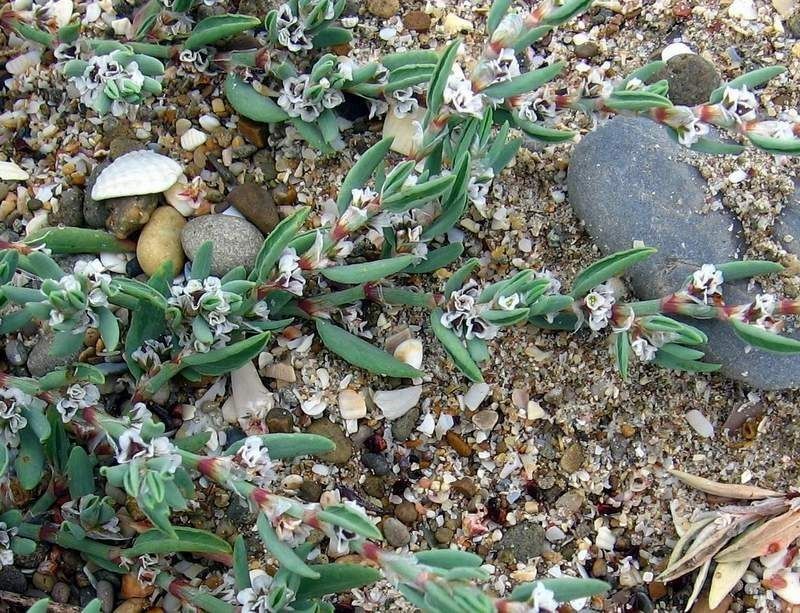
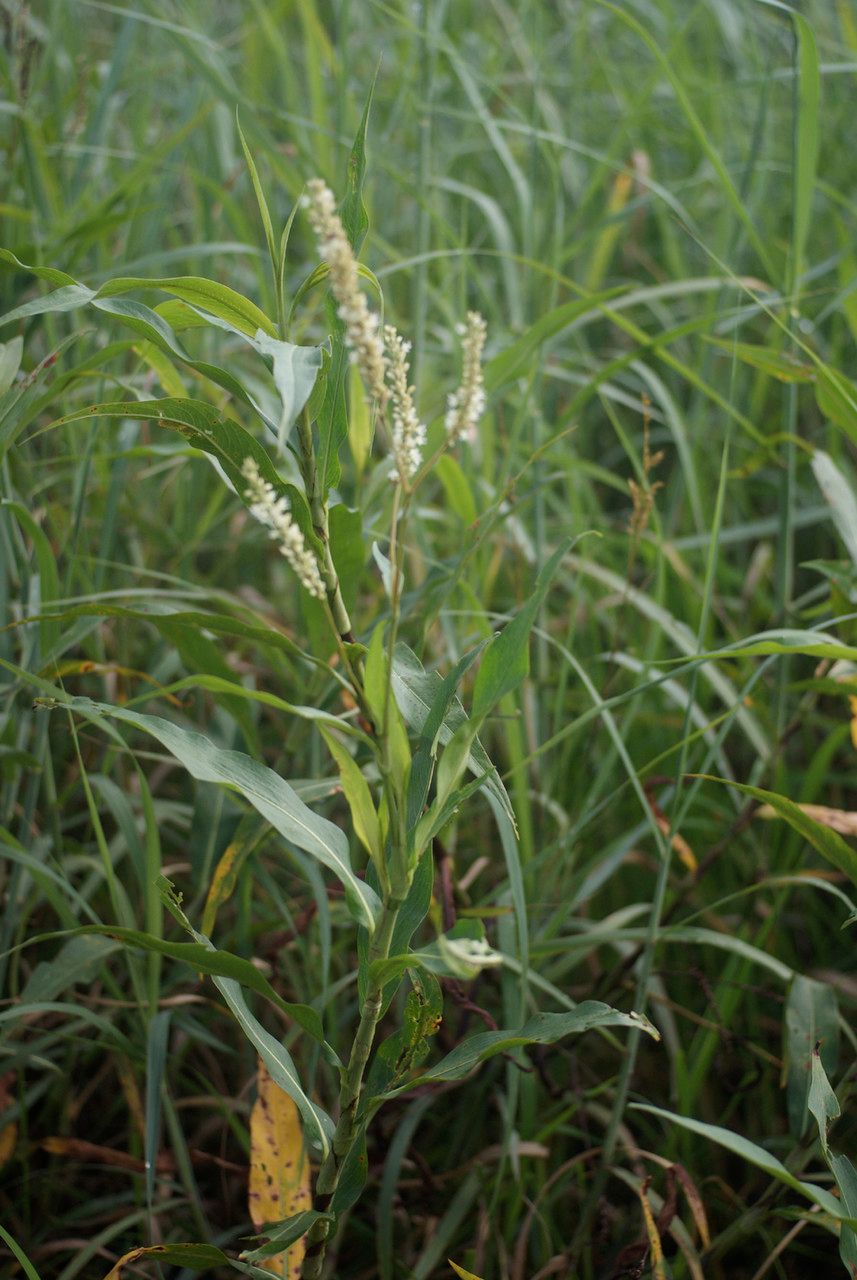
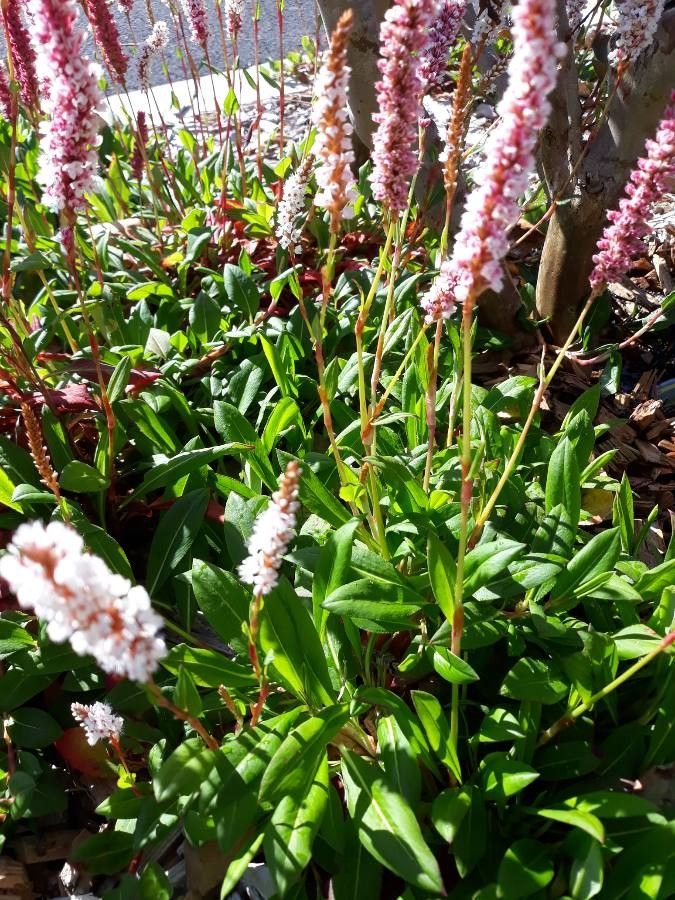
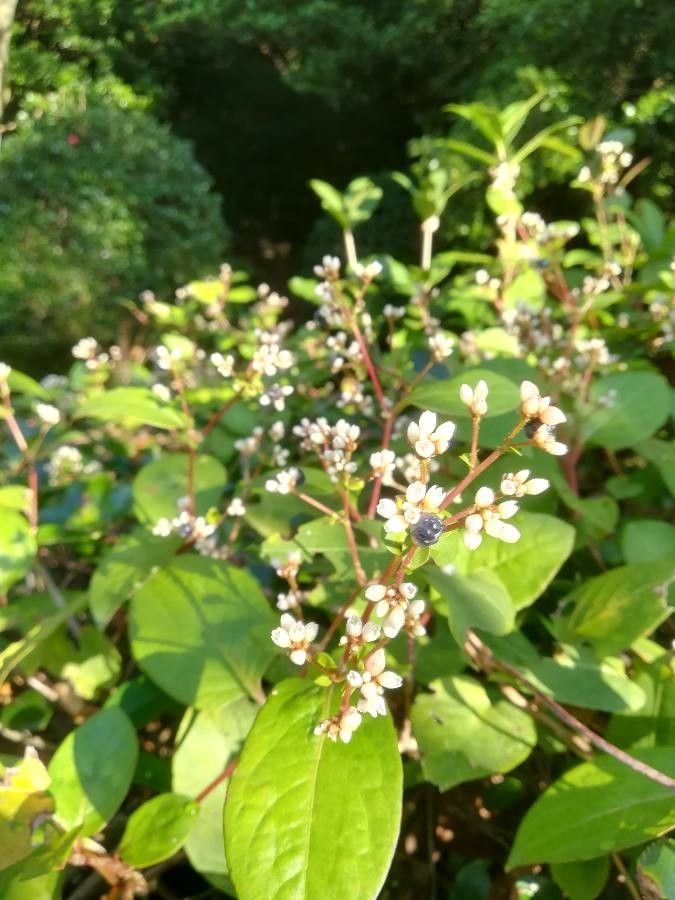
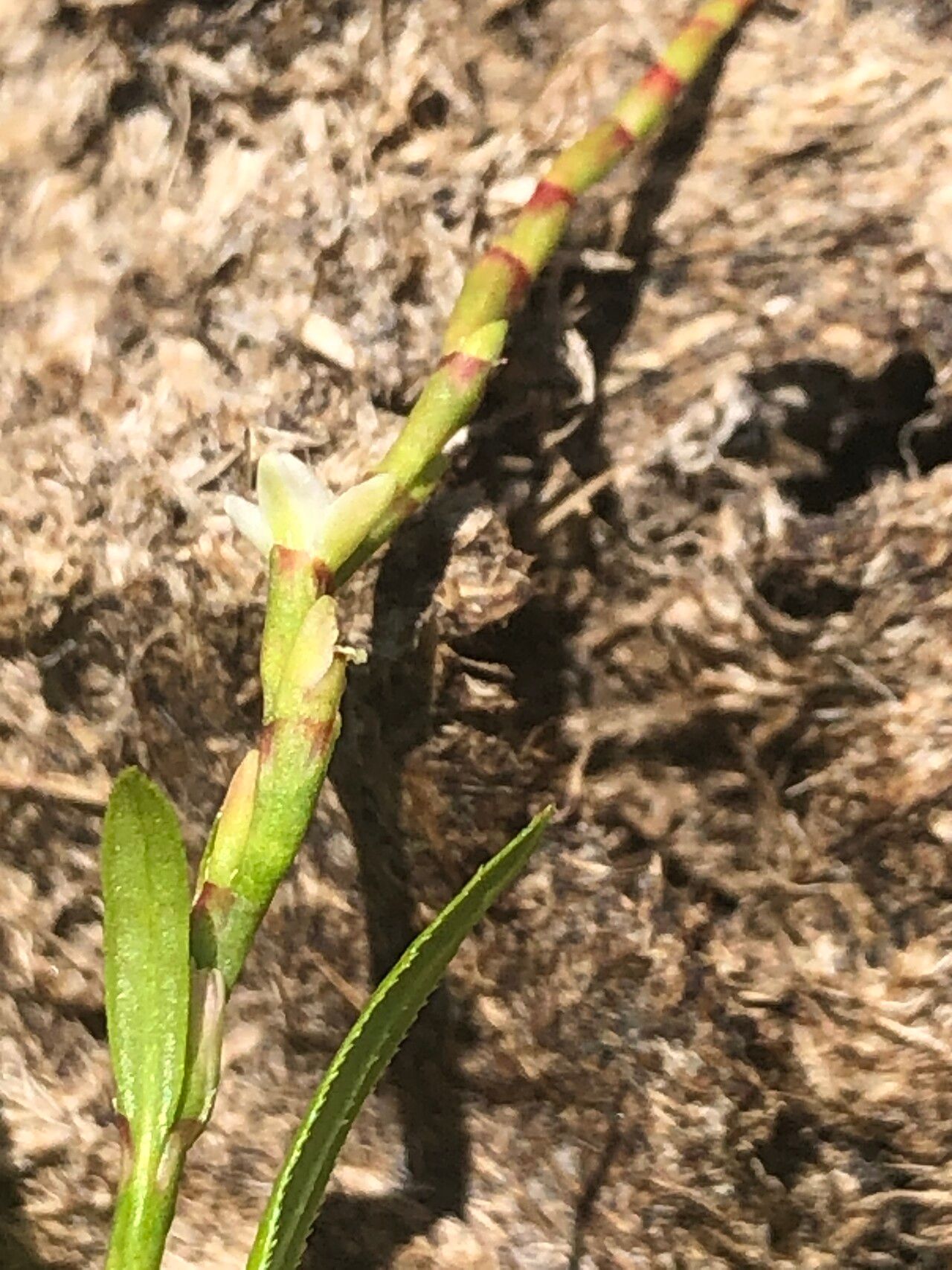
Polygonum glaucum, common names seabeach knotweed and seaside knotweed, is a North American species of plant in the buckwheat family. It grows on the Atlantic Coast of the United States, from Alabama to Massachusetts, including in salt-water inlets such as Chesapeake Bay and the Hudson River.Polygonum glaucum is a branching herb up to 70 cm (28 in) tall. It appears silvery of bluish-green because of wax covering the leaves and stem. Flowers are pink or white, produced in groups of 1–3. It grows on beaches, sand dunes, and the edges of coastal marshes.
Seaside knotweed is fairly disease-resistant and usually not susceptible to illnesses. Nevertheless, it can be affected by pests and diseases present in its environment. When such infections occur, they are typically mild. In terms of care, this plant needs moderate maintenance. It should be pruned regularly to keep a neat appearance and support healthy growth. Fertilizing can also help encourage flowering. Seaside knotweed is suitable for people with outdoor spaces like a garden or patio and does not demand extensive gardening experience. It may need more attention if grown indoors.
How to keep Polygonum Glaucum.
Light
Seaside knotweed comes from sunny, open habitats and performs best in full sun. It can endure partial shade but prefers direct sunlight for optimal growth. This plant, which can be annual or biennial, is noted for its sun-loving habit.
Temperature
Seaside knotweed can tolerate a wide range of temperatures, but its range may still be restricted by particular combinations of moisture and heat. It grows best in warm summer conditions with sufficient rainfall or watering. Extended stretches of cloudy, rainy weather, as well as prolonged high temperatures, can raise the likelihood of Seaside knotweed dying. In winter, giving it proper protection from cold can increase its survival rate.
Fertilizer
Seaside knotweed responds well to regular, weak applications of fertilizer to encourage healthy leaf development. Fertilize Seaside knotweed roughly once a month during the summer. Nitrogen is important for foliage, and adding nitrogen-rich sources helps Seaside knotweed do well.
Pruning
Seaside knotweed, with its succulent stems and blue-green leaves, thrives in coastal regions. To promote healthy growth and improve air circulation, prune the plant in early spring. Be sure to remove any dead stems to reduce the risk of disease. Regular maintenance helps the plant withstand harsh conditions. Always use clean, sharp tools to prevent infections.
Botanical profile.
- Plant Type
- Herb
- Life Cycle
- Annual
- Genus
- Polygonum
- Family
- Polygonaceae
- Hardiness Zone
- 7-10
- Mature Height
- 10 cm to 49 cm
- Mature Spread
- 20 cm to 61 cm
- Leaf Color
- Sky Blue
- Leaf Type
- Deciduous
- Flower Color
- White
- Flower Size
- 0.20 cm to 0.25 cm
- Bloom Time
- Summer, Early fall
- Planting Time
- Spring, Autumn
- Harvest Time
- Late summer, Fall
- Native Area
- Georgia
Other names.