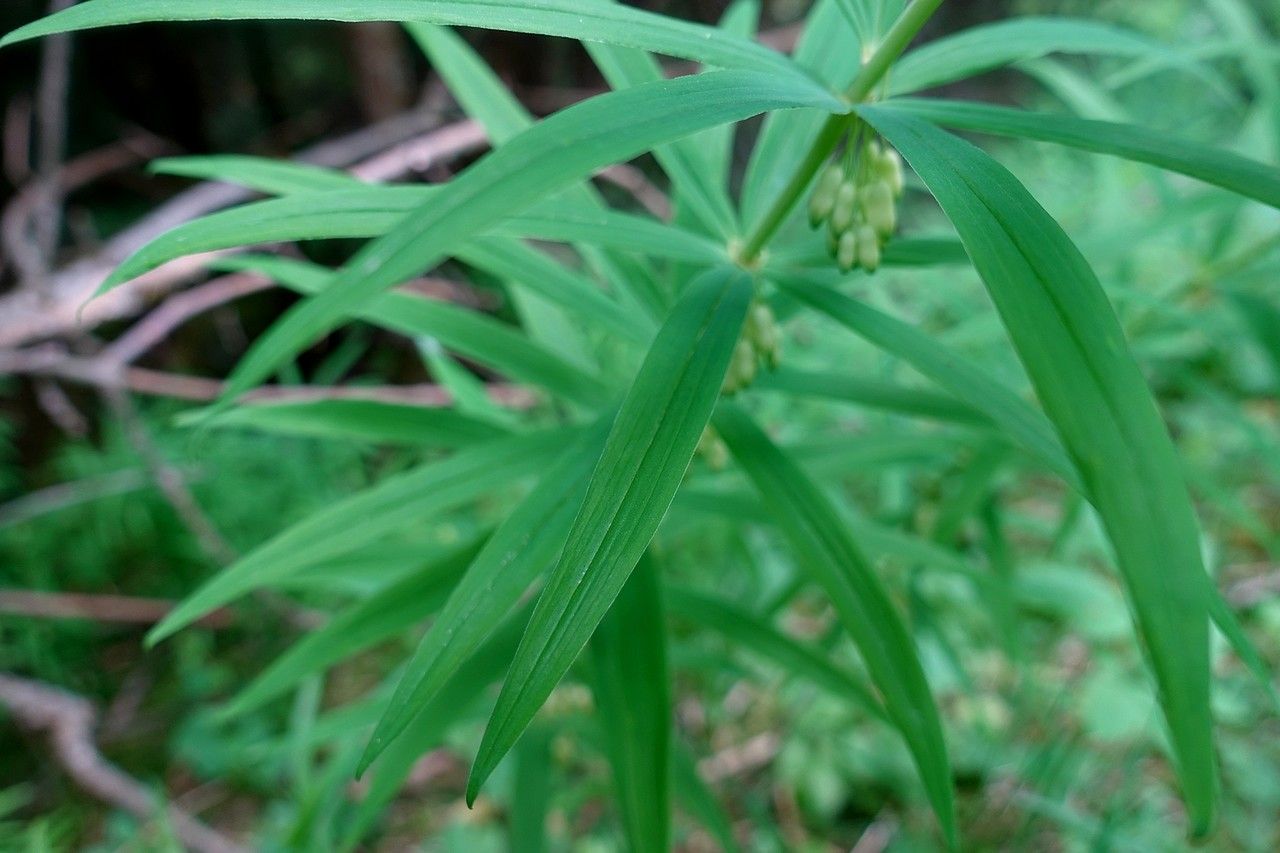
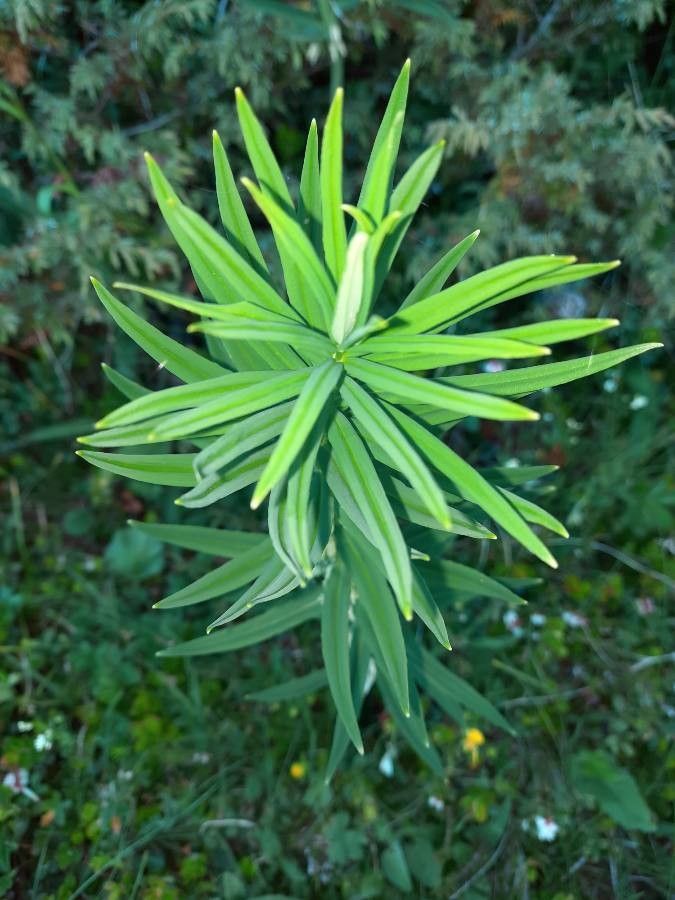
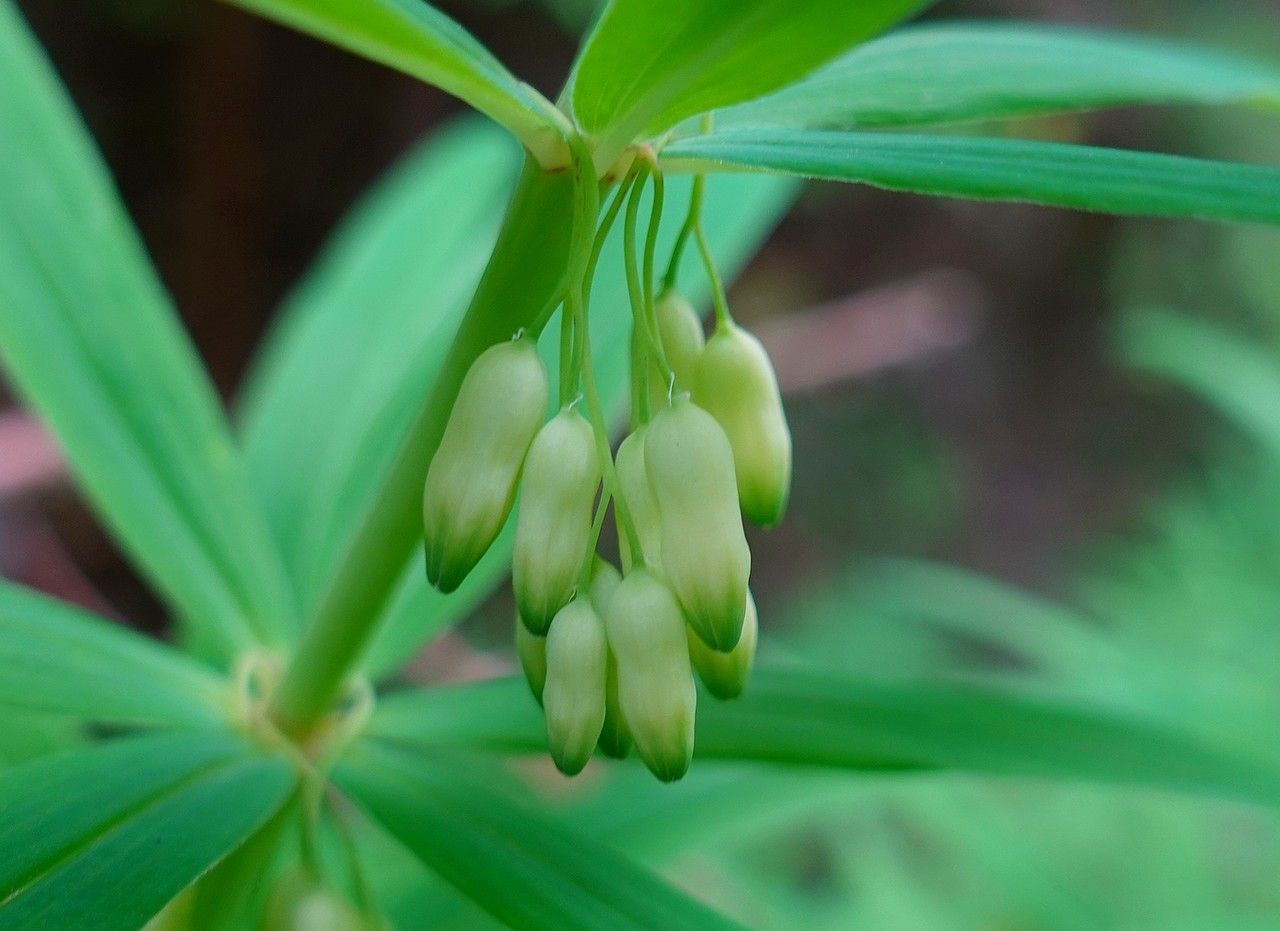
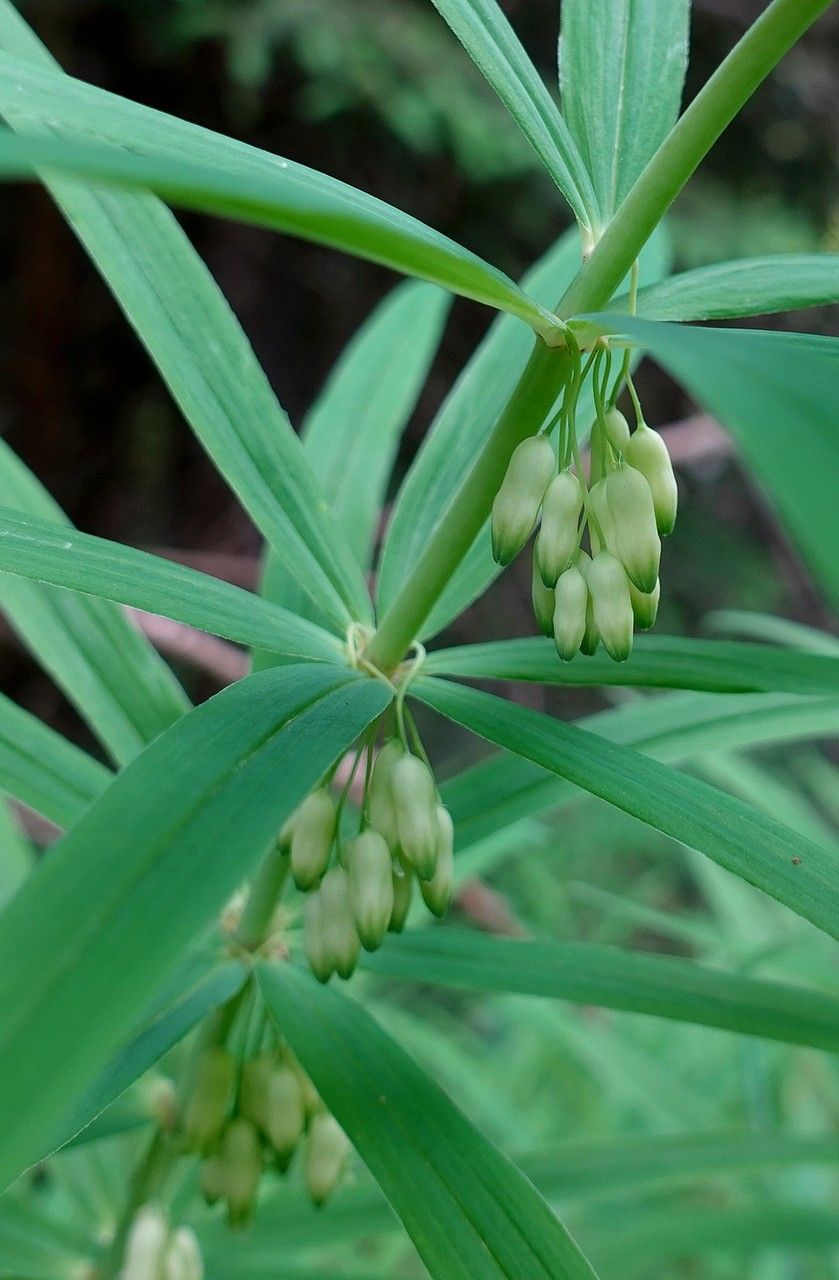
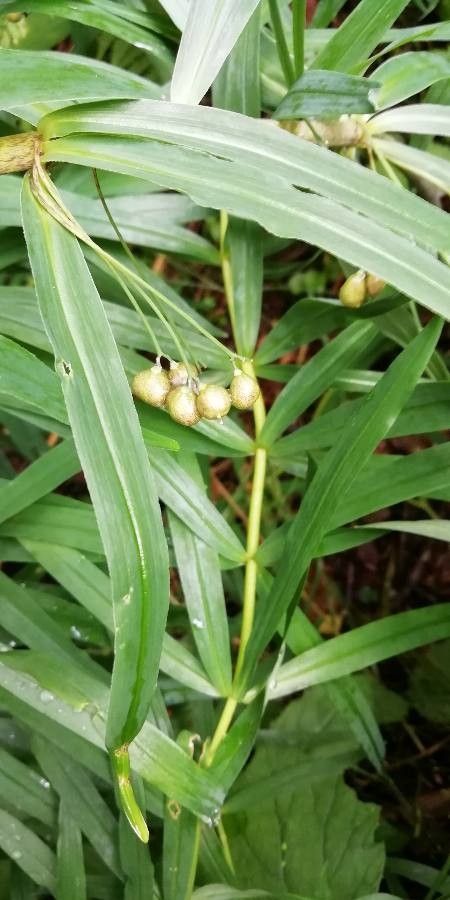
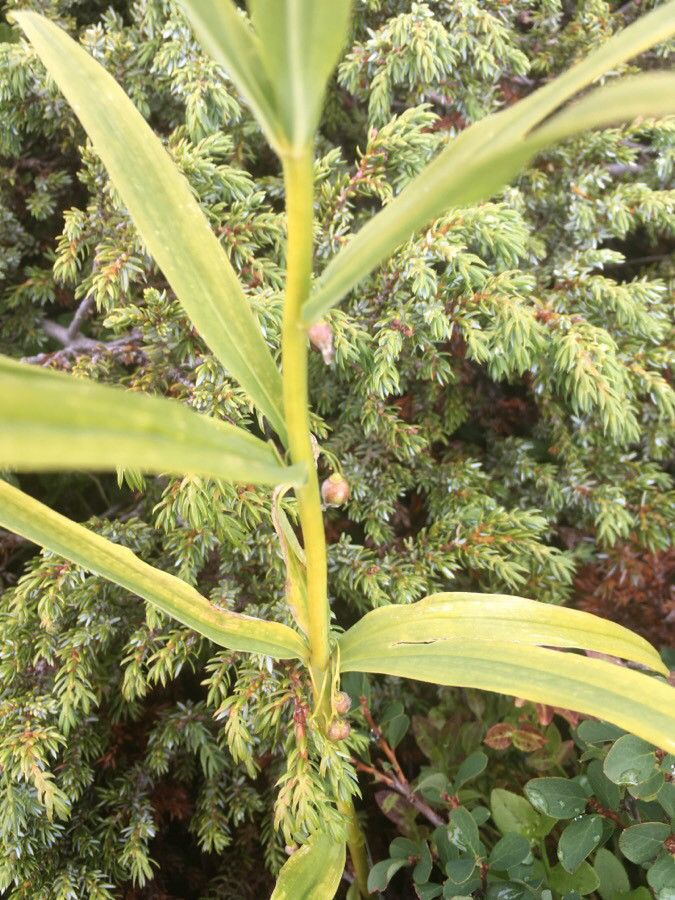
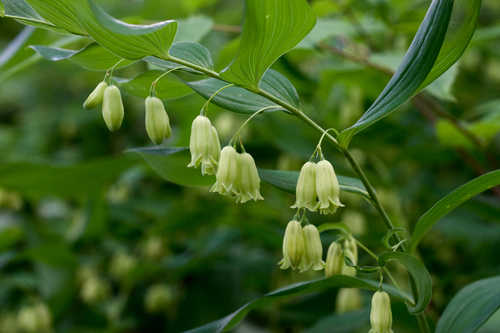
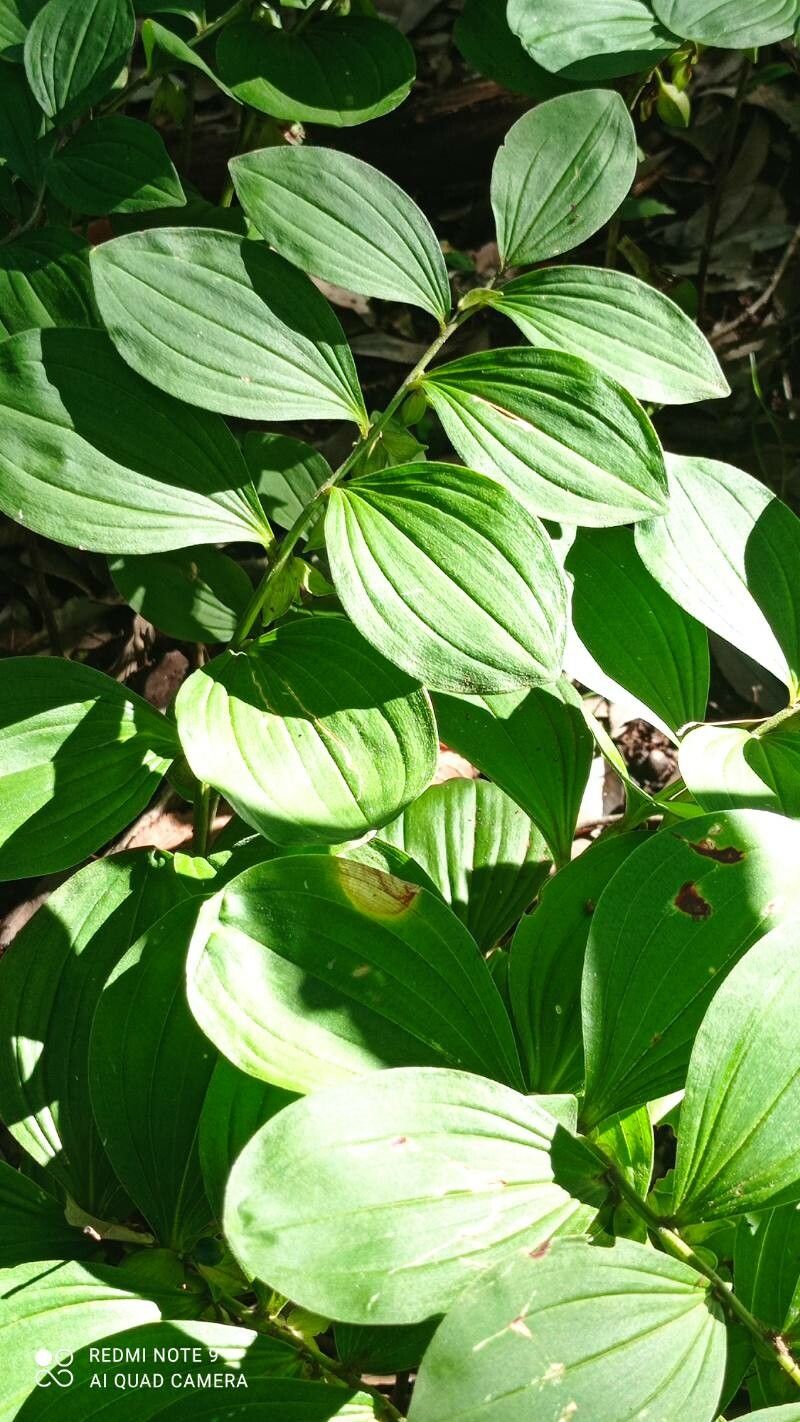
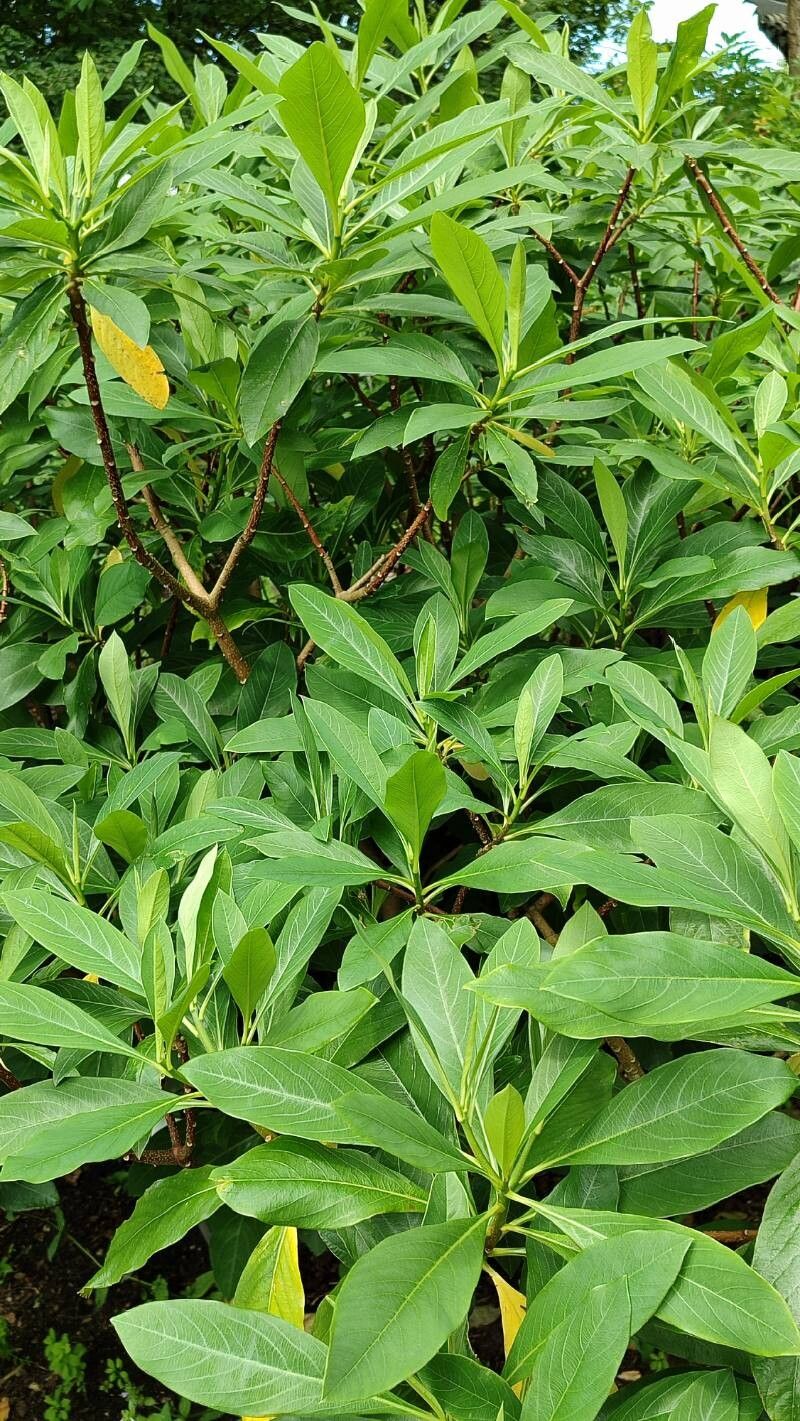
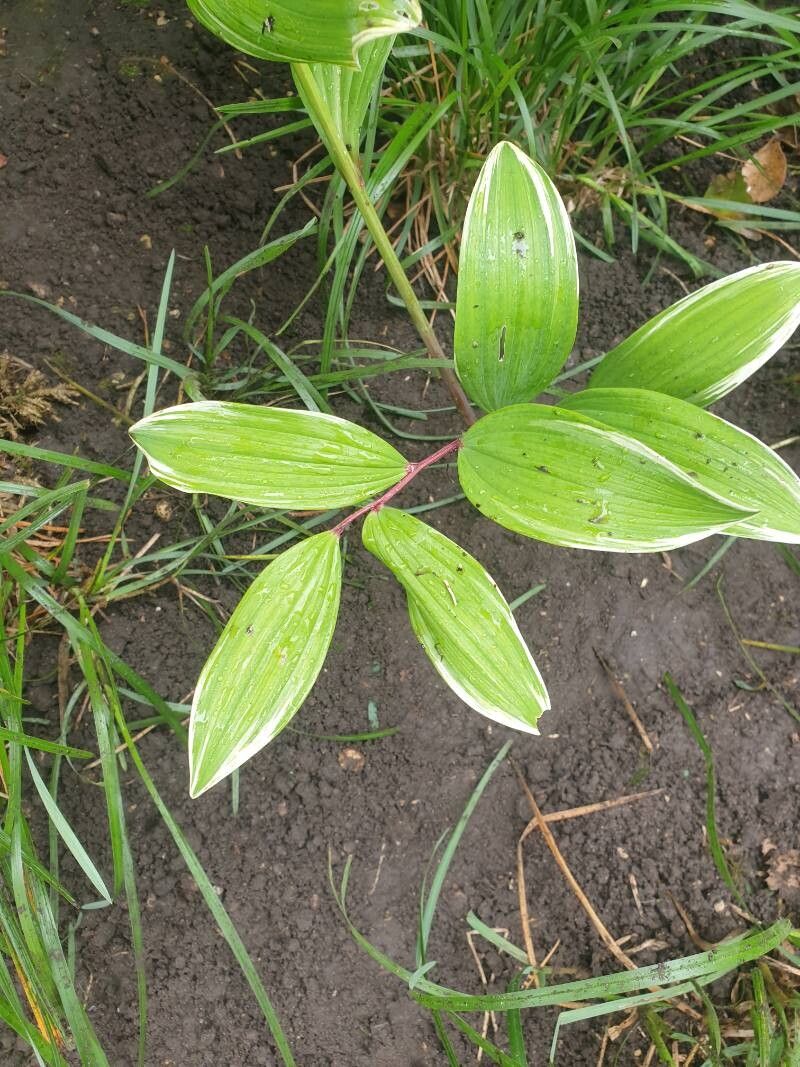
Polygonatum verticillatum or whorled Solomon's-seal is a plant species of the genus Polygonatum. It is widespread in Europe and also in China and the Himalayas though not reported from large sections of western and Central Asia in between those two ranges.
Whorled solomon's seal is fairly disease-resistant and typically does not suffer from many ailments. Nevertheless, it can be vulnerable to pests and diseases present in its environment. Such infections are generally mild. Regarding care, the plant needs moderate maintenance. Regular pruning is necessary to preserve its appearance and encourage healthy growth. Applying fertilizer can also help encourage blooming. Whorled solomon's seal is suitable for people with outdoor areas, like a garden or patio, and does not demand extensive gardening experience. It may need more attention if cultivated indoors.
How to keep Polygonatum Verticillatum.
Light
The whorled solomon's seal flourishes in medium sunlight and is capable of adjusting to places with limited lighting. Its preferred habitat is one where the sun doesn't shine too brightly. Changes in lighting circumstances may result in less than ideal growth, as both excessive and insufficient light can have negative impacts on its well-being.
Water
Whorled Solomon's seal thrives best in consistently moist soil and can tolerate moderate drought once established. It's important to water it regularly, ideally once a week, while being careful not to oversaturate the roots. This plant does well in cooler outdoor temperatures and benefits from mulching, which helps retain moisture and mimics its natural forest floor habitat.
Temperature
The native habitat of the Whorled Solomon's seal is climates that have temperatures between 41 and 89.6 °F (5 to 32 ℃). It prefers moderate temperature environments. In extremely hot or cold seasons, it's crucial to manage the ambient temperature to ensure it stays within this plant's preferred temperature range.
Fertilizer
The optimal period to provide fertilization to a Whorled solomon's seal is during the initial phase of spring, as it moves from its dormant state to its active growth phase. This fertilization process supplies the plant necessary nutrients for its vigorous growth. Despite the Whorled solomon's seal requiring little fertilization comparatively, fertilizing it once a year could notably improve its lifespan and contribute to the betterment and longevity of its blossoms.
Pruning
Whorled Solomon's Seal features long, arching stems with leaves arranged in a whorled pattern. Prune it in early spring to remove any dead or damaged stems, improve air circulation, and encourage blooming. Be sure to use clean, sharp tools for the best results. Timely pruning enhances both the appearance and health of Whorled Solomon's Seal.
Pot & Repot
When planting whorled Solomon's seal in pots, it's important to ensure excellent drainage. This helps maintain healthy growth and prevents root rot.
Botanical profile.
- Plant Type
- Herb
- Life Cycle
- Perennial
- Genus
- Polygonatum
- Family
- Asparagaceae
- Hardiness Zone
- 4-8
- Mature Height
- 20 cm to 76 cm
- Mature Spread
- 49 cm
- Leaf Color
- Green
- Leaf Type
- Deciduous
- Flower Color
- White
- Flower Size
- 1.02 cm to 1.52 cm
- Bloom Time
- Mid spring, Late spring
- Planting Time
- Spring, Summer
- Harvest Time
- Late summer, Early fall, Mid fall
- Native Area
- Turkey, Sweden, India, Austria, Slovakia, Montenegro, Pakistan, Croatia, Slovenia, Germany, Romania, Latvia, Belgium, Netherlands, Nepal, France, Czech Republic, Bulgaria, Armenia, Poland, Greece, Serbia, China, Lithuania, Norway, Afghanistan, Italy, Spain, Switzerland, Denmark, Bhutan, Albania, Azerbaijan, United Kingdom, Hungary
Other names.
Reader questions.
How should I water my Whorled solomon's seal plant?
To properly water the Whorled Solomon's seal, follow these guidelines for best results. Use filtered water that is at room temperature or slightly warmer, as tap water may contain harmful particles. The plant is accustomed to warm environments, so cold water can be a shock to its system. Additionally, avoid overhead watering to prevent foliage complications. Instead, apply the filtered room temperature water directly to the soil until it is fully soaked. This helps to moisten the roots and encourages them to spread and collect the necessary nutrients.
What are the sunlight requirements for Whorled Solomon's Seal?
Whorled Solomon's Seal thrives in moderate sunlight but can adapt to areas with less intense sunlight, making it suitable for full sun to partial shade conditions. Full sun plants require between 3-6 hours of sunlight, while those in full shade need less than 3 hours. It's crucial to monitor the movement of sunlight in your garden to ensure plants receive the ideal balance of light and shade, promoting their health and happiness.
What is the indigenous climate for Whorled Solomon's Seal?
Whorled Solomon's Seal is indigenous to climates that experience temperatures within the range of 41 to 89.6 °F (5 to 32 °C). It thrives in moderate temperature conditions, requiring regulation of environmental temperature towards its comfort range during substantially hot or cold seasons. The plant has strong cold resistance, indicating that special frost protection measures are typically not needed. However, during winters when temperatures may drop below -30°C, it's crucial to provide cold protection by covering the plant with soil or straw and ensuring the soil remains moist before the first freeze in autumn.
What do I do if I give too much or too little water to my Whorled Solomon's Seal?
Overwatering is a more common issue than underwatering for Whorled solomon's seal. When it receives too much water, the stems and leaves may wilt and turn yellow. Overwatering for a long time can lead to root rot, mold, and mildew, which can be fatal for the plant. Underwatering is less common, but when it happens, the leaves become brittle and brown. It's important to recognize the signs of overwatering early to prevent irreversible damage. Reduce watering immediately if you notice these signs and consider replacing poorly draining soil. If you suspect underwatering, increase watering until the signs improve.
What essentials should be considered for growing Whorled Solomon's Seal indoors?
When growing Whorled Solomon's Seal indoors, it is essential to provide adequate lighting, especially when natural sunlight is insufficient. Artificial lighting, such as LEDs, can mimic natural sunlight, supporting healthy plant growth. The right type of artificial light should be chosen, with full sun plants requiring 30-50W/sq ft, partial sun plants needing 20-30W/sq ft, and full shade plants requiring 10-20W/sq ft. The distance of the light source should be 12-36 inches above the plant, and most plants need 8-12 hours of light per day to mimic natural daylight hours efficiently.
How does Whorled Solomon's Seal react to low temperatures?
Whorled Solomon's Seal is cold-tolerant and prefers temperatures above 5°C. During winter, it's advisable to keep it above -25°C to ensure its health. When temperatures fall below -30°C, there might not be noticeable changes during the winter, but these conditions can lead to a decreased sprouting or absence of sprouting come spring. To manage this, any parts of the plant that have failed to sprout in spring should be removed.
How frequently should I water my Whorled solomon's seal?
If your Whorled solomon's seal plant is in a pot, the most precise way to tell if it needs water is by checking the soil. Simply stick your finger into the soil and if the first two to three inches are dry, it's time to water it. The same method can be used if you have it planted outdoors in the ground. Once again, if the top few inches of soil are dry, it's time to add water. Usually, during spring and early fall, watering once a week is sufficient using this method. However, in extremely hot weather, you may need to water it twice or even more per week. Nevertheless, mature and well-established Whorled solomon's seal plants have a great ability to survive drought conditions.
What are the symptoms of insufficient light for Whorled Solomon's Seal?
Symptoms of insufficient light in Whorled Solomon's Seal include small or pale new leaves, leggy or sparse growth, early leaf drop, halted growth, chlorosis (yellowing leaves), sunscald, leaf curling, wilting, and leaf scorching. These symptoms suggest the plant is not receiving the optimal light it needs to thrive, which can impact its health and growth.
What are the effects of high temperatures on Whorled Solomon's Seal, and how can they be mitigated?
During summer, it's essential to keep Whorled Solomon's Seal below 32°C. When temperatures exceed 35°C, the plant's leaves may lighten in color, curl, become prone to sunburn, and the plant can wilt and dry out in severe cases. To mitigate these effects, sunburned and dried parts of the plant should be trimmed away. The plant could be moved to a location with shade from the midday and afternoon sun, or a shade cloth could be used to create shade. Additionally, watering the plant in the morning and evening can help keep the soil moist and support the plant's health.
How much water does my Whorled Solomon's Seal plant need?
To water your Whorled Solomon's Seal effectively, make sure the top two to three inches of soil are dry before watering. Give the plant a thorough watering, ensuring that the soil is completely soaked. Be generous with the amount of water, enough to see excess water flowing through the drainage holes at the bottom of the pot. If there is no excess water draining, you may have underwatered the plant. Avoid letting water accumulate in the soil, as this could harm the plant. If water is not draining properly, it could be due to poorly draining soils, which should be avoided for the plant's health. If the plant is outdoors, one inch of rain per week is sufficient.
How can I address light-related issues for Whorled Solomon's Seal?
To address light-related issues in Whorled Solomon's Seal, consider moving plants to sunnier spots gradually, both indoors and outdoors, to allow them to adapt to the change without experiencing shock. Indoor plants can benefit from artificial light sources, like desk or professional grow lights, for at least 8 hours a day. Reduction of obstructions, such as pruning trees or transplanting to sunnier locations, should be done carefully considering the plant's dormant period. Remember, recovery for parts of the plant affected by insufficient light may not occur, but new growth should be healthy with improved light conditions.
How do I water my Whorled solomon's seal at different times when it is growing?
The water needs of the Whorled Solomon's seal can vary based on its growth stages. In the early years or after transplanting, it requires more water to support root development for future growth. As it matures, it will need less water. Additionally, during the blooming period, when flowers are developing, more water might be necessary.