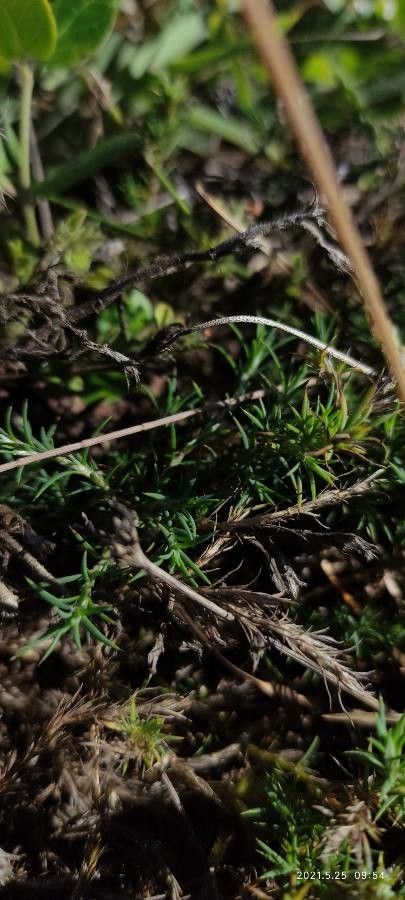
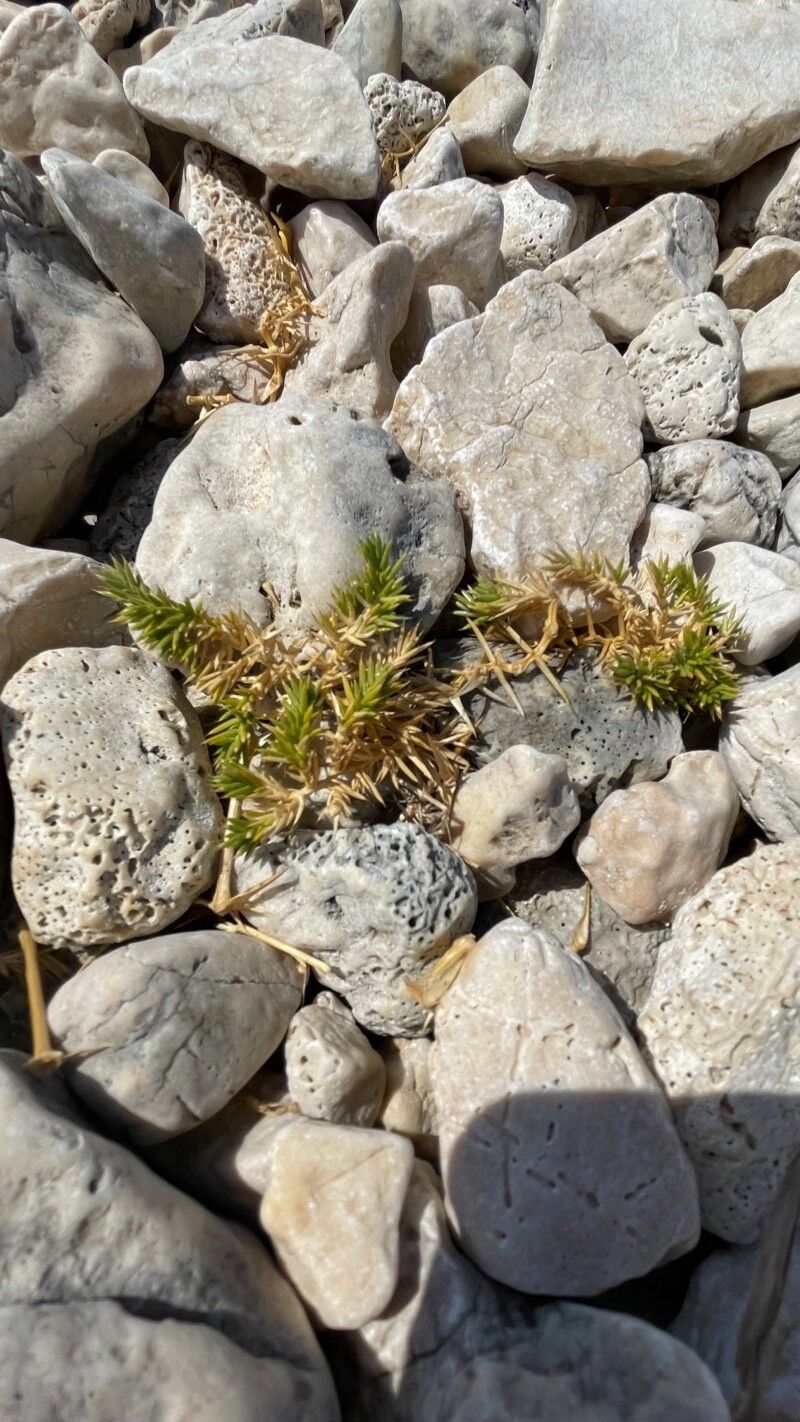
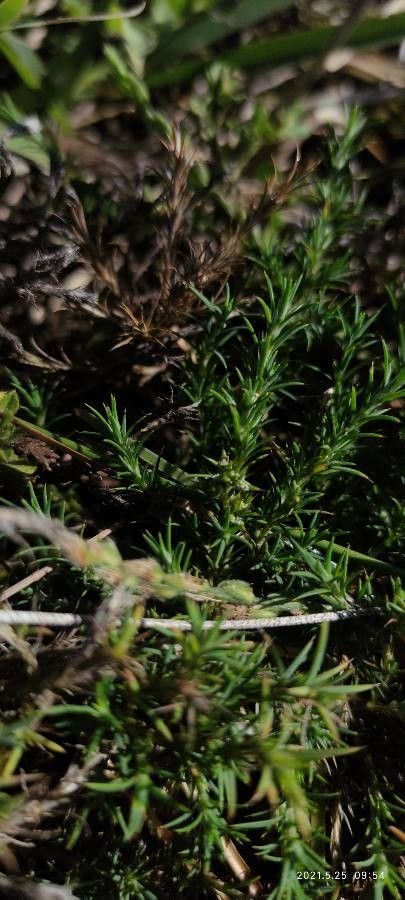
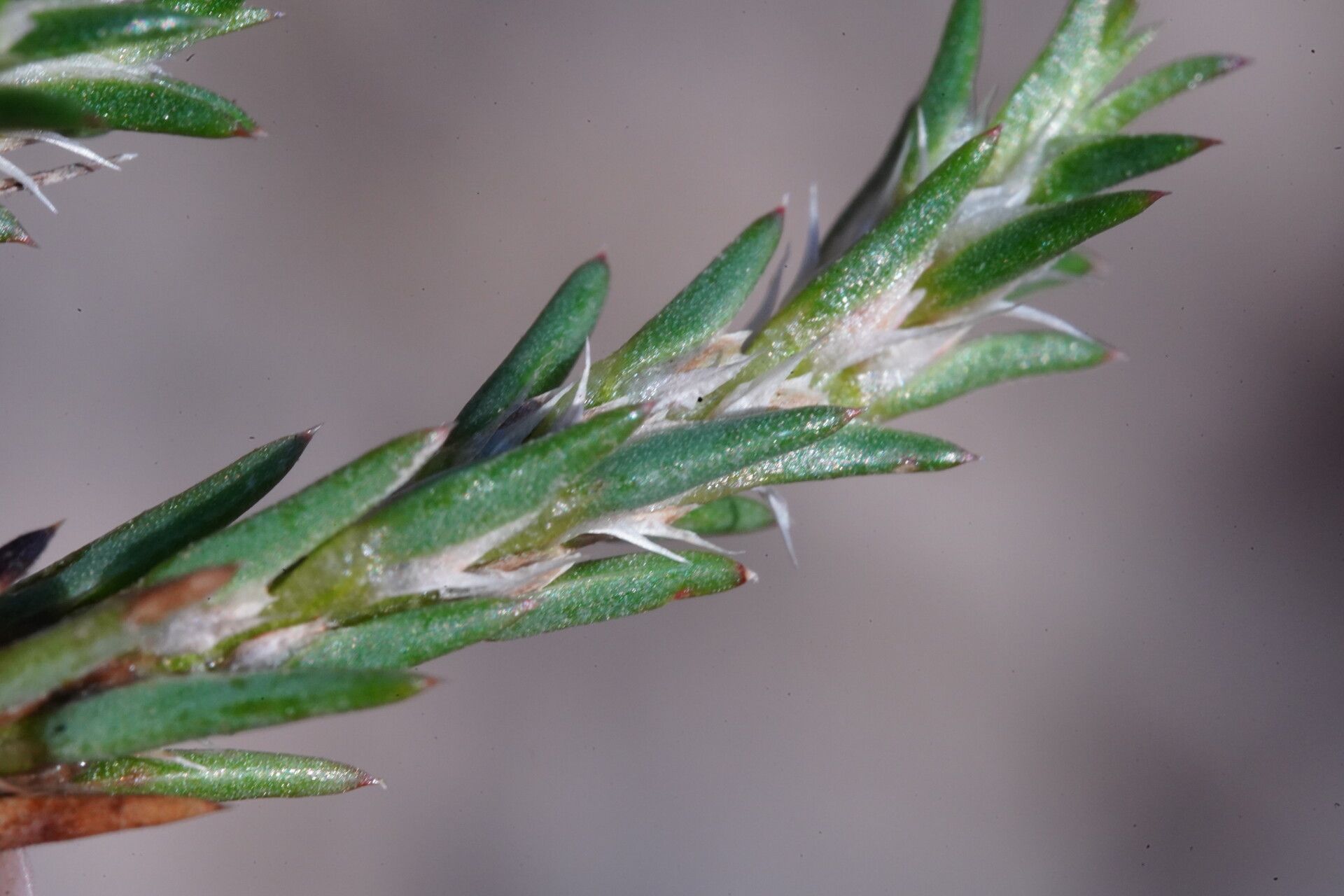
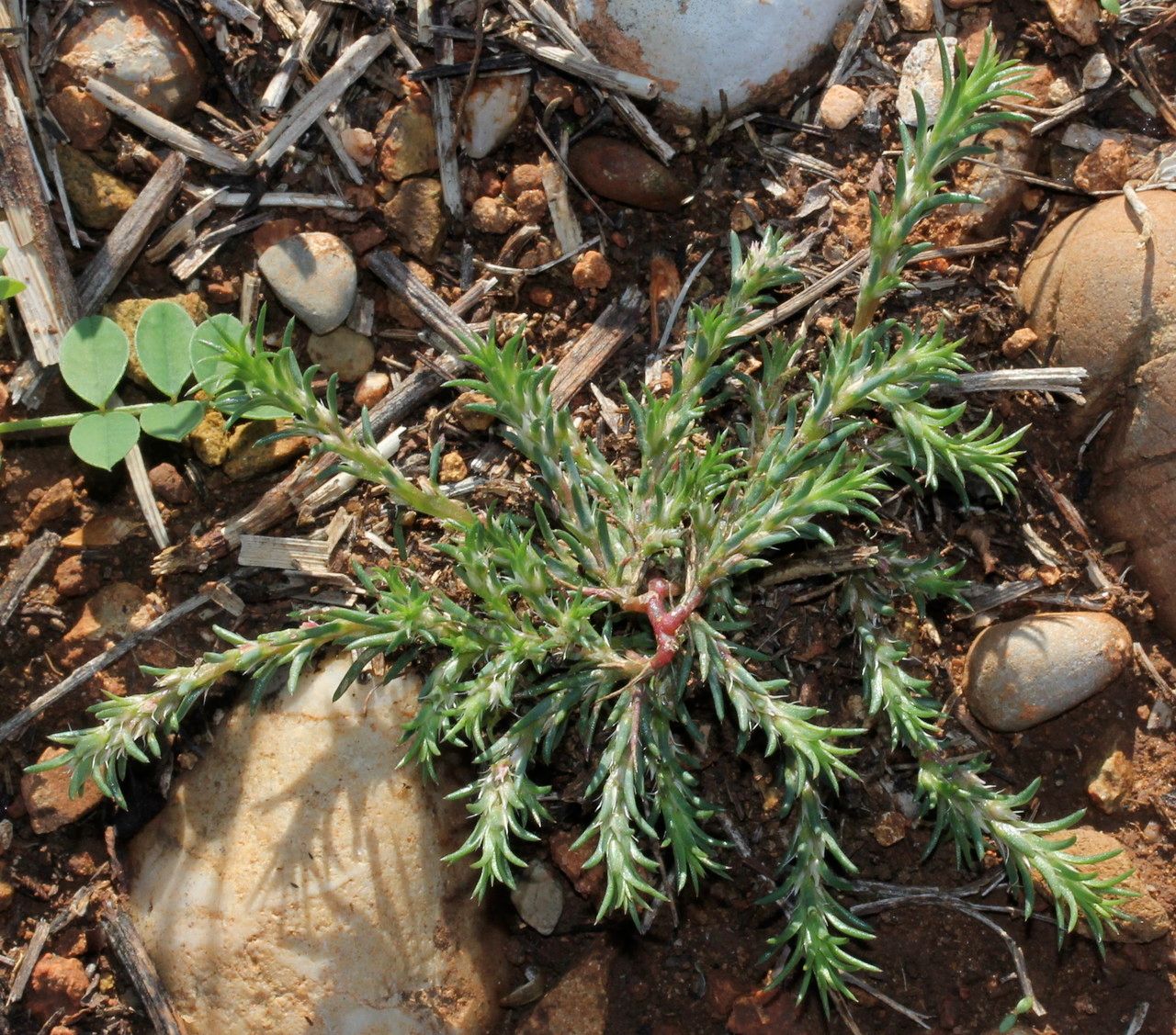
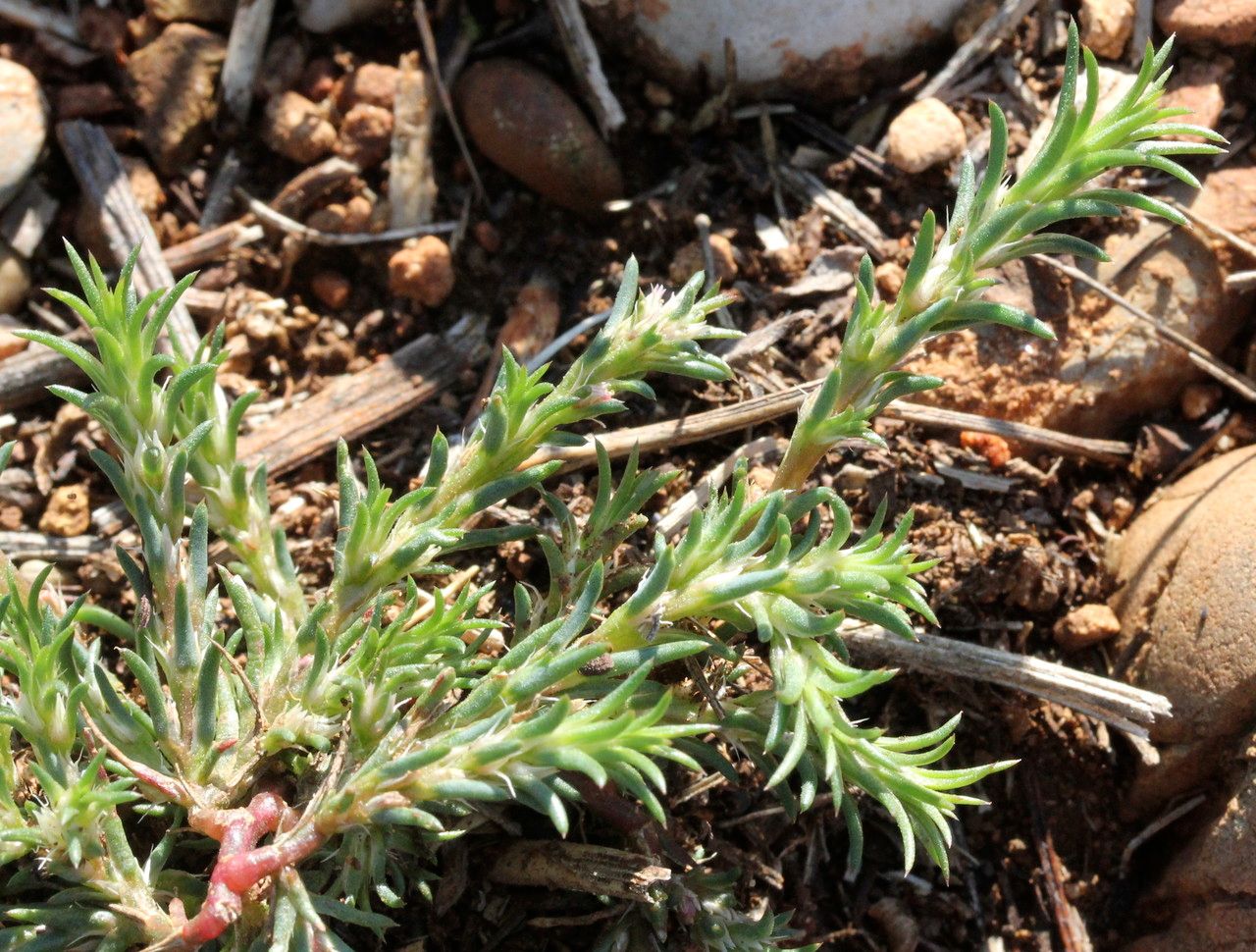
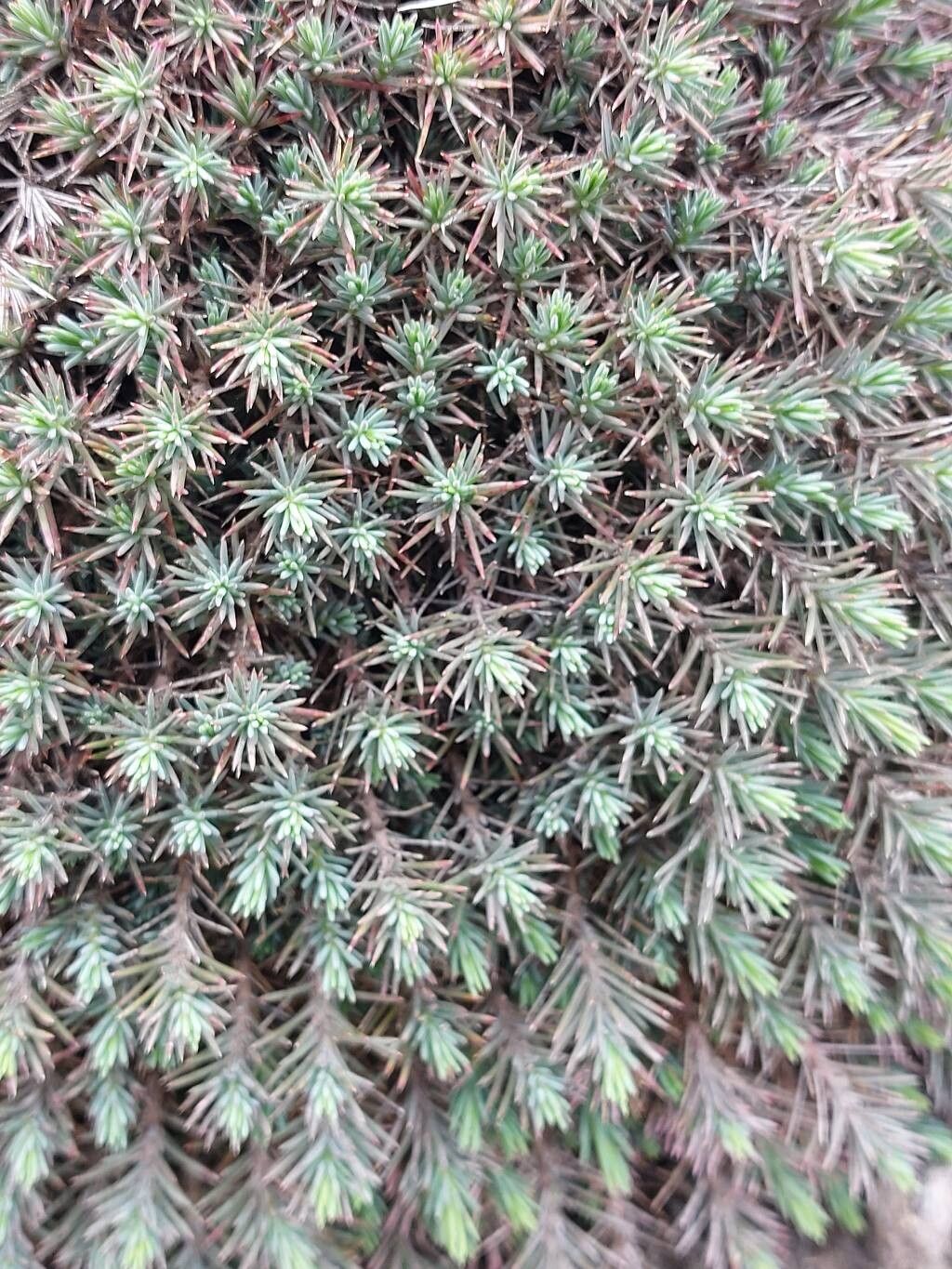
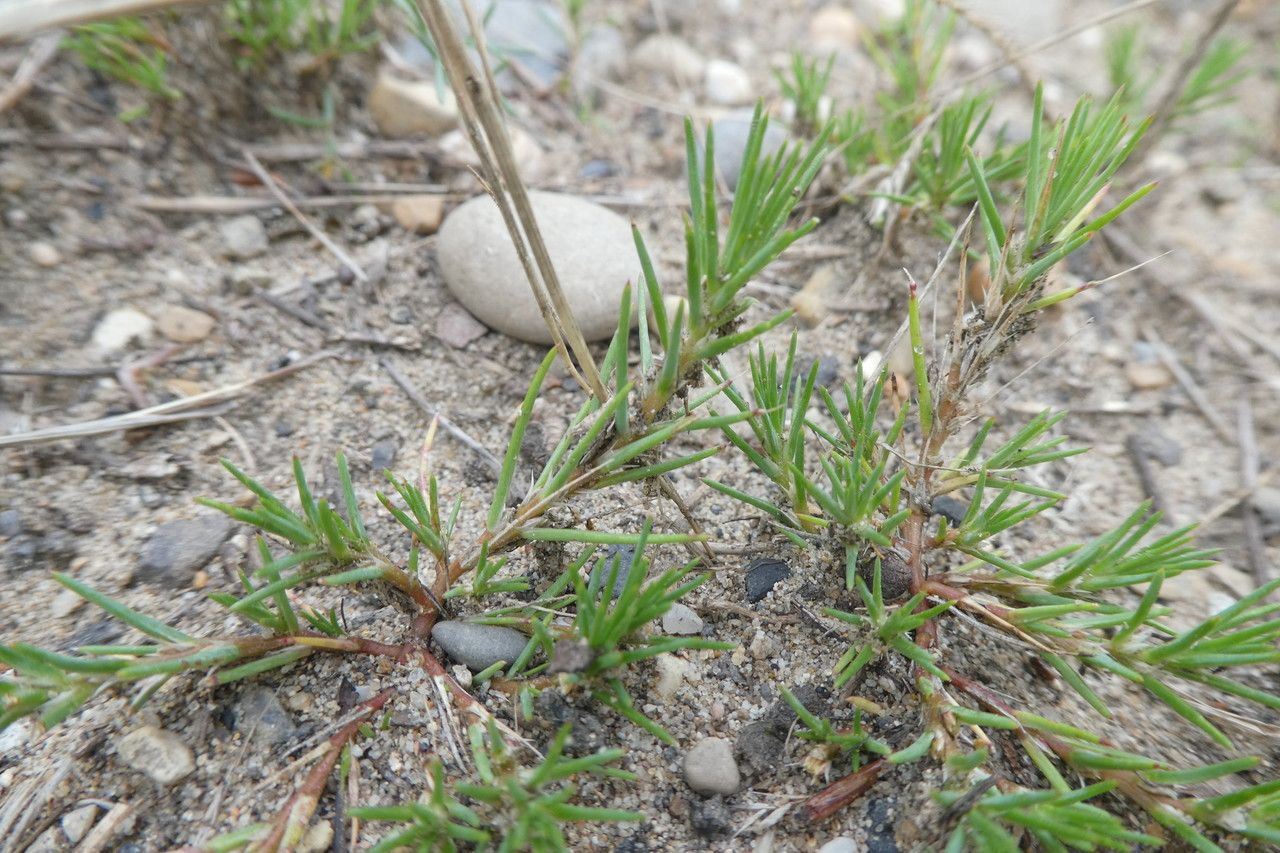
Polycnemum arvense is a species of flowering plant belonging to the family Amaranthaceae.It is native to Europe to China.
Giant needleleaf is fairly resistant to disease and generally does not suffer from illnesses. That said, it can be vulnerable to pests and diseases present in its environment. These outbreaks are typically not serious. Regarding care, this plant needs a moderate level of maintenance. It should be pruned regularly to keep a tidy appearance and support healthy growth. Fertilizing can also encourage flowering. Giant needleleaf is suitable for anyone who has outdoor space, such as a garden or patio, and does not demand extensive gardening experience. It may need extra attention if grown indoors.
How to keep Polycnemum Arvense.
Light
Giant needleleaf does best in uninterrupted sunlight but can tolerate partial shade. Outdoor specimens may need to be repositioned with the seasons. Irregular sun exposure can impair giant needleleaf's growth and vigor.
Water
Field needleleaf is well-suited for dry conditions, as it has excellent drought tolerance. To maintain its health and promote growth, it requires weekly watering. As an annual herb, field needleleaf completes its life cycle in a single growing season, conserving water during its dormant period.
Temperature
Giant needleleaf is native to temperate regions and does best at temperatures between 68 and 95 °F (20 and 35 ℃). During colder seasons, keep it indoors in a warmer environment to imitate its native climate.
Fertilizer
Giant needleleaf benefits from regular, mild applications of fertilizer to encourage healthy leaf development. You should fertilize Giant needleleaf about once a month during the summer. Nitrogen is essential for foliage, and providing nitrogen-rich sources helps Giant needleleaf thrive.
Pruning
Needleleaf plants have delicate, needle-like foliage. To encourage healthy growth, prune them from early to late spring by removing any dead stems. Thinning the foliage can improve air circulation and reduce the risk of disease. Avoid heavy pruning to prevent unnecessary stress on the plants. Always use sharp, clean tools for pruning, and refer to horticultural guides for additional care tips.
Botanical profile.
- Plant Type
- Herb
- Life Cycle
- Annual
- Genus
- Polycnemum
- Family
- Amaranthaceae
- Hardiness Zone
- 8-10
- Mature Height
- 5 cm to 30 cm
- Mature Spread
- 5 cm to 15 cm
- Leaf Color
- Green
- Leaf Type
- Deciduous
- Flower Color
- White, Green
- Flower Size
- 0.20 cm to 0.25 cm
- Bloom Time
- Summer
- Planting Time
- Spring, Summer
- Harvest Time
- Late summer, Early fall, Mid fall
- Native Area
- Turkey, Austria, Czech Republic, Slovakia, Montenegro, Bulgaria, Armenia, Poland, Greece, Croatia, Slovenia, Belarus, Ukraine, Serbia, Russia, Hungary, Germany, Kyrgyzstan, Kazakhstan, Italy, Spain, Switzerland, Albania, Azerbaijan, Romania, Belgium, France
Other names.
Reader questions.
What are the sun requirements for Field needleleaf?
Field needleleaf requires full sun, meaning it needs more than 6 hours of sunlight daily for optimal growth. It can also tolerate partial sun, which is about 3-6 hours of sunlight. It's important to observe how sunlight moves through your garden to find the perfect balance of light and shade for these plants, ensuring they thrive.
How important is sunlight for the growth of Field needleleaf?
Sunlight is crucial for the growth of Field needleleaf, a plant that originates from bright, open environments. It thrives best in full sun but can tolerate partial sun. For indoor plants, where natural sunlight may be insufficient, particularly during winter or in less sunny spaces, artificial lighting can be a vital solution for optimal growth. LED lights are popular for plant lighting as they can be customized to provide specific wavelengths needed by the plants. The amount of artificial light required varies by the plant's natural sun needs.
What symptoms indicate a Field needleleaf is receiving inadequate light?
When Field needleleaf is grown indoors or under inadequate light, it may show several symptoms indicating light deficiency: new leaves may grow smaller, the plant might display leggy or sparse growth, there could be faster leaf drop, slower or no new growth, lighter-colored new leaves, chlorosis (leaves turning yellow), sunscald, leaf curling, wilting, and leaf scorching. Each of these symptoms suggests that the plant is struggling with its current light conditions.
How can I address light deficiency symptoms in Field needleleaf?
To address light deficiency in Field needleleaf, you can move the plant to a sunnier location gradually, aiming for at least 6 hours of direct sunlight daily. If moving the plant is not feasible, consider using artificial light, like desk lamps or plant grow lights, for at least 8 hours daily. For outdoor plants, also move them gradually to sunnier spots to avoid sunburn. Removing obstructions that block sunlight or transplanting smaller plants to sunnier locations can also help improve their light exposure and overall health.