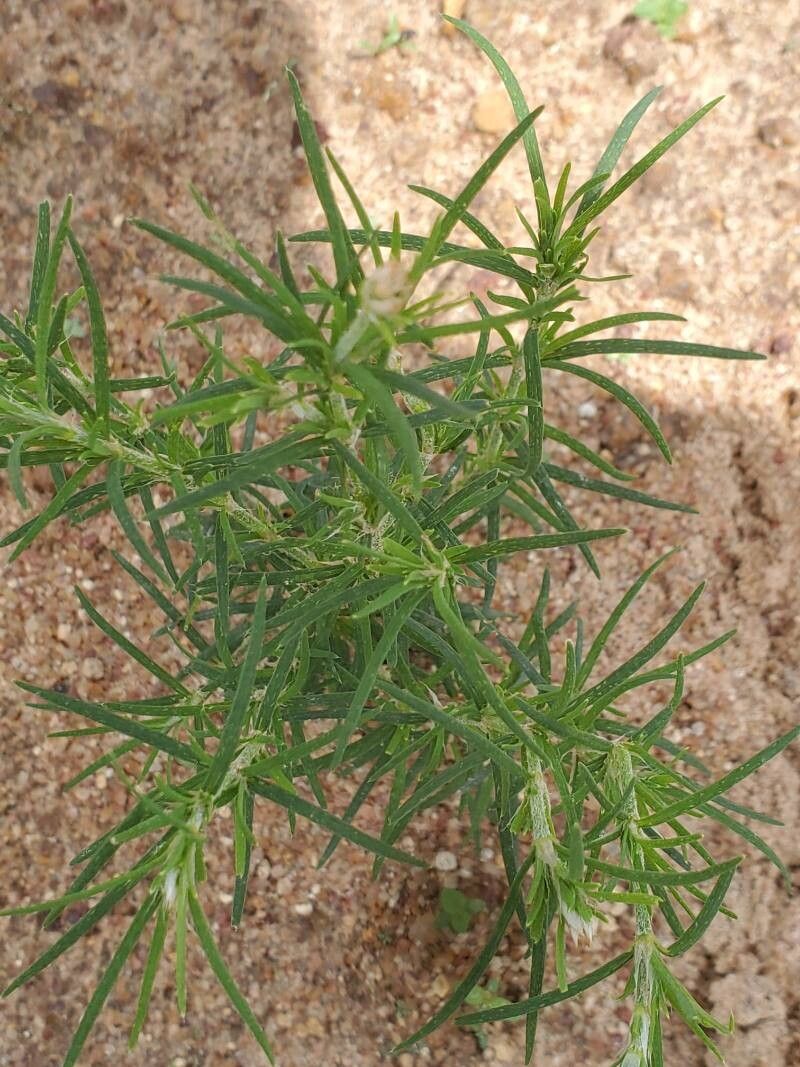
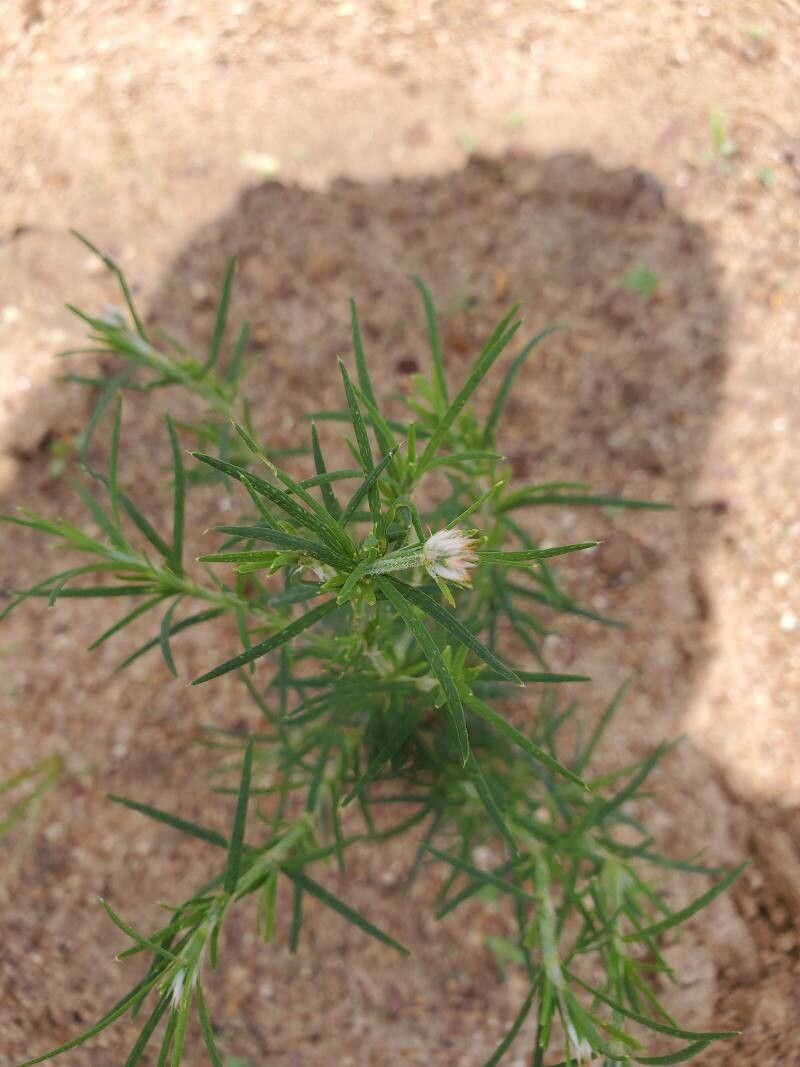
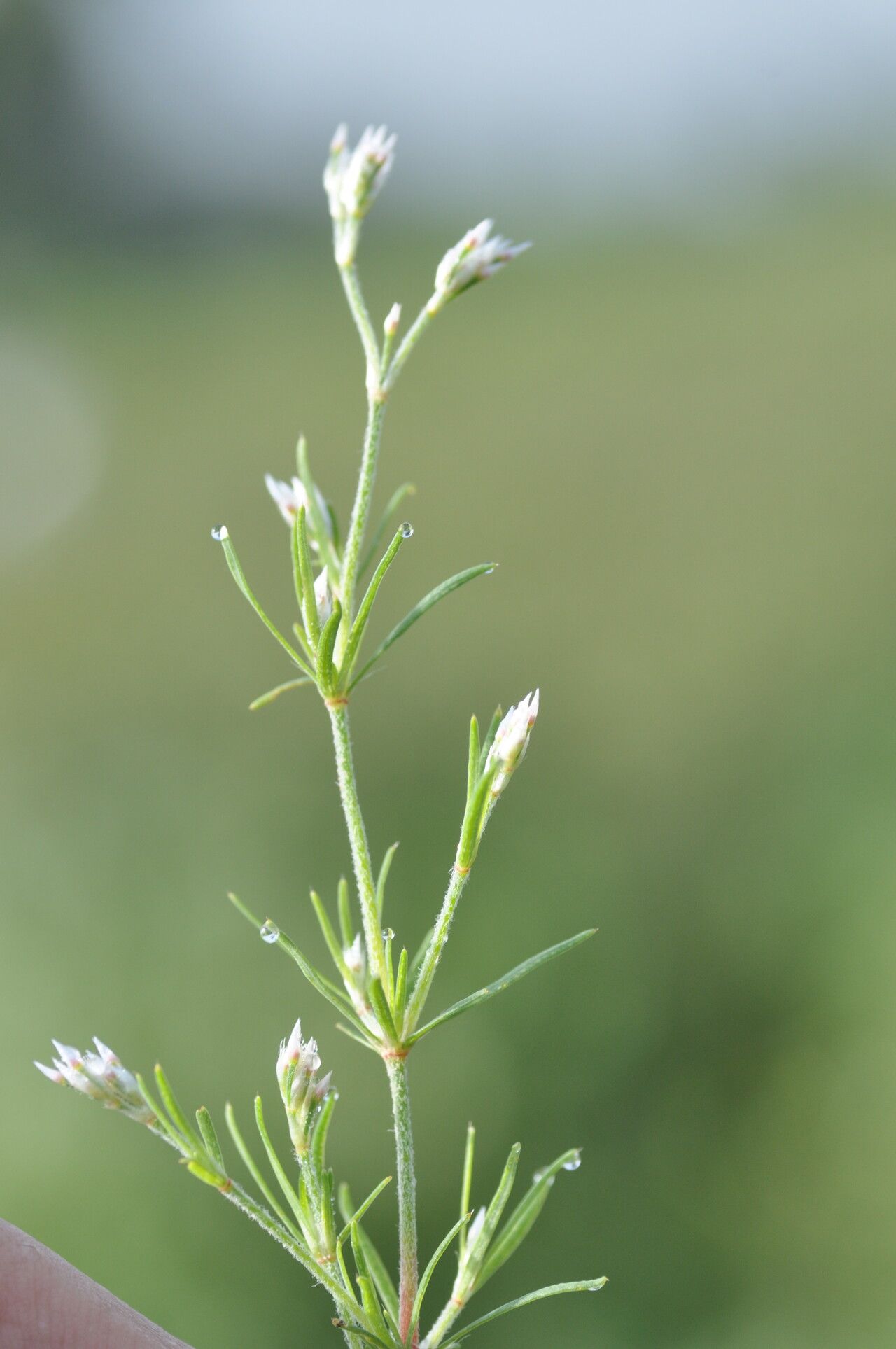
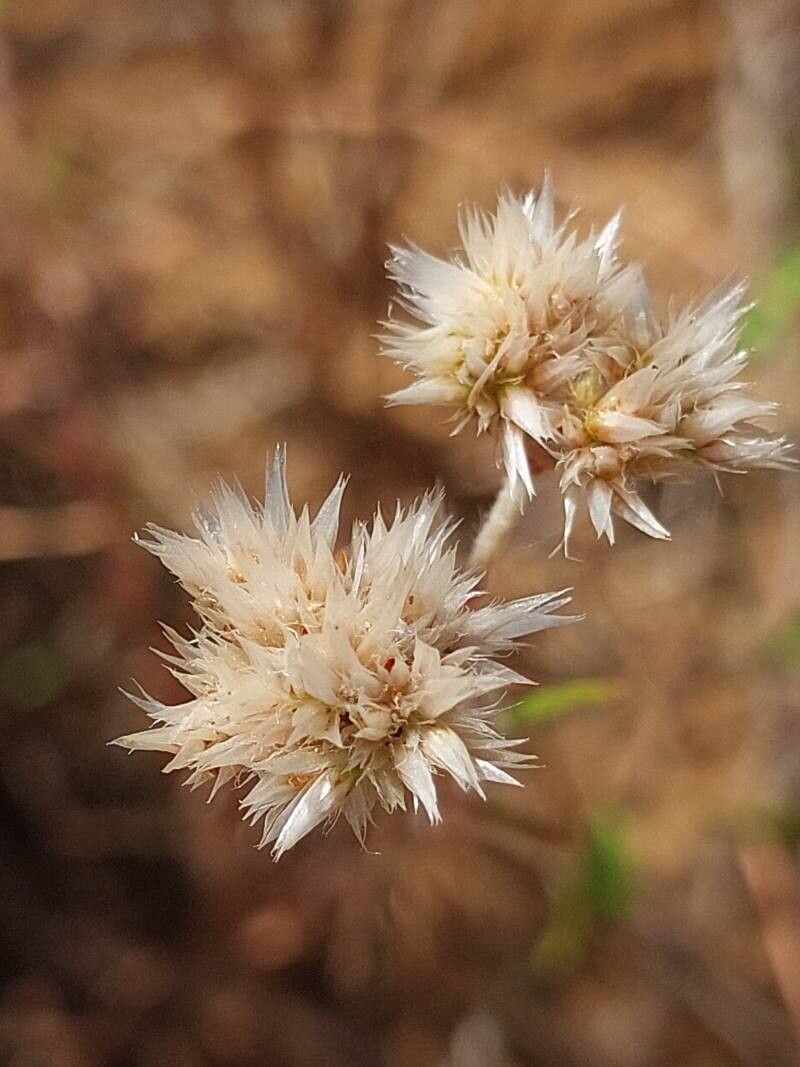
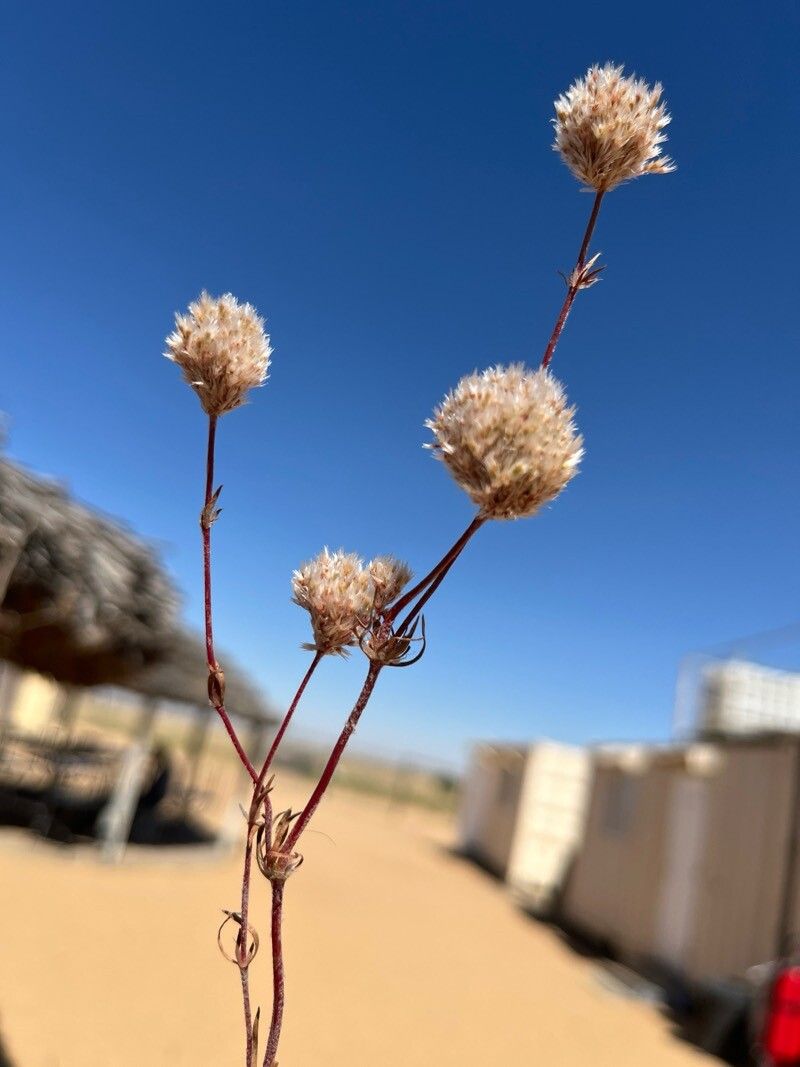
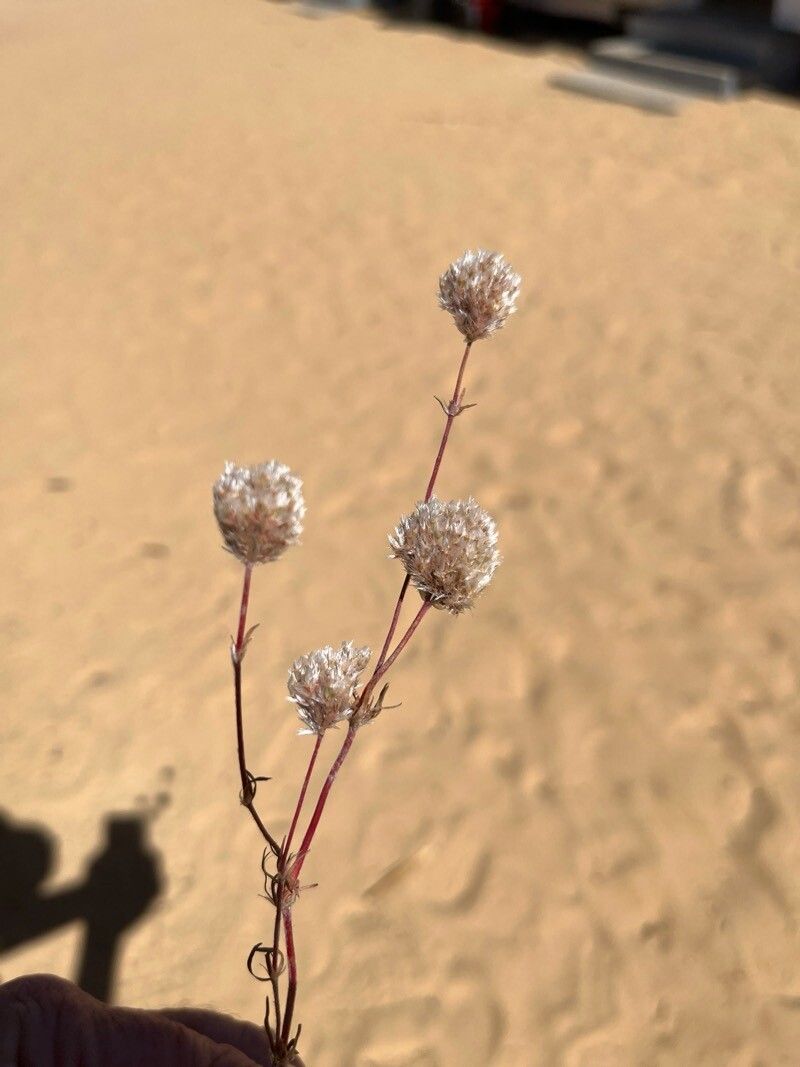
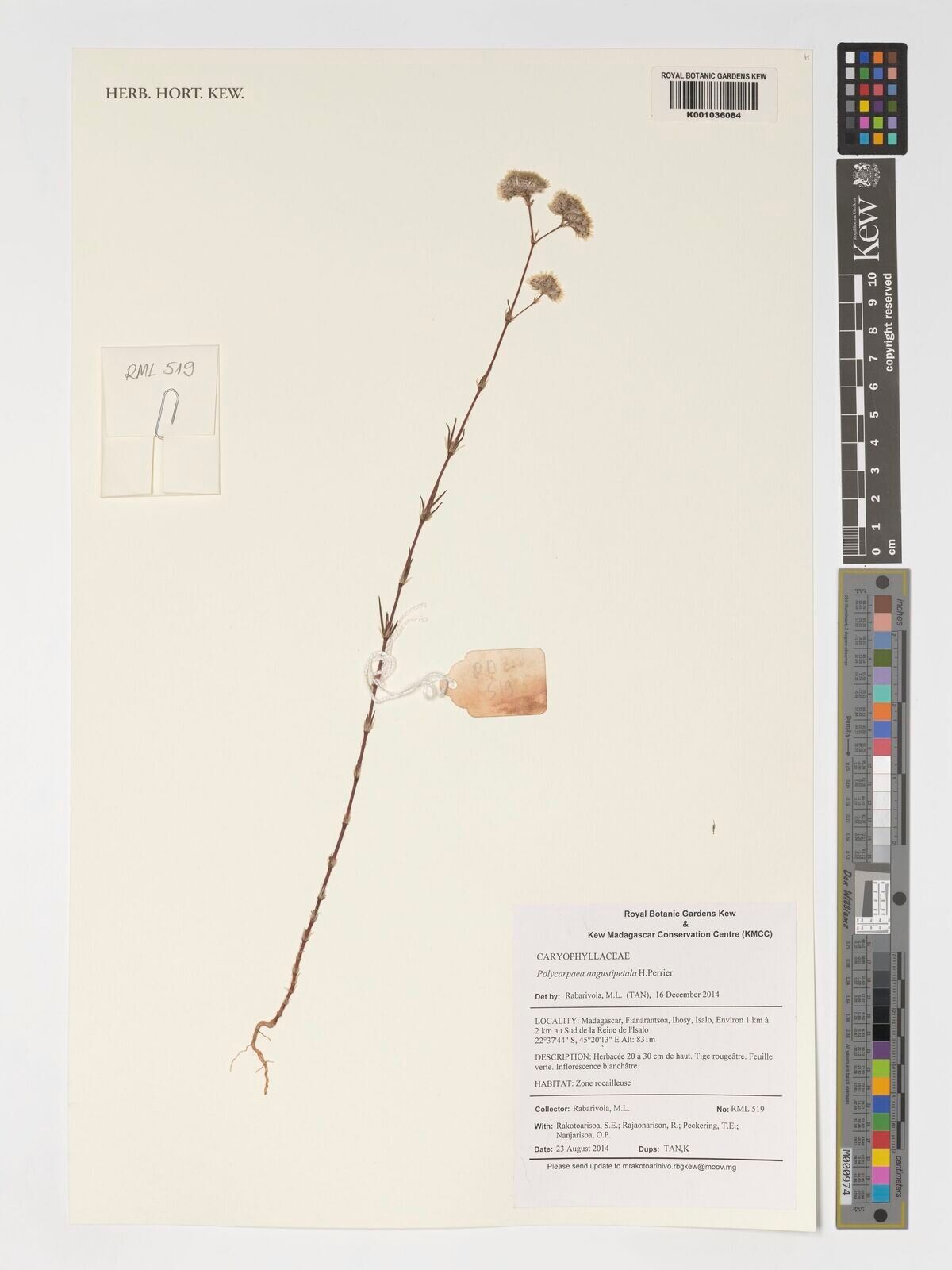
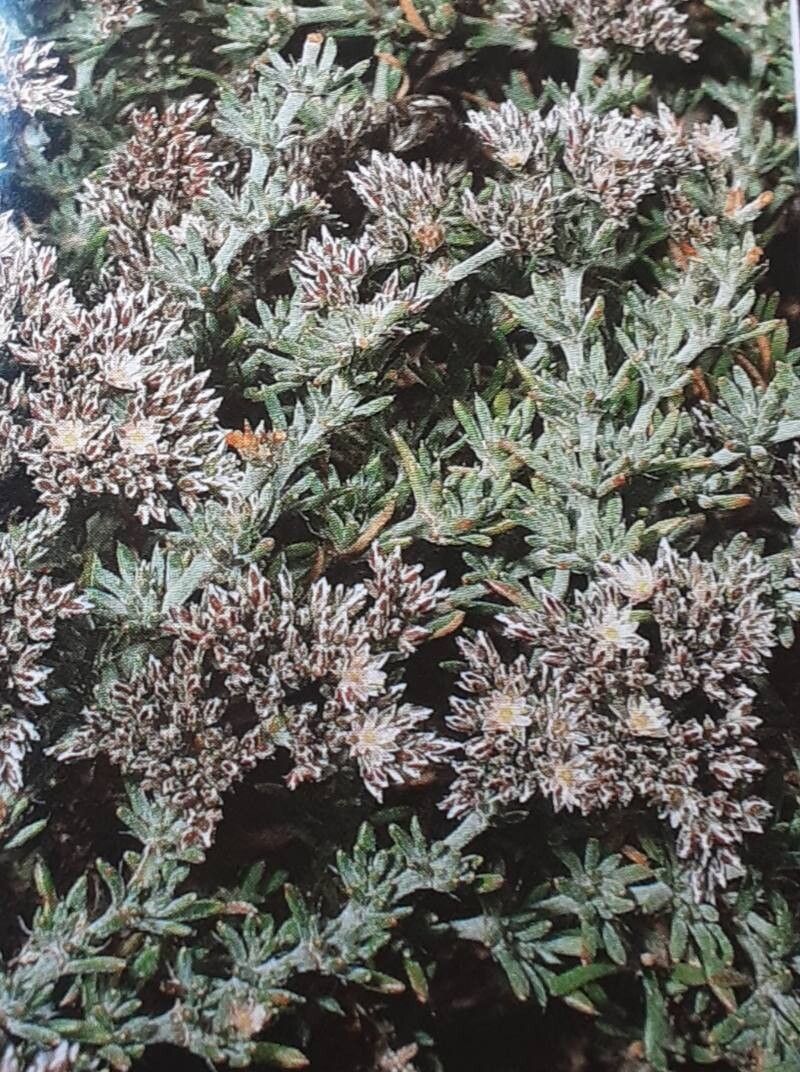
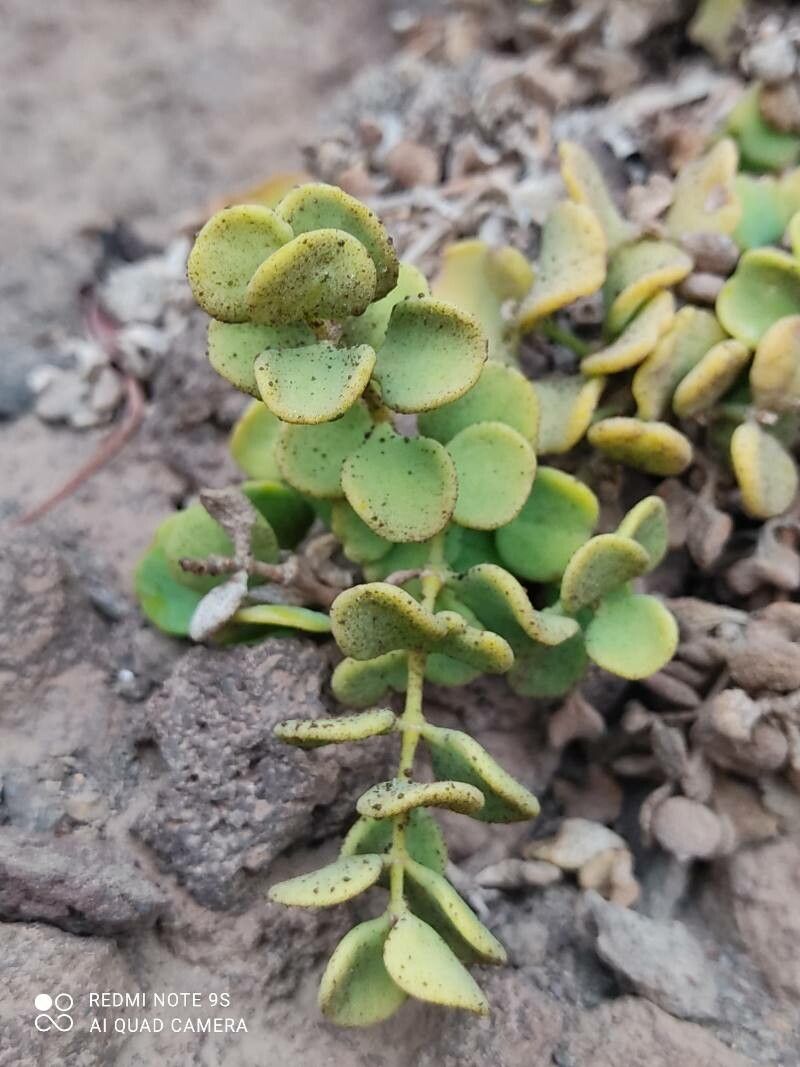
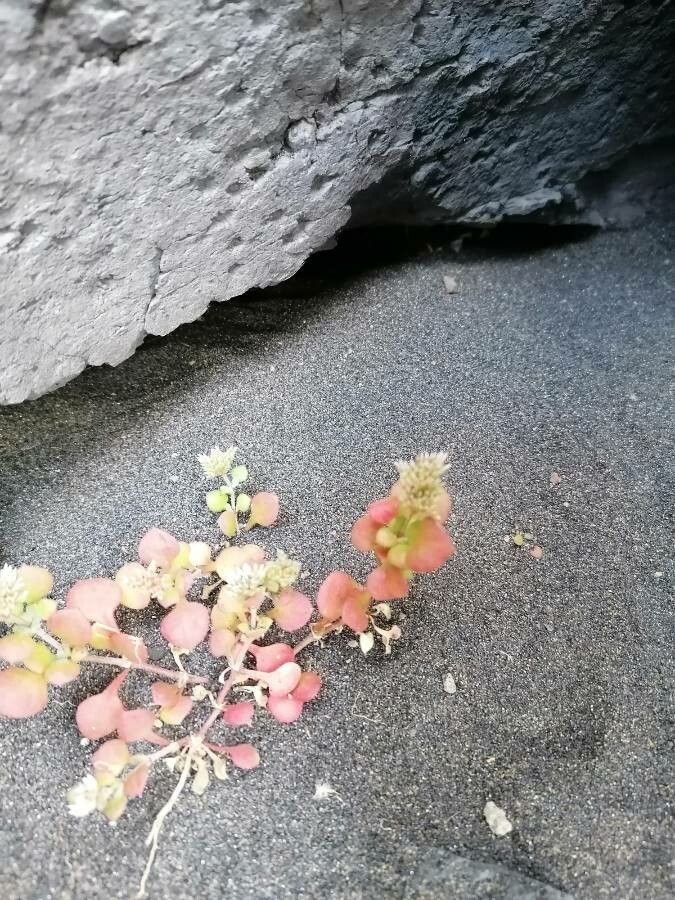
Oldman's cap has good resistance to disease and is generally not prone to illnesses. However, it can be affected by pests and diseases present in its environment. These infections are typically not severe. Regarding care, this plant requires moderate maintenance. It needs regular pruning to keep a tidy appearance and healthy growth. Fertilizing can also help encourage flowering. Oldman's cap is suitable for anyone with outdoor space, such as a garden or patio, and does not demand extensive care experience. It may need more attention when grown indoors.
How to keep Polycarpaea Corymbosa.
Light
Oldman's cap comes from bright, open habitats and performs best in full sun. It can tolerate some partial shade but prefers direct sunlight for the best growth. This plant, which may be annual or biennial, is noted for its sun-loving habit.
Water
Oldman's Cap thrives in tropical conditions with high humidity and consistent moisture. It needs to be watered weekly and shows moderate tolerance to drought. Ideally suited for indoor cultivation, Oldman's Cap flourishes in environments that mimic the humidity of a rainforest, which promotes healthy foliage and flowering.
Temperature
Oldman's cap comes from habitats where temperatures fall between 68 and 95 °F (20 to 35 ℃). It does best in that warmth and fares poorly in icy conditions. When the seasons change, keep temperatures within its preferred range for optimal growth.
Fertilizer
Oldman's cap responds well to regular, mild fertilizer applications to encourage healthy leaf development. You should feed Oldman's cap about once a month during the summer. Nitrogen is important for the leaves, and adding nitrogen-rich sources helps Oldman's cap do well.
Pruning
Oldman's cap is a resilient plant that flourishes even in challenging conditions, thanks to its small clusters of flowers. For optimal growth, it’s best to prune the plant between early and late spring. When pruning, carefully remove any dead branches and thin out the older ones to encourage new growth. Make sure to use sharp tools to achieve clean cuts, and refer to gardening guides for detailed care instructions.
Botanical profile.
- Plant Type
- Herb
- Life Cycle
- Annual
- Genus
- Polycarpaea
- Family
- Caryophyllaceae
- Hardiness Zone
- 4-8
- Mature Height
- 30 cm to 61 cm
- Mature Spread
- 30 cm to 61 cm
- Leaf Color
- Green, Light Green
- Leaf Type
- Semi-evergreen
- Flower Color
- White
- Flower Size
- 0.25 cm to 0.51 cm
- Bloom Time
- Late spring, Summer, Early fall
- Planting Time
- Spring, Autumn
- Harvest Time
- Mid summer, Late summer, Fall
- Native Area
- Sri Lanka, Burkina Faso, Egypt, India, Angola, Namibia, Madagascar, Eritrea, Pakistan, Nigeria, Yemen, Kenya, Uganda, Tanzania, Zimbabwe, Niger, Mali, Guinea-Bissau, Benin, Cambodia, Cameroon, Mozambique, Venezuela, Ethiopia, Botswana, Congo, Central African Republic, Saudi Arabia, Malawi, Peru, South Africa, Zambia, Sudan, Philippines, Mauritania, Laos, Bangladesh, Guinea, Panama, Chad, China, Bolivia, Vietnam, Myanmar, Togo, Guyana, Senegal, Eswatini, Côte d'Ivoire, Congo (DRC), Thailand, Gabon
Other names.
Reader questions.
What are the sunlight requirements to grow Oldman's cap?
Oldman's cap thrives in environments that mimic its natural, open habitat, requiring full sun for over 6 hours a day to achieve optimal growth. It can also tolerate partial sun, about 3-6 hours of sunlight, but prefers direct sunlight. It's important for gardeners to observe the movement of sunlight through their garden throughout the day to identify spots that offer a balance of light and shade suitable for the plant's growth.
What is the ideal temperature range for Oldman's cap?
Oldman's cap, known botanically as Polycarpaea corymbosa, thrives in environments where the temperature ranges from 68 to 95 °F (20 to 35 °C). It does best in warm conditions and does not fare well in icy conditions. To ensure optimal growth, it's important to maintain temperatures within this preferred range as seasons change.
How can artificial lighting be used for Oldman's cap when natural sunlight is insufficient?
When natural sunlight is insufficient, especially during winter or in less sunny spaces, artificial lighting serves as an essential solution for the growth of Oldman's cap indoors. LED lights are recommended for their ability to provide specific wavelengths needed by plants. For full sun plants like Oldman's cap, 30-50W/sq ft of artificial light is recommended. The light source should be placed 12-36 inches above the plant to mimic natural sunlight and set to mimic natural daylight hours, with most plants requiring 8-12 hours of light per day.
How should Oldman's cap be protected during winter?
Oldman's cap has strong cold resistance, and special frost protection measures are not usually required during the winter. However, if temperatures are expected to fall below -30°C, it is important to protect the plant from cold. This can be done by covering the plant with soil or straw. Additionally, watering the plant abundantly before the first freeze of autumn is recommended to keep the soil moist and prevent drought and water scarcity during winter and early spring.
What are the common symptoms of inadequate light for indoor Oldman's cap?
Indoor Oldman's cap may exhibit symptoms of light deficiency, including smaller new leaves, leggy or sparse growth, faster leaf drop, slower or no new growth, lighter-colored new leaves, chlorosis (leaves turning yellow), sunscald (damage from intense sunlight), leaf curling, wilting, and leaf scorching. These symptoms indicate that the plant is struggling with the light conditions, affecting its health and growth.
What should be done if Oldman's cap experiences very low temperatures?
If Oldman's cap is exposed to temperatures below -30°C, there might not be noticeable changes during the winter, but there could be a decrease in sprouting or a complete lack of sprouting in the spring. The solution in spring is to remove any parts that have failed to sprout in order to promote healthy growth for the rest of the plant.
What are the solutions for Oldman's cap experiencing inadequate light?
To address inadequate light for Oldman's cap, gradually moving the plants to a sunnier location each week until they receive at least 6 hours of direct sunlight daily is recommended. For indoors, consider using artificial light if the plant is too large or not easily movable, keeping a lamp on for at least 8 hours daily, or investing in professional plant grow lights. Outdoors, avoid sudden changes in light intensity to prevent sunburn. If necessary, observe and reduce any obstructions blocking sunlight, or transplant smaller plants during their dormant period to a location with ample sunlight and good drainage. Note that while parts of the plant damaged by insufficient sunlight may not recover, new growth should be healthy following adjusted light exposure.
How can Oldman's cap be cared for during high temperatures?
During the summer, it's essential to keep Oldman's cap's temperature below 35°C. When temperatures exceed 38°C, the plant's leaves may lighten in color, curl, become susceptible to sunburn, and the plant can wilt and dry out in severe cases. To care for Oldman's cap during high temperatures, trim away sunburned and dried-up parts. Move the plant to a shaded location, especially away from the midday and afternoon sun, or use a shade cloth to provide protection. Watering the plant in the morning and evening will help keep the soil moist and support the plant's health.