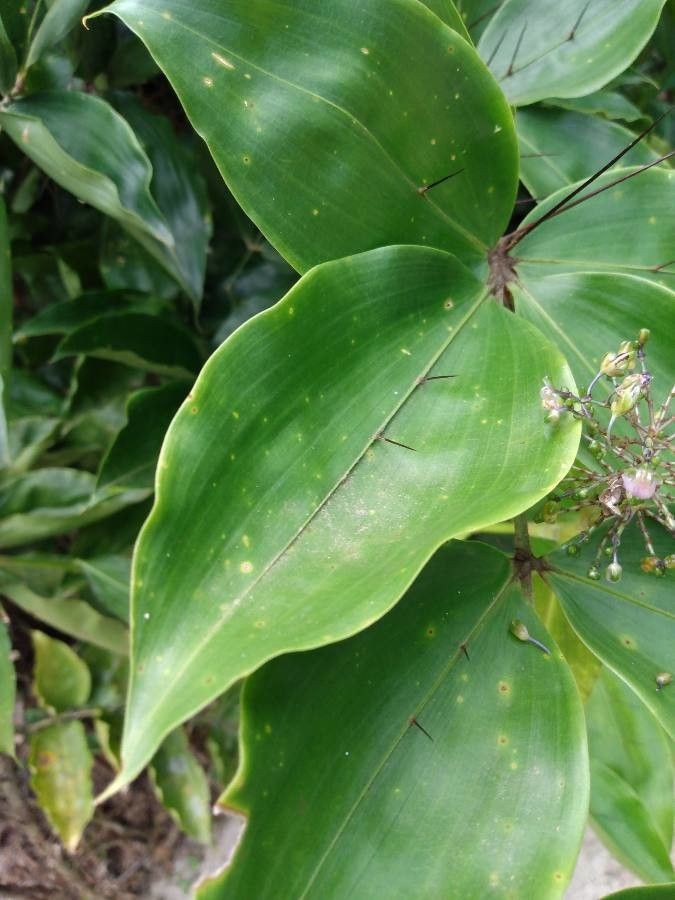
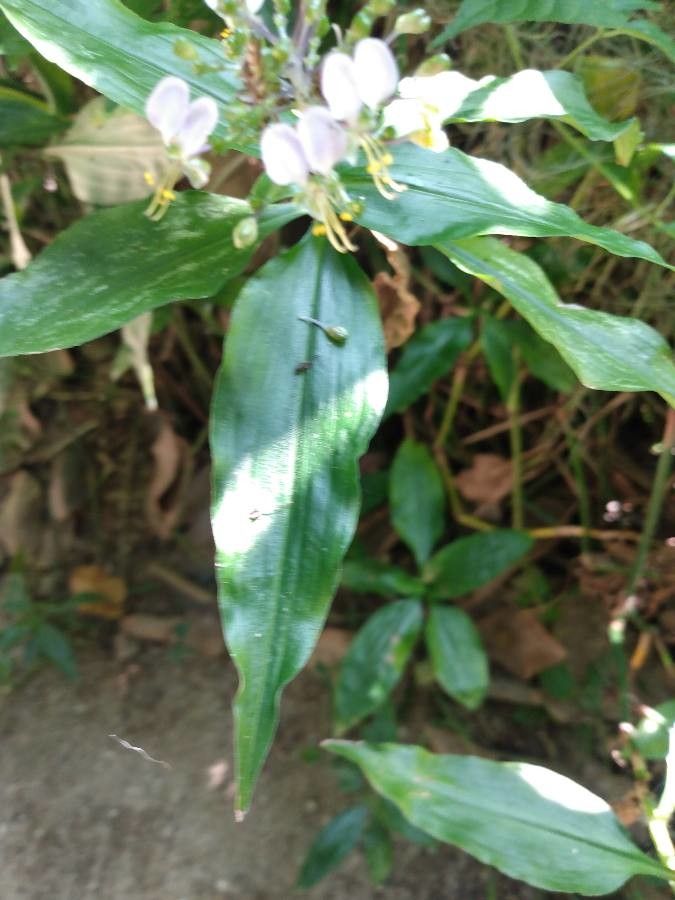
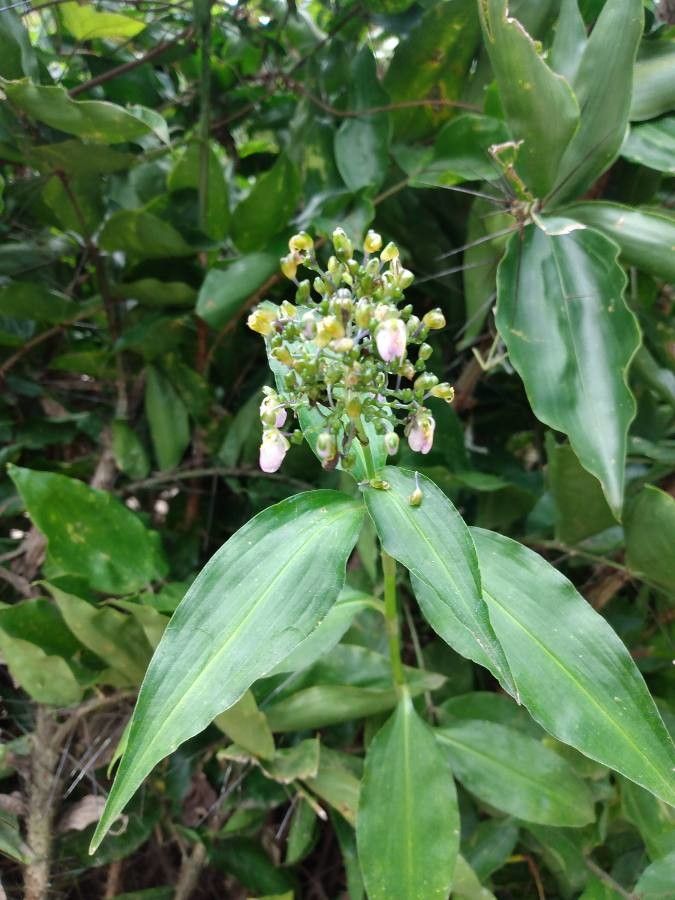
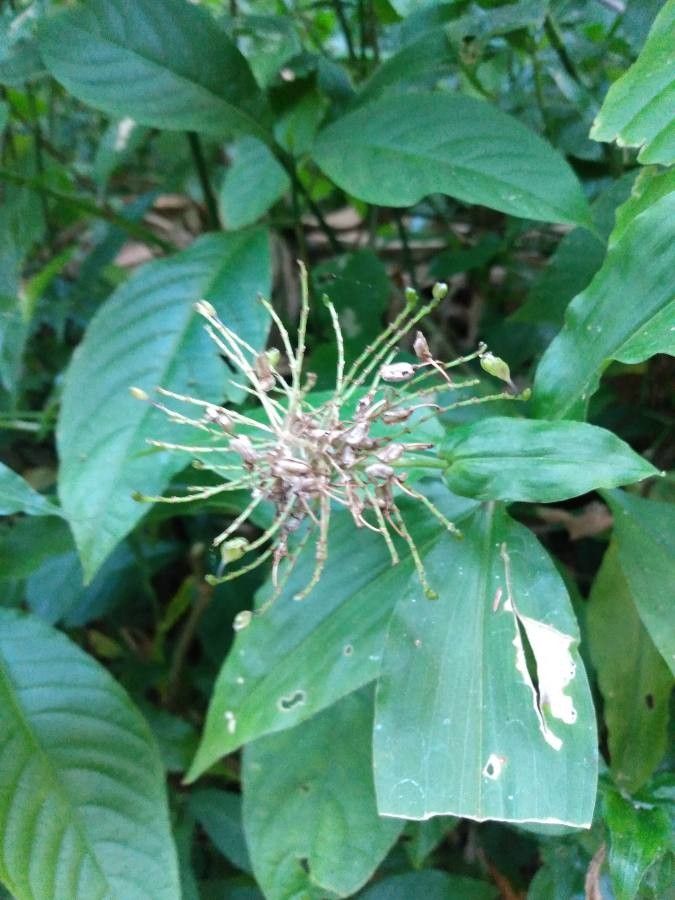
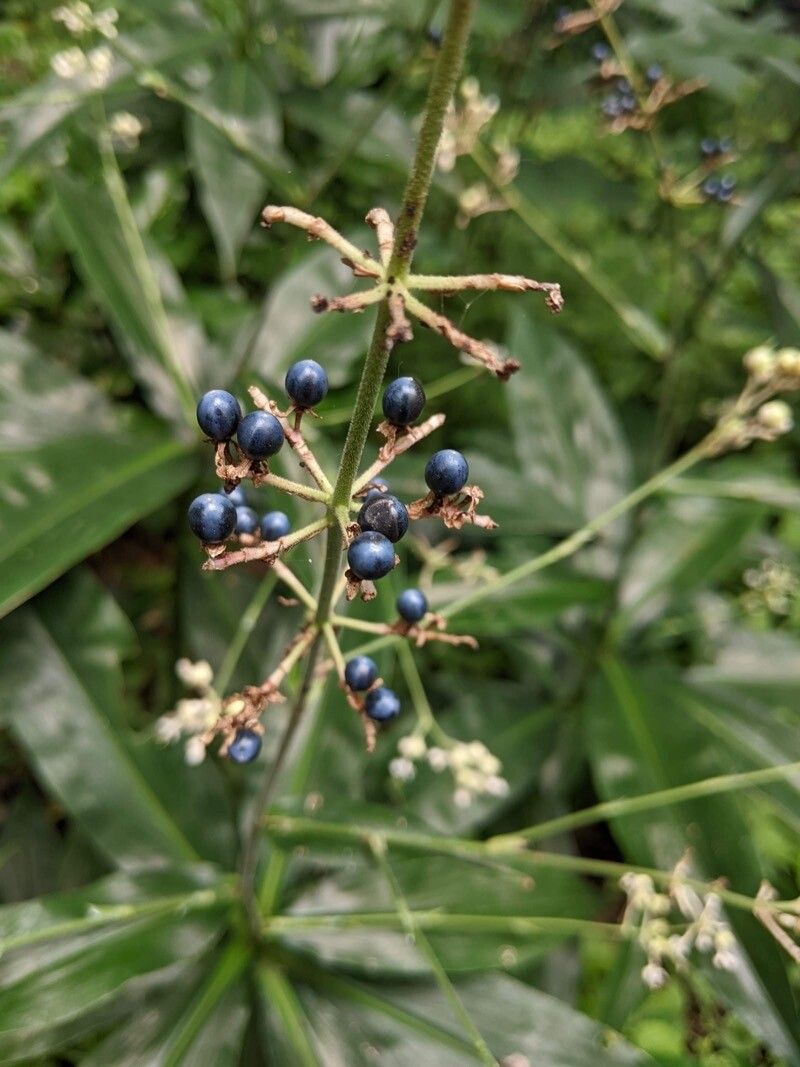
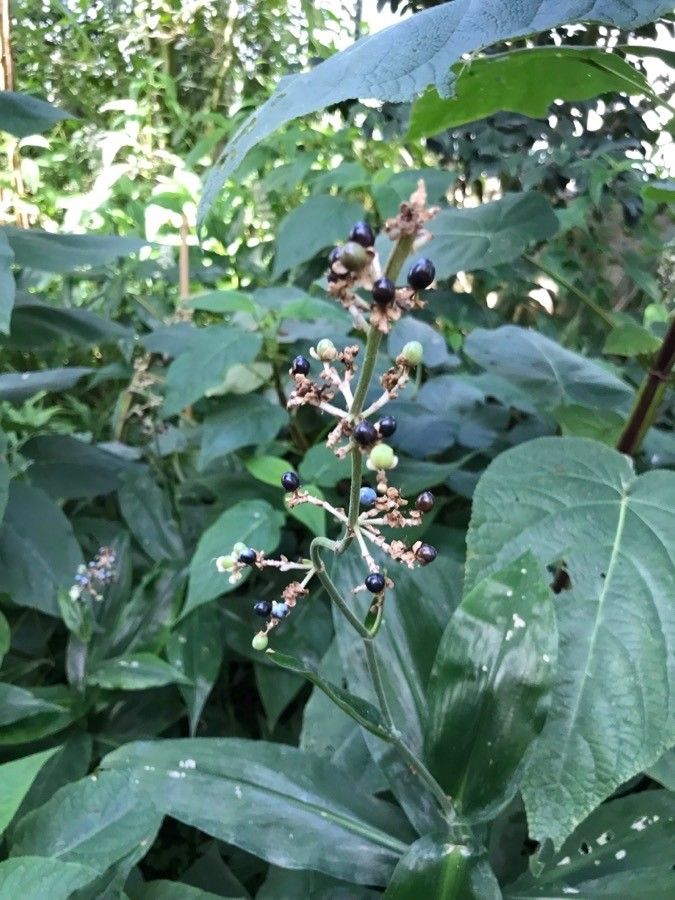
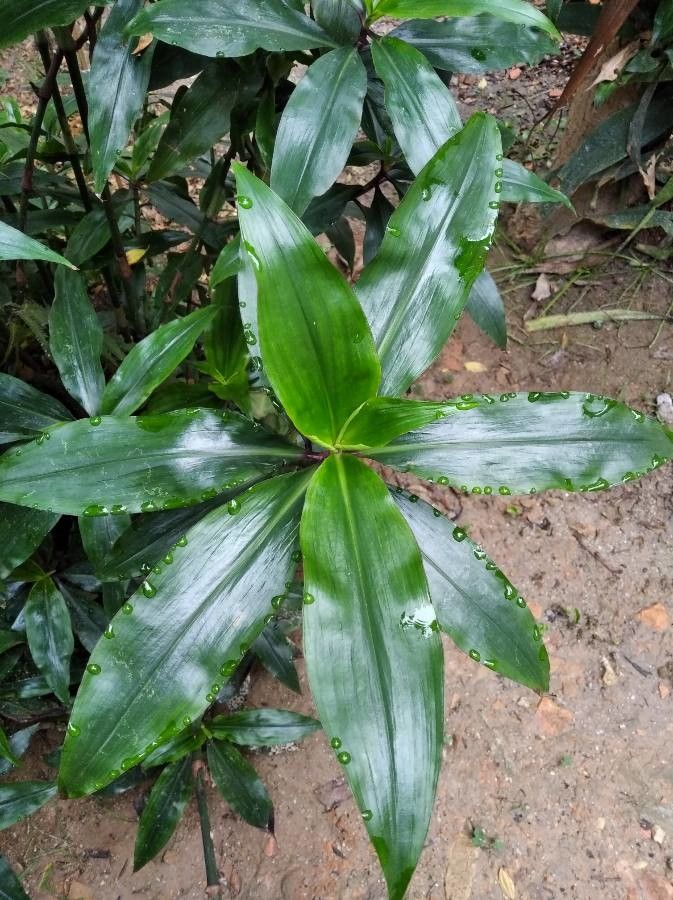
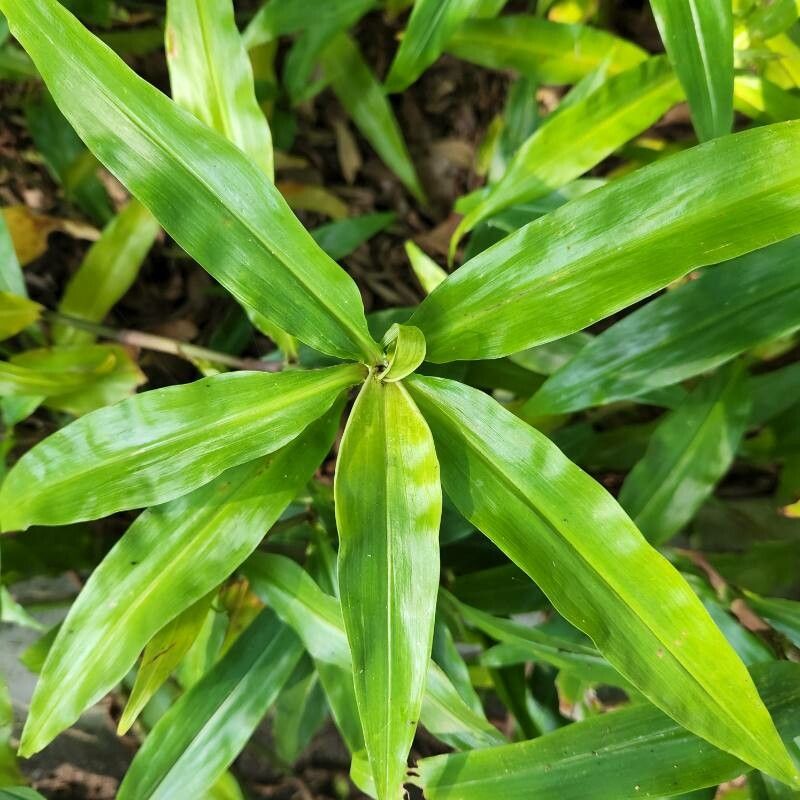
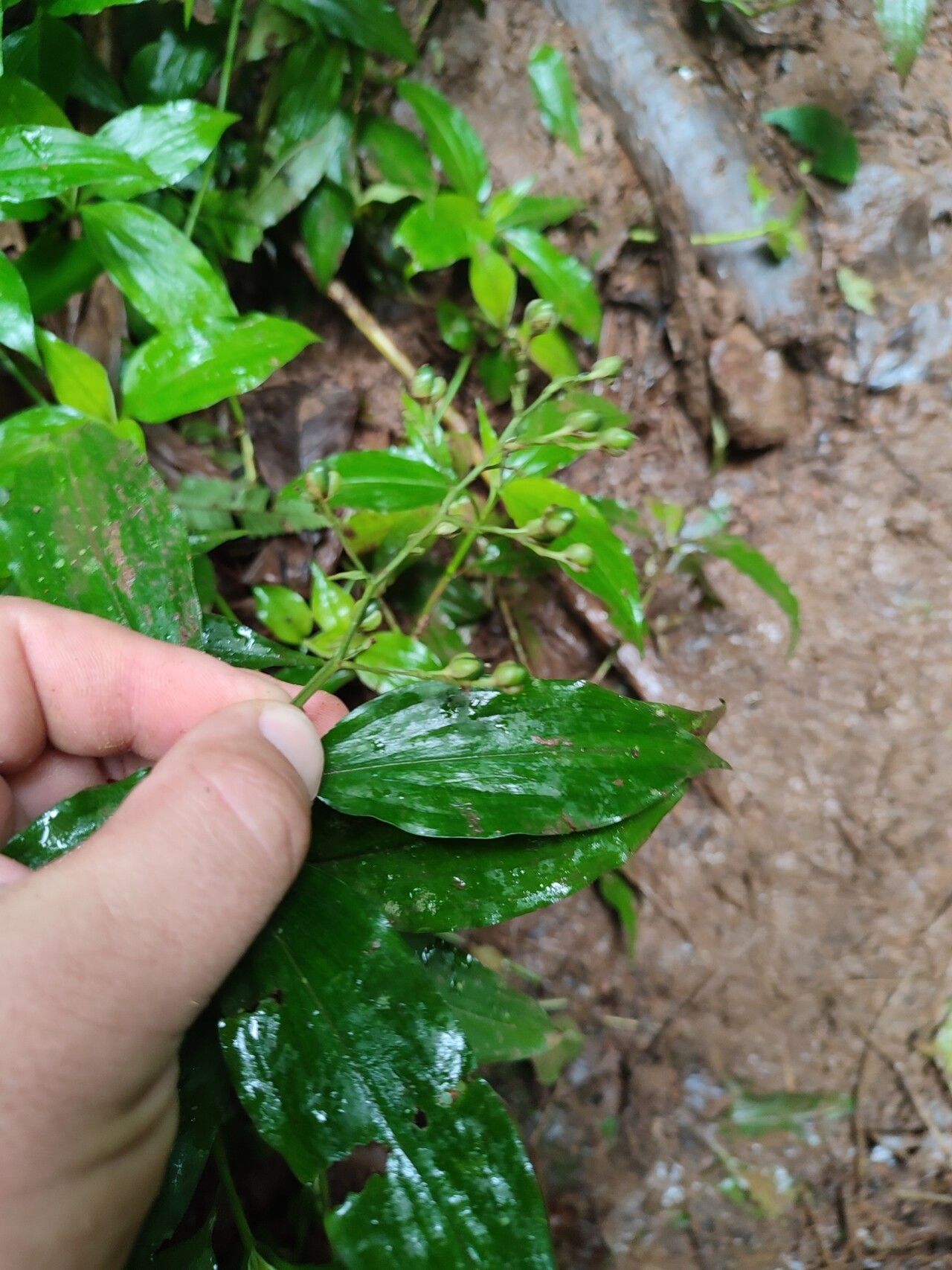
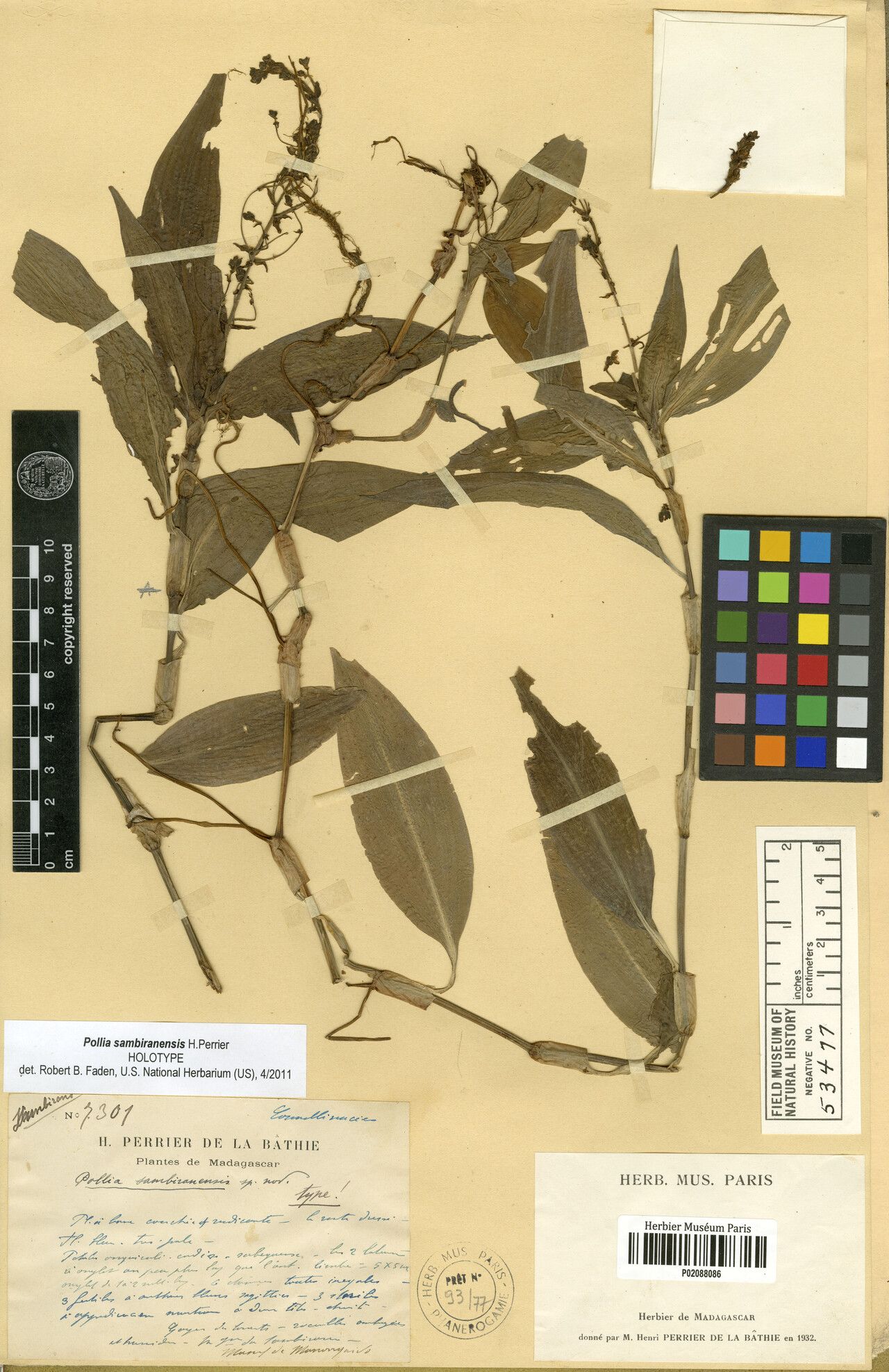
Pollia japonica, known as East Asian pollia in English, yabumyoga (ヤブミョウガ) in Japanese, and dùruò (杜若) in Chinese, is a perennial flower native to East Asia. Its niche is forests 0–1200 m. It is native in Anhui, Fujian, Guangdong, Guangxi, Guizhou, Hubei, Hunan, Jiangxi, and Sichuan Provinces of China. It is also found in Taiwan, Japan, and Korea.
How to keep Pollia Japonica.
Light
East Asian pollia favors locations with moderate sun exposure and can adjust to less brightly lit conditions. This flexibility comes from its native habitat, which often undergoes changes in sun intensity. Nonetheless, excessive or insufficient sunlight can hinder vigorous growth and may damage its overall health and vitality.
Water
The East Asian pollia plant thrives in moist, shaded environments. It prefers consistent moisture but can tolerate brief periods of dryness. To maintain lush foliage and prevent leaf drop indoors, water the plant weekly. Make sure its care mimics its native understory habitat to keep it verdant year-round.
Temperature
East Asian pollia is native to East Asia and does well in temperatures ranging from 41 to 89.6 °F (5 to 32 ℃). It favors a temperate climate and adapts well to seasonal temperature changes, provided the extremes remain within its preferred range.
Fertilizer
For East asian pollia, the main time to fertilize is in early spring when flowers are forming. The right fertilizer promotes better blooms and helps East asian pollia produce lovely flowers. Fertilizing in early spring ensures excellent flowers during the season and supplies energy for dormant growth phases.
Pruning
For optimal health and vibrant blooms, it's best to routinely prune East Asian pollia from early to late spring. Concentrate on removing dead stems and thinning out crowded areas to improve air circulation. This practice helps maintain the plant's shape, prevents diseases, and ensures the plant stays robust.
Botanical profile.
- Plant Type
- Herb
- Life Cycle
- Perennial
- Genus
- Pollia
- Family
- Commelinaceae
- Hardiness Zone
- 5-8
- Mature Height
- 49 cm to 91 cm
- Mature Spread
- 91 cm
- Leaf Color
- Green
- Leaf Type
- Deciduous
- Flower Color
- White
- Flower Size
- 0.51 cm
- Bloom Time
- Late spring, Early summer, Mid summer
- Planting Time
- Spring, Summer, Autumn
- Harvest Time
- Mid summer
- Native Area
- Cambodia, Vietnam, Laos, South Korea, China
Other names.
Reader questions.
What are the sunlight requirements for East Asian Pollia?
East Asian Pollia, scientifically known as Pollia japonica, needs moderate exposure to sunlight to thrive, being well-suited to both partial sun (about 3-6 hours of sunlight) and full shade (less than 3 hours of sunlight) environments. This adaptability makes it a versatile choice for gardeners, offering the plant a good balance of light and shade to ensure its happiness. Too much or too little sunlight, however, can be detrimental to its health. It's important to observe how sunlight moves through your garden to find the perfect spot for your plants.
What is the native climate for East Asian pollia?
East Asian pollia (Pollia japonica) is native to East Asia and thrives in a temperate climate. It prefers temperatures ranging from 41 to 89.6 °F (5 to 32 °C). The plant adjusts well to seasonal temperature changes as long as the temperatures stay within its preferred range. With its strong cold resistance, special frost protection measures are usually not required during winter. However, protection might be needed if winter temperatures are expected to drop below -25°C, which can be provided by covering the plant with soil or straw. It's also advised to water the plant abundantly before the first freeze in autumn to ensure the soil remains moist and enters a frozen state, helping to prevent drought and water scarcity during winter and early spring.
How does artificial lighting support Pollia japonica indoor growth?
For Pollia japonica grown indoors, where natural sunlight might be insufficient, artificial lighting can play a crucial role. It promotes faster, healthier growth by providing the plants with the necessary wavelengths of light. LED lights are often preferred for their customizability. The lighting should mimic natural sunlight conditions, with full sun plants requiring 30-50W/sq ft, partial sun plants needing 20-30W/sq ft, and full shade plants benefiting from 10-20W/sq ft. The light source should be positioned 12-36 inches above the plant for 8-12 hours per day to simulate the natural daylight hours essential for optimal plant growth.
How does East Asian pollia handle low temperatures?
East Asian pollia is notably cold-tolerant, thriving best when the temperature remains above 5°C. Throughout the winter months, it is crucial to keep the temperature above -20°C. If temperatures fall below -25°C, you may not notice immediate damage during winter, but there could be a noticeable decrease in sprouting, or even no sprouting at all, come springtime. To combat this, it is recommended to remove any parts of the plant that have failed to sprout in spring.
What signs indicate Pollia japonica is getting insufficient light?
Pollia japonica shows several symptoms when it does not receive adequate light. These include smaller new leaves, leggy or sparse growth, faster leaf drop, slower or halted growth, and the development of lighter-colored or irregularly patterned leaves indicating insufficient chlorophyll and nutrients. Chlorosis, or the yellowing of leaves due to chlorophyll breakdown from excessive sunlight, and sunscald, resulting from intense sunlight exposure causing damage, are also signs. Other symptoms include leaf curling as a defense mechanism against water loss, wilting from loss of turgor pressure, and leaf scorching marked by brown, dry edges or patches.
What should be done if East Asian pollia experiences high temperatures?
During the summer, it's crucial to keep East Asian pollia's environment below 32°C. If temperatures exceed 35°C, the plant's leaves may become lighter, prone to curling, susceptible to sunburn, and, in severe cases, the entire plant could wilt and dry out. To help the plant recover, trim away any sunburned and dried-up parts. Moving the plant to a shaded location, or using a shade cloth to protect it from the midday and afternoon sun, can prevent further damage. Additionally, watering the plant in the morning and evening can help keep the soil adequately moist, providing further relief from high temperatures.
What are the solutions for addressing light-related issues in Pollia japonica?
To address light-related issues in Pollia japonica, indoor plants should be moved gradually to spots with more sunlight until they receive 3-6 hours of direct sunlight daily, or supplemented with artificial light like a desk or ceiling lamp for at least 8 hours daily. For outdoor plants, moving them to sunnier locations gradually helps prevent sunburn and promotes healthy growth. Minimizing obstructions by pruning trees or transplanting smaller plants during their dormant period ensures they get ample sunlight. While some parts of the plant may not recover from damage due to insufficient light, new growth following these adjustments should be healthy.