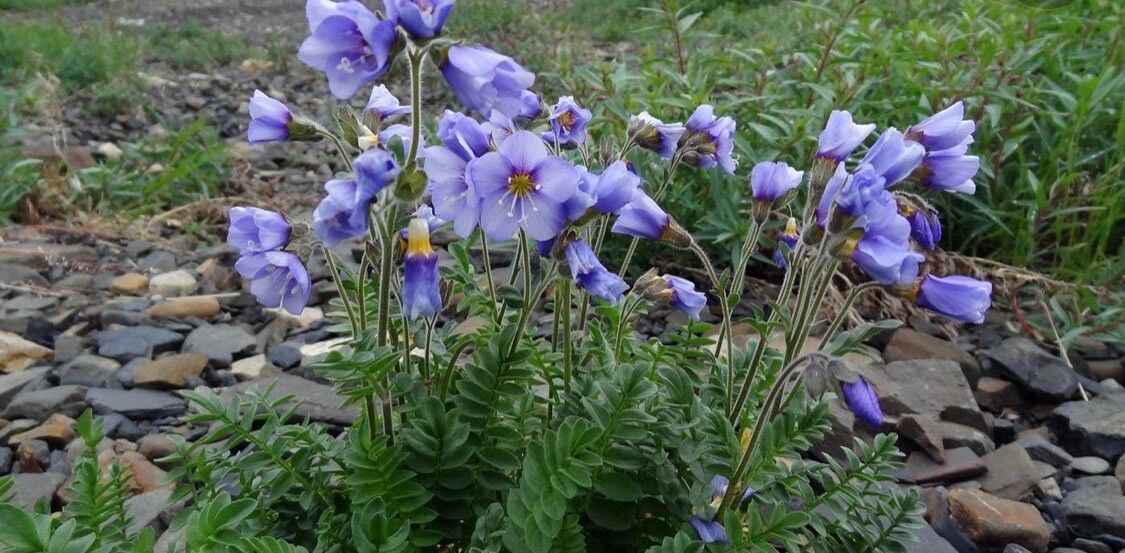
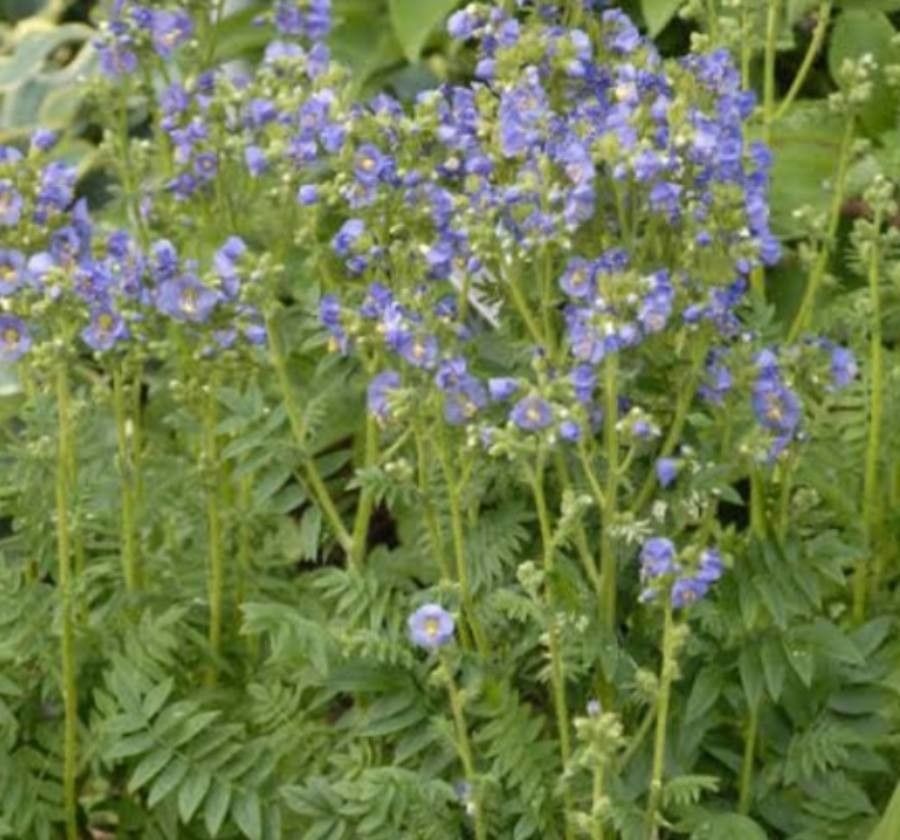
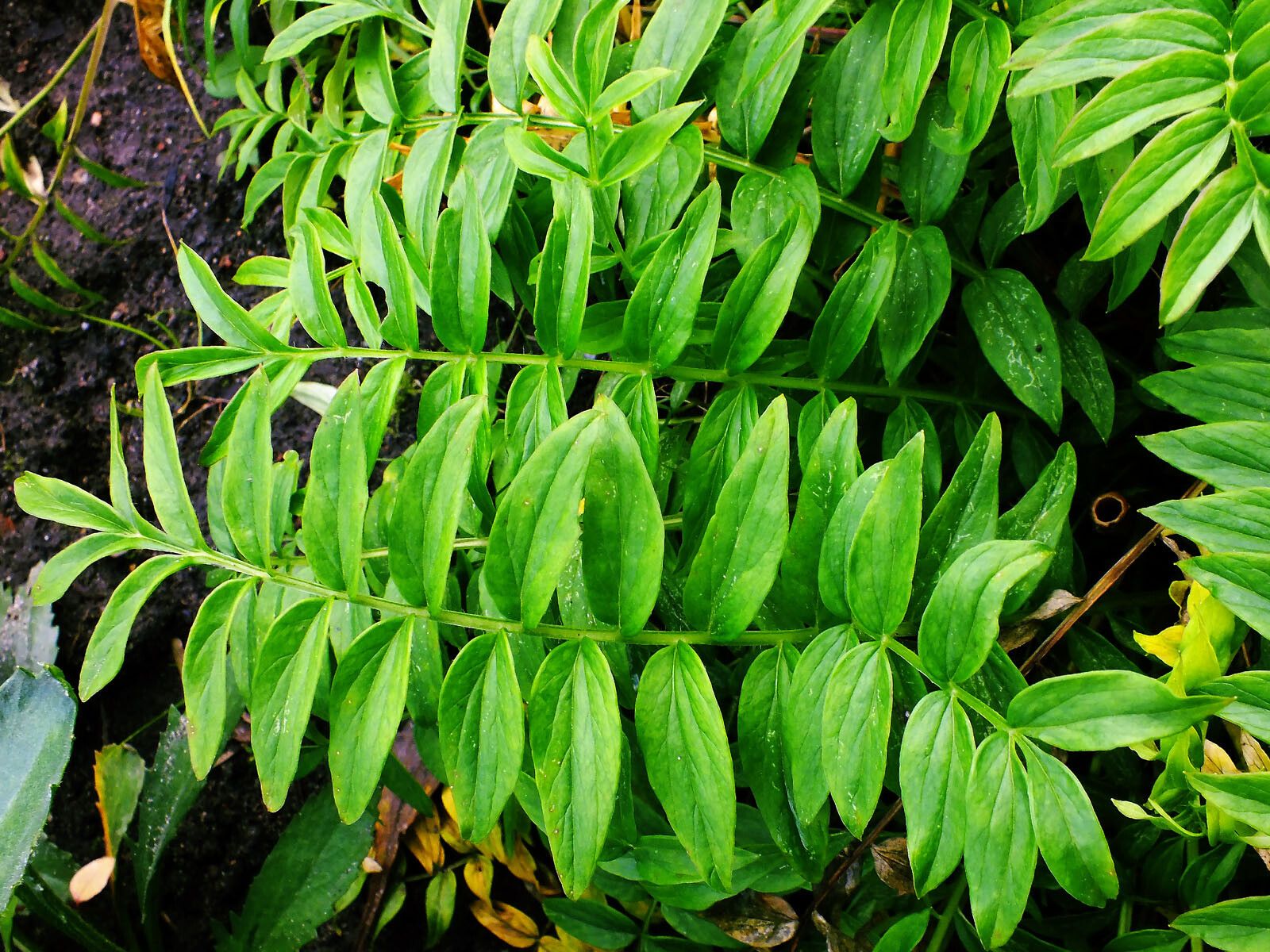
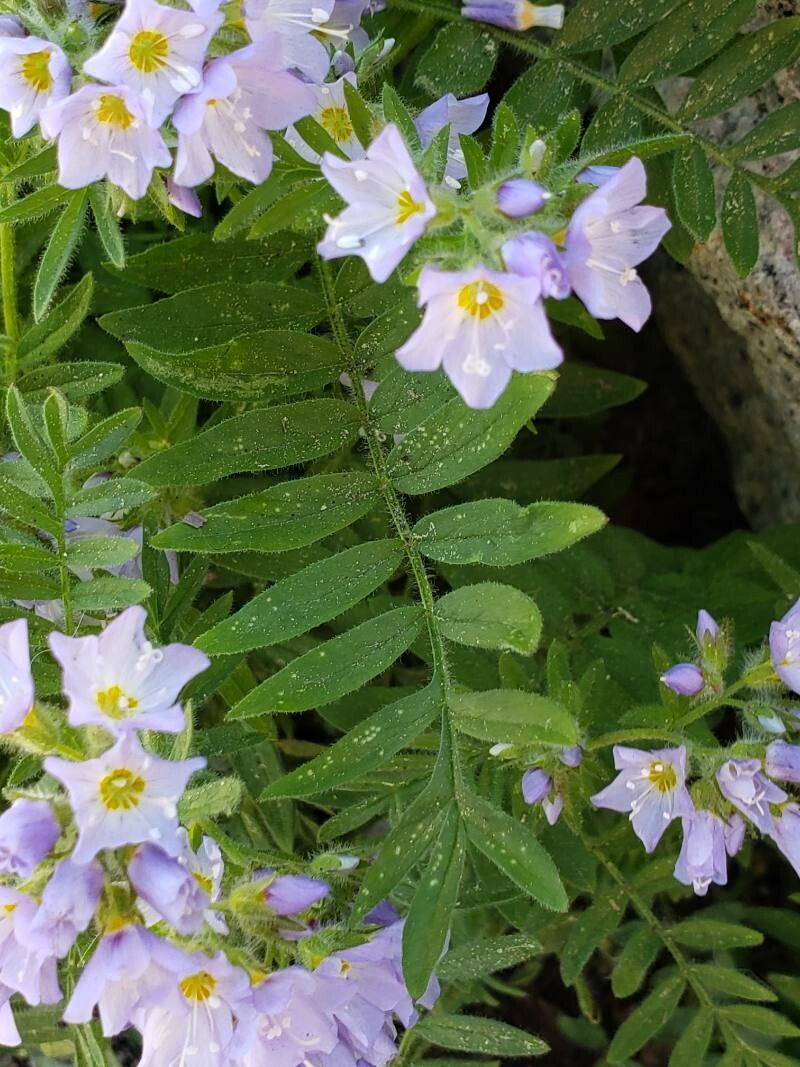
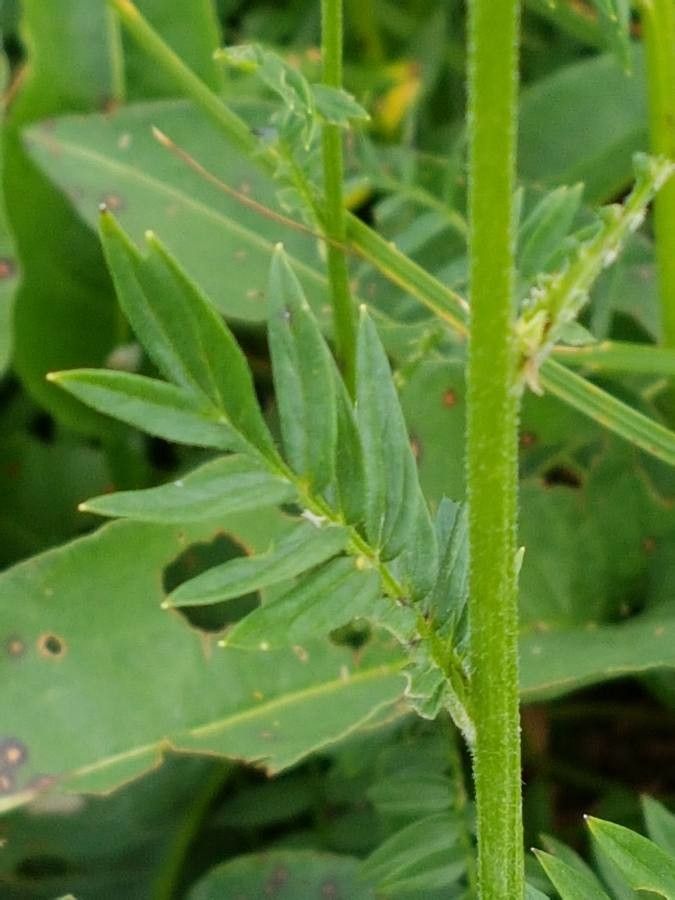
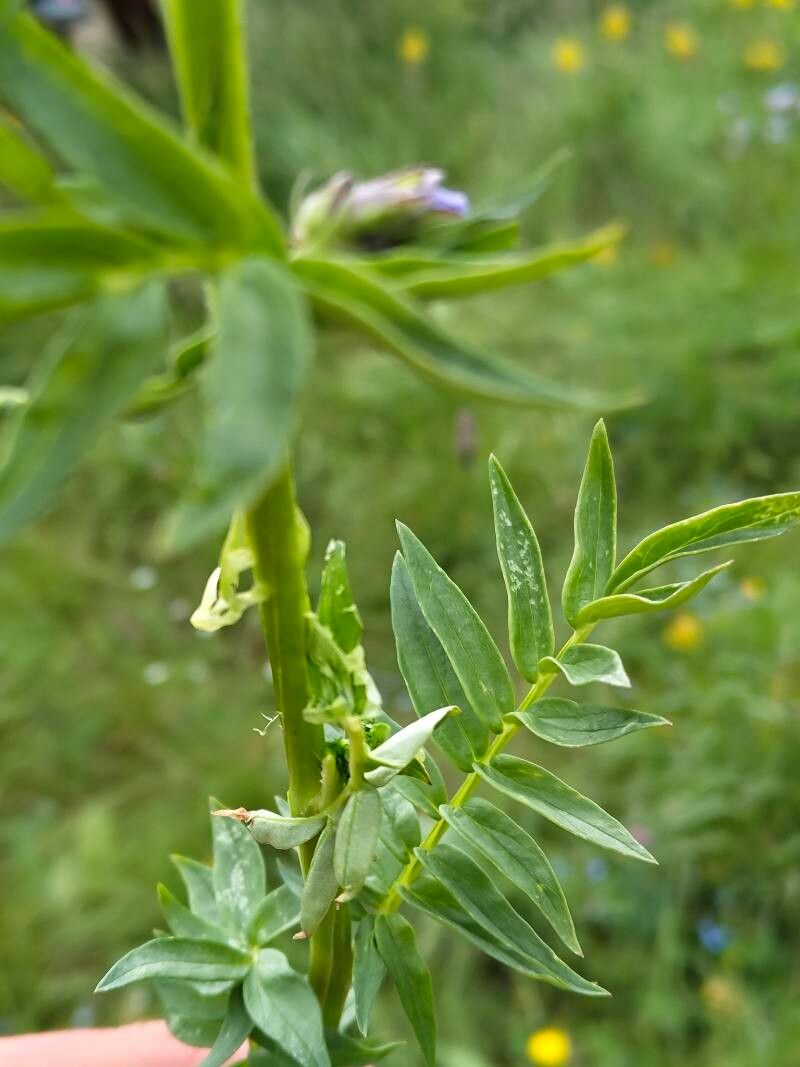
Polemonium boreale, the northern Jacob's-ladder or boreal Jacobs-ladder, is a plant native to the most of the high arctic. In Greenland it is found only in a small area on the east coast. It is not very common. The whole plant is pubescent, with long woolly hairs, glandular, and grows to 5–10 cm tall. The basal leaves are more or less alternate, and pinnate, with numerous leaflets. The flowers are produced in a more or less capitate inflorescence, each flower bell-shaped, blue, 15 mm long, 2.5 times longer than the calyx. The plant has a very unpleasant smell, and grows on gravelly slopes and in crevices.
Northern jacob's-ladder is fairly disease-resistant and generally not vulnerable to illnesses. Still, it can be affected by pests and diseases present in its surroundings. These problems are typically mild. Regarding care, this plant needs moderate maintenance. It should be pruned regularly to retain a neat appearance and support healthy growth. Fertilizing can also encourage flowering. Northern jacob's-ladder is appropriate for anyone with outdoor space, such as a garden or patio, and does not demand much care experience. It may need more attention when cultivated indoors.
How to keep Polemonium Boreale.
Light
The Northern jacob's-ladder is a perennial herbaceous plant that prefers open, sunny habitats. It typically flourishes in meadows and grasslands. It favours full sunlight but can also survive under partially sunny circumstances.
Water
Northern Jacob's-ladder flourishes in cool, wet climates where the soil remains consistently moist. To keep the plant properly hydrated, it should be watered regularly, ideally once a week. In temperate regions, rainwater is beneficial for its growth, as it aligns with the plant's natural growth cycle.
Fertilizer
Typically, one round of fertilizer use in the spring is adequate for Northern jacob's-ladder, although its growth can be optimized through multiple applications. Apply it roughly every 30 to 45 days. Fertilizer not only improves the appearance and functionality of the leaves, producing a uniform color and good texture, but also encourages the development of roots and aids in nutrient uptake, contributing to the overall well-being of the plant in the long run.
Pruning
Northern Jacob's-ladder is known for its distinct ladder-like leaves and vibrant flowers. To promote healthy growth, maintain its shape, and improve air circulation, it's beneficial to prune the plant from early to late spring. This includes deadheading spent blooms and removing any damaged stems. Pruning not only enhances the plant's resilience and appearance but also reduces the risk of fungal diseases.
Pot & Repot
When transplanting Northern jacob's-ladder, select a container that is 1-2 inches (2.5-5 cm) larger and has sufficient drainage. Utilize a potting mix that drains well. Transplant in the spring or autumn, making sure that the root ball sits a bit lower than the flower pot's edge. After the transplanting process, water it generously and position it in a warm location with indirect sunlight.
Botanical profile.
- Plant Type
- Herb
- Life Cycle
- Perennial
- Genus
- Polemonium
- Family
- Polemoniaceae
- Mature Height
- 30 cm
- Mature Spread
- 40 cm
- Leaf Color
- Green, Blue
- Leaf Type
- Deciduous
- Flower Color
- Blue, Violet
- Bloom Time
- Summer
- Native Area
- Russia, Norway, Kazakhstan, Denmark, Mongolia, Finland
Other names.