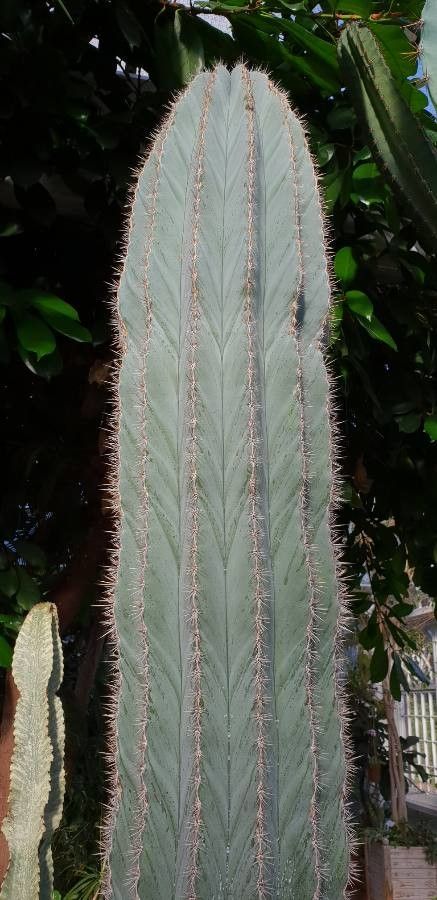
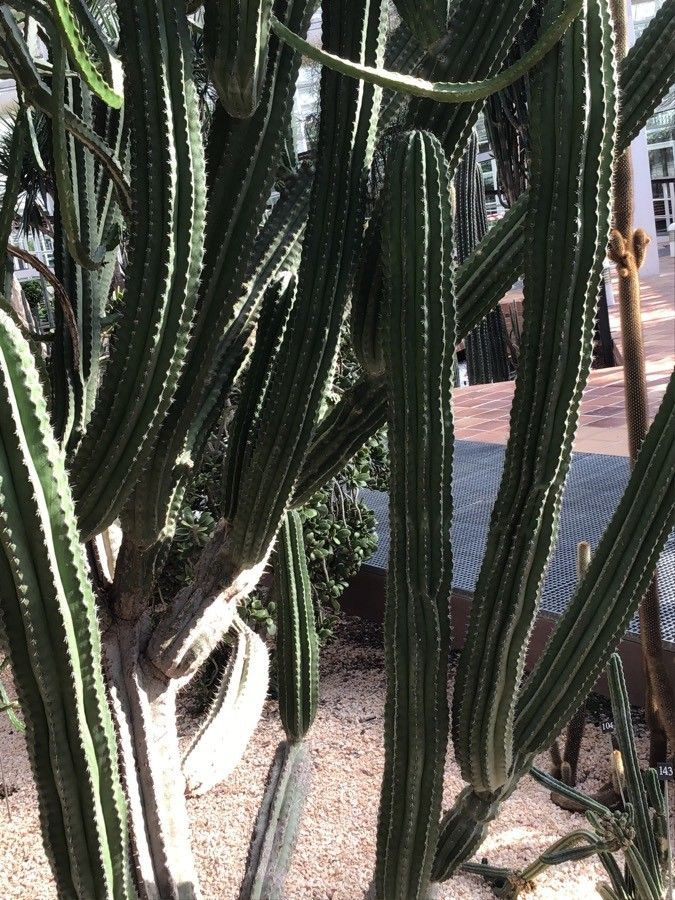
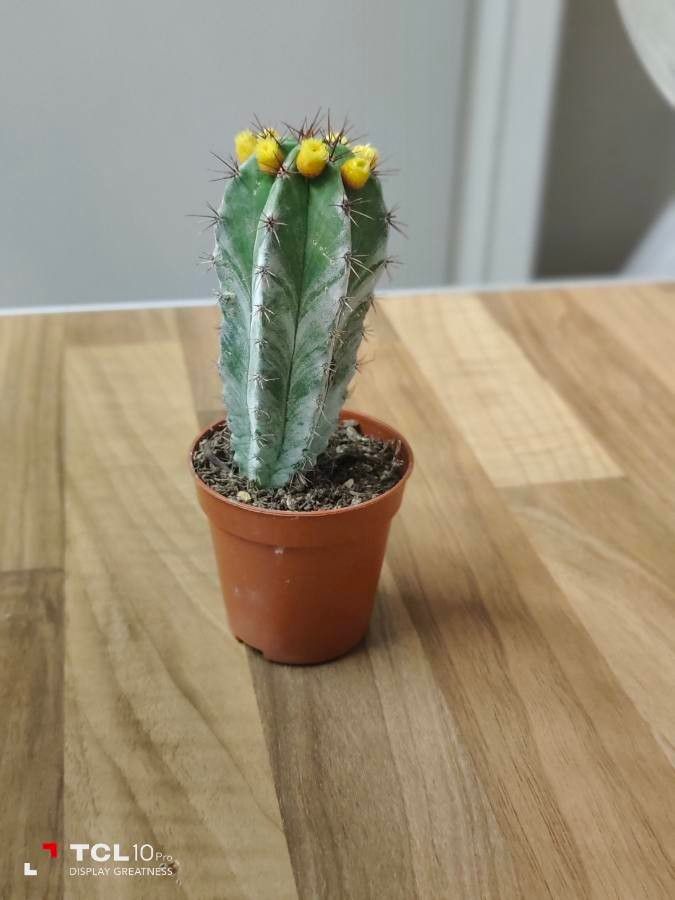
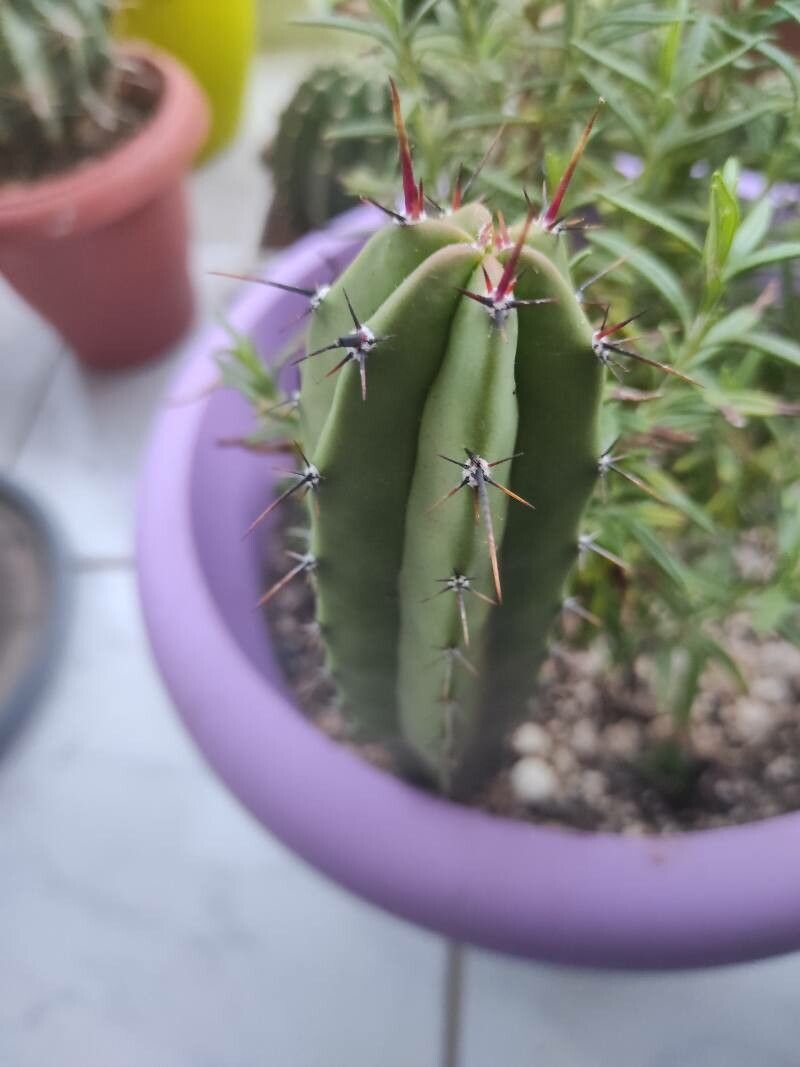
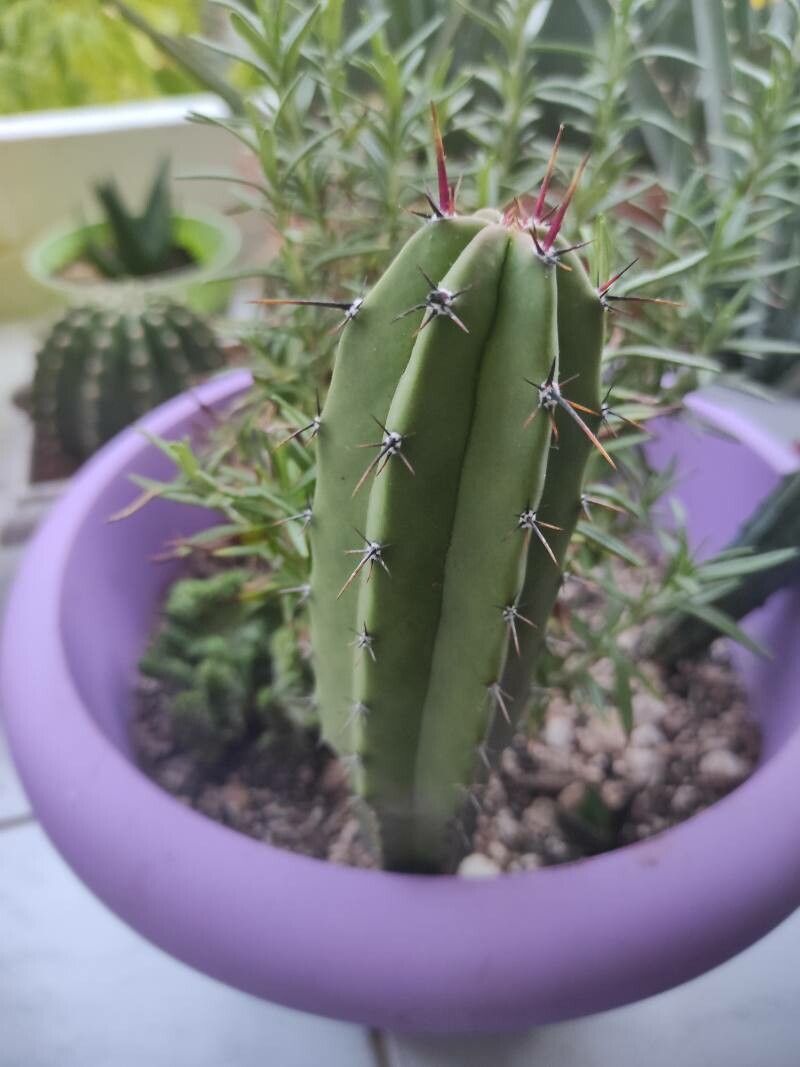
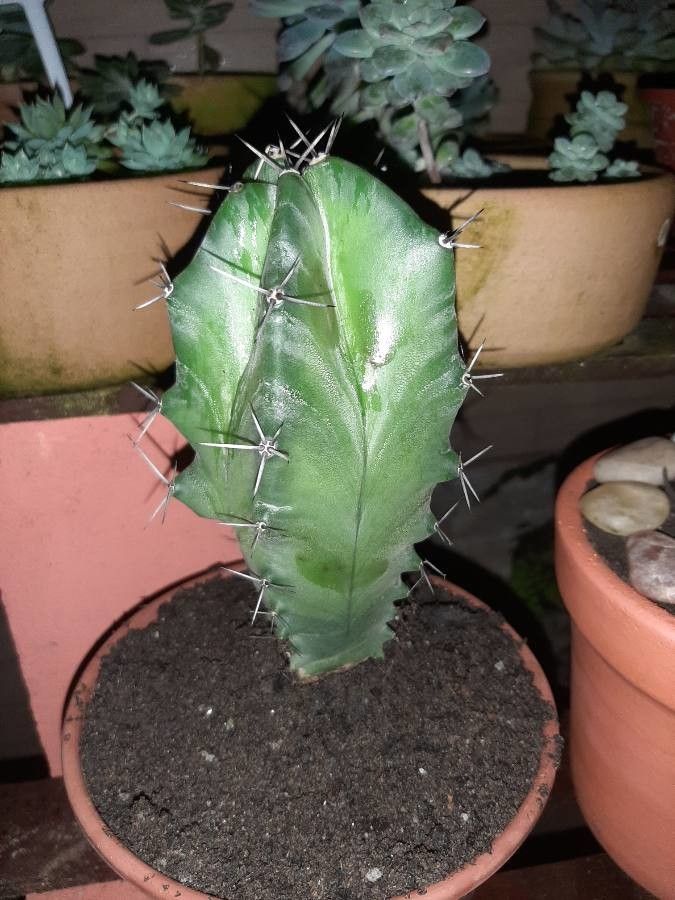
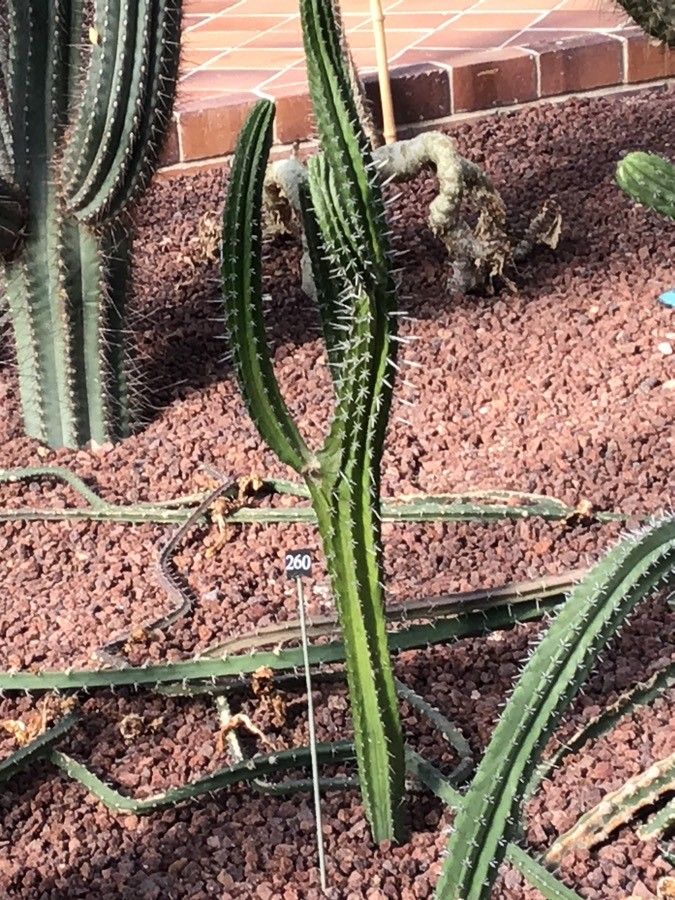
Polaskia chichipe is a succulent cactus native to a small area of mountains of northern Oaxaca and southern Puebla, Mexico. It grows in xerophytic shrubland between 1,600 and 2,300 meters above sea level.
Chichituna has strong resistance to diseases and can handle normal care without becoming ill easily. That said, it can be vulnerable to mealybugs, which may cause some harm but are usually not a major danger. Regarding care, Chichituna tolerates drought and does not require frequent watering. It can go long stretches without water and needs little fertilization. Still, it is very prone to root rot if light levels are poor and it is given too much water. In general, Chichituna is a good choice for people who prefer low-maintenance plants, though it remains important to know and meet its basic needs. It is especially appropriate for those who are away for extended periods and might forget to water regularly.
How to keep Polaskia Chichipe.
Light
Indigenous to dry areas, Chichituna performs best in full sun, its native habitat marked by intense sunlight and little shade. It can also tolerate partial sun, giving it some flexibility in growth.
Water
The Chichituna plant is well-suited to semi-arid environments with infrequent rainfall, as it exhibits a high tolerance for drought and efficiently stores water. It's best to water the plant sparingly, about every 2 to 3 weeks, allowing the soil to dry out between waterings. However, during the growing season, providing consistent watering can promote better growth and overall health, especially when the plant is grown outdoors.
Humidity
This plant prefers dry conditions, so don't mist it. However, watering it less often can also thrive in higher humidity.
Temperature
Chichituna does best in warm conditions and needs higher temperatures during the growing season to support growth and metabolism. It prefers abundant sunlight, suitable moisture levels, and adequate ventilation. However, it is vulnerable to damage from very low temperatures and from overwatering. It is also important to maintain balance and avoid excessively high temperatures or overly dry conditions.
Fertilizer
Chichituna only needs light fertilizer applications once or twice a year during the growing season. Do not fertilize in winter or summer when it is dormant. Cut back on fertilizer for repotted plants and wait a couple of months after repotting before you start fertilizing. Fertilizing helps maintain healthy growth and promotes blooms.
Pruning
To ensure healthier growth of your chichituna plant, prune it during early to late winter. Use sharp, sterilized tools to cut away dead parts and manage the plant's size. This process improves light penetration and airflow. Remember to wear protective gloves to handle the spines safely. Proper pruning not only enhances the plant's structure but also improves its visual appeal.
Toxicity
This plant is not considered toxic.
Further reading →
The toxicity and danger assessments provided are for reference only. We do not assure their accuracy, so it's crucial not to depend on them. Seek professional advice when necessary for accurate guidance.
Botanical profile.
- Plant Type
- Shrub, Succulent
- Life Cycle
- Perennial
- Genus
- Polaskia
- Family
- Cactaceae
- Hardiness Zone
- 9-11
- Mature Height
- 5 m
- Mature Spread
- 1.52 m to 3.05 m
- Leaf Color
- Dark Green
- Leaf Type
- Evergreen
- Flower Color
- White
- Flower Size
- 2.03 cm to 3.05 cm
- Bloom Time
- All year round
- Planting Time
- Spring, Autumn
- Harvest Time
- All year round
- Native Area
- Central Mexico
Other names.