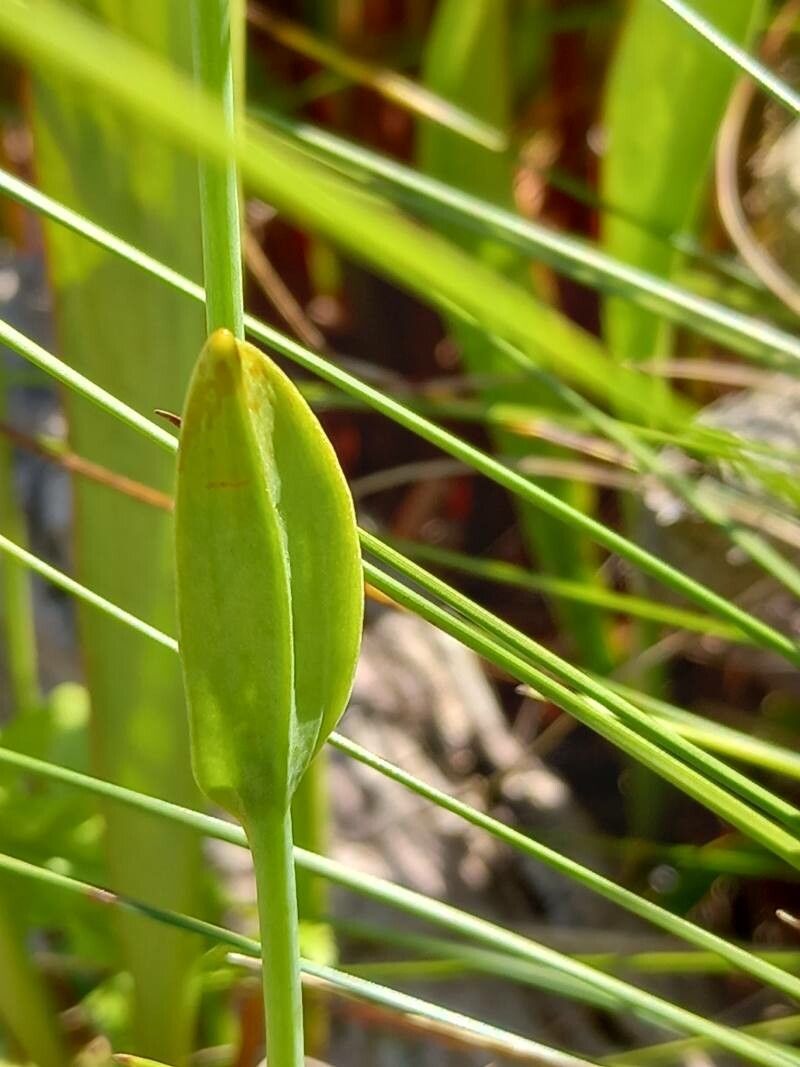
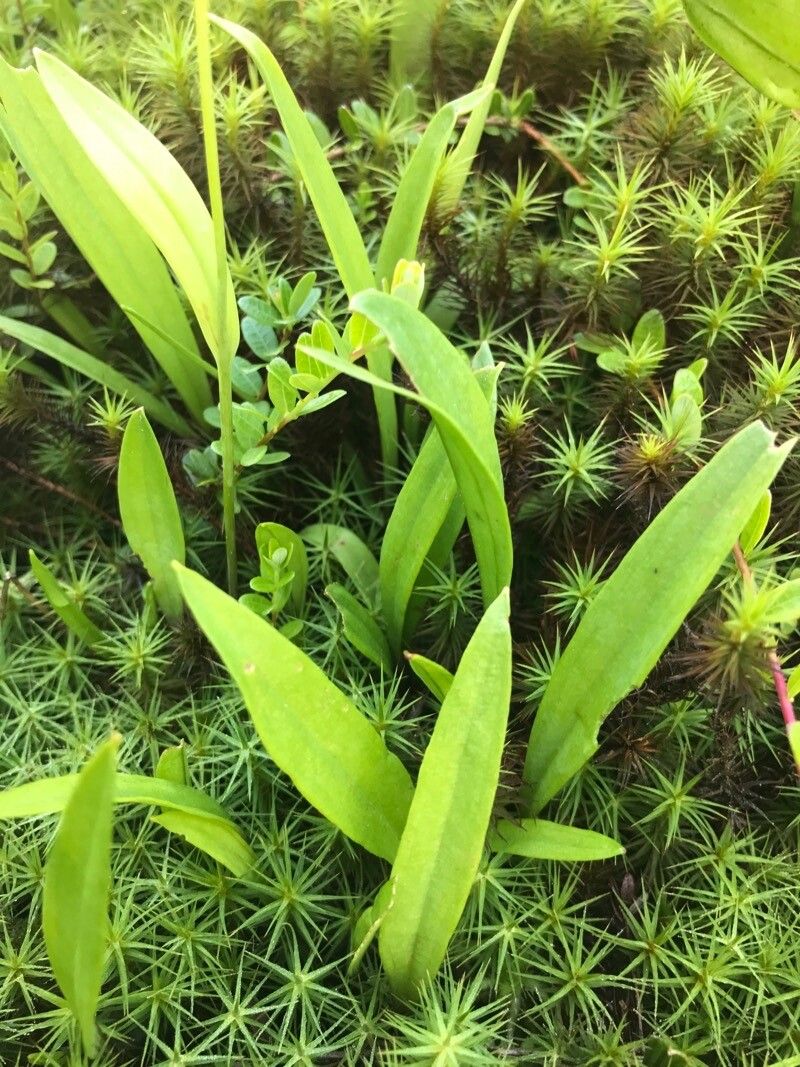
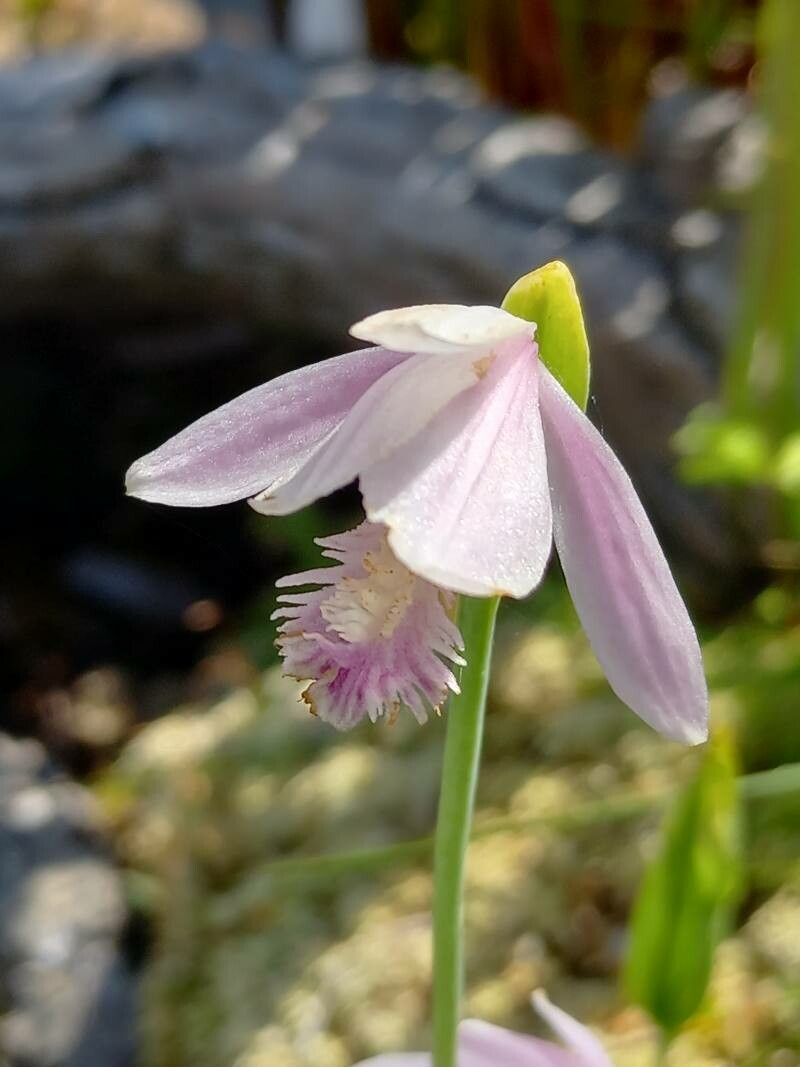
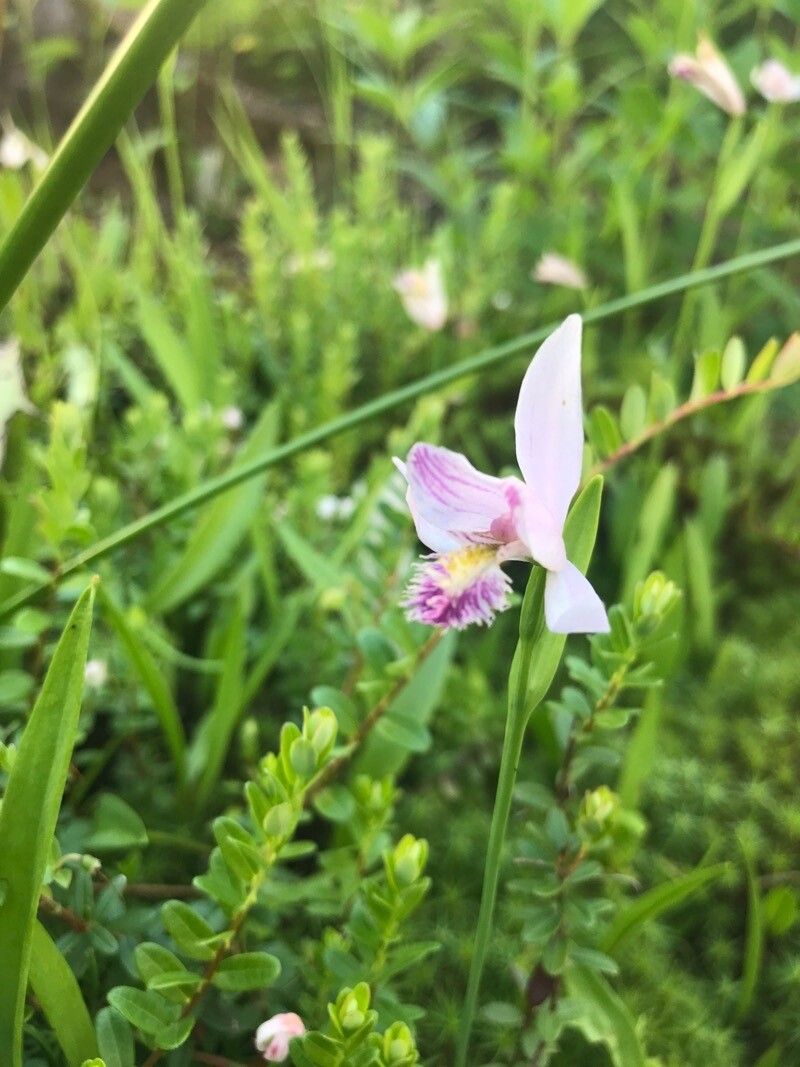
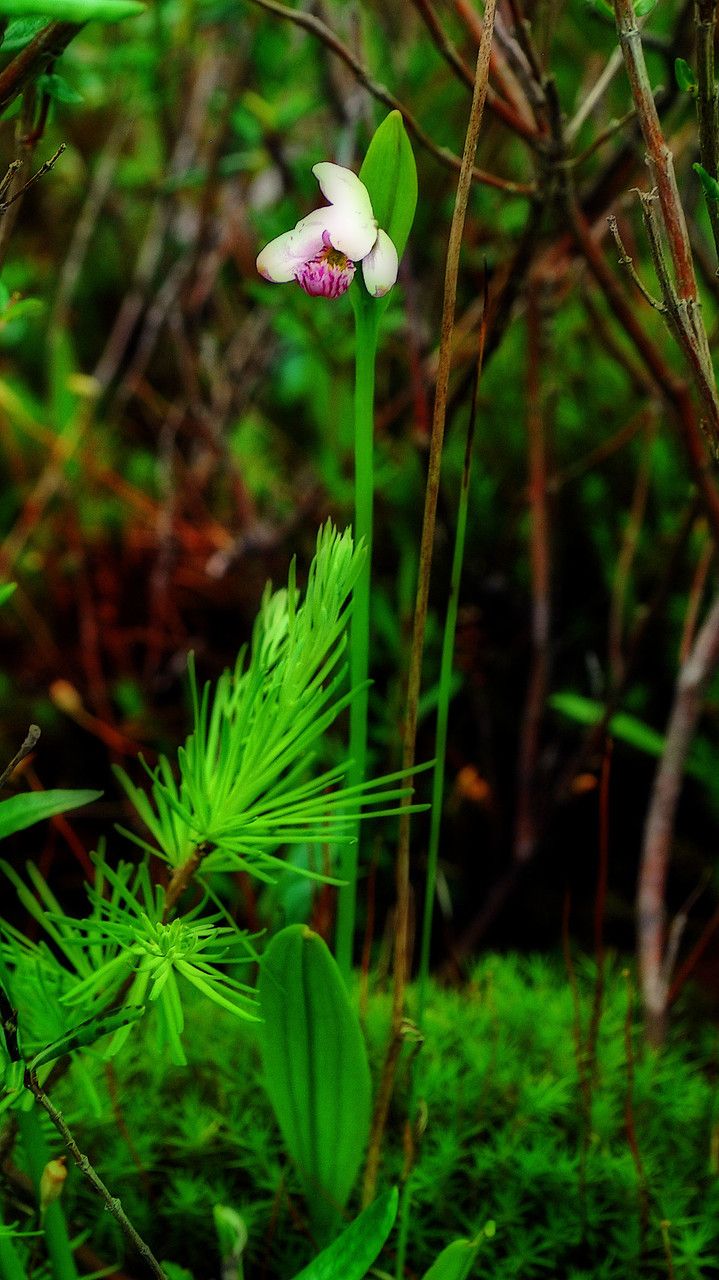
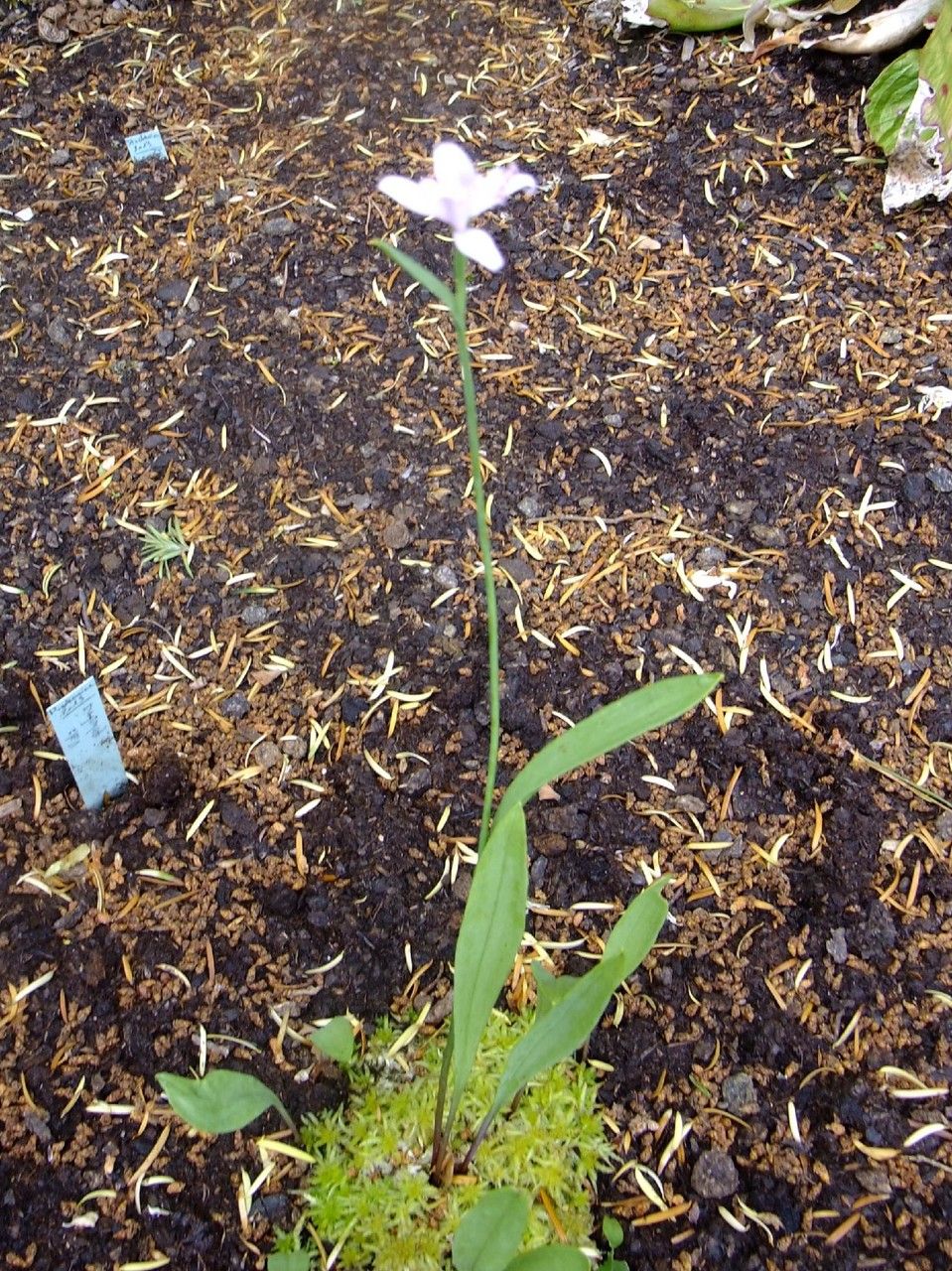
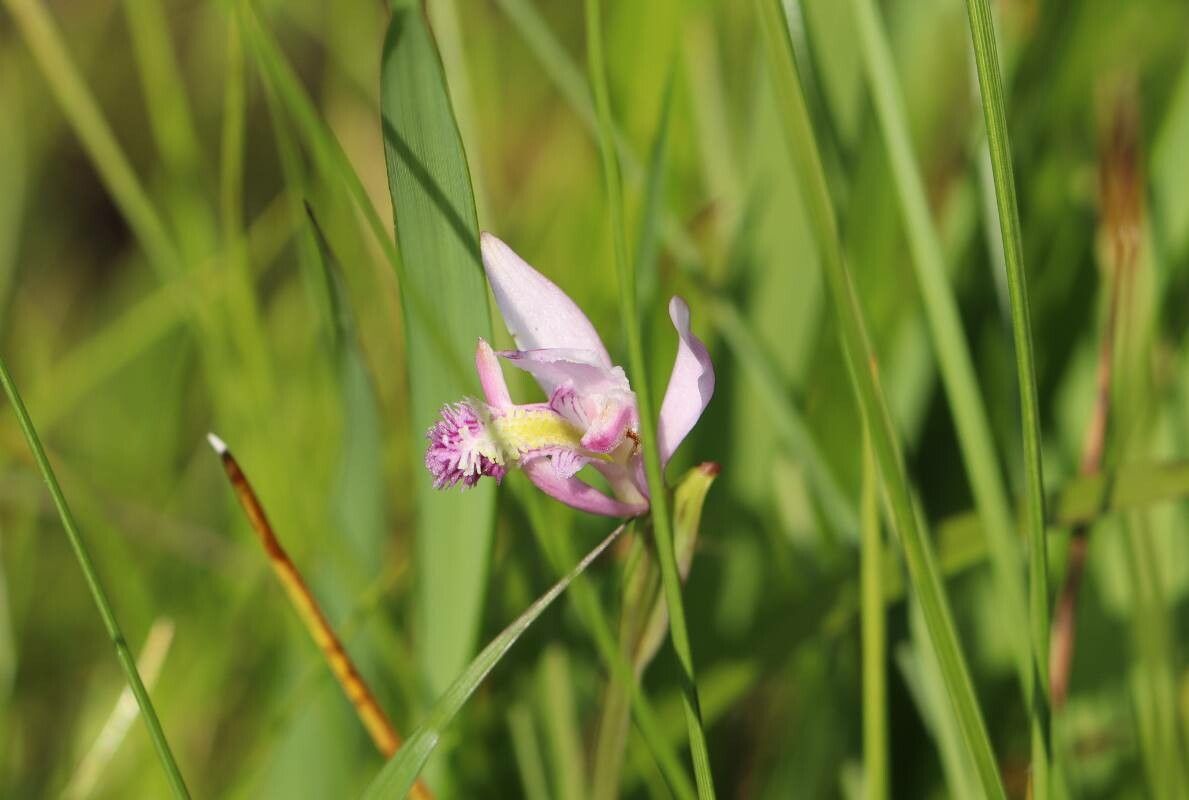
Pogonia ophioglossoides, the snakemouth orchid or rose pogonia, is a species of orchid occurring from central Canada to the east-central and eastern United States. It is the type species of the genus Pogonia. It is pollinated by bees. This species occurs in wet habitats. In the north, the habitat is typically fens but sometimes also bogs. Further south, along the Gulf Coast, it is a species of wet pine savannas and flatwoods.
The Snakemouth orchid is typically resistant to disease and attracts relatively few insect pests. Its care is considered challenging because it needs high humidity together with good ventilation and an environment with few harmful pathogens. Overwatering can cause root rot. Although anyone can grow the Snakemouth orchid, maintaining its health and encouraging it to bloom again requires more growing experience.
How to keep Pogonia Ophioglossoides.
Light
Snakemouth orchid thrives with continuous sunlight, which is essential for its healthy development. This preference is influenced by its native habitat; the plant comes from areas with abundant sun. Insufficient light can impede growth, whereas excessive sun exposure does not necessarily damage the plant.
Water
The Snakemouth orchid thrives in consistently moist soil and high humidity, which reflects its origins in boggy meadows. While it has moderate drought tolerance, it generally requires weekly watering. When growing this orchid outdoors, it's essential to adjust the watering schedule according to seasonal changes in rainfall.
Temperature
The snakemouth orchid comes from habitats with temperatures of 68 to 100 °F (20 to 38 ℃). In warm seasons it favors temperatures toward the upper end of that range. Adjustments for cooler seasons may not be necessary.
Fertilizer
Proper fertilization is essential for the Snakemouth orchid's health and appearance. Fertilize the Snakemouth orchid during summer, repeating the application once a month throughout the season. Nutrients drive growth and preserve the plant's parts. Fertilization boosts the Snakemouth orchid's floral display, ensuring the best blooms.
Pruning
The Snakemouth orchid is known for its distinctive flowers and slender stems. To enhance its growth and flowering, prune the plant between early and late spring. Be sure to remove any dead material to improve air circulation. Avoid over-pruning, as minimal maintenance is usually sufficient. For more detailed care tips, consult reliable horticultural sources.
Botanical profile.
- Plant Type
- Herb
- Life Cycle
- Perennial
- Genus
- Pogonia
- Family
- Orchidaceae
- Hardiness Zone
- 9-11
- Mature Height
- 15 cm to 46 cm
- Mature Spread
- 5 cm to 30 cm
- Leaf Color
- Green
- Leaf Type
- Deciduous
- Flower Color
- Pink
- Flower Size
- 2.54 cm
- Bloom Time
- Late spring, Early summer
- Planting Time
- Spring, Summer, Autumn
- Harvest Time
- Mid summer, Late summer
Other names.
Reader questions.
How should I water my Snakemouth orchid?
Depending on whether your Snakemouth orchid is actively growing or not, the way you water it will differ. If it's in an active growth phase, you should water the soil and occasionally water the leaves if the weather is warm. However, in winter or cool and wet weather, stick to watering the soil only. You can tell if your orchid needs more water if the roots and leaves become thin, dry, or discolored. Too much water will cause the orchid to look mushy and limp. It's important to grow your orchid in a pot with excellent drainage, and watering should be done multiple times a week during the growing season. Make sure the water drains quickly through the potting mix to avoid standing water. The size of the pot will determine how frequently you need to water it, with larger pots needing less frequent watering. Rainwater and distilled water are ideal for the orchid, and the water temperature should match the air temperature as closely as possible.
Why should I put fertilizer on my Snakemouth orchid?
All plants, including the Snakemouth orchid, need soil nutrients to grow. However, it is not always guaranteed that the soil will have all the necessary nutrients. To ensure your garden plants have the right nutrients, fertilization and soil amendments are important. In the case of the Snakemouth orchid, fertilizer is needed for healthy root and stem development. Fertilization also helps the orchid have beautiful leaves, which are important for its ornamental value.
What are the sunlight requirements for Snakemouth orchid?
Snakemouth orchid requires full sun, which means it thrives in environments that provide more than 6 hours of sunlight per day. This preference stems from its original habitat, which is characterized by ample solar exposure. It is important to monitor the play of sunlight through your garden to find spots that offer a balanced environment of light and shade, ensuring the well-being of your plants. Despite this requisite for sunlight, the orchid is versatile, showing resilience even when exposed to excessive sun, though inadequate sunlight can impede its growth.
What are the ideal growing conditions for Snakemouth orchid?
The Snakemouth orchid, botanically known as Pogonia ophioglossoides, thrives in environments where the temperature ranges from 68 to 100 °F (20 to 38 °C), preferring the higher end of this range during warm seasons. As a tropical plant, it requires indoor cultivation if the minimum temperature drops below 0°C during winter, with a recommended indoor temperature above 20°C. Positioning the plant near a south-facing window ensures ample sunlight, and it benefits from regular misting or the use of a humidifier to maintain humidity. For outdoor overwintering, the plant should be in a sheltered, sunny spot, possibly with a temporary greenhouse or wrapping with plastic film or fabric for protection against cold temperatures.
What do I do if I give my Snakemouth orchid too much or too little water?
To avoid killing your Snakemouth orchid, it's important to be mindful of the moisture levels in the soil. While these plants do need regular watering when they're actively growing, they also require well-draining soil. Overwatering can lead to root rot, causing the plant to become mushy. If you notice signs of rot, use sterile pruning shears to remove the affected roots and then repot the orchid in a container with good drainage and fast-draining potting mix. However, keep in mind that excessive repotting may not be beneficial for this type of orchid. Therefore, it's crucial to find the right balance of watering. If you notice your orchid starting to shrivel and feel dry to the touch, it may be underwatered. In this case, increase the frequency of watering to prevent the soil from drying out too quickly.
What is the right time to add fertilizer to my Snakemouth orchid plant?
A Snakemouth orchid requires the most fertilizer when it is actively growing, which usually occurs during spring, summer, and early fall. After winter, you should feed your orchid every two to four weeks until fall. During fall, you can gradually decrease the amount of fertilizer you give until you stop completely in preparation for the less active growth period in winter.
How does artificial lighting affect Snakemouth orchid growth indoors?
Indoor cultivation of Snakemouth orchids, especially in situations where natural sunlight is limited, can benefit significantly from artificial lighting. During winter or in less sunny locations, artificial lights serve as an essential aid for maintaining optimal growth. These lights should be selected and positioned to mimic natural sunlight conditions, with LED lights being a preferred choice due to their ability to offer customizable light wavelengths. For plants accustomed to full sun, 30-50W/sq ft of artificial light is advisable, and the light source should be placed 12-36 inches above the plants for 8-12 hours daily, simulating natural daylight duration.
What should I do if the Snakemouth orchid is exposed to low temperatures?
If the Snakemouth orchid is exposed to temperatures below its tolerance, specifically under 20°C and more critically below 0°C, showing signs of water-soaked necrosis, wilting, and drooping as a result of exposure to temperatures below -5°C, immediate action is required. Trim off any frostbitten parts and bring the plant indoors to a warm location, ideally near a south-facing window for sufficient sunlight. It's crucial to avoid placing it near heaters or air conditioning vents as this can cause excessive dryness in the air, which is detrimental to the plant's recovery and overall health.
How often do I need to water my Snakemouth orchid?
During the active growth stage in spring and summer, water your Snakemouth orchid once or twice per week. Increase watering to three times per week or more in hot and dry weather. In winter, water your orchid, but not as often. Watering two to three times per month will keep it alive during the coldest months. If you keep it indoors during winter, consider that indoor locations may dry the soil faster, so you may need to water more frequently. In the fall, gradually reduce watering from multiple times per week to your reduced winter schedule.
When should I not put fertilizer on my Snakemouth orchid?
During most of the year, such as spring, summer, and most of fall, it is important to regularly feed your Snakemouth orchid. However, if you notice that it has received too much fertilizer or has been fertilized incorrectly, leading to fertilizer burn or other issues, you need to rectify the situation before resuming regular feeding. The only exception to regularly feeding your Snakemouth orchid is during winter. If you keep the plant indoors where winters are cold, it will go dormant during this time. Feeding the plant during its dormant phase is unnecessary and actually harmful to its growth, as it is likely to cause fertilizer burn.
What symptoms indicate Snakemouth orchid is receiving insufficient light?
When Snakemouth orchid experiences low light conditions, several symptoms can manifest, indicating its struggle. Smaller leaf size compared to older, mature leaves, leggy or sparse growth, accelerated leaf drop, stunted new growth, or complete cessation of growth are common indicators. Additionally, leaves may show irregular color patterns, become pale indicating a lack of chlorophyll, or even exhibit chlorosis, where leaves lose their green color and turn yellow. Excessive sunlight can also lead to sunscald, leaf curling, wilting, and leaf scorching, which are signs of damage from overexposure.
How should I care for Snakemouth orchid during high temperatures?
During the summer when temperatures rise above the Snakemouth orchid's preferred maximum of 38°C, it faces halted growth, wilted leaves, higher susceptibility to root rot, and risk of sunburn if exposed directly to sunlight, especially when temperatures exceed 43°C. To combat this, trim away any sunburned or dried parts of the plant. Relocate the plant to a shaded area, particularly away from the harsh midday and afternoon sun. Watering the plant in the morning and evening will help keep both the plant and its surrounding environment sufficiently moist, aiding in its health and growth during high temperatures.