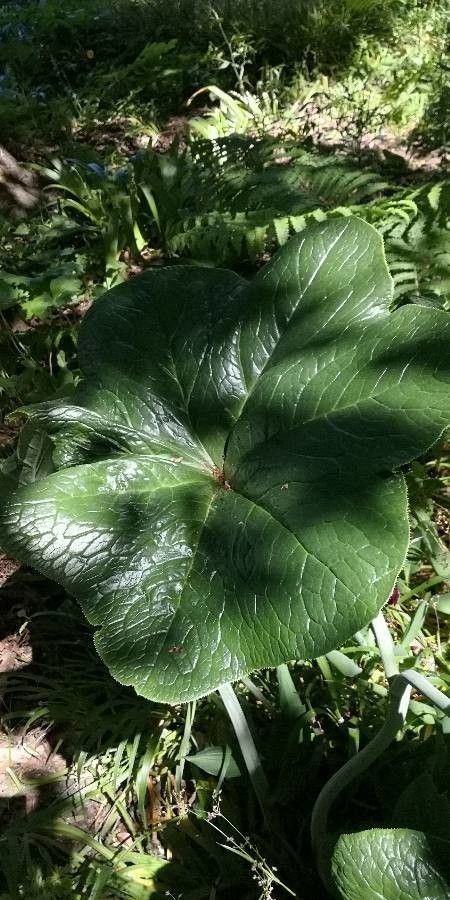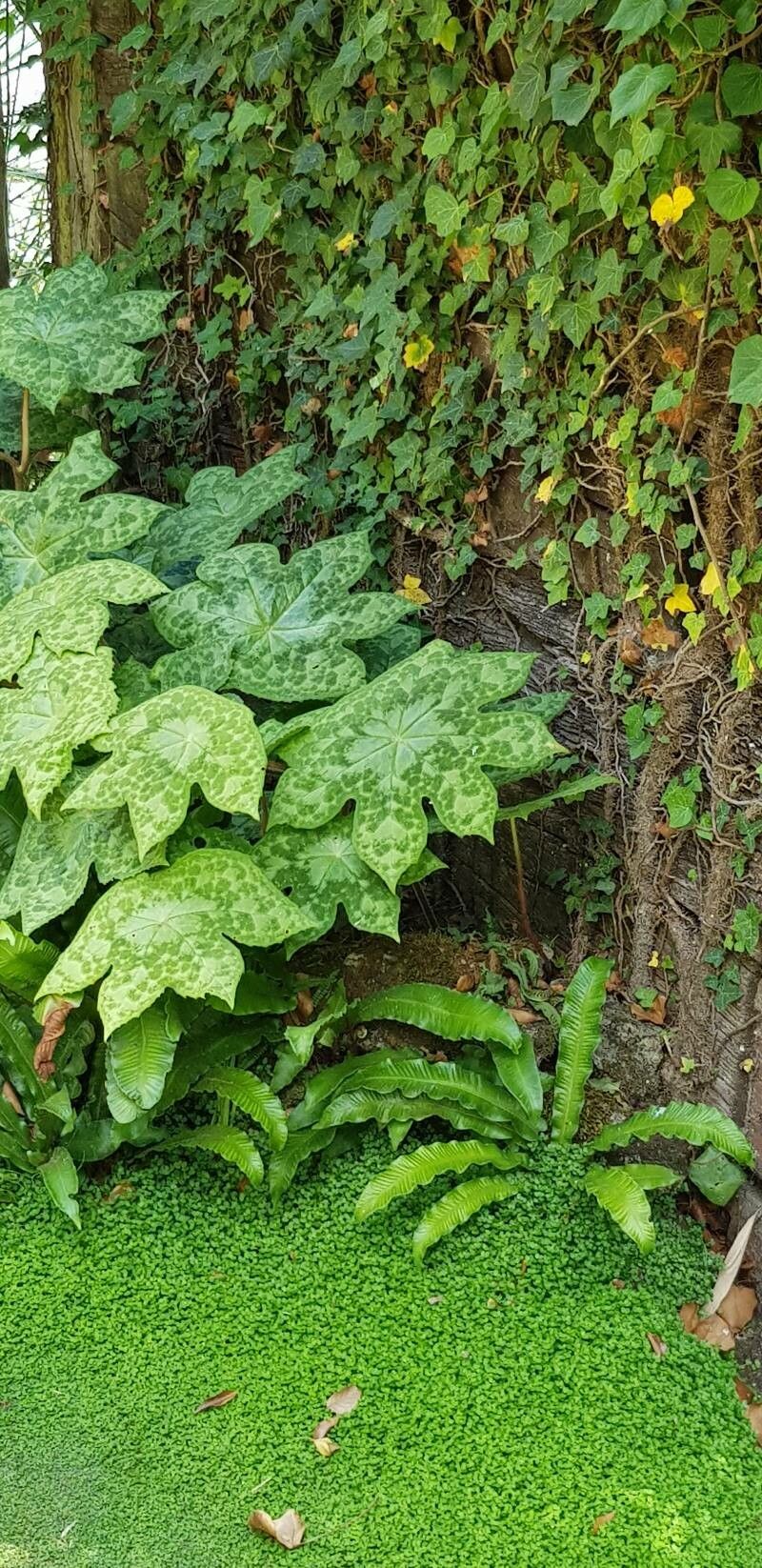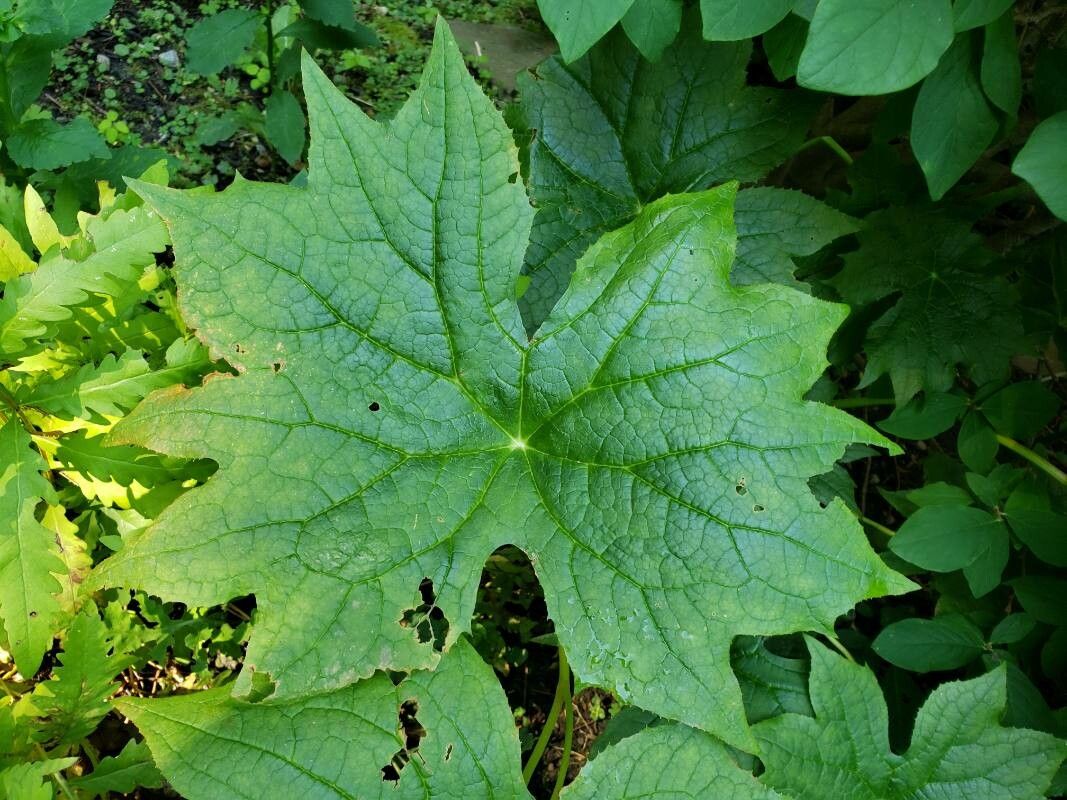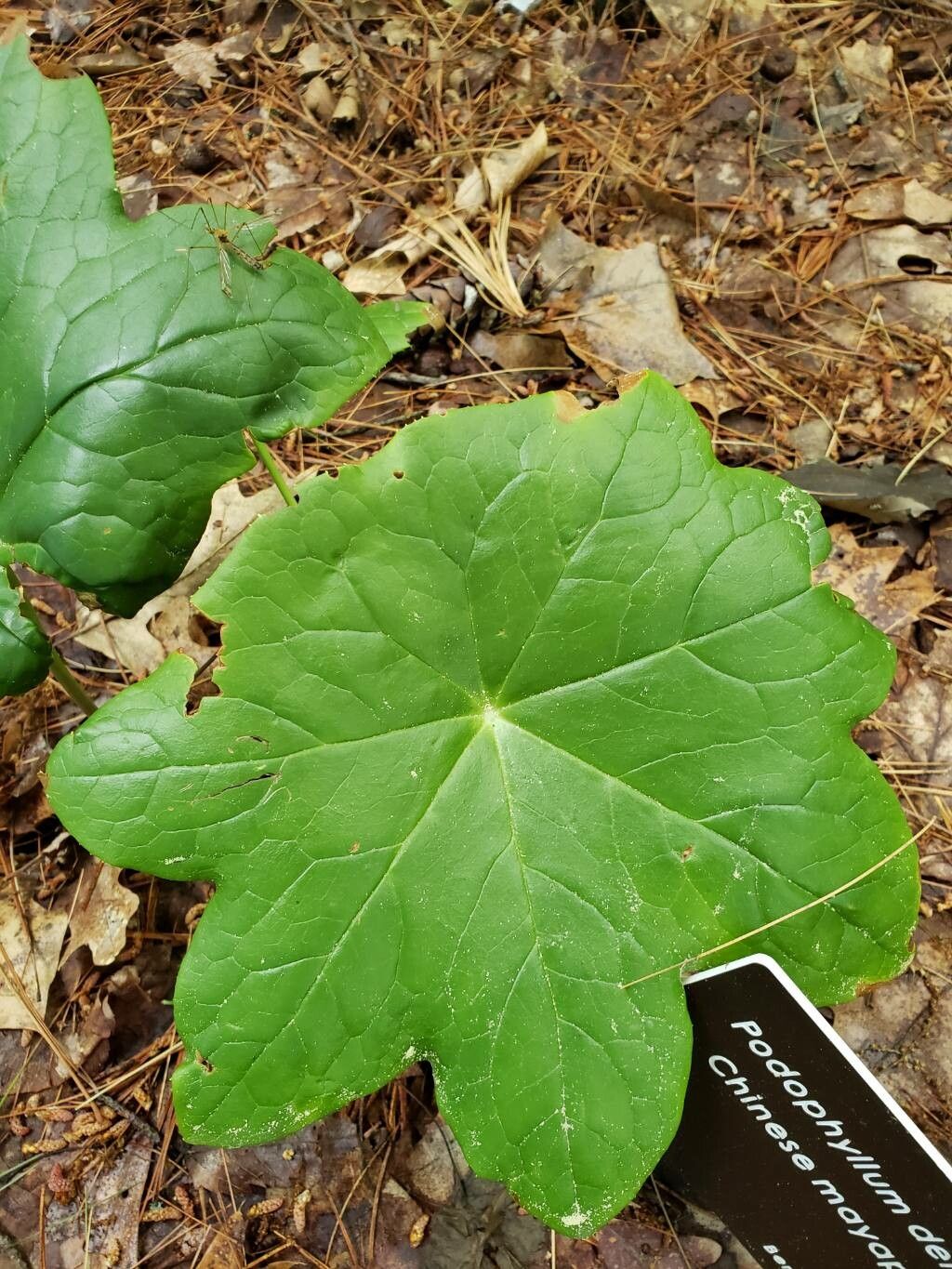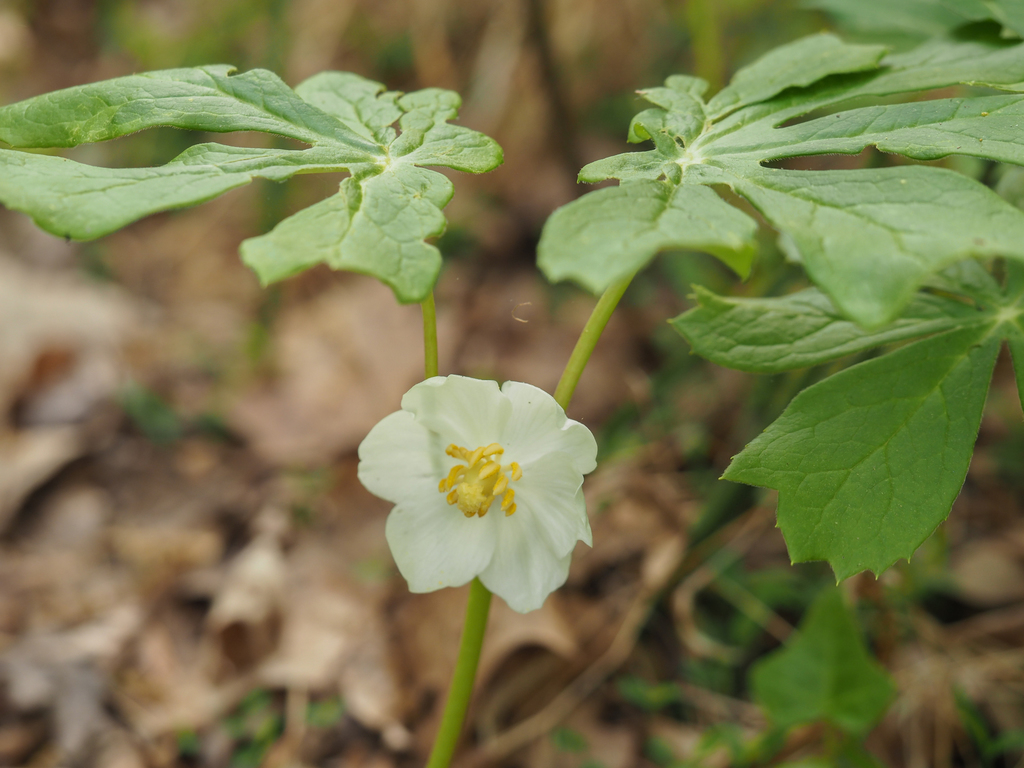
Podophyllum peltatum, commonly known as Mayapple, is a herbaceous perennial plant native to eastern North America. Belonging to the Berberidaceae family, it typically grows to a height of 30-45 cm. The plant is characterized by large, umbrella-shaped leaves that are deeply lobed and can reach up to 30 cm in diameter. These leaves emerge in early spring, followed by a single white flower that blooms in late spring or early summer.
Mayapple produces an edible fruit that resembles a small apple, which is the source of its common name. However, the fruit should only be consumed when fully ripe, as it can be toxic when unripe or if eaten in large quantities.
For centuries, Native Americans have utilized Mayapple for its medicinal properties, particularly its anti-inflammatory effects. Additionally, its attractive foliage and unique appearance make it a popular ornamental garden plant.
The mayapple, with its umbrella-like leaves, is a striking addition to any garden. However, its foliage dies back and goes dormant during the summer heat. Mayapples are often found in large colonies within deciduous forests. While their white flowers are beautiful, they are usually hidden beneath the plant’s two large leaves. FUN FACT · FROM THE LIBRARY
Mayapple plants thrive in moist soil conditions with partial shade but can also tolerate full sun if the soil remains consistently moist. They are relatively easy to propagate from seeds or rhizomes but require patience, as they may take several years to produce flowers and fruit.
Overall, Podophyllum peltatum is a fascinating native North American perennial with unique foliage, attractive flowers, and edible fruit (when ripe). Its medicinal properties and ornamental appeal make it a favorite among gardeners and herbalists alike.
Mayapple: Despite its name, this plant is not related to real apples and does not resemble them in appearance. Its golden fruit bears only a slight resemblance to certain apple varieties. The Mayapple typically blooms in early May and produces fruit during the summer, which is how it earned its name.
Mayapple shows strong resistance to disease and is generally not prone to illnesses. Nevertheless, it can be vulnerable to pests and diseases present in its environment. These problems are generally mild. In terms of care, the plant needs moderate maintenance. It should be pruned regularly to retain an attractive appearance and healthy growth. Fertilizing can also help encourage flowering. Mayapple is suitable for anyone with outdoor space, such as a garden or patio, and does not demand extensive care experience. It may need more attention when kept indoors.
How to keep Podophyllum Peltatum.
Light
Mayapple grows best with moderate sunlight but can also develop in locations with reduced light. In its natural habitat it occurs in spots that usually receive filtered sunlight. Excessive or insufficient sun exposure can limit its growth and overall health.
Water
Mayapple thrives in moist, well-drained woodland soil and prefers consistent moisture without becoming waterlogged. To mimic its natural habitat, water it weekly. As an herbaceous perennial, mayapple benefits from proper hydration, especially during its spring emergence and summer growth phases.
Humidity
This plant will thrive in moderate humidity, which is probably the level in your home. However, misting it a few times a week can be very beneficial. Make sure the room has good ventilation.
Temperature
Mayapple's native habitat is the temperate areas of eastern North America, where May temperatures are typically about 0 to 32 °C (32 to 90 °F). It prefers cool, moist conditions but can endure higher temperatures if moisture is moderate. During the summer months, it may need extra water to cope with the increased heat.
Fertilizer
Generally, one fertilizer application in spring is enough for Mayapple, though multiple feedings can maximize growth. Apply it every one to one and a half months. Fertilization improves leaf appearance and function, maintaining uniform color and a healthy texture. It also promotes root development and increases nutrient uptake, supporting long-term plant health.
Pruning
Mayapple benefits greatly from strategic pruning, which should be done from early to late spring, before new growth begins. Start by removing dead stems and thinning crowded areas to improve airflow and overall plant health. Regular pruning enhances the plant's vigor and appearance, promotes robust flowering, and prevents overgrowth. For more detailed care tips, consult horticultural guides.
Pot & Repot
To help Mayapple thrive in pots, it's important to ensure excellent drainage. This helps maintain the right moisture levels and prevents root rot. Choosing the right soil and using proper potting techniques are essential for keeping the plant healthy.
Botanical profile.
- Plant Type
- Herb
- Life Cycle
- Perennial
- Genus
- Podophyllum
- Family
- Berberidaceae
- Hardiness Zone
- 3-8
- Mature Height
- 30 cm to 61 cm
- Mature Spread
- 25 cm to 30 cm
- Leaf Color
- Green
- Leaf Type
- Deciduous
- Flower Color
- White, Pink
- Flower Size
- 2.03 cm to 6.35 cm
- Bloom Time
- Mid spring, Late spring
- Planting Time
- Spring, Summer
- Harvest Time
- Late spring, Early summer, Mid summer
- Native Area
- Eastern North America, southern U.S. to Texas
Other names.
Reader questions.
How should I water my Mayapple plant in the best way?
When watering the Mayapple, it is important to use filtered water at room temperature or slightly warmer. Tap water may contain harmful particles that can negatively affect the plant's health. The Mayapple is accustomed to a warm environment, so cold water can be a shock to its system. Additionally, it is best to avoid overhead watering as it can lead to complications with the foliage. Instead, simply apply filtered room temperature water directly to the soil until it is fully soaked. This helps moisten the roots and promotes their spread throughout the soil to collect essential nutrients.
Why should I put fertilizer on my Mayapple plant?
To ensure that the leaves of your Mayapple look great and function properly, fertilization is essential. By properly fertilizing your Mayapple, you can help maintain consistent leaf color and a healthy leaf texture. In addition to benefiting the leaves, fertilization also promotes root growth and maintenance. This means that not only will your plant stay healthy in the present, but it will also be better equipped to absorb nutrients from the soil in the future.
What are the sunlight requirements for Mayapple?
Mayapple thrives best under moderate sun exposure but can also grow in areas with less sunshine, such as those receiving filtered sunlight. It requires about 3-6 hours of sunlight for partial sun conditions and less than 3 hours of sunlight for full shade. Observing the movement of sunlight through your garden allows you to choose the ideal spots that provide a perfect balance of light and shade for your Mayapple, ensuring its health and happiness. When natural sunlight is insufficient, especially during winter or in less sunny spaces, using artificial lighting can promote faster, healthier growth. It's important to select the right type of light, such as LED lights, and adjust the placement and duration of artificial lighting according to the plant's needs.
What is the native growth environment of mayapple?
Mayapple thrives in the temperate regions of eastern North America, where the temperatures range between 0 to 32 °C (32 to 90 °F) during May. It prefers environments that are cool and moist but is capable of tolerating higher temperatures provided there is moderate moisture. The plant has strong resistance to cold, making special frost protection measures generally unnecessary during winter. However, if temperatures are expected to drop below the plant's cold tolerance limit, protection through covering the plant with soil or straw is recommended. Additionally, watering the plant abundantly before the first freeze in autumn to ensure the soil remains moist and enters a frozen state is advised. This preparation helps prevent drought and water scarcity for the plant during winter and early spring.
What should I do if I give my Mayapple too much or too little water?
Overwatering is a common issue for Mayapple plants and can cause wilting, yellowing leaves, and diseases like root rot, mold, and mildew. Underwatering is less common for Mayapples due to their drought tolerance, but it can cause brittle, brown leaves. It's important to notice signs of overwatering early to prevent irreversible damage. Reduce watering and assess the soil's drainage if overwatering is suspected. For underwatering, simply increase watering until signs of stress disappear.
When should I fertilize my Mayapple plant?
If you grow your Mayapple outdoors, it will sprout new growth in early spring. This is the time to start fertilizing. Usually, one application of fertilizer in the spring is enough for a Mayapple. But if you want it to grow more, you can fertilize it multiple times from spring to early summer. In that case, you can feed it about once every month to a month and a half.
What are the symptoms of incorrect sunlight exposure for Mayapple?
When Mayapple receives incorrect sunlight exposure, it may exhibit several symptoms indicating stress or unideal growing conditions. Insufficient light can lead to smaller new leaves, leggy or sparse growth, faster leaf drop, slower or no new growth, and lighter-colored new leaves. Conversely, excessive sunlight can cause chlorosis (where leaves lose their green color and turn yellow), sunscald (damage from intense sun exposure), leaf curling (to minimize water loss), wilting (loss of turgor pressure due to overexposure), and leaf scorching (brown, dry edges on leaves). Monitoring these symptoms can help adjust care practices to ensure the plant's optimal growth.
How does low temperature affect mayapple, and what are the solutions?
Mayapple is cold-tolerant and performs best when the temperature is kept above its minimum growth threshold. In winter, it is essential to maintain temperatures above the plant's tolerable cold limit to ensure health and vigor. Exposure to temperatures below its cold tolerance limit may not show immediate adverse effects during winter; however, it might result in decreased sprouting or a complete lack of sprouting in the following spring. To address this, any parts of the plant that have failed to sprout by spring should be removed to promote healthy new growth.
How frequently should I give water to my Mayapple?
If your Mayapple plant is in a pot, the most precise way to determine if it needs water is to check the soil by inserting your finger into it. If the top two to three inches of soil feel dry, then it is time to water. The same method can be applied if your Mayapple is grown outdoors in the ground. Once the first few inches of soil have dried out, it is time to give it water. Typically, during spring and early fall, watering once a week is sufficient. However, during extremely hot weather, you may need to water twice a week or more. It's important to note that mature and well-established Mayapple plants can endure dry conditions.
When is the best time to not use fertilizer on my Mayapple?
During late fall and winter, your Mayapple goes into a dormant phase where it stops growing. It's important to avoid fertilizing your Mayapple during this time. If you decide to fertilize it multiple times in spring and summer, gradually reduce the amount of fertilizer as summer approaches because the growth rate of your Mayapple will decrease. In general, it's not recommended to fertilize your Mayapple when the weather is unusually hot or the soil is extremely dry. Fertilizing in these conditions can cause stress and premature death of your Mayapple.
How can I address light-related issues for Mayapple plants?
To optimize Mayapple's growth and address light-related issues, gradual adaptation to changing light conditions is crucial. For indoor plants that can't be moved easily or are large, consider using artificial light, keeping a desk or ceiling lamp on for at least 8 hours daily or investing in professional grow lights. For outdoor plants, gradually move them to sunnier spots each week to prevent sunburn and allow them to adapt to the increased light gradually. Minimizing obstructions like trimming branches that block sunlight or transplanting smaller plants to sunnier locations during their dormant period can significantly improve sunlight exposure. It is important to note that while adjusting light exposure can promote healthy new growth, parts of the plant that have already been affected may not recover.
What effects do high temperatures have on mayapple, and how can they be mitigated?
During the summer, it is crucial to ensure that the temperature around the mayapple plants does not exceed their maximum tolerance level. Excessive heat can cause the leaves to lighten in color, become prone to curling, suffer from sunburn, and, in severe cases, lead the entire plant to wilt and dry out. To mitigate these issues, sunburned and dried-up parts of the plant should be trimmed away. Moving the plant to a shaded location or using a shade cloth to protect it from the midday and afternoon sun can help. Additionally, watering the plant in the morning and evening helps keep the soil adequately moist, reducing stress on the plant.