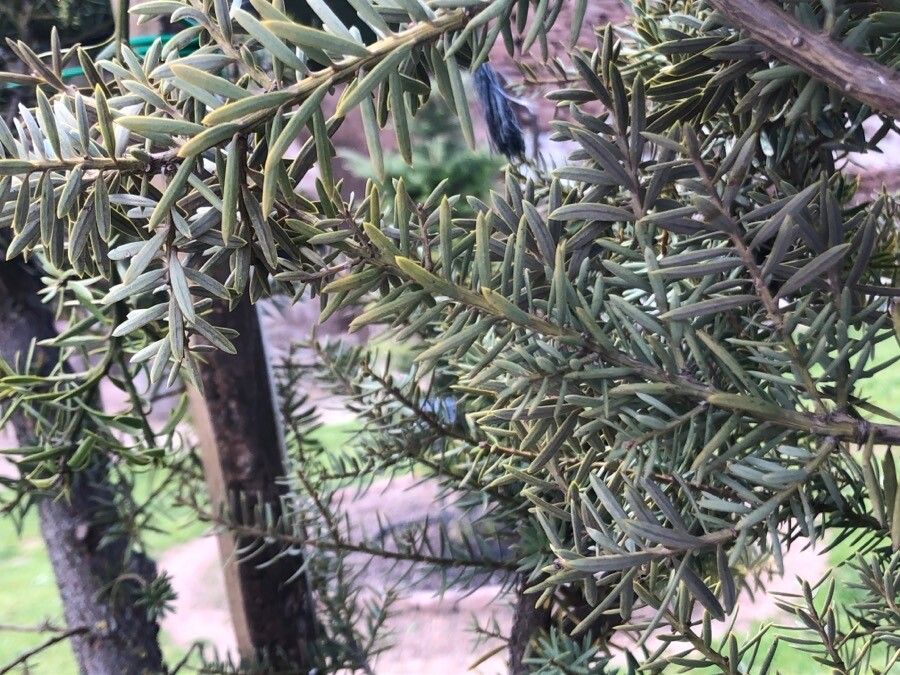
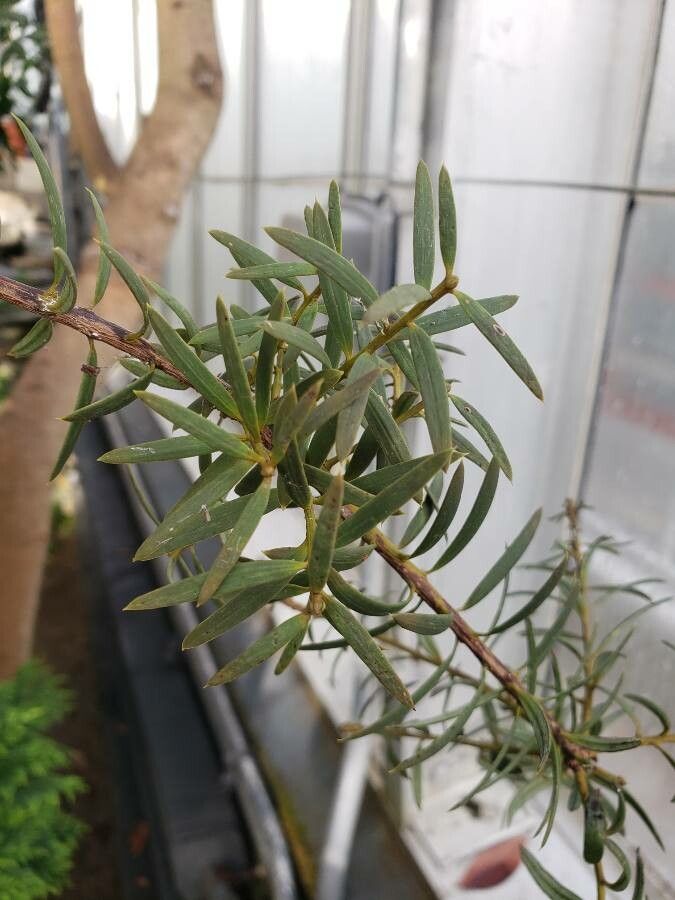
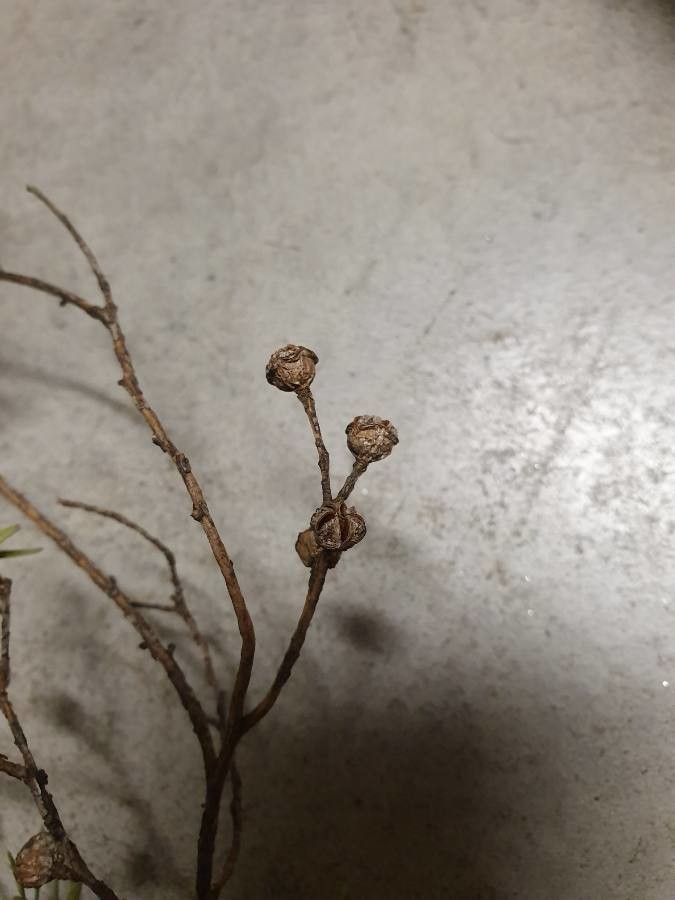
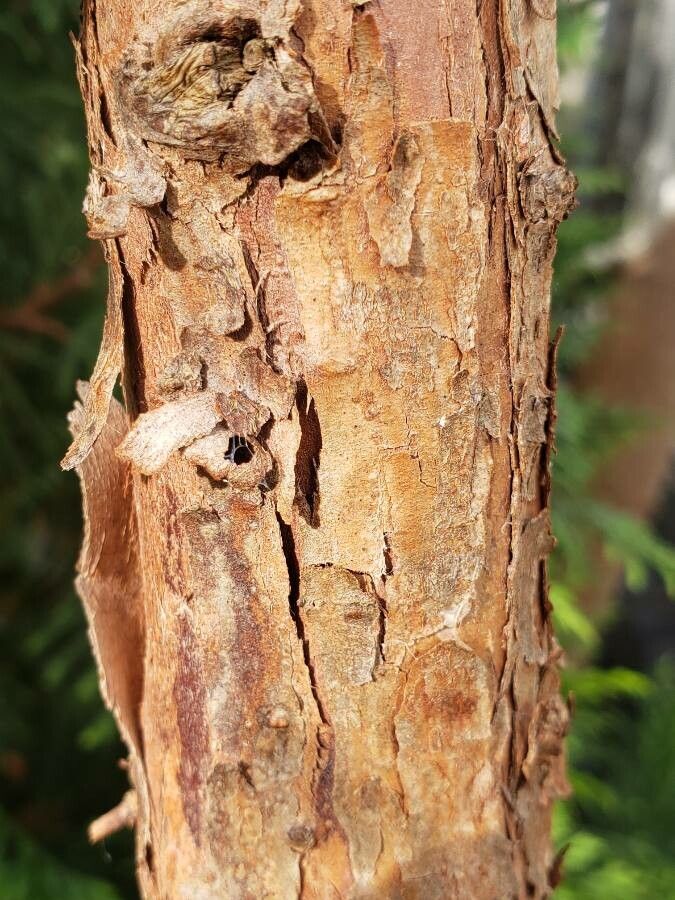
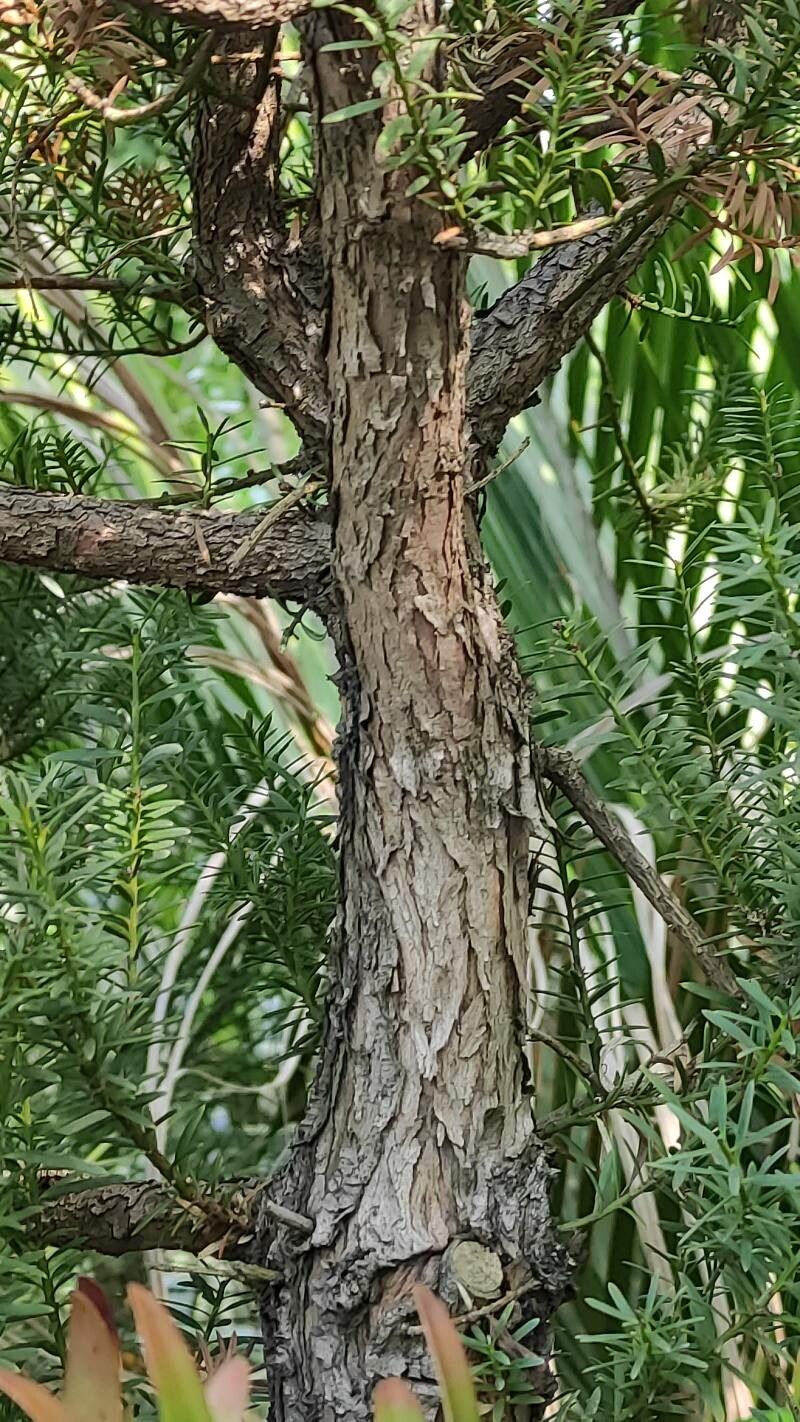
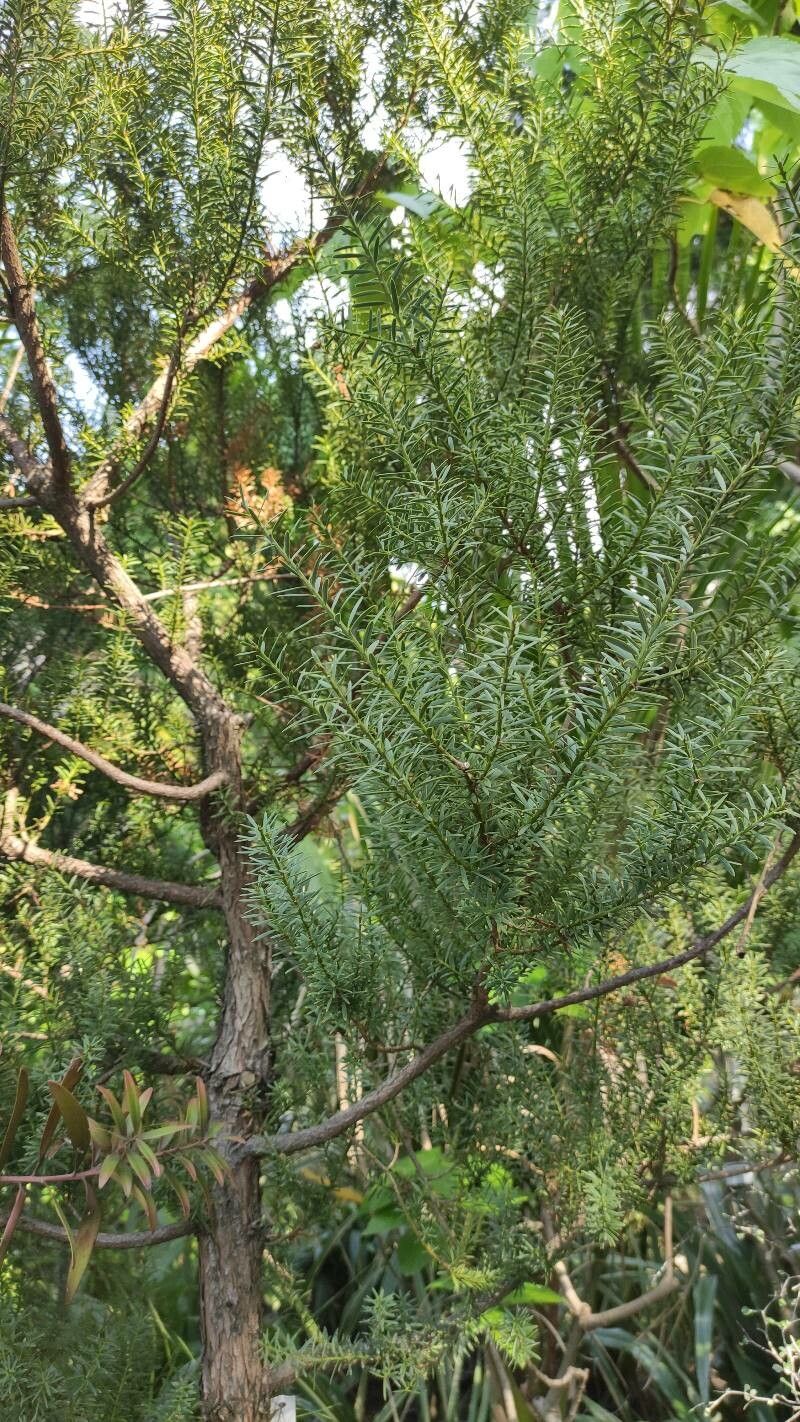
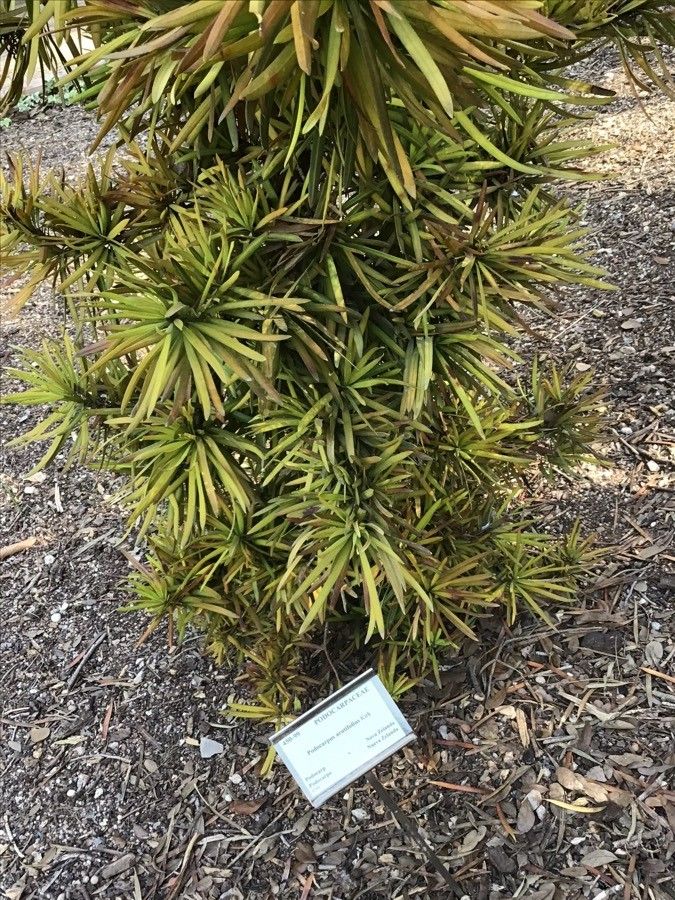
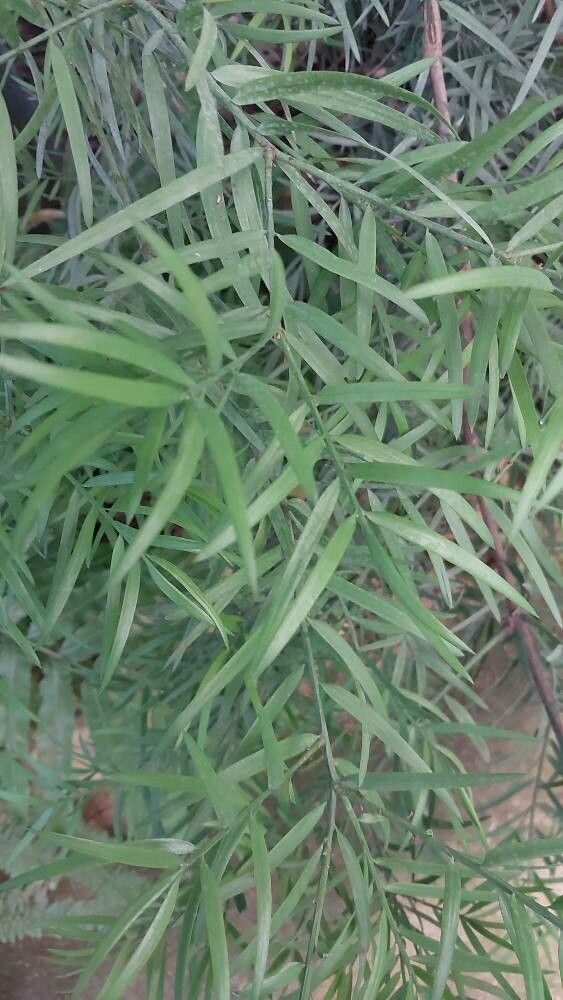
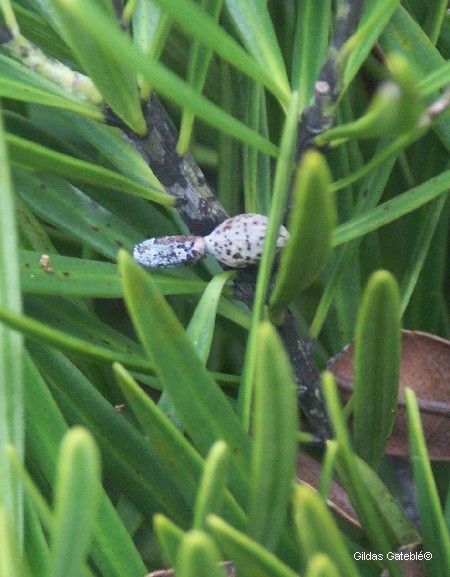
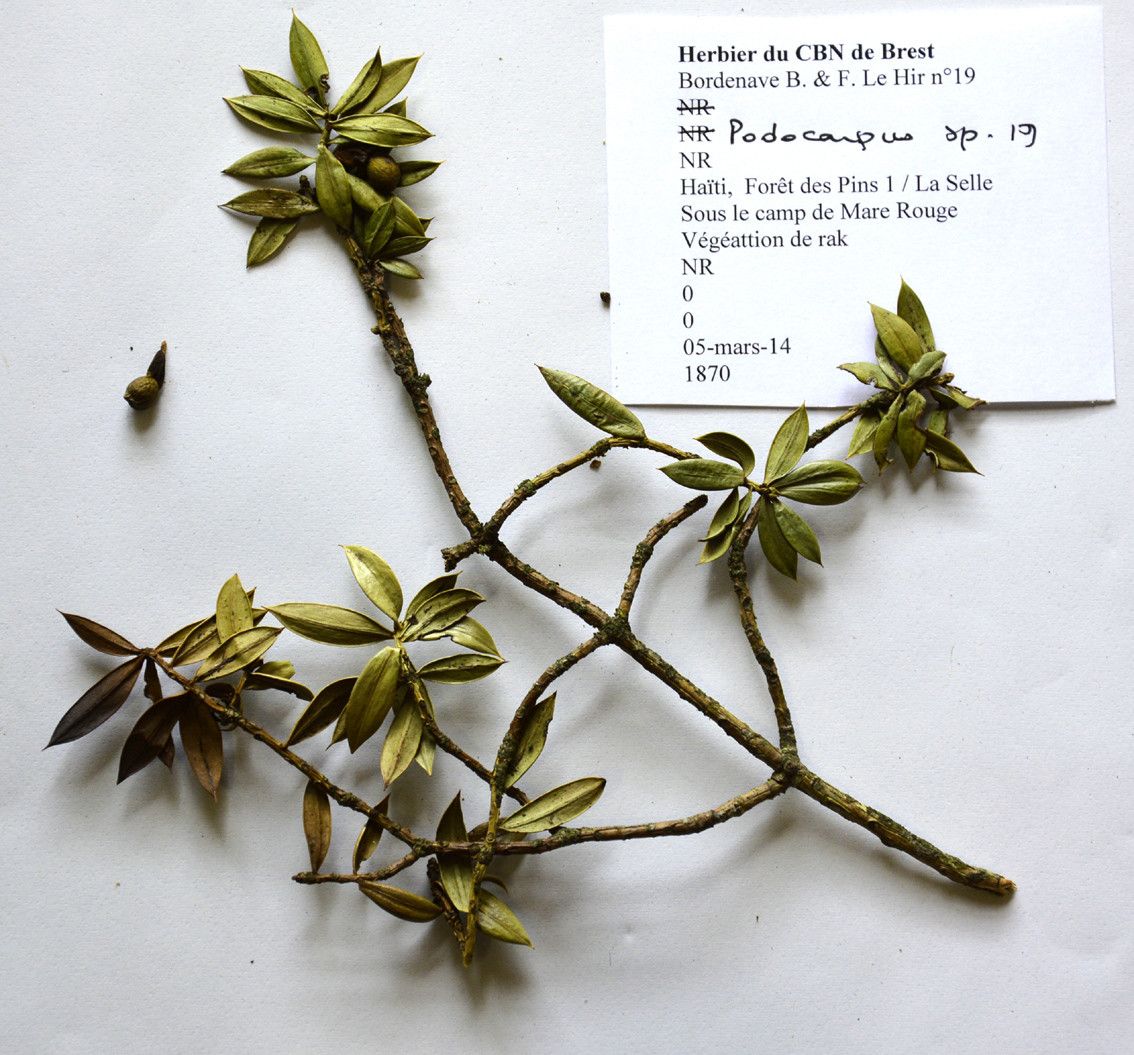
Podocarpus totara, commonly known as totara, is a species of coniferous tree native to New Zealand. This slow-growing evergreen can reach heights of up to 30 meters and diameters of up to 2 meters. Its bark is thick and furrowed, while its leaves are small and needle-like.
For centuries, the totara has been vital to the Maori people because of its durability and strength. It has been used to build canoes, houses, weapons, and tools, as well as for carving.
The tree prefers moist soil but can withstand dry conditions once it is established. It thrives in full sun or partial shade but does not tolerate frost or strong winds well.
The totara tree, known for its exceptional decay resistance, can live for over a thousand years. It contains a chemical compound called Totarol, which is thought to provide its remarkable resistance to rot. Historically, the tree has been used to build fences, churches, and other structures. In addition to its structural uses, totara also offers a range of antibacterial and therapeutic benefits. FUN FACT · FROM THE LIBRARY
Beyond its cultural significance, Podocarpus totara plays an important ecological role. It provides habitat for native birds such as the tui and kereru and helps prevent soil erosion thanks to its deep root system.
In summary, Podocarpus totara is a plant of great cultural and ecological importance, making it a valuable part of New Zealand's natural heritage.
Totara is resistant to disease and, in general, is not susceptible to illnesses. Regarding care, this plant is fairly low-maintenance. When grown outdoors, it needs only light watering, and larger specimens typically do not require pruning. Smaller specimens, however, should be trimmed after they have bloomed. Totarat is suitable for anyone with an outdoor area, such as a garden or deck, and does not demand extensive care experience.
How to keep Podocarpus Totara.
Light
The totara requires a substantial amount of sunlight to stay healthy and grow well. In its natural habitat it prospers in full sun, though it can tolerate sites with only moderate light. Insufficient sun can inhibit its growth, while too much may cause harm.
Water
Totara flourishes in moderate moisture conditions and needs to be watered every 2 to 3 weeks. It thrives best in soil that mimics the dry periods of its native environment, making it ideal for outdoor growth. As an evergreen plant, totara retains its foliage throughout the year, which means it requires less frequent watering compared to deciduous plants.
Temperature
Totara is indigenous to regions where temperatures range from 68 to 100 °F (20 to 38 ℃). It favors these warmer conditions, and its growth slows if temperatures fall substantially. In cooler weather, ensure the totara is well insulated or, if possible, moved indoors.
Fertilizer
Totara has particular nutrient needs and does not require heavy fertilization. Spring is the best time to apply fertilizer for optimal growth. Supplying nutrients enhances its health, increases its resistance to pests and diseases, and helps sustain a long lifespan.
Pruning
Totara is a unique conifer known for its dense, evergreen foliage and upright growth. To encourage healthier growth and reduce sap loss, it's best to perform light pruning from early to late winter. Make sure to use sharp, clean tools to shape the tree effectively and prevent the spread of disease.
Botanical profile.
- Plant Type
- Tree
- Life Cycle
- Perennial
- Genus
- Podocarpus
- Family
- Podocarpaceae
- Hardiness Zone
- 9-11
- Mature Height
- 20.12 m to 35.05 m
- Mature Spread
- 6.1 m to 9.14 m
- Leaf Color
- Green
- Leaf Type
- Evergreen
- Flower Color
- White, Yellow, Green
- Flower Size
- 0.76 cm to 1.27 cm
- Bloom Time
- Mid spring, Late spring, Early summer
- Planting Time
- Spring, Autumn
- Harvest Time
- Mid summer, Late summer, Early fall
- Native Area
- New Zealand
Other names.
Reader questions.
What are the sunlight requirements for Totara?
Totara necessitates ample sunlight for optimal growth and health. It thrives best with unobstructed sun exposure in its native habitat but can also tolerate moderate sunlight. Full sun exposure means the plant should receive above 6 hours of sunlight daily, while partial sun exposure equates to about 3-6 hours of sunlight. It's vital to watch how sunlight moves through your garden and select spots that offer a perfect balance of light and shade, ensuring the plant's happiness and well-being.
What are the ideal temperature conditions for growing Totara?
Totara is native to climates that typically range from 68 to 100 °F (20 to 38 °C). It thrives in warmer temperatures and experiences diminished growth if temperatures drop significantly. It is extremely heat-loving, and exposure to cold can harm it. During cooler weather, it's important to ensure Totara is well-insulated or brought indoors if possible. In the fall, it's recommended to bring outdoor-grown Totara indoors, placing it near a bright window but at a certain distance from heaters to avoid any damage. Keeping temperatures above 20°C during the winter is crucial for the plant's health, as approaching 0°C can be detrimental.
How can artificial lighting support Totara's growth indoors?
When natural sunlight is insufficient, especially during winter or in less sunny spaces, artificial lighting offers a significant solution to support Totara's growth. Indoor plants, including Totara, require adequate lighting for optimal growth. LED lights are favorable as they can provide specific wavelengths of light needed by the plant. It's recommended to provide 30-50W/square foot for full sun plants, 20-30W/square foot for partial sun plants, and 10-20W/square foot for full shade plants. Ensure the artificial light is placed 12-36 inches above the plant and mimics the natural daylight hours, typically 8-12 hours per day.
How should I care for my Totara in low temperatures?
Totara prefers warm environments and does not tolerate low temperatures well. It thrives best when the temperature remains above 20°C and should be kept above 0°C during winter. If temperatures fall below -5°C, you may notice the leaves lightening in color and, after frost damage, turning brown or black, with symptoms such as wilting and drooping occurring. To care for your Totara in low temperatures, trim off the frost-damaged parts and move the plant indoors to a warm environment for protection. Placing the plant near a south-facing window ensures ample sunlight but avoid placing it near heaters or air conditioning vents to prevent the air from becoming excessively dry.
What are the symptoms of light deficiency in Totara?
Totara shows various symptoms when suffering from light deficiency, including smaller new leaves compared to mature ones, leggy or sparse growth due to longer spaces between leaves or stems, faster leaf drop as a resource conservation measure, slower or halted growth, lighter-colored new leaves indicating insufficient chlorophyll, and conditions like chlorosis (leaves turning yellow), sunscald (damage from intense sunlight), leaf curling (minimizing surface area exposure), wilting (loss of turgor pressure), and leaf scorching (brown, dry patches on leaves). These symptoms signify the plant's struggle with inadequate sunlight.
What should I do if my Totara is exposed to high temperatures?
During the summer, it's important to keep Totara's temperature below 38°C. Exposure to temperatures exceeding 43°C can result in the leaves lightening in color and the plant becoming more susceptible to sunburn. To care for Totara in high temperatures, trim away the sunburned and dried-up parts. Move the plant to a location that provides shade from the midday and afternoon sun, which can help prevent further damage. Additionally, watering the plant in the morning and evening can help keep the soil moist and reduce stress from the heat.
How can light deficiency in Totara be addressed?
To address light deficiency in Totara, gradually move the plant to a sunnier location each week until it receives at least 6 hours of direct sunlight daily. For indoor plants, use a south-facing window and keep curtains open during the day. If the plant is large or immovable, consider artificial lighting solutions like desk or ceiling lamps on for at least 8 hours daily or invest in professional plant grow lights. For outdoor plants, ensure gradual adaptation to avoid sunburn. If obstructions like trees block the sunlight, consider pruning or transplant smaller plants to sunnier locations with good drainage during their dormant period.