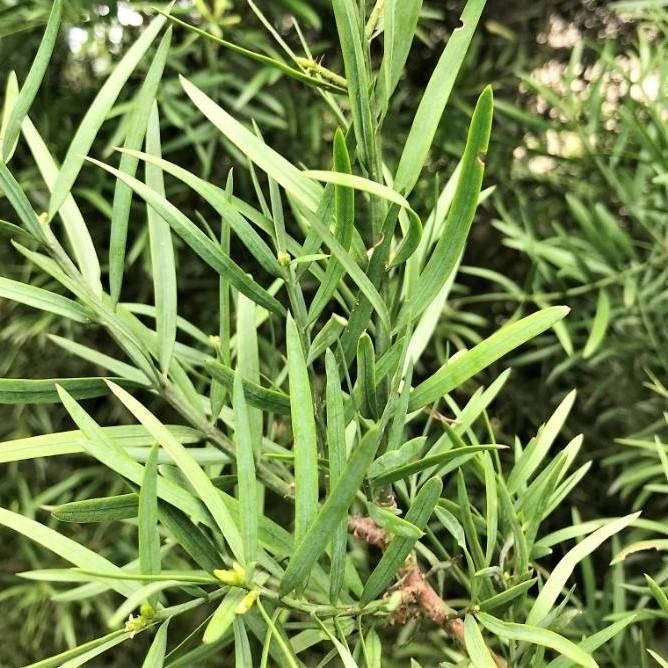
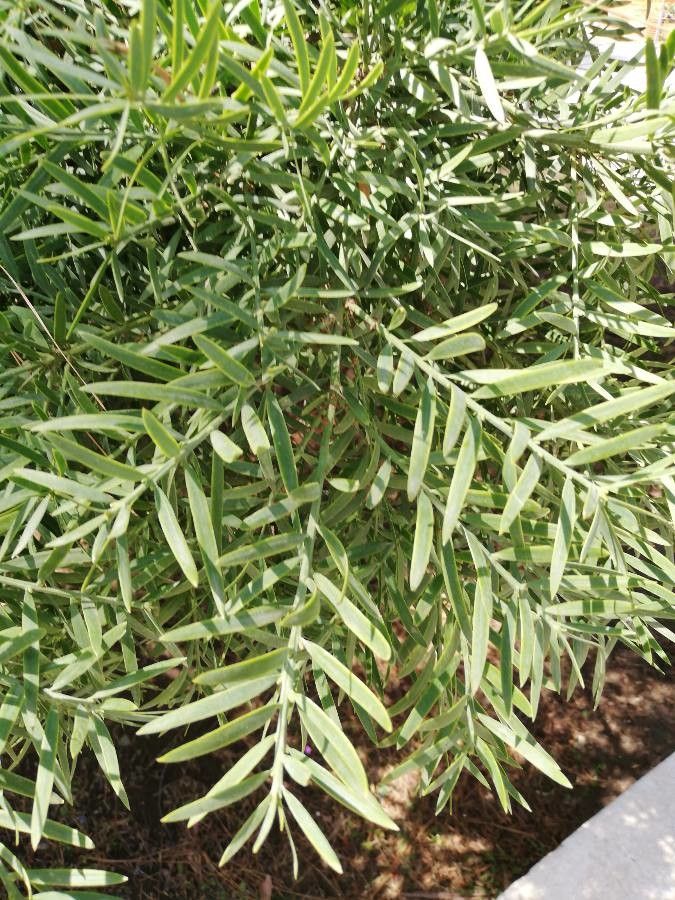
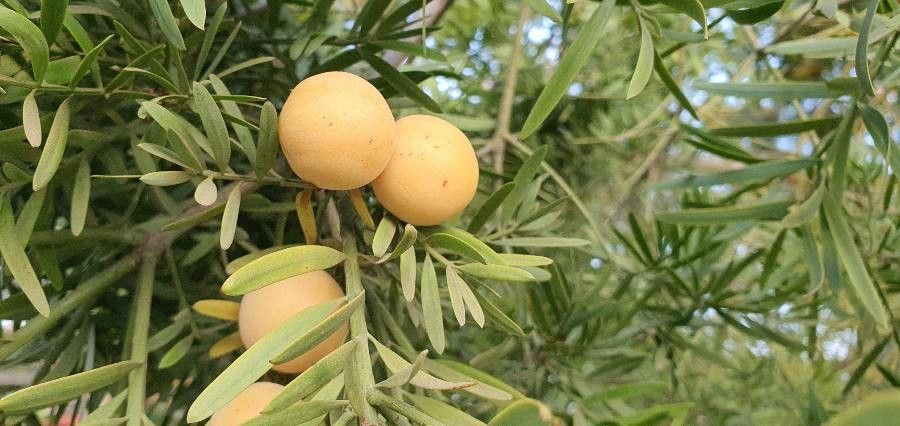
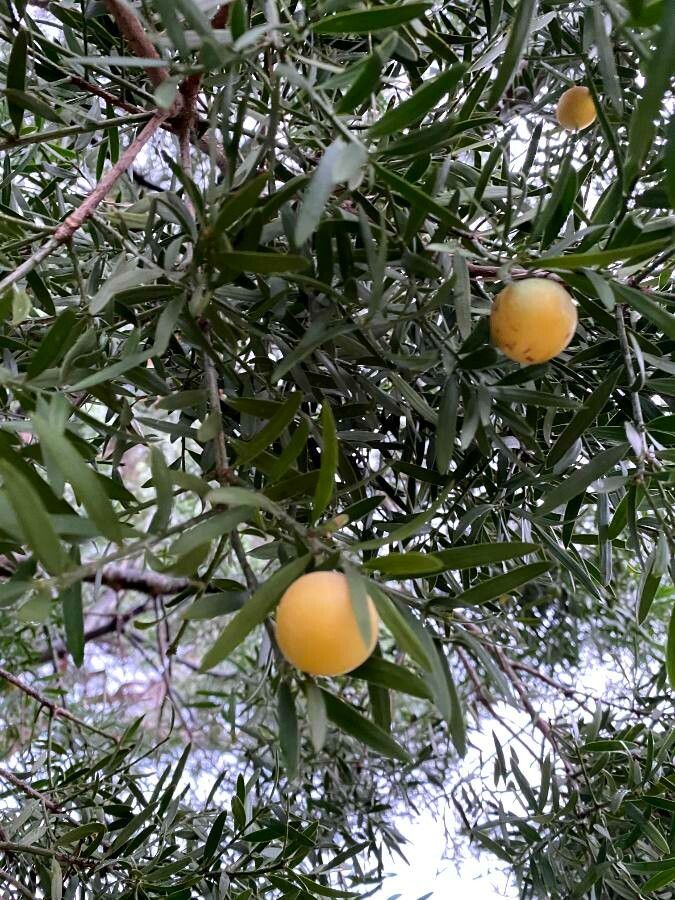
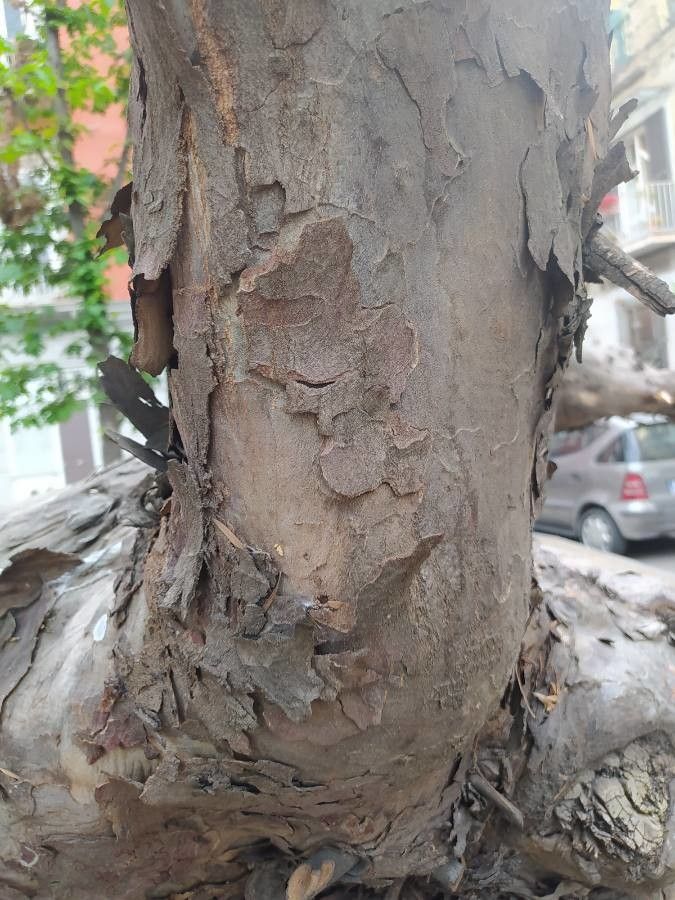
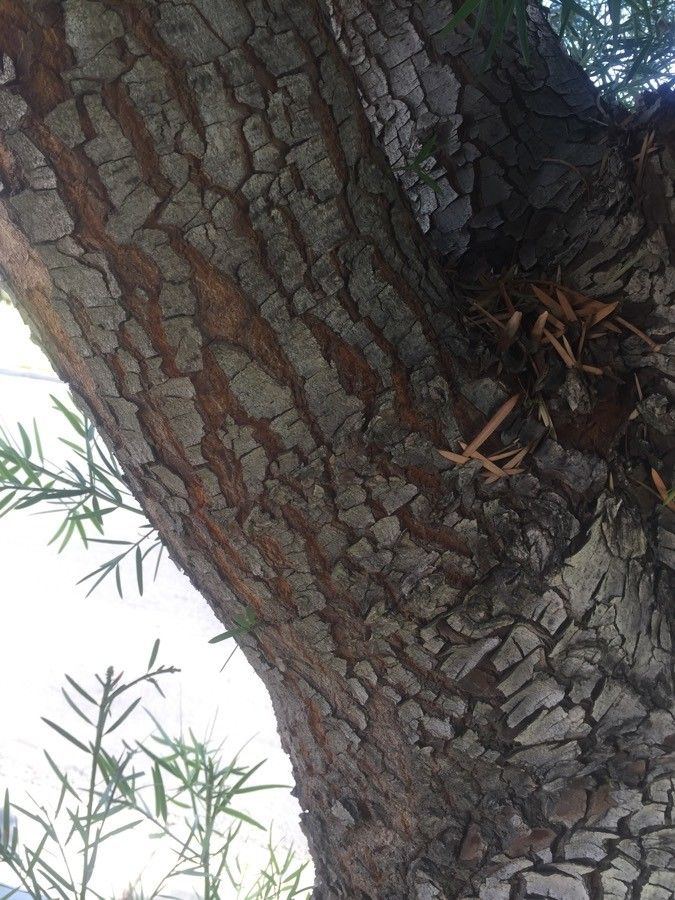
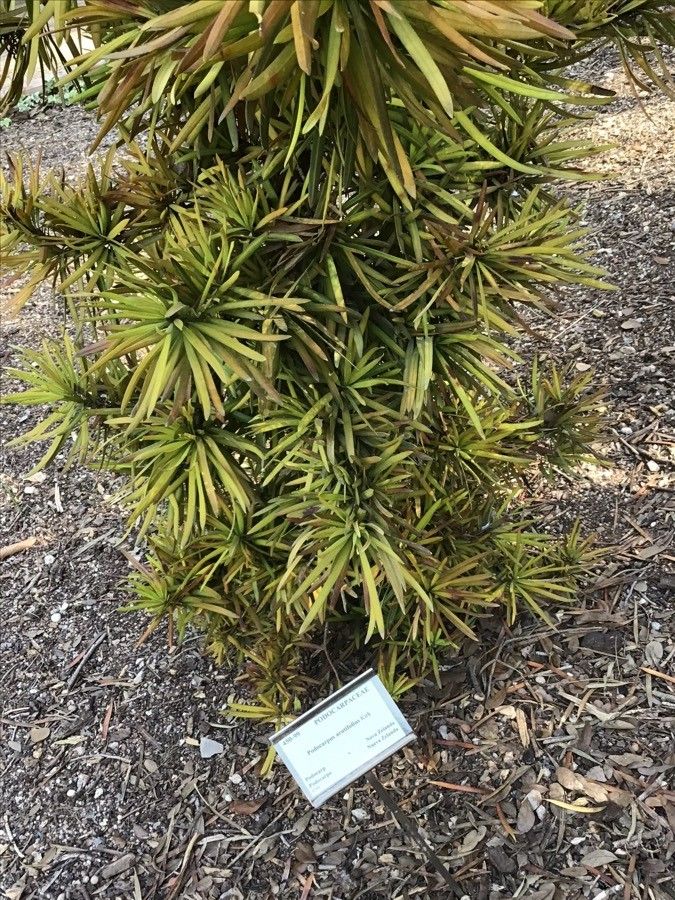
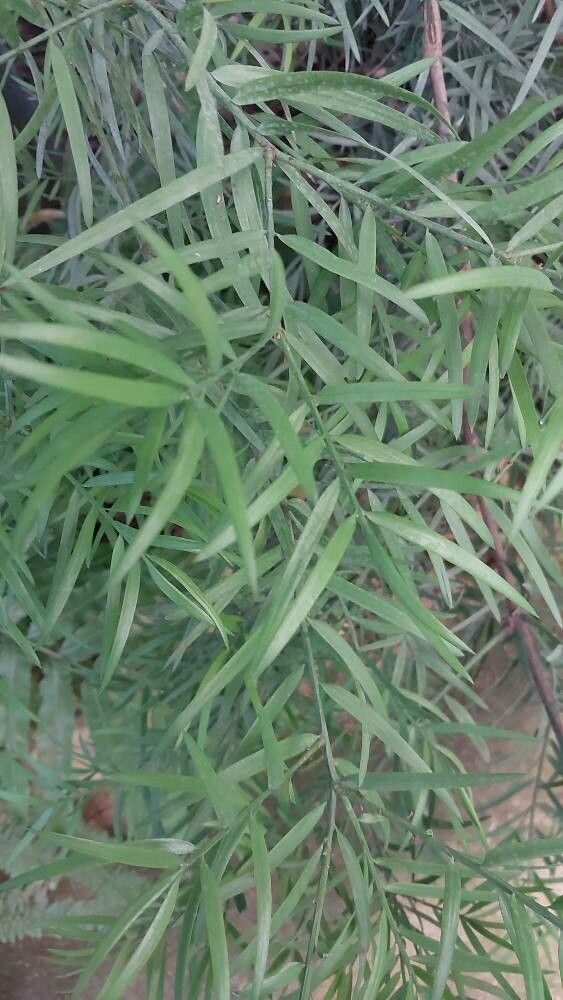
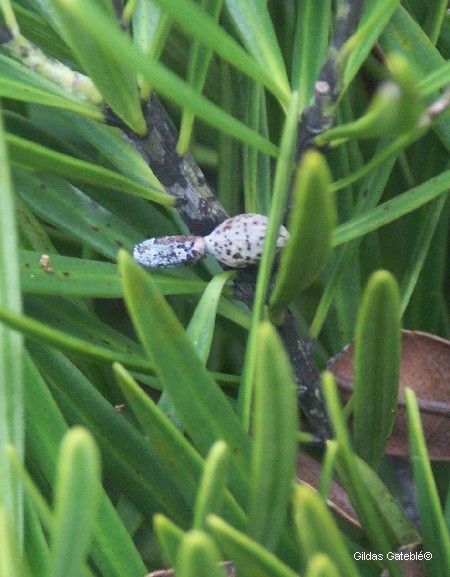
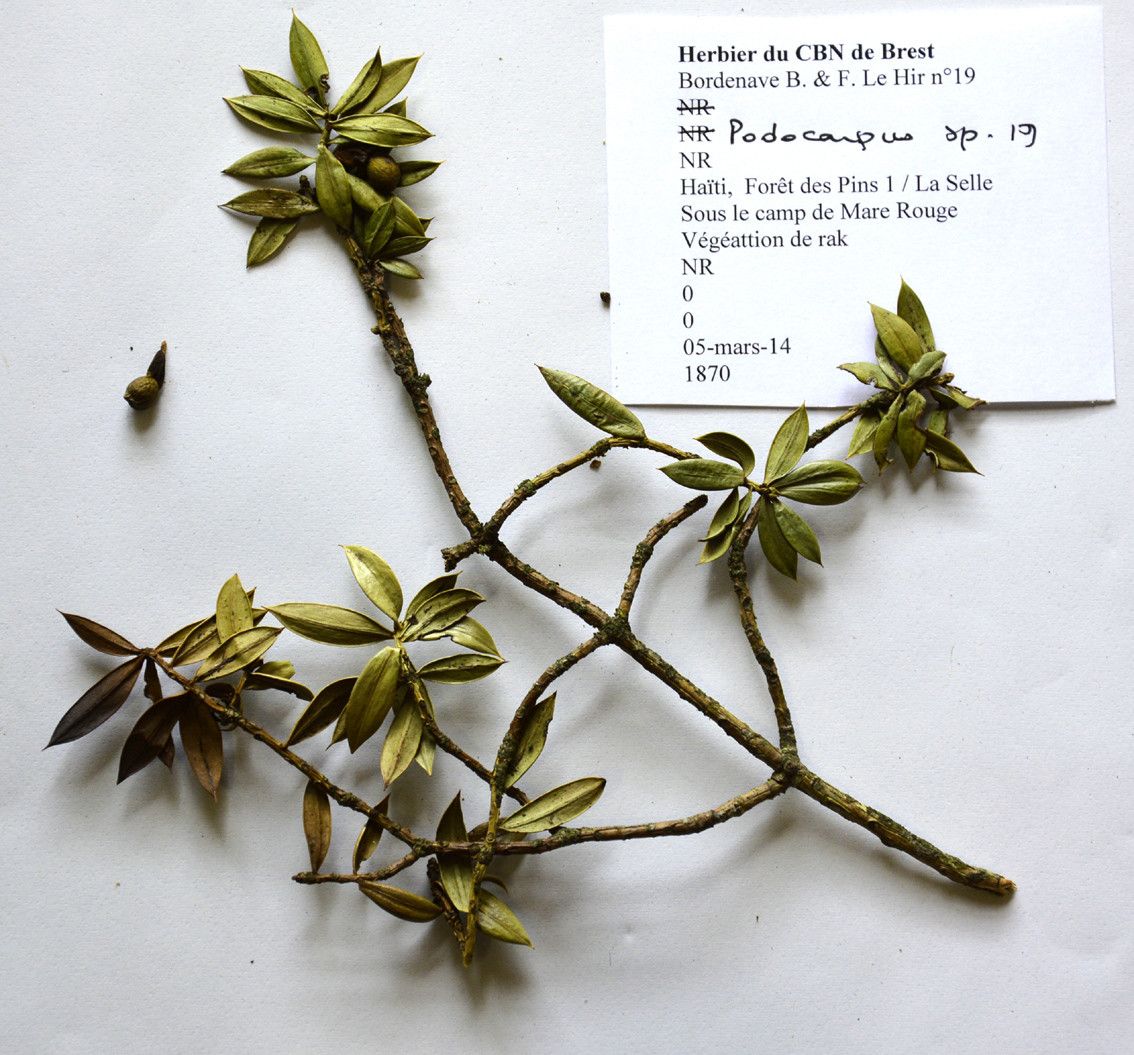
Podocarpus falcatus, commonly known as the African yellowwood, is a large evergreen tree native to southern and eastern Africa. It can reach heights of up to 30 meters and features a dense crown of dark green foliage. The narrow, pointed leaves can grow up to 10 centimeters in length. The tree produces small cones that start green and turn brown as they mature.
The African yellowwood is a popular ornamental tree in gardens and parks due to its attractive foliage and ability to provide shade. It also has cultural significance in some African communities, where it is used for medicinal purposes and to make traditional musical instruments.
The wood of the Podocarpus falcatus is highly valued for its durability, strength, and resistance to decay. It has been used for centuries in construction, including building houses and making furniture.
Despite being relatively easy to grow from seeds or cuttings, the African yellowwood faces threats from deforestation due to logging activities and land conversion for agriculture. Conservation efforts across Africa aim to protect this valuable species from extinction while promoting sustainable practices that benefit both people and wildlife.
Common yellowwood has strong resistance to disease and is generally not susceptible to illnesses. In terms of care, this plant is fairly low maintenance. When planted outdoors it needs little watering, and larger specimens typically do not require pruning. Smaller or younger plants should be pruned after they finish blooming. Common yellowwood is suitable for anyone with an outdoor area, such as a garden or deck, and does not demand much prior care experience.
How to keep Podocarpus Falcatus.
Light
Common yellowwood does best in plentiful light, reflecting the conditions of its native habitats, and prefers sites that receive ample sunlight during the day. Although it favors bright conditions, it can tolerate locations with less sun. Excessive exposure may stress the plant and reduce its vigor, while too little light can slow its growth.
Temperature
Common yellowwood is fairly adaptable to temperature, able to withstand higher heat and larger temperature fluctuations. In hot weather, attention should be paid to watering and providing suitable shade to prevent sunburn. However, Common yellowwood is less tolerant of low temperatures; although it can endure some cold, excessively low temperatures can cause frost damage.
Fertilizer
The common yellowwood has distinctive nutrient needs and does not require heavy fertilization. Fertilizing in spring is best for achieving optimal growth. Supplying nutrients enhances its health, increases its resistance to pests and diseases, and helps maintain its long lifespan.
Botanical profile.
- Plant Type
- Tree
- Life Cycle
- Perennial
- Genus
- Podocarpus
- Family
- Podocarpaceae
- Hardiness Zone
- 9-11
- Mature Height
- 45.11 m to 60.05 m
- Mature Spread
- 7.62 m to 10.36 m
- Leaf Color
- Green
- Leaf Type
- Evergreen
- Flower Color
- White, Pink, Green, Purple
- Flower Size
- 2.54 cm
- Bloom Time
- Mid spring, Late spring
- Planting Time
- Spring, Summer, Autumn
- Harvest Time
- Late summer, Early fall, Mid fall
- Native Area
- Malawi, Eswatini, South Africa, Mozambique
Other names.