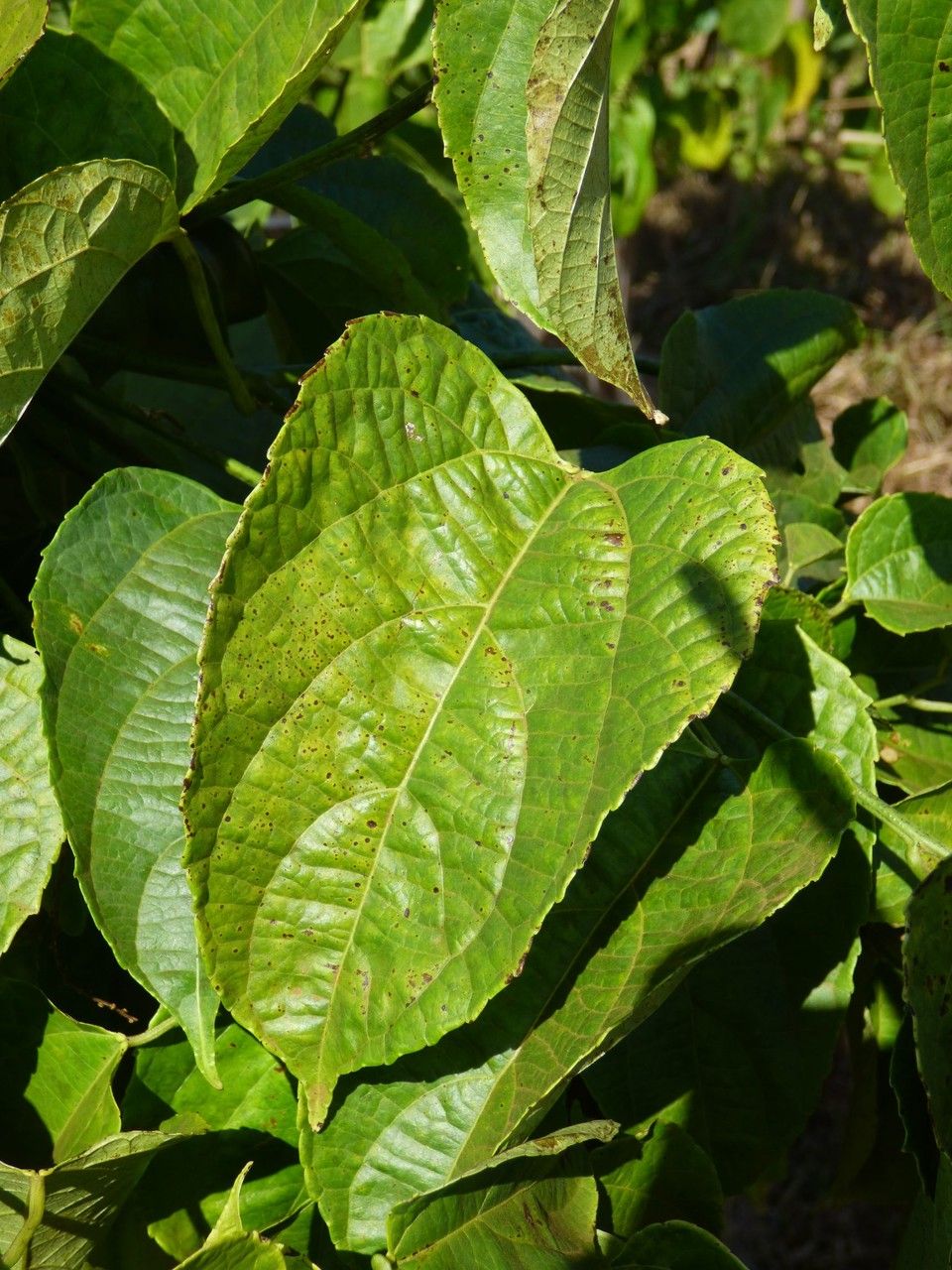
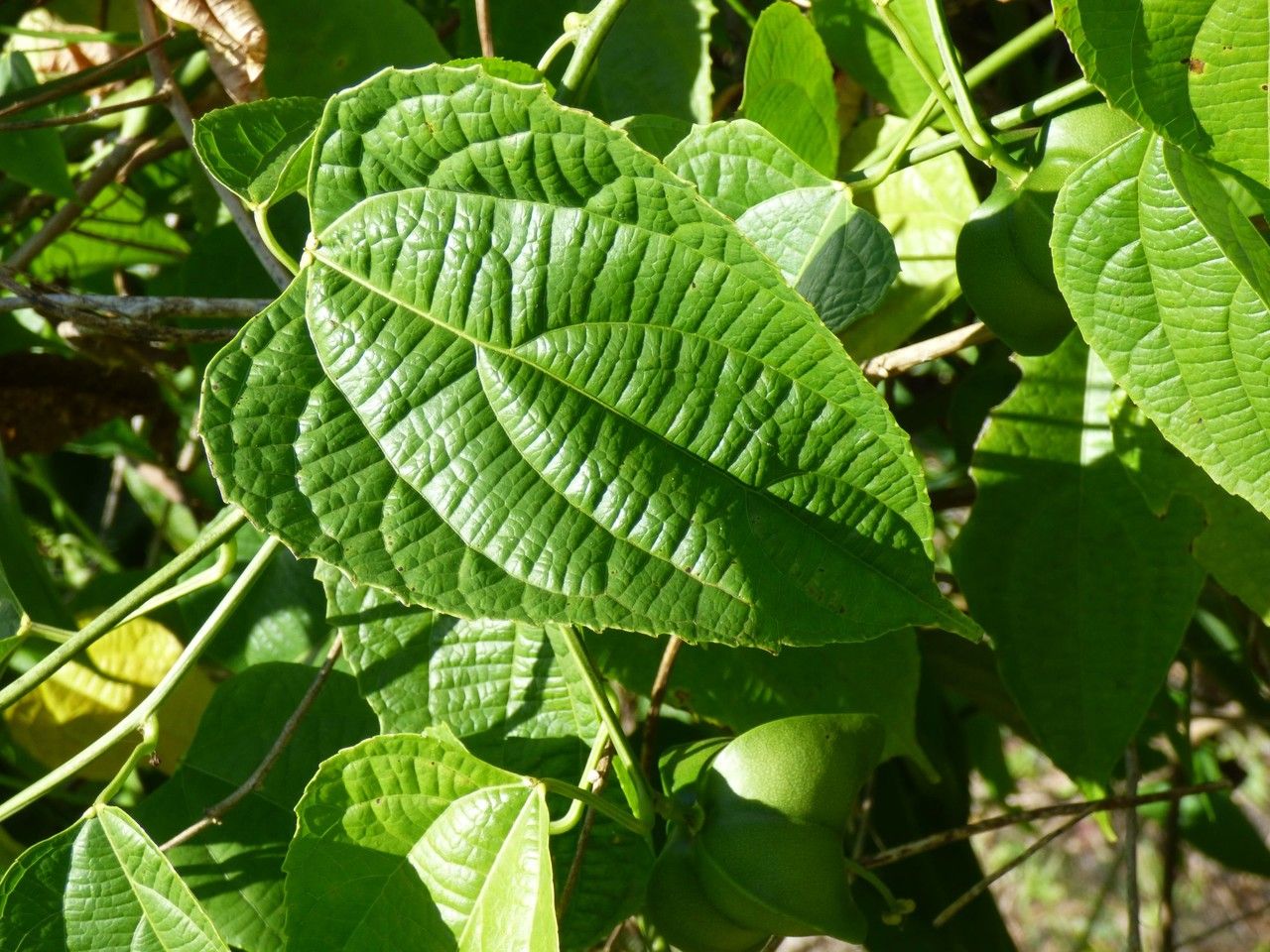
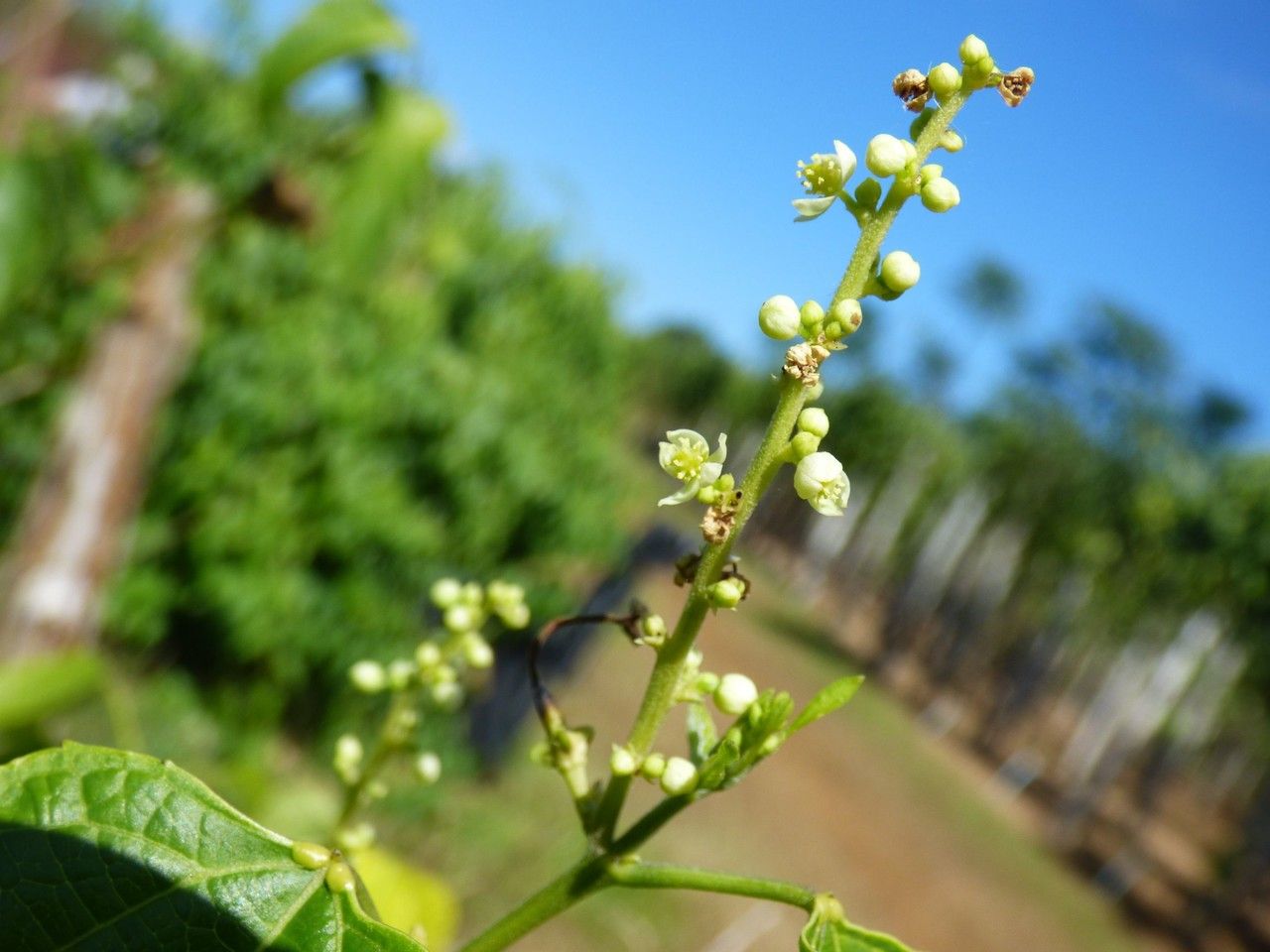
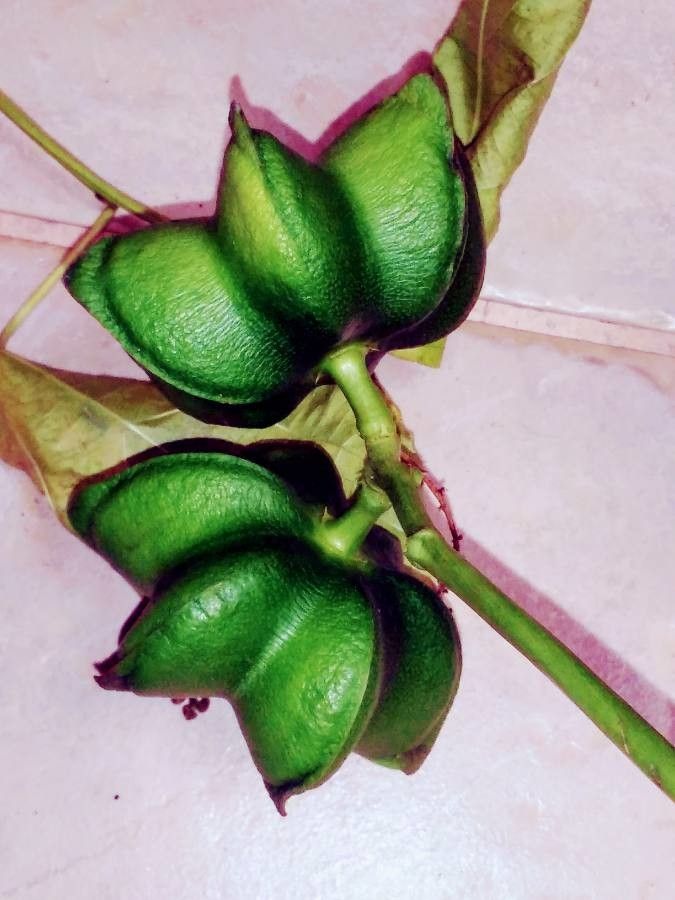
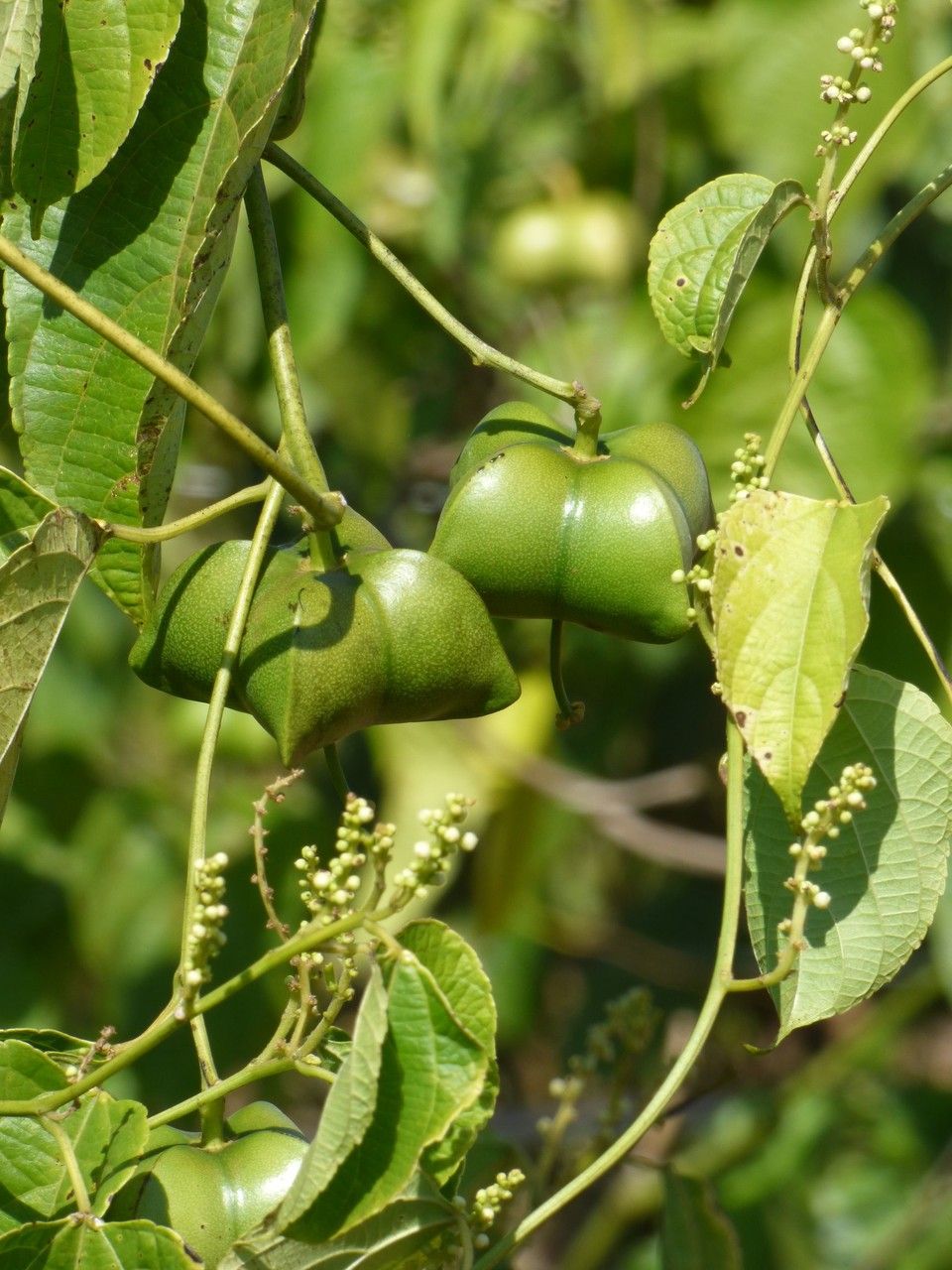
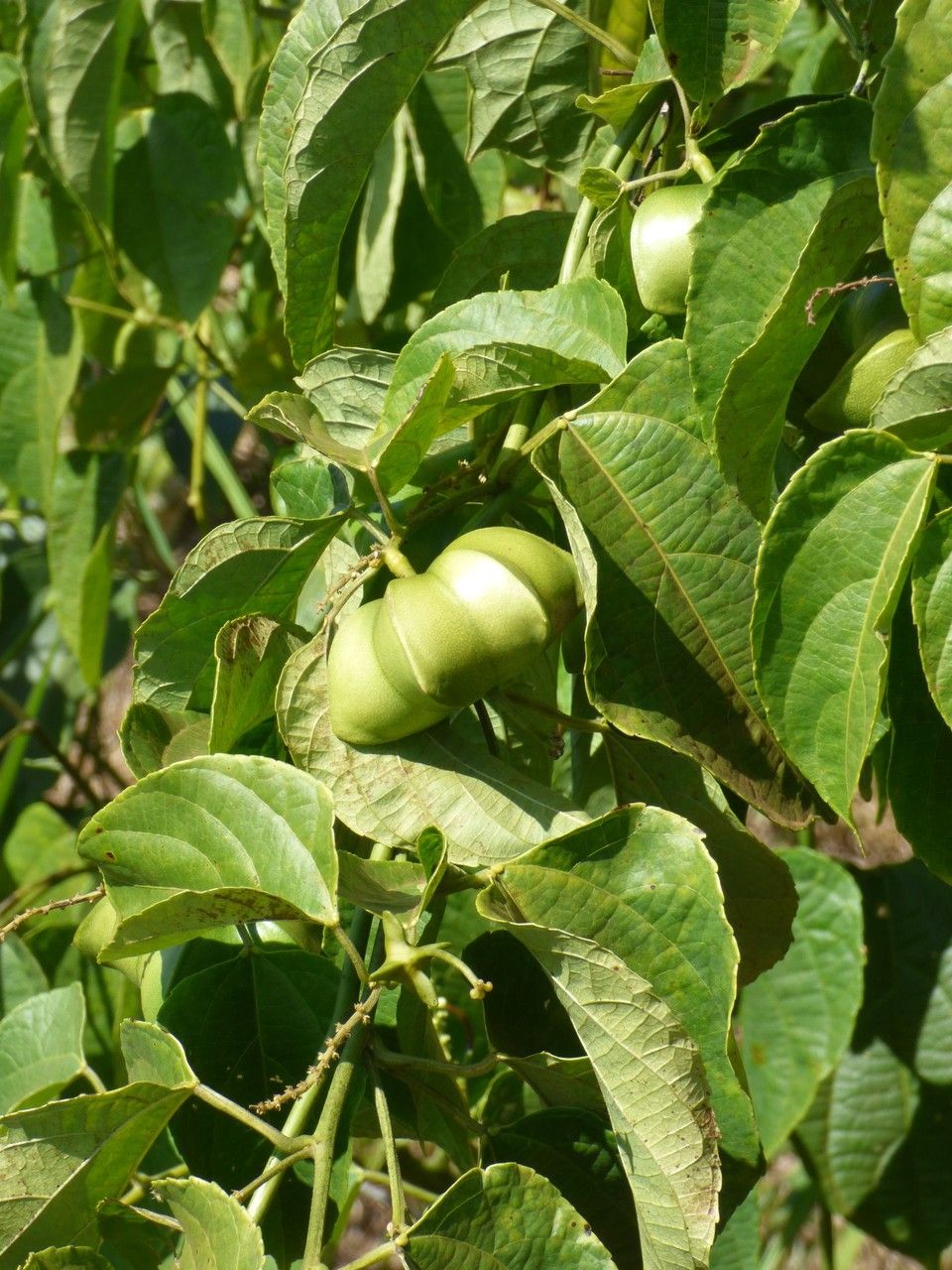
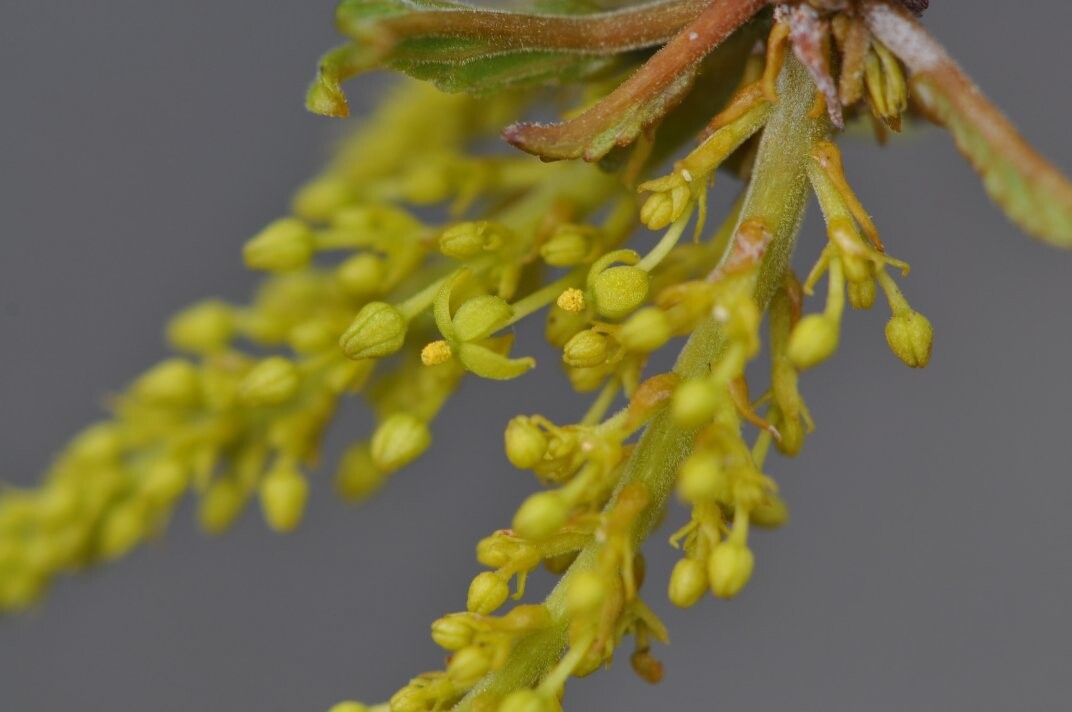
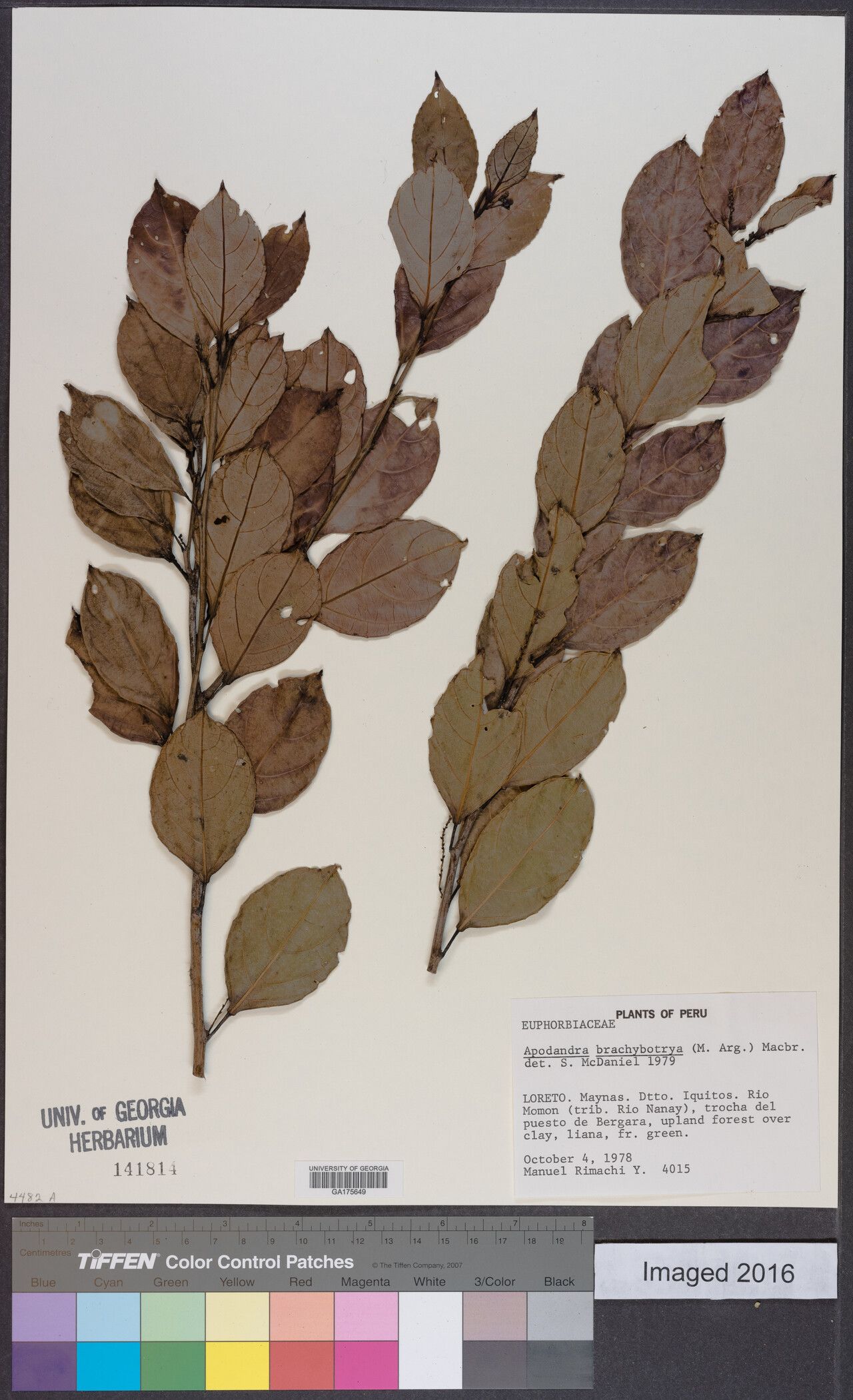
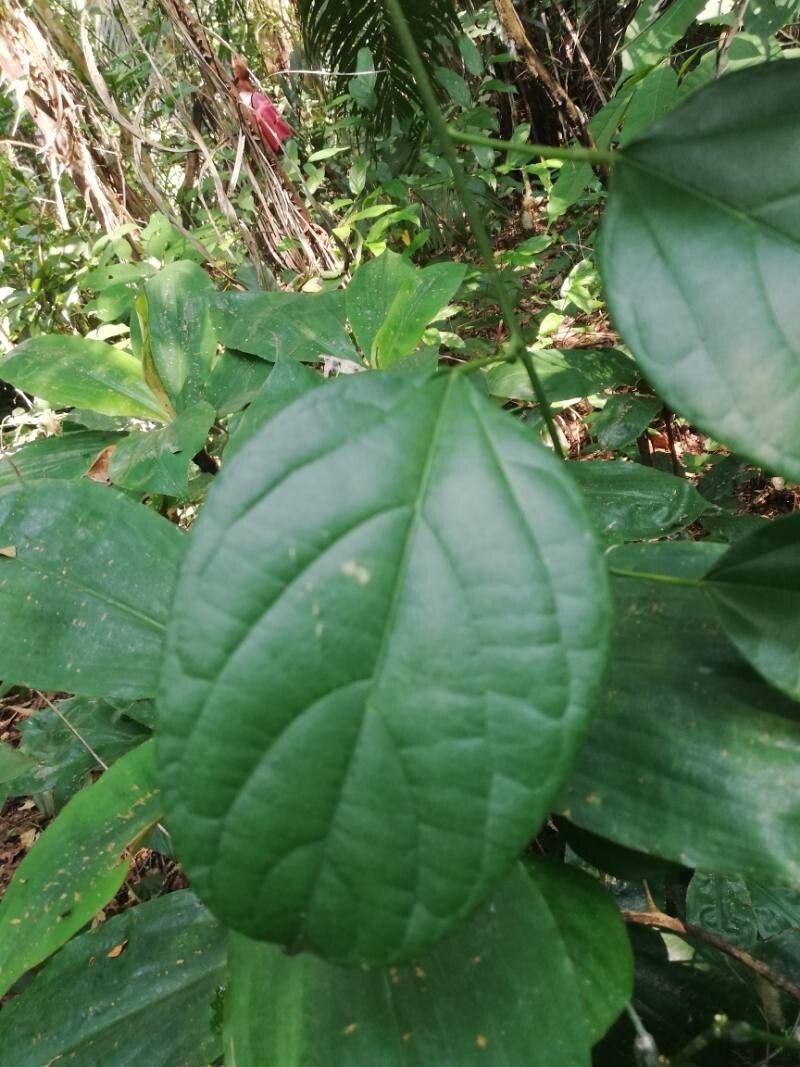
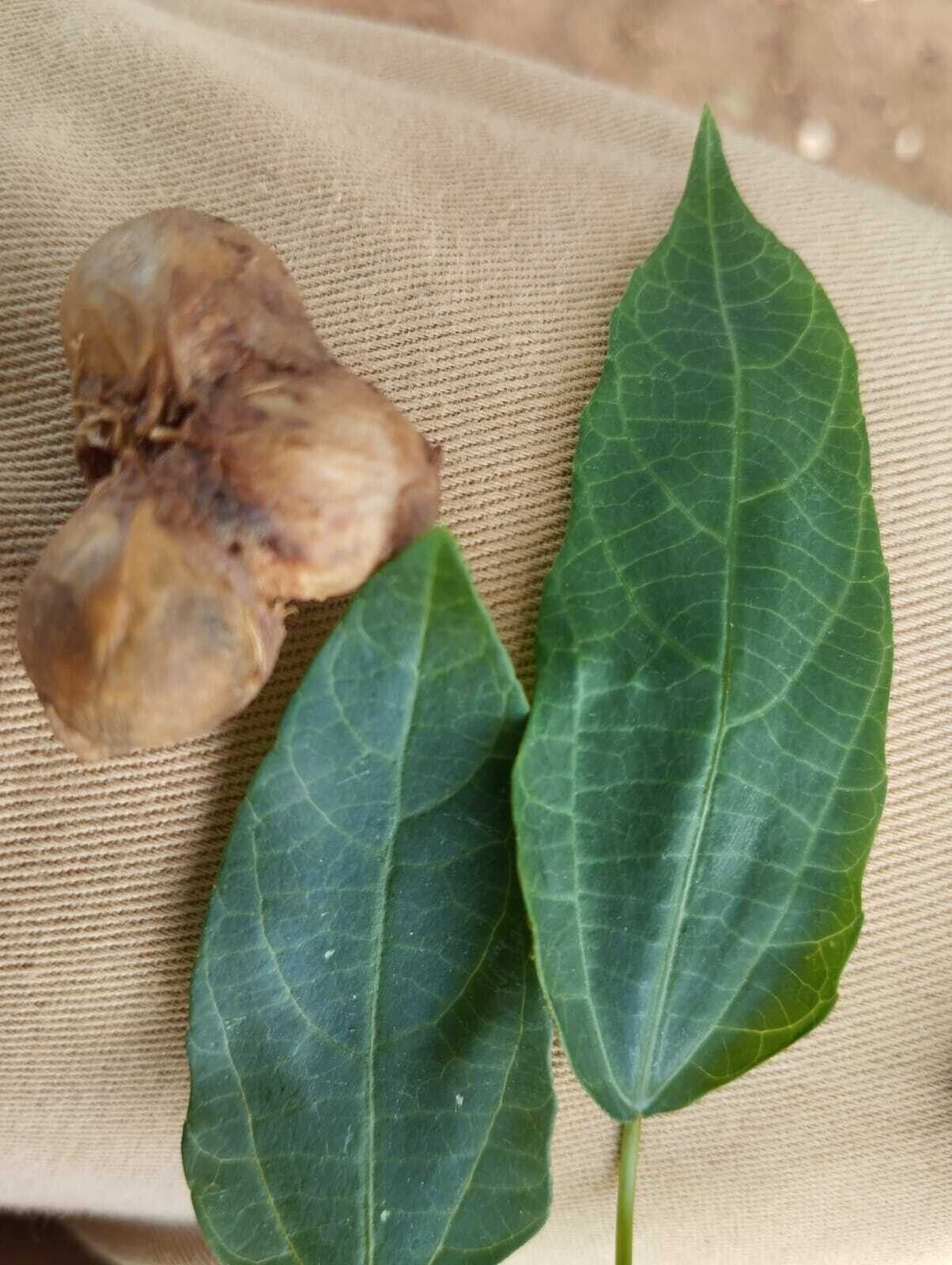
Plukenetia volubilis, commonly known as sacha inchi, sacha peanut, mountain peanut, Inca nut or Inca-peanut, is a perennial plant in the family Euphorbiaceae, having small trichomes on its leaves. It is native to much of tropical South America (Suriname, Venezuela, Bolivia, Colombia, Ecuador, Peru, and northwestern Brazil), as well as some of the Windward Islands in the Caribbean. It is cultivated commercially in South East Asia, most notably in Thailand. Although its raw seeds and leaves contain toxins, these components are safe for consumption after roasting.Plukenetia volubilis should not be confused with Caryodendron orinocense, which is commonly known as inchi, cacay, or orinoconut.
Inca-peanut shows moderate resistance to disease but can be vulnerable to problems like leaf spot. Its sensitivity to insect pests varies by variety, although most varieties are relatively poorly resistant to pests. For care, Inca-peanut requires regular watering and fertilization and frequent removal of yellow leaves. It is important to treat pests and diseases when they occur and to harvest the plant promptly. Inca-peanut is appropriate for people who can invest some time and effort in routine care.
How to keep Plukenetia Volubilis.
Light
Inca-peanut flourishes when it receives an unblocked flow of sunlight and can tolerate partly sunlit conditions. In its native environment it is exposed to abundant sunlight, which supports healthy development. Both excessive and insufficient light can harm the plant's vitality. The preferred light intensity differs according to its stage of growth.
Water
Inca peanuts originate from tropical rainforests where they thrive due to the high humidity and consistent moisture these environments provide. While they have a moderate tolerance for drought, they still require weekly watering to ensure healthy growth. Being evergreen plants, Inca peanuts greatly benefit from natural rainfall, which helps maintain their lush foliage throughout the year.
Temperature
Inca-peanut originates from habitats where temperatures range from 68 to 100 °F (20 to 38 ℃). It favors warm conditions and sufficient sunlight. Be sure to adjust the temperature appropriately as the seasons change.
Fertilizer
Use organic fertilizers (e.g., fish emulsion, compost) rather than chemical fertilizers for Inca-peanut. Supply higher levels of nitrogen and phosphorus to young plants during spring. Incorporate compost or fertilizer before or after planting. For mature plants, supplement in spring with either a balanced fertilizer or one targeted to specific deficiencies. Nutrient deficiency causes small leaves, short branches, yellow/bronze leaves, acidic fruits, premature fruit fall, and splitting.
Pruning
Inca-peanut benefits from pruning in early spring. During this time, focus on removing dead branches, thinning the plant to improve air circulation, and shaping it to encourage lateral growth. Pruning at this stage supports the plant's active growth phase, improves yield, helps prevent disease, and maintains its appearance. For advice tailored to specific growing conditions, consult horticultural resources.
Botanical profile.
- Plant Type
- Shrub
- Life Cycle
- Perennial
- Genus
- Plukenetia
- Family
- Euphorbiaceae
- Hardiness Zone
- 10-12
- Mature Height
- 2.13 m to 3.05 m
- Mature Spread
- 20 cm
- Leaf Color
- Green, Dark Green
- Leaf Type
- Deciduous
- Flower Color
- Yellow, Green
- Flower Size
- 2.54 cm
- Bloom Time
- Mid spring, Late spring, Summer, Early fall, Mid fall
- Planting Time
- Spring, Summer, Autumn
- Harvest Time
- Mid summer, Late summer, Fall, Early winter, Mid winter
- Native Area
- Colombia, Mexico, Bolivia, Venezuela, Peru, Brazil, Ecuador
Other names.
Reader questions.
What are the sunlight requirements for Inca-peanut plants?
Inca-peanut plants thrive best under full sunlight conditions, requiring more than 6 hours of unobstructed sunlight daily. They can also endure partial sunlight, which amounts to about 3-6 hours of sunlight per day. Observing how sunlight moves through your garden will help in choosing optimal spots that ensure the right balance of light for these plants, promoting their health and growth.
What is the ideal temperature range for the growth of Inca-peanut?
Inca-peanut, or Plukenetia volubilis, thrives in environments with temperatures ranging from 68 to 100°F (20 to 38°C). It prefers warm temperatures and adequate sunlight. During winter, it is beneficial to maintain temperatures above 20°C to promote healthy plant growth, ensuring that the minimum temperature stays above the freezing point to avoid freezing damage. Proper temperature adjustments according to seasonal changes are crucial for the optimal growth of Inca-peanut.
How important is sunlight for the growth of Inca-peanut plants?
Sunlight plays a crucial role in the healthy growth of Inca-peanut plants. These plants are native to environments where they are exposed to abundant sunlight, which is essential for their development. Both overexposure and underexposure to sunlight can negatively affect the plant's vitality. Adequate sunlight is necessary at different stages of growth, ensuring the plant's overall health and productivity.
How should Inca-peanuts be cared for in low temperature conditions?
Inca-peanuts have a moderate tolerance to low temperatures, flourishing best between 20°C and 38°C. It's essential to keep them above 5°C during the winter. If temperatures drop below 1°C, the leaves may darken, and signs like water-soaked necrosis, wilting, and browning of leaves may appear. To protect the plant, trim away frost-damaged parts and either move it indoors to a warmer environment or set up a makeshift greenhouse. Ensure it's placed near a south-facing window for ample sunlight, and consider supplemental lighting if needed.
What solutions are available for Inca-peanut plants with insufficient sunlight?
For indoor Inca-peanut plants with insufficient sunlight, gradually moving them to a sunnier spot, using a south-facing window, or utilizing artificial lighting can be effective solutions. Outdoors, it's advisable to transition the plants gradually to sunnier locations to prevent sunburn. If natural light is blocked by obstructions, consider pruning or moving smaller plants to a spot with better sunlight. In situations where sunlight is inadequate, especially indoors, artificial lighting systems such as LED grow lights can be used to provide the necessary wavelengths for optimal growth.
What are the recommended steps when dealing with high temperatures for Inca-peanut plants?
In the event of high temperatures, especially above 38°C during summer, it's crucial to take steps to prevent overheating and sunburn for Inca-peanut plants. If temperatures exceed 43°C, the plant's growth can slow, leaves may lighten in color and become prone to sunburn. You should trim away sunburned and dried parts of the plant, move it to a shaded area to avoid afternoon sun, and ensure the soil remains moist by watering it in the morning and evening.
What are the symptoms of inappropriate sunlight exposure in Inca-peanut plants?
Symptoms of insufficient sunlight in Inca-peanut plants include smaller new leaves, leggy or sparse growth, faster leaf drop, slower or no growth, and lighter-colored new leaves. Excessive sunlight can lead to chlorosis (yellowing of leaves), sunscald, leaf curling, wilting, and leaf scorching. These symptoms indicate the plant is not receiving the ideal amount of sunlight for its health, which can affect its growth and development.
How can artificial lighting benefit Inca-peanut plants indoors?
Artificial lighting can significantly benefit Inca-peanut plants grown indoors by providing the necessary light intensity and duration for optimal growth, especially when natural sunlight is insufficient. LED lights are recommended due to their ability to emulate specific light wavelengths needed by plants. Proper installation at the right distance and ensuring the plants receive 8-12 hours of light daily can promote healthier and faster plant growth.