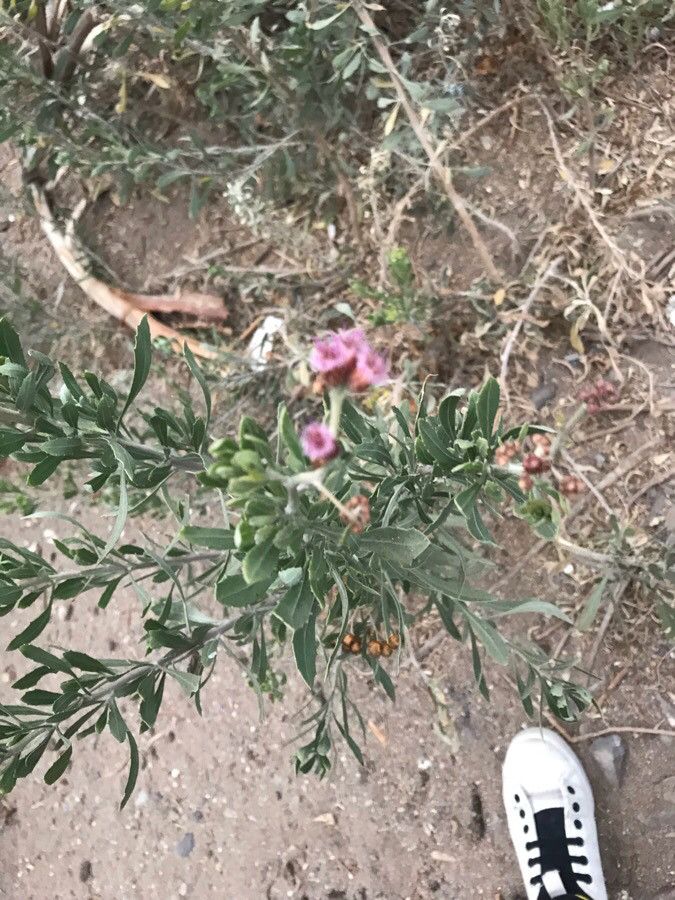
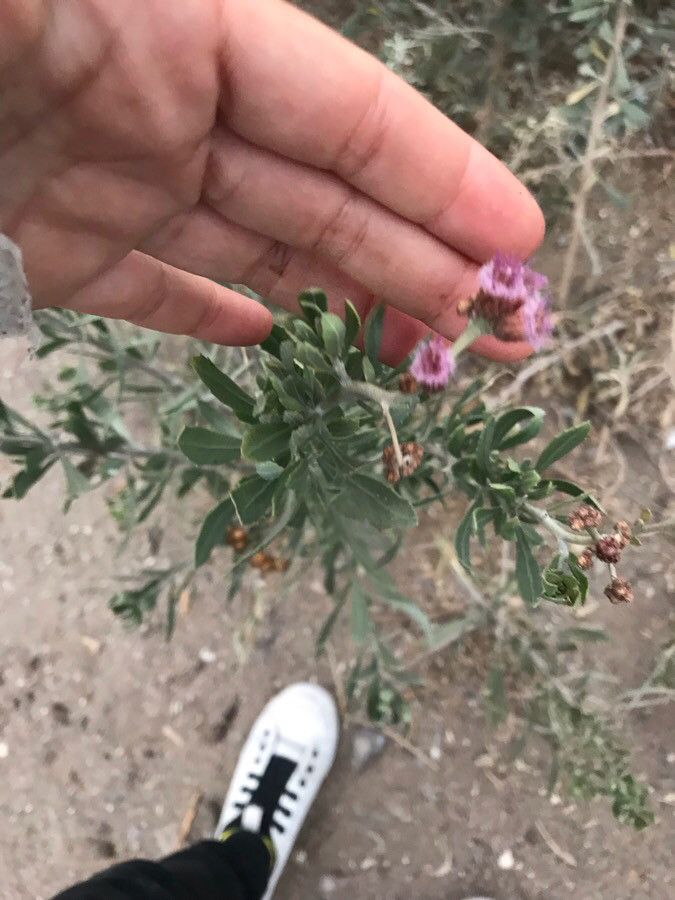
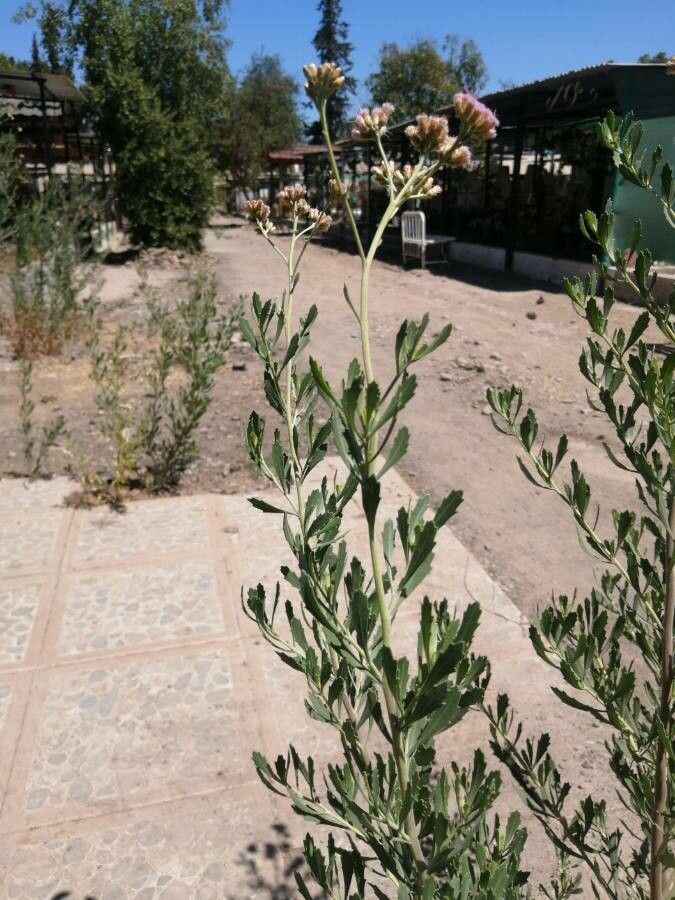
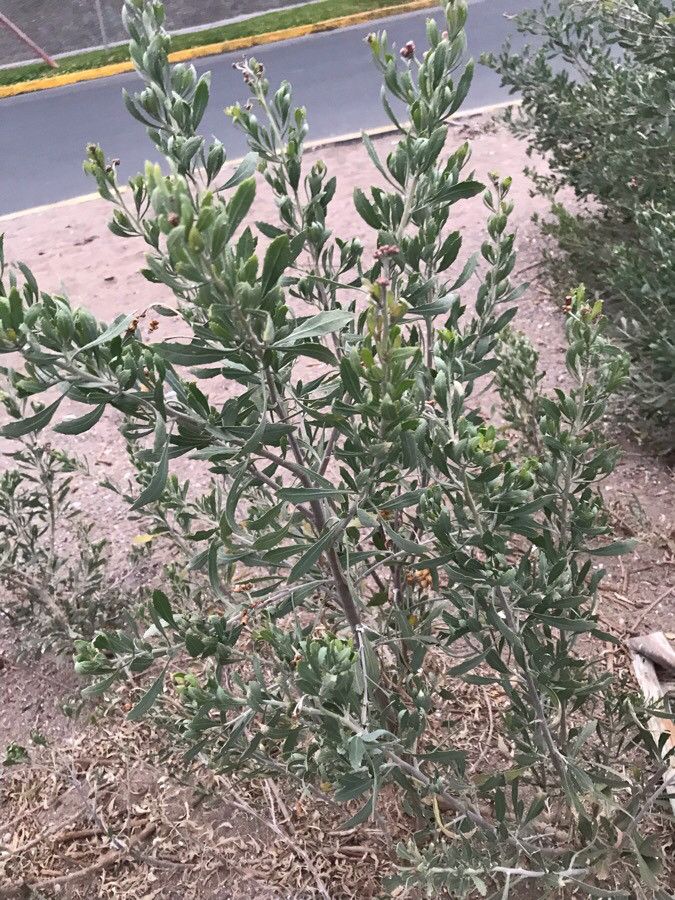
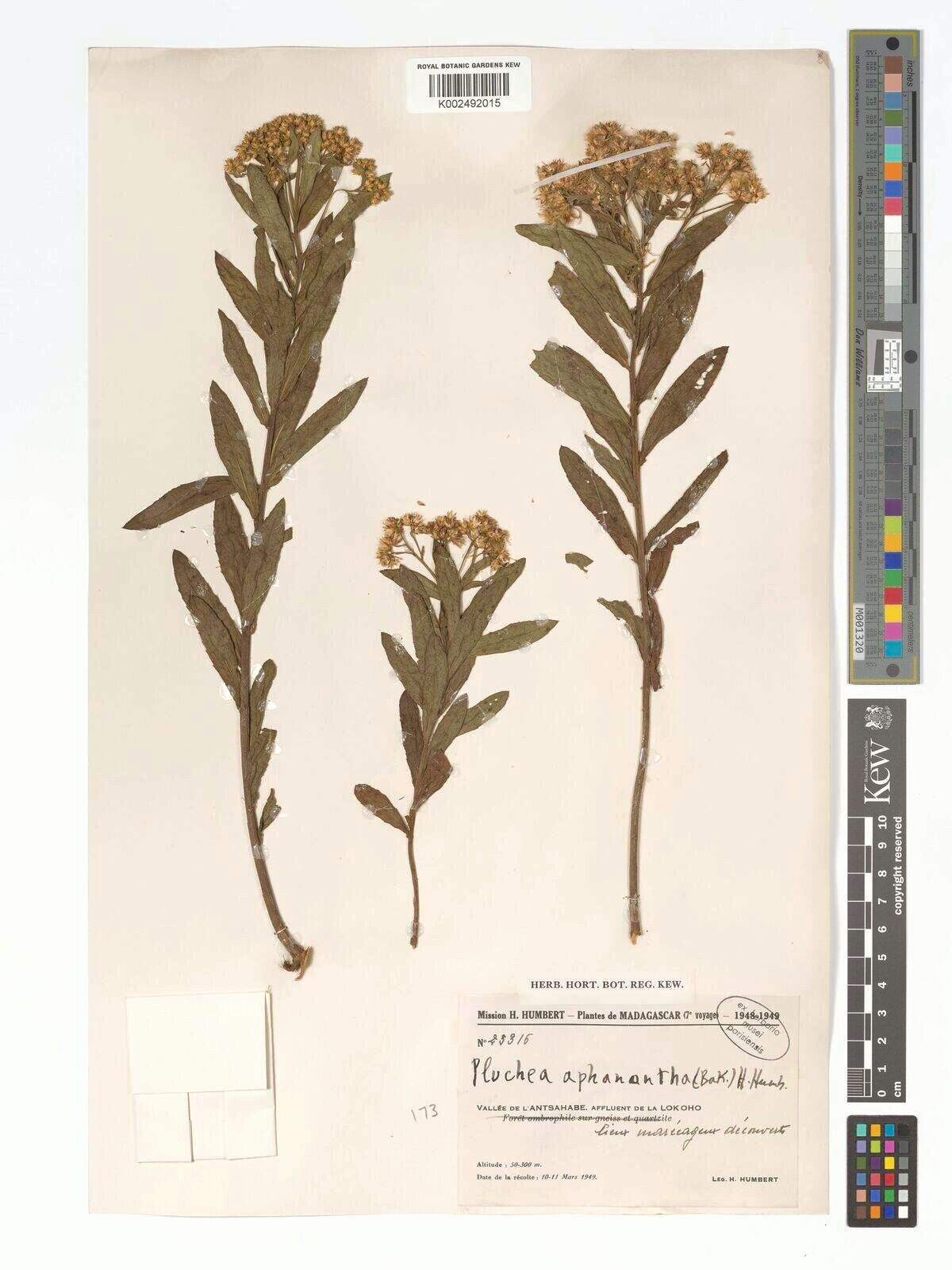
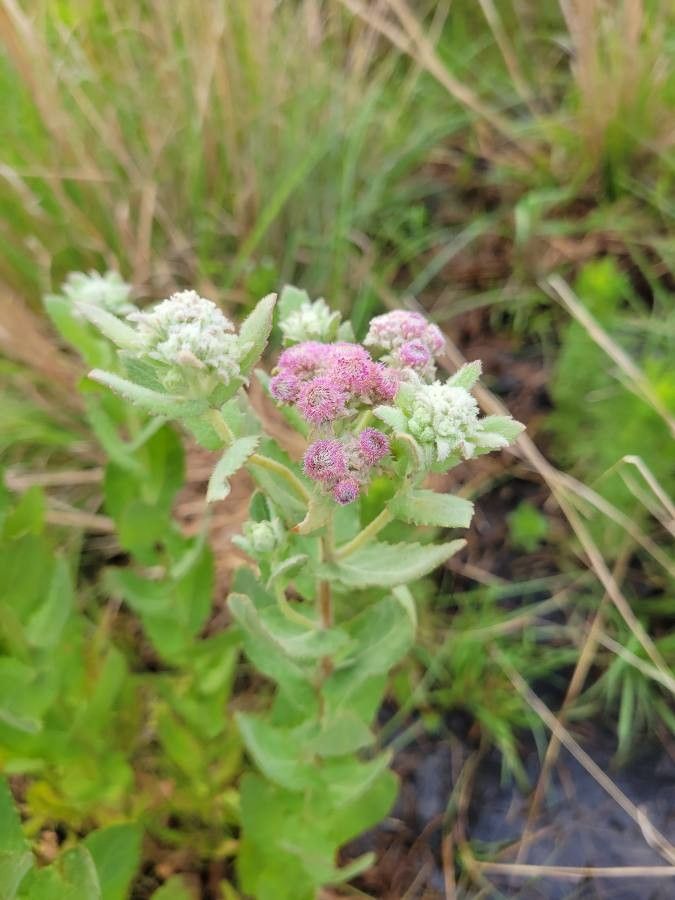
Pluchea sericea, commonly called arrowweed or cachanilla (Mexico), is a rhizomatous evergreen shrub of riparian areas in the lower Sonoran Desert and surrounding areas. It is common in the lower Colorado River valley of California, Nevada and Arizona, as far east as Texas, and in northern Mexico where it often forms dense impenetrable thickets. It is a perennial shrub and grows along watercourses.
Arrowweed shows strong resistance to disease and is typically not vulnerable to illnesses. When it comes to care, this plant is fairly low-maintenance. Planted outdoors, it needs only minimal watering, and larger specimens usually do not require pruning. Smaller plants, however, should be pruned after they finish blooming. Arrowweedt is appropriate for anyone who has an outdoor area, such as a garden or deck, and does not demand much care experience.
How to keep Pluchea Sericea.
Light
Originating from bright, sunlit habitats, Arrowweed is a tropical woody plant that flourishes in full sun but can also tolerate partial sunlight. It commonly grows in open, well-illuminated areas with little shade.
Water
Arrowweed is ideal for arid environments because it requires minimal moisture and has a high tolerance for drought. It thrives with infrequent watering every 2-3 weeks and prefers well-draining soil to prevent root rot, a reflection of its natural adaptation to sandy habitats.
Temperature
Arrowweed originates from habitats with temperatures ranging from 68 to 100 °F (20 to 38 ℃). It does best within this comfortable range but can tolerate slight shifts toward cooler or warmer conditions. During hot summers or cold winters, some degree of temperature control is required to ensure its survival.
Fertilizer
Fertilizing is essential for caring for Arrowweed. Consistent feeding during the growing season preserves the energy needed for its showy foliage and supports overall growth. Failing to fertilize can lead to unhealthy leaves, reduced ornamental value, and stunted or weak growth that is prone to breaking.
Pruning
Arrowweed is a resilient shrub with gray-green leaves, making it perfect for dry regions. It's best to prune the plant in winter to encourage new growth and improve air circulation by removing any damaged branches. Regular pruning helps maintain its shape and health, and raising the lower branches can also help deter pests. Be sure to check local guidelines to understand how the climate may affect arrowweed in your area.
Botanical profile.
- Plant Type
- Shrub
- Life Cycle
- Perennial
- Genus
- Pluchea
- Family
- Asteraceae
- Hardiness Zone
- 9-11
- Mature Height
- 0.91 m to 2.13 m
- Mature Spread
- 0.91 m to 2.13 m
- Leaf Color
- Gray
- Leaf Type
- Evergreen
- Flower Color
- Pink
- Flower Size
- 0.76 cm
- Bloom Time
- Mid spring, Late spring, Early summer
- Planting Time
- Spring, Summer, Autumn
- Harvest Time
- Summer
- Native Area
- Mexico
Other names.
Reader questions.
How should I water my Arrowweed?
Your Arrowweed is not particular about how you water it. You can use any common watering tool, such as watering cans, hoses, or cups. Regardless of the tool, make sure you water the soil directly and evenly to provide sufficient moisture for the entire root system. Using filtered water is recommended to avoid harmful particles from tap water. Additionally, it's best to use water at or slightly above room temperature, as extremely cold or hot water can be a shock to the Arrowweed. However, the Arrowweed generally responds well to any type of water you use.
What are the sun requirements for Arrowweed?
Arrowweed thrives in environments with ample sunlight, ideally suited to full sun exposure, which equates to more than 6 hours of sunlight daily. However, it can also adapt to partial sun conditions, receiving about 3-6 hours of sunlight daily. It's important to observe the movement of sunlight in your garden to ensure that your Arrowweed plants receive the ideal balance of light and shade to flourish.
What is the optimal temperature range for Arrowweed?
Arrowweed, also known by its botanical name Pluchea sericea, thrives in environments where temperatures range from 68 to 100 °F (20 to 38 °C). It can adapt slightly when exposed to cooler or warmer climates but requires moderate temperature regulation during hot summers or cold winters to ensure its survival. It's crucial to maintain temperatures above 20°C during the winter to support plant growth, as temperatures approaching 0°C can be detrimental.
What should I do if I give my Arrowweed plant too much or too little water?
Outdoor plants, especially newly planted ones or seedlings, are prone to lack of watering. When the tree is small or newly planted, it's important to water it enough for a few months. This is because once the roots are established, Arrowweed can rely on rain most of the time. When you have Arrowweed planted in pots, overwatering is often a concern. If you accidentally overwater your Arrowweed, you should take immediate action to correct the situation. First, stop watering the plant right away to minimize the impact of overwatering. Then, remove the Arrowweed from its pot and inspect its roots. If none of the roots have developed root rot, you can return the plant to its container. But if you find signs of root rot, trim away the affected roots and consider using a fungicide to prevent further damage. Finally, repot the Arrowweed in soil that drains well. On the other hand, when an Arrowweed is underwatered, you simply need to water it more frequently. Underwatering is usually an easy problem to fix. If you notice the plant's leaves drooping, drying out, or falling off, providing sufficient water will quickly restore them to fullness. It is important to adjust your watering frequency as soon as you realize the plant is being underwatered.
What are the essentials for growing Arrowweed successfully?
Native to bright, sunny environments, Arrowweed is a tropical woody plant that performs best in full sun but can tolerate partial sun. It commonly grows in open, well-lit areas with minimal shade. For indoor plants lacking natural sunlight, especially during winter or in less sunny spaces, artificial lighting provides a necessary substitute. Optimal growth requires choosing the right type of artificial light, such as LED, which can be customized to mimic natural sunlight. Full sun plants need 30-50W/sq ft of artificial light, plants in partial sun require 20-30W/sq ft, and full shade plants need 10-20W/sq ft. The light source should be placed 12-36 inches above the plant, and most plants benefit from 8-12 hours of light per day.
What should I do with my Arrowweed in autumn to protect it from cold?
In autumn, it's recommended to bring outdoor-grown Arrowweed indoors to protect it from the cold. The plant should be placed near a bright window to ensure it receives enough light, but it should be kept at a certain distance from heaters to avoid damage. Arrowweed is extremely heat-loving, and exposure to cold temperatures can harm it, so maintaining a warm environment inside during the colder months is essential for the plant's health.
How often should I pour water on my Arrowweed plant?
To ensure proper growth of outdoor plants, it's important to consider the rainfall in your area. If there is little rainfall, you should water your plants every 2 weeks in the spring and fall, and more frequently in the summer. In the winter, when plants grow slower and require less water, you should water them sparingly or not at all. However, if you have a young or newly planted Arrowweed, you will need to water it more often to help it establish and become drought tolerant. For potted Arrowweed plants, you have two options for determining watering frequency. The first option is to follow a predetermined watering schedule, usually once a week or every other week. However, this may not take into account the specific conditions of your plant's environment. The second option is to monitor the soil moisture and water when the top two to four inches have completely dried out, which is typically about one-third to half the depth of the pot. Keep in mind that during the summer months, when the plant's water needs are highest, a predetermined watering schedule may not be sufficient. Adjusting your watering frequency based on soil moisture is generally a better approach.
What are the signs of insufficient light for Arrowweed and how can it be remedied?
Arrowweed exhibits certain symptoms when it doesn't receive enough light, notably smaller new leaves, leggy or sparse growth, faster leaf drop, delayed or halted growth, lighter-colored new leaves, chlorosis, sunscald, leaf curling, wilting, and leaf scorching. To counteract these, gradually increase sunlight exposure to at least 6 hours daily, use artificial light as needed, and consider the plant's location carefully. Gradually moving them to sunnier spots helps avoid shock and promotes healthier growth. For plants blocked by obstructions like trees, consider pruning to allow more sunlight through or transplant to a sunnier area. Remember, while parts of the plant already affected may not recover, new growth will be healthier with improved light conditions.
How does low temperature affect Arrowweed and what are the solutions?
Arrowweed prefers warm temperatures and is intolerant to low temperatures, thriving best when the temperature is above 20°C and should be kept above 0°C during winter. Exposure to temperatures below -5°C may cause the leaves to lighten in color, and after frost damage, they may turn brown or black, showing signs of wilting and drooping. The solution includes trimming off frost-damaged parts and moving the plant indoors to a warm environment. Placing the plant near a south-facing window ensures ample sunlight, and it's important to avoid placing it near heaters or air conditioning vents to prevent air dryness.
How much water does my Arrowweed plant require?
When watering your Arrowweed, you don't need to use a lot of water. If only a few inches of soil have dried since the last watering, giving it about five to ten ounces of water will promote healthy growth. You can also determine how much water to use based on the moisture of the soil. Keep track of how many inches of soil have dried between waterings. To ensure your Arrowweed gets enough moisture, water it enough to moisten all the layers of dry soil. If more than half of the soil is dry, consider giving it more water until you see excess water draining from the pot's drainage holes. If your Arrowweed is planted in an area that gets a lot of rain, it may not need extra watering. When the Arrowweed is young or establishing, make sure it receives 1-2 inches of rain per week. As it grows and establishes, it can rely solely on rainwater. Only if the weather is hot and there has been no rain for 2-3 weeks should you consider giving it a full watering to prevent stress.
What should be done if Arrowweed is exposed to high temperatures?
During summer, Arrowweed should be kept in conditions below 38°C to avoid heat stress. Temperatures exceeding 43°C can lighten the leaves' color and increase susceptibility to sunburn. To mitigate high temperature damage, trim away sunburned and dried-up parts of the plant. Then, move the plant to a location that provides shade during the midday and afternoon sun. It's also beneficial to water the plant in the morning and evening to maintain soil moisture and help the plant cope with the heat.
How can I know if I'm giving enough water to my Arrowweed?
The Arrowweed plant is commonly affected by overwatering, which can be identified by several signs. When the plant is overwatered, you may notice yellowing leaves and the potential dropping of some leaves. Additionally, overwatering can cause the plant's structure to shrink and encourage root rot. On the other hand, if the Arrowweed is underwatered, it will start to wilt and its leaves may become brown or brittle. Whether you observe signs of overwatering or underwatering, it is important to take action and restore the plant's well-being.