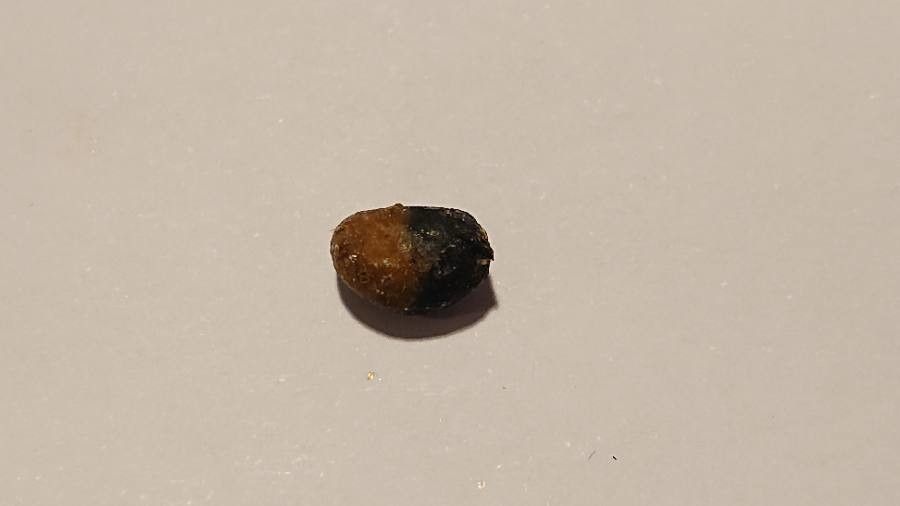
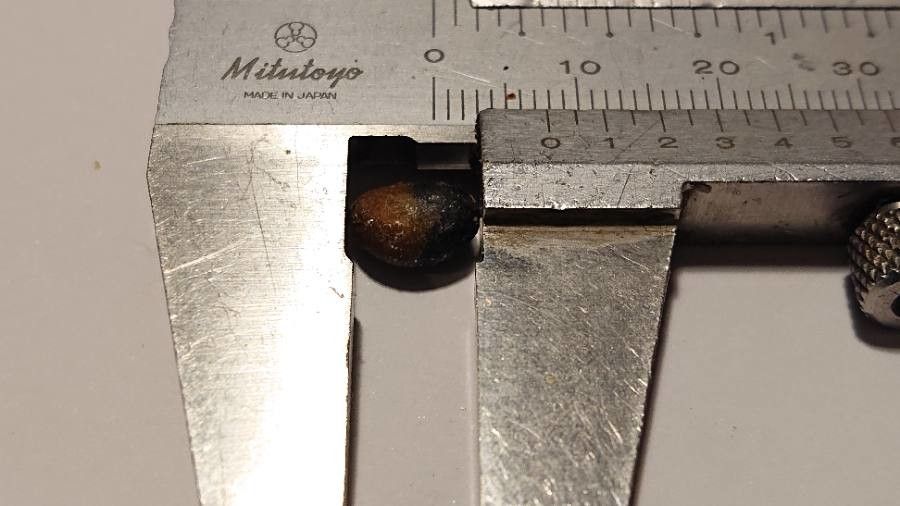
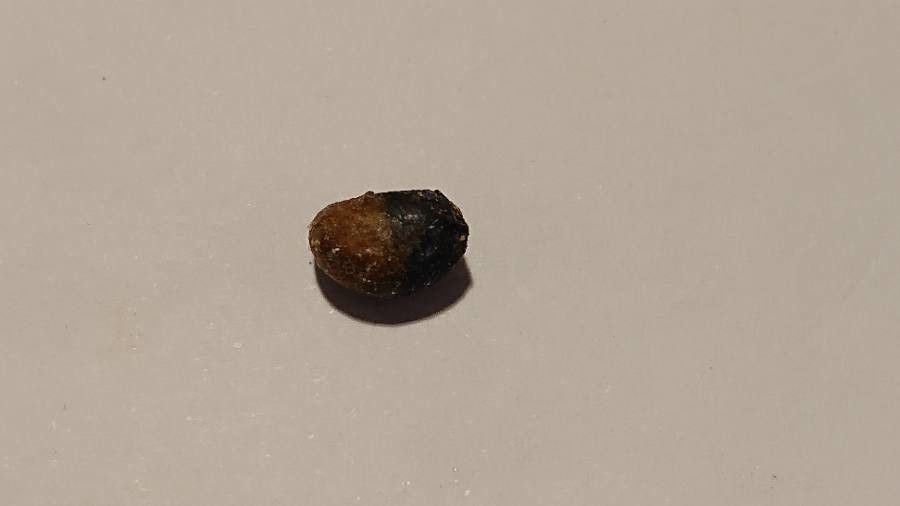
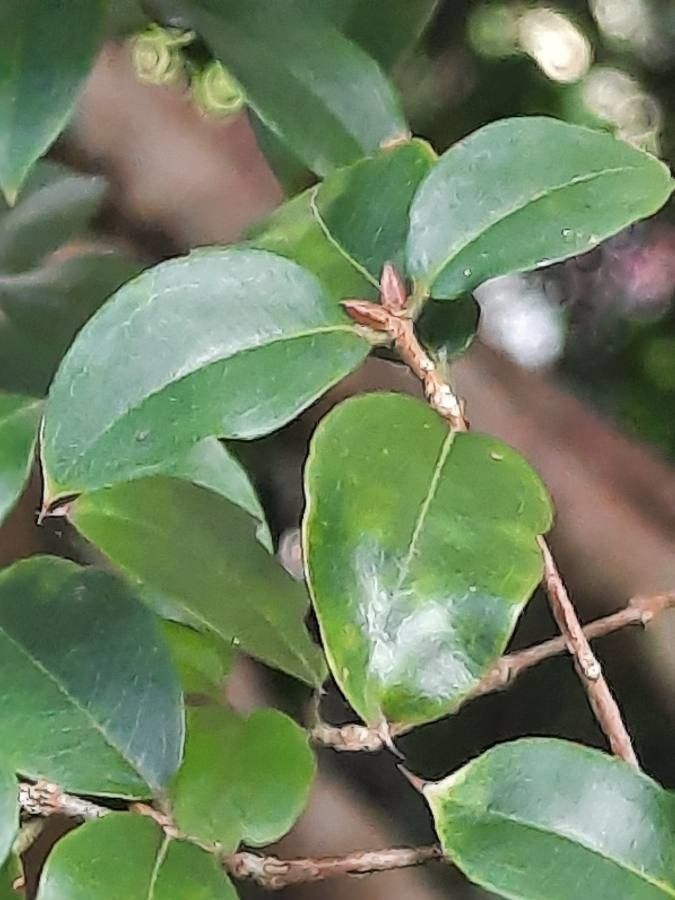
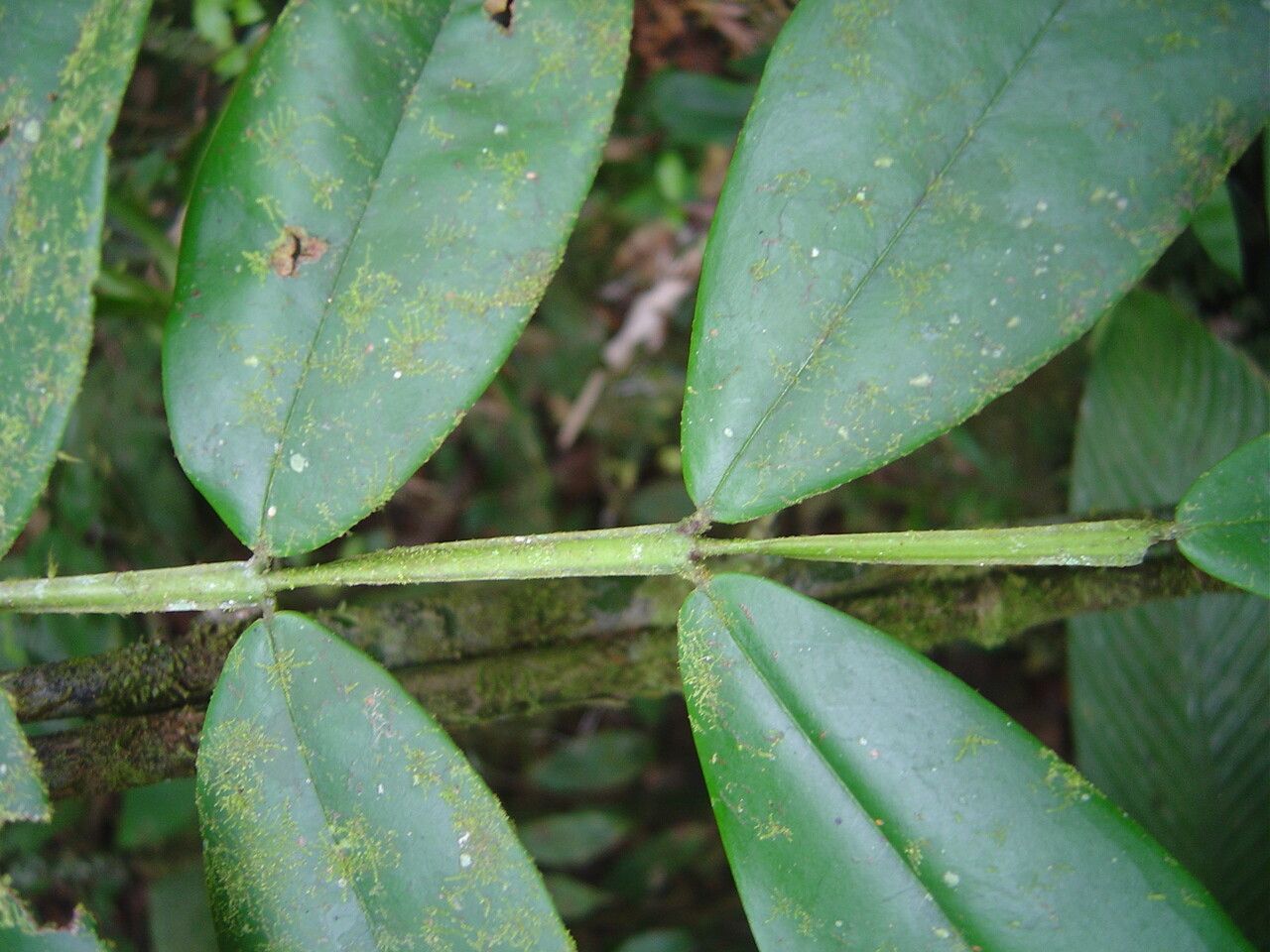
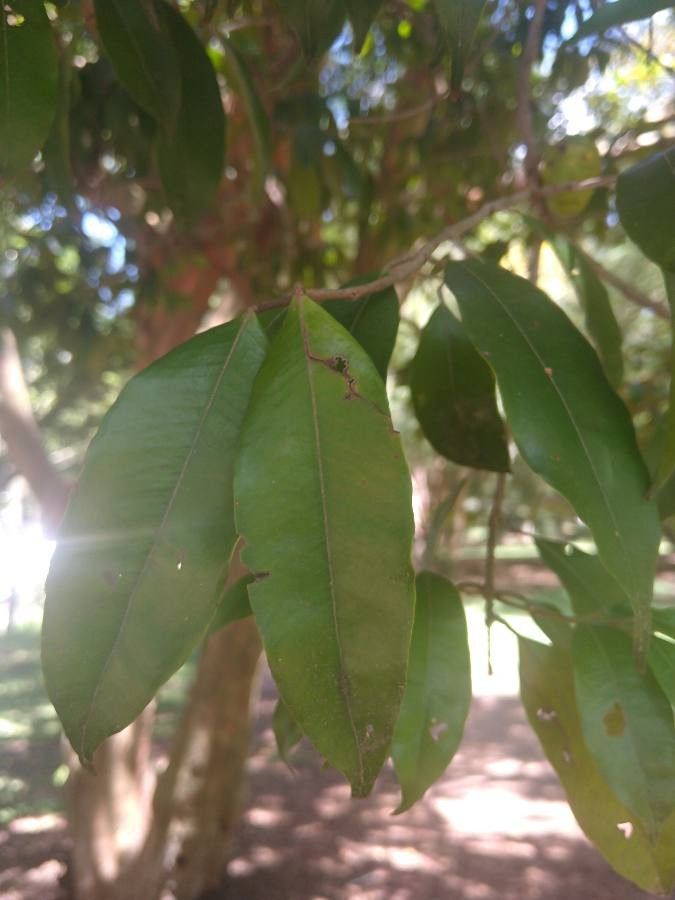
Plinia phitrantha, commonly known as jaboticaba branca (white jaboticaba) or ibatinga (Tupi-Guarani for white fruit), is a species of plant in the family Myrtaceae. It is endemic to the states of São Paulo and Minas Gerais in south-eastern Brazil. The tree grows to between 2 and 7 metres tall, and produces edible fruit, between 10 and 25mm in diameter, which is green in colour due to a lack of anthocyanins in the skin.
Plinia phitrantha displays strong resistance to disease and is typically not susceptible to illnesses. As for maintenance, this plant is fairly low-maintenance. When grown outdoors it needs only light watering, and larger plants usually do not need pruning. Smaller plants, however, should be trimmed after they have finished blooming. Plinia phitranthat is suitable for anyone with an outdoor area, such as a garden or deck, and does not demand much care experience.
How to keep Plinia Phitrantha.
Light
Plinia phitrantha is native to habitats such as forest understories or rocky areas, where it grows in natural shade. It prefers partial sun but can tolerate full sun or full shade, illustrating its adaptable and hardy nature.
Temperature
Plinia phitrantha comes from tropical areas, where the weather is generally warm and humid. Consequently, it is adapted to high temperatures and humidity. It does not tolerate sudden temperature changes and prefers a steady thermal environment, so avoiding indoor temperature swings is important. It typically cannot withstand cold and needs elevated temperatures for growth. If the ambient temperature drops too far, the plant may stop growing or even die.
Fertilizer
Use organic fertilizers (e.g., fish emulsion or compost) instead of chemical fertilizers for Plinia phitrantha. Supply young plants with higher nitrogen and phosphorus in spring. Incorporate compost or fertilizer into the soil before or after planting. For mature plants, apply a balanced fertilizer or one targeted to specific deficiencies in spring. Nutrient deficiency causes small leaves, short branches, yellow or bronze foliage, acidic fruits, premature fruit fall, and fruit splitting.
Botanical profile.
- Plant Type
- Tree
- Life Cycle
- Perennial
- Genus
- Plinia
- Family
- Myrtaceae
- Hardiness Zone
- 10-12
- Mature Height
- 4.88 m to 10.06 m
- Mature Spread
- 3.05 m to 4.88 m
- Leaf Color
- Dark Green, Forest Green
- Leaf Type
- Evergreen
- Flower Color
- White
- Flower Size
- 1.02 cm to 2.03 cm
- Bloom Time
- Summer
- Planting Time
- Spring, Summer
- Harvest Time
- Late summer, Early fall, Mid fall
- Native Area
- Brazil