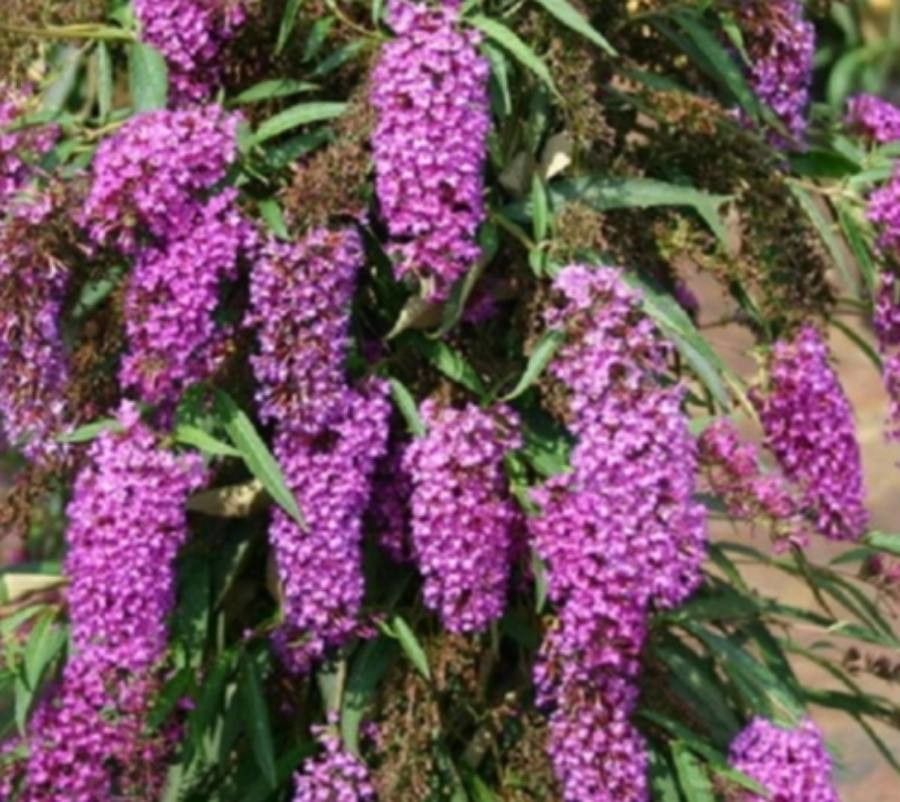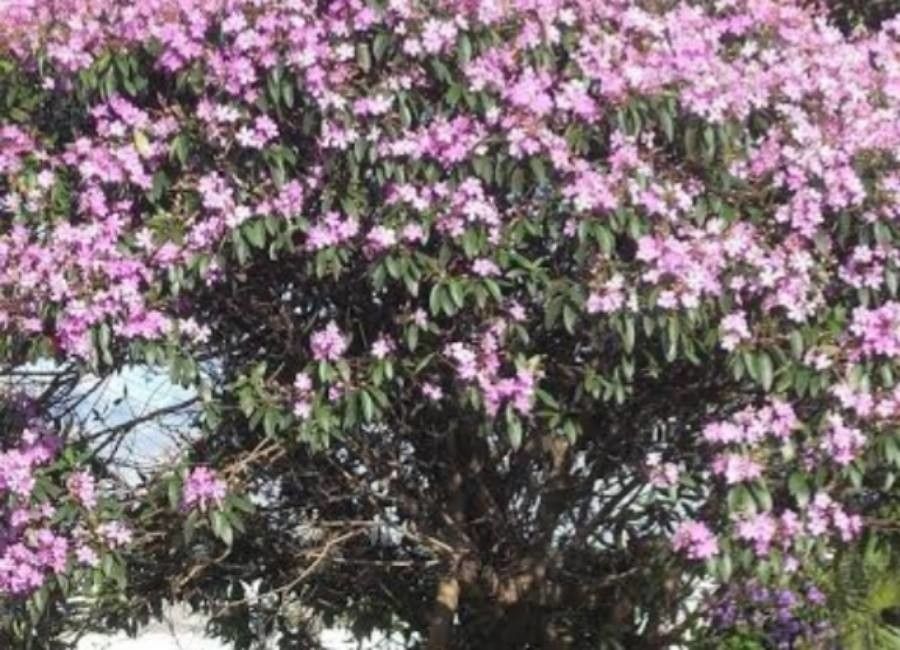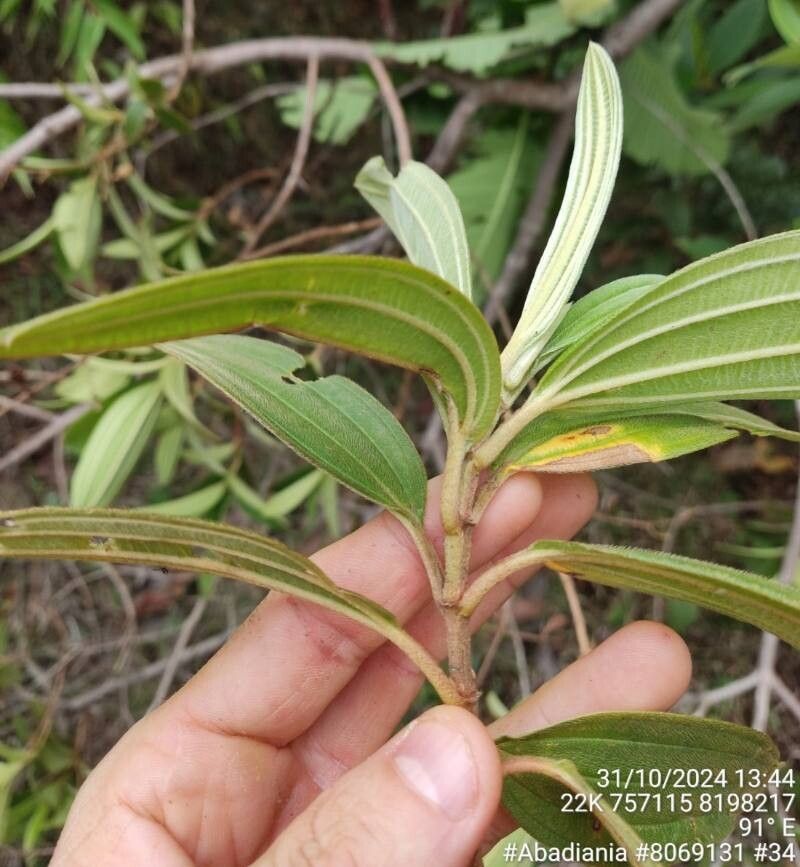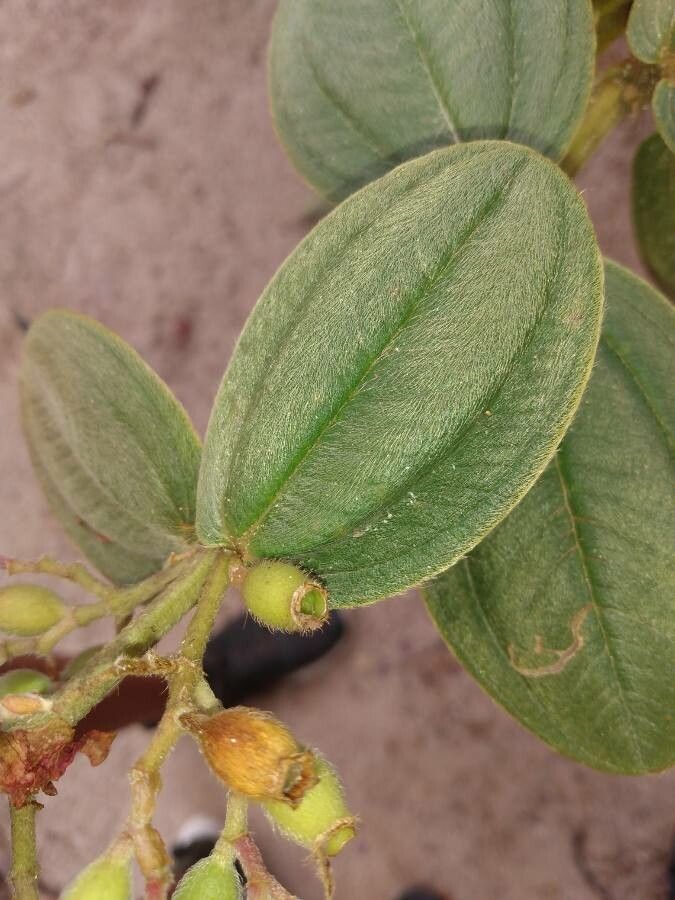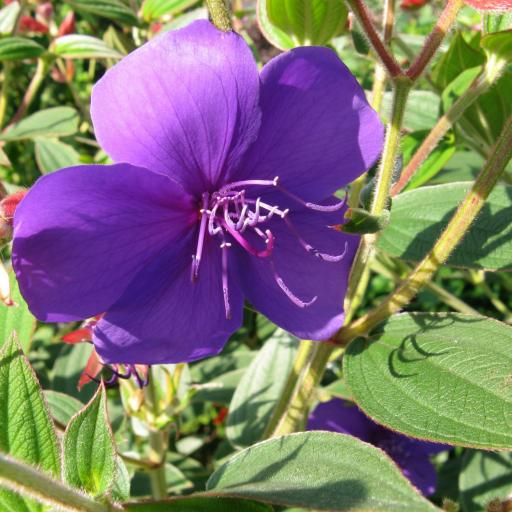
Pleroma semidecandrum, commonly known as princess flower, glory bush, or lasiandra, is a flowering plant in the family Melastomataceae, native to southeast Brazil.
Princess flower is resistant to disease and is generally unlikely to develop illnesses. In terms of care, this plant is fairly low-maintenance. When grown outdoors it needs little watering, and larger specimens typically do not need pruning. However, smaller plants should be trimmed after they have bloomed. Princess flower is suitable for anyone with an outdoor area, such as a garden or a deck, and does not require extensive care experience.
How to keep Pleroma Semidecandrum.
Light
Princess flower does best in places where sunlight is present all day, though it can also grow satisfactorily in spots with somewhat less sun. Its native habitat provides this light regime, encouraging healthy plant development. Too much or too little sunlight can negatively affect the plant's growth.
Water
The Princess Flower flourishes in humid environments and needs consistent moisture to thrive. To prevent over-saturation, water it every 1-2 weeks. As an evergreen plant, it retains its foliage throughout the year, so maintaining stable hydration is important, especially during cooler months when its growth slows down.
Temperature
Princess flower is native to areas with moderate climates and typically prefers temperatures between 68 and 100 °F (20 to 38 ℃). In cooler months, keep the princess flower above 68 °F (20 ℃). In hot summer, provide sufficient shade to prevent temperatures from exceeding 100 °F (38 ℃).
Fertilizer
The best time to fertilize a Princess flower is in early spring, as it breaks dormancy. This encourages overall growth and flower development. Fertilization improves the foliage, stems, and branches, and promotes flowers that are large, vibrant, and long-lasting. It also helps transfer nutrients from the roots to the blooms and enhances the plant’s health and resistance to disease.
Pruning
Princess flower boasts vibrant purple blooms and attractive foliage. To encourage bushiness and control its size, lightly prune the plant in late spring. Removing dead branches will enhance regrowth and flowering. Additionally, ensuring proper airflow around the plant helps minimize the risk of disease, which contributes to its overall health and aesthetic appeal.
Botanical profile.
- Plant Type
- Shrub
- Life Cycle
- Perennial
- Genus
- Pleroma
- Family
- Melastomataceae
- Hardiness Zone
- 10-12
- Mature Height
- 3.05 m to 4.57 m
- Mature Spread
- 61 cm to 91 cm
- Leaf Color
- Green, Red
- Leaf Type
- Evergreen
- Flower Color
- Purple, Pink, Red
- Flower Size
- 10.16 cm to 12.70 cm
- Bloom Time
- Late spring, Summer
- Planting Time
- Spring, Autumn
- Harvest Time
- Mid summer, Late summer, Early fall
- Native Area
- Brazil, Honduras, Costa Rica