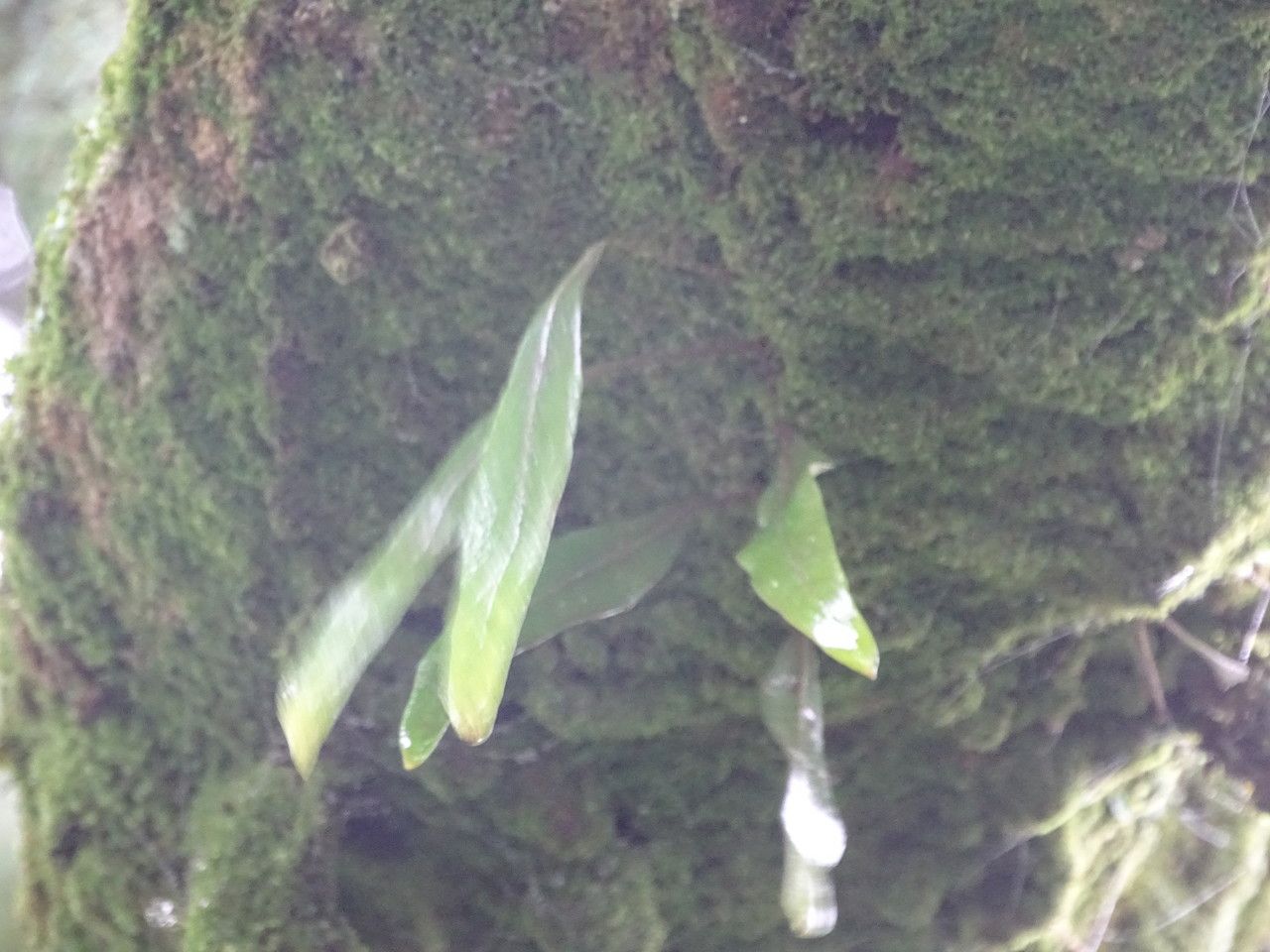
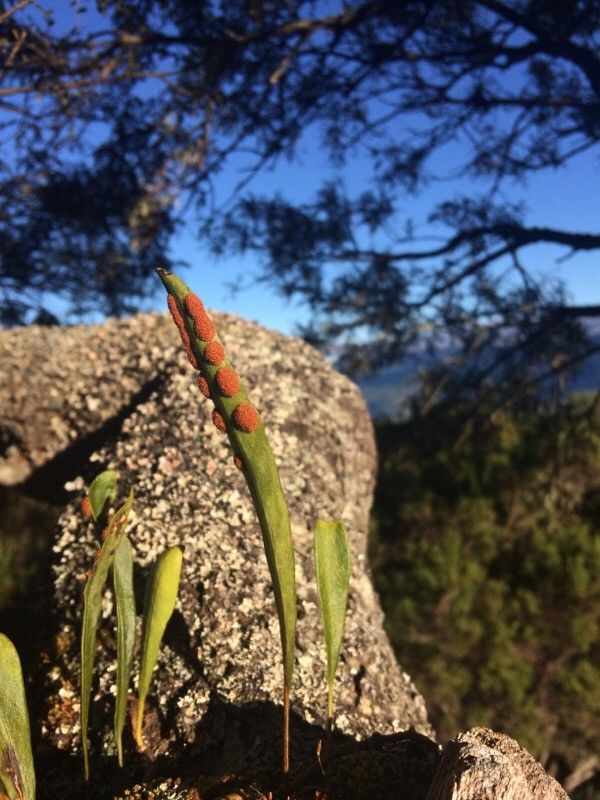
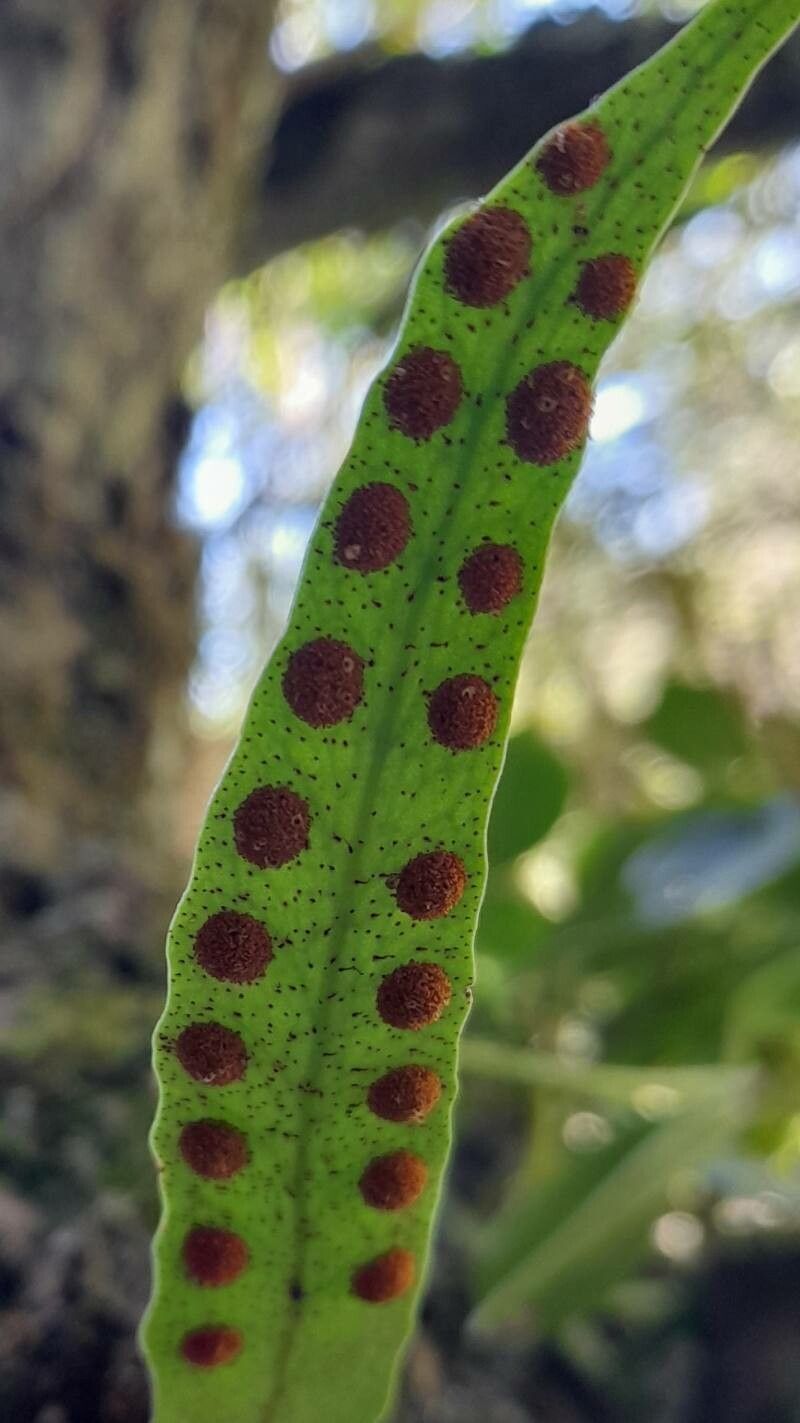
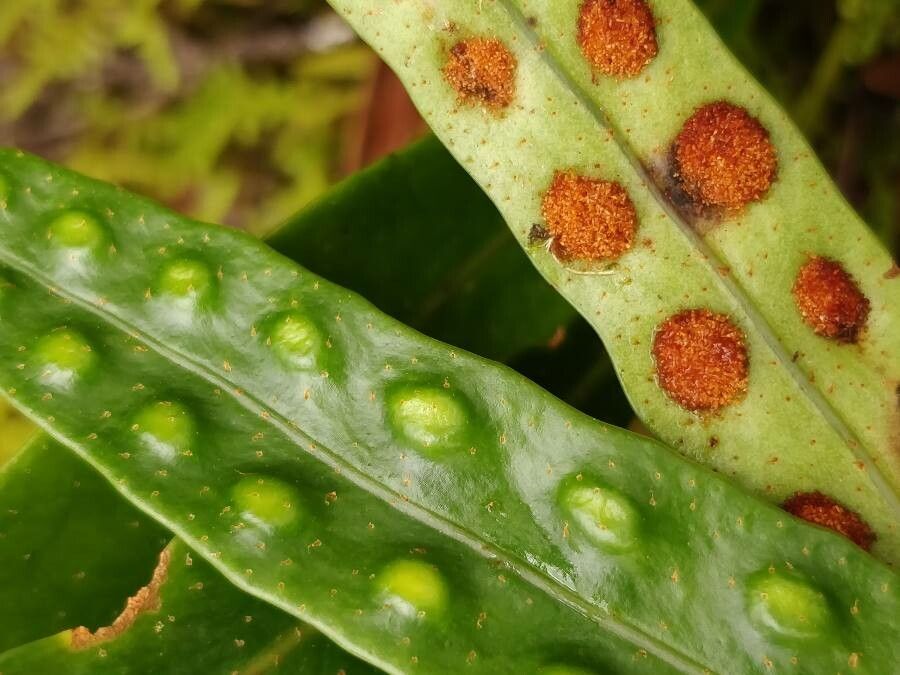
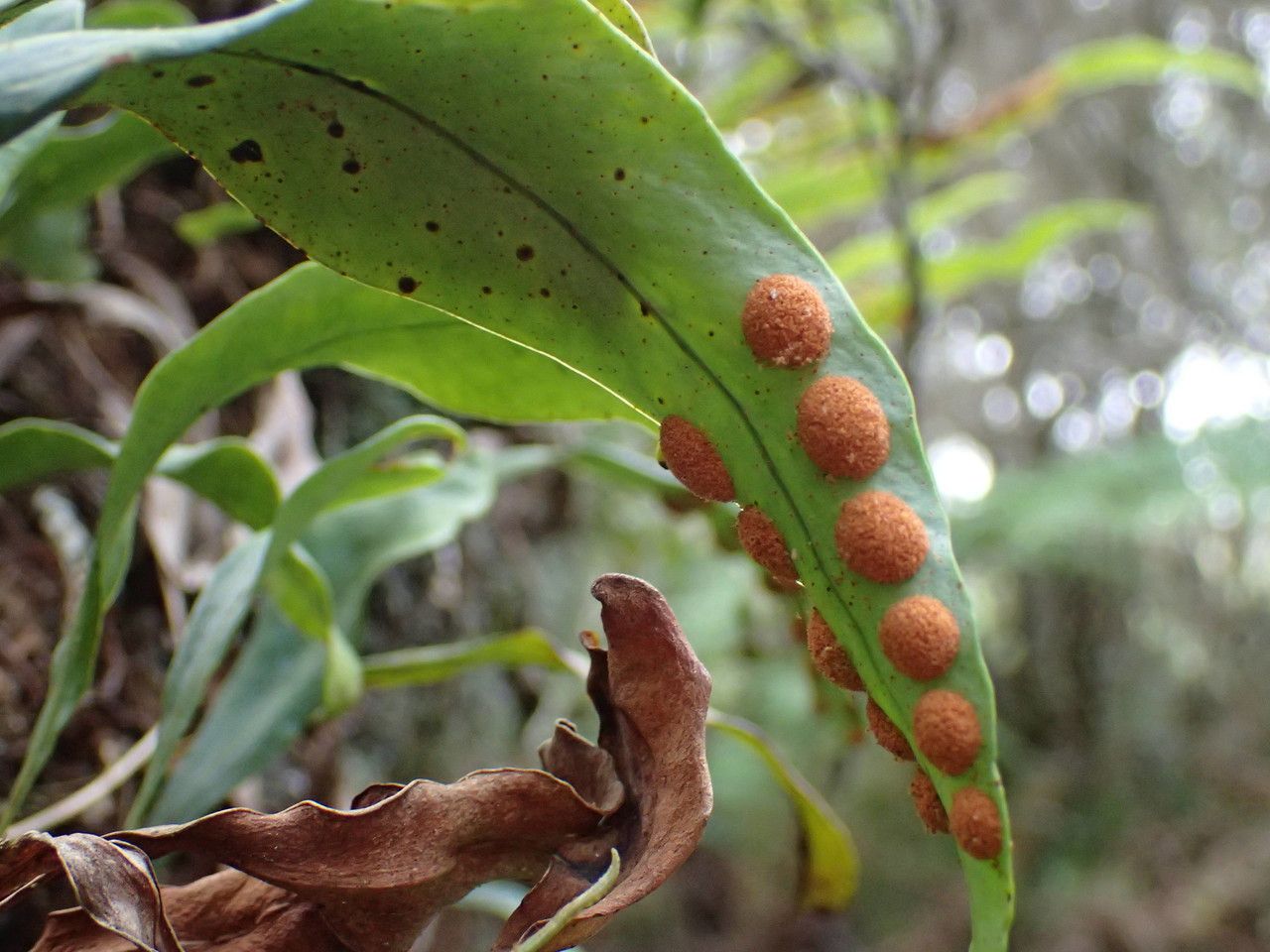
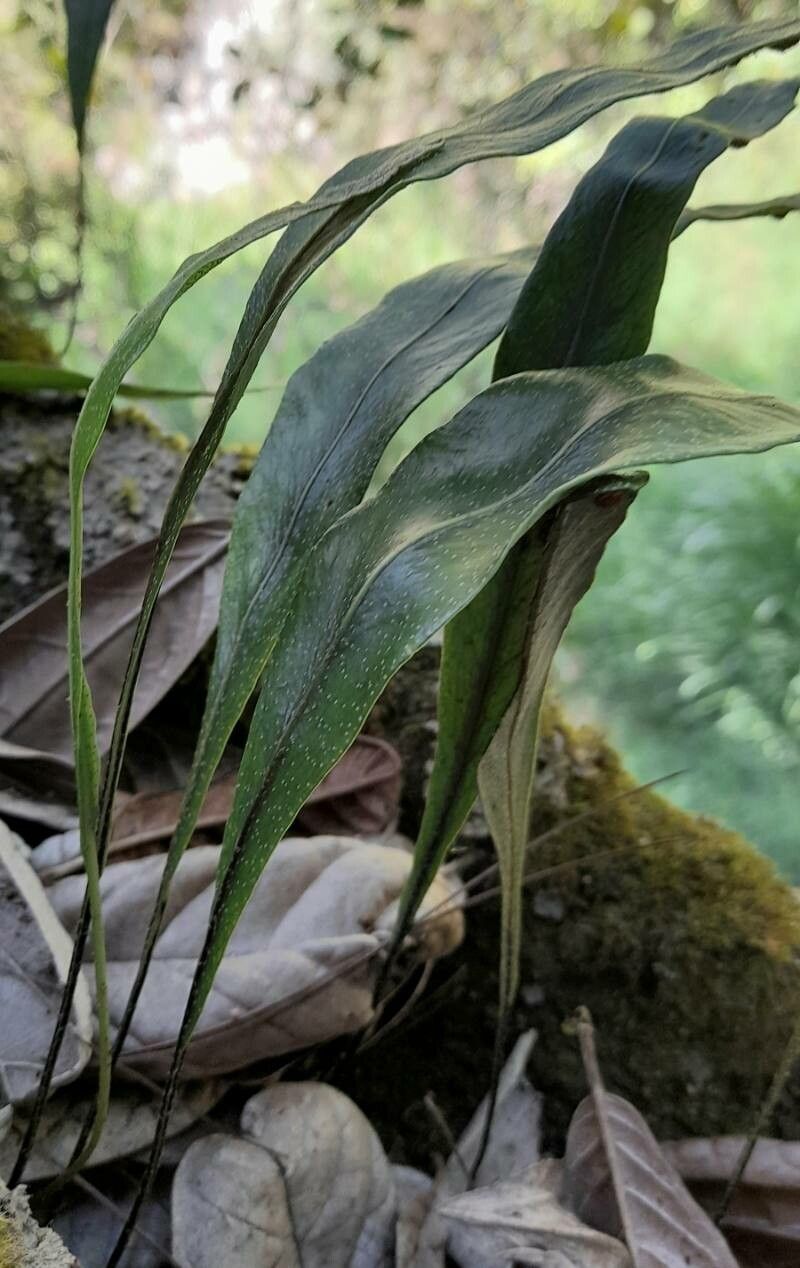
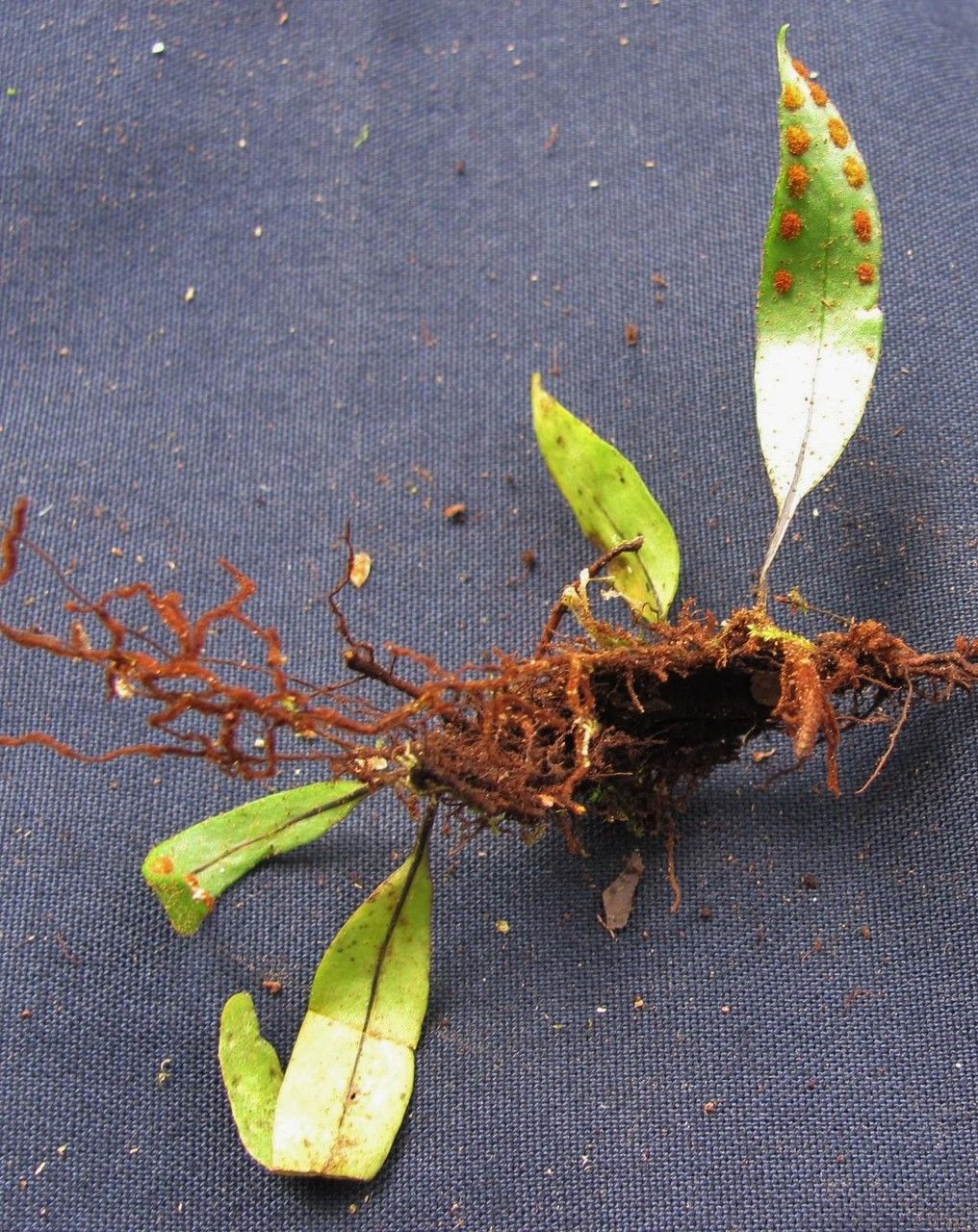
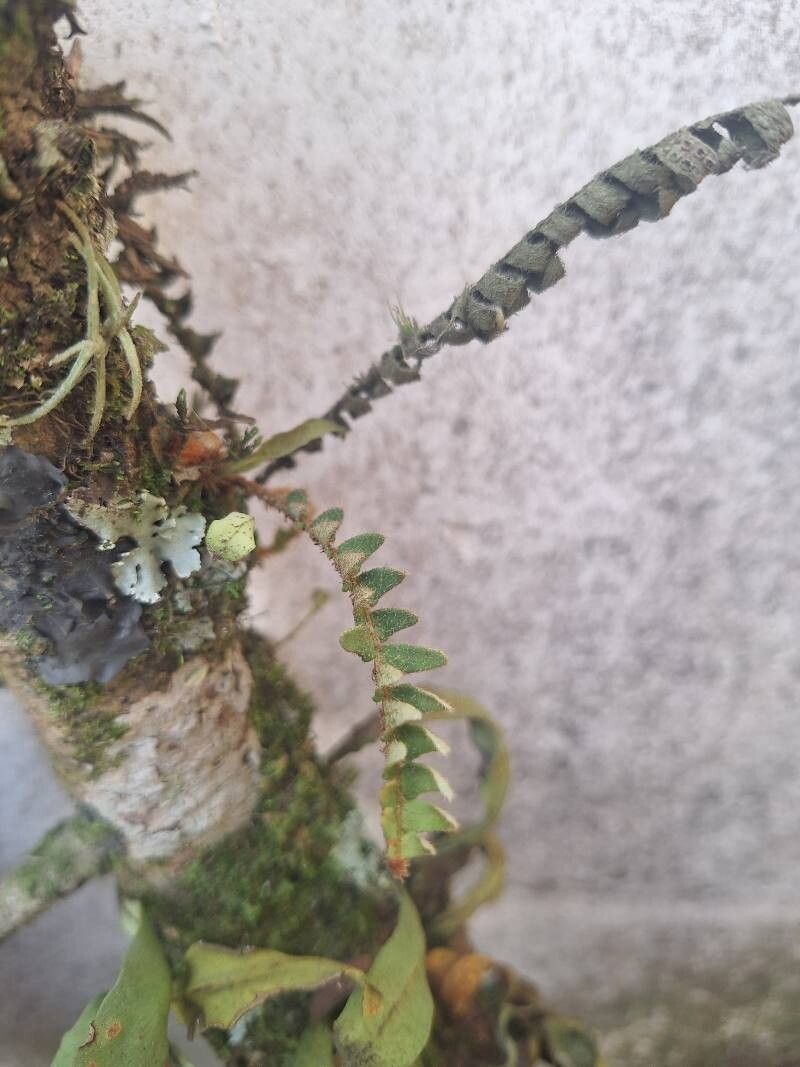
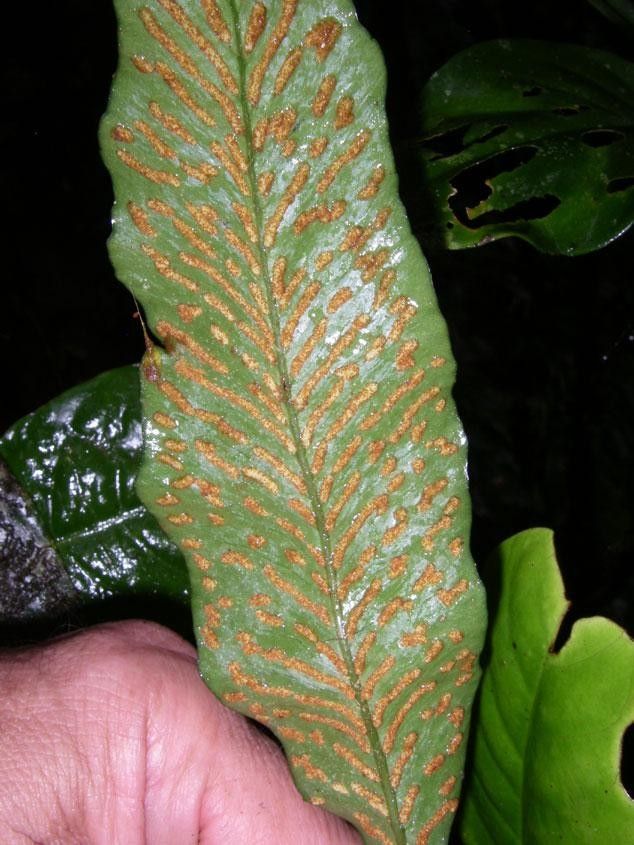
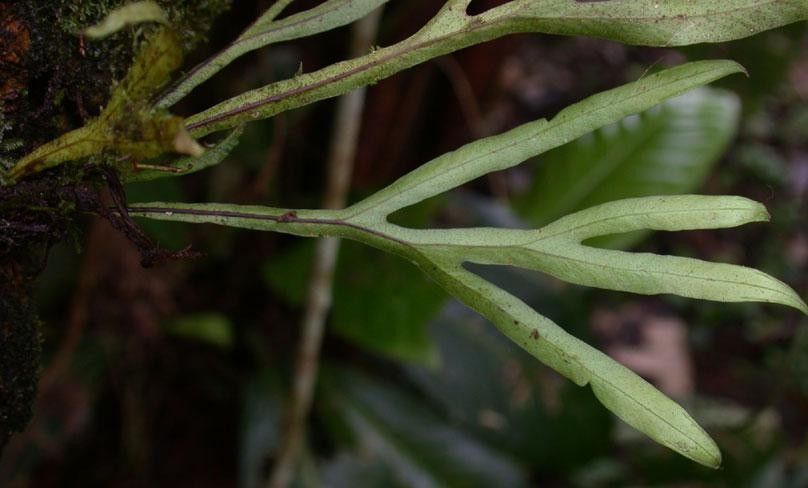
Lanceleaf polypody has strong resistance to disease and is generally not susceptible to illnesses. However, it can be affected by pests and diseases present in its environment. Such infections are typically mild. Regarding care, this plant demands a moderate level of maintenance. It should be pruned on a regular basis to preserve a neat appearance and support healthy growth. Applying fertilizer can also help encourage flowering. Lanceleaf polypody is appropriate for anyone with outdoor space, like a garden or patio, and does not require extensive experience in plant care. It may need additional attention if grown indoors.
How to keep Pleopeltis Macrocarpa.
Light
Lanceleaf polypody is native to habitats such as forest understories and rocky sites that provide natural shade. It prefers full shade but can tolerate partial sun.
Water
Lanceleaf polypody flourishes in humid environments and requires regular watering while avoiding over-saturation. It prefers to be watered weekly and can tolerate moderate drought conditions. As an epiphytic fern, it thrives in high humidity, which can be maintained by using a humidifier or placing the plant on a tray filled with pebbles and water.
Temperature
Lanceleaf polypody comes from tropical areas, where the climate is usually warm and humid. Consequently, it is well suited to high temperatures and humidity. It does not tolerate sudden temperature shifts and prefers a steady thermal environment, so avoiding temperature fluctuations indoors is important. It typically cannot endure cold conditions and needs warmer temperatures to grow. If the ambient temperature falls too low, the plant may stop growing or even die.
Fertilizer
Lanceleaf polypody needs the most fertilizer during its active growth period, which falls mainly in spring, summer, and early fall. Fertilization is needed to supply essential nutrients that may be absent from the soil, supporting healthy root and stem development and attractive foliage, a key characteristic of this plant.
Pruning
The lanceleaf polypody is characterized by its lance-shaped leaves and benefits from careful pruning between early and late spring. To promote healthy growth, improve air circulation, and increase light penetration, remove any old or damaged fronds. Always use sterilized tools to prevent disease and keep the plant vibrant and attractive.
Botanical profile.
- Plant Type
- Herb
- Life Cycle
- Perennial
- Genus
- Pleopeltis
- Family
- Polypodiaceae
- Hardiness Zone
- 9-11
- Mature Height
- 20 cm to 40 cm
- Mature Spread
- 30 cm to 49 cm
- Leaf Color
- Dark Green
- Leaf Type
- Evergreen
- Planting Time
- Spring, Summer, Autumn
- Native Area
- Sri Lanka, Somalia, Lesotho, India, Angola, Mexico, Madagascar, Rwanda, Dominican Republic, Nigeria, Yemen, Kenya, Uganda, Tanzania, Zimbabwe, Uruguay, Cuba, Sierra Leone, Haiti, Argentina, Cameroon, Liberia, Mozambique, Venezuela, Burundi, Brazil, Ethiopia, Saudi Arabia, Malawi, Chile, Honduras, Peru, South Africa, Zambia, Guinea, Panama, Colombia, Bolivia, Nicaragua, Eswatini, Côte d'Ivoire, Ecuador, Costa Rica, Congo (DRC)
Reader questions.
What are the sunlight requirements for Lanceleaf polypody?
Lanceleaf polypody thrives best in full shade, requiring less than 3 hours of direct sunlight per day, but it can also tolerate partial sun, which means about 3-6 hours of sunlight. Observing the movement of sunlight through your garden is crucial, allowing you to select spots that offer an ideal mix of light and shade, ensuring the plants' wellbeing and growth.
How does artificial lighting benefit indoor Lanceleaf polypody plants?
For indoor Lanceleaf polypody plants where natural sunlight is limited, especially during winter or in rooms with less natural light, artificial lighting can be a game-changer. Choosing the right type of artificial light, like LED lights, which can be tailored to provide specific wavelengths needed for plant growth, is essential. Full sun plants require 30-50W/sq ft, partial sun plants 20-30W/sq ft, and full shade plants 10-20W/sq ft of artificial light. Position the light source 12-36 inches above the plant to mimic natural sunlight and ensure the plant receives 8-12 hours of light daily to simulate natural day length, promoting healthy growth.
What symptoms indicate insufficient light for Lanceleaf polypody when grown indoors?
Lanceleaf polypody may show several symptoms if it's not getting enough light indoors. Smaller new leaves, leggy or sparse growth, and premature leaf drop can indicate insufficient light, as the plant conserves resources. A halt in new growth or paler new leaves suggests a lack of essential nutrients and chlorophyll. Other symptoms include chlorosis, where leaves turn yellow, sunscald, leaf curling, wilting due to excessive transpiration from too much light, and leaf scorching, characterized by brown, crispy leaf edges.
What are the solutions for Lanceleaf polypody experiencing insufficient sunlight?
To address insufficient sunlight for Lanceleaf polypody, move the plants to spots where they can receive ample filtered light, including brief periods of direct morning sun, ideally 1-2 meters away from a window. For large or immovable plants, use artificial light for at least 8 hours daily, or consider professional grow lights. Outdoors, transition plants gradually to sunnier spots to prevent sunburn. Prune nearby trees to reduce shade if necessary, and consider transplanting smaller plants during their dormant season to better-lit areas. Unfortunately, parts of the plant damaged by low light may not recover, but new growth will be healthier with improved light conditions.