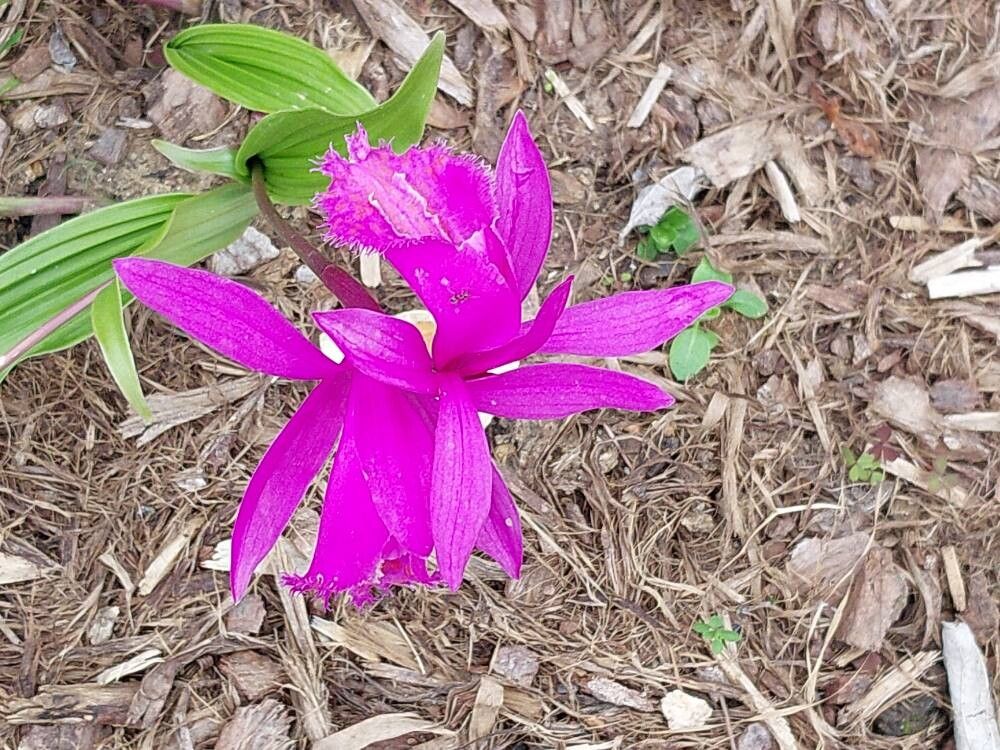
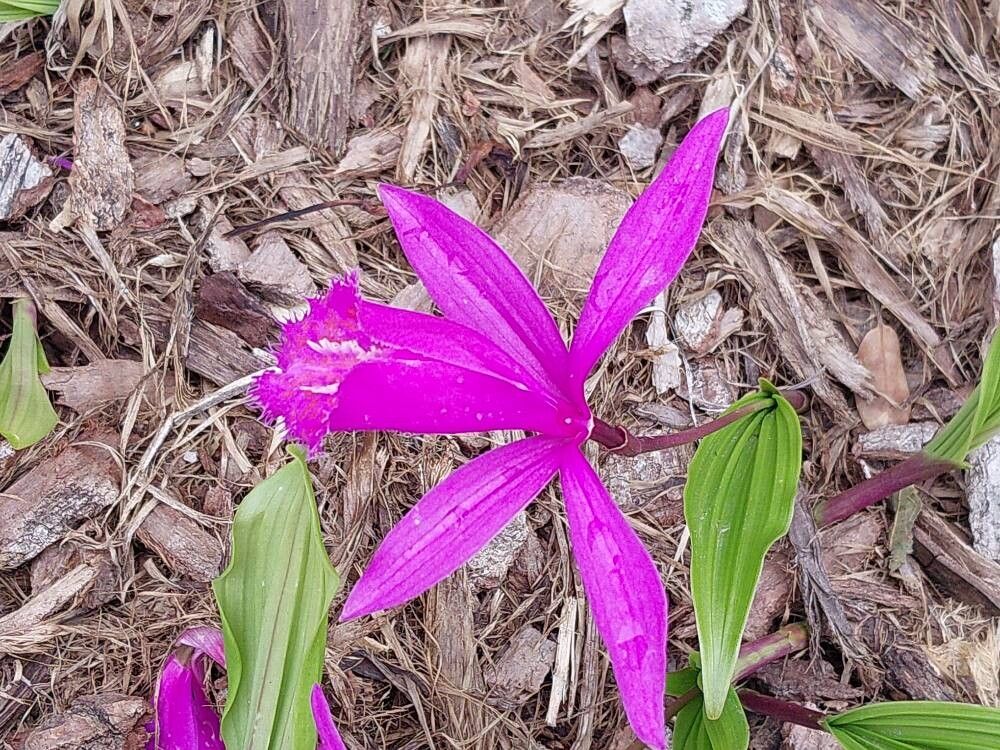
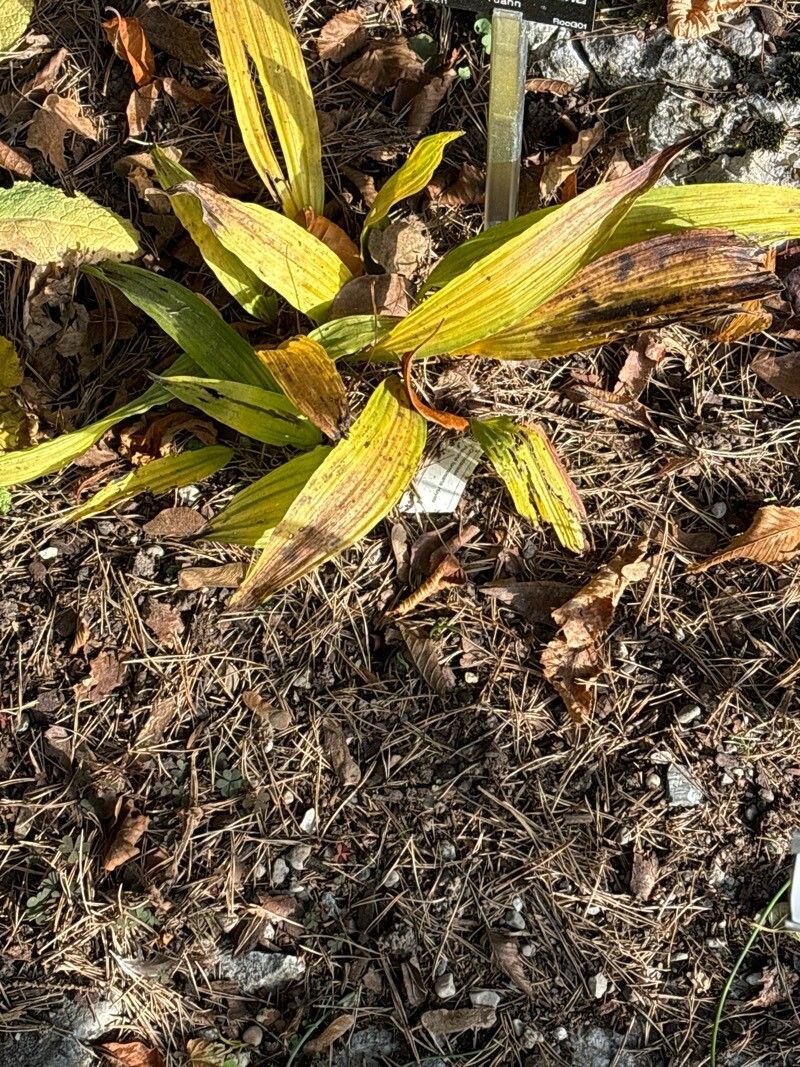
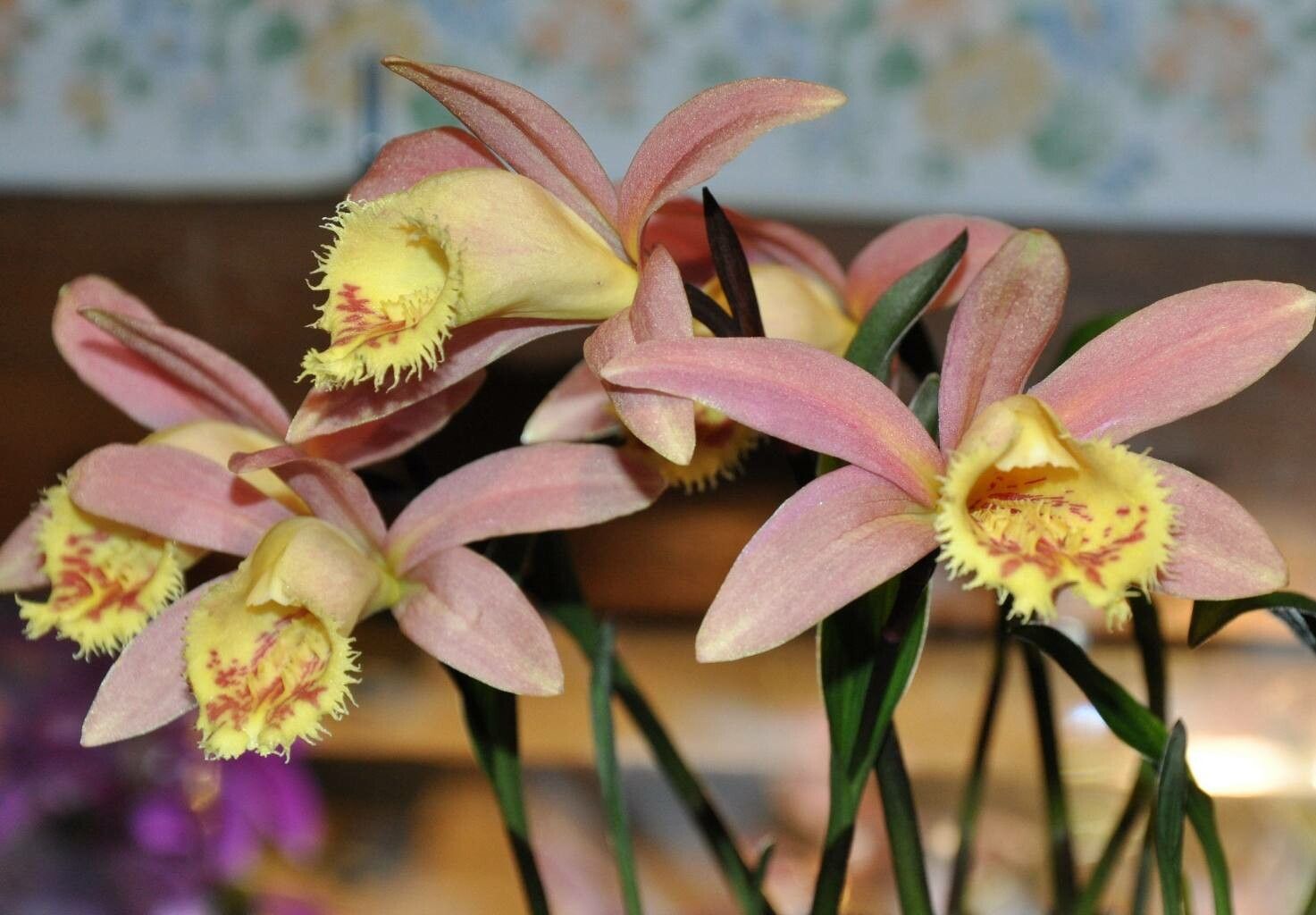
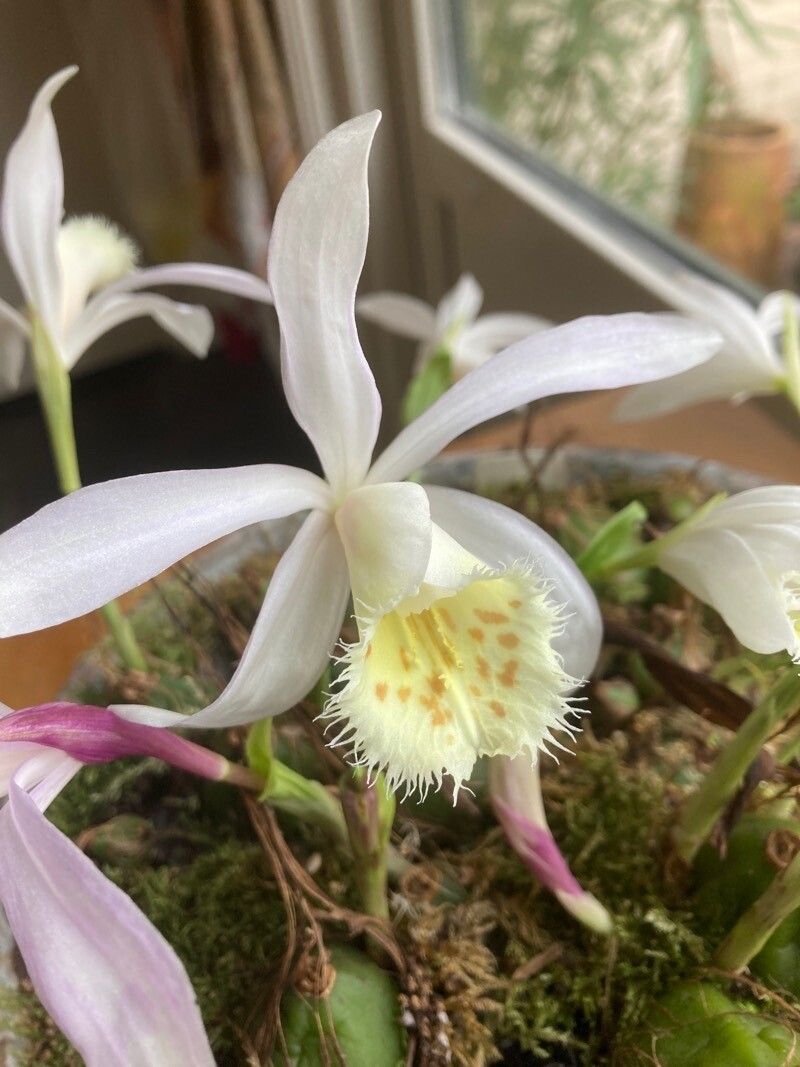
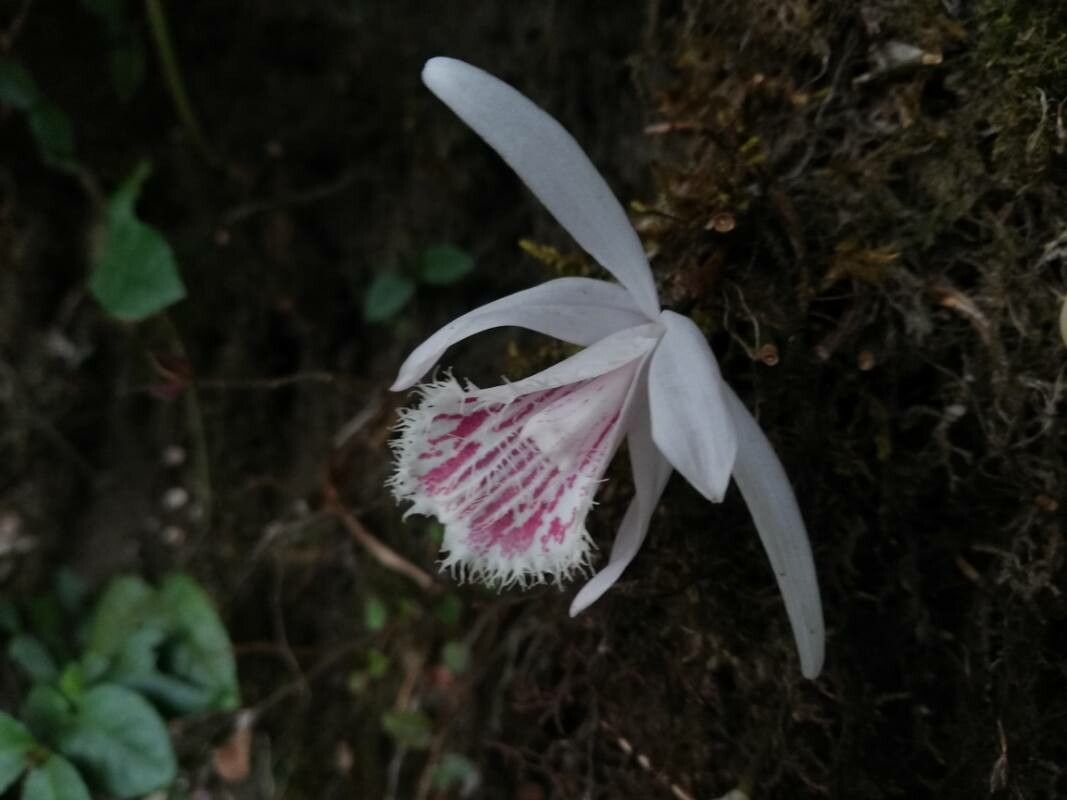
The bulbocodium-like pleione is generally resistant to disease and is affected by relatively few insect pests. The care level for The bulbocodium-like pleione is considered difficult because it needs high humidity combined with good ventilation and a low presence of harmful pathogens. Excessive watering can cause root rot. Growing The bulbocodium-like pleione is suitable for everyone, but keeping it healthy and getting it to flower again requires more growing experience.
How to keep Pleione Bulbocodioides.
Light
The bulbocodium-like pleione, the bulbocodium-like pleione, prospers when given a combination of sun and shade. This preference comes from its native surroundings, where dappled light through a canopy creates the ideal conditions. During all stages of growth, steady exposure to both sun and shade supports healthy development. Either too much or too little light can disrupt its natural growth cycle and harm its overall health.
Water
The bulbocodium-like pleione comes from cool, moist mountainous regions and flourishes in moderate humidity. It prefers to have consistent moisture, so watering it once a week will keep it healthy. However, during the winter dormancy period, you should reduce watering to match its natural growth cycle.
Temperature
The bulbocodium-like pleione originates from temperate zones and develops best at temperatures of 59 to 95 °F (15 to 35 ℃). Although it can tolerate hot summers, it prefers slightly cooler conditions. To imitate its natural habitat, keep winter temperatures above freezing and offer shade during extreme heat.
Fertilizer
The ideal time to fertilize a bulbocodium-like pleione is in early spring, when it is coming out of dormancy and starting active growth. Fertilization supplies essential nutrients for healthy growth. Although a bulbocodium-like pleione has relatively low fertilizer requirements, applying fertilizer annually can improve its survival and encourage better, longer-lasting flowers.
Pruning
The bulbocodium-like pleione benefits from pruning in early to late spring, which encourages growth and enhances blooms. To promote fresh growth, be sure to remove any dead pseudobulbs and spent flower stems. Regular pruning not only improves air circulation but also enhances the plant's appearance. For the best results, use clean, sharp tools, and consult care guides for more detailed instructions.
Pot & Repot
When repotting the bulbocodium-like pleione, pick a pot that is slightly larger and has good drainage, preferably a clear orchid pot. Use a well-draining, orchid-specific mix that includes bark or moss. Carefully clean the roots and cut away any that are dead or rotting. Repot after flowering, typically in spring or fall, water thoroughly, and place the plant in bright, indirect light. Once repotted, avoid disturbing the roots.
Botanical profile.
- Plant Type
- Herb
- Life Cycle
- Perennial
- Genus
- Pleione
- Family
- Orchidaceae
- Hardiness Zone
- 7-10
- Mature Height
- 15 cm to 30 cm
- Mature Spread
- 5 cm to 30 cm
- Leaf Color
- Light Green
- Leaf Type
- Deciduous
- Flower Color
- Lavender
- Flower Size
- 5.08 cm to 6.35 cm
- Bloom Time
- Early spring, Mid spring
- Planting Time
- Autumn, Winter
- Harvest Time
- Late spring, Early summer, Mid summer
- Native Area
- India, China