Pleiogynium timoriense, commonly known as the Timor oak or locally as "tunu," is a large tree species native to Southeast Asia, particularly Indonesia and Timor-Leste. It belongs to the family Anacardiaceae and can grow up to 30 meters tall with a trunk diameter of up to 1 meter.
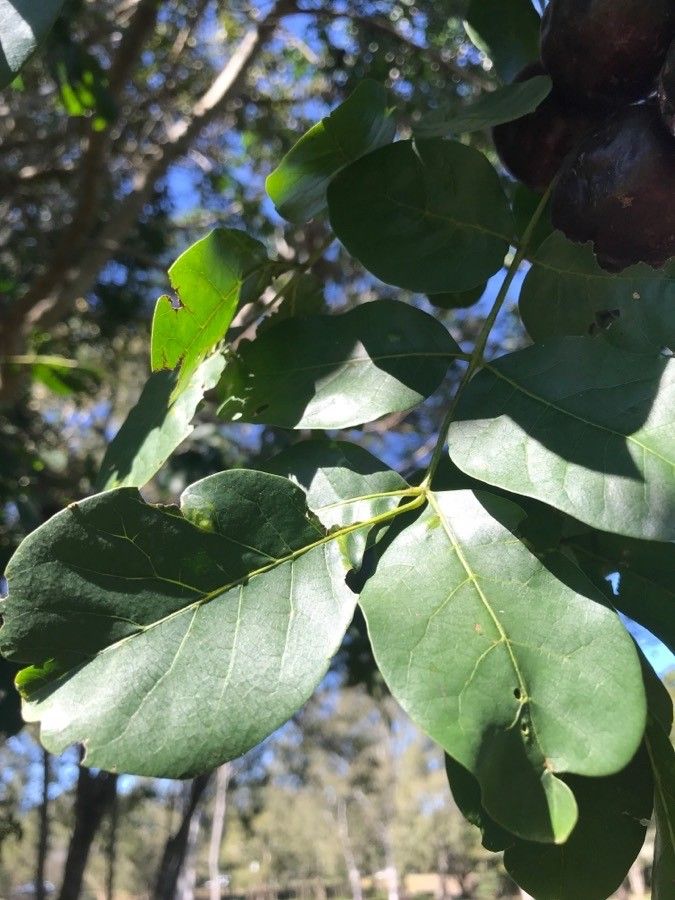
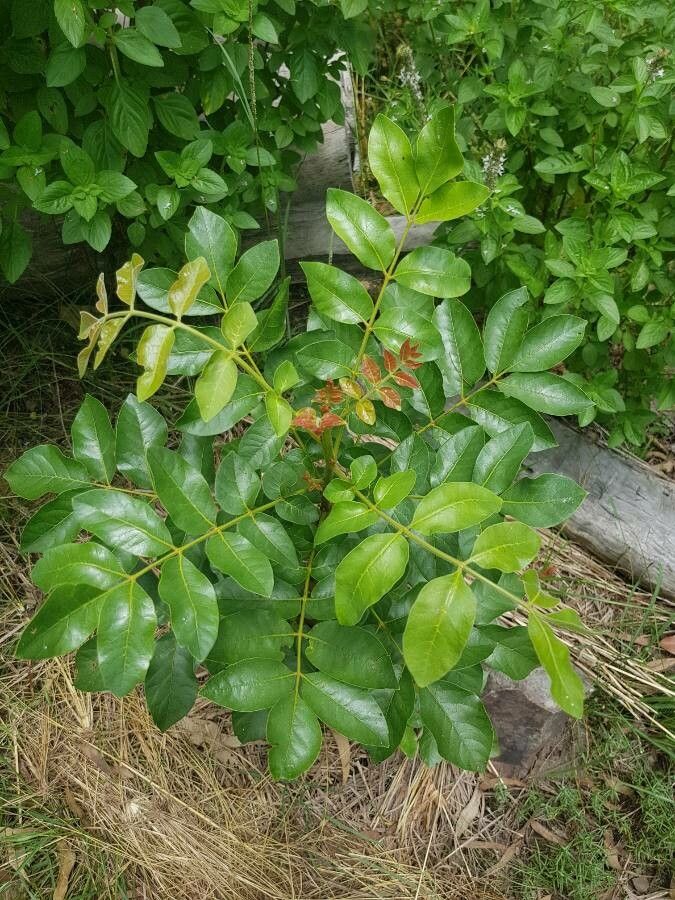
The tree features a straight trunk with rough, gray or brown bark. Its leaves are large, glossy green, and leathery, with an oval shape that can reach up to 30 cm in length and 15 cm in width. The small, greenish-white flowers of Pleiogynium timoriense appear in clusters at the end of branches.
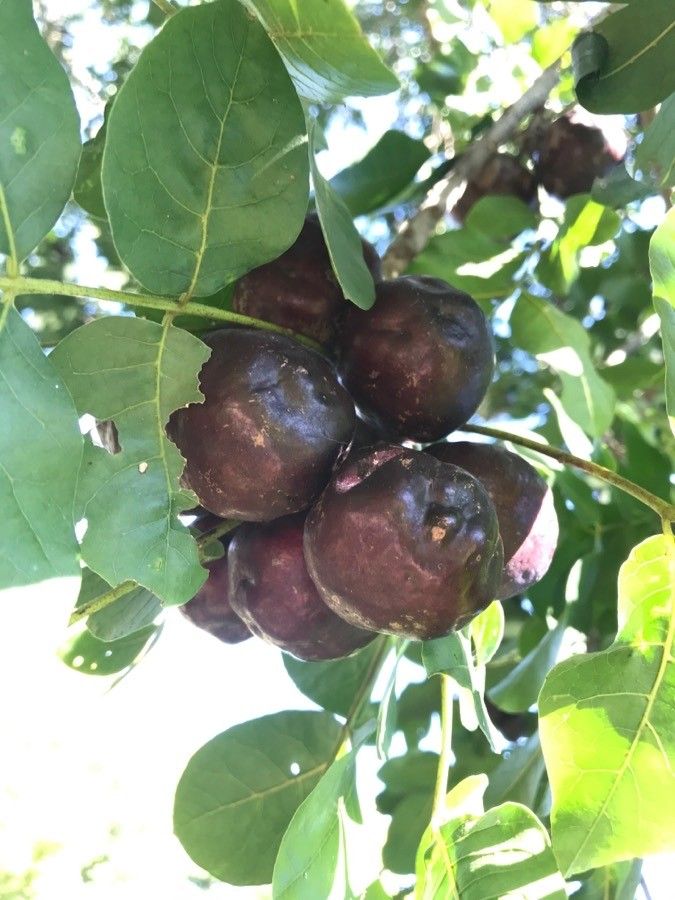
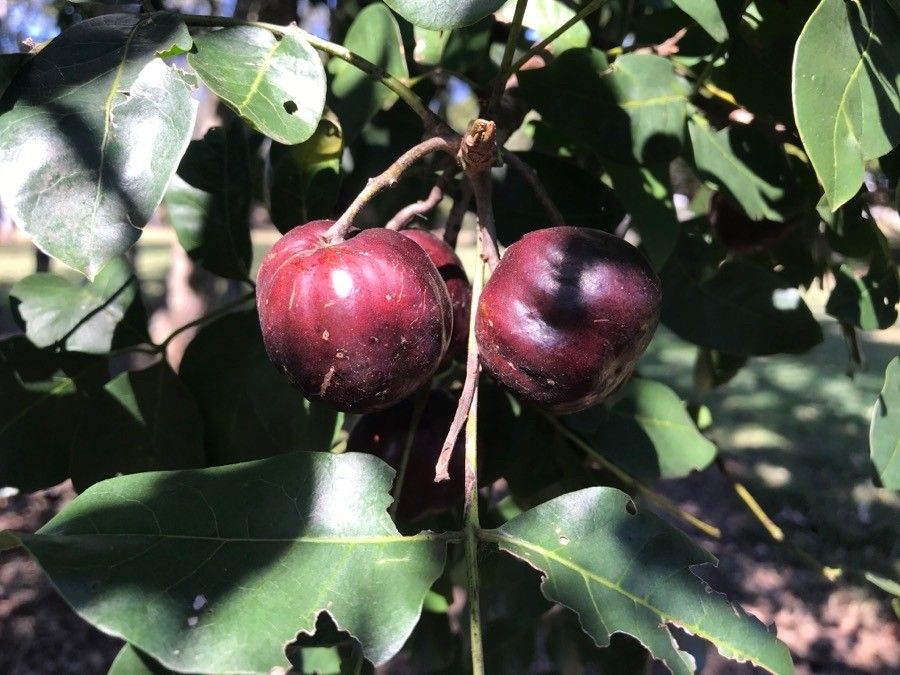
The tree produces an edible drupe as its fruit, which has a hard shell enclosing a single seed. The fruit changes color from greenish-yellow to orange-red as it matures.
Pleiogynium timoriense has various uses. Its hardwood is prized for construction due to its resistance to termites. The bark contains tannins, which are used for dyeing. The leaves have medicinal properties and are used to treat fever, while the fruits are consumed by locals either raw or cooked.
However, this species faces threats from deforestation, primarily due to logging activities, which have led to its categorization as "Vulnerable" on the IUCN Red List. Conservation efforts are being undertaken by local communities through planting programs aimed at restoring degraded forests where Pleiogynium timoriense once thrived naturally.
Botanical profile.
- Genus
- Pleiogynium
- Family
- Anacardiaceae
Other names.