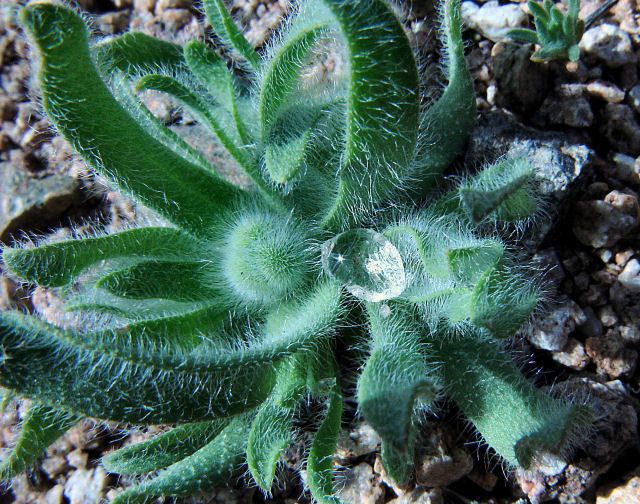
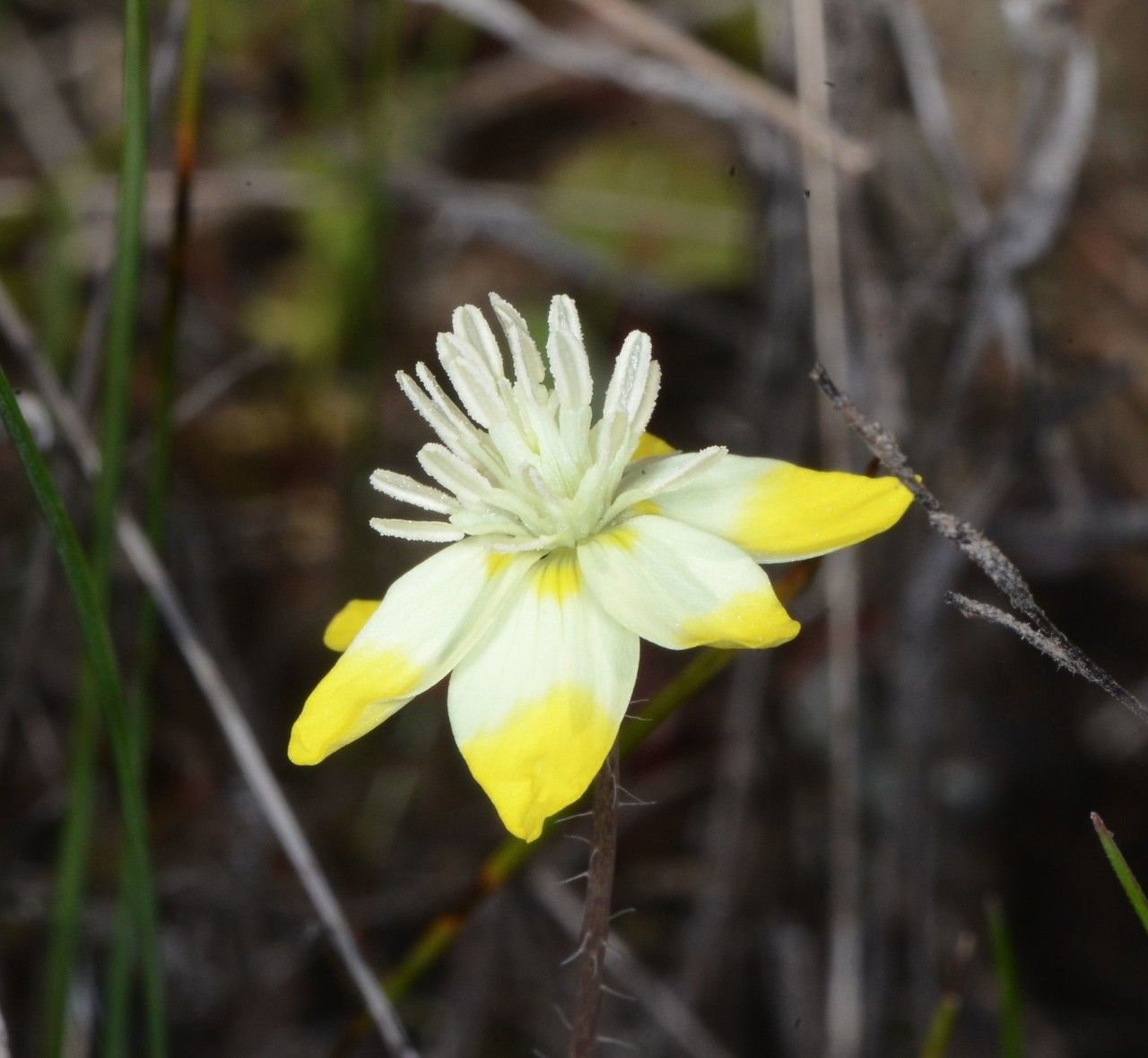
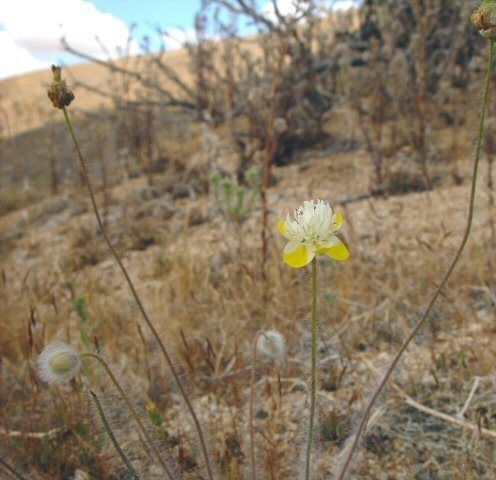
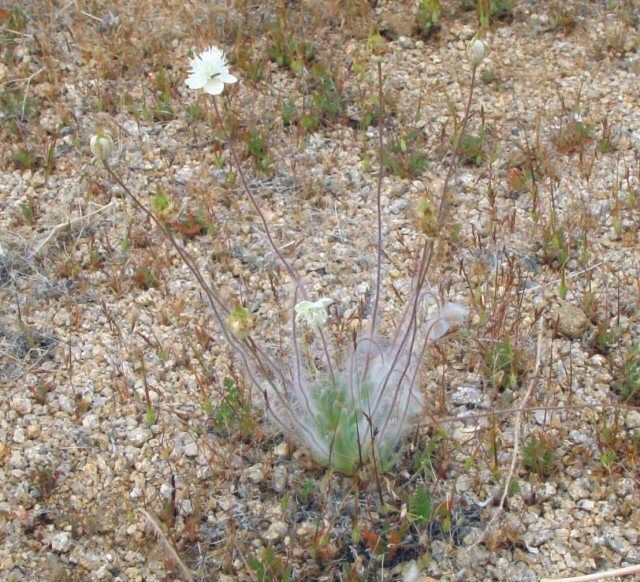
Platystemon is a monotypic genus of flowering plants in the poppy family containing the single species Platystemon californicus, which is known by the common name creamcups. It is native to Oregon, California, Arizona, Utah and Baja California, and is found in open grasslands and sandy soils below 6,000 feet (1,800 m) elevation.
Cream-cups is fairly disease-resistant and generally not prone to illness. However, it can be vulnerable to pests and diseases present in its surroundings. Such infections are typically not severe. Regarding care, this plant requires moderate maintenance. It should be pruned regularly to keep a neat appearance and support healthy growth. Fertilization can also help promote flowering. Cream-cups is suitable for anyone with outdoor space, such as a garden or patio, and does not demand extensive care experience. It may need more care when grown indoors.
How to keep Platystemon Californicus.
Light
Cream-cups appreciate exposure to sunlight throughout the day. Placing this flowering species where it can soak up all the day's rays promotes optimal growth and flowering. An excessive lack of such light may stunt its growth. Originally flourishing in abundant solar exposure, this species does not tolerate an absence of compensating light.
Water
Cream-cups flourish in arid landscapes due to their drought tolerance and preference for dry conditions. They require minimal watering, typically about once a week, and effectively regulate water loss during hot weather. This makes them well-suited for varying outdoor environments.
Temperature
Cream-cups is native to areas where temperatures range from 68 to 95 °F (20 to 35 ℃). The plant prospers in warm conditions and tolerates seasonal variations within that range. Cooler temperatures should be avoided.
Fertilizer
When most of Cream-cups' blooms have opened to full size, resume fertilizing. As the flowers reach peak production, apply fertilizer every three to four weeks, weather permitting. Then, once Cream-cups begins producing fewer new blooms, discontinue fertilizing; there is no need to feed the plant when it can no longer produce more blooms.
Pruning
Cream-cups have beautiful, cup-shaped flowers and benefit from light pruning during early to late spring. Focus on removing any dead stems to encourage dense growth and plentiful blooms. Ensure your pruning tools are clean to prevent the spread of disease. For more detailed guidance, consult gardening guides for best practices.
Botanical profile.
- Plant Type
- Herb
- Life Cycle
- Annual
- Genus
- Platystemon
- Family
- Papaveraceae
- Hardiness Zone
- 7-10
- Mature Height
- 10 cm to 30 cm
- Mature Spread
- 10 cm to 30 cm
- Leaf Color
- Green Yellow, Light Green
- Leaf Type
- Semi-evergreen
- Flower Color
- Yellow, Cream
- Flower Size
- 1.27 cm
- Bloom Time
- Early spring, Mid spring
- Planting Time
- Spring, Autumn
- Harvest Time
- Late spring, Early summer
- Native Area
- Mexico
Other names.
Reader questions.
How should I water my Cream-cups?
To water Cream-cups, you have several options such as using a garden hose with a spray nozzle, a watering can, or any other common watering tool. Cream-cups is not too demanding when it comes to how it gets watered – rainwater, tap water, or filtered water will all suffice. However, it is advisable to avoid watering this plant from above as it can harm the leaves and flowers and potentially cause disease. An effective way to water Cream-cups is by setting up a drip irrigation system, which ensures even and direct application of water to the soil. If you are growing Cream-cups in a container, you can use a cup, watering can, or tap to water it directly at the soil level.
What are the sunlight requirements for Cream-cups?
Cream-cups (Platystemon californicus) require above 6 hours of sunlight daily to thrive. They flourish best when exposed to full sun for the entire day, which helps in their optimal growth and flowering. Insufficient light may stunt the plant's growth, so it's essential to choose locations in your garden that secure the perfect balance of light and shade. Watch how sunlight moves across your garden space to find the most suitable spot for your Cream-cups, ensuring their happiness and health.
What is the ideal temperature range for Cream-cups?
Cream-cups, or Platystemon californicus, thrives in temperatures ranging from 68 to 95°F (20 to 35°C). This plant is indigenous to regions that experience these warm conditions and is adept at adjusting to seasonal changes within this temperature range. It is important to avoid exposing the plant to cooler temperatures that fall outside of this ideal range.
What do I need to do if I give my Cream-cups too much water or too little water?
One common issue with Cream-cup plants is not giving them enough water. The solution to this problem is simple: if you notice that your plant is dry, just start watering it more regularly. However, overwatering can be a more serious problem if not caught early. When a Cream-cup plant gets too much water, it can get sick and eventually die. To prevent this, it's important to choose a good spot for the plant to grow. This spot should get enough sunlight to help the soil dry out, and it should also have good drainage so that excess water can escape instead of pooling and causing problems. If you have a potted Cream-cup plant that you've been overwatering, you might need to transfer it to a new pot. The old container might not have had good drainage or enough holes for water to escape. When repotting the overwatered plant, be sure to use loose soil and a pot that drains well.
How can artificial lighting be used for Cream-cups?
When natural sunlight is insufficient, especially in winter or less sunny spaces, artificial lighting can be a vital solution for Cream-cups' growth. Opt for the right type of artificial light, such as LED lights, which can be customized to provide specific wavelengths needed by the plant. The intensity of artificial light should be 30-50W/sq ft for full sun plants like Cream-cups. Place the artificial light source 12-36 inches above the plant to mimic natural sunlight and ensure it's on for 8-12 hours per day to promote faster, healthier growth.
Is Cream-cups cold-resistant?
Yes, Cream-cups has strong cold resistance and does not usually require special frost protection measures during the winter. However, if winter temperatures are expected to drop below -15°C, it is important to provide cold protection by covering the plant with soil or straw. Additionally, watering the plant abundantly before the first freeze in autumn helps ensure the soil remains moist and enters a frozen state, which is beneficial for preventing drought and water scarcity for the plant during winter and early spring.
How many times should I water my Cream-cups?
Cream-cups require regular watering throughout the growing season. In spring, water the plant once per week. As the season progresses and it gets warmer, you may need to increase watering to two to three times per week. However, be careful not to exceed this rate as it can be harmful to the plant. Regardless of watering frequency, ensure that the soil remains moist but not wet. If your Cream-cups is in a pot, you'll need to water it more frequently as the soil in pots tends to dry out faster than in the ground. Generally, plan to water a potted Cream-cups a few times per week compared to just once per week for a plant in the ground.
What symptoms indicate insufficient light for Cream-cups?
Symptoms of insufficient light in Cream-cups include smaller new leaves, leggy or sparse growth, earlier leaf drop, delayed or halted growth, lighter-colored new leaves, chlorosis, sunscald, leaf curling, wilting, and leaf scorching. These symptoms signify the plant's struggle with inadequate light conditions, affecting its growth, chlorophyll production, and overall health.
How does Cream-cups react to low temperatures?
Cream-cups is cold-tolerant and performs best when the temperature is kept above 20°C. During the winter, it should be ensured that the temperature remains above 0°C. If the temperature falls below -15°C, the plant may not show noticeable changes during the winter but could experience a decrease in sprouting or fail to sprout at all in the spring. In such cases, it's recommended to remove any parts of the plant that have failed to sprout in the spring.
How much water does my Cream-cups plant need?
There are a few ways to determine the amount of water to give your Cream-cups. One method is to feel the soil to check for moisture and water until the top six inches are moist. Another way is to use a set measurement, like two gallons per week, taking into account temperature and soil dryness. However, be cautious of overwatering if your plant requires less. When growing Cream-cups in a container, the method is different. You should moisten all dry soil layers by checking with your finger or allowing water to exit the drainage holes.
What solutions can aid Cream-cups suffering from insufficient sunlight?
To combat insufficient sunlight for Cream-cups, gradually move plants to sunnier locations, ensuring they receive at least 6 hours of direct sunlight daily. For indoor plants, consider enhancing sunlight exposure through a south-facing window or using artificial light sources, like desk or ceiling lamps, for at least 8 hours a day. For outdoor plants, avoid sudden changes in light intensity to prevent sunburn. If obstructions shade your plants, prune them if possible or transplant smaller plants to sunnier locations with good drainage during their dormant period.
How does Cream-cups react to high temperatures?
During the summer, it's crucial to maintain the temperature of Cream-cups below 35°C. Exposure to temperatures exceeding 41°C can result in the leaves becoming lighter in color, curling, becoming more prone to sunburn, and in severe cases, leading to the wilting and drying out of the entire plant. To mitigate these issues, sunburned and dried-up parts should be trimmed away, the plant should be moved to a location with shade from the midday and afternoon sun, or shaded using a cloth. Additionally, watering the plant in the morning and evening to keep the soil moist is beneficial.