Platycarya strobilacea is a species of flowering plant in the family Juglandaceae, formerly treated as comprising the single living species in Platycarya, though a second living species Platycarya longzhouensis is now recognized. It is native to eastern Asia in China, Korea, and Japan.
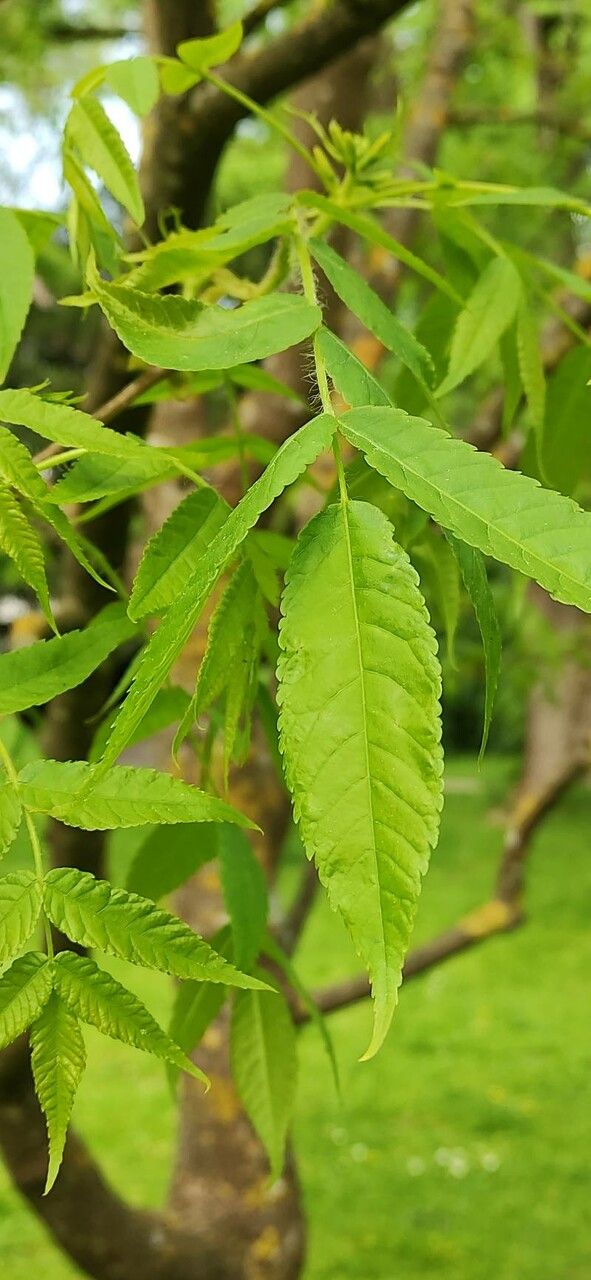
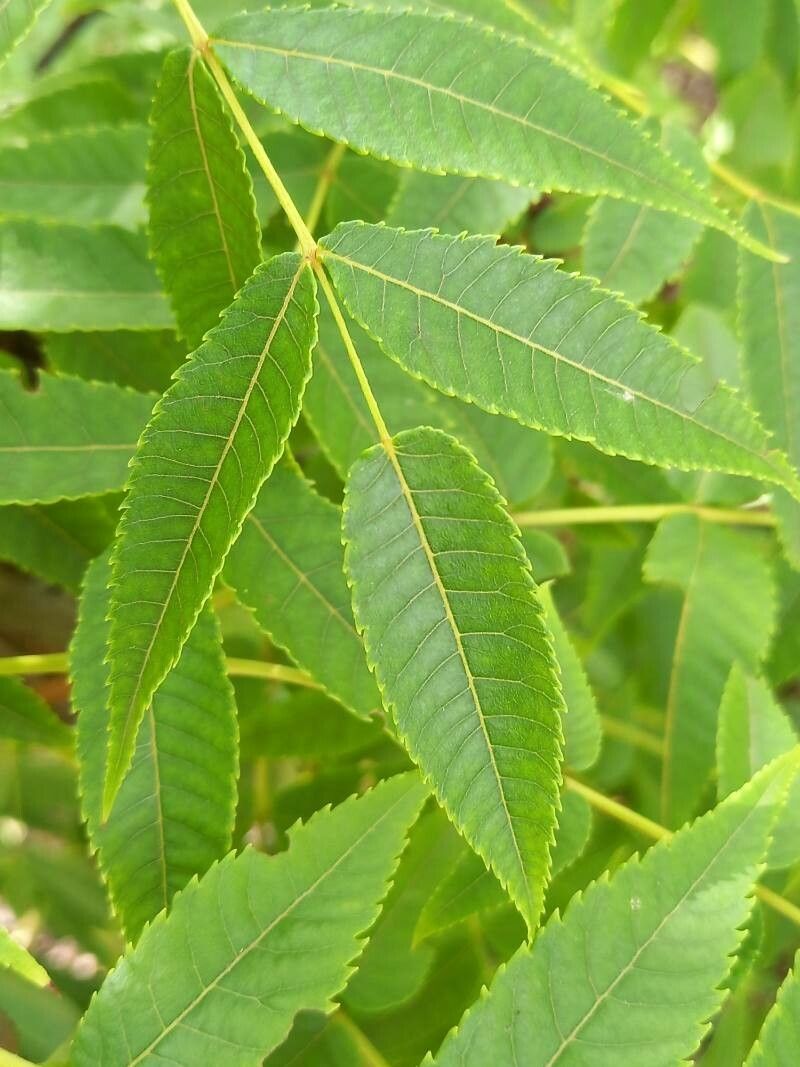
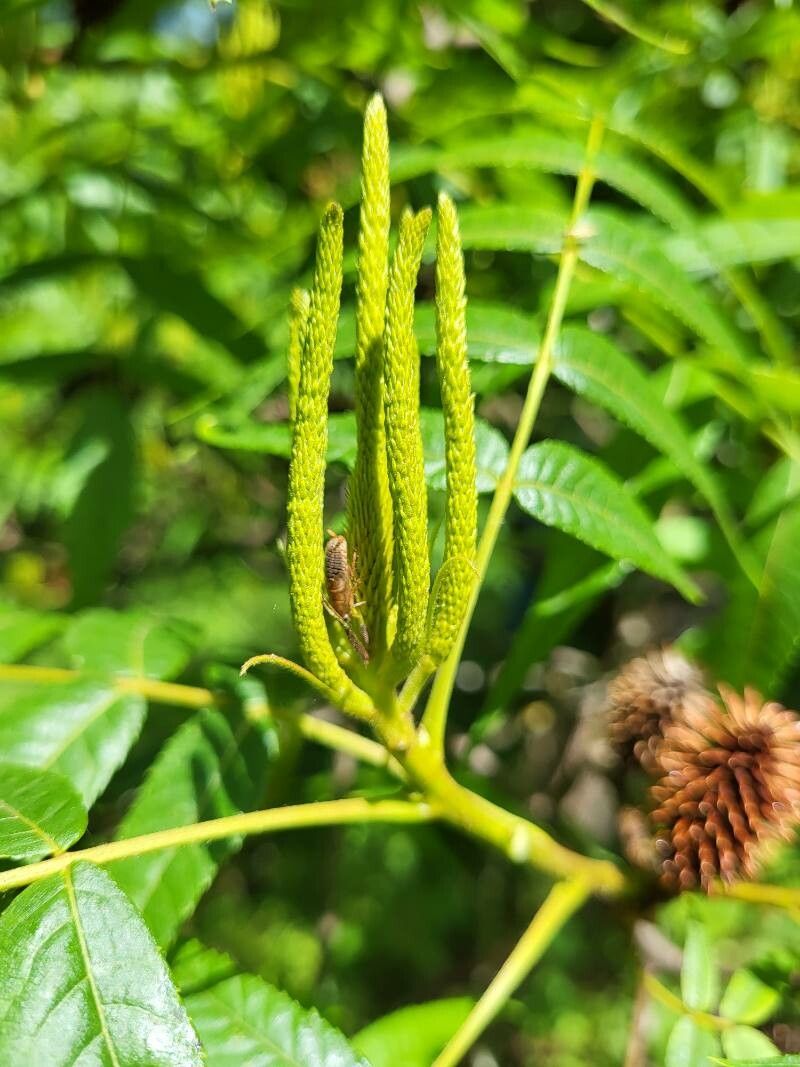
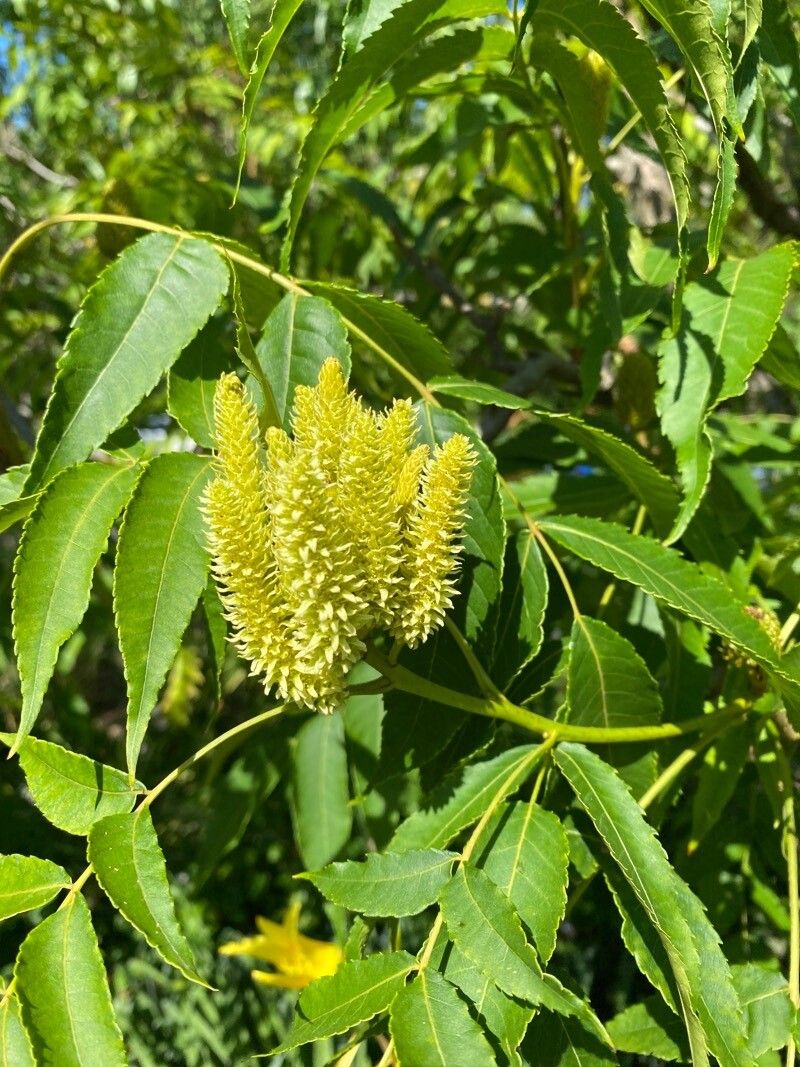
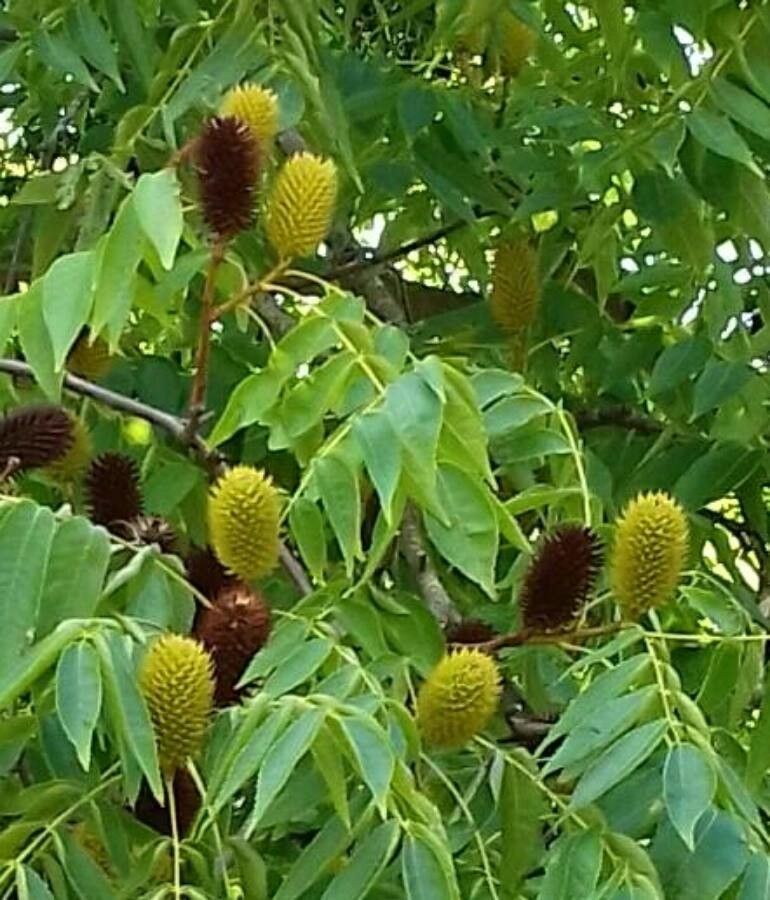
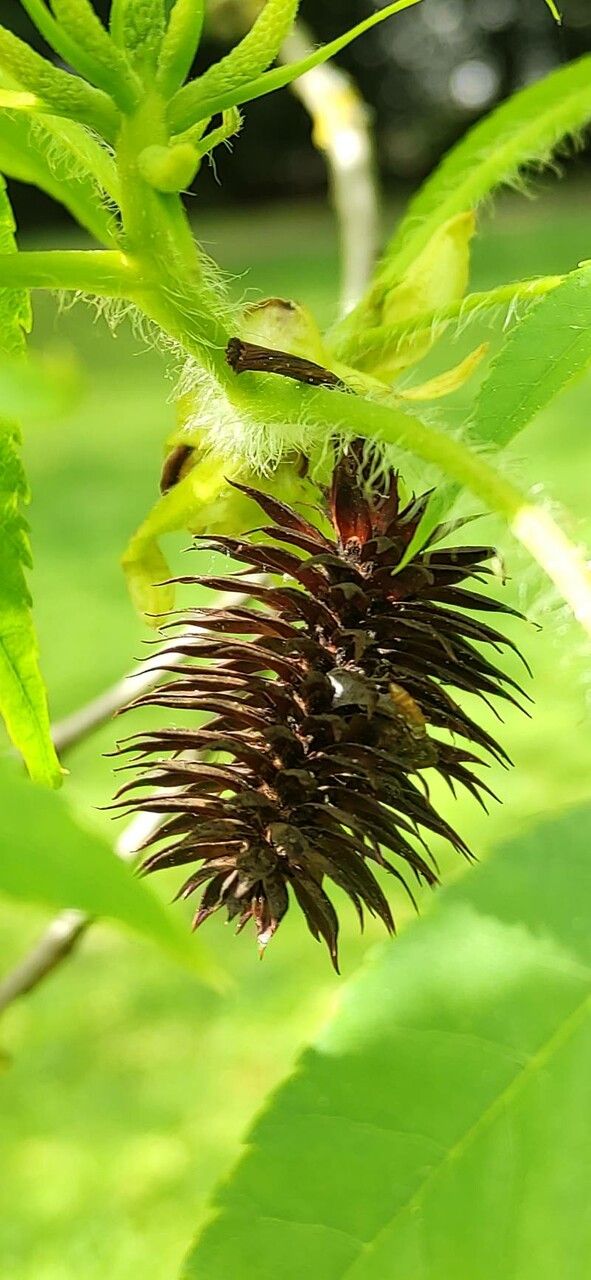
It is a deciduous tree growing to 15 m tall. The leaves are usually pinnate, 15–30 cm long with 7–15 leaflets (rarely simple, or with up to 23 leaflets), the terminal leaflet present; the leaflets are 3–11 cm long and 1.5–3.5 cm broad. The flowers are catkins; the male (pollen) catkins are 2–15 cm long, the female catkins 2.5–5 cm long at maturity, hard and woody, superficially resembling a conifer cone with spirally arranged scales. Galloyl pedunculagin can be found in P. strobilacea.
Platycarya is resistant to disease and is generally not susceptible to illnesses. In terms of care, this plant is fairly low-maintenance. When grown outdoors it needs little watering, and larger plants generally do not require pruning. Smaller plants, however, should be pruned after they have finished blooming. Platycarya is suitable for anyone with an outdoor area, such as a garden or deck, and does not require extensive gardening experience.
How to keep Platycarya Strobilacea.
Light
Platycarya performs best in settings with abundant sunlight throughout the day. Its natural habitat is open and unshaded, permitting it to receive the greatest amount of light. It does not need different light levels at various growth stages. Excessive light does not harm it, but insufficient light can hinder its healthy development.
Water
Platycarya is a drought-tolerant plant that thrives in conditions with limited water availability, similar to those found in its native habitat. Watering it once every three weeks is sufficient, as it benefits from seasonal rainfall and aligns well with its naturally hardy characteristics.
Temperature
Platycarya is native to temperate regions and thus prefers a temperature range of 50 to 95 °F (10 to 35 °C). Depending on the season, temperature adjustments may be necessary to mimic its natural habitat conditions.
Fertilizer
To encourage healthy development, fertilize your Platycarya in early spring. Consistent feeding improves overall health, producing robust growth, greater tolerance of adverse conditions, and enhanced resistance to pests and diseases. Keep a regular fertilization timetable for your Platycarya to maintain richly colored, vibrant foliage and a full, lush appearance.
Pruning
Platycarya is known for its ornamental catkins and compound leaves. Pruning in early spring helps to remove dead branches, which enhances the plant's shape and encourages new growth. Making clean cuts during pruning reduces the risk of disease. Light and regular pruning helps maintain the plant's aesthetic appeal and supports healthy, resilient growth.
Botanical profile.
- Plant Type
- Tree
- Life Cycle
- Perennial
- Genus
- Platycarya
- Family
- Juglandaceae
- Hardiness Zone
- 6-9
- Mature Height
- 14.94 m
- Mature Spread
- 11.89 m
- Leaf Color
- Green, Yellow
- Leaf Type
- Deciduous
- Flower Color
- Green, Yellow
- Flower Size
- 5.08 cm to 7.62 cm
- Bloom Time
- Late spring, Early summer
- Planting Time
- Spring, Summer
- Harvest Time
- Late summer, Early fall, Mid fall
- Native Area
- Vietnam, Japan, Koppen, South Korea, China
Other names.
Reader questions.
How should I water my Platycarya plant to make sure it stays healthy?
To ensure excellent root development, it is recommended to place a garden hose at the base of the plant. Avoid spraying the leaves directly, as this can be detrimental. If the plant is outdoors and exposed to direct sunlight, the leaves will require more watering. To moisten the roots, bubblers can be attached to each plant. For watering the entire garden or bed and encouraging deep root growth when adding or removing plants, soaker hoses are useful. After watering, any excess water should be drained and the soil should be allowed to dry before watering again. Watering at ground level is important to prevent diseases. On a sunny day, it may be beneficial to spray the entire bush with water. Whether the plant is potted or in-ground, it is important to remember that Platycarya prefers deep watering rather than light sprinkling.
Why is it necessary to fertilize my Platycarya plant?
No matter which type of Platycarya you have, regular fertilization is important for overall plant health. Giving your Platycarya the right nutrients will encourage stronger growth and make it more resistant to challenging conditions, as well as better able to fend off diseases and pests. The foliage of your Platycarya is a key feature, so it's crucial to maintain it. This involves following a consistent fertilization schedule tailored to your specific plant, which will result in deeply colored leaves and an overall lush appearance.
How many hours of sunlight does Platycarya need each day to grow healthy?
For healthy growth, it is important to ensure that Platycarya gets a minimum of 3–6 hours of sun each day. However, this is just the minimum requirement. Most plants that can tolerate partial sunlight can also do well in full sun. These plants are more adaptable because they need less light for photosynthesis compared to plants that require either full sun or partial shade.
What temperature is best for Platycarya?
Platycarya thrives best in temperatures ranging from 65 to 80℉ (18 to 27℃). During its primary growing phase, it can tolerate temperatures as high as 95℉ (35℃) and as low as 15℉ (-10℃). This species is resilient to cold temperatures and can survive freezing winters. In summary, the ideal temperature range for Platycarya is 65 to 80℉ (18 to 27℃), with the highest tolerable range being 85 to 95℉ (30 to 35℃), and the lowest tolerable range being -5 to 15℉ (-20 to -10℃) or even lower.
What should I do if I give too much/ too little water to the Platycarya plant?
If you overwater your Platycarya, you may notice yellowing, dropping, and wilting leaves. The plant may also look dull and unhealthy with mushy stems. Adjusting your watering schedule is best when these signs start to appear. However, wilting can also be a sign of underwatering. In this case, the leaves may become crisp and dry. If the soil is dry and watering alone is not enough, give the plant a thorough watering. This will help the Platycarya to recover, but the plant may still have dry and yellow leaves due to root damage. Once the plant returns to normal, the yellowing leaves will stop. When keeping the Platycarya indoors, always check the moisture levels in the pot and avoid overwatering. Look for black spots as a sign of overwatering and let the soil dry for a few days without watering. Overwatering can lead to root rot, so consider transferring the plant to a different pot if discolored and slimy roots are present. It's important to prevent root rot by avoiding overly soggy soil. When planting your Platycarya outdoors, ensure the soil is adequately watered if it feels too dry when you check with your fingers.
When should I fertilize my Platycarya?
To nourish your Platycarya, it is recommended to fertilize it in late winter or early spring. This will provide the necessary nutrients for healthy growth when the weather becomes warmer. If you live in a warm climate, an additional fertilization in early fall is also beneficial. This will supply nutrients for the next growing season and help the plant withstand winter cold without foliage damage. By fertilizing earlier, the new branches will have enough time to grow and be resilient against the cold winter.
What kind of sunlight does Platycarya require?
Platycarya thrives in full or part sun conditions. It benefits from direct morning light but requires protection from the intense afternoon sun during summer. In temperate environments, excessive exposure to hot afternoon sun can result in leaf burns, which can harm the plant's overall health and appearance.
Do I need to change the temperature for Platycarya at different stages of growth?
According to research, when the temperatures are consistently high for a long time, especially during the development of axillary buds and the growth of main shoots, Platycarya may show signs of stunted growth. To promote strong growth after germination or transplanting, it is recommended to maintain cooler and consistent temperatures, ideally around 65℉(18℃).
How often do I need to water my Platycarya?
The Platycarya plant requires deep and infrequent watering, especially if it is in a pot. When watering, soak it in a gallon of water each time. Potted plants have limited water storage, so the soil will dry out faster. In cold regions, water every 3 to 5 days. Water early in the morning when the soil is dry, whether you have the plant indoors or outdoors. Check the soil inside to determine if watering is needed. If the top 2-3 inches of soil is dry, it's time to give it a full watering. On hot days, check the moisture daily as the heat can quickly dry out the soil in the pot. If you have a garden, irrigation is necessary. In a hot climate, water once a week when about 2 to 3 inches of soil becomes too dry. Pay attention to rainfall and avoid overwatering to prevent root rot. Platycarya plants generally grow in spring and fall. Add mulch about 3 to 4 inches deep when they are outdoors to conserve water. Sandy soil drains faster, so water more often. Clay soil requires less frequent watering, with 2-3 days between watering to allow the plant to dry and prevent root rot. Keep track of watering dates on a calendar and watch for drooping leaves, which may indicate the need for water.
When is it best to not use fertilizer on my Platycarya?
There are a few key times when you shouldn't fertilize your Platycarya plant. The first is during the winter months, when the plant is dormant and doesn't require any feeding. It's also not advisable to fertilize during late spring and summer, when the weather is hotter and drier. These conditions could have a negative impact on your plant if it's fertilized during this time. To avoid any issues, it's best to stick to a fertilization schedule that involves feeding only in early spring and early fall.
Can the sun harm Platycarya trees? How do I keep Platycarya trees safe from the sun and heat?
Platycarya planted indoors can be harmed by direct sunlight when brought outdoors. To avoid sunburns, it's recommended to move the pots gradually from shade to a brighter area. However, even plants accustomed to the summer sun can suffer from extreme heat. To help plants withstand excessive heat, it is important to keep the soil consistently moist. During a heatwave, protecting sensitive Platycarya can be achieved by placing the containers in shaded areas or using a shade cloth.
How do I keep the Platycarya tree warm during cold seasons?
Platycarya plants can handle freezing temperatures when planted in the ground, as long as the temperature doesn't drop below -10℃ (15℉) in the winter. However, if you plant them in pots or containers, you must take extra precautions to protect their roots from the cold. One way to do this is by wrapping the container in a blanket, or you can bring the potted plant inside where it will be shielded from the elements.