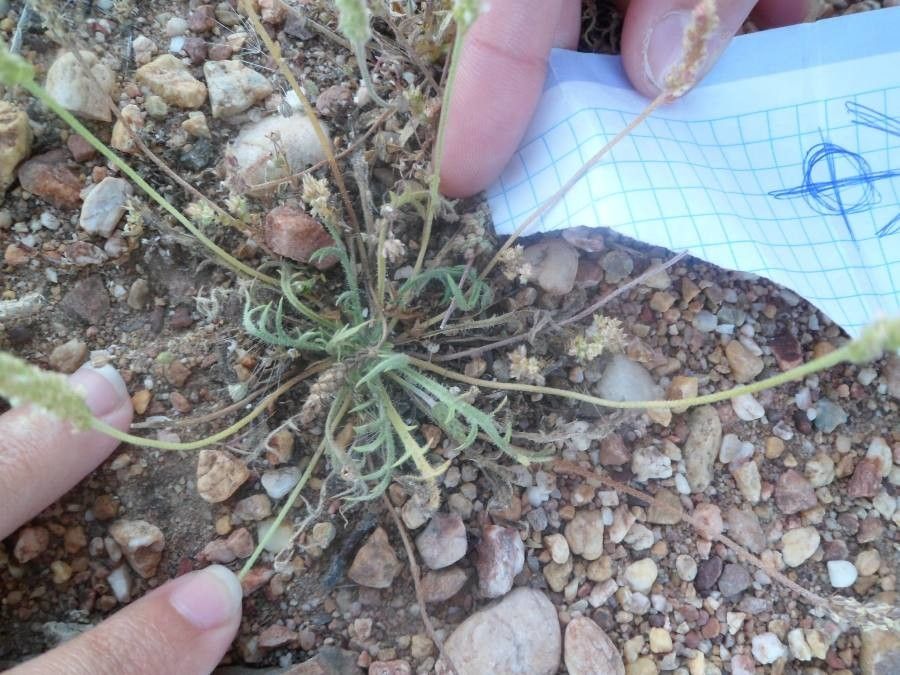
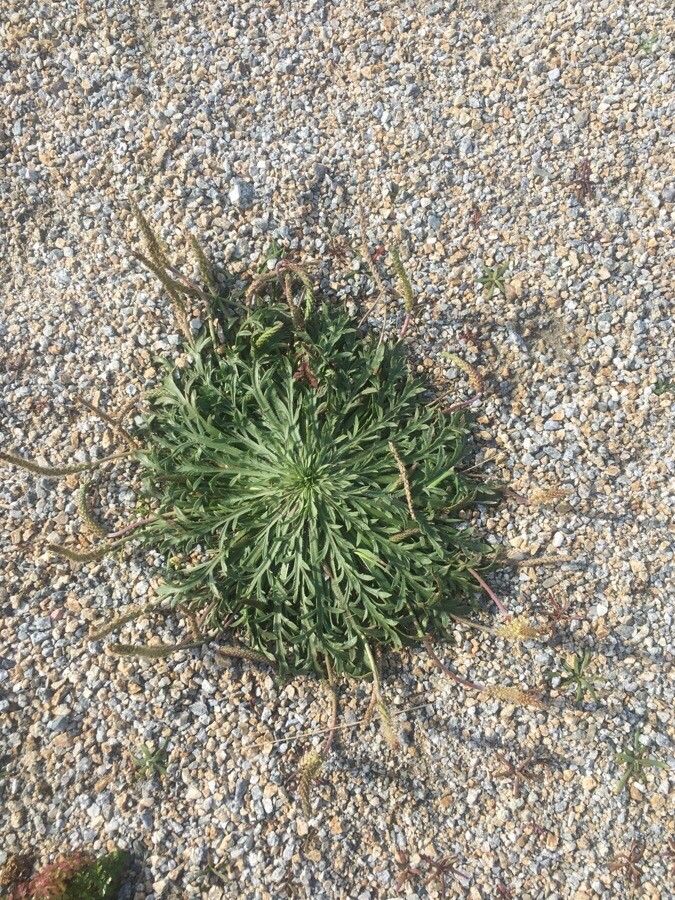
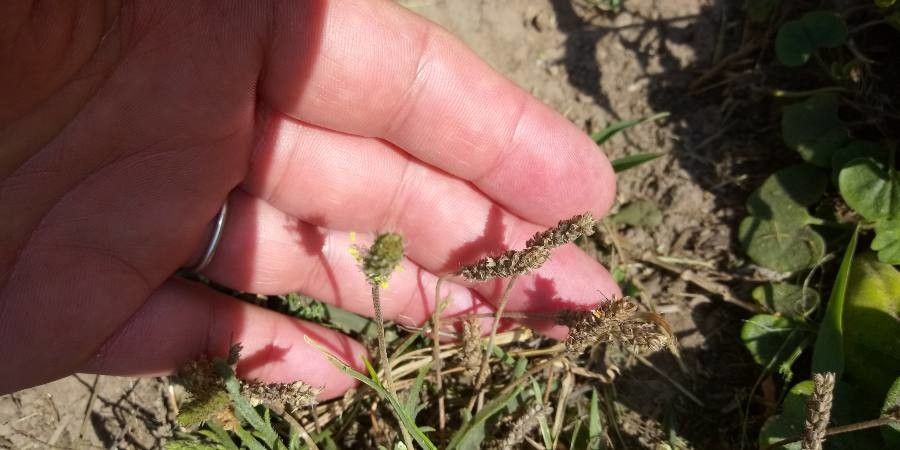
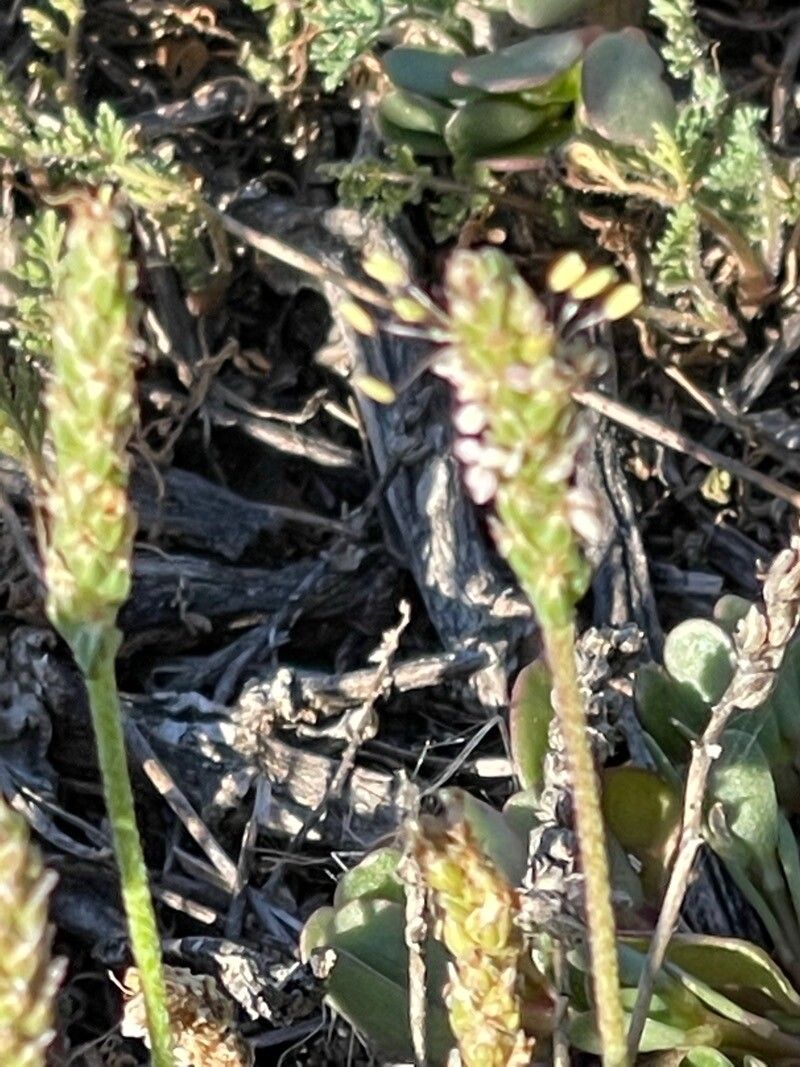
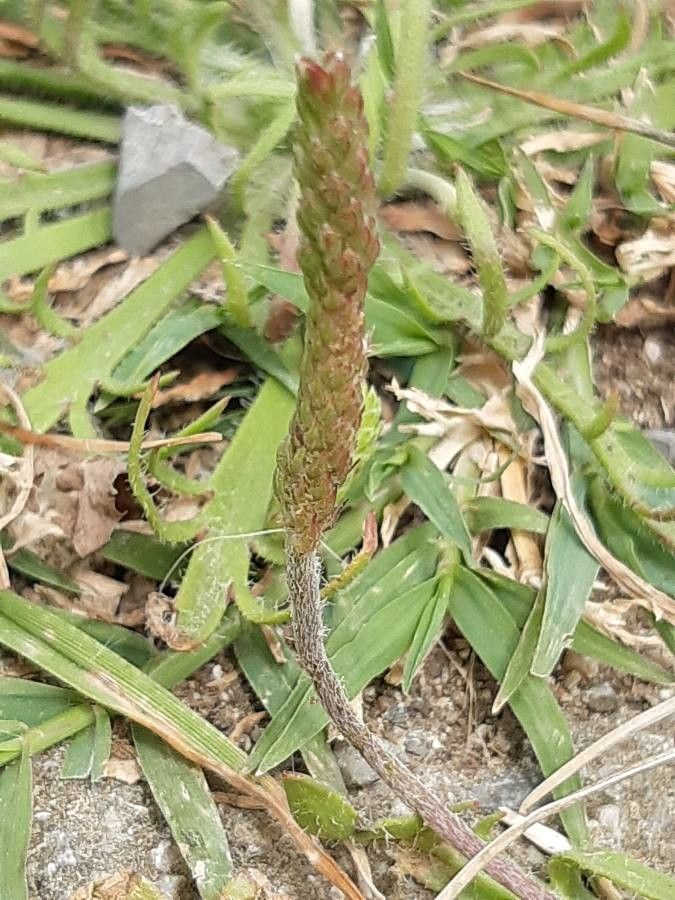
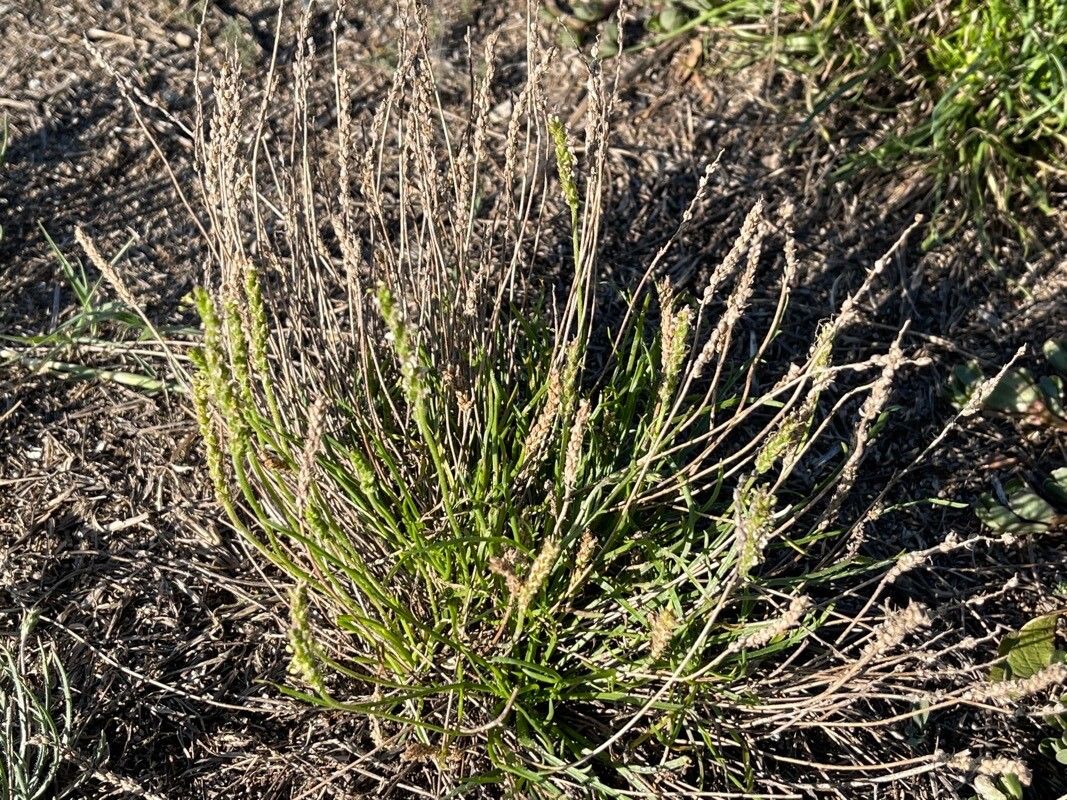
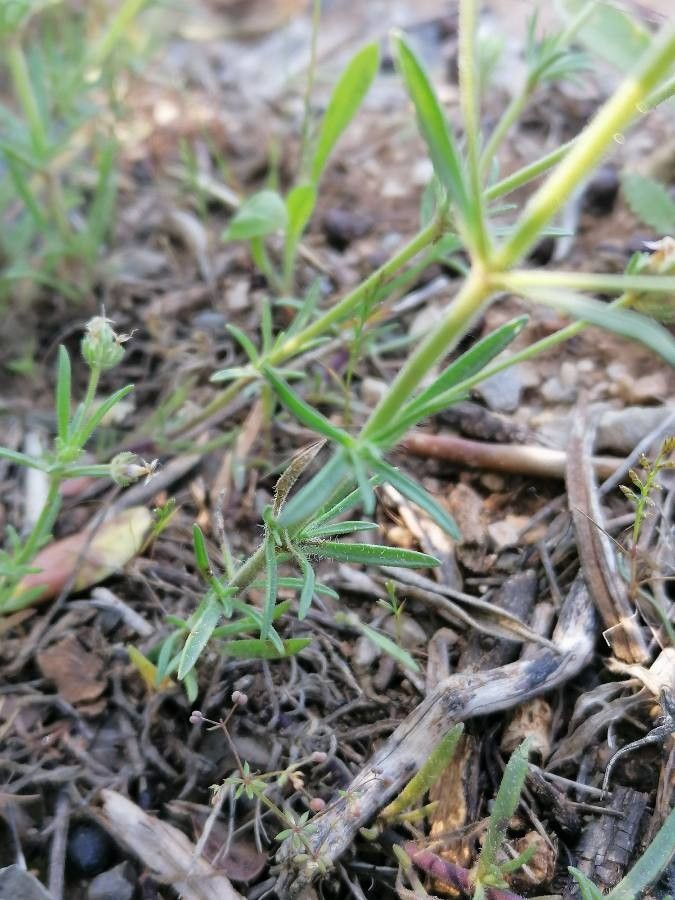
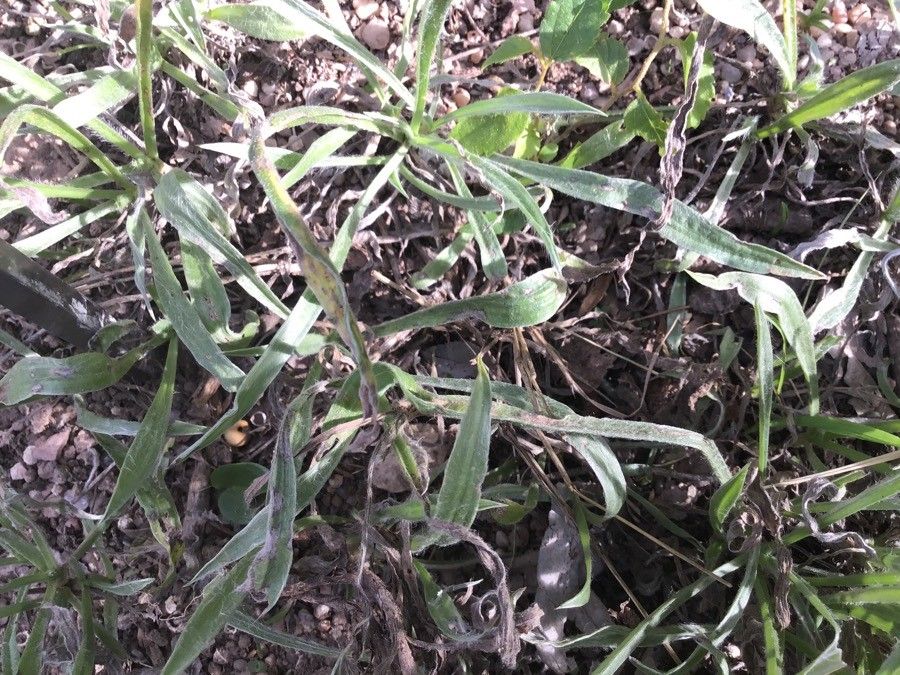
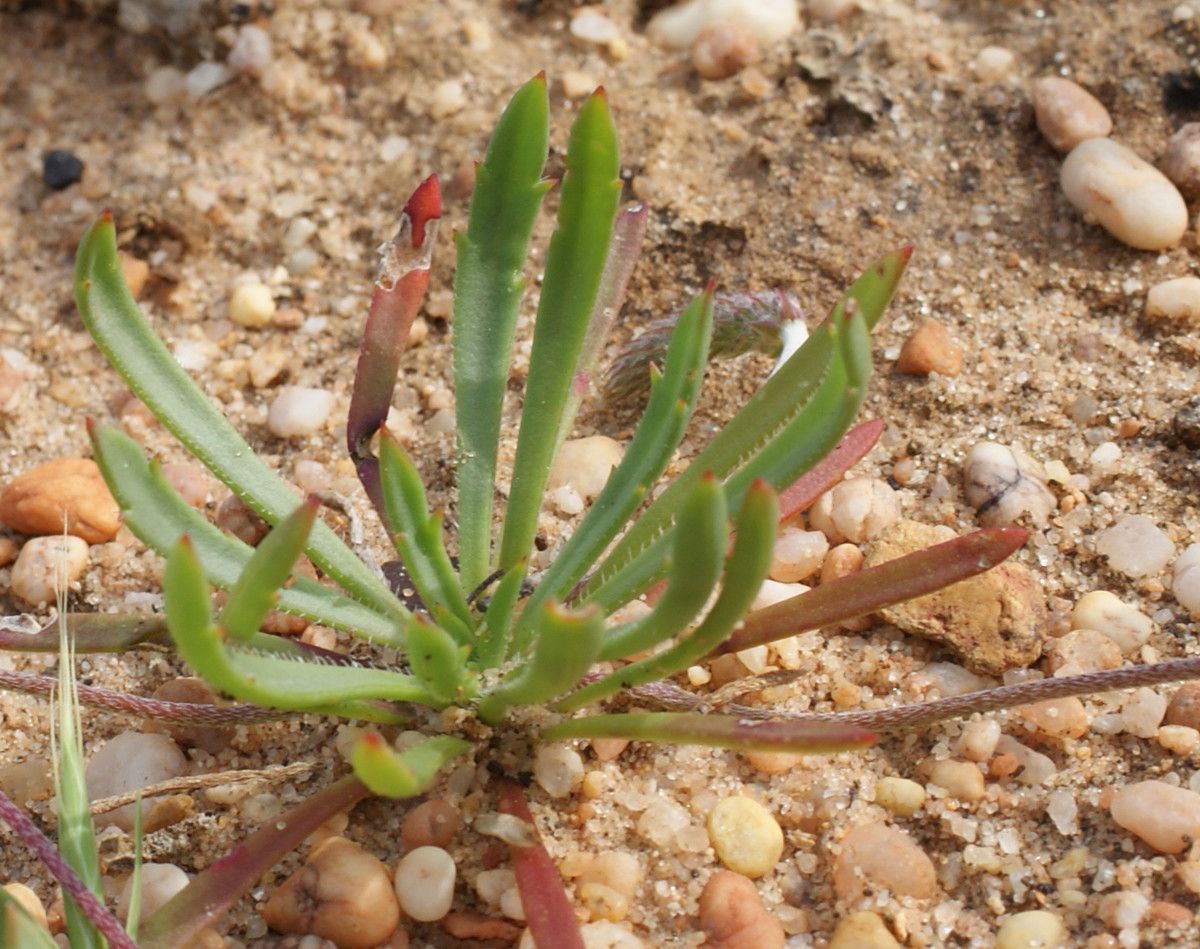
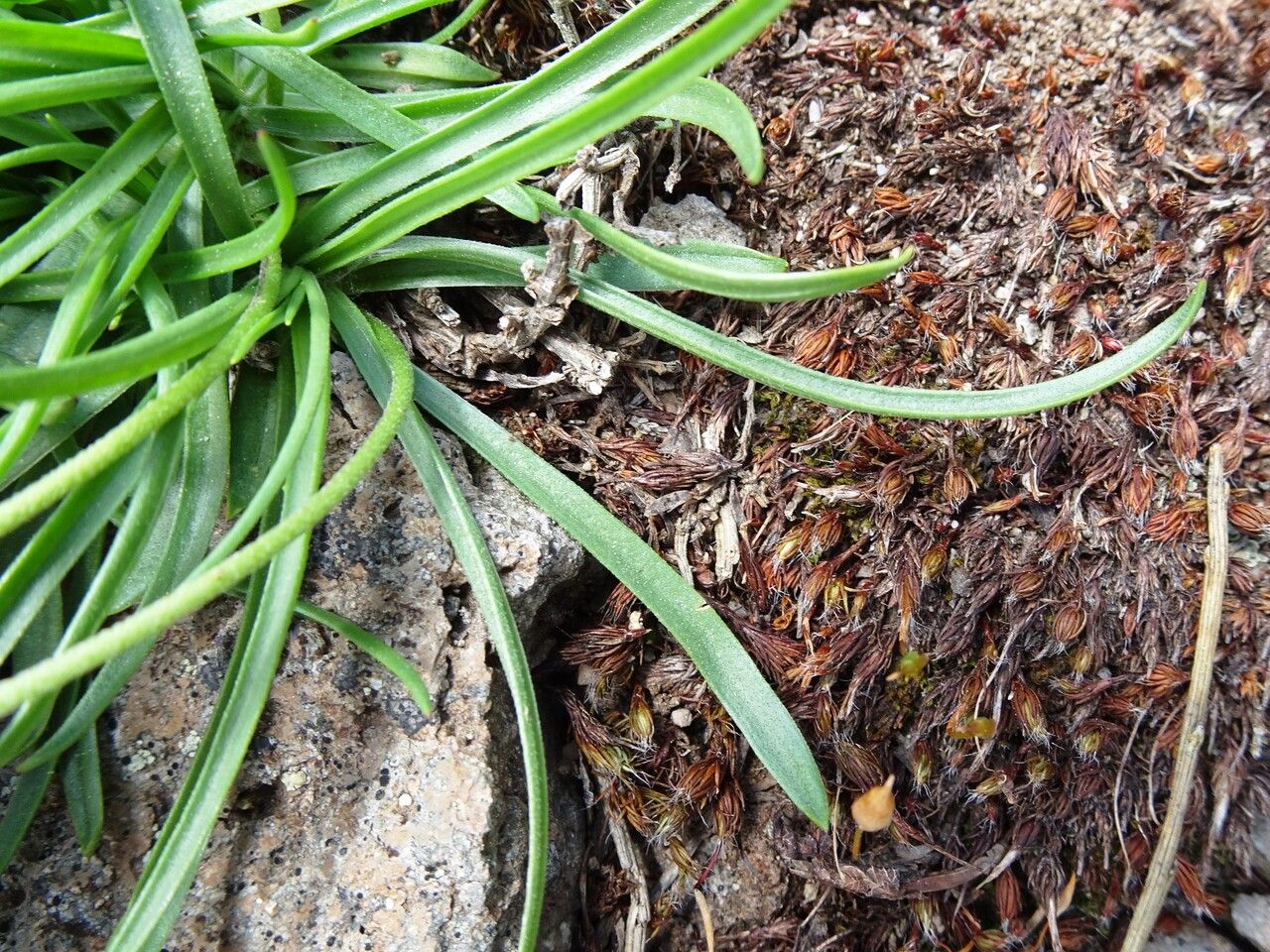
Plantago weldenii, commonly known as Welden's plantain, is a perennial herbaceous plant in the Plantaginaceae family. Native to the western United States, it thrives in various habitats, including meadows, grasslands, and open forests.
This plant features a basal rosette of lance-shaped leaves that can grow up to 20 cm long. The leaves have prominent veins and are covered in fine hairs. The plant's stem can reach heights of up to 60 cm, ending in dense spikes of small greenish-white flowers.
Welden's plantain has been used for medicinal purposes by Native Americans for centuries, primarily for its anti-inflammatory properties. It's a natural remedy for ailments such as coughs, colds, sore throats, and other respiratory issues.
The seeds of this species are an important food source for birds like finches, while its leaves are consumed by grazing animals such as deer and elk.
Overall, Welden's plantain is ecologically significant due to its role in providing habitat and food sources. It also holds historical medicinal value, having been used by humans for various treatments throughout history.
How to keep Plantago Weldenii.
Light
Welden's plantain is a sun-loving, perennial herbaceous plant native to open habitats and commonly found in meadows and grasslands. It prefers full sun but can also tolerate partial sun.
Temperature
Welden's plantain can tolerate a wide range of temperatures, though its distribution may still be restricted by different combinations of moisture and heat. It performs best in warm summer conditions with adequate rainfall or irrigation. Extended periods of cloudy, rainy weather or prolonged high temperatures increase the likelihood of Welden's plantain dying. In winter, protecting the plant from cold can improve its chances of survival.
Fertilizer
One fertilizer application in spring is generally enough for Welden's plantain, though repeated feedings can boost growth to its fullest. Fertilize every month to every month and a half. Feeding improves the leaves' appearance and function, encouraging even color and a healthy texture. It also promotes root development and nutrient uptake, supporting long-term plant health.
Botanical profile.
- Plant Type
- Herb
- Life Cycle
- Perennial
- Genus
- Plantago
- Family
- Plantaginaceae
- Hardiness Zone
- 7-10
- Mature Height
- 5 cm to 15 cm
- Mature Spread
- 10 cm to 20 cm
- Leaf Color
- Green
- Leaf Type
- Deciduous
- Flower Size
- 0.20 cm to 0.25 cm
- Bloom Time
- Mid spring, Late spring, Early summer
- Planting Time
- Spring, Autumn
- Harvest Time
- Summer
- Native Area
- Libya, Egypt, Tunisia, Turkey, Montenegro, Greece, Croatia, Slovenia, Morocco, Lebanon, Syria, Italy, Iran, Albania, Algeria, France
Other names.