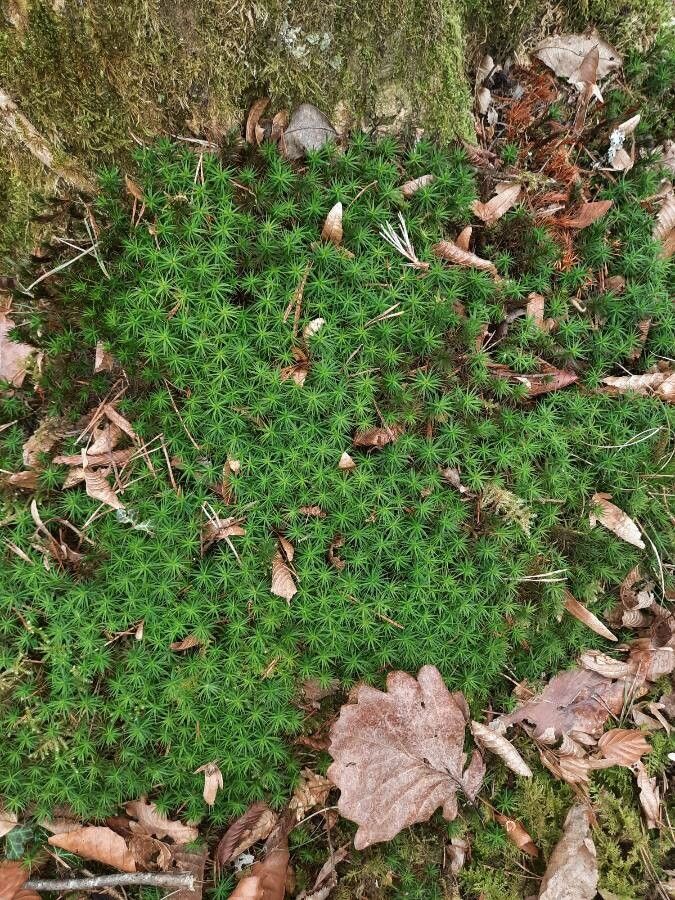
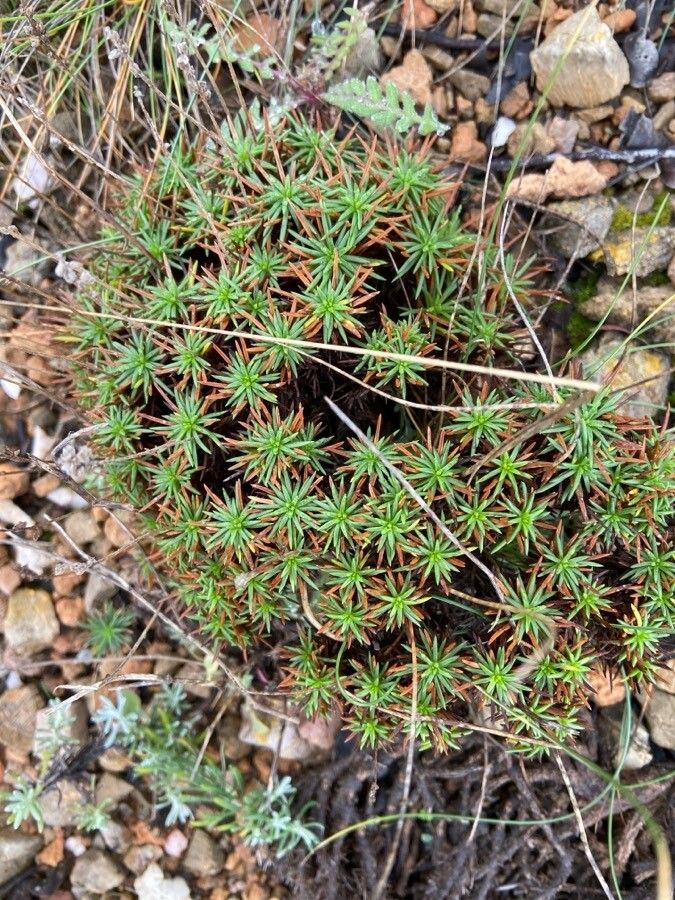
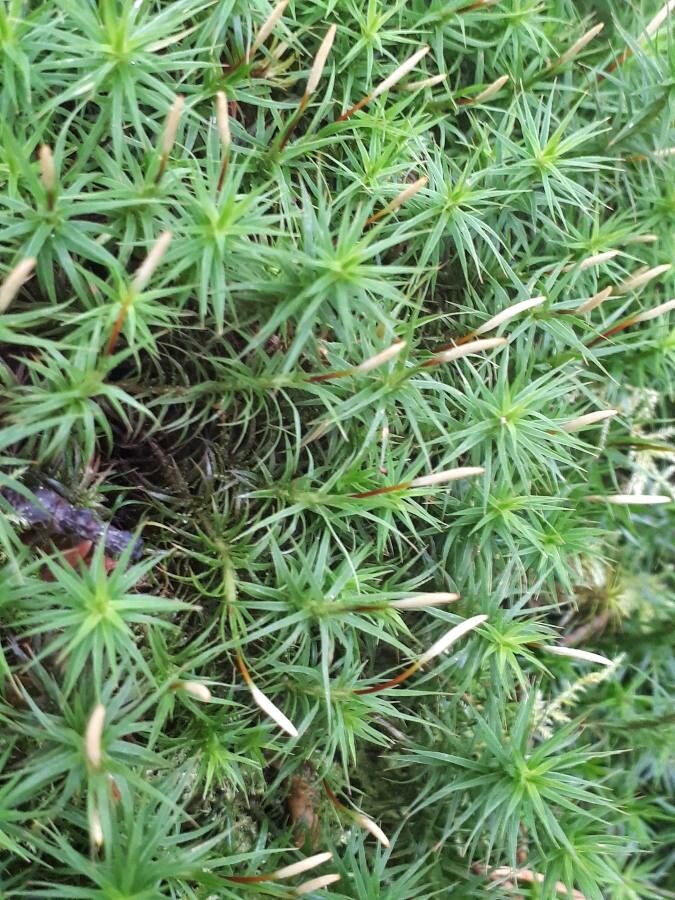
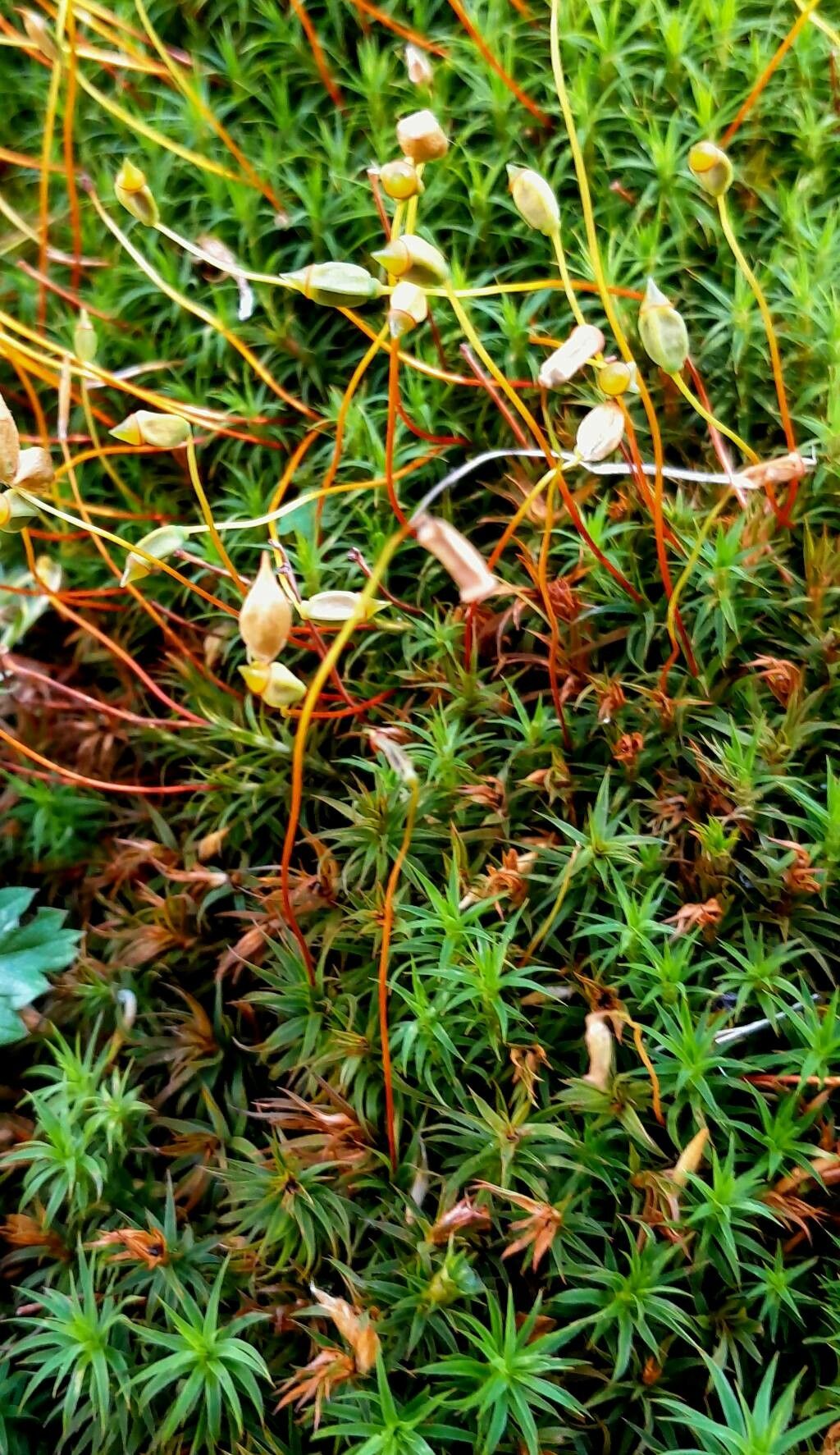
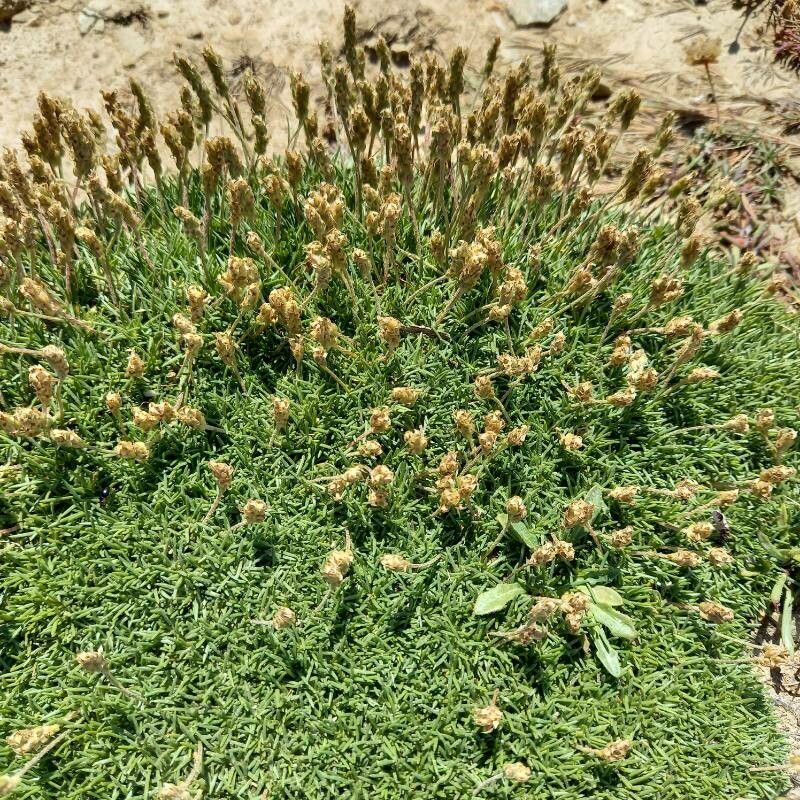
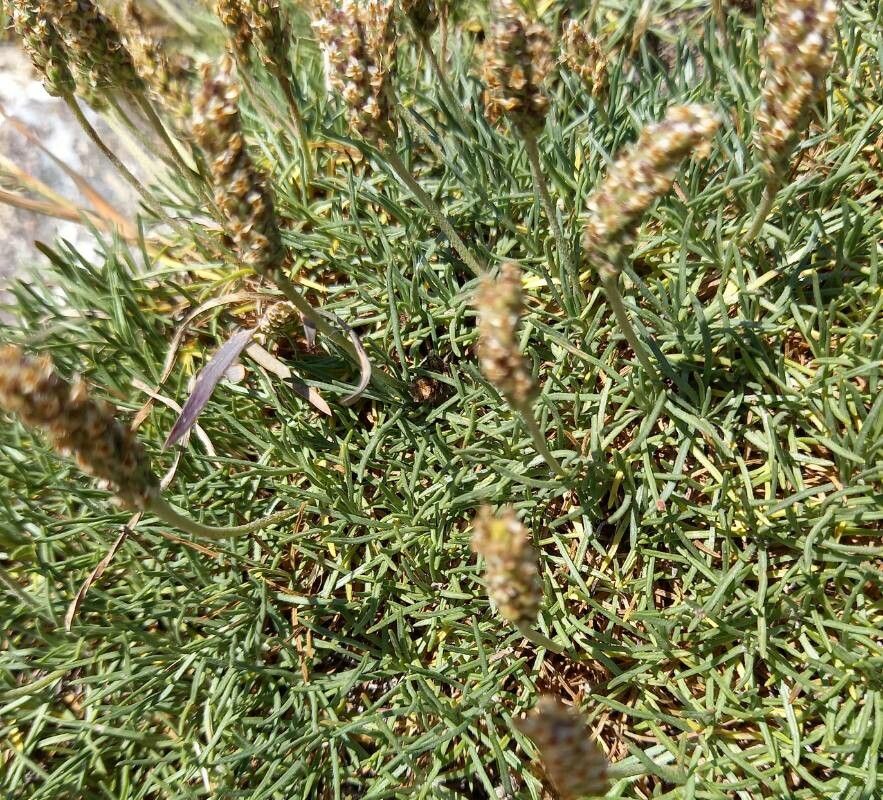
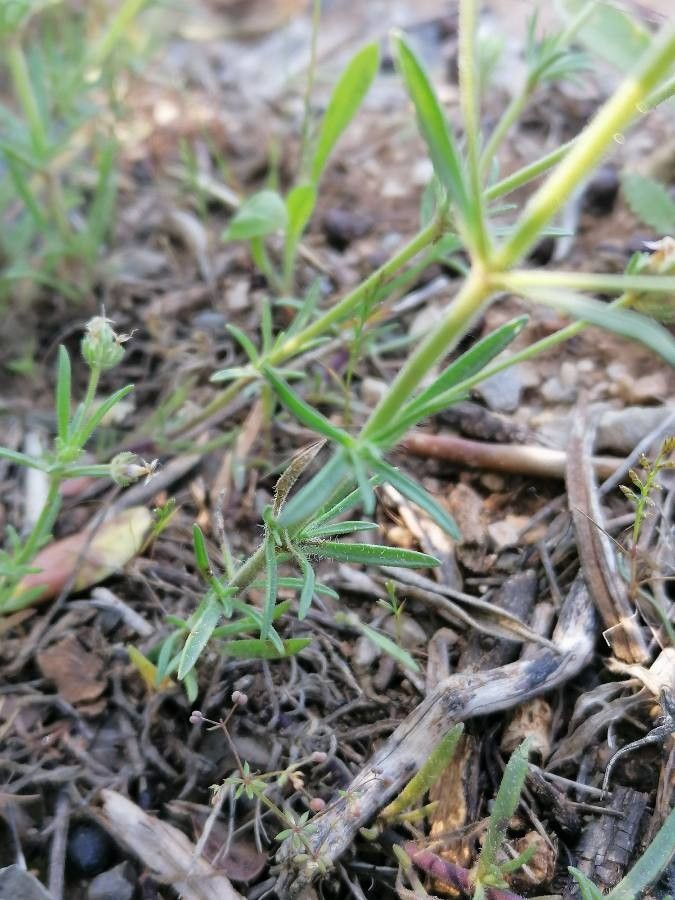
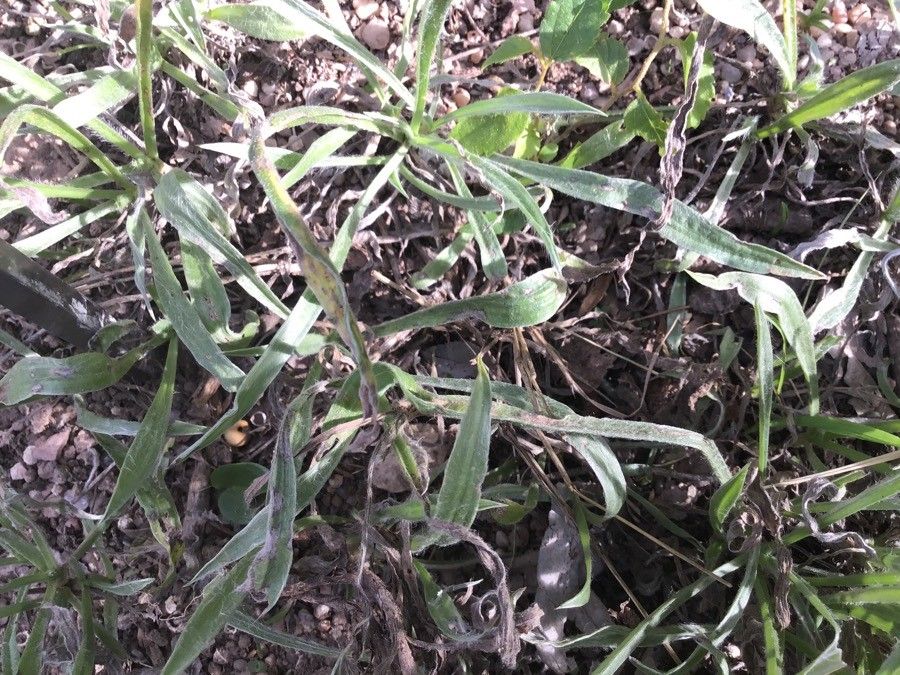
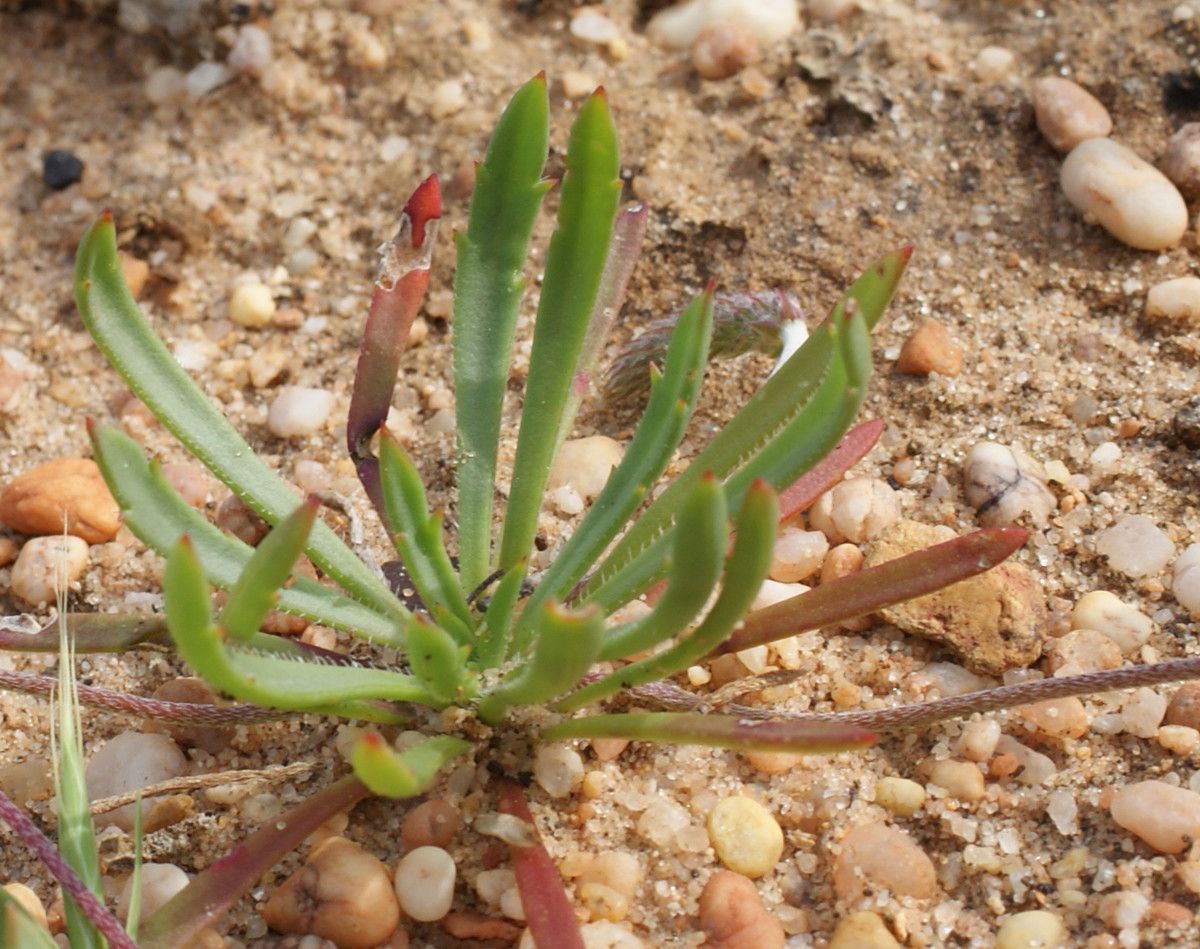
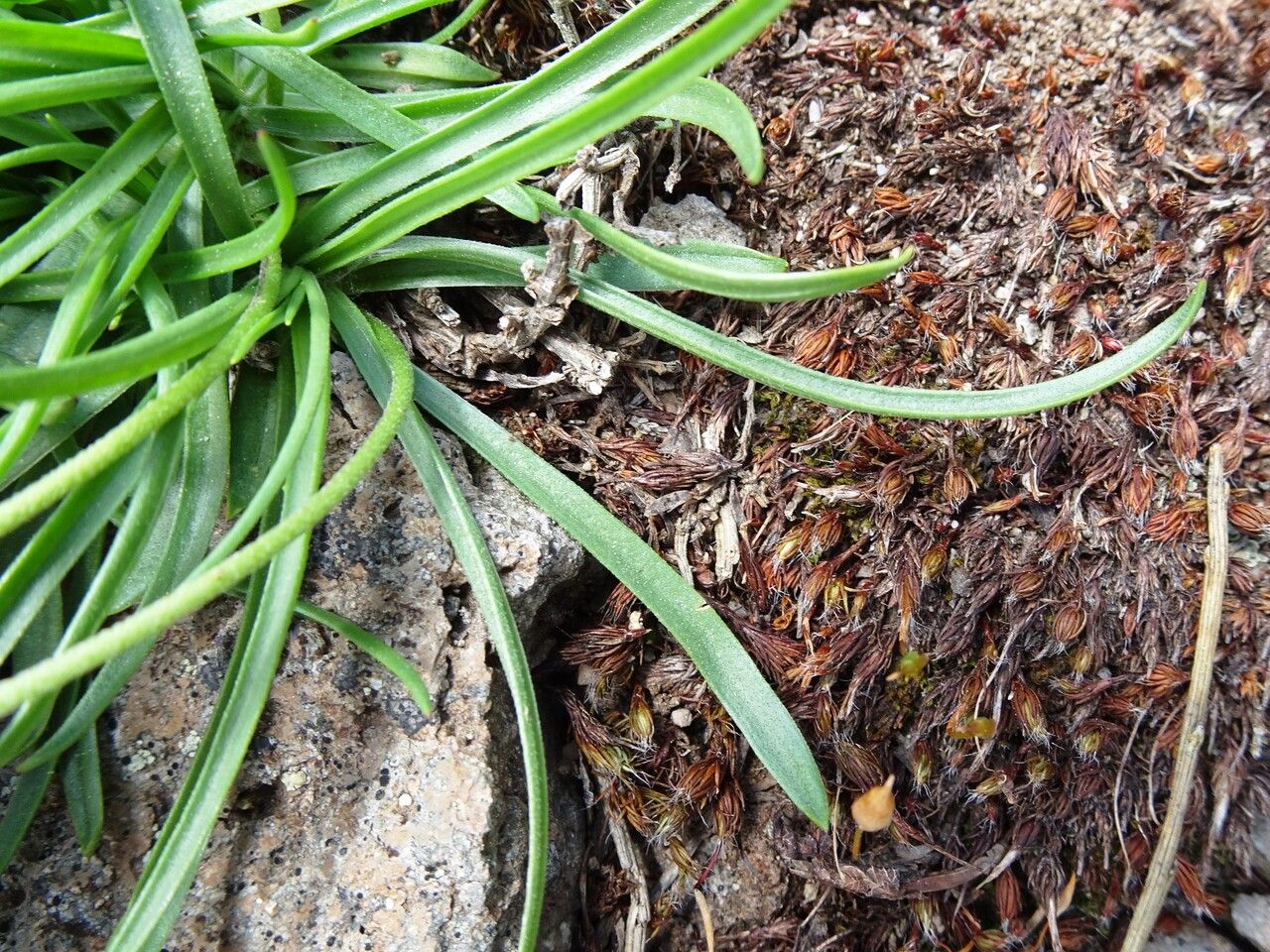
Plantago subulata, commonly known as the Desert Plantain, is a small, herbaceous perennial plant that belongs to the Plantaginaceae family. Native to North America, it can be found in arid regions such as deserts and dry grasslands. This plant features a rosette of narrow leaves that are about 2-5 cm long and 1-2 mm wide. The leaves are green with prominent veins running parallel to each other. The flowers of Plantago subulata are small, inconspicuous, and greenish-white. Native Americans have used the Desert Plantain for medicinal purposes for centuries, believing it has anti-inflammatory properties that can help with various ailments, such as sore throats, coughs, wounds, insect bites, and stings. In addition to its medicinal uses, Plantago subulata is also popular in landscaping due to its drought tolerance and low maintenance requirements. It can be grown in rock gardens or used as ground cover, thanks to its ability to spread quickly. Overall, the Desert Plantain (Plantago subulata) is a hardy plant with multiple uses, ranging from medicinal applications to landscaping. It plays an important role in the conservation efforts of North American flora biodiversity today.
Botanical profile.
- Plant Type
- Herb
- Life Cycle
- Perennial
- Genus
- Plantago
- Family
- Plantaginaceae
- Hardiness Zone
- 3-9
- Mature Height
- 18 cm
- Mature Spread
- 10 cm to 30 cm
- Leaf Color
- Green
- Leaf Type
- Semi-evergreen
- Flower Color
- White
- Flower Size
- 0.25 cm to 0.51 cm
- Bloom Time
- Mid spring, Late spring, Early summer
- Planting Time
- Spring, Summer, Autumn
- Harvest Time
- Summer
- Native Area
- Turkey, Morocco, Italy, Spain, Serbia, Montenegro, Bulgaria, Albania, Lebanon, Croatia, Slovenia, France
Other names.