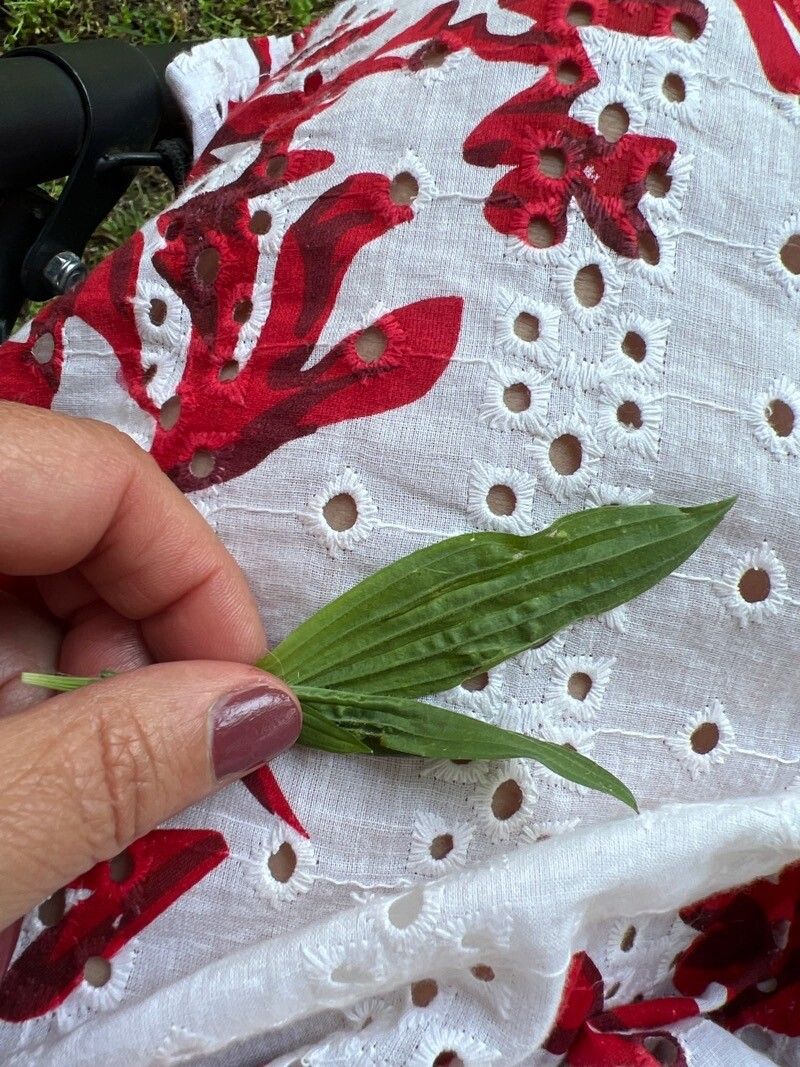
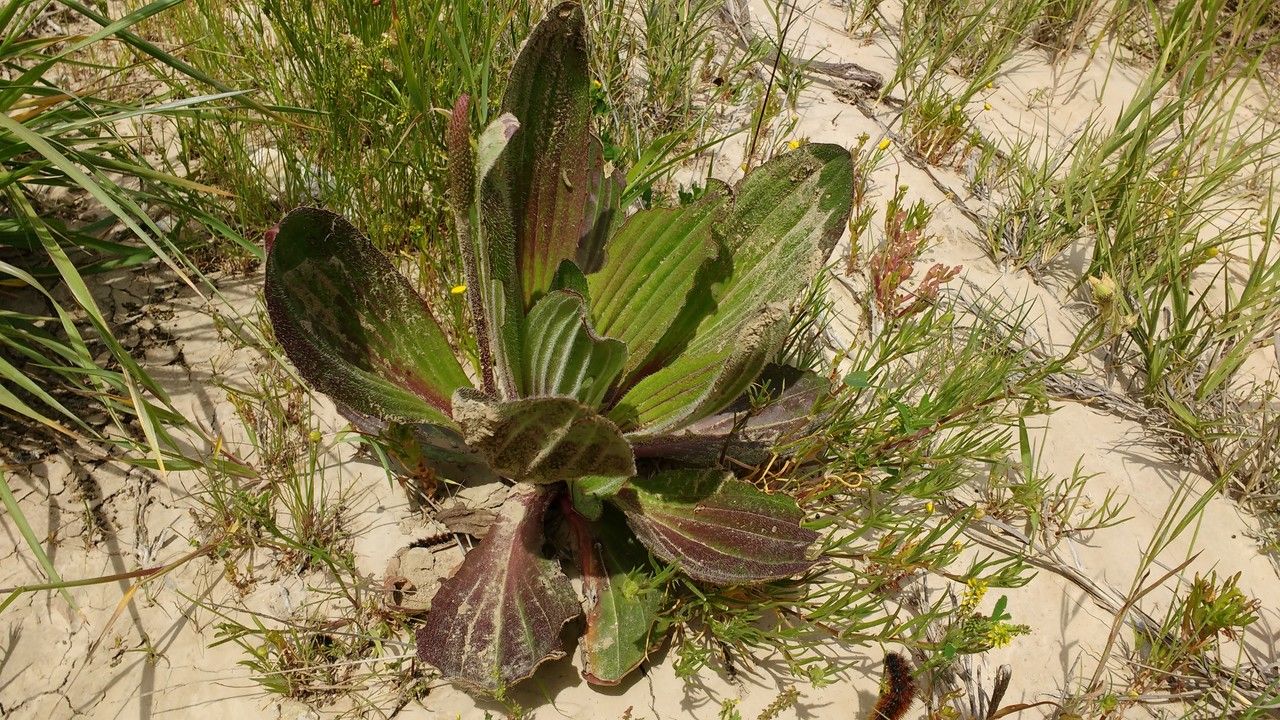
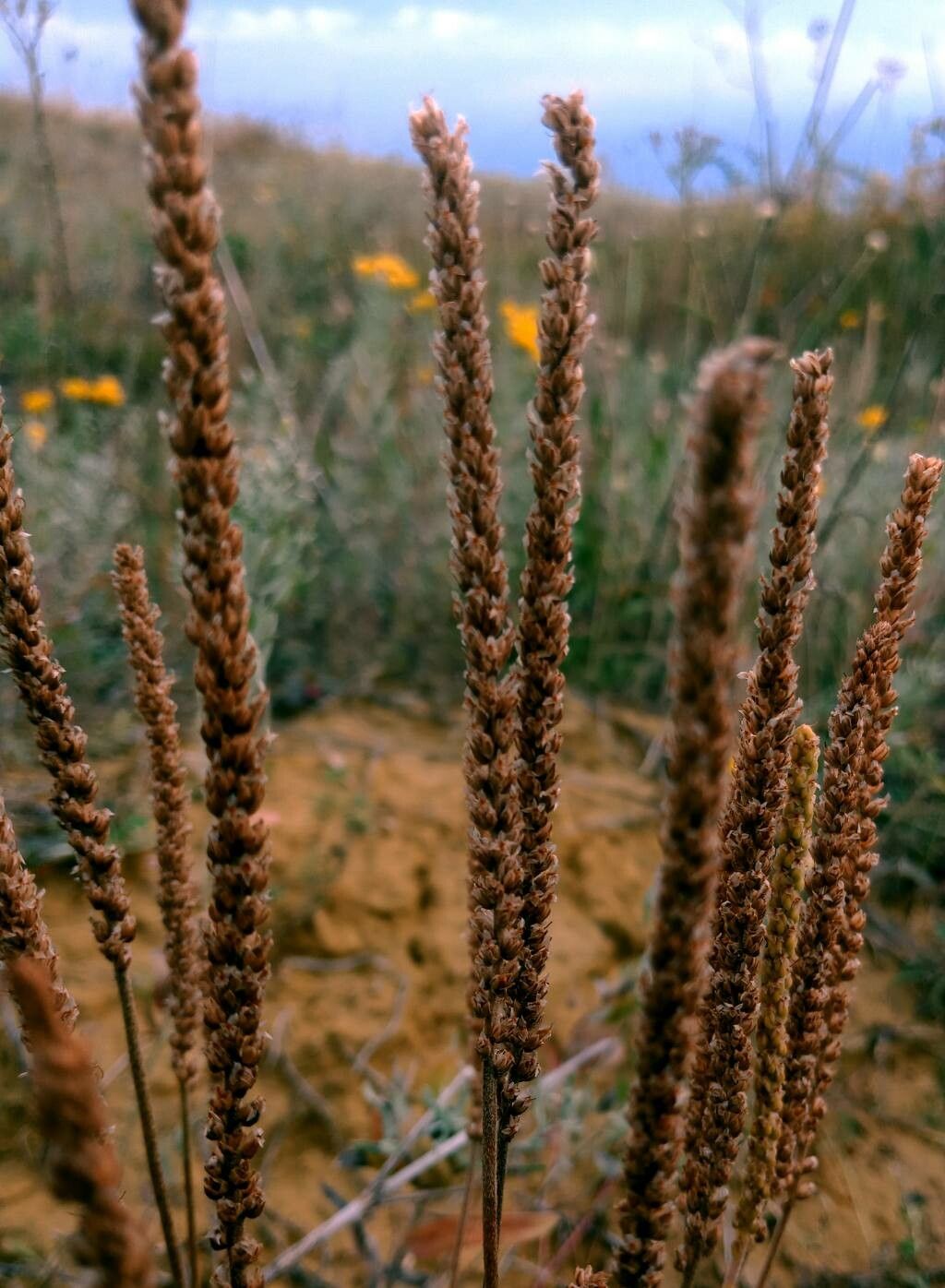
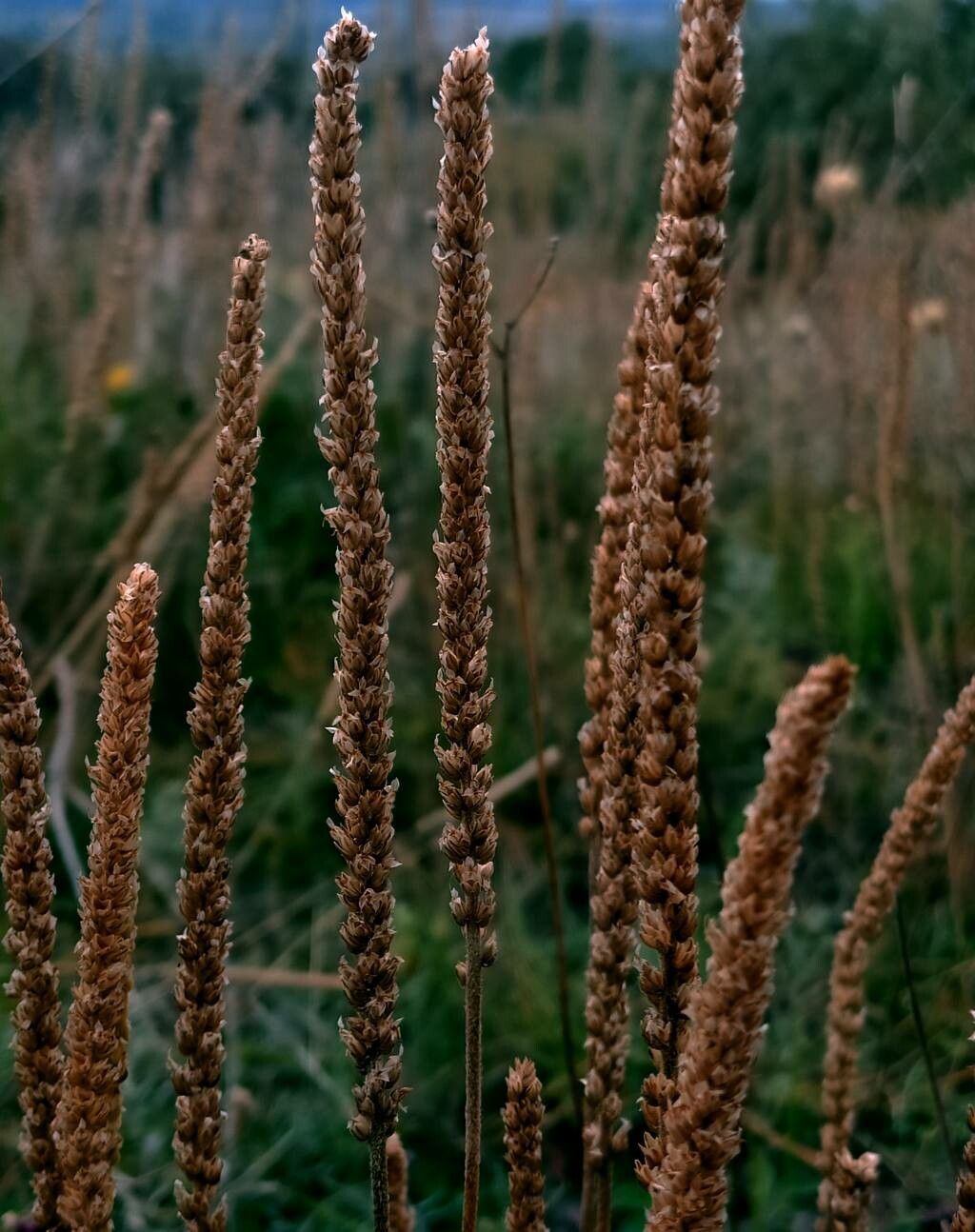
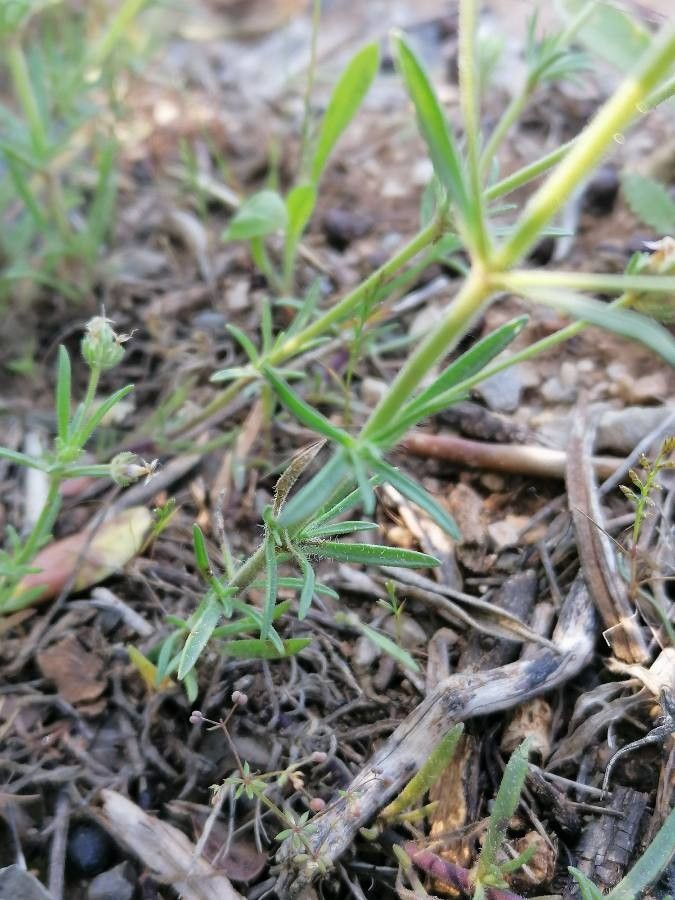
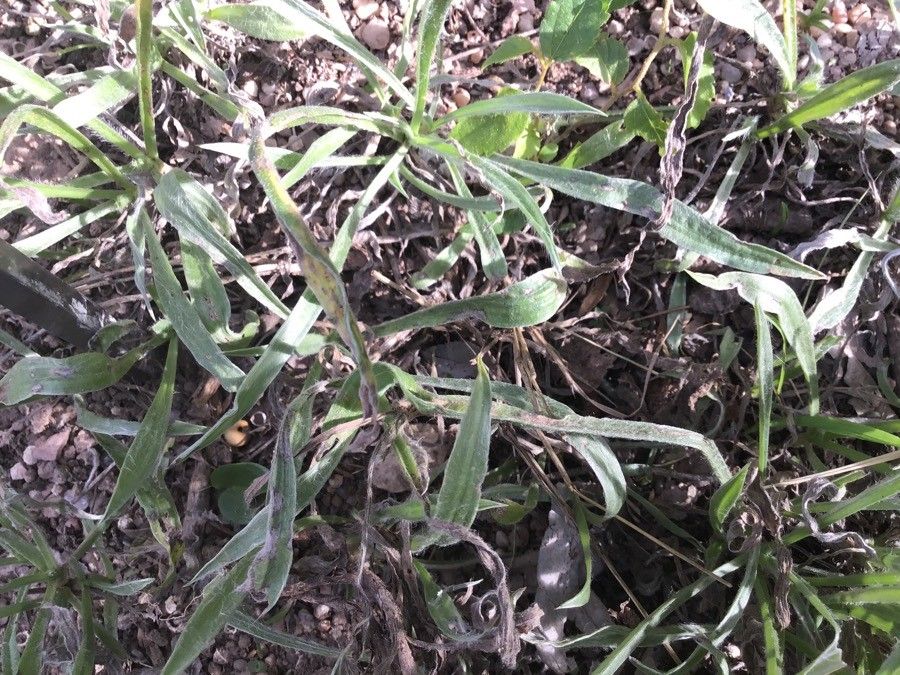
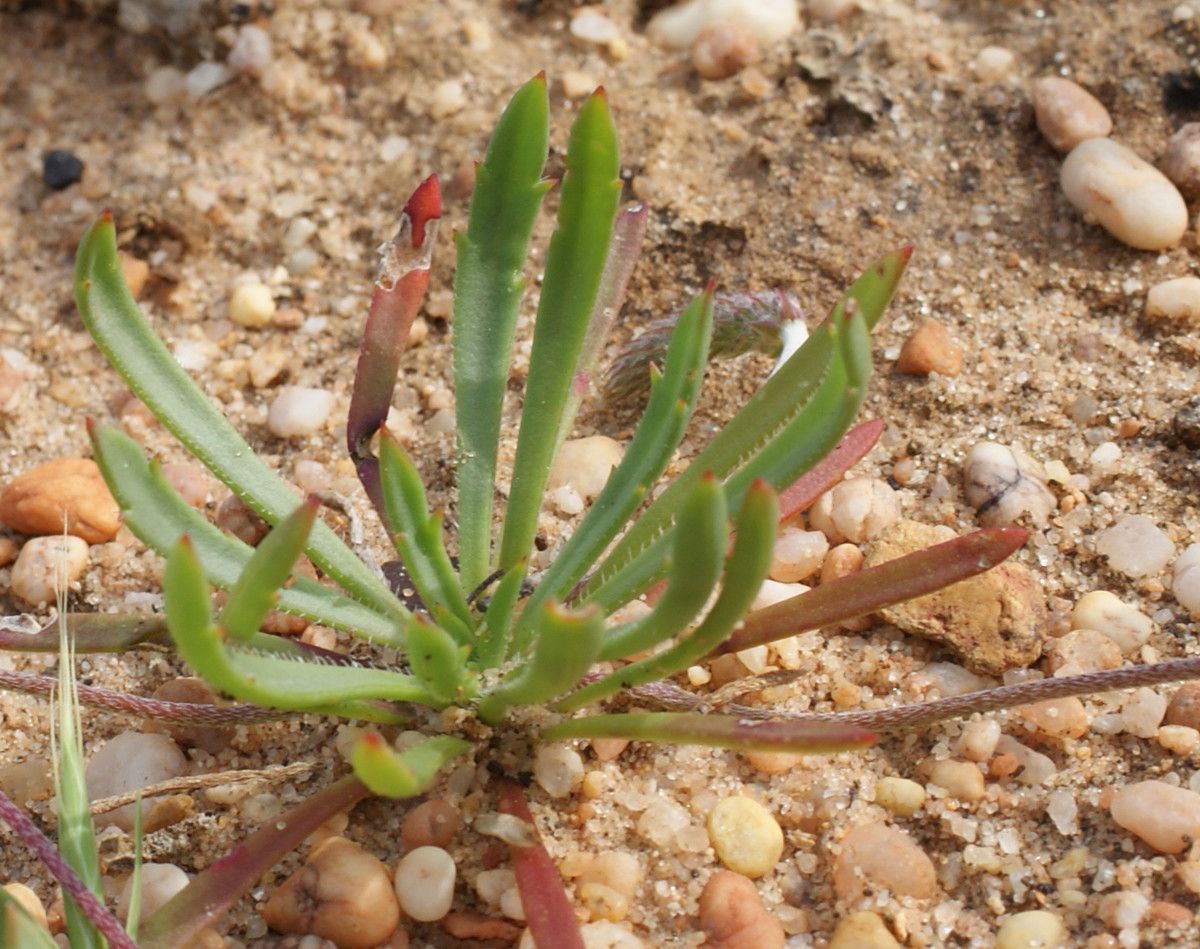
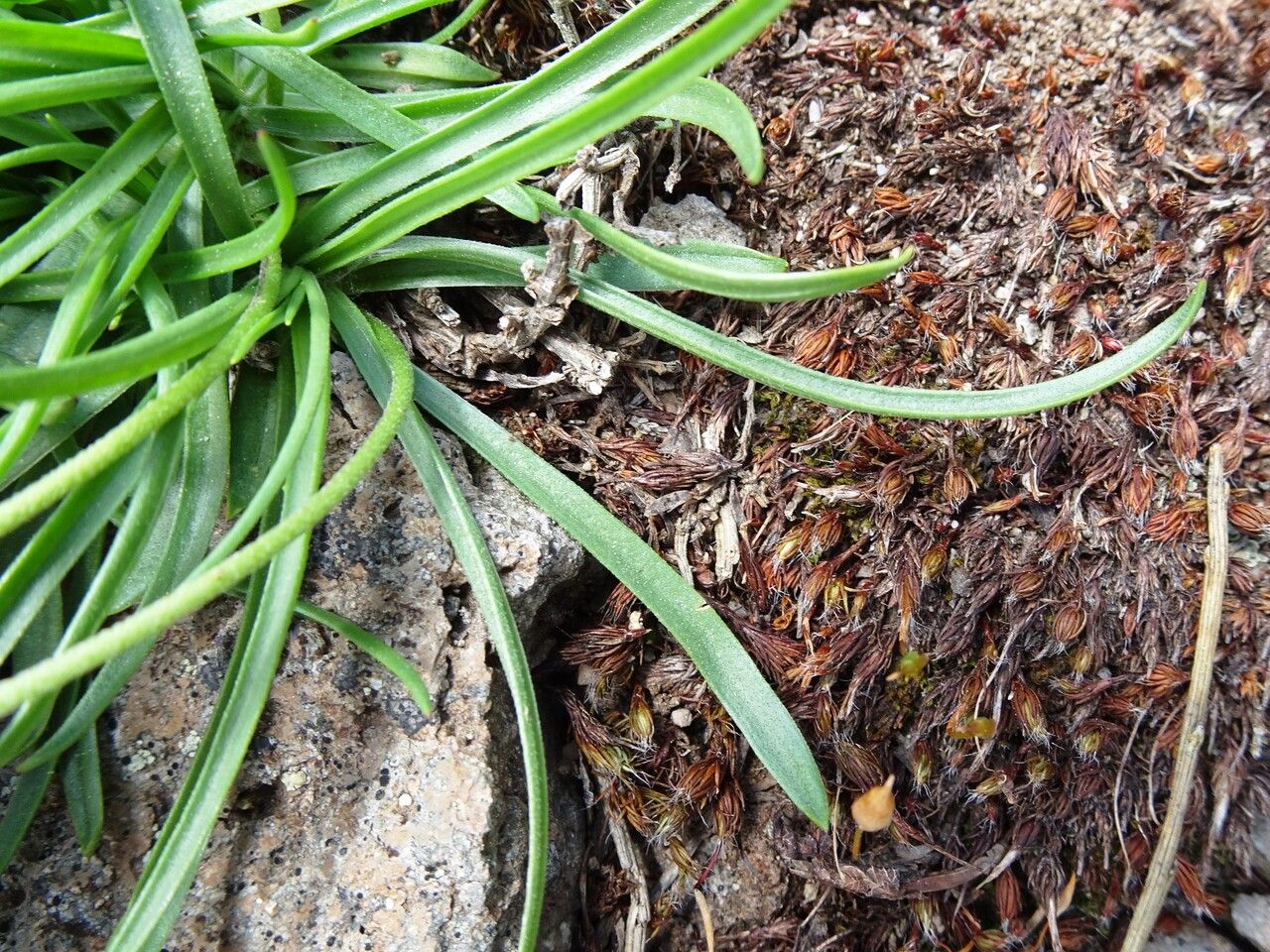
Plantago subnuda, commonly known as the naked-stemmed plantain, is a perennial herbaceous plant in the Plantaginaceae family. Native to North America, it thrives in various habitats including prairies, meadows, and open woods. This plant features a basal rosette of lance-shaped leaves that can grow up to 20 cm long. Its leafless stem can reach heights of up to 60 cm. The flowers, which are small and greenish-white, bloom from May through August. Used for centuries by Native Americans for its medicinal properties, the naked-stemmed plantain has been applied as a poultice for wounds, insect bites, stings, burns, and skin irritations due to its anti-inflammatory effects. Once established, this hardy perennial requires minimal maintenance. It prefers growing conditions with full sun or partial shade and well-drained soil. Additionally, it attracts pollinators such as bees and butterflies, making it a valuable addition to any garden or natural area. Overall, Plantago subnuda is an attractive native wildflower with medicinal properties, making it an excellent choice for gardeners seeking low-maintenance plants that offer both beauty and functional benefits to their landscapes.
Tall coastal plantain is fairly disease-resistant and generally not prone to illnesses. However, it can be affected by pests and diseases present in its environment. Such infections are usually mild. For care, this plant needs moderate maintenance. It should be pruned regularly to keep a neat appearance and encourage healthy growth. Fertilizing can also help stimulate flowering. Tall coastal plantain is well suited to anyone with an outdoor area, like a garden or patio, and does not demand extensive care experience. It may need extra attention if grown indoors.
How to keep Plantago Subnuda.
Light
Tall coastal plantain originates from habitats like forest understories or rocky areas, where it grows in natural shade. It prefers partial sun but can tolerate full sun or full shade, illustrating its adaptable, hardy nature.
Temperature
Tall coastal plantain can tolerate a wide range of temperatures, but its distribution may still be constrained by different combinations of moisture and heat. It does best in warm summer climates with sufficient rainfall or watering. Extended stretches of cloudy, rainy weather, as well as prolonged high temperatures, can raise the likelihood of Tall coastal plantain dying. In winter, protecting it from cold can improve its chances of survival.
Fertilizer
One fertilizer application in spring is generally enough for Tall coastal plantain, though several feedings can maximize growth. Feed every month to every month and a half. Fertilizing improves leaf appearance and function, helping maintain even color and a healthy texture. It also promotes root growth and nutrient uptake for the plant's long-term health.
Pruning
Tall coastal plantain features a tall and tufted growth habit, requiring minimal pruning, ideally performed in early spring. Trim any dead or damaged leaves to encourage new growth, but avoid excessive cutting. Regular pruning helps prevent overcrowding, enhances air circulation, and reduces the risk of disease. For more detailed care, follow horticultural guidelines.
Botanical profile.
- Plant Type
- Herb
- Life Cycle
- Perennial
- Genus
- Plantago
- Family
- Plantaginaceae
- Hardiness Zone
- 7-10
- Mature Height
- 30 cm to 61 cm
- Mature Spread
- 20 cm to 40 cm
- Leaf Color
- Green, Dark Green
- Leaf Type
- Deciduous
- Flower Size
- 0.20 cm to 0.25 cm
- Bloom Time
- Mid spring, Late spring, Early summer
- Planting Time
- Spring, Summer, Autumn
- Harvest Time
- Summer
Other names.