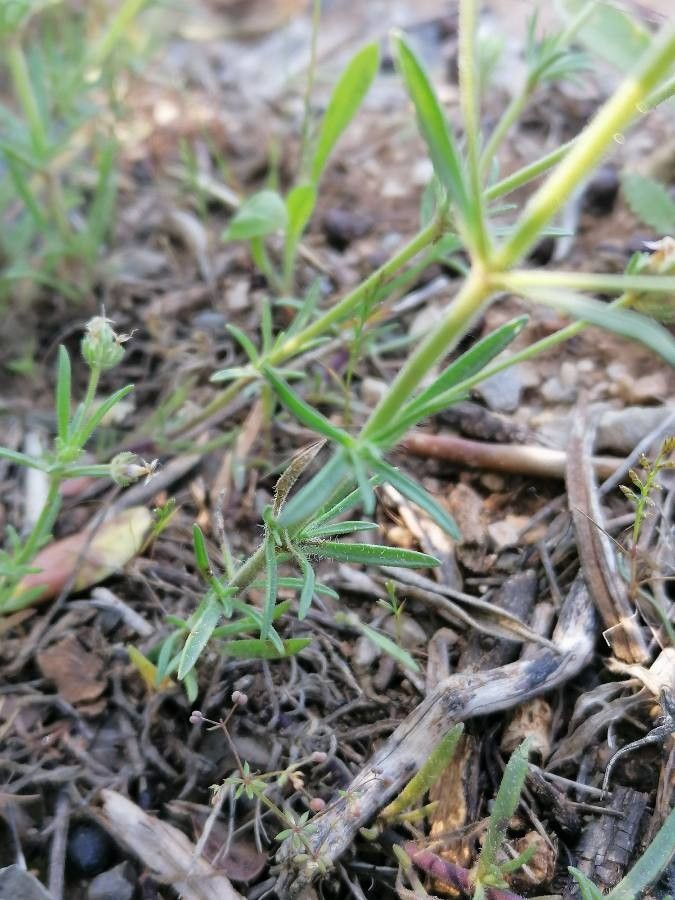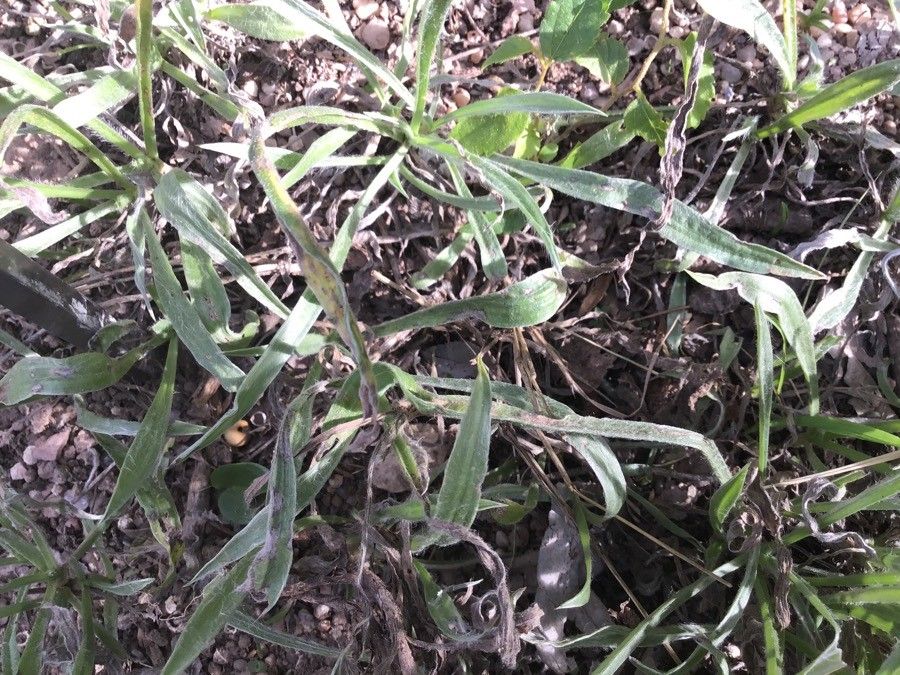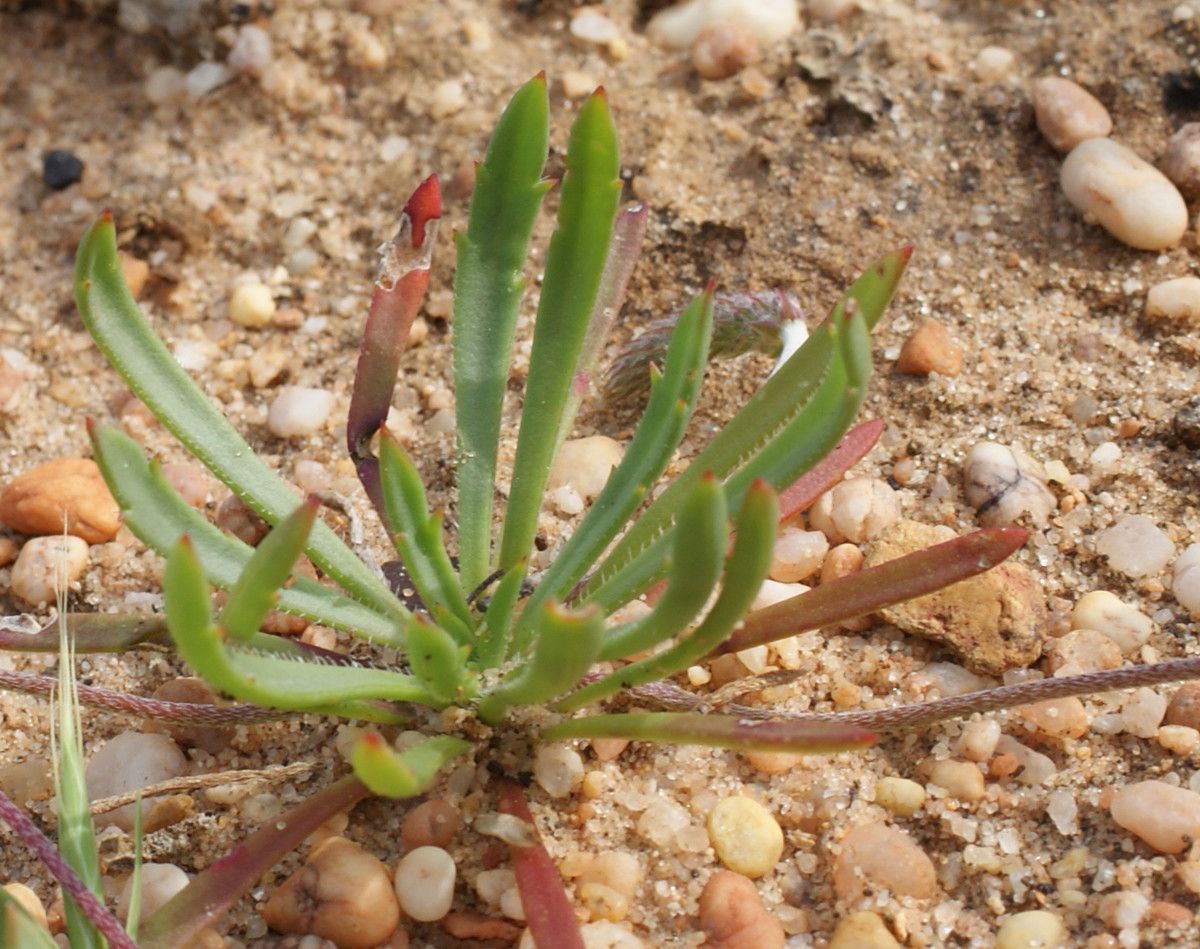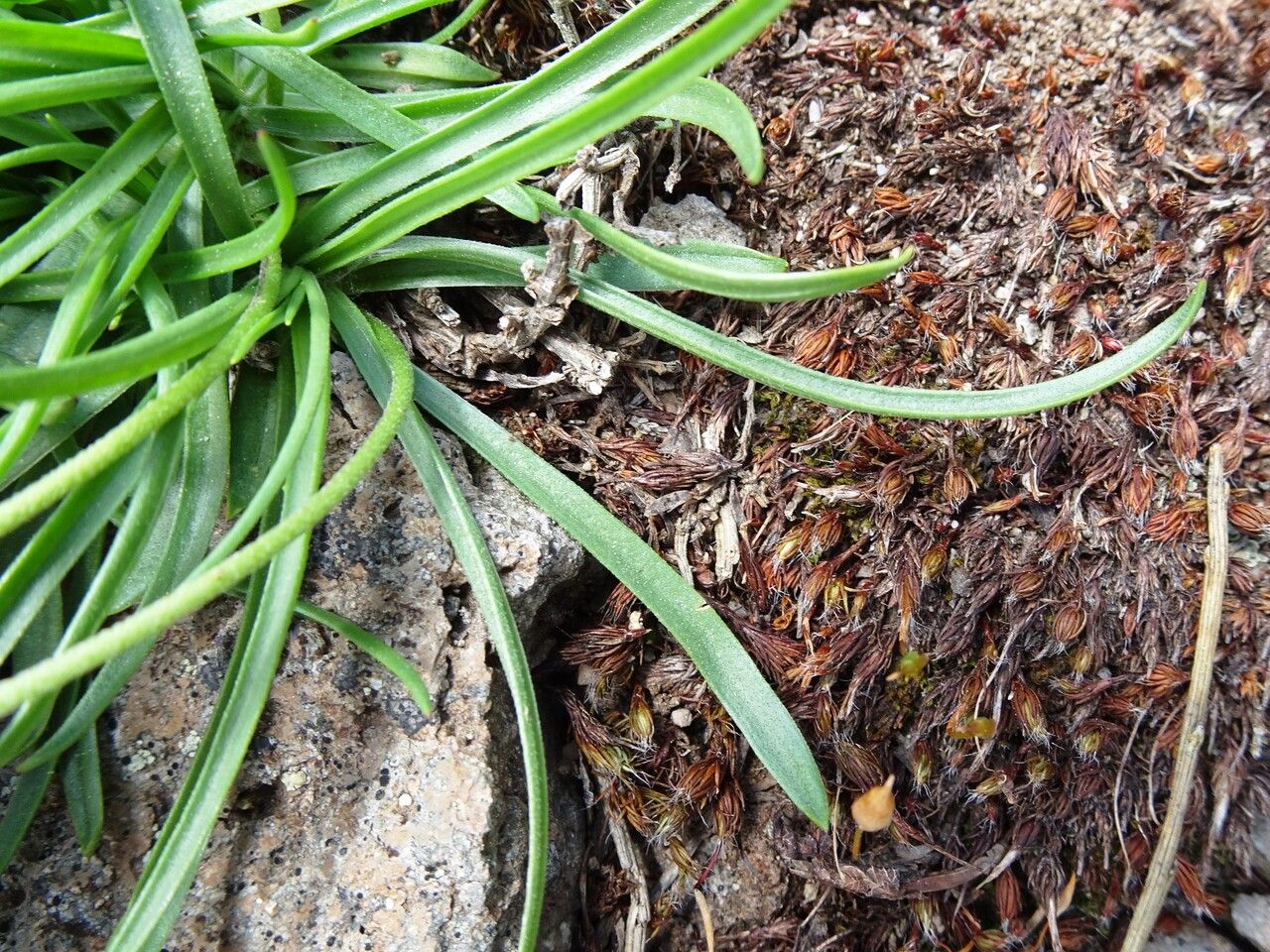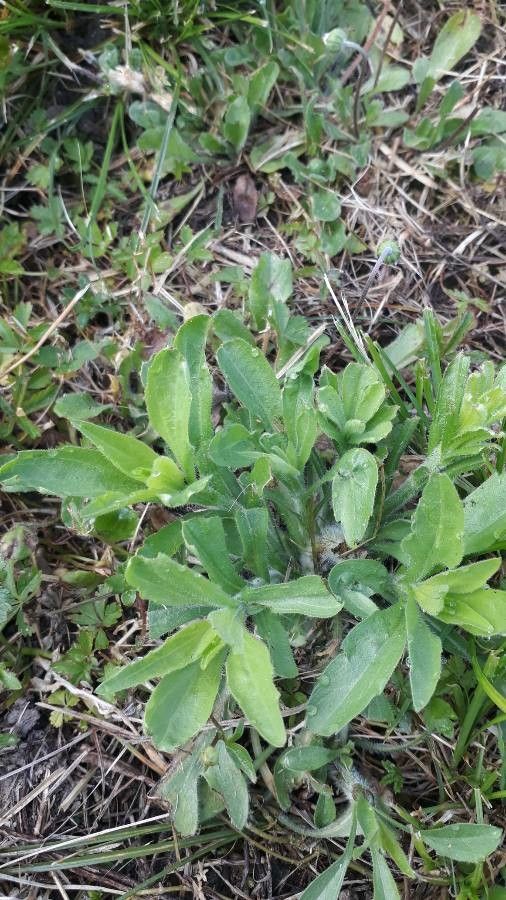
Plantago rhodosperma, commonly known as Redseed Plantain, is a perennial herbaceous plant that belongs to the Plantaginaceae family. Native to North America, it thrives in various habitats such as meadows, fields, and roadsides. The plant can grow up to 30 cm tall and features a basal rosette of lance-shaped leaves with prominent veins and a slightly hairy texture.
Redseed Plantain produces small flowers arranged in dense spikes at the top of long stems. These flowers, typically greenish-white or yellowish-green, have four petals. After flowering, the plant forms small capsules containing numerous tiny seeds that are reddish-brown in color.
For centuries, Native Americans have utilized Redseed Plantain for its medicinal properties, treating ailments such as coughs, wounds, and skin irritations due to its anti-inflammatory effects.
Beyond its medicinal uses, this plant is also an important food source for wildlife, with birds feeding on its seeds and deer grazing on its leaves.
In summary, Redseed Plantain is a significant perennial herb with valuable medicinal properties and ecological importance, making it an essential component of many ecosystems across North America.
Redseed plantain is fairly disease-resistant and generally not prone to illness. Still, it can be vulnerable to pests and diseases present in its environment. These problems are usually mild. For care, the plant requires moderate maintenance. It should be pruned regularly to keep a tidy appearance and encourage healthy growth. Fertilizing can also aid flowering. Redseed plantain is suitable for anyone with outdoor space like a garden or patio and does not demand extensive care experience. It may need more attention when grown indoors.
How to keep Plantago Rhodosperma.
Light
Redseed plantain comes from bright, open habitats and does best in full sun. It can tolerate partial sun but favors direct sunlight for optimal growth. This annual and biennial plant is known for its sun-loving nature.
Water
The Redseed Plantain, a plant native to arid regions, exhibits exceptional drought tolerance and requires minimal water. It should be watered once a week, taking care to avoid over-saturation. Although it can be grown indoors, the Redseed Plantain flourishes outdoors, where it benefits from natural rainfall and fresh air, aligning with its preference for drier conditions.
Temperature
Redseed plantain originates in regions with temperatures between 68 and 100.4 °F (20 to 38 ℃). It can tolerate varying temperatures, making it suitable for a wide range of environments.
Fertilizer
Redseed plantain benefits from regular, dilute fertilizer applications to encourage healthy leaf growth. You should apply fertilizer about once a month during the summer. Nitrogen is important for foliage, and adding nitrogen-rich sources helps Redseed plantain thrive.
Pruning
The Redseed Plantain is characterized by its lance-shaped leaves and dense flowers. It requires seasonal pruning from early to late spring. To promote growth, improve air circulation, and minimize the risk of disease, remove any dead foliage. Be sure to use clean, sharp tools and manage overcrowded stems to ensure healthy development.
Botanical profile.
- Plant Type
- Herb
- Life Cycle
- Annual
- Genus
- Plantago
- Family
- Plantaginaceae
- Hardiness Zone
- 11
- Mature Height
- 30 cm
- Mature Spread
- 30 cm
- Leaf Color
- Green, Dark Green
- Leaf Type
- Semi-evergreen
- Flower Color
- White
- Flower Size
- 20.32 cm
- Bloom Time
- Spring
- Planting Time
- Spring, Autumn
- Harvest Time
- Late spring, Early summer, Mid summer
- Native Area
- Bahamas, Mexico
Other names.
Reader questions.
What is the native temperature range for Redseed plantain?
Redseed plantain is native to regions where temperatures typically range from 68 to 100.4 °F (20 to 38 °C). This range allows it to adjust to varying temperatures, highlighting its adaptability to a wide range of environments. Due to its heat-loving nature, it thrives in warm conditions, but it's highly sensitive to cold. During cooler months, particularly in autumn, it's advisable to move outdoor Redseed plantain plants indoors, placing them near a bright window while ensuring they are not too close to heaters to avoid damage. It's crucial to maintain the temperature above 20°C during winter to facilitate healthy growth, as any exposure to temperatures around or below 10°C can be harmful to the plant.
How should I care for Redseed plantain in low temperatures?
In low temperatures, Redseed plantain's preference for warmth becomes evident, as it is not tolerant of cold. Ideally, the environment should be kept above 20°C to ensure the plant's well-being. If temperatures drop below 5°C, you may notice that the leaves start to lighten in color. Frost can further damage the plant, causing the leaves to turn brown or black and leading to wilting and drooping. To mitigate cold damage, immediately trim off frost-damaged sections and move the plant indoors to a warmer spot. Placing the plant near a south-facing window is ideal for ample sunlight exposure. However, ensure it's not placed too close to heaters or air conditioners to avoid dry air, which could exacerbate the problem.
What are the effects of high temperature on Redseed plantain and how can it be managed?
During the warmer months, it's important to ensure that the temperature around Redseed plantain doesn't exceed 38°C. Exposure to temperatures above 43°C can cause the leaves to lighten in color and increase susceptibility to sunburn. Managing high-temperature stress involves trimming away sunburned and dried portions of the plant. To protect it from the harshest rays, moving the plant to a shaded location, especially during the midday and afternoon sun, is beneficial. Additionally, watering the plant in the morning and evening helps keep the soil adequately moist, preventing damage from excessive heat.