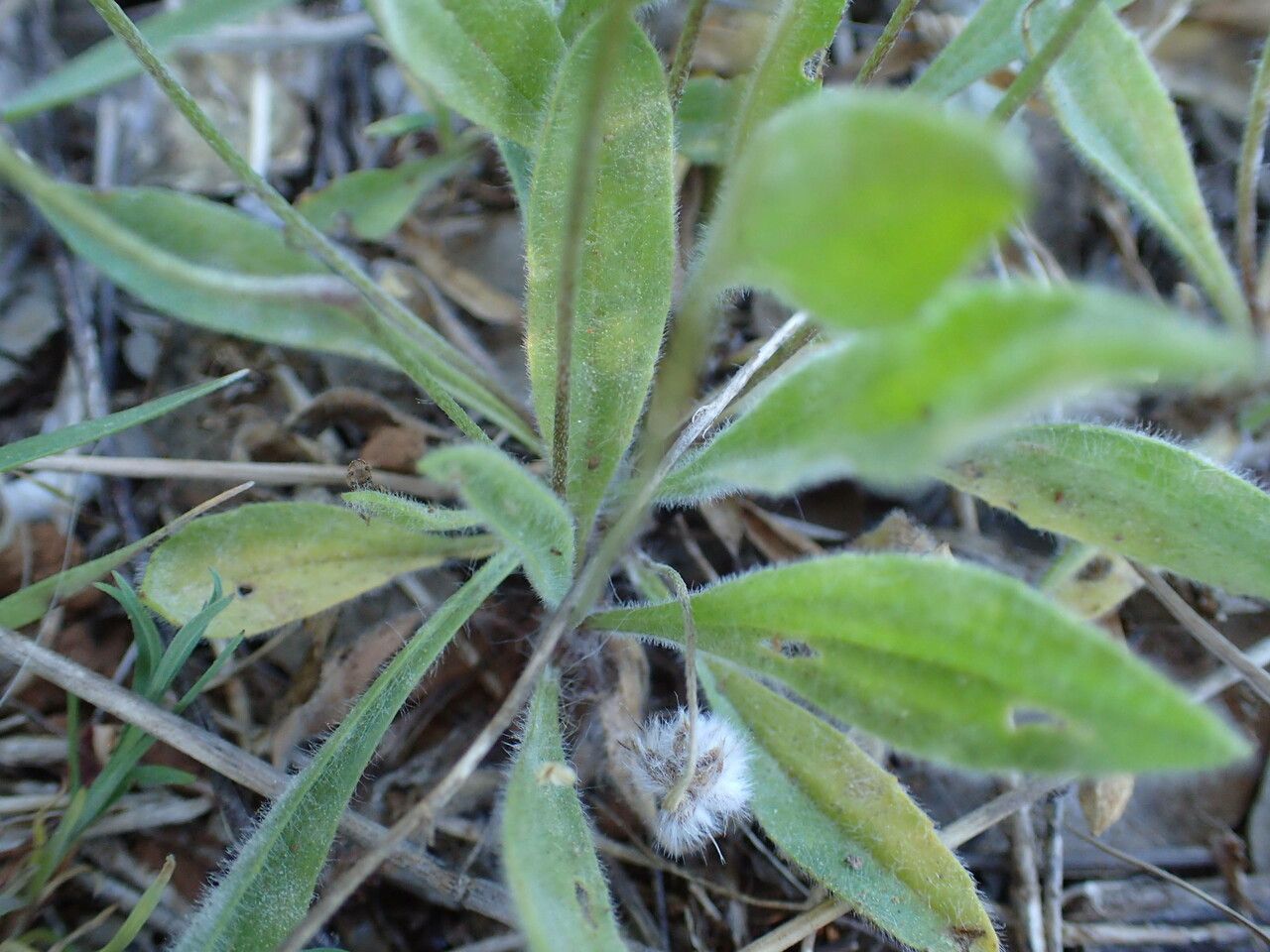
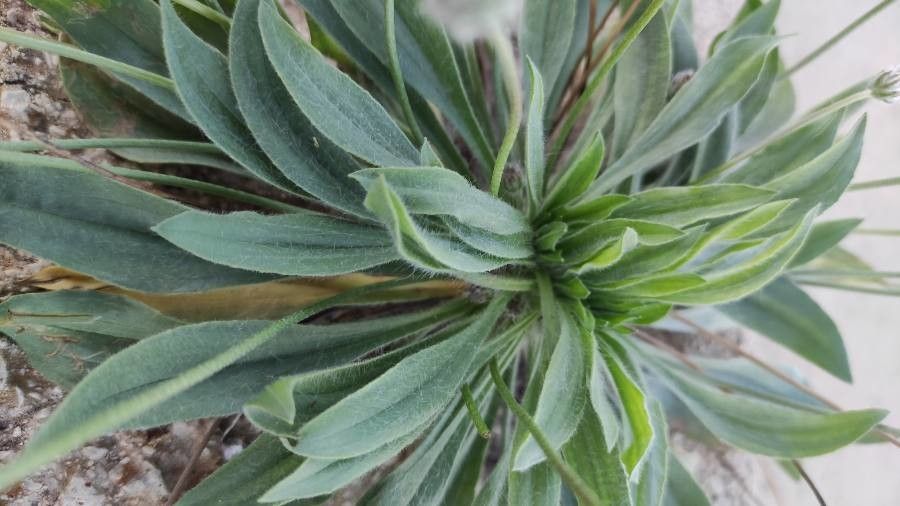
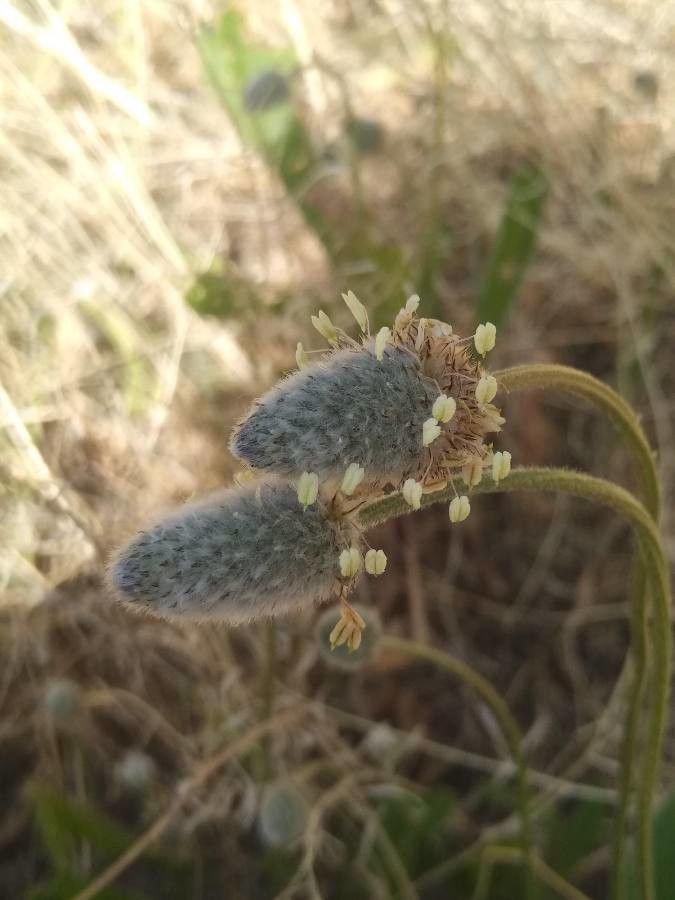
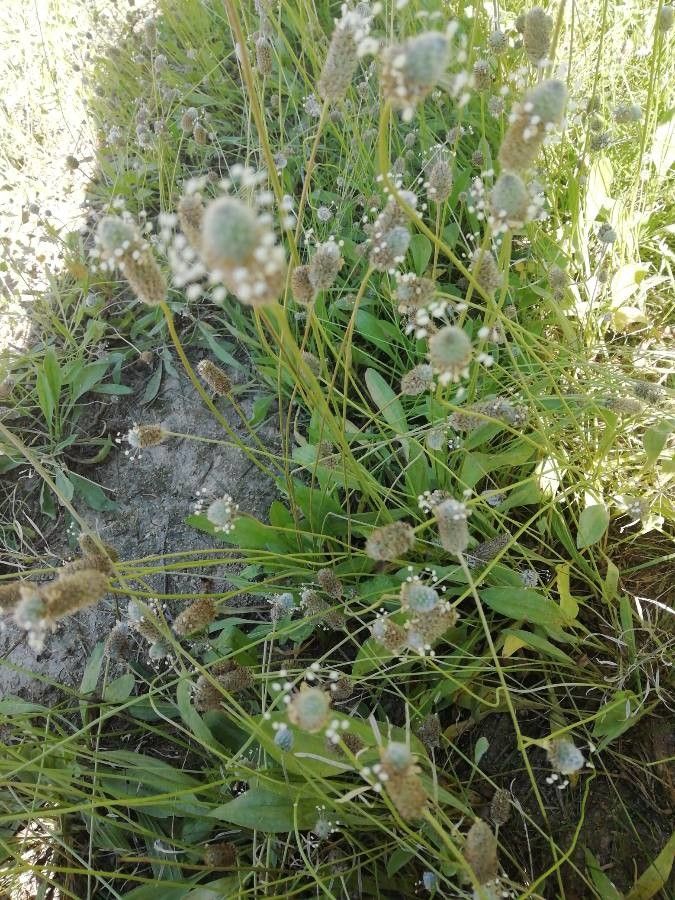
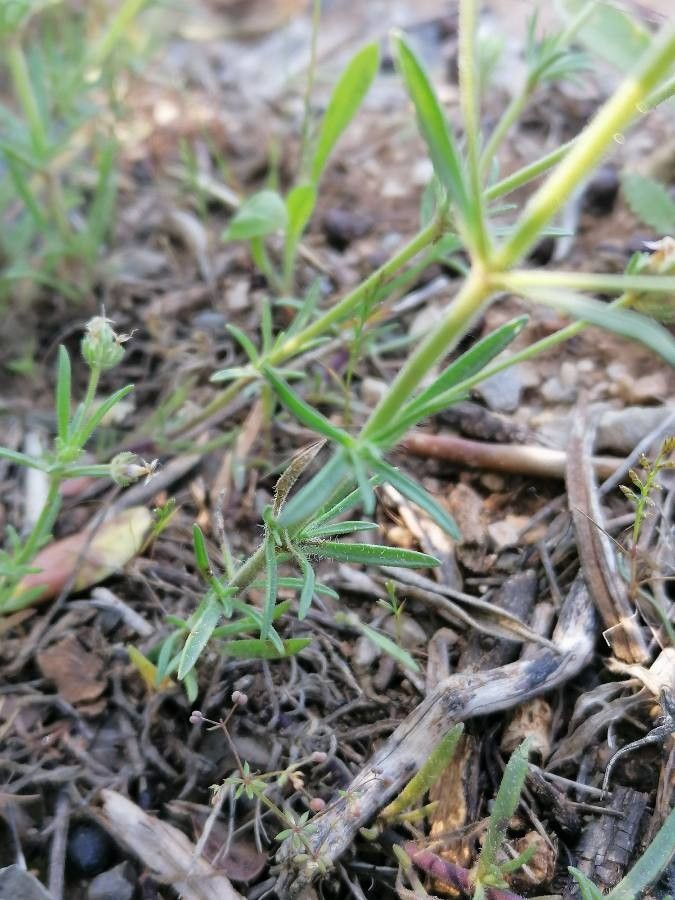
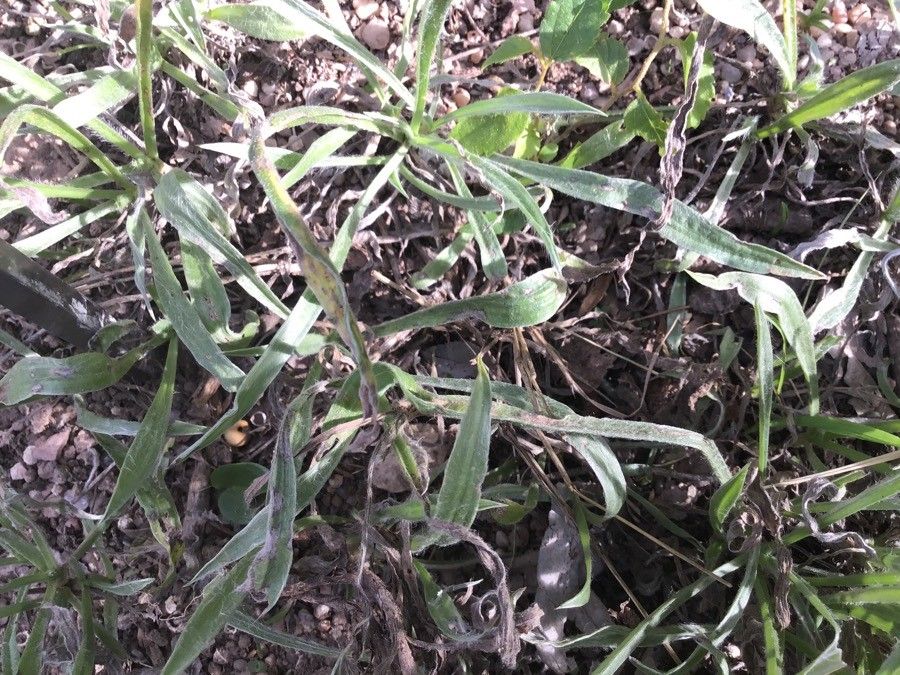
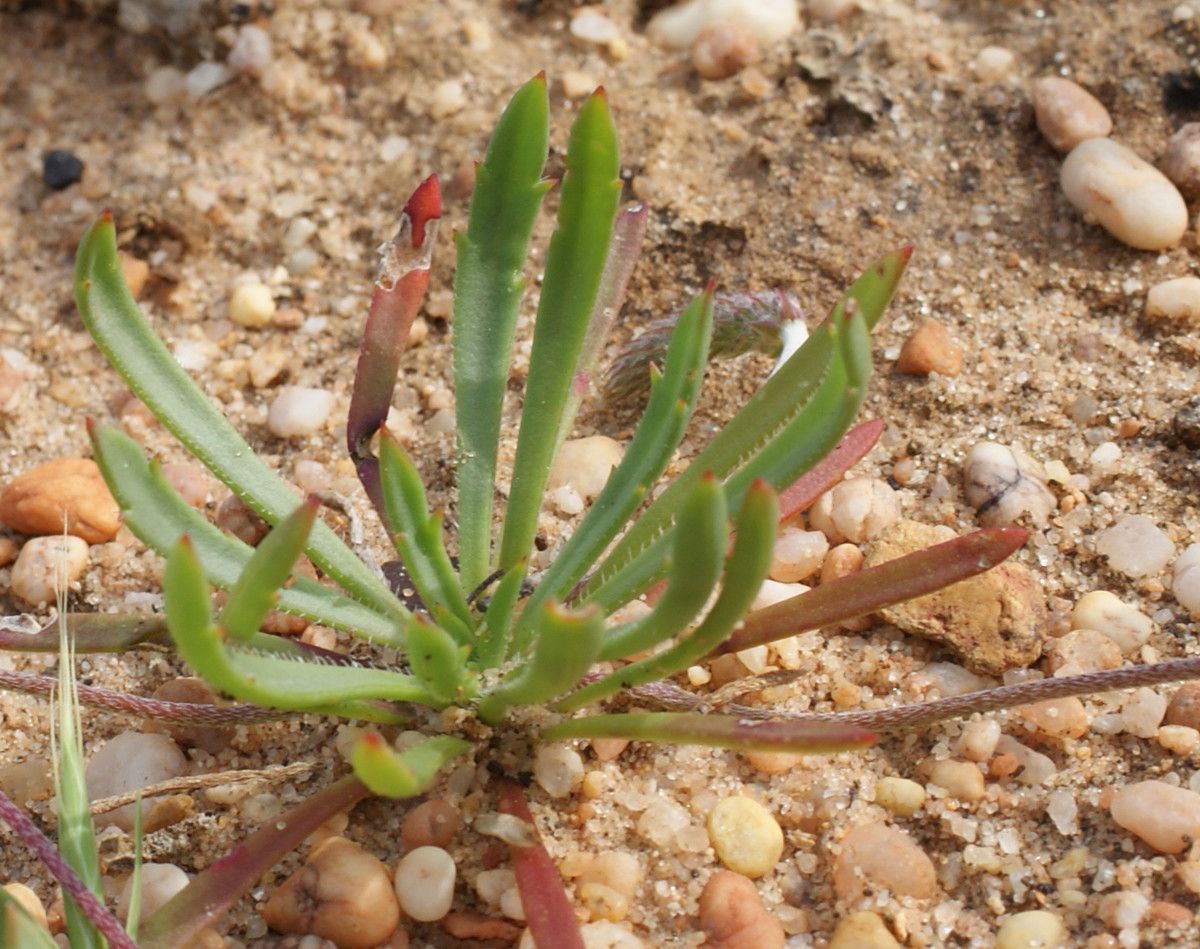
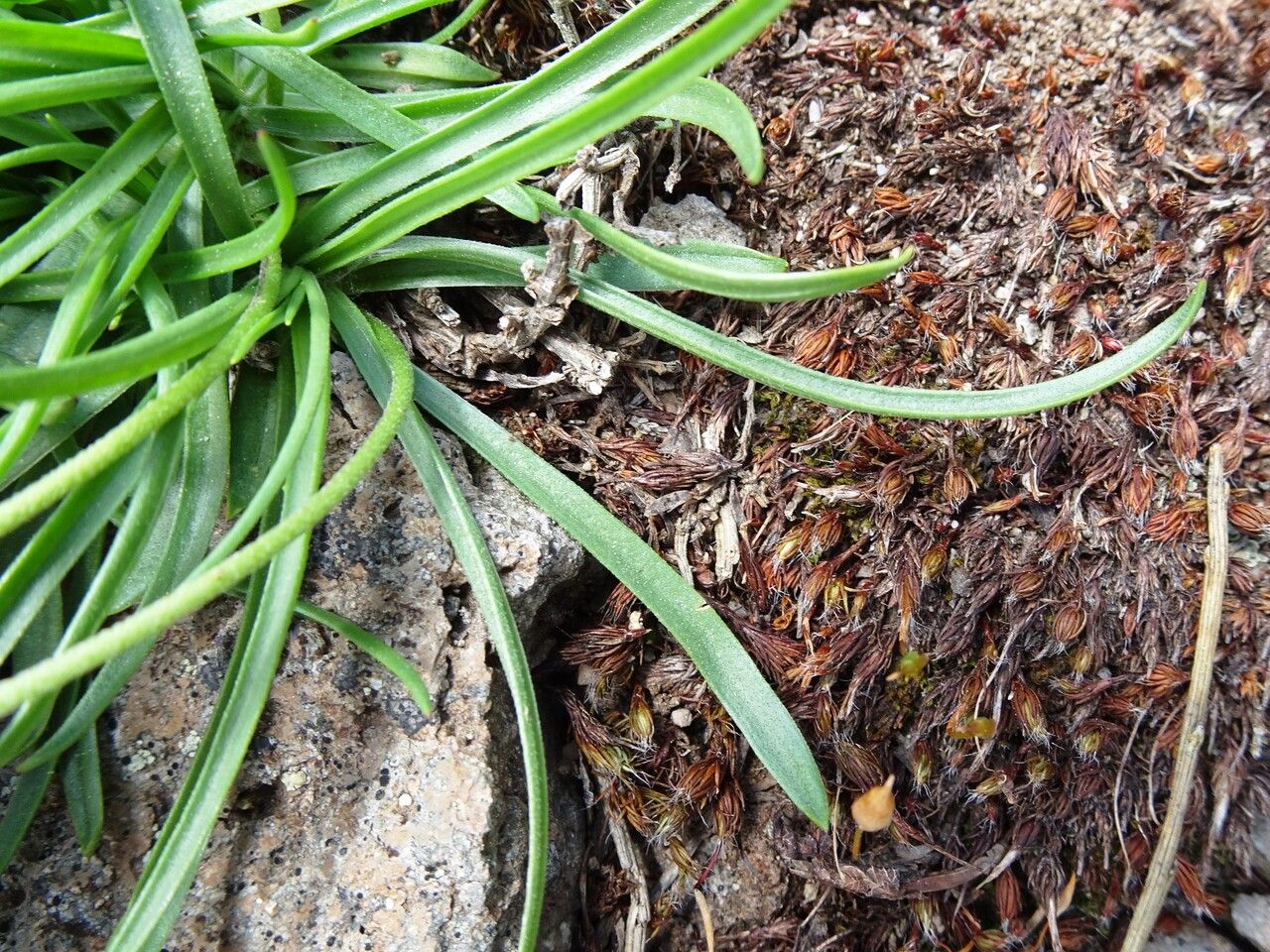
Plantago lagopus, commonly known as Hare's-foot Plantain, is a perennial herbaceous plant belonging to the Plantaginaceae family. Native to Europe and Asia, it thrives in meadows, pastures, and along roadsides. The plant reaches up to 30 cm in height and forms a basal rosette of long, narrow leaves with pointed tips. The leaves are covered in fine hairs on both sides, which give the plant its common name, "Hare's-foot."
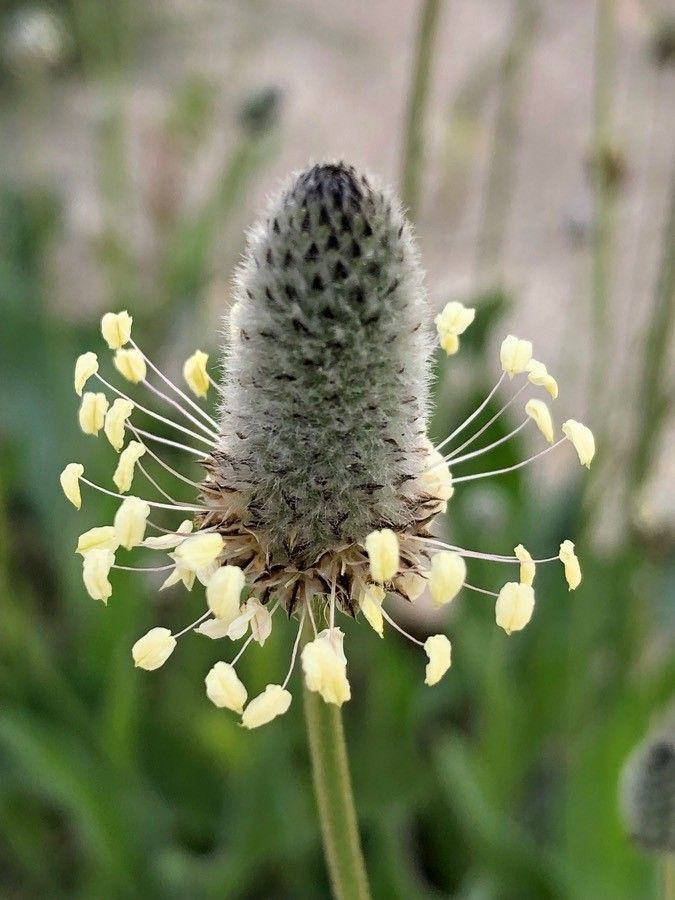
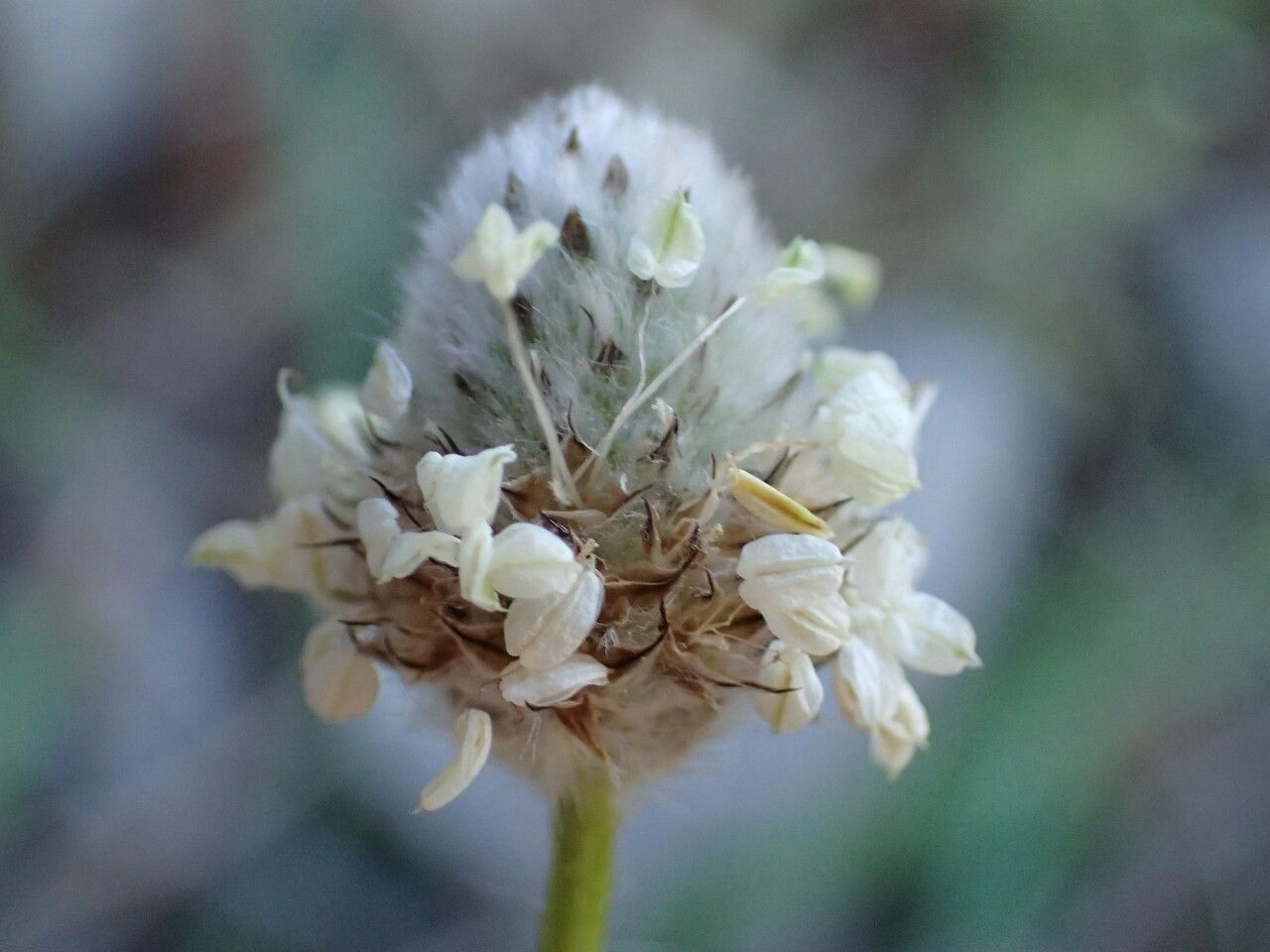
During the summer months, Plantago lagopus produces small greenish-white flowers arranged on a spike-like inflorescence that rises above the foliage. The seeds of this plant have medicinal properties, containing mucilage that can be used to treat coughs, sore throats, and digestive issues. Additionally, this species has a long history in traditional medicine for its anti-inflammatory properties, making it useful for treating skin irritations or wounds when applied topically as an ointment or poultice.
Overall, Plantago lagopus is a fascinating perennial herb with both medicinal value and ornamental appeal, making it a popular choice among gardeners worldwide.
Mediterranean plantain is fairly resistant to disease and usually does not suffer from them. However, it can be susceptible to pests and diseases present in its environment. These outbreaks are typically not severe. In terms of care, the plant requires moderate maintenance. It should be pruned regularly to maintain a neat appearance and promote healthy growth. Fertilizing can also aid flowering. Mediterranean plantain is suitable for anyone with outdoor space, such as a garden or patio, and does not demand extensive care experience. It may need more attention when grown indoors.
How to keep Plantago Lagopus.
Light
Mediterranean plantain comes from bright, open habitats and does best in full sun. It can tolerate partial sun, though it prefers direct sunlight for optimal growth. This plant, which grows as an annual or biennial, is noted for its sun-loving character.
Water
The Mediterranean plantain thrives in Mediterranean climates. It requires moderate moisture and benefits from deep, infrequent watering, typically once per week. This plant prefers well-draining soil and full sun, making it an excellent choice for xeriscaping and rock gardens. It flourishes best when the soil is allowed to dry out slightly between waterings.
Temperature
Mediterranean plantain can withstand a wide range of temperatures, but its distribution may still be restricted by specific combinations of moisture and heat. It does best in warm summer conditions with sufficient rainfall or irrigation. Long spells of cloudy, rainy weather or extended high temperatures increase the chance that Mediterranean plantain will die. In winter, appropriate protection from cold can boost the plant's survival.
Fertilizer
Mediterranean plantain does well with regular, diluted fertilizer applications to encourage healthy leaf development. Fertilize it roughly once a month during the summer. Nitrogen is essential for the foliage, and giving nitrogen-rich supplements helps Mediterranean plantain thrive.
Pruning
The Mediterranean plantain features a rosette of lance-shaped leaves and spike-like flowers. To promote growth and flowering, it's best to prune between early and late spring. Be sure to remove dead leaves to improve airflow and trim spent flowers to encourage continuous blooming. Pruning at the right time enhances both the vibrancy of the foliage and the flowers.
Botanical profile.
- Plant Type
- Herb
- Life Cycle
- Annual
- Genus
- Plantago
- Family
- Plantaginaceae
- Hardiness Zone
- 7-10
- Mature Height
- 6 cm to 15 cm
- Mature Spread
- 10 cm to 20 cm
- Leaf Color
- Green, Light Green
- Leaf Type
- Evergreen
- Flower Color
- White
- Flower Size
- 0.51 cm to 1.02 cm
- Bloom Time
- Spring
- Planting Time
- Spring, Summer, Autumn
- Harvest Time
- Late spring, Early summer, Mid summer
Other names.
Reader questions.
How should I water my Mediterranean plantain?
To water a Mediterranean plantain, you have a few different options. You can use a garden hose with a spray nozzle, a watering can, or any other commonly used watering tool. The plantain isn't too particular about its water source - it can thrive with rainwater, tap water, or filtered water. However, it's generally best to avoid watering this plant from overhead because it can harm the leaves and flowers and potentially cause disease. Drip irrigation systems work well for Mediterranean plantain because they provide even and direct watering to the soil. If you have a potted Mediterranean plantain, you can use a similar approach but change the watering tools. Simply apply the water directly to the soil using a cup, watering can, or your tap.
What are the sunlight requirements for Mediterranean plantain?
Mediterranean plantain thrives in environments that offer full sun, which means above 6 hours of sunlight per day. It can also tolerate partial sun, about 3-6 hours of sunlight. It's crucial to observe how sunlight moves through your garden to ensure your Mediterranean plantain plants get a perfect balance of light and shade, guaranteeing their well-being.
What should I do if I give my Mediterranean plantain too much water or not enough water?
To address underwatering Mediterranean plantain, simply start watering it more regularly when you notice it lacks moisture. However, overwatering is a more serious issue that can lead to diseases, plant decline, and death. To prevent this, choose a suitable location with plenty of sunlight, good drainage to prevent waterlogging, and ensure excess water drains. If your potted plantain is overwatered, consider switching it to a new pot with better drainage by repotting it with loose soils and an efficient draining pot.
How does Mediterranean plantain respond to indoor and artificial lighting?
For indoor Mediterranean plantain plants, adequate lighting is essential for optimal growth, especially when natural sunlight is insufficient. Artificial lights, like LED lights, are beneficial, and they should be customized to provide the specific wavelengths of light that plants need. Full sun plants require 30-50W/sq ft of artificial light, partial sun plants need 20-30W/sq ft, and full shade plants 10-20W/sq ft. The artificial light source should be placed 12-36 inches above the plant for 8-12 hours per day to mimic natural sunlight conditions for healthy growth.
How frequently should I water my Mediterranean plantain?
To keep your Mediterranean plantain healthy, it is important to water it regularly. In the spring, watering once per week should be sufficient. However, as the weather gets hotter, you may need to water two to three times per week. It is crucial not to exceed this rate, as it can harm the plantain. Additionally, the soil should be kept moist but not overly wet. When it comes to potted Mediterranean plantain, the watering schedule needs to be adjusted. Potted soil tends to heat up and dry out faster than ground soil, so you should water it more frequently. In most cases, plan to water a container-grown plantain a few times per week, compared to just once per week for an in-ground plant.
What are the common symptoms of insufficient light in Mediterranean plantain?
When Mediterranean plantain is grown indoors or under inadequate light, it may show several symptoms such as small or undersized leaves compared to older ones, leggy or sparse growth due to stretched-out stems and leaves, faster leaf drop as a conservation measure under low light, slowed or halted new growth indicating an essential survival mode, lighter-colored new leaves suggesting a lack of chlorophyll, chlorosis or yellowing leaves due to chlorophyll breakdown, sunscald which involves damage from intense sunlight exposure, leaf curling as a defense against excessive sunlight, wilting from lost turgor pressure increasing water loss, and leaf scorching characterized by brown, dry edges on leaves due to too much sunlight.
How much water does my Mediterranean plantain require?
Determining the appropriate amount of water for your Mediterranean plantain can be done in a few different ways. One method is to feel the soil to check for moisture and water until the top six inches feel moist. Another approach is to use a set measurement, like two gallons per week, depending on the temperature and soil drying speed. However, sticking strictly to these guidelines could lead to overwatering if your plant doesn't need that much. When growing Mediterranean plantain in a container, it's important to ensure that all layers of soil are moistened. You can check this by sticking your finger into the soil or observing a slight trickle of excess water from the drainage holes.
What are the solutions for addressing light issues for Mediterranean plantain?
To remedy light issues for Mediterranean plantain, gradually moving the plant to sunnier spots each week until it gets at least 6 hours of direct sunlight is advisable. For indoor plants that are large or not easily movable, using a south-facing window with open curtains or artificial grow lights for at least 8 hours daily can provide additional light. Outdoors, avoid sudden changes that may cause sunburn by slowly adapting the plant to more sunlight. Reducing obstructions, like pruning trees, or transplanting smaller plants to sunnier locations with ample sunlight and good drainage, can also help. Note that parts of the plant affected by insufficient sunlight might not recover, but new growth should be healthy with proper light exposure.
How can I know if I am giving enough water to my Mediterranean plantain?
Avoiding overwatering your Mediterranean plantain can be somewhat difficult because these plants have deep roots that need weekly soil moisture. However, Mediterranean plantain are highly prone to root rot and browning if overwatered. Underwatering is less likely, as these plants can survive without supplemental watering for a while. However, if you go too long without watering, the plant will start to wilt and its leaves may become dry.
How should I give water to my Mediterranean plantain plant throughout the different seasons?
During the spring season, you should water your Mediterranean plantain about once per week. As the summer heat arrives, you will likely need to water it more frequently, potentially up to three times per week. This is particularly important if your plantain is in a container, as container soil tends to dry out quicker in warm weather. In autumn, when the temperature decreases and the sun is less intense, your plantain may require less water even though it is still in bloom.
How should I give water to my Mediterranean plantain as it grows?
Throughout the year, Mediterranean plantains go through various growth stages, each with different water requirements. When starting your Mediterranean plantain from a seed, it is important to provide adequate water for germination. This means watering it frequently to maintain consistent soil moisture. As the plant grows and emerges from the soil, it will require slightly less water than during the seedling phase. Once the plant is fully mature, you can switch to a regular watering schedule of once per week. During the flower development stage, it might be necessary to provide slightly more water to support the process.
How is watering Mediterranean plantain different when it's indoors and outdoors?
Mediterranean plantains are commonly grown outdoors for a few specific reasons. Firstly, these plants have a tendency to grow quite tall, making indoor cultivation challenging. Secondly, Mediterranean plantains require more daily sunlight than most indoor settings can provide. In the event that you manage to create a suitable indoor growing environment, be aware that you may need to water your Mediterranean plantains more frequently compared to outdoor growing. This is partly due to indoor locations being typically drier than outdoor areas, often caused by HVAC units. Additionally, soil in containers can dry out faster compared to soil in the ground.